



Answer 1739: Where Cryptocurrencies Are Going in State Politics in the U.S.

Original title: " Answer 1739: Where Cryptocurrencies Are Going in US State Politics "
Original author: Skye; Editor: Doge
This article comes from WeChat public account: Old Yuppie
In the late 1970s, the United States raised interest rates sharply to suppress inflation, which caused the dollar to rise sharply. From 1995 to 2001, the US technology industry rose, and the dollar strengthened all the way after 1995 , Many investors thought that cryptocurrency has also ushered in its "1995" after the metaverse concept became popular, but today the old yuppie will chat with you, in fact, it is still far behind 1995.
What is your impression of Benjamin Franklin? The story of him flying a kite to attract lightning was introduced in elementary school textbooks. In fact, a few years before he studied lightning, in 1739, the founding father was busy "making counterfeit coins", which later became today's US dollars.
Before they were recognized as U.S. dollars, these banknotes had a status similar to what cryptocurrencies are to us now.
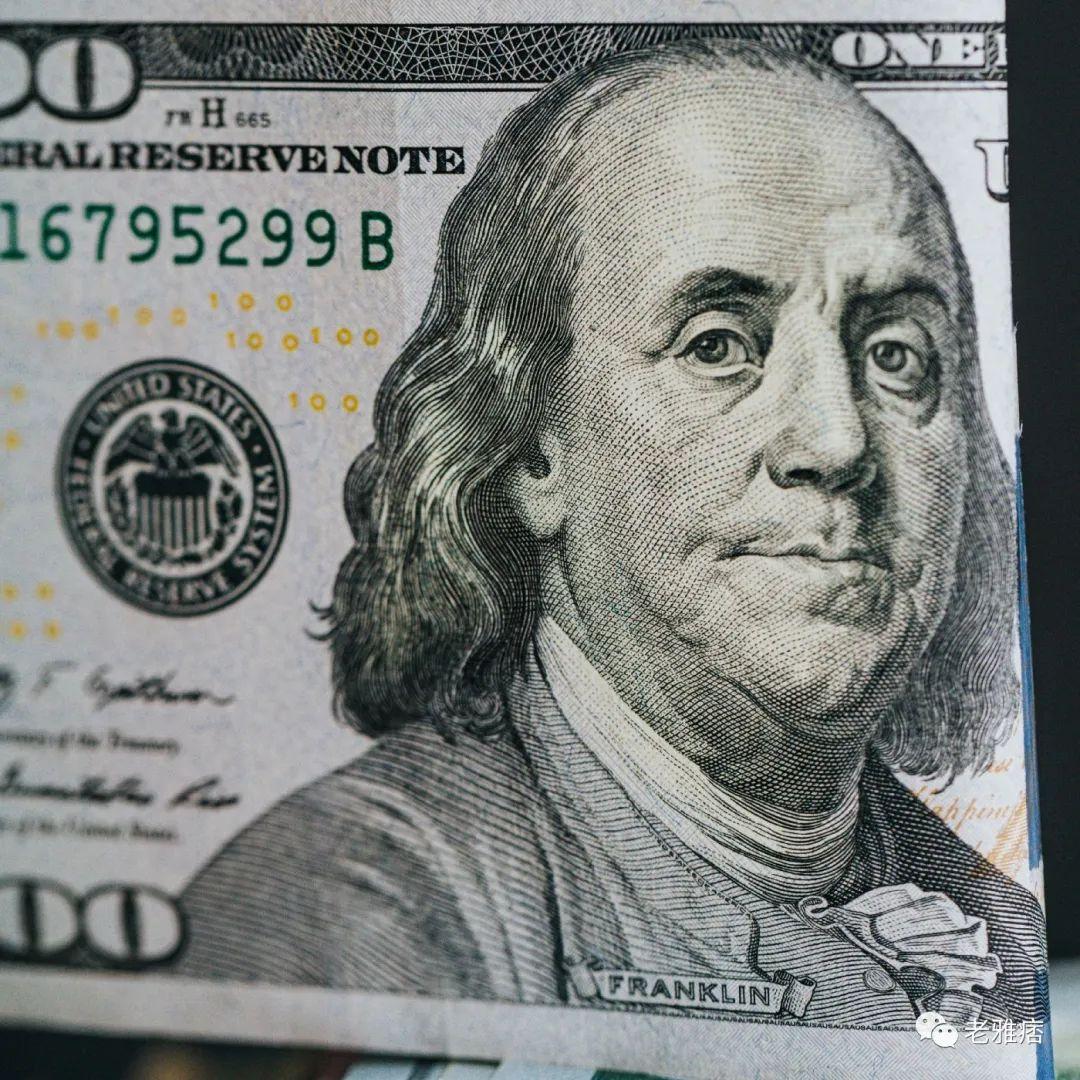
Just looking at the current adoption of cryptocurrency in the United States, it can be said that it is not even in 1995. In 1937 the mainstream world was a hoax joined by dizzy people. At this moment, there is a lack of a politician with the right to speak to guide the views on cryptocurrencies.
Most people in the crypto industry, DAO space basically don't think their work is political. After all, fiat currency is not a partisan issue, it is just a payment mechanism. However, monetary policy has always been pulled in very different directions. Our foray into the encryption space is still experimental, it has not been fully adopted by the US government, nor has it been completely banned.
For a long time, the U.S. Congress has been very active in responding to the development of the encryption industry, but it has not directly expressed its position. Encryption legislation generally takes one of the following three forms :
- restrictions or new reporting requirements;
- protections from existing financial regulation or Exemption;
- for ease of access and use.
According to Bloomberg, there was a lot of activity at the federal level. More bills related to cryptocurrency regulation will be introduced in 2021 than in any previous year. For example, the bipartisan Congressional Blockchain Caucus has proposed legislation to exclude digital tokens as securities, but it has yet to gain much traction. Neither did most of the bills introduced last year. Bloomberg also notes that Congress has not passed any major laws regulating finance since the Dodd-Frank Act of 2010, which, among other things, cracked down on credit default swaps that led to the 2008 bubble Much of the regulation was removed under the previous administration). So, for now, Congress hasn’t given us a lot of information about which direction cryptocurrencies might lean politically.
State legislation in the United States gives us the best reference indicators to understand the current political status of the encryption industry. By the end of 2021, 33 states and Puerto Rico have introduced legislation related to cryptocurrencies. While most of these bills simply called for studies, task forces, or simply added language to existing laws referring to cryptocurrencies, there were some interesting highlights. Oddly, they seem to rarely use the word "cryptocurrency," preferring "digital assets," "virtual currency," or similar names in legislation. This may be due to their subconscious belief that the word "cryptocurrency" is negatively associated with crime, cyberattacks, etc.
Want to understand the political trend of cryptocurrency in the United States, the old yuppie sorted out the measures of various states in the United States for everyone.

The red part in the picture is guiding the direction: new DeFi Entities and Legalizing Crypto
Overall, the most concrete activity has come from the red states above with Republican-controlled legislatures. Even in states with Democratic-controlled legislatures, legislation often comes from Republican members. Here are some highlights:
Kentucky
A bill in Kentucky will provide encryption Currency establishes a property classification and regulates Token ownership and transfer of the Act, and even referred to part of the Act as the Kentucky Utility Token Law". The second bill proposes "special purpose depository institutions," described as banks that cannot lend but are designed to provide banking services to "blockchain innovators" who cannot be served through traditional savings and loan banks. While the state has introduced new reporting requirements, it also appears to be promoting links between the cryptocurrency market and traditional banks, which could also provide some risk relief for investors. Overall, the most specific activity appears to be coming from, usually led by Republicans. Control of the legislature of the "red" states. Even in states with Democratic-controlled legislatures, legislation often comes from Republican members.
Nebraska
Nebraska passed and signed last May A law was passed creating a "digital asset depository". This new DeFi structure only holds cryptocurrencies, but cannot make loans, like the pending bill in Kentucky. Whether these will be a good starting point for cryptocurrency and DeFi let us look forward to it. The latter bill was drafted by a company called Telcoin, which has an app that can transfer fiat and cryptocurrencies between users. Maybe we can guess who might be the first company in Cornhusk to become a digital asset depository?
Cryptocurrency Tax Bill
Another obstacle to government adoption of cryptocurrency is that it is not Considered to be "legal tender" capable of paying taxes. That could change in Wyoming and Arizona. Much has been written about the legislative happenings in Wyoming related to DAOs and cryptocurrencies, so let’s just chat briefly here. Wyoming’s bill is limited to allowing state sales and use tax payments in cryptocurrencies. Arizona’s bill goes a step further by declaring Bitcoin legal tender in the state. The U.S. Constitution does not allow states to create their own currencies, so Arizona could face difficulties in court if the bill passes. But even a small step toward legalizing cryptocurrencies, as Wyoming’s bill has done, would encourage other states to consider similar steps.

The direction of development of the blue state in the picture: new restrictions and New Possibilities
There is hope still awaiting Democratic support to bring cryptocurrencies into the mainstream.
New Jersey
NJ’s Digital Assets and Blockchain Technology Act Appears to Get There is bipartisan support and was brought up by a Democrat. However, unlike the other two bills introduced by Republican members, this bill is mainly focused on restrictions and does not contain any incentives for new DeFi entrepreneurs. On the plus side, it establishes a licensing structure for cryptocurrency-related businesses in the state.
New York
Last year, New York also saw a series of bills, many of which were not The left dominates and has at least some support. One of the bills would allow state agencies to accept cryptocurrencies as a means of payment, while the other calls for the creation of a task force to evaluate the creation of state-issued cryptocurrencies.
Perhaps the most exciting bill proposed in New York would create an Office of Financial Recovery at the state level charged with coming up with creative ways to use cryptocurrencies to build Communities and local economies. Refreshingly, this legislation clearly articulates the value of cryptocurrencies in leveling the playing field in financial markets. It can allow marginalized communities to build wealth in a way that doesn’t require overcoming the biases and restrictions that keep them out of the traditional financial space.
What would happen if a person who was considered a financial risk by the bank could borrow money to start a business at the same low interest rate as those who were already wealthy? Or someone trying to build a career, earn cryptocurrency, and gain experience working for a DAO if it's hard to get a first "regular" job? Hopefully New York will lead us in a direction and allow us to explore these possibilities.

In addition to blue and red, there are some that cannot Clear Direction: Cryptocurrency with Honorable Mention
Louisiana
Louisiana is in Legislation was passed in 2021, albeit largely ceremonial, praising Bitcoin as the first trillion-dollar decentralized asset. It also encourages the state and its local governments to consider how they could benefit from the increased use of this "new technology". The bill doesn’t change anything in the state, but it does set an intention to be more open to cryptocurrencies as part of the economy.
It could also mean that the Louisiana legislature will use a non-binding, low-stakes pro-cryptocurrency bill before actually enacting legislation like Kentucky has done. bill to test the political waters. The final sentence of the bill refers to "new technologies," shifting the conversation to other types of cryptocurrencies, DAOs, and blockchain-related concepts, rather than just Bitcoin.
Michigan
The least impactful cryptocurrency-related bill passed last year may come from Michigan , the state declared October 2021 as "Cryptocurrency Education Month." Yes, not every October, just October 2021.
At the end of the day, politics does seem to be leaning a little bit to the right, but not quite there yet. At the same time, federal regulators do have some inherent powers to regulate cryptocurrencies without new laws.
Possible federal stablecoin regulation soon?
The Biden administration released a report looking specifically at stablecoins and how they should be regulated. The good news is that the report points to the value of stablecoins in providing faster exchange of funds, as well as their growing utility in the market. The not-so-good news for DeFi is that they propose that only insured financial institutions be allowed to issue stablecoins. This is to ensure that they have proper backing against stablecoin operations, but it will also put them squarely under the jurisdiction of the SEC. While this has so far not led to new rules directly related to cryptocurrencies by the SEC or other bank watchdogs (but perhaps indirectly, as discussed here), the report could be in the direction of stablecoin regulation an indicator.

Actions taken by the Fed
with In relation to stablecoins, the Federal Reserve System is considering a new central bank digital currency (CBDC). It would fall under the jurisdiction of the Federal Reserve and work with private banks to theoretically provide greater access to the financial instruments that cryptocurrencies allow, while ensuring greater stability and preventing fraud. Of course, this would clearly make traditional banks the dominant players in digital currencies and contradict the ethos of DeFi. On the other hand, it could also further legitimize cryptocurrencies in the public eye, while Tether and USDC continue to be commonly used stablecoins.
Even if it is not part of the current proposal, after the establishment of a CBDC, the logical next step would be to allow the exchange of other cryptocurrencies. The public will likely demand this (at least eventually), and restricting transactions between USD and CBDC is as foolish as not offering an exchange between fiat.
The IRS wants to know about your cryptocurrency
This year taxpayers are asked to report Cryptocurrency income and capital gains and losses from the sale of cryptocurrencies. Some major custodial wallet providers, such as Coinbase, will report to the IRS on 1099-MISC and 1099-K this year. They don't appear to need to report capital gains and losses to the IRS yet, though.
Coinbase says if you earn $600 or more in cryptocurrency from airdrops, contest prizes, mining, staking, or from hard forks, You will receive a 1099-MISC from them, which will also be sent to the IRS. However, they do not send any 1099-B (Proceeds from Broker or Exchange). Assuming this means the IRS hasn't asked for it yet, we can expect that they may in the future. It appears that you need to be logged in to find this information under the "Taxes" menu. There is some content on this on this public facing page. The IRS Wants to Know About Your Cryptocurrency
Many people who are already busy filing their taxes are aware of the new IRS rules related to cryptocurrencies. This year, taxpayers will be required to report cryptocurrency income as well as capital gains and losses from the sale of cryptocurrencies. Some major custodial wallet providers, such as Coinbase, will report to the IRS on 1099-MISC and 1099-K this year. They don't appear to need to report capital gains and losses to the IRS yet, though.

Talking here, it can be seen that both parties in Congress Either way, conservatives have clearly seen the potential of cryptocurrencies to strengthen commerce, support individual liberties, and reduce the need for government oversight of finances. Progressives should love its potential to create a more transparent and fair economy, provide opportunities for the unbanked, help consumers take more money away from bankers, and foster the development of DAOs that put people first the future of the organization.
We all know that cryptocurrencies are here to stay, and like any fundamental part of society, politics and policy will play a part in shaping it. There's no getting around it, so let's help guide the process instead of hoping it doesn't happen the wrong way.
So, what type of supporter do you think you are? If you realize that politics and policy play a huge role in life, then you should pay attention to the situation of cryptocurrency in the political field. At least, all of us can understand the development trend of the encryption industry from the development of these policies, which is also an important prerequisite for rational investment.
Original link
Welcome to join the official BlockBeats community:
Telegram Subscription Group: https://t.me/theblockbeats
Telegram Discussion Group: https://t.me/BlockBeats_App
Official Twitter Account: https://twitter.com/BlockBeatsAsia

 Related Articles








