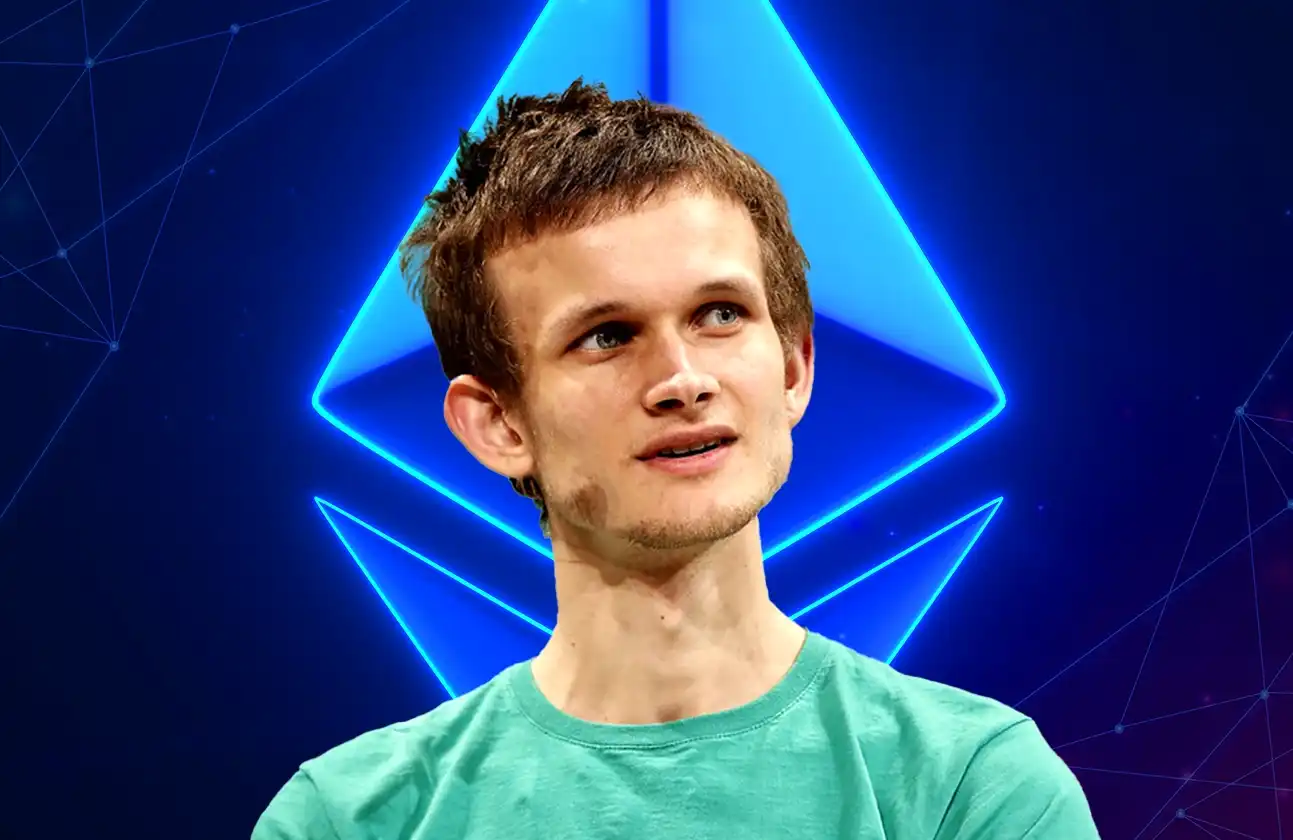
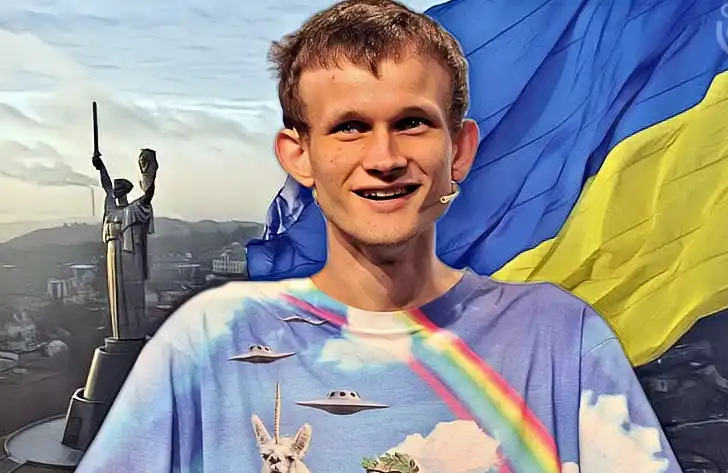
Vitalik Buterin: In defense of bitcoin maximalists

In Defense of Bitcoin Maximalism
Vitalik Buterin
Source: Vitalik Buterin
Captain Hiro, Captain Babbitt
What we've been hearing for years is --Blockchain is the future. Bitcoin is not; The future of the world won't be just one major cryptocurrency, or even a few, but many -- and the winning one will have strong leadership under a central control that will quickly adapt to the scale needs of its users; People will also say that bitcoin is a"boomer coin (old money) ", ethereum will soon catch up with it, and ethereum will be a newer, more dynamic asset that will attract a new wave of mass users who don't care about weird liberal ideologies or the "sanctity of private property" and are turned off by toxic and anti-government mindsets, They just want blockchain DeFi and games to be fast and effective.
But what if that narrative is all wrong, and the ideas, habits and practices of the Bitcoin Maximalist are actually pretty close to being right? What if bitcoin is much more than an outdated literary stone tied to network effects? What if bitcoin maximalists actually deeply understand that they operate in a very hostile and uncertain world where there are things they need to fight for, and their actions, personalities and philosophies about protocol design deeply reflect that fact? What if we live in a world of honest cryptocurrencies (of which there are very few) and con artists' cryptocurrencies (of which there are a lot), and in order to prevent the former from switching to the latter, a certain dose of persistence is actually necessary? That's the argument I'm making with this article.
We live in a dangerous world, and protecting freedom is a serious matter
I hope this is even more evident than it was six weeks ago, when many still seriously believed that Vladimir Putin was a misunderstood benevolent figure who simply wanted to protect Russia and save Western civilization from the scourge of "homosexuality (NATO)". But the idea bears repeating. We live in a dangerous world where there are bad people who don't listen to compassion and reason.
At its heart, blockchain is a security technology -- a technology that is fundamentally all about protecting people and helping them survive in such an inhospitable world. It's like the Lord of the Rings.Phia of Galadriel (galadriel's vase to Frodo), "In this little bottle shines the light of the star of Elendil, in my fountain. When night falls, it will be brighter. When all other lights are out, may it be a lamp for you in the dark place". It's not a low-cost lamp, or a fluorescent hippie energy-saving lamp, or a high-performance lamp. It's a lamp that sacrifices on all those fronts to optimize one thing and one thing only: a lamp that lights up the path ahead of you when you're facing the toughest challenge of your life and there's a damn 20-foot spider staring at your face.

Source: https://www.blackgate.com/
Blockchain is used every day by unbanked and underbanked people, activists, sex workers, refugees, and many other groups who are either uninterested in profit-seeking centralised financial institutions or have enemies who don't want them served. They are used by many people as a major lifeline to pay for and store their savings.
For this reason, the public chain has sacrificed a lot for security:
Blockchain requires that each transaction be independently verified tens of thousands of times before it can be accepted.
Unlike centralized systems that confirm transactions in a few hundred milliseconds, blockchains require users to wait 10 seconds to 10 minutes for confirmation.
Blockchain requires users to be fully responsible for authenticating themselves: if you lose your private key, you lose your cryptocurrency.
Blockchain sacrifices privacy. People need itCrazier, more expensive technology to get privacy back.
What is all this sacrifice for? To create a system that can survive in an unfriendly world and truly "may it be a lamp for you in a dark place when all other lights go out".
For blockchain to do this job well, two key factors are needed.(I) a strong, defensible technology stack and (ii) a strong, defensible culture. The key attributes of a strong and defensible technology stack are a focus on simplicity and deep mathematical purity: a block size of 1 MB, a limit on the total amount of 21 million coins, and a simple Satoshi consensus proof of work mechanism that even a high school student can understand. Protocols must be designed to be easy to justify decades or even centuries later; Technology and metrics must be a work of art.
The second element is an uncompromising, committed minimalism culture. It has to be a culture that can relentlessly defend itself against corporate and government actors trying to codify the ecosystem from the outside, and bad actors in the cryptocurrency world trying to exploit it for personal gain, as there areA lot of.
Now, what does the culture of Bitcoin and Ethereum really look like? Well, let's ask Kevin Pham:
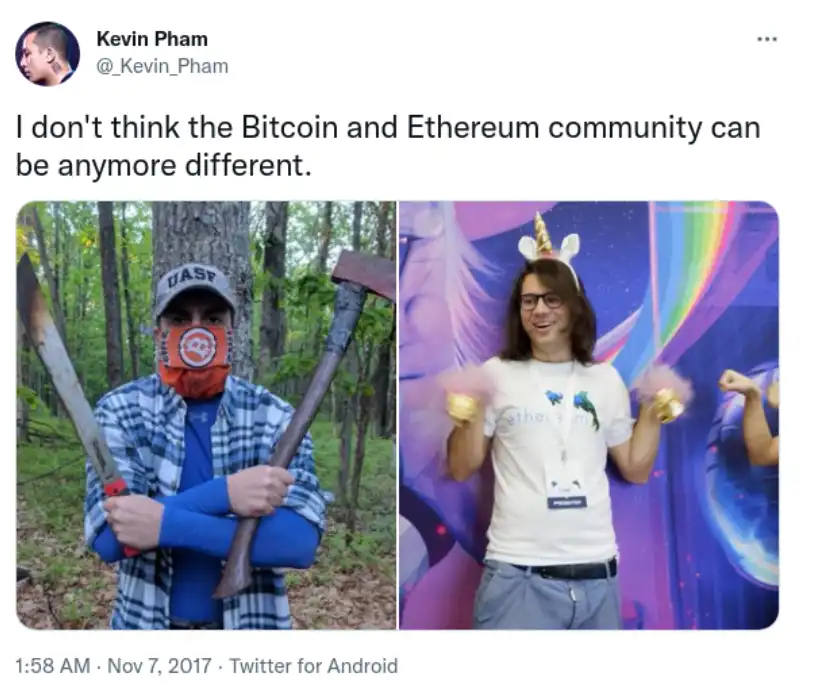
I don't think the Bitcoin and Ethereum communities are any different.
Don't believe this tweet is representative? Well, let's ask Kevin Pham again:
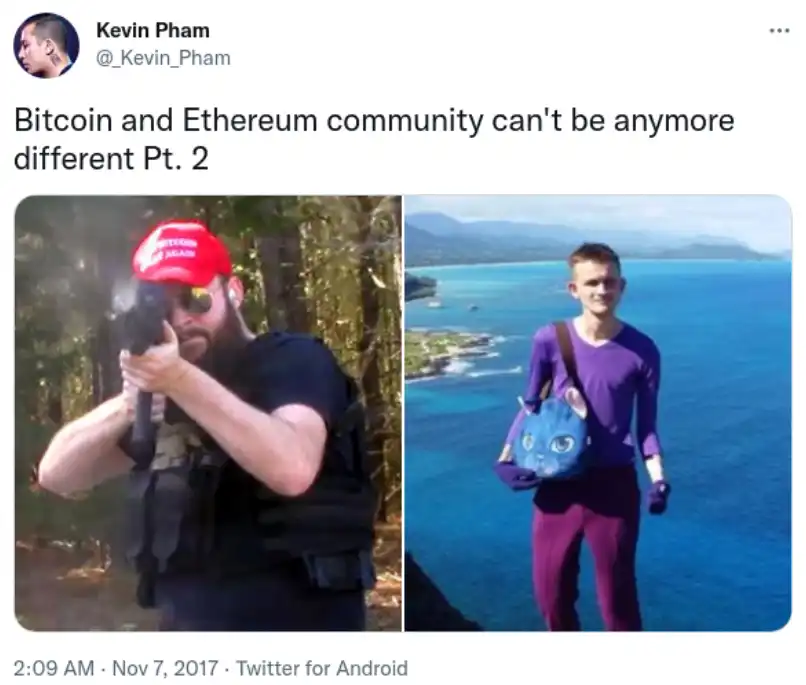
Bitcoin and Ethereum communities are exactly the same, Part II.
Now you might say, this is just the ethereum guys joking around, and finally they understand what they're doing, what they're dealing with. But do they? Let's see who Ethereum founder Vitalik Buterin is with.
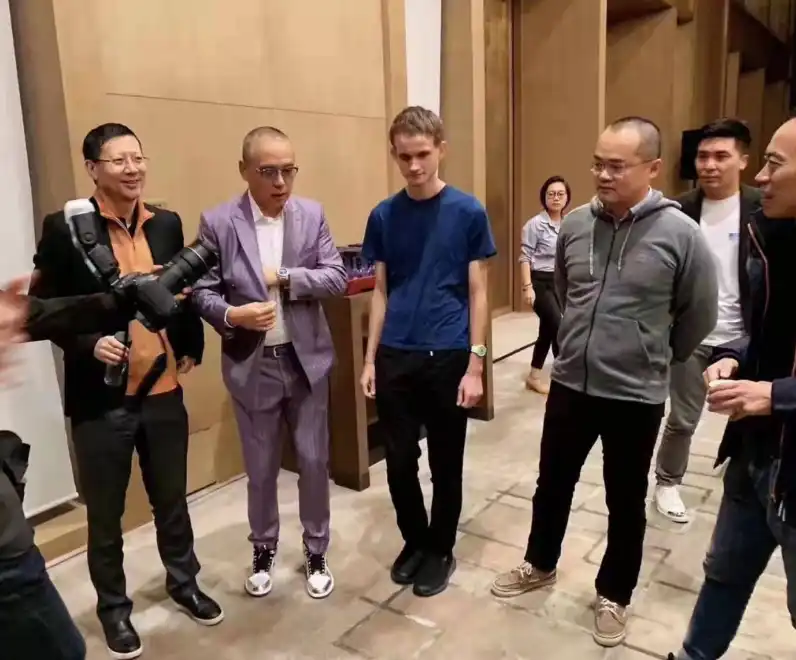
Vitalik mingles with elite tech ceos in Beijing, China
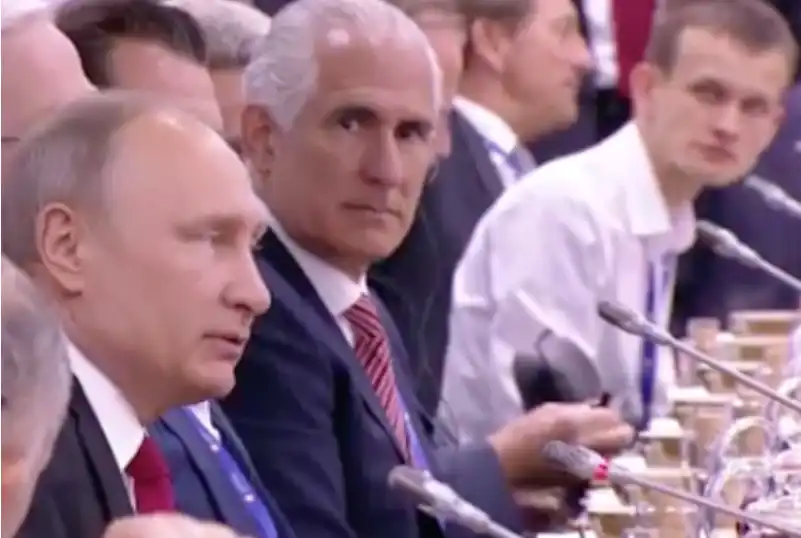
Vitalik met Vladimir Putin in Russia
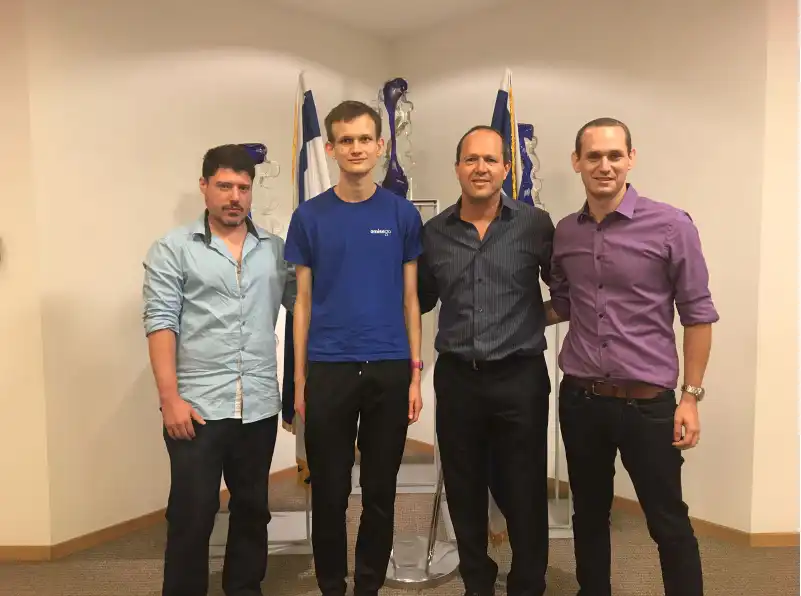
Vitalik met with Jerusalem Mayor Nir Bakrat
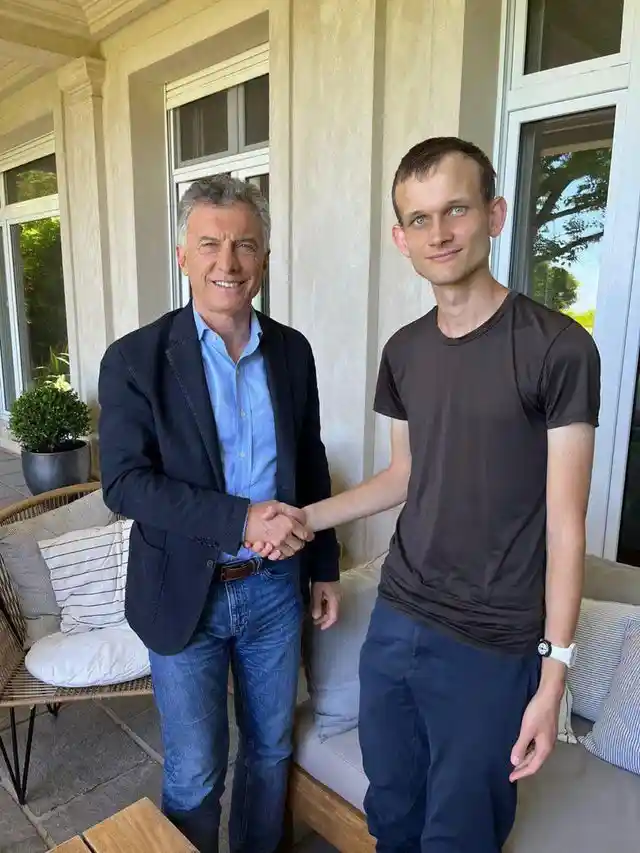
Vitalik shakes hands with former Argentine President Mauricio Macri
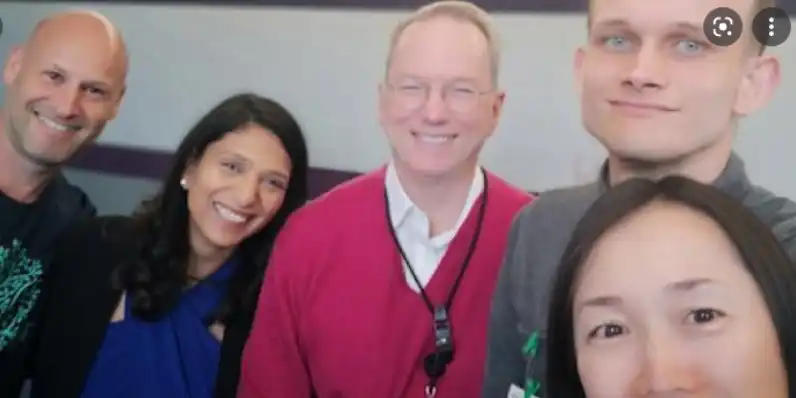
Vitalik greeted Eric Schmidt, the former CEO of Google and an adviser to the U.S. Department of Defense, in a friendly way
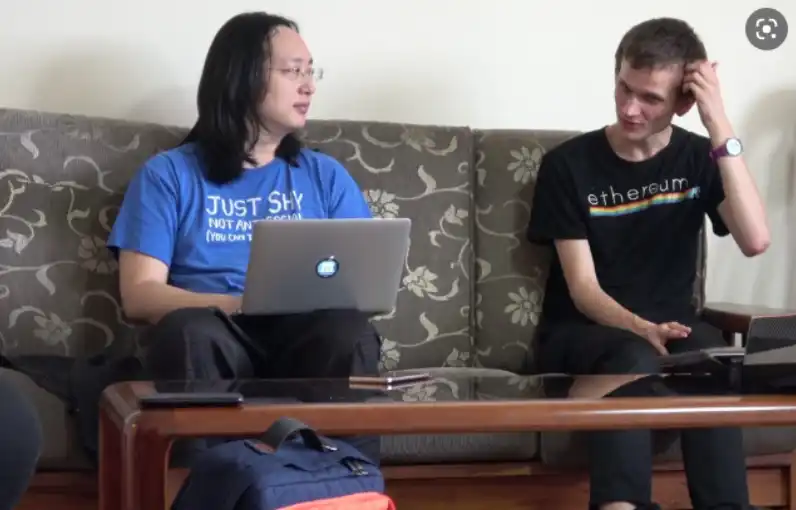
Vitalik had the first of many meetings with Audrey Tang, Taiwan's minister of Digital
And that's just a small part of it. The immediate question anyone looking at this should be asking is: What's the point of meeting all these people publicly? Some of these people are very decent entrepreneurs and politicians, but others are actively involved in serious violations of human rights, which Vitalik certainly does not support. Does Vitalik not realize how geopolitically some of these people are killing each other?
Now, maybe he's just an idealist who believes that talking to people helps bring about world peace, yesFrederick Douglass followers of the motto "Unite with anyone to do the right thing, not the wrong thing". But there's also a simpler assumption: Vitalik is a cheeky globetrotter and status-seeker who really enjoys meeting people who matter and feels respected. And it's not just Vitalik; Companies like Consensys are all for itWorking with Saudi Arabia, the entire ecosystem constantly tries to seek validation from mainstream people.
Now ask yourself a question: When the time comes and important things actually happen on the blockchain -- important things that offend powerful people, in fact -- which ecosystem would be more willing to put its chin up and refuse to censor them, no matter how much pressure is put on them? The ecosystem of globetrotters who really care about being everyone's friend, or those who take pictures of their AR15s and axes as a sideline?
Currency wasn't "just the first app," it was the most successful one to date
Many people who hold the "blockchain, not Bitcoin" view believe that cryptocurrency is the first application of blockchain, but it's a very boring application and the real potential of blockchain lies in bigger and more exciting things. Let's take a lookEthereum White PaperList of applications at :
1. The issuing of Token
Financial derivatives
3.Stablecoin
4. Identity and credibility systems
5. Decentralized file storage
6. Decentralized Autonomous Organization (DAO)
7. Point-to-point betting
8. Forecast the market
Many of these categories have already launched apps and at least some users. What cryptocurrency people really care about is empowering bank debtors in the "Global South." Which of these apps actually have large numbers of users in third world countries?
The most successful use of blockchain so far has proved to be storing wealth and payments.Three percent of argentines has cryptocurrencies,6% of Nigerians and & have spent12% of ukrainians also owns cryptocurrencies.
What other applications today come close to this level of practical, true adoption? Maybe the closest thing to it is.ENS. The DAO is real and growing, but today too many daOs are being used by people in wealthy developed countries whose main interest is having fun and using cartoon characters to satisfy their first world self-expression needs, rather than building schools and hospitals and solving other real-world problems.
As a result, we can clearly see two factions: the "blockchain" faction, the privileged people of rich countries who like to send virtuous signals about "transcending money and capitalism" and can't help but get excited about "experiments in decentralized governance" as a hobby; The "Bitcoists", a highly diverse group of rich and poor people in many countries of the world, including third world countries, are actually using the capitalist tool of free autonomous money to provide real value to humanity today.
Focusing on being money makes money better
A common misconception about why Bitcoin doesn't support "elegant stateful" smart contracts is that bitcoin really values simplicity, especially low-tech complexity, in order to reduce the chance of error. Therefore, it doesn't want to add the more complex features and opcodes that are necessary to be able to support the more complex smart contracts in Ethereum.
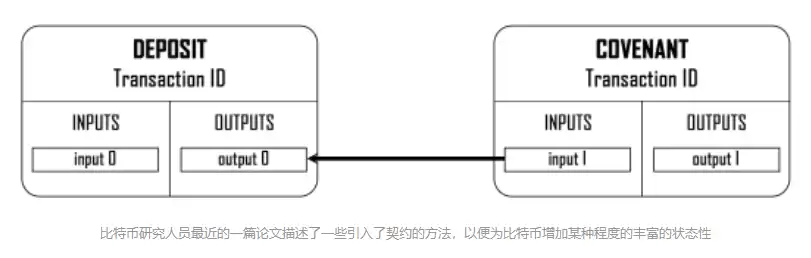
Of course, this misconception is wrong. In fact, there are many ways to add rich state to Bitcoin; Search for "Bitcoins Chat profile"contract (Covenants) "gives you a look at many of the proposals being discussed, many of them surprisingly simple. The reason these contracts are not added is not because Bitcoin developers see the value of rich state and find even a little more protocol complexity intolerable. Instead, it's because bitcoin developers are worried about what a rich state might bring to the ecosystemSystem complexityThe risk!
The etheric fangThe fight against miner extractable Value (MEV) is a good example of how this problem arises in practice. In Ethereum, it is easy for developers to build apps that reward the next person to interact with certain contracts, causing traders and miners to fight over each other, greatly increasing the risk of network centralization, andComplex solutions are required. In Bitcoin, it's hard to build such systemically risky applications, largely because bitcoin lacks rich state properties and focuses on simple (meV-free) use cases, that is, just money.
Systemic risk can also occur in non-technical ways. Bitcoin is just money, meaning that bitcoin requires relatively few developers, which helps reduce developers' initial demandsPrint your own money for free to establish the risks of new protocol functionality. Bitcoin as a currency reduces the pressure on core developers to constantly add features to "keep up with the competition" and "meet the needs of developers."
In many ways, the systemic implications are real, and a currency cannot "enable" a highly complex and risky ecosystem of decentralized applications without being knocked down in some way by that complexity. Bitcoin is a safe bet. If Ethereum continues with its layer-2 centric approach, ETH as a currency may gain some distance from the ecosystem of applications it enables and thus some degree of protection. So-called high-performance tier 1 platforms, on the other hand, don't stand a chance.
In general, the earliest projects in an industry are the most "real"
Many industries and fields follow a similar pattern. First, some new and exciting technology is either invented or improved by leaps and bounds so that it can actually be used for something. In the beginning, the technology was still unwieldy, too risky for almost anyone to touch as an investment, and without "social proof" that people could use it to succeed. So the first people to participate will be idealists, tech geeks and others who are genuinely excited about technology and its potential to improve society.
However, once the technology has sufficiently proved itself, ordinary people will follow -- an event often referred to in Internet cultureEternal September (Eternal September). These aren't just regular, good-natured folks who want to feel part of something exciting, but business people in suits who start scouring the ecosystem like hungry wolves for ways to make money -- and armies of venture capitalists are just as eager to make their own by backing them. In extreme cases, outright scammers come in and create blockchains that have no social or technical value of redemption and are basically scams. But the reality is that the line from "altruistic idealist" to "liar" actually co-exists. The longer an ecosystem lasts, the harder it becomes for any new projects on the altruistic side of the system.
The philosophical and idealistic values of the blockchain industry are slowly being replaced by the values of short-term profit, one noisy representation of which is the ever larger preset size: the allocation of funds to themselves by the developers of a cryptocurrency.

Photo credit: Messari
Which blockchain communities deeply value self-sovereignty, privacy, and decentralization, and have made big sacrifices to get it? And which blockchain communities just want to inflate their market cap and make money for their founders and investors? The chart above should be clear.
Intolerance is a good thing
I've made it very clear above why bitcoin's status as the first cryptocurrency gives it unique advantages, and any cryptocurrencies created in the last five years are extremely difficult to replicate. But now we come to the biggest objection to bitcoin's culture of faith: Why is it so toxic?
The case for believing that bitcoin is toxic comes fromConquest's second law. In Robert Conquest's original formulation, the law states that "any organization that is not explicitly and constitutionally right-wing will sooner or later become left-wing." But in reality, this is a special case of a more general pattern, and one that makes more sense than ever in the modern age of relentlessly homogenized and compliant social media.
If you want to retain an identity that is different from the mainstream, then you need a really strong culture that actively resists and fights assimilation into the mainstream whenever it tries to assert its hegemony.
As I mentioned above, blockchain is fundamentally a very clear counterculture movement that is trying to create and maintain something different from the mainstream. At a time when the world is splitting into blocs of great powers that actively suppress social and economic interactions between them, blockchain is one of the very few things that can remain global. As more and more people reach out to censor to defeat their short-term enemies, blockchain unwaveringly continues to censor.
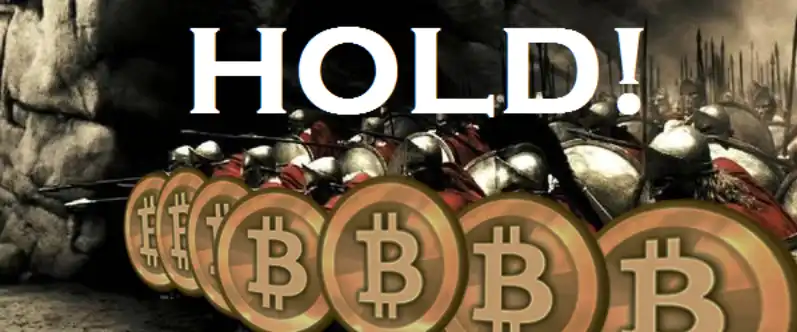
The only right way to deal with "reasonable adults" trying to tell you that you have to compromise your "extreme" values in order to "become mainstream." Because once you give in once, you can't stop.
The blockchain community must also contend with its own bad actors, some of which include:
A liar, they manufacture and sell projects that are ultimately worthless (or worse, very harmful), but insist on the legitimacy of "cryptocurrency" and "decentralized" branding (as well as highly abstract ideas of humanism and friendship).
collaborationistThey are openly and loudly signaling the virtues of cooperation with the government and actively trying toTo persuade The government uses coercive force against its competitors.
entrepreneurist, they try to take over blockchain development with their own resources and often push for changes in protocols toward centralization.
People can disagree with all these actors with a smile on their faces and politely tell the world why they "disagree with their priorities." But that's unrealistic: bad actors will work hard to infiltrate your community, and at this point it's psychologically hard to criticize them with as much contempt as they really need: the person you're criticizing is a friend of a friend of your friend. Therefore, any attentionidentity's culture succumbs to the challenge, allowing scammers to reach into the wallets of innocent novices.
What kind of culture won't be knocked down? One that is willing and eager to tell internal cheaters and external powerful rivals to goThe culture of the Russian warship road.
The Bitcoin community is right about its bizarre crusade against seed oil.
To help a community maintain internal cohesion around its unique values and avoid falling into the mire of the mainstream, a powerful bonding tool is strange faiths and Crusades that share a similar spirit to the core mission, even if they are not directly related. Ideally, these campaigns should be at least partially correct, poking into genuine blind spots or inconsistencies in mainstream values.
The Bitcoin community is very good at this. Their latest crusade isThe war on seed oil, oil content extracted from plant seedsHigh concentrations of omega-6 fatty acids, harmful to human health.

When the media went on a crusade against bitcoincomments, they will be suspicious of the Bitcoin community, but when a "respectable" tech company deals with the issue, the media is on the topicThe attitude is much better. This crusade helps remind bitcoiners that mainstream media is fundamentally tribal and hypocritical, and therefore mediaMake a sharp attempt at slander that cryptocurrencies are primarily used for money laundering and terrorism should be treated with the same degree of cynicism.
Be a Bitcoin maximalist
Bitcoin maximalists are often derided in the media as both a dangerous toxic right-wing cult and a paper tiger that will disappear once other cryptocurrencies come in and take over bitcoin's highest network effects. But the reality is that the arguments I've described above for believing in Bitcoin don't depend on network effects at all. Network effects are really logarithmic, not quadratic: once a cryptocurrency is "big enough" that it has enough liquidity to operate, multiple cryptocurrency payment processors will easily add it to their collections. But the claim that bitcoin is an outdated literary rock whose value comes entirely from a walking botnet effect that will collapse with just a little push is equally plain wrong.
Crypto assets like Bitcoin have real cultural and structural advantages that make them powerful assets to hold and use. Bitcoin is a good example of this type of asset, though it's certainly not the only one; Other respectable cryptocurrencies do exist, and bitcoin maximalists are willing to support and use them. Belief in bitcoin is not just about bitcoin for bitcoin's sake; Rather, it is a very real recognition that most other cryptocurrency assets are scams, and that a culture of intolerance is inevitable and necessary to protect novices and ensure that at least one corner of the field remains a worthwhile corner to live in.
By mistakeIt is better to steer ten rookies away from an investment that turned out well than to let one beginner be ruined by a con artist.
Better to make your protocol too simple to serve ten low-value, attention-short gambling applications than to make it too complex to serve the use cases that underpin the core sound money that underpins everything else.
It's better to offend millions of people by actively supporting something you believe in than to try to please everyone and end up with nothing.
Be brave, fight for your values and be a Bitcoin maximalist.
Welcome to join the official BlockBeats community:
Telegram Subscription Group: https://t.me/theblockbeats
Telegram Discussion Group: https://t.me/BlockBeats_App
Official Twitter Account: https://twitter.com/BlockBeatsAsia
 Related Articles