The founder of Dune Analytics: from close to giving up to a valuation of 1 billion
Original title: "From 0 to Unicorn, the founder of Dune Analytics tells the story behind the four rounds of financing"
Original author: Fredrik Haga, co-founder of Dune Analytics
Original compilation: Kyle, Tao of the Metaverse
Our recent Just announced a $69.42 million Series B funding round at a unicorn valuation. When we founded Dune in Oslo, Norway in 2018, Mats Olsen and I started as first-time entrepreneurs from the ground up in the crypto fringe industry. Today, just 3 years later, we are a unicorn with 16 employees. This post is our funding story.
Pre-seed round
Time: March 2019
Size: $250,000
Funding Length: 7 months
Team Size: 2 Founders
This is The hardest round we've raised so far. At the time we had just launched Dune, there were very few social connections in the crypto space. We knew from the beginning that if we stayed only in Norway, we probably wouldn't find any potential clients or investors who understood what we did.
We initially focused on sorting out the Ethereum data and getting our first client before spending time on fundraising. Just two weeks after Dune launched, we flew to ETH Berlin and started pitching the idea of our product metrics dashboard - the "Crypto Hybrid Dashboard". Just 3 months later, we signed Dharma as our first client. On December 1st of that year, we submitted the cleaned up Ethereum data to them, and they paid us $600 per month. This was a huge win because at the time almost no one in the nascent crypto space had paying customers.
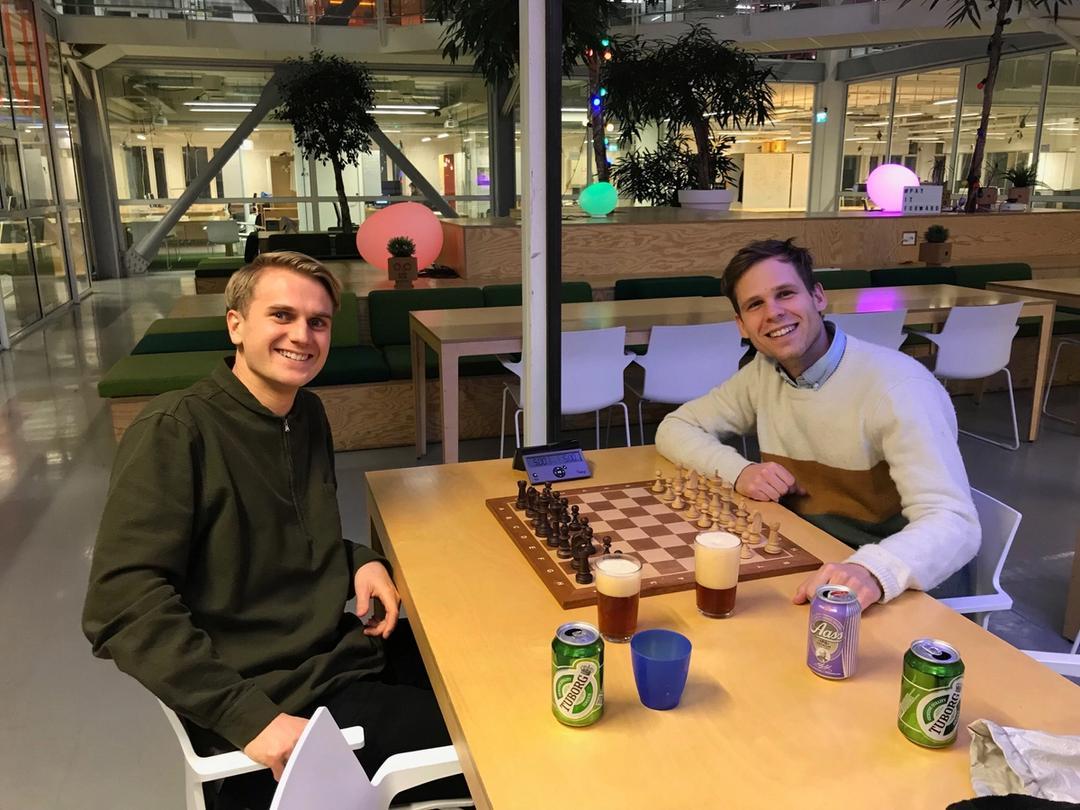
The photo above is of Mats and I celebrating our first client with an IPA and chess.
With the hope of paying customers and months without a paycheck, I started focusing on fundraising in late fall of that year, assuming we would be able to Raise seed round financing. Things didn't go so well. The fundraising process is brutal. At the time, traditional venture funds didn’t pay much attention to cryptocurrencies, and there were probably fewer than ten true crypto funds. By Christmas of that year, we had had about 50 conversations with investors, but we hadn’t even gotten to the point where we were discussing the terms of the financing.
The main drag is that the addressable market for encryption tools is very small and there is no business to do with encrypted data because it is all open. By Christmas 2018, it was clear we might not be getting funding anytime soon. Bankruptcy crisis, no salary, we were getting 10 rejections a day or no response outright, it was a tough time.
Over the Christmas period we thought long and hard about the resistance we encountered. We started Dune in part because Ethereum and cryptocurrencies represent a new and more meaningful financial infrastructure that is perfect for builders. We believe this deeply and have largely ignored all investor concerns about market size.
However, we do see criticism of access to B2B dashboards in terms of the openness of the data, which tools may Not too powerful. At this point we have two paying customers and that's our only draw. We decided to take the plunge and made the difficult decision to move to a free and open community product.
We realized that the powerful effect here would be embracing and accelerating the openness of data, rather than selling closed dashboard products similar to Web 2 data products.
Despite our new direction, fundraising is far from a done deal. In the next two months, we still had no response from investors, or were rejected, and there may be more than 50 conversations that failed. Luckily, when we were close to failure and looking for another job, Teck at Binance was impressed with our actual earnings and accepted us into their accelerator program.
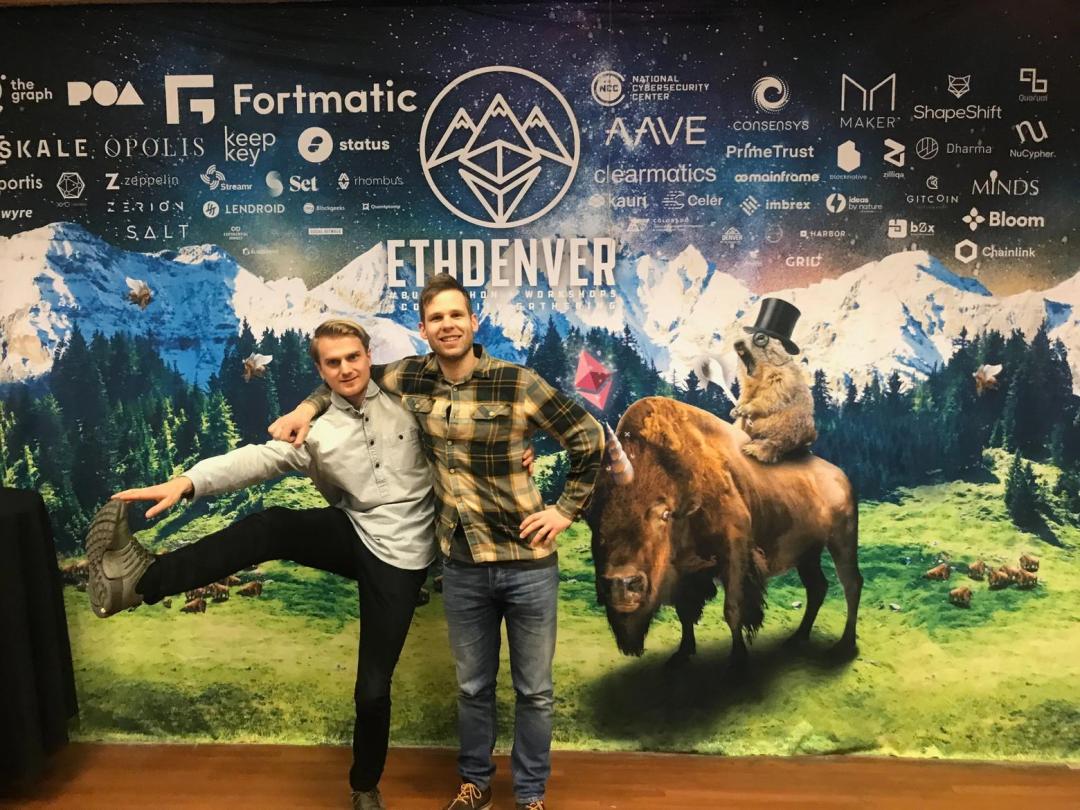
(above) Just a few weeks before Dune might have to be abandoned due to lack of funds, we were at At ETH Denver 2019.
After being accepted into the accelerator, I remember getting on the phone with Mats and lying on the floor ecstatic that we had finally secured Dune's continue to exist. After 7 months of no paycheck, the next paycheck of $4,000 was the best paycheck I've ever gotten in my life.
I think there is an interesting lesson to be learned from this: learn to both ignore and accept VC rejection. Keep your beliefs and don't be discouraged by rejections from 100 investors, but also take rejections seriously and critically evaluate your beliefs. We basically ignore all market size issues and stick to our first principle belief that crypto is a more meaningful financial infrastructure that will have a large number of builders to serve. On the other hand, we also took rejection to heart and adjusted our plans accordingly, embracing the openness of encrypted data rather than fighting it by selling closed dashboards.
Seed round
Time: August 2020
Scale : $2,000,000
Fundraising Time: 15 Months
Team Size: 2
In Spring 2019 At the end of Binance Accelerator, they had a pitch day in San Francisco and everyone was trying to raise a seed round. If I recall correctly, 1 or 2 of this batch of 10 companies managed to raise a seed round. Of course, we're not here.
We went home to Oslo, kept our burn rate to a minimum and didn't hire anyone. Mats and I make $50,000 a year and keep going. Building a product, backfilling missing data, talking to users, tweeting a dashboard, participating in a hackathon, sharing a room in a crappy hotel (I snore a lot - sorry, Mats!), offering service support, Take calls from users to help them learn SQL, and: Try raising a seed round.
Over the next year, we made four serious attempts at seed funding, none of which worked. We have $30K ARR and a growing user base including many of the top projects in the space. Still, most investors don't believe in the crypto opportunity, especially the data part of it. We went to San Francisco in February 2020 and it turned out there was no way we could raise a $1M seed round. In hindsight, someone could have acquired about 10 percent of Dune for $1 million less than two years ago, which now seems outrageous, but no investor in Silicon Valley was interested.
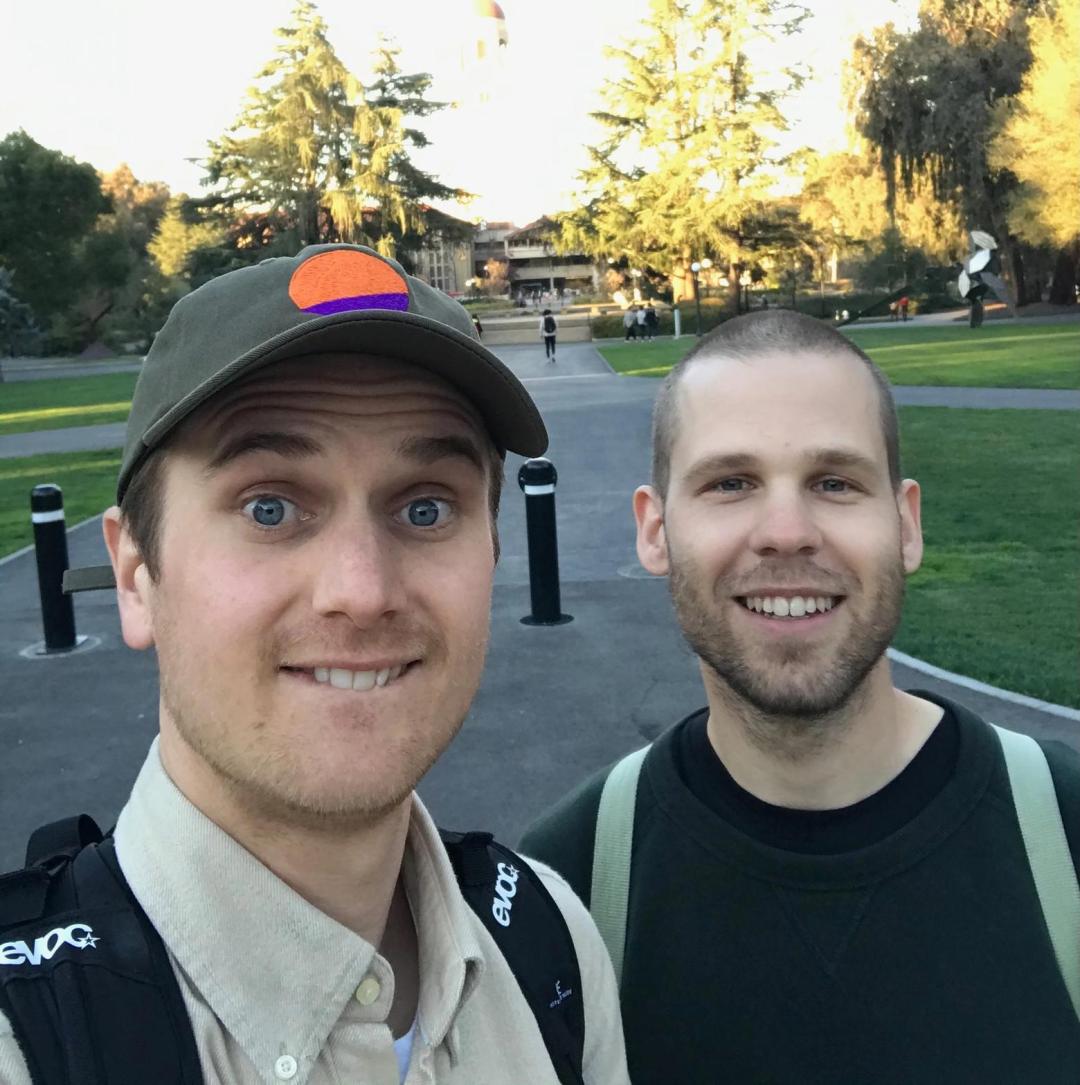
(above) Mats and I pitched Dune in Palo Alto in February 2020, trying to raise $1 million, and finally got nothing.
Dune was born and raised in a crypto bear market. Finally, in the summer of 2020, the bear market is coming to an end. “DeFi summer” is upon us, and Dune has become the key destination for tracking all the humble yield farming schemes, staking rewards, and insane “yam (YAM)” craze. We achieved $60,000 in ARR and were growing our key metrics around 5% week over week.
Distance Binance Fifteen months after our Accelerator Pitch Day, our fifth seed round attempt, we finally did. In fact, it was still not easy to raise this round of financing, and we had to do some serious work. Nobody even wanted to lead the round, so we ended up valuing it ourselves. It has certainly been a stressful few weeks. We weren't sure if it would go well this time either, but in the end we managed to close the financing. We're finally ready to take Dune to the next level with a big chunk of money: $2 million in funding.
Round A
Time: May 2021
Scale : $8,000,000
Team size: 6
Financing time: 1 week
By the end of 2020, our Application v1 (a fork of the open source analytics tool Redash) became overwhelmed as we scaled to a few thousand users. Redash was a great MVP for us, but the query execution queue was in the thousands, the application was slow and heavy, we didn't have proper public user profiles, etc. Something needs to be done. After more than two years of being a two-man team with no salaries and low salaries, we finally had the money to hire more teammates. In Q1 2021, the four-person Dune team consisting of the two founders and our first employees Wilhelm and Vegard (+ a consultant) took on an ambitious project: rebuilding the Dune app from the ground up.
We don't know how long it will take, but it's certainly a huge effort. Thousands of queries, user flows, and visualizations need to be supported. After a lot of hard work, we released Dune v2 on March 18th - we delivered faster and better than we expected. A small, dedicated team can go from 0 to 100 tasks quickly.
By late April of that year we felt good, the cryptocurrency continued to grow and we hired a few more team members, bringing our total team size to 6 people. Over the past few months, we've also begun to see something we're not used to: what investors think of us. They've been checking out Dune charts on Crypto Twitter and wanting to talk to us. While we felt like the seed round had just closed, we realized there was a real opportunity here.
In late April, we said fuck him and decided to conduct a round of financing. Mats and I made a decision on a Friday. I turned around and asked the VCs I knew if they would be interested in chatting in a week. Over the weekend, I put together a PowerPoint and started a loop before the conference call. I remember saying to my girlfriend, "I'm not sure I'll have time in a month to go on a weekend ski trip together because I'll probably be busy raising money by then."
< br>
However, things were unexpected, and we suddenly became meat and potatoes. The following Tuesday, we received two investment term forms: one at what we thought was a good valuation, and one at double that value - crazy! From there, things escalated like crazy. Investors who previously said they could only talk to us within a month can now start a conversation within 30 minutes. The FOMO kicked in and Mats and I spent the next Wednesday and Thursday pitching investors 12 to 14 hours a day. By the end of the week, we've got a handful of investment term forms, with more likely to come.
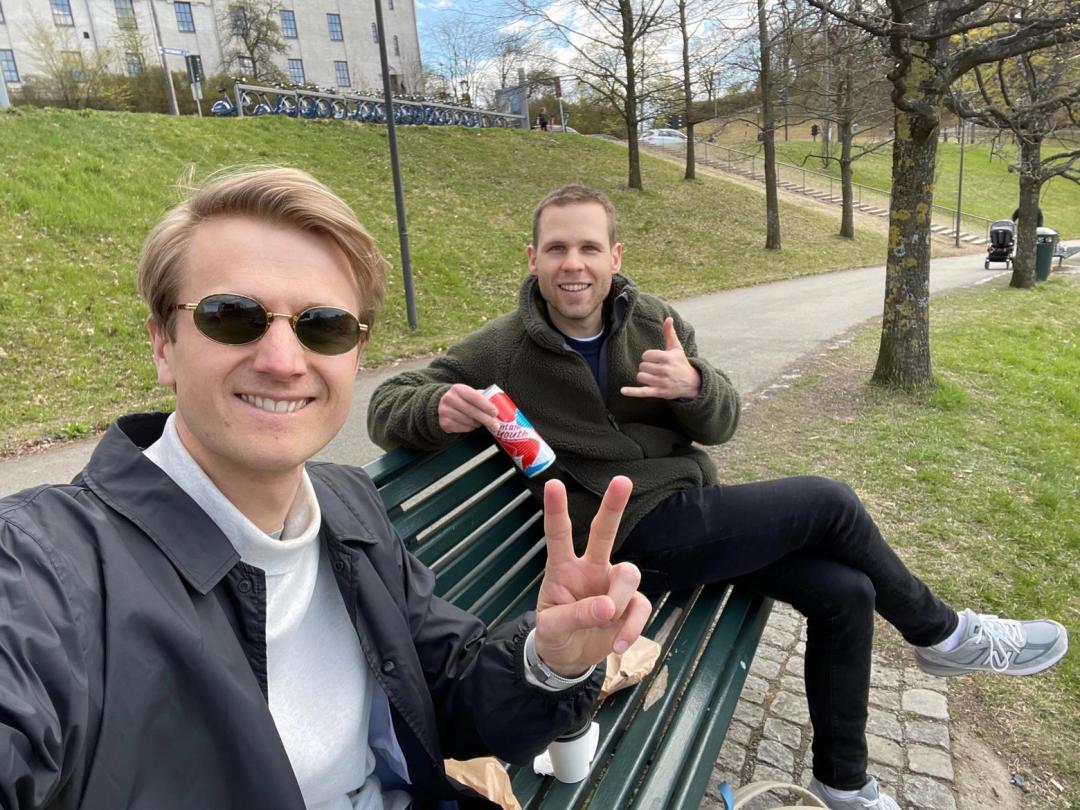
(Above) The two of us are walking in the park while deciding on the financing terms form< p>
Friday at 10pm, a week after we decided to raise, we signed a term sheet for an $8M financing with our dream partner, USV. It was the most stressful and tiring week of my life, and we were completely overwhelmed by the sudden "enthusiasm" of the VCs, but it was certainly better than the rejection and no reply from two years ago. What a turn of events.
Round B
Time: November 2021
Scale : $69,420,000
Team size: 16
Fundraising time: 0 days
6 after Series A months. Cryptocurrencies continue to get hotter and more mainstream, NFTs explode, you can track OpenSea transaction volume on Dune, and many other things. Our key metrics continue to grow at 30% monthly. From August to September 2021, it is growing at an incredible 175%/mo - all organically with zero marketing spend. We also expanded the team to 16 people.
In stark contrast to two years ago, all tech investors want their crypto into Dune, they sure see Dune everywhere chart. After the Series A, we had become indifferent to investors who wanted to chat with us, and I turned down requests from investors every day. At the end of the day, everything we do is about building the product, the community, the team, so that's what we've been doing.
However, sometime in October 2021, despite our efforts to reject VCs, Coatue finally managed to reach us and I had a 30 minutes of conversation. They were impressed with Dune, showed a deep understanding of what we were doing, and wanted to let them know if we were raising money. I told them we were not financing.
We didn't get in touch again for the next few weeks and then they started reaching out to me again saying they had done due diligence on us from the outside in. It was certainly fun, we had a quick phone call and they showed me 40 slides with lots of customer interviews and insights into our market opportunity. Everything looks fine and they say let us know if you are financing. Again, I said "cool, but we're not raising money".
A few weeks later I got another call from them and they wanted to talk for 10 minutes. At this point, I'm experienced enough to understand what that means: preemptive financing terms form. I answered the phone, and sure enough: they wanted to invest $50 million at a $500 million valuation—a pretty solid markup on our Series A round half a year ago. They also showed me some really impressive data they were tracking, which gave them a strong belief in what we were doing from the outside in.
During this call, I also realized that they are based on the west coast of the US, not New York as I thought. For this, they answer the phone at 5am to meet my proposed European time slot. Knowing their location, I said I'd be happy to answer the call later in the evening, but they just replied "we'll work in your time zone, don't worry".
However, we still didn't want to raise money so I told them they had to make us an offer we couldn't refuse and told them they, "10 Let’s have a valuation of US$100 million, let’s wait and see.” They told me they'd have to discuss it internally, but it didn't sound like a total possibility.
Next thing you know: two days later, they come back with a new form of financing terms, with a valuation of $1 billion. An offer we couldn't refuse. And just like that, we closed a round of unicorn funding. It couldn't have been a better feeling. Ultimately, the full round was $69,420,000.
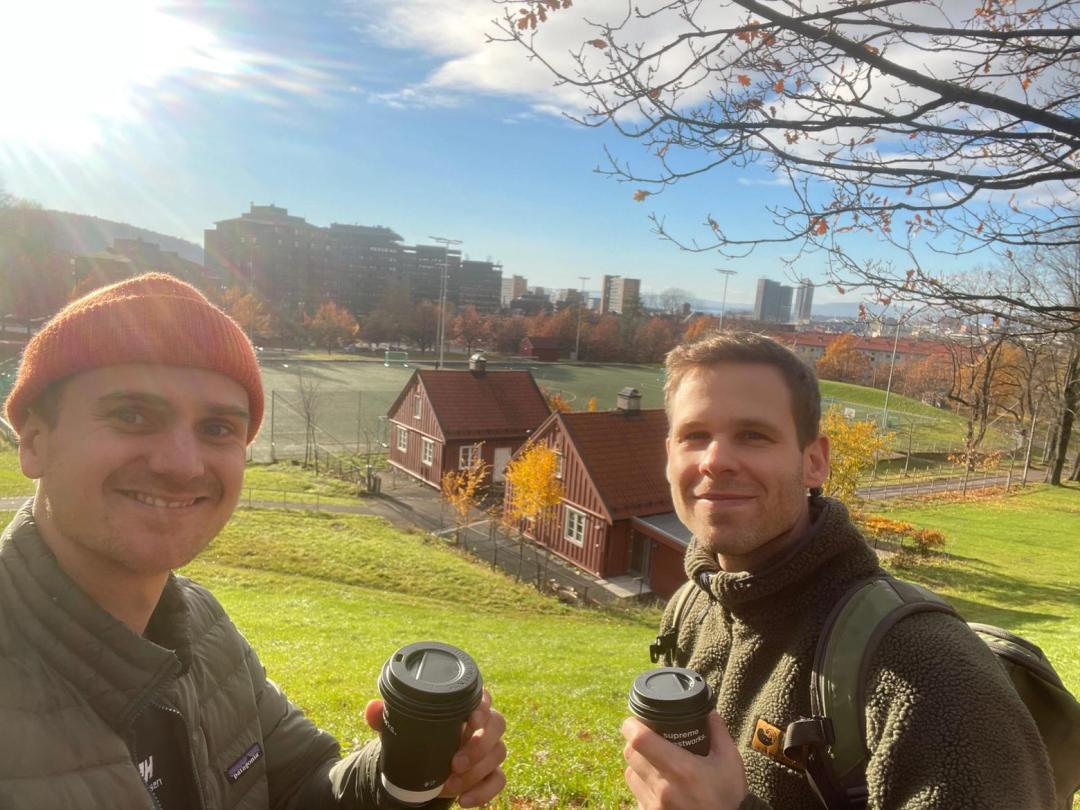
(Above) We are drinking coffee and making a decision to conduct B-round financing
Getting the funding to build Dune has been a difficult journey, with many serious struggles and some amazing moments of joy. Interestingly, there is basically a negative correlation between funding size and funding time. If you're building a start-up, remember that things can change quickly, you can grind for a long time with little or no progress, but when you're successful, things can move ridiculously fast. Just 3 years ago we started from zero - now we are unicorns.
Original link
Welcome to join the official BlockBeats community:
Telegram Subscription Group: https://t.me/theblockbeats
Telegram Discussion Group: https://t.me/BlockBeats_App
Official Twitter Account: https://twitter.com/BlockBeatsAsia

 Related Articles