



Paradigm: How do you investigate early projects?
Caseykcaruso
TechFlow Intern
I've been investing in cryptocurrencies for the past six years, and angel investors often ask me how to evaluate projects. Here are the steps I usually recommend when conducting research for early-stage crypto projects. (Disclaimer: These are my personal views)
The founder of
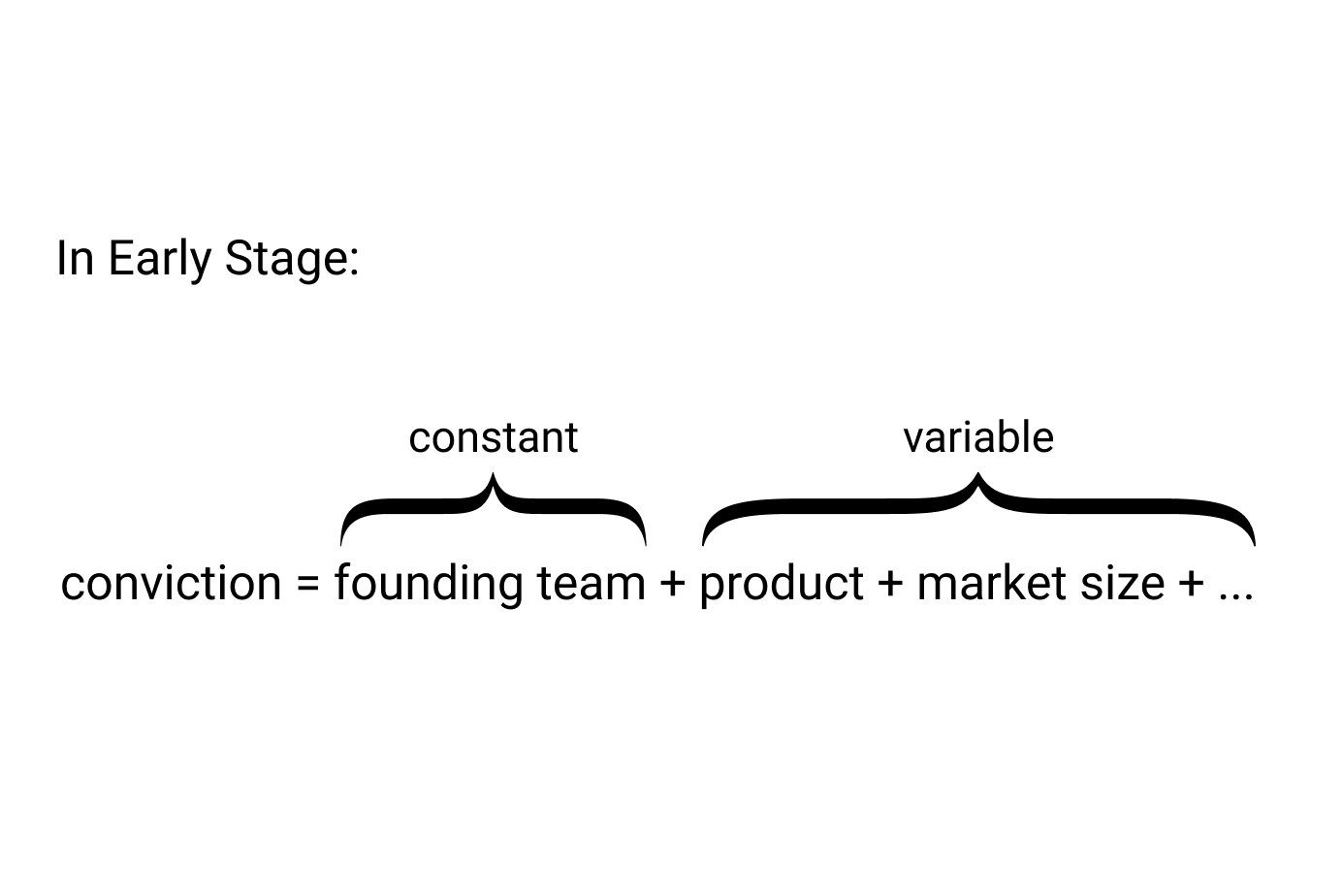
In the early days, the constant variable in the equation was usually the team. Find their representatives, who know the founders, and ask about their strengths, weaknesses, etc. Then ask yourself: Would I work with this person? If so, it's bullish.
Determine the size of the opportunity
Think about the size of today's market and theorize about how big it could become. Have a pattern to your predictions, because crypto is one of the fastest growing industries in the world. Also familiar with Meme and reflexivity theory.

Use the product
If there is a product, use it. Although widely known, this step is often skipped. It will externalize use cases, value propositions, and product offerings. It's also good for founders to have investors who know and use their products.
Talking to users
Using Discord to do this quickly, you can ask the user: How did you hear about this product? What were you using before? How does it compare to alternatives? How do you view ROI and value? What would make you leave? Doing so can help find vitality and lasting use for the project.
Tractive analysis
In Web2, corporate data is private. In Web3, a large amount of project data is on-chain and available through several products. Using on-chain data, look for the highest KPI growth rate (e.g., volume, TVL, wallet) and compare monthly or quarterly growth to competitors.
"Why now?"
Many of the ideas in cryptocurrencies have been tried before, and think about how many sectors of products we've seen. Timing is key, try to figure out why past attempts failed and consider why the present is different, such as the rise of copycat L1 and the rotation of capital from DeFi to NFT.
community
Understanding the mood, quality and durability of a community is crucial. Join the community. Discord And & have spent Telegram to assess the quality of members. There is also the need to distinguish whether Twitter followers are bots or humans.
Token and value
If you have tokens, take the time to learn how successful Token mechanisms work. The key consideration is the value capture of the Token, like lock-up volume, issuance rate, release time, tap, growth cycle, community outreach, heat, etc.
Competition on the track
Figure out who the biggest competitors are and what makes the project different. Think about the moat they're building today, and how it's expanding. If they're not the market leader, write a paper on why they're the market leader or why it's not a winner-takes-all market.
return
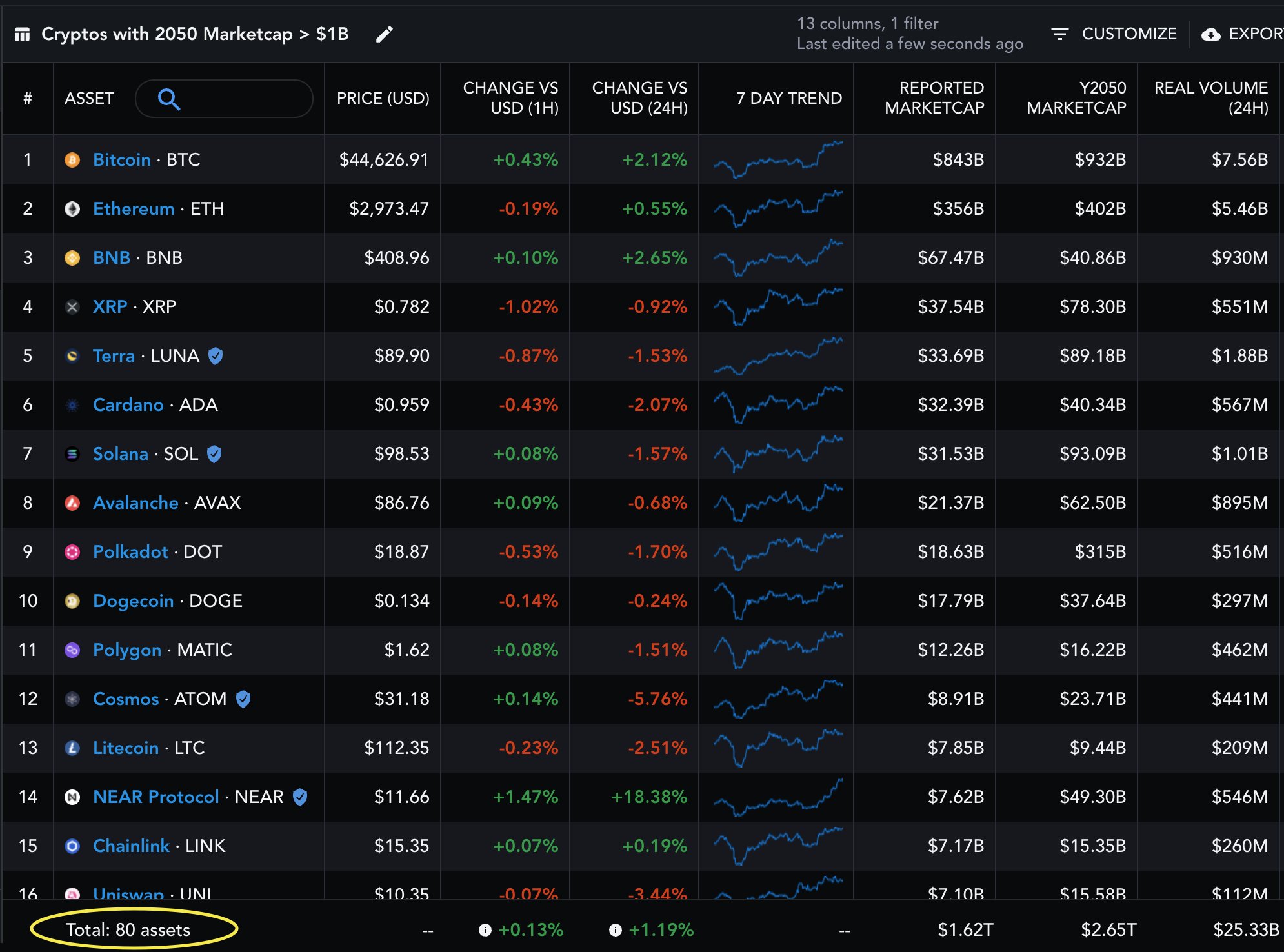
According to Analysis by MessariCrypto, there are only 80 assets in the coin circle with a fully diluted market value (that is, an asset's market value takes into account its known issuance before 2050). A billion dollars.
Sixth sense
It is sometimes possible to skip the 1st. 10 steps, because sometimes you need to make a decision sooner than you think. Be flexible with the entire analysis process, prioritize, and be careful not to underestimate your intuition.
TL; DR
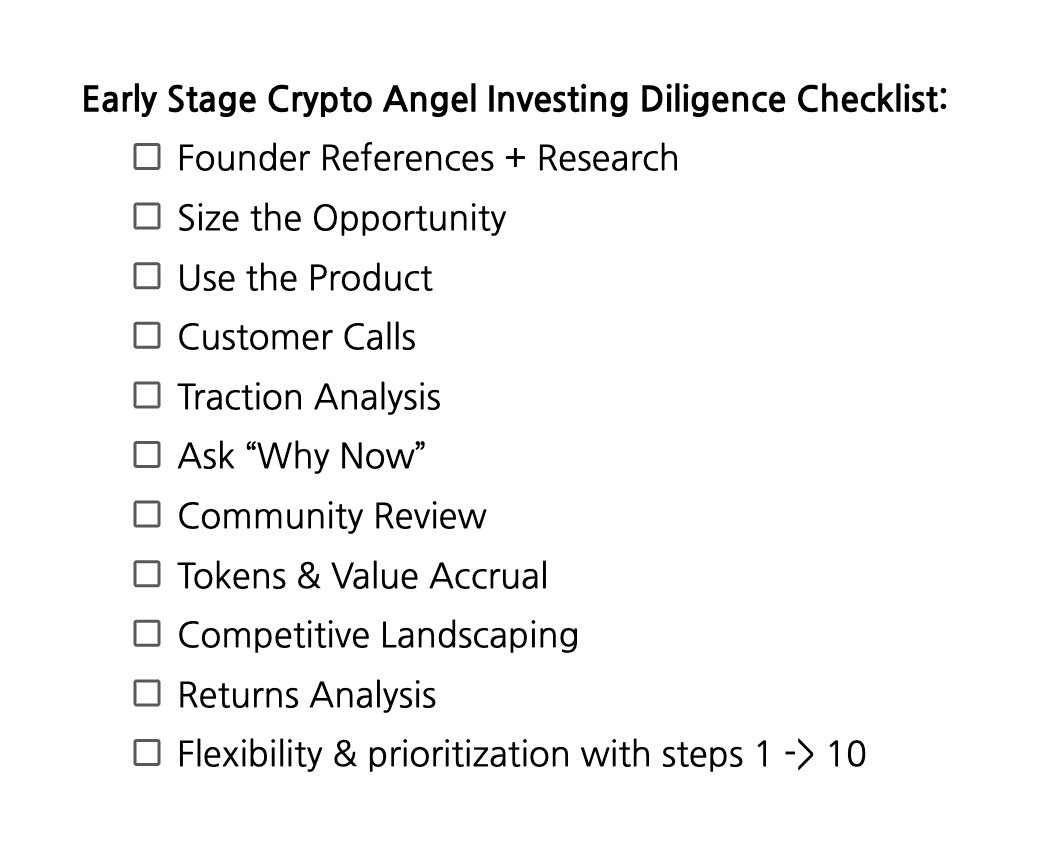
Compared to Web2, early investment in Web3 requires a new mindset and standard. Feel free to use this checklist if it helps:
The original link
Welcome to join the official BlockBeats community:
Telegram Subscription Group: https://t.me/theblockbeats
Telegram Discussion Group: https://t.me/BlockBeats_App
Official Twitter Account: https://twitter.com/BlockBeatsAsia







