Forbes: NFT, DAO, MobileWeb3, and Metaverse Kick Off a New Journey in 2022


Original title: " NFTs, DAOs, MobileWeb3, And The Metaverse: Off And Running In 2022 "
Original author: Lawrence Wintermeyer
This article comes from the WeChat public account: Old Yuppie< /blockquote>
2021 will be recorded in history as the first year of NFT. This year, it's also the year of increasing public awareness of Web3, as visionaries, architects, developers, and venture capitalists begin to envision the next generation of public digital infrastructure. DAO (Decentralized Autonomous Organization), dApps (Decentralized Application) paved the way for the next generation of Web3 Metaverse to be decentralized. Facebook even rebranded itself as Meta.
When any new technological era begins its evolutionary life cycle, the anticipation of drama and controversy is often revealed early. The beginning of 2022 has already shown how frenetic and dynamic Web3 will be. Bitcoin, ethereum and altcoins all gave up their big 2021 gains in January amid inflation concerns and greater crypto regulatory headwinds, while NFT exchange OpenSea announced a $13 billion valuation following a new funding round.
2022 has lived up to expectations. New trends are shaping the business of Web3, DAO is expected to be the cornerstone of the next generation of digital infrastructure and future blockchain technology.
The new kid in town?
For more than a decade, "Blockchain The term has been synonymous with both the infrastructure bitcoin and the cryptocurrency "bitcoin," the most popular cryptocurrency by many measures.
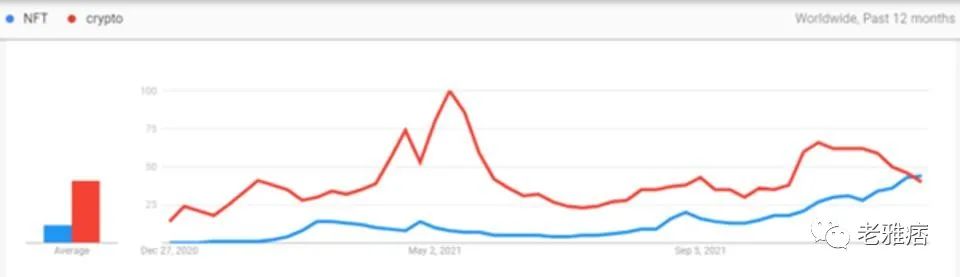
Satoshi's brand talents should be recognized alongside his or her mathematical and technical talents. "Crypto" leads Google searches in the blockchain category. Things began to change in early 2021 with the proliferation of NFTs, which led to NFTs surpassing cryptocurrency as the most commonly used search term later that year. This type of crossover is an important trend to watch and it can be a leading indicator of change.
As the choice of developers to build the cornerstone of Web3, Bitcoin has also been under pressure from Ethereum. Ethereum enjoys a first-mover advantage when it comes to smart contracts and benefits from the "walled garden" approach that many developers have taken to building the platform in the Web 2.0 era.
The DeFi and DAO models gain the greatest advantage by offering platforms that are compatible and interoperable with Ethereum. With more than half of the top 20 cryptocurrencies tied to Ethereum through EVM compatibility or ERC-20 tokens, layer 2 games like Polygon are hugely popular in 2021.
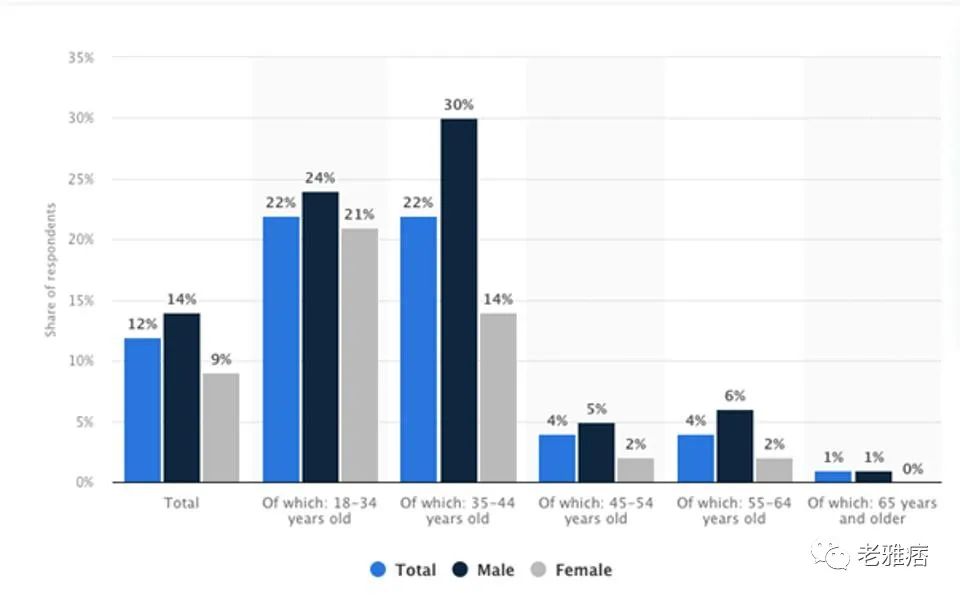
NFTs have begun to change the demographics of cryptocurrency consumers, with more and more women, especially millennials, viewing cryptocurrencies as art and A revival and profit center for collectibles. According to Statisa, women are evenly represented as men, with women accounting for almost half of NFT ownership across all age groups. Compared to cryptocurrencies, 90% of Bitcoin users are male, which is a major demographic shift that product marketers cannot ignore.
The launch of NFT marks a major step in the right direction for cryptocurrencies and digital assets towards diversity in society. Women like Hackatao and Grimes are leading the charge. FEWOCiOUS is a trans teenager whose art you can't get your hands on in person, who is known for breaking Christie's online auction system. Driven by a young and multicultural community, the arts, sports, and entertainment industries see the advantages and opportunities for everyone to get started in this field, and NFTs are opening more doors.
NFTs are removing barriers
From grocery stores to cable TV, traditional distribution channels can A better understanding of them is the catalyst for connecting the masses with NFTs. For example, Mobile telcos are leading the way by distributing NFTs directly from their platforms. Telcos around the world have the advantage of having their platforms in the hands of the majority of the planet, and businesses see this advantage in the next generation of value exchange.
GFTX, an emerging NFT exchange based on the west coast, has launched a "load to phone number" model in Thailand in partnership with leading telecommunications company True Mobile , the company serves more than 60 million users. With a simple login using the consumer's phone number, new subscribers can unlock the NFT and begin their journey into the digital asset and Metaverse community. Most notably, subscribers don't need to understand the intricacies of blockchain or cryptocurrencies to get started. Onboarding to Digital is frictionless, easy to use, and has zero barriers to entry.
Jonas Hudson, co-founder of GFTX, said: “Offering NFTs, or the ability to enable NFT transactions, should not be rocket science. Buying NFT in the market requires more than ten steps. It is more like Web2.0 than Web3. Generally speaking, mainstream consumers do not like to disclose personal information, even for the services they have and need. To make every Making a consumer's first journey simple, fast and exciting, input is essential. At GFTX, we've made the end-to-end journey of making and trading NFTs as easy as buying mobile phone minutes, This is a transaction most consumers are familiar with. At the end of the day, GFTX is the mobile NFT marketplace for the masses.”
Compared to many other distribution channels, telcos There is also the advantage that it is easier to reach users. By offering coupons, discounts and rewards NFTs that can be offered to consumers, telcos build relationships with other consumer sectors, offering new and existing customers new products and benefits on the platform.
“We haven’t imagined the true potential of NFT. Today it’s a work of art, tomorrow it’s a smarter currency that manages itself and buys Buyers and settle transactions between buyers and sellers without the need for costly and opaque intermediaries. The main product of all this – visible and personalized to consumers or business users – is the mobile wallet – a secure and dynamic transaction Platforms that accept, create, store and transact value and are able to connect marketers directly with mainstream consumers. This phenomenon applies to nearly every industry, including the rapidly growing global mobile coupon and rewards space. Prior to this, Brands big and small have never had a one-on-one, targeted, relevant conversation with consumers. We make that possible," said Mitch Chait, co-founder of GFTX.
Intellectual Property in Web3
NFT and DAO are disrupting the traditional IP model. In 2017, Crypto Kitties created a revolutionary intellectual property model, giving NFT rights holders the ability to use intellectual property to generate income. This is basically a license agreement included in the code.
Of course, this begs the question, "Who owns the underlying data?"
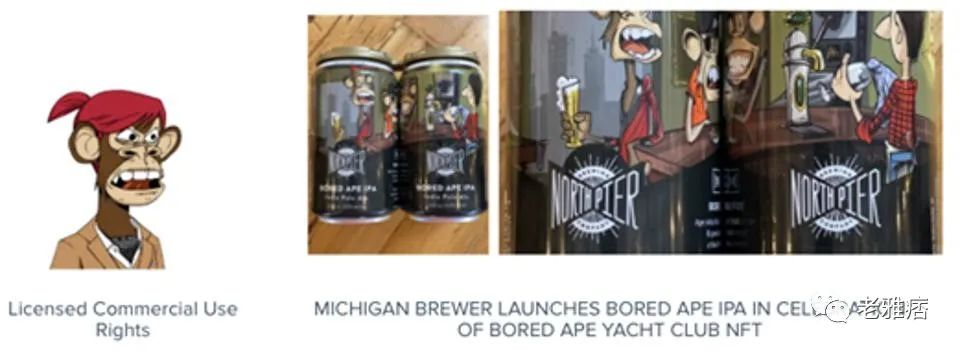
CryptoKitties is one of the first NFT licenses, allowing the transfer and use of art associated with any "kittie" creation a user owns. Most interestingly, it includes business rights of up to $100,000 per year. This presented an opportunity for the Bored Ape Yacht Club (BAYC) to create kitties-like models.
“It’s the polar opposite of Disney’s model where one centralized company owns all the IP verticals and licenses and distributes them to others that focus on themselves A company or individual with a core business. For example, BAYC doesn't brew beer, so they let the owner of the ape use the brand to build the product. For young artists or companies that don't have the means to accelerate their business vertically, this provides new product expansion and new revenue. Hudson added that the next major brand could become decentralized and owned by “the masses.”
In addition to art or entertainment, there is a question of ownership, namely medical records, legal documents and other transfers from wallet to wallet IP-related ownership issues. NFTs or DAOs could govern the ruleset, but policy and lawmakers are likely to debate these issues for some time to come as identities and (sensitive) personal data are moved from one wallet to another.
Is NFT a security?
In 2022, all roads will lead to the SEC. The ICO frenzy of 2017 brought a lot of heartache to unsuspecting investors as they plowed their money into tokens promising 100x and greater returns. The SEC quickly clamped down on unsecured token offerings in the “Wild West.” In 2022, it looks like the same will happen again, with some DeFi products and NFTs looking more like securities than collectibles.
In London, the Tube (Public Subway/Underground) is full of advertisements promoting NFT and cryptocurrencies, and the British advertising regulator has begun to crack down on it. A takedown notice was issued to Papa Johns for offering BTC upon order.
The difference in 2022 is the migration of open NFT platforms to SEC-regulated NFT platforms.
“The past and the future converge in the present. The exponential power and adaptability of NFTs, and their ability to scale globally through a seamless interface, will, in the short term, Had to reconcile with the regulatory regime. Update or create new securities laws or new regulatory agencies, combining "anti-money laundering", KYC and investor protection with "code is law" and large-scale group intelligence through DeFi, It will take some time. The power of NFTs and their uses will be assessed as those explicit rewards or collectibles, rather than securities and NFTs whose ownership is fragmented, offering appreciation and/or a rate of return.
The latter turns NFTs into fungible ones and may create an investment contract that forms securities or other financial instruments. We can expect increased global regulatory scrutiny and enforcement around NFTs as regulators, policymakers, and lawmakers seek to understand and in some cases rein in DeFi and NFTs as we continue to move into the future.
New regulations pave the way for fractional legal ownership of NFTs and physical-linked NFTs, allowing retail investors to own fractional interests in Picasso works or early stakes in DAOs . This change in asset ownership removes the "insider" advantage and levels the playing field for investors. Coupled with liquidity and social media, everyone can legally take advantage of these new investment vehicles,” said Vince Molinari, founder of Fintech.tv.
Metaverse "hype"
In short, the reality is that "the Metaverse The boom, especially in a young, decentralized economy, will make huge headway in 2022. Right now the NFT space is struggling. Small-scale markets have very little business volume. Even with 20 million monthly users, a market with less visits can bring in $200,000 in revenue per month. Many of their business volumes are based on the release of one or two NFTs, driving these figures.
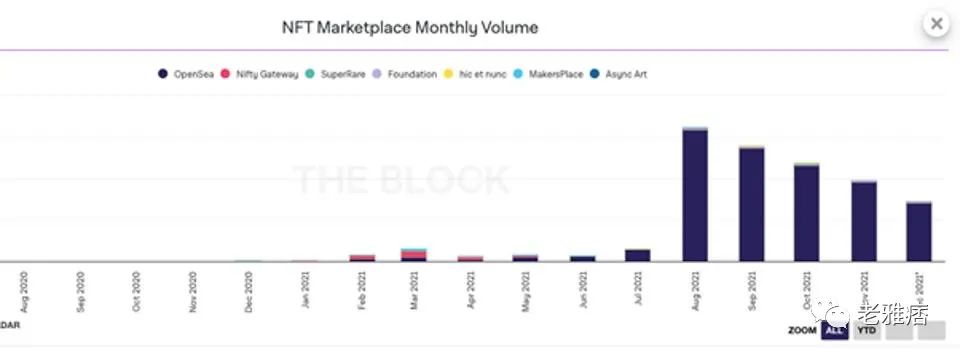
OpenSea has lost half of its business since August, and the trend is likely to continue as most dishwashers are looking elsewhere. In short, without new customers, many early-stage NFTs have peaked in the crypto community.
Everyone is insisting that the next big thing is the metaverse, and the winning players are the ones who stick to the walled garden. The decentralized metaverse has very few users because its polygon count is not enough to satisfy the core players/players/mass.
When you ask players to go into the metaverse, if the tension is very high, they will give up very quickly. The Metaverse needs to be mobile first, and the technology is too early. You can set up characters, get dressed, go to clubs, dance, but if your metaverse doesn't have a mobile-friendly feature to hit the mainstream, you probably won't get very far.
Game companies are still reluctant to open up their walled gardens, allowing decentralized assets to enter at scale In the medium to long term, this may change, and you The ads you see show models staring at a lifelike painting in a museum, and even if it’s not ready, users still have to don a VR headset and tether to a $4,500 computer for it to actually work.
Low poly count friendly games like Fortnite and Roblox will continue to lead the field, not Meta. The marketplace also needs to enable assets on the blockchain to be traded at the same speed as today's trading rails in order to compete.
As we move into 2022 and the construction of the Metaverse begins, it is clear that NFTs have dramatically changed engagement in just over a year The landscape of the crypto ecosystem. This space is not just male-dominated bitcoin tribes, it has expanded to include a more diverse and balanced social audience who can easily access the ecosystem for valuable social and commercial use.
A growing number of traditional product companies and distribution channels are seeing better engagement through artwork, collectibles, gifts, coupons, rewards and financial products opportunities for customers, which also broadens the social base of cryptocurrencies. Many new NFT products and investments are on the horizon, and a DAO-backed network has the ability to use these products on a hyperscale.
The shift to a single, simple NFT wallet tied to your mobile number is further reducing friction for consumers, giving them access to crypto with high utility Currency products and services without requiring a technical understanding of how a cryptocurrency engine works - we're getting to the point where all you have to do is press ON BUTTON.
All of these factors are a healthy early indicator that NFTs are a bridgehead from which to build the Metaverse and will help to better enable the emerging Web3 world. Mass adoption of crypto and digital asset products in society and business, better fulfilling the promise of inclusivity.
Original link
Welcome to join the official BlockBeats community:
Telegram Subscription Group: https://t.me/theblockbeats
Telegram Discussion Group: https://t.me/BlockBeats_App
Official Twitter Account: https://twitter.com/BlockBeatsAsia