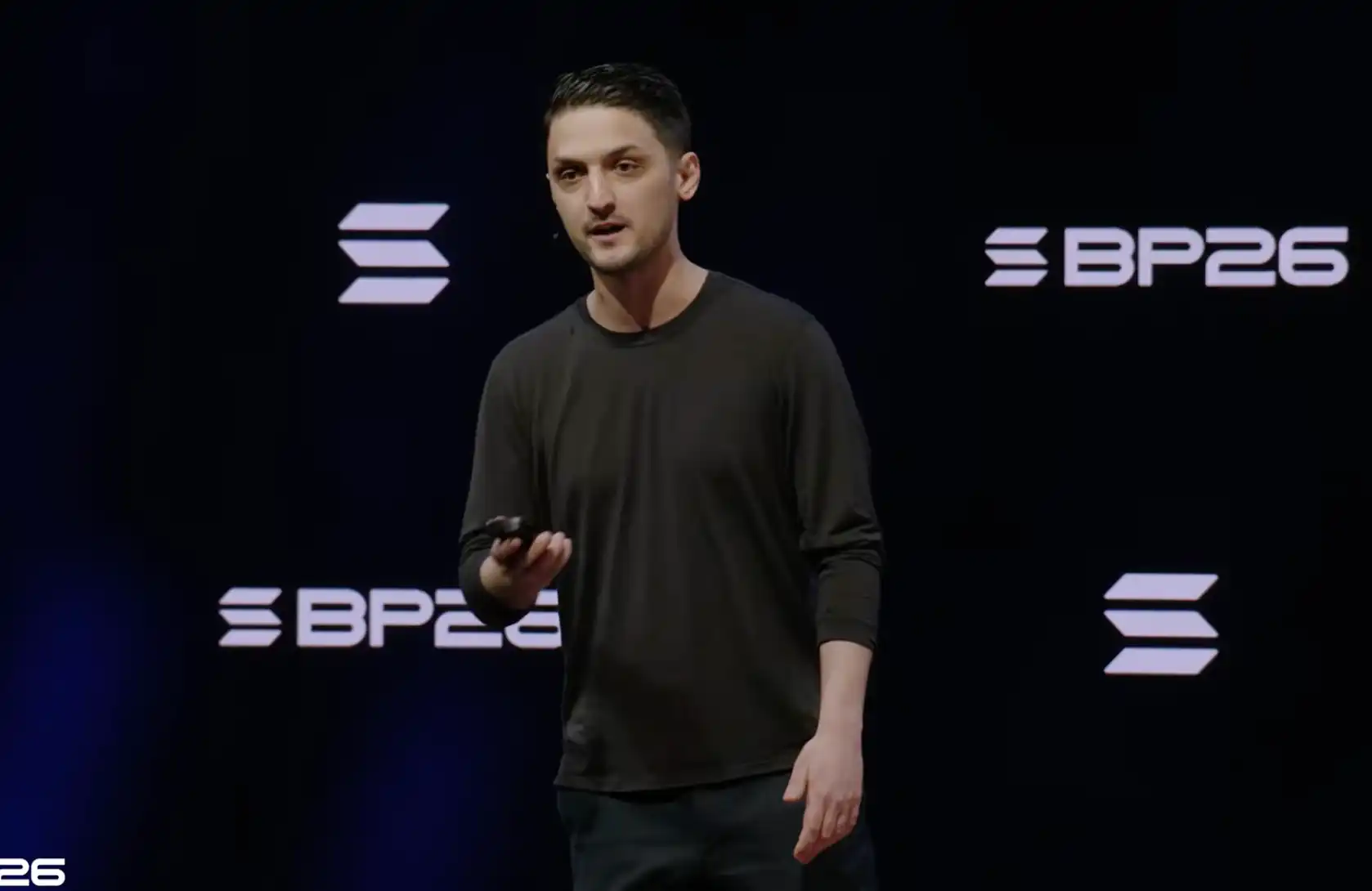
A conversation with MicroStrategy CFO: Will continue the Bitcoin purchase strategy
The Man Behind Michael Saylor, MicroStrategy CFO Phong Le on Bitcoin Investment Strategy
Original source: BitPush.News
Translated by Chen Zou
Background:Cryptocurrencies have become one of the most widely used uses of blockchain distributed ledger technology, a business intelligence software maker said last August.MicroStrategy Began its push into cryptocurrencies, with its corporate finance arm buying $250 millionThe currencyAs a major reserve asset. President and Chief Financial Officer & NBSP;Phong Le Will discuss the advantages and logic behind his bitcoin holdings, as well as his own thoughts on the relationship between bitcoin and accounting operations, operating reports, boards and investors.
Q: In a low interest rate environment, treasurers are always looking for more efficient use of cash. Can you talk about MicroStrategy's rationale for buying bitcoin?
Phong Le (later referred to as Le) :Because of the epidemic, many governments are trying to boost their money supply through quantitative easing. This means that things in the form of fiat money, like the US dollar, are losing value at a rate of 15 to 20 per cent a year. The traditional way to invest money is in Treasury bills, but leaving it entirely in fiat money is not a wise choice because it can be "devalued" at any time in any way the government pleases. So it is wise to look for ways to diversify your investments.
The conventional wisdom is that excess cash should be returned to shareholders, and indeed there is nothing wrong with companies using their profits and balance sheets to increase shareholder income. But I believe the first use of extra cash flow should be to reinvest it back into the business, which is best for shareholders, employees and customers. Our business is highly profitable and growing, and we have invested an appropriate amount of cash in it. Returning cash to shareholders, on the other hand, does not necessarily generate additional benefits for customers or employees, although it may generate good returns for shareholders in the short term.
As we considered where our $550 million in cash flows would go, we analyzed everything from corporate bonds to stocks and commodities like silver and gold, and ultimately decided that Bitcoin was the best solution, as long as we could tolerate short-term volatility in exchange for potentially asymmetric returns over the long term. Over the last six to eight months, we've proven that bitcoin's volatility is justified in the short term, and as we see more corporate treasurers looking for a positive perspective on what to do with their excess cash, I think it's something everyone should consider.
Given our public company structure and our consistently cash-generating businesses, we are able to do something special that most of our shareholders can't do themselves: buy cryptocurrencies with excess cash. If we give the money back to our shareholders, which are mostly large institutions and banks, they won't be able to use it to buy bitcoin because of the rules and regulations they need to follow. But we do give shareholders the opportunity to sell their shares back to the company if they don't agree to our Bitcoin acquisition plan. Those who do not sell have the opportunity to continue to invest in MicroStrategy, and by doing so we believe we can deliver more incremental value to our shareholders.
Q: Among the many cryptocurrency options out there, what makes Bitcoin stand out?
Le: Bitcoin is digital gold, which makes it even better than gold. You can move bitcoin around in different regions and jurisdictions at the speed of light, without the friction losses associated with moving fiat money or gold. In terms of other cryptocurrencies, Bitcoin is dominant in terms of global acceptance and recognition; After more than a decade of development, it has proven to be the market leader and is currently the most widely adopted one in institutions. From a purely technical point of view, Bitcoin is the foundation of other cryptocurrencies.
Q: How did you convince the board, shareholders and other stakeholders to invest in bitcoin?
Le: The first thing I would advise anyone considering buying bitcoin is to do a lot of research. There is a lot of information available through mainstream channels, and of course they include both positive and negative information about Bitcoin, and you should consider both. Everyone has an opinion about bitcoin, but they're not all based on facts. When we planned our discussion with the board, we first allocated a few hours of video and reading. With that, we were able to have a better basis for discussion than our other investment options. We also brought in lawyers, bankers, and other advisers to get their opinions and discuss the pros and cons of institutional acquisitions of cryptocurrencies, which are different from retail investment.
When we finished the discussion, and the board was happy with the process, we began to think long and hard about what our investor relations strategy should look like, and we came up with a multi-step plan. In our second quarter earnings report last year, we stated that we had over $500 million in additional cash, that we intend to return up to $250 million to our shareholders, and seek to invest an additional $250 million in one or more alternative assets, which could include digital assets such as Bitcoin. We put out a public tender for $250 million, and if any shareholders don't like our current investment strategy, we can buy back shares at a 15% premium. We even prepared to buy back all the stock, but in the end, we only bought $60 million of stock from shareholders who wanted to sell. Since the remaining shareholders believe that the current investment strategy is promising, we have incorporated the remaining $190 million available into the investment strategy.
Our reserve policy is very simple. As long as the cash flow we hold exceeds our working capital needs -- which is about $50 million -- it will be allocated to the Bitcoin investment. We use Bitcoin as our primary reserve asset, just like many other companies use US dollars as their primary reserve asset. In our most recent 10-K, we clarified that there are two corporate strategies in our business operations: growing our enterprise analytics software business, and acquiring and holding bitcoin. You hear a lot about the idea of using cryptocurrencies as a medium of exchange, but it's a very small part of the market. We don't use it for trading; We use it as a store of value.
Q: In terms of accounting and reporting, how does MicroStrategy handle the acquisition and holding of Bitcoin?
Le: For accounting purposes, if you plan to buy and hold your own bitcoin, it will be booked as an intangible asset. Another option for holding your own bitcoin is to invest in a fund, in which case the fund accountant allows you to price it to the market. We are working with other like-minded institutions and companies to develop accounting that is more appropriate for Bitcoin.
Q: Other than its use as a store of value, do you implement bitcoin in any active operational financial function?
Le: We have an interesting debate about how to use Bitcoin in our business. Bitcoin's underlying profit rate is quite high. If you expect Bitcoin's value to grow by 100 percent a year -- as it has over the past 10 years -- then any investment in our operations must cross this 100 percent yield mark. But even a very conservative estimate -- say that Bitcoin will grow by 20% a year -- would require a high return on investment for our business. Can we achieve a 20% return by investing $100 million back into our business? It's possible, but we have to be thoughtful and take the long view. We plan to set up one or two teams to look at how we can turn blockchain -- the distributed ledger technology behind Bitcoin, or the analytics technology around Bitcoin -- into how we can monetize it. And I can confirm that the integration of blockchain into finance will not yield a 20% return, much less a 100% return, so the best way to operate at this time is to continue with our bitcoin acquisition strategy. We will certainly consider the opportunity to apply blockchain to finance, and if it is something that our customers or employees want, then we will consider doing it.
Q: What risk management process do you use for your bitcoin holdings?
Le: On the control side, there is a lot of concern about how Bitcoin is kept. Someone asked me if I was walking around with the passwords to our digital wallets around my neck. Obviously, I didn't. We store our digital wallet in investment-grade and industrial-grade escrow arrangements, and we treat it like a bank account. No one can transfer money into or out of our bank account or our escrow account by themselves. To do anything with our escrow account, you need to go through a multiple approval process similar to bank account control. Therefore, we have a careful custody scheme and corresponding procedures.
The original link
Welcome to join the official BlockBeats community:
Telegram Subscription Group: https://t.me/theblockbeats
Telegram Discussion Group: https://t.me/BlockBeats_App
Official Twitter Account: https://twitter.com/BlockBeatsAsia
 Related Articles