Keep these five points in mind when investing in NFT

Staying Safe in the NFT Boom
Originally written by William M. Peaster
Compile: 0x13, beat BlockBeats
As Ryan Sean Adams, co-founder of Bankless, likes to use the metaphor: "Those of us who dig deep into Ethereum, DEFI, and NFT are like people going to the Western Front."
There are adventures, wonders and, of course, absolute adventures.
In other words, the currently relatively small NFT ecosystem is really beginning to move into the public domain and attract new users. So what basic safety precautions can these newbies use to properly deal with the early morning risks they may soon face?
Here are five safety measures you can take to at least get your foot in the door, rather than risk blocking your way into the NFT world.
Let's talk about how to secure the NFT.
Along with Defi, the NFT space is one of the high-profile stars of the Ethereum ecosystem in 2020, and the spotlight will be on it for much longer. We are witnessing the blossoming of a revolutionary new media model.

Jesse Walden: NFT is the 'gateway' to all Internet media in the future
There is, then, no shortage of possibilities and potential in the NFT boom that has a long way to go. But the "media Lego" industry is still young, so that means many new entrants to the NFT space are unaware of the risks and pitfalls surrounding these assets, at least as far as it goes.
With that in mind, in today's article, we'll take a look at some DOS and don 'ts to help novices learn how to safely store their NFT.
1. A hardware wallet is your best bet
Hardware wallets are the most secure and cost-effective way for users to keep their ETH and DEFI tokens that they use daily. For the same reason, these wallets are also great for storing NFT.
Why do you say that? Because these gadgets act like pocket-sized digital vaults, they are not vulnerable to attack, unlike software wallets like MetaMask, which face more attack vectors.

The ETH and NFT were stolen from the wallet of cryptographic artist Rare Designer
Already, some users have had their NFT hacked. If you're interested in and committed to digital collectibles, a hardware wallet is definitely your best bet from a security perspective.
2. Beware of fake goods
Ethereum is a permission-free infrastructure: anyone can cast any medium into an NFT, especially on DIY platforms like Rarible and OpenSea. This means we must be vigilant against the bad guys peddling fake NFTs.
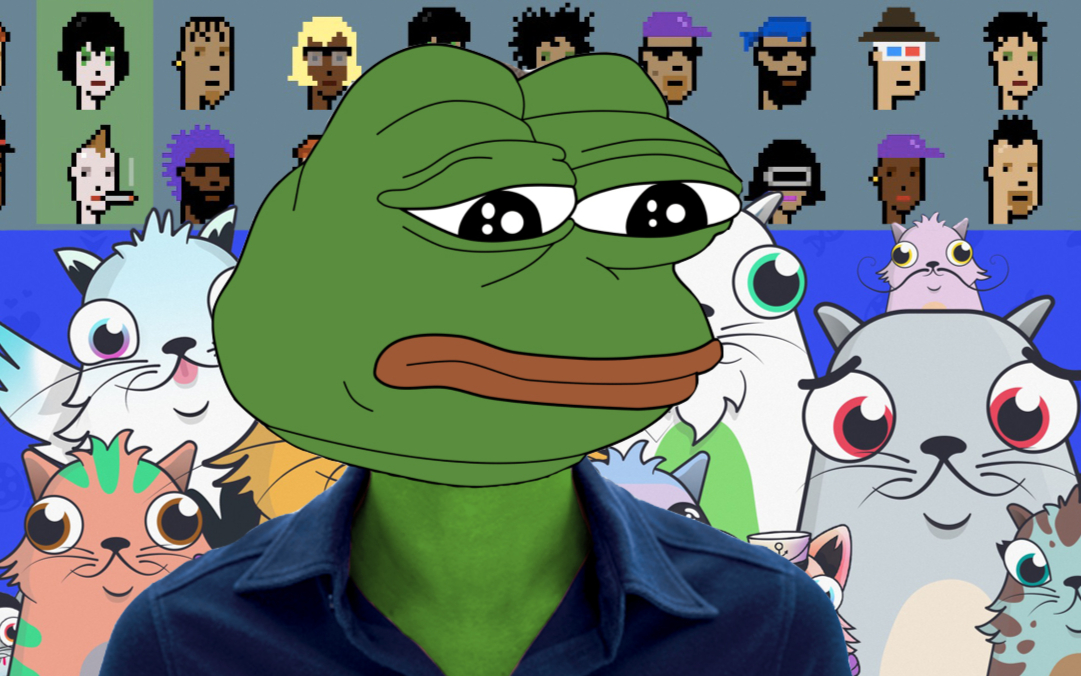
For example, in recent weeks I've been trading CryptoPunk through Wrapped Cryptopunks, packaged tokens that make Ethereum's OG collectibles item (before ERC-721) easy to trade.
On the other hand, I saw what I thought was an interesting Wrapped Cryptopunk on Rarible the other day, but after researching it, I quickly confirmed that it was a fake, i.e. just a picture of Cryptopunk's coins, which isn't actually real.
Of course, there are some vetted NFT platforms like SuperRare and NiftyGateway that don't have this problem. But in the DIY market, make sure you double or triple check all available information before making a purchase. Go to the source for the truth, like the Ethereum browser. In the last example, I went to the CryptoPunks website and cross-checked the lists.

3. Beware of private letter fraud
Let's say you wake up one day and you see a private message from some big shot in the NFT (actually someone who's posing as a bad guy) telling you they need a little help until they get their wallet keys back.
Do you think they'll give you back the ETH you lent them?
Absolutely not!
In recent weeks, we have seen an increasing number of people impersonating well-known people in the NFT space and attempting to scam other users. These egregious scams are becoming more and more sophisticated, so be on your guard! If someone tries to offer you a seemingly incredible benefit, it's most likely a scam.

The user was tricked out of 10ETH by the fake Pranksy
4. Consider whether metadata is secure
If an NFT project hosts its metadata off the chain, such as a third-party server, and the project eventually goes bankrupt, then all the users who have ever collected the NFT of the project will be holding empty assets of no value.
We have been here before and, unfortunately, we will see it again.

OpenSEA had a bug that caused the loss of metadata and has since been fixed
Of course, NFT projects deal with metadata in different ways. The safest for collectors are NFT projects where the metadata is stored entirely on the chain, as this means you can access everything you need to know and see about the asset at any time from the Ethereum blockchain itself.
Be smart and think about how different platforms handle metadata securely. Assets that stand the test of time are at least less risky.
5. Understand NFT liquidity
NFT is not as liquid as ERC-20 tokens.
If you buy a non-homogeneous token, you won't necessarily be able to trade back ETH at any time, as DeFi tokens on Uniswap do. It just depends on whether other collectors want to bid on or buy the work you have.
If you want to collect NFT, look for ones that you personally love and don't mind just buying and keeping forever. To be sure, you may make a profit later, but be aware that you may be sitting on your hands for a long time. Don't invest in NFT expecting quick, easy gains, and don't invest more money in NFT than you can afford to lose.
conclusion
The NFT ecosystem, like any emerging niche in Ethereum, has its risks.
NFT is getting a lot of attention, but that doesn't mean you should jump into these projects without a basic understanding. Be smart, be cautious, and take steps when necessary to avoid becoming a target for hackers who are increasingly focused on NFT.
The original link
Welcome to join the official BlockBeats community:
Telegram Subscription Group: https://t.me/theblockbeats
Telegram Discussion Group: https://t.me/BlockBeats_App
Official Twitter Account: https://twitter.com/BlockBeatsAsia
 Related Articles