What are NFTs? what is it used for?
Original title: "Hotspot | What is NFT?" what is it used for? "
Original source: Crypto Valley Live
Non-homogeneous tokens (NFTs) as A technique that is not yet well known. However, their offshoots have created a huge wave among players in the form of various collectibles. Still, this type of token is underrated because it can do so much more than that.
What is a non-homogeneous token?
A homogeneous item is indistinguishable from all other items of the same series, but has the same properties and thus has the same value. On the other hand, non-homogeneous items have their own characteristics, and they cannot be interchanged with other similar objects at will.
If you take the 10 Euro note for example, it looks exactly like any other note and they all have the same value. A real-world example of non-homogeneity is airline tickets. They look the same and allow passengers to board the plane, but the tickets are not interchangeable. That's because each ticket is for a specific destination and seat, is purchased at a different price, and is stamped with the passenger's name and ID number.
In the blockchain world, NFTs refer to the characteristics that each token has its own value and distribution. Another difference from homogenized tokens is that NFTs are indivisible. The most common token standard for NFTs is ERC-721.
Application of NFTs
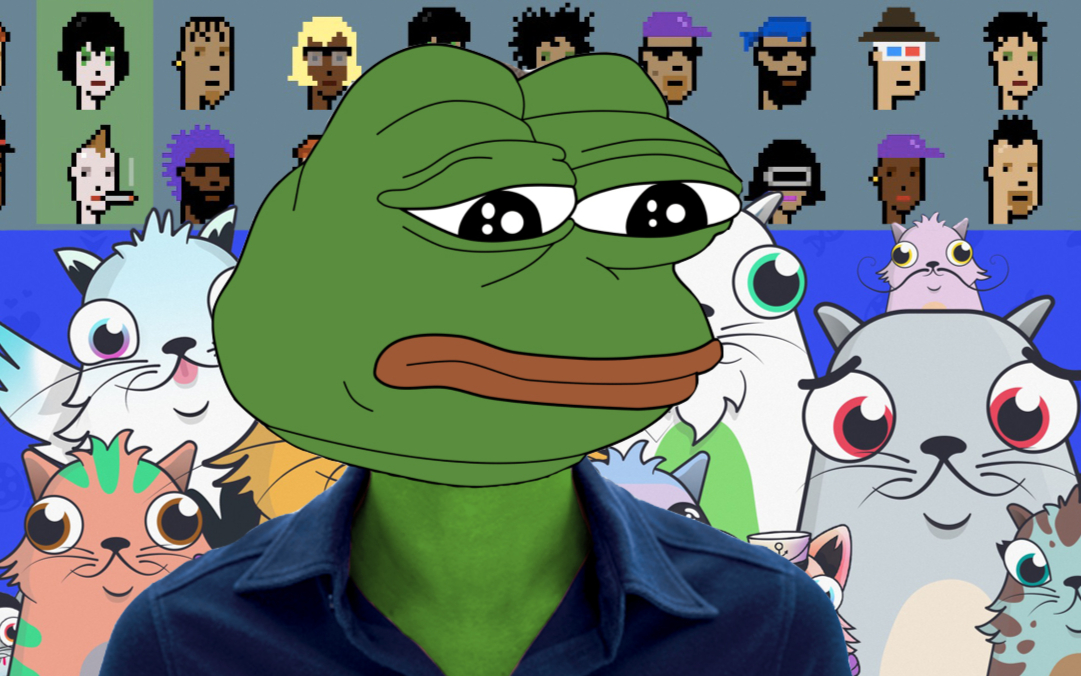
NFTs can be used in many different fields. In particular, it is often used to make various collectibles. Also, there are CryptoKitties and Crystals, Dragons, Pandas, Dogs, Trading Cards, Stamps, Pokémon and more. In addition to collectibles, NFTs are also an important development in the gaming industry. Players can create individual objects such as clothing, weapons or equipment.
But they can do a lot more, as this example shows:
Tokenization of physical assets: If the owner of a valuable artwork needs money, but for various reasons he does not want to sell the artwork. If you have NFTs, you can convert the item into tokens, where each token will be a share. Now the owner can sell some of the shares and keep most of them for himself so that the artwork as a whole will remain in his hands.
Expanding Your Portfolio: Buyers don’t actually buy the art, but if the art increases in value, they will benefit from it. In this way, small investors can also improve their own portfolios and participate in larger investment objects.
Flexible Securities Classes: It doesn’t have to stop at simple stocks. NFTs offer the possibility of individual rights and claims on each share. Thus, some tokens can be tied to actual ownership claims, while other tokens only grant access to objects. For example, a museum could tokenize one artwork to raise funds for another. Of course, the museum will not sell actual title to the artwork, as the artwork will still be on display.
What can NFTs be used for?
Blockchain was first used to create cryptocurrencies. Later, applications in business and technology followed. However, the formula for making blockchain technology more practical for the masses has yet to improve.
NFTs open up possibilities that negotiable tokens could never achieve. This goes beyond payment methods and dApps and enriches the blockchain world. It also provides a genuine connection to the real world, something that bitcoin and other negotiable cryptocurrencies lack.
Welcome to join the official BlockBeats community:
Telegram Subscription Group: https://t.me/theblockbeats
Telegram Discussion Group: https://t.me/BlockBeats_App
Official Twitter Account: https://twitter.com/BlockBeatsAsia
 Related Articles