Venezuelans are slowly starting to trade petrodollars
Decrypt recentlyreportsVenezuelans are slowly starting to trade petrodollars.
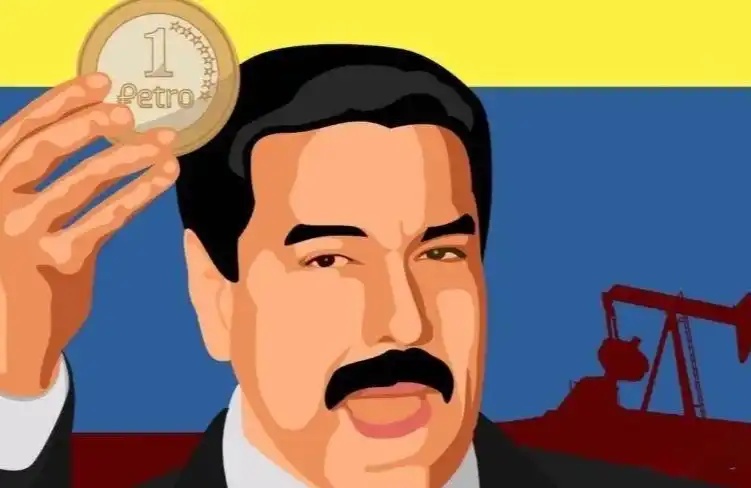
Is oil the technological saviour of venezuela's economy, or the biggest fraud ever perpetrated by President Nicolas Maduro's government?
Given the highly politicised nature of oil, it is easy to overlook the nuances: oil is Mr Maduro's favourite "cryptocurrency", while Juan Guaido, the opposition leader and self-styled interim President, calls it a complete hoax and "illegal" under his government.
But regardless of the political impasse, and regardless of who actually controls the government, the fact is that venezuelans are slowly starting to trade in oil. They trade both on state-sanctioned exchanges and under the table.
Amberes is one such encrypted exchange, and oil is already trading briskly in venezuela. At present, the Venezuelan government allows the purchase of petros (PTR) only through authorized exchanges, using BTC or LTC, or directly through fiat currency from the office of Sunacrip. However, an Amberes spokesman said the exchange was currently the only one that had "enabled PTR/BTC [trading] pairs".
An Amberes spokesman would not provide an exact figure, but said gasoline volumes were rising despite the launch of PTR/BTC pairs only two weeks ago. In general, encrypted transactions are "growing year after year" in venezuela, she said, "opening the door for venezuelans to seek new sources of income." And trading is certainly one of them. "
Speculation on oil prices is no doubt one reason why curious and secretive venezuelans are taking the plunge into government-backed currency. The Amberes order shows that oil is currently trading at about 0.0059 BTC, or about $30, well below the government-mandated "basket commodity" peg.
Apart from designating it as the official "unit of account", the government has not used oil or bought back vouchers from its citizens. This provides an open space for pragmatic traders - they can "invest" in oil just as they can "invest" in any other low-volume junk coin. They can now accumulate tokens at very low prices, hoping to profit when the government expands oil trading and starts buying them.
But even before the petro deal on Amberes, venezuelans who bought bitcoins directly from the government's national crypto assets and related activities regulatory authority (Sunacrip) began trading them through informal "off-exchange" groups on Telegram.
One group, the oil exchange, is dedicated to promoting trade in oil. The group's users posted an AD offering petros in exchange for bolivars, dollars or other cryptocurrencies, and interested traders responded through the group -- but they never traded privately -- with evidence and witnesses in the group. Petro Exchange users can even choose to pay a small fee and have the organization's administrator act as a third party host.

Informal deals are not new to venezuelans, of course. Faced with a nationwide shortage of products, social networks have become valuable tools for locals to get what they need. On Facebook, for example, the "perolero" group (roughly translated as "yard sale" group) is a way for venezuelans to get food, medicine or other basic necessities.
Of course, Maduro introduced the oil to circumvent sanctions imposed by Donald Trump on the Venezuelan government, so buying and trading petro is likely to remain a deep and inevitable political act forever.
Welcome to join the official BlockBeats community:
Telegram Subscription Group: https://t.me/theblockbeats
Telegram Discussion Group: https://t.me/BlockBeats_App
Official Twitter Account: https://twitter.com/BlockBeatsAsia
 Related Articles