2019 blockchain game player demand research report
Original title: "<2019 chain player demand research report > blockbuster release!"
DegameLabs chain tour lab
DegameLabs chain tour lab, together with block chain association of zhejiang university, TokenPocket and meet.one, jointly released the questionnaire of "survey on the needs of game players", and thanked all players who participated in the questionnaire, TokenPocket and meet.one community for their strong support. This research aims to understand the current situation of block chain game market, focus on the characteristics of chain players, and provide reference for building block chain games favored by target users and promoting the development of chain game industry.
The research report on the needs of chain players in 2019 is divided into four parts. The first part is an overview of the basic situation of the sample; the second part is a comparison between chain players and traditional game players; the third part focuses on the cognition and preference of chain players; the fourth part is an analysis of players' game experience and game behavior.
First, the basic situation
The basic information of players involved in the survey is as follows:
From the perspective of gender composition, male players account for 78.8% and female players account for 21.2%. The game is still a male playground.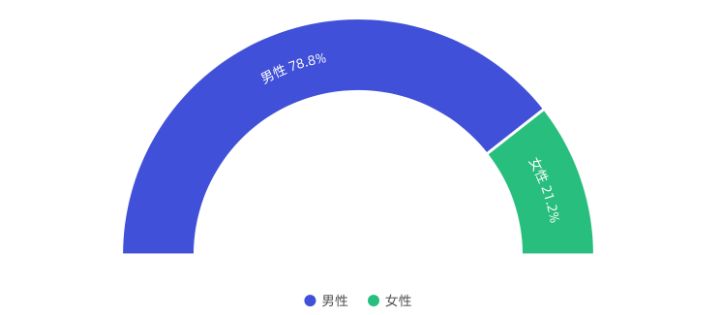
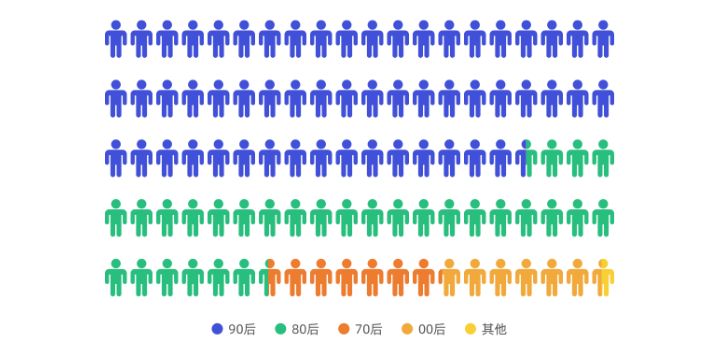
In terms of age distribution, the generation born in the 1990s accounted for nearly 50%, the generation born in the 1980s accounted for nearly 30%, and the generation born in the 2000s claimed the entry of the new generation with nearly 7%.
In terms of geographical distribution, players from 16 provinces across China participated in the survey, with Beijing, hangzhou and Shanghai being the top three cities.
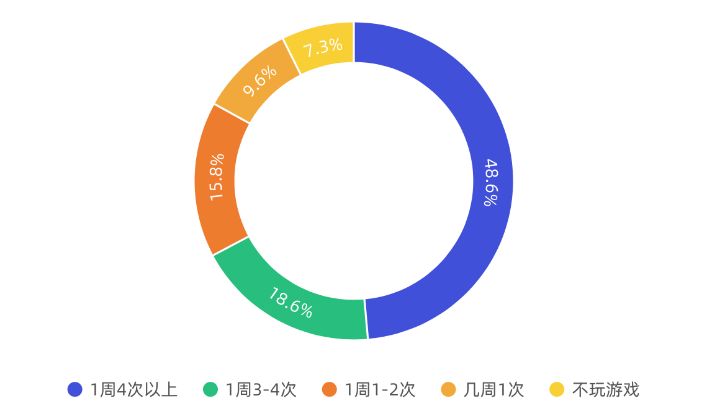
In terms of the frequency of playing games, those who play games more than 4 times a week account for 48.6%, those who play games 3-4 times a week account for 18.6%, and only 7.3% rarely play games.
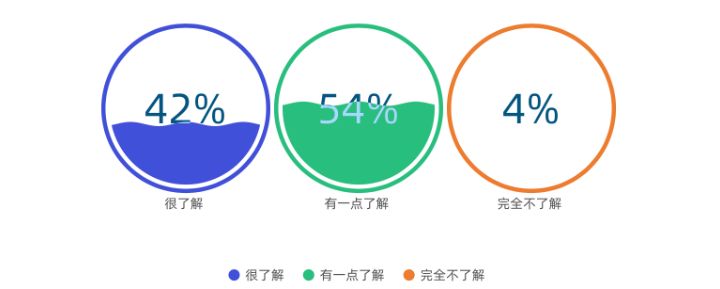
From the understanding of blockchain technology, 42% of players said they knew a lot, 54% said they knew a little, and only 4% knew nothing.
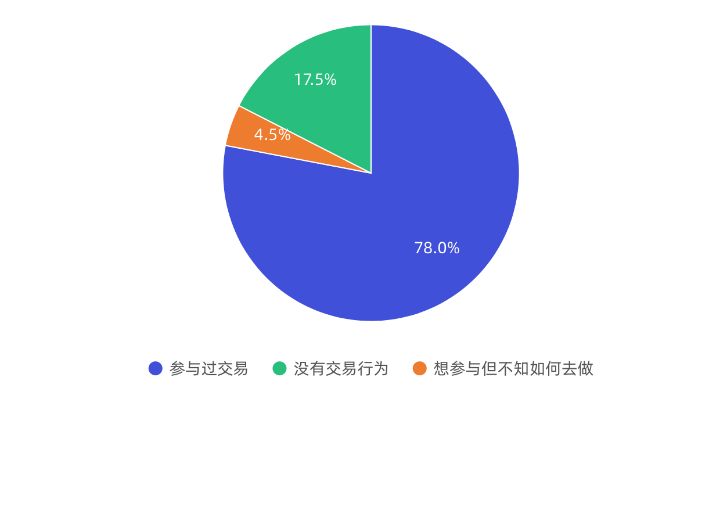
Among them, 78% of players have participated in digital currency transactions, while 17.5% of players have not, but 4.5% of players want to participate but do not know how to participate. The popularization and education of users still needs to be continued.
Ii. Chain player & Traditional gamers
Combined with the purpose of this research, the research mainly focus on the chain home and the difference between traditional gamers play, in order to make clear the difference between the two types of players, we are going to visit chain, is defined as: played block chain game players had a digital currency and trade practices, the traditional game players are defined as not played the game block chain and no digital currency trading behavior of the players.
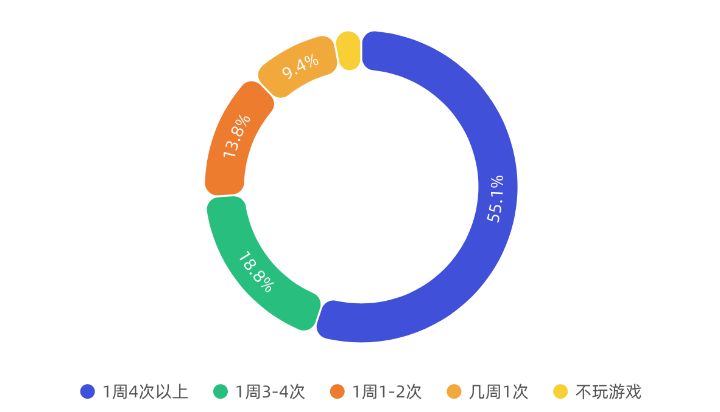
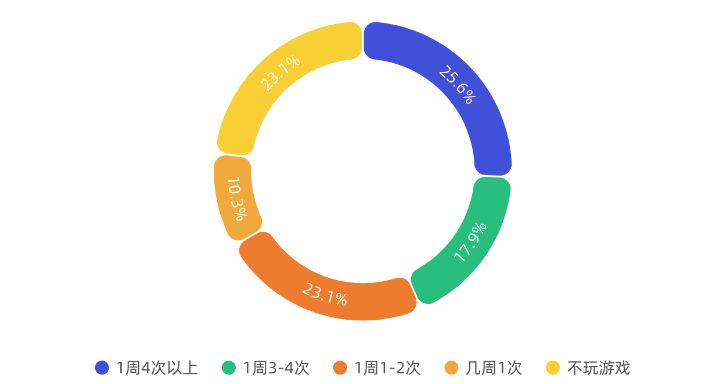
1. Game frequency
Chain players are more interested in playing games, playing games more frequently than traditional players.
2. Type of game
1) strategy is the most popular type of game for chain players, while there are various types of games favored by traditional players, mainly focusing on role-playing, action and leisure;
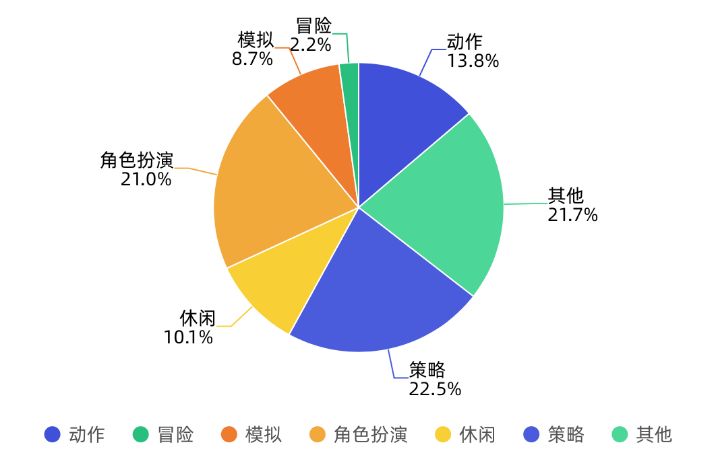
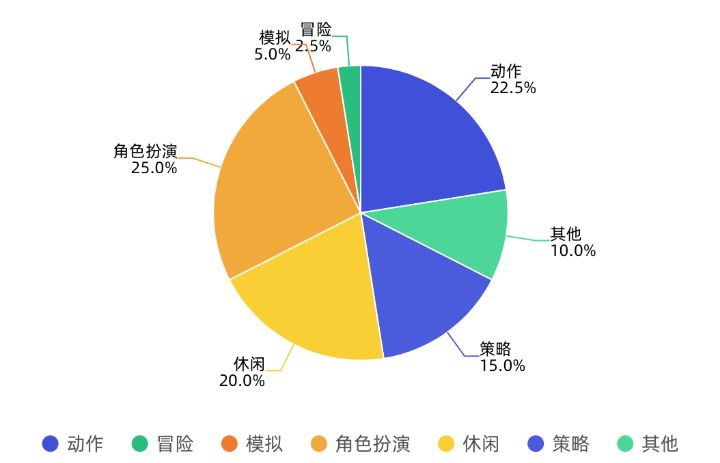
2) the game type most frequently played by chain players and traditional game players is mobile game, showing no significant difference.
3. Game painting style
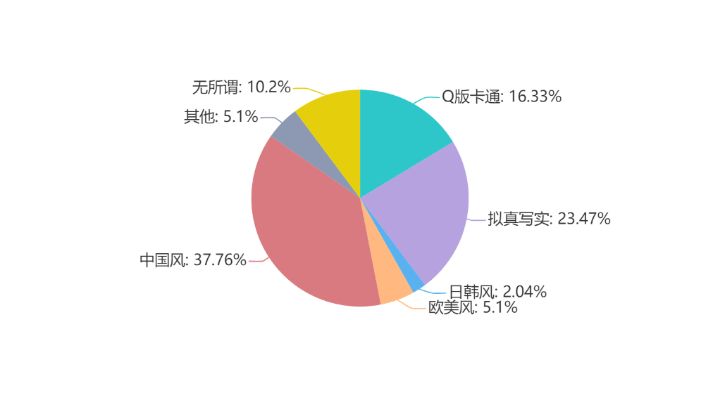
In terms of the selection of game drawing style, there is no significant difference between chain players and traditional game players. The top three favorite drawing styles are Chinese style, quasi-realistic and cartoon.
4. The fun of playing games
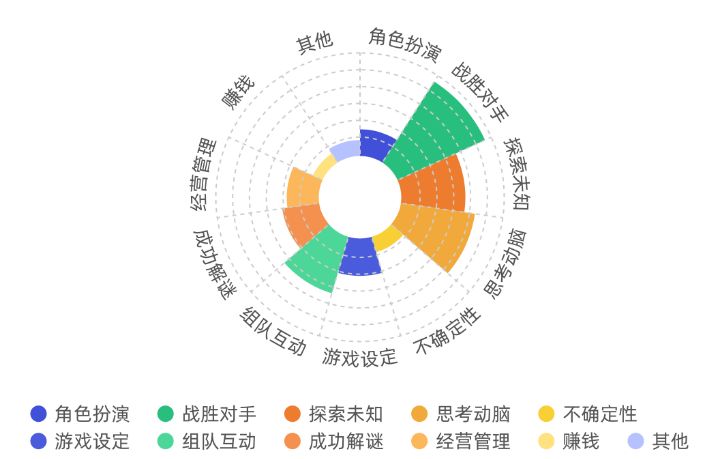
Chain players mainly enjoy the fun of defeating opponents and making money, while traditional players enjoy the fun of defeating opponents, exploring the unknown and thinking. Chain players are more interested in making money and uncertainty than traditional gamers, and less interested in solving puzzles and interacting in teams.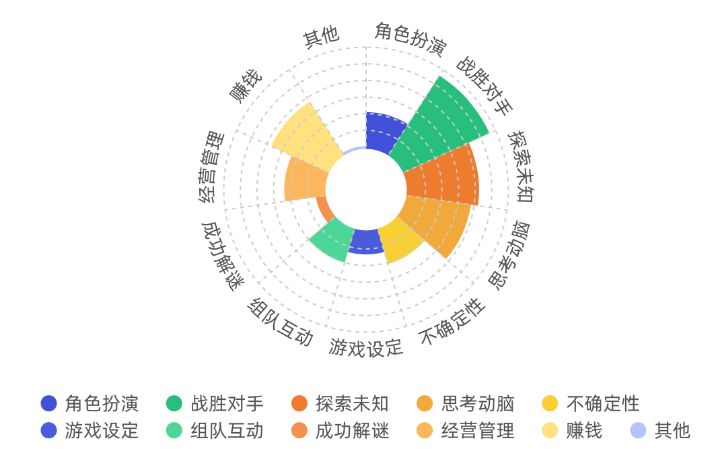
5. Chain tour cognition
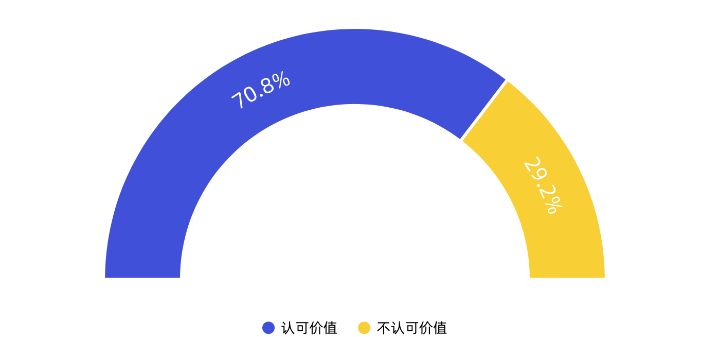
66.4 percent of respondents understood the difference between chain games and traditional games. Among them, 70.8% of players recognized the value of chain games, and 29.2% understood the difference between chain games and traditional games, but did not recognize the value of chain games.
6. Would you like to try chain tour
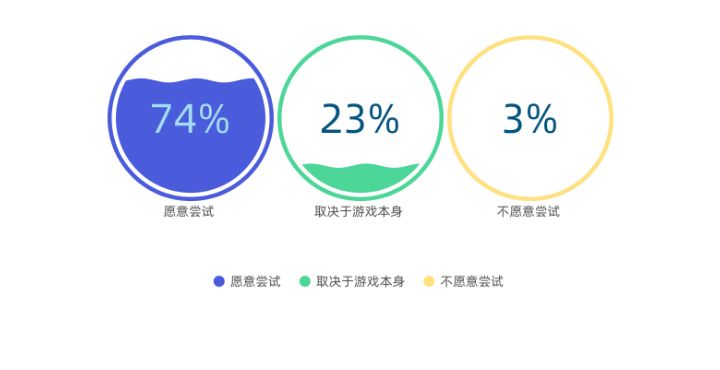
74% of players are willing to try blockchain games, 23% are willing to try blockchain games depending on the content of the game, and only 3% are not willing to try blockchain games. Among the traditional gamers, 43.6% chose to be more influenced by the game itself.
Three, chain travel related
1. Chain tour planning
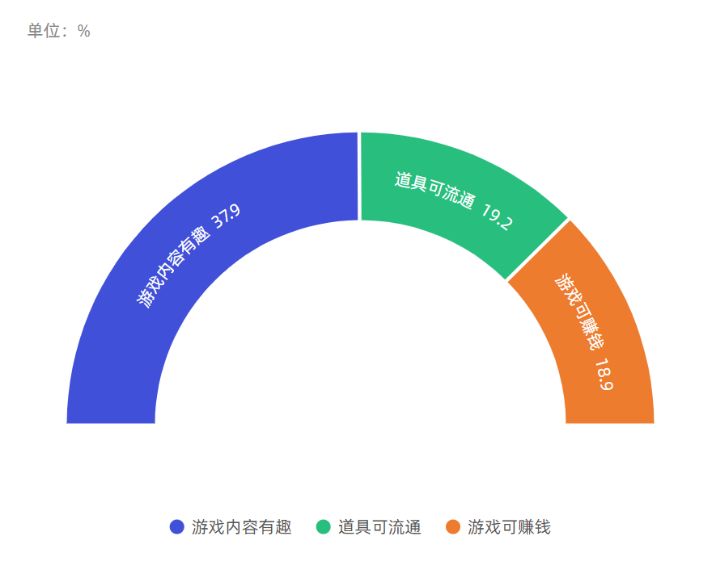
The most important aspects of chain games are interesting game content (37.9%), circulating items (19.2%) and profitable games (18.9%). Ordinary gamers pay more attention to the interesting content of the game itself, while chain players prefer the money-making effect of the game.
2. Chain tour preference
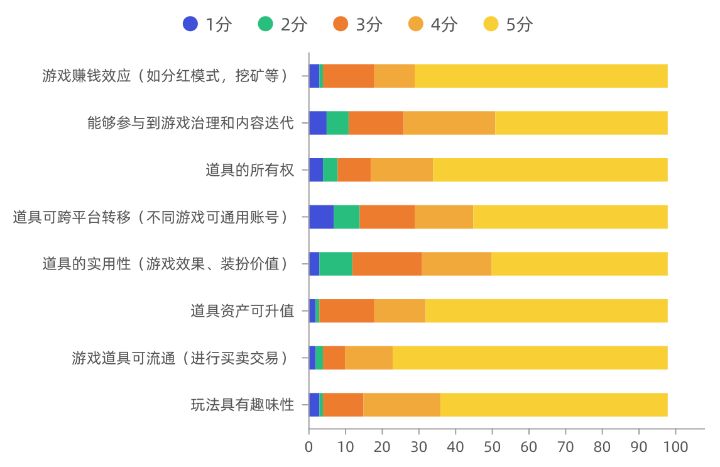
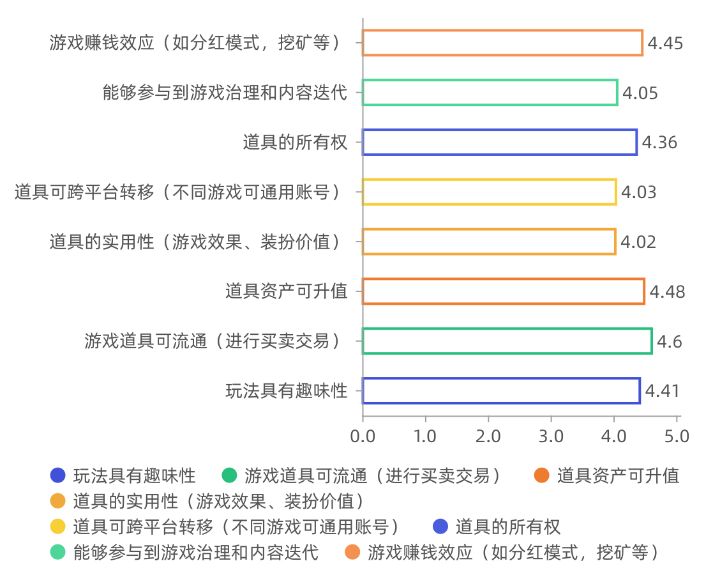
For the characteristics of the chain game, chain players most concerned about the first three are: props can be circulated, prop assets can be appreciated and the game to make money effect.
3. Chain tour access
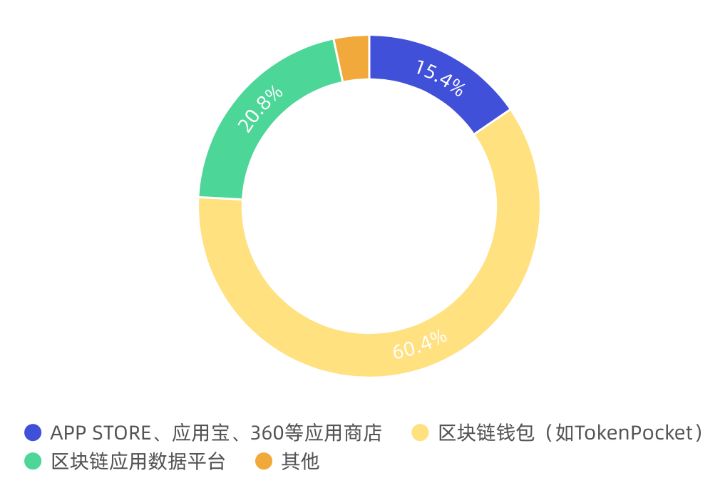
Blockchain wallet is an important way for users to learn about blockchain games, followed by app stores and other channels.
Blockchain wallet is a software program that helps users keep their private keys.
It is usually necessary to interact with the blockchain network through the blockchain wallet.
4. Prop assets
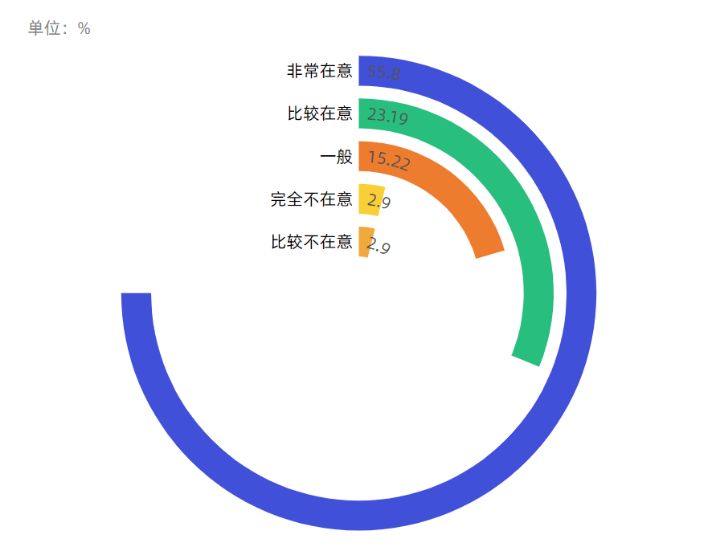
Chain players pay great attention to the property chain (the property chain generally refers to the use of smart contract record game issued property has realized the ownership of the player forever) and will specifically inquire whether the game assets on the chain; Only 2.9 percent of players don't care.
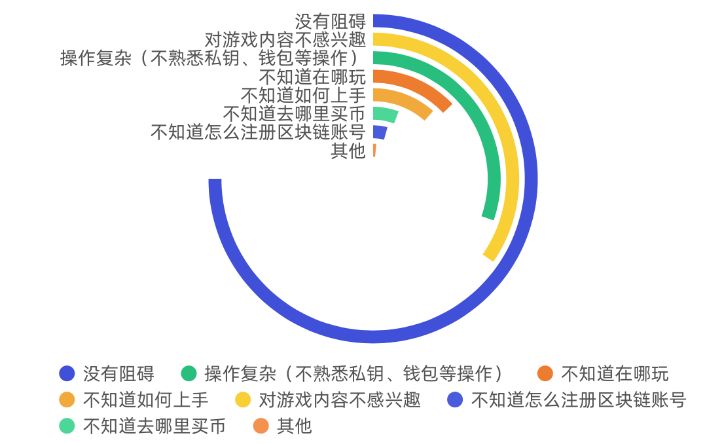
5. Obstacles
Players think that the main obstacles to playing chain games are lack of interest in the game content and complicated operation, which includes unfamiliarity with wallet, private key and other operations. It is worth noting that 9.18% of players indicate that they do not know where to play chain games.
Special notes:
The above contents are the first three parts of the research report on the demand of chain players in 2019. For the full version of the research report, please reply "report" in the background of DegameLabs official account to obtain the full version of the research report.
The questionnaire was collected by questionnaire star, and the above conclusions were obtained from the data of player demand survey.
Special thanks:
TokenPocket, meet.one, bit cube, BTCU block chain technology community, PPK community, Dora community
Researcher: kong yafei, ren yifei, Yang yihui
Background reply from DegameLabs public account:
"Report" to obtain the full version of the survey report
Source:weixin.qq.com
Welcome to join the official BlockBeats community:
Telegram Subscription Group: https://t.me/theblockbeats
Telegram Discussion Group: https://t.me/BlockBeats_App
Official Twitter Account: https://twitter.com/BlockBeatsAsia
 Related Articles