ORDI Soars 190% in a Day as Low-Cap Memecoin Rages in Liquidity Vacuum

Original Article Title: "ORDI Surges 190% in a Day, Low Cap Shitcoin Raves in Liquidity Vacuum"
Original Article Author: ChandlerZ, Foresight News
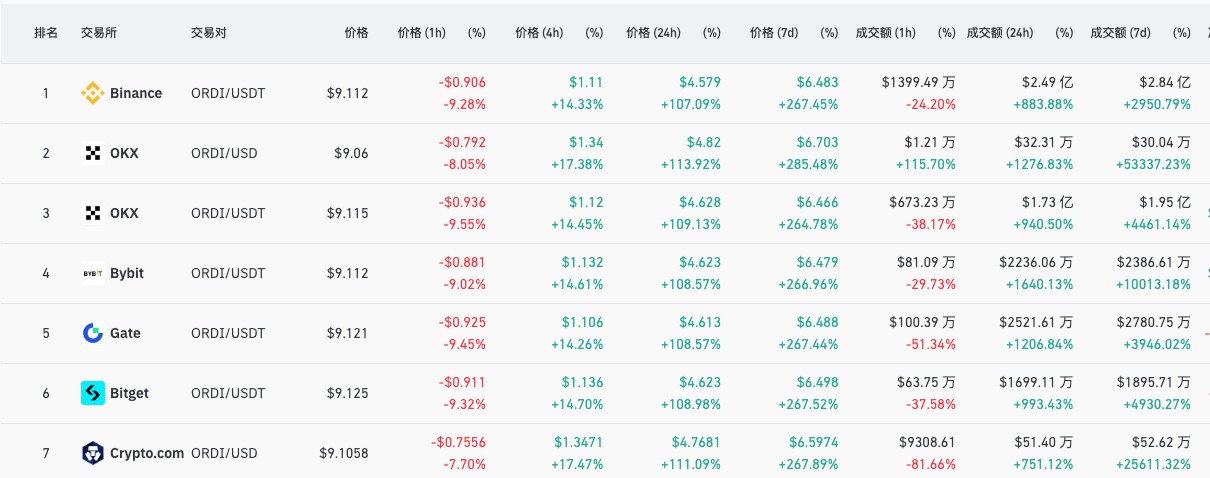
On April 16, ORDI started surging from $3.4, reaching a peak of $9.68 during the day, with a daily gain of over 160% and peaking at over 190% intraday. Multiple exchanges saw a surge in 24-hour trading volume, with Binance spot trading volume reaching $249 million.
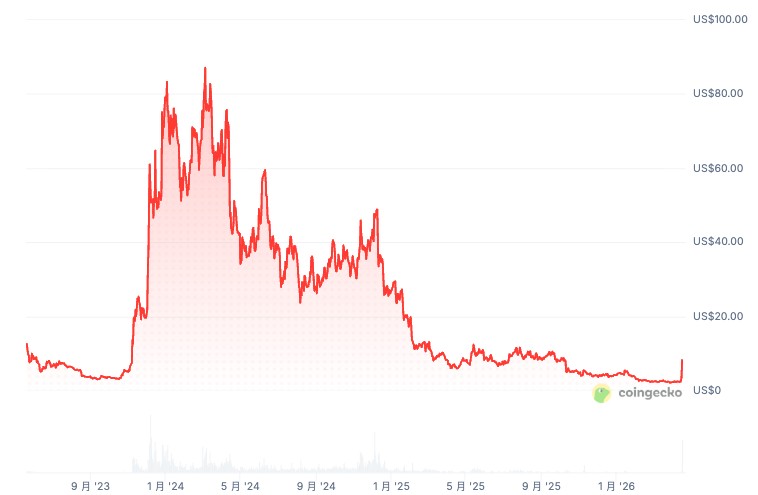
Looking at the daily chart, ORDI was trading in the $28 to $30 range at the beginning of 2025. Subsequently, it entered a year-long downtrend, dropping below $5 in October 2025, and hitting a bottom range of $2 to $3 in March 2026, retracting over 98% from its peak.
Then, on April 16, a massive green candle directly propelled the price from $3.4 to $9.6, even briefly surpassing $10.7 on the 17th, displaying a typical oversold bounce after a sharp decline, accompanied by significant volume expansion.
ORDI's surge is not an isolated case, but its market frenzy is notably higher than other low-cap tokens experiencing surges at the same time, due to the resonating narrative left by The Inscription in late 2023 and early 2024. Led by the ORDI craze, BRC-20 tokens also saw a general rise, with SATS reaching a high of 0.00000002607 USDT this morning, currently trading at 0.00000002245 USDT, a 24-hour increase of 52.61%.
A Series of Boom and Bust Dramas
ORDI is just the latest in a series of anomalous fluctuations of shitcoins in the spring of 2026. In the past three weeks, at least four low-cap tokens have staged similar extreme price actions:
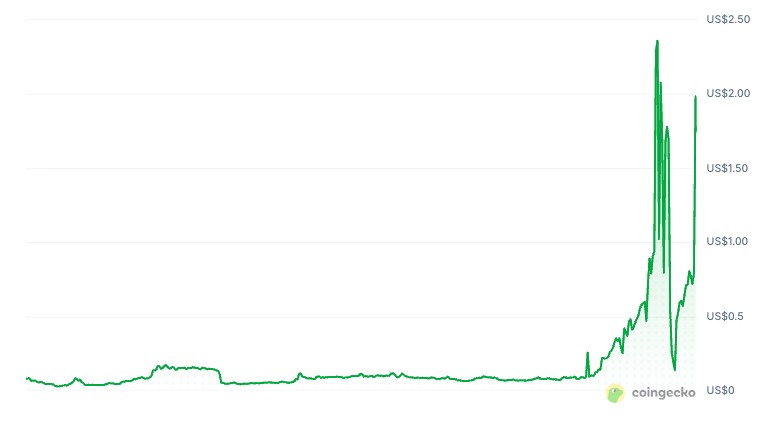
SIREN: On March 22, SIREN surged from $0.94 to $4.81 in a single day, a 144% increase, but closed at $2.31, leaving a long upper shadow. It then oscillated between $1.5 and $2.8, rapidly fell back to around $0.5 in early April, almost retracing all gains. Mid-April saw another pulse back to $1.7, but well below the previous high.
According to on-chain analyst Ember Monitor, the SIREN whale consolidated chips scattered across hundreds of wallets into 52 wallets on the 22nd, involving approximately 644 million tokens, accounting for 88.5% of the total supply, with a current value of around $1.44 billion. On-chain data shows that the aforementioned chips were accumulated at an average price of about $0.045 through hundreds of wallets by the end of June 2025, with a total investment of approximately $21.8 million. The extreme chip concentration implies that any large distribution will crash the price. A negative funding rate indicates that shorts are paying longs, creating a typical short squeeze setup.
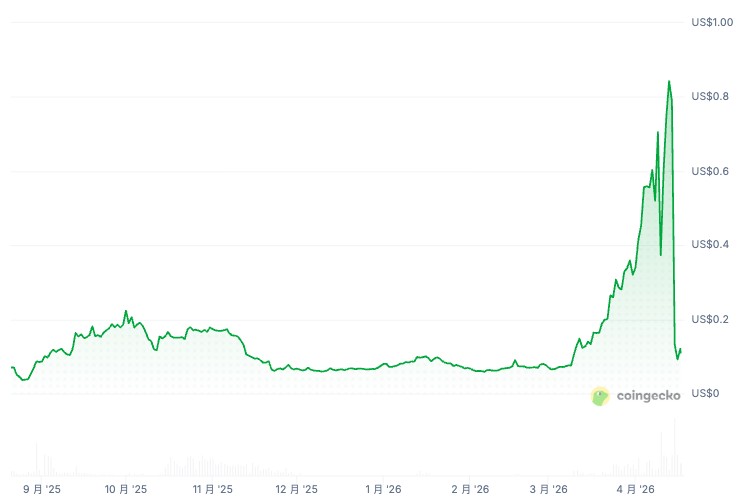
ARIA: ARIA accelerated its rally from early April to above $0.7. On April 13th, it peaked at $1.0252, hit a low of $0.6201, and closed at $0.7743, with an extremely long upper shadow. The next candle directly collapsed from the high, plummeting all the way to around $0.11, nearly retracing to the starting area two months ago, erasing over 85% of the entire rally. The current price is hovering around $0.11, similar to mid-February.
According to Ember Monitor, the suspected ARIA whale sold 45.64 million ARIA in the early hours of the 15th, receiving 5.42 million USDT in exchange, causing ARIA's price to plummet by about 91%, from $1.01 to $0.09, and the circulating market cap shrunk from $315 million to $38.5 million. The 45.64 million ARIA was withdrawn from Gate to the chain through 8 wallets three weeks ago, with an average sell price of $0.12.
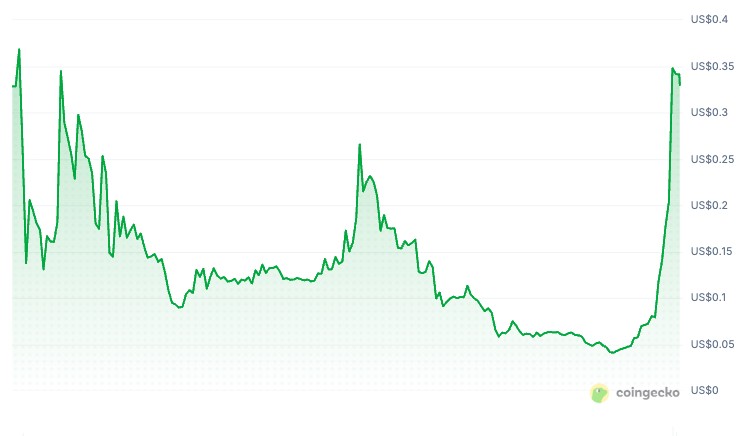
Binance Life: Binance Life peaked near $0.26 after its listing on Binance in January this year, then entered a two-month-long downtrend, sliding from $0.26 all the way to the low of $0.04 by the end of March, retracing over 80%. After consolidating at the bottom for about two weeks, a sudden second leg up was launched in mid-April, with several consecutive large green candles pushing the price from $0.08 directly to a high of $0.39, followed by a slight pullback to around $0.33.
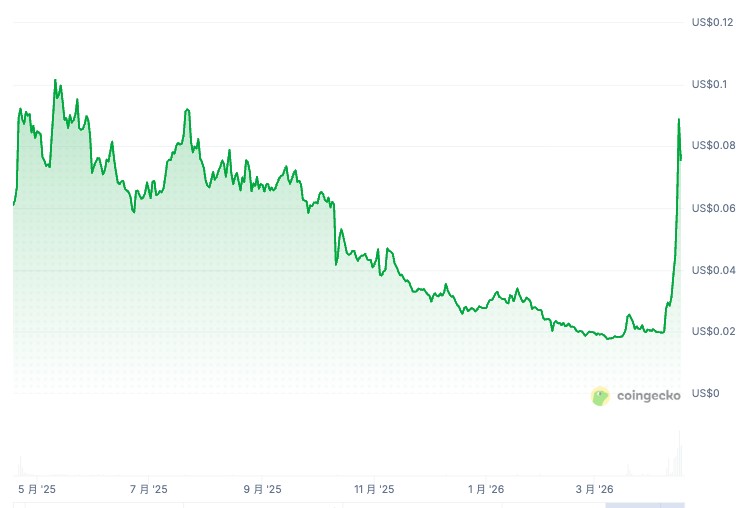
ENJ: Starting around April 8th, ENJ experienced a surge, with a single 34.77% green candle taking it from $0.02 to $0.027, breaking the months-long downtrend. It then accelerated its uptrend, with the most recent candle surging from around $0.065 to a high of $0.105, currently retracing to $0.077. The slope during the entire rebound phase is much steeper than the previous decline, showing a typical vertical rally after oversold conditions.
These four cases, along with ORDI, collectively point to a phenomenon where low-cap tokens are experiencing high-frequency pump-and-dump cycles, with daily doubling or halving of prices becoming the norm.
How Pumps Are Engineered
The occurrence of such price action requires three simultaneous conditions: extremely low liquidity, crowded short positions, and a triggering narrative or capital inflow.
Prior to the pump, ORDI had a market cap of only $50 million, ENJ had a market cap of less than $40 million, and ARIA's market cap was also only a couple hundred million dollars before the flash crash. When a token's daily trading volume is only a few million dollars, a concentrated buy order of tens of millions of dollars can easily push the price up by over 100%. Conversely, a concentrated sell order of a few million dollars can lead to a halving of the price. The case of SIREN is more extreme, with a single wallet cluster controlling 88% of the circulating supply, meaning tradable chips in the entire market are extremely limited, causing drastic price swings for any large orders in either direction.
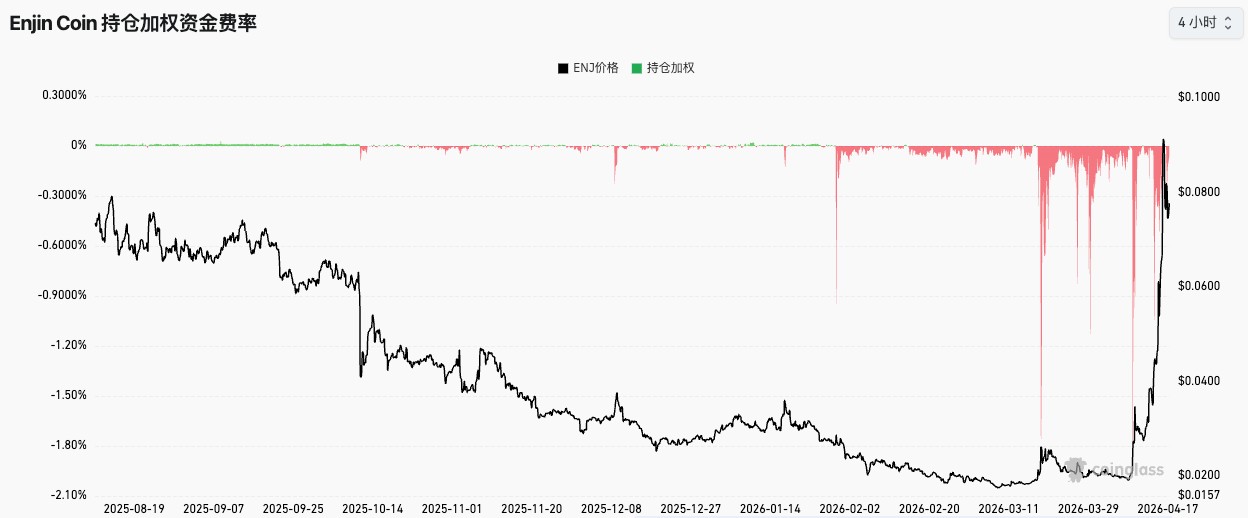
Short overcrowding amplifies volatility. In ENJ's pump, short squeezes in the futures market were the main driver of the accelerated price increase. Short positions piled up massively in an oversold environment, and once the price broke key resistance levels, shorts were forced to buy back to cover, creating a cascading effect that drove the price far beyond any level that fundamental analysis could explain. ENJ's futures went extremely negative within a few days, directly reflecting this process.
The roles of whales and liquidity providers are more complex. On April 2, 2026, the U.S. Department of Justice (DOJ) sued 10 executives of market makers like Gotbit, Vortex, Antier, and Contrarian, accusing them of wash trading through bots, creating fake demand to pump token prices. Gotbit's founder Aleksei Andriunin has pleaded guilty and agreed to forfeit $23 million. CoinDesk quoted analysts in its report saying that wash trading in the crypto market is "far more common than investors imagine."
ARIA's second crash on April 15 was a textbook example. Eight interconnected wallets withdrew from exchanges three weeks prior, then concentratedly dumped 45.64 million tokens after a price spike, cashing out 5.42 million USDT, directly triggering $11.9 million in contract liquidations.
How Long Can ORDI's Inscription Memory Last?
Returning to ORDI itself, this pump did not have a corresponding fundamental catalyst. The BRC-20 ecosystem had significantly dwindled by 2026, with Magic Eden closing its support for Bitcoin Ordinals and Runes NFTs at the end of February, and its native wallet, ME Wallet, entering limited export mode on April 1, ceasing all operations on May 1.
The inscription craze at the end of 2023 turned ORDI into a blockbuster asset in the crypto market. Memories of the frenzy on the day of Binance's listing, the Gas War fueled by BRC-20 minting, and the excitement of Bitcoin's ecosystem seeing a tokenomic structure similar to Ethereum for the first time became deeply rooted in the minds of many retail investors.
When ORDI suddenly experienced abnormal volume after plummeting from $30 to $3, it triggered a reflexive response of "Inscriptions can still recover." This also means that the sustainability of ORDI's rebound depends on its ability to attract new capital beyond the scope of memory-driven investors. Once the short-term momentum is exhausted and short positions are liquidated, the price is highly likely to give back a significant portion of the gains.
From SIREN's whale dumping, ARIA's cascading flash crash, Binance's meme frenzy, to ORDI's doubling in a day, the essence of these altcoin anomalies lies in the pricing breakdown within a liquidity vacuum. With Bitcoin hovering in the $70,000 range and mainstream funds remaining on the sidelines, speculative funds within the ecosystem swiftly rotate among low market cap tokens, creating the illusion of daily doubling. For most participants, by the time they see the price surge, the market rally is usually nearing its end.
Original Article Link
Welcome to join the official BlockBeats community:
Telegram Subscription Group: https://t.me/theblockbeats
Telegram Discussion Group: https://t.me/BlockBeats_App
Official Twitter Account: https://twitter.com/BlockBeatsAsia