Why Did Trump Take the US into War with Iran?
Original Title: How Trump Took the U.S. to War With Iran
Original Authors: Jonathan Swan, Maggie Haberman, The New York Times
Translation: Peggy, BlockBeats
Editor's Note: In the past few weeks, the situation in the Middle East has rapidly escalated, experiencing multiple ceasefires and frictions in a short period of time. Against this backdrop, this article provides a more specific focus: how the United States was drawn into this war.
From a highly classified briefing in the Situation Room to the final order aboard "Air Force One," this decision was not a one-time event but a gradual convergence through constant adjustments. On one hand, Israel constructed a nearly "inevitable victory" narrative action framework, packaging the war as a low-risk, short-term window of opportunity; on the other hand, the U.S. intelligence system swiftly dismantled this narrative, pointing out that the "regime change" was detached from reality but did not deny the military strike itself.
Opposing views always existed but never truly hindered the process. Vance emphasized the costs and uncertainties, Kane highlighted resource and supply constraints, Wells focused on oil prices and election risks—these risks from different dimensions were constantly raised but never altered the decision's trajectory. All information was heard, yet none of it genuinely constrained.
In a series of White House Situation Room meetings, President Trump weighed his personal intuition against the Vice President's deep concerns and a pessimistic intelligence assessment. Ultimately, through a series of judgments that were not vetoed, this war gradually became the only option.
The following is the original text:
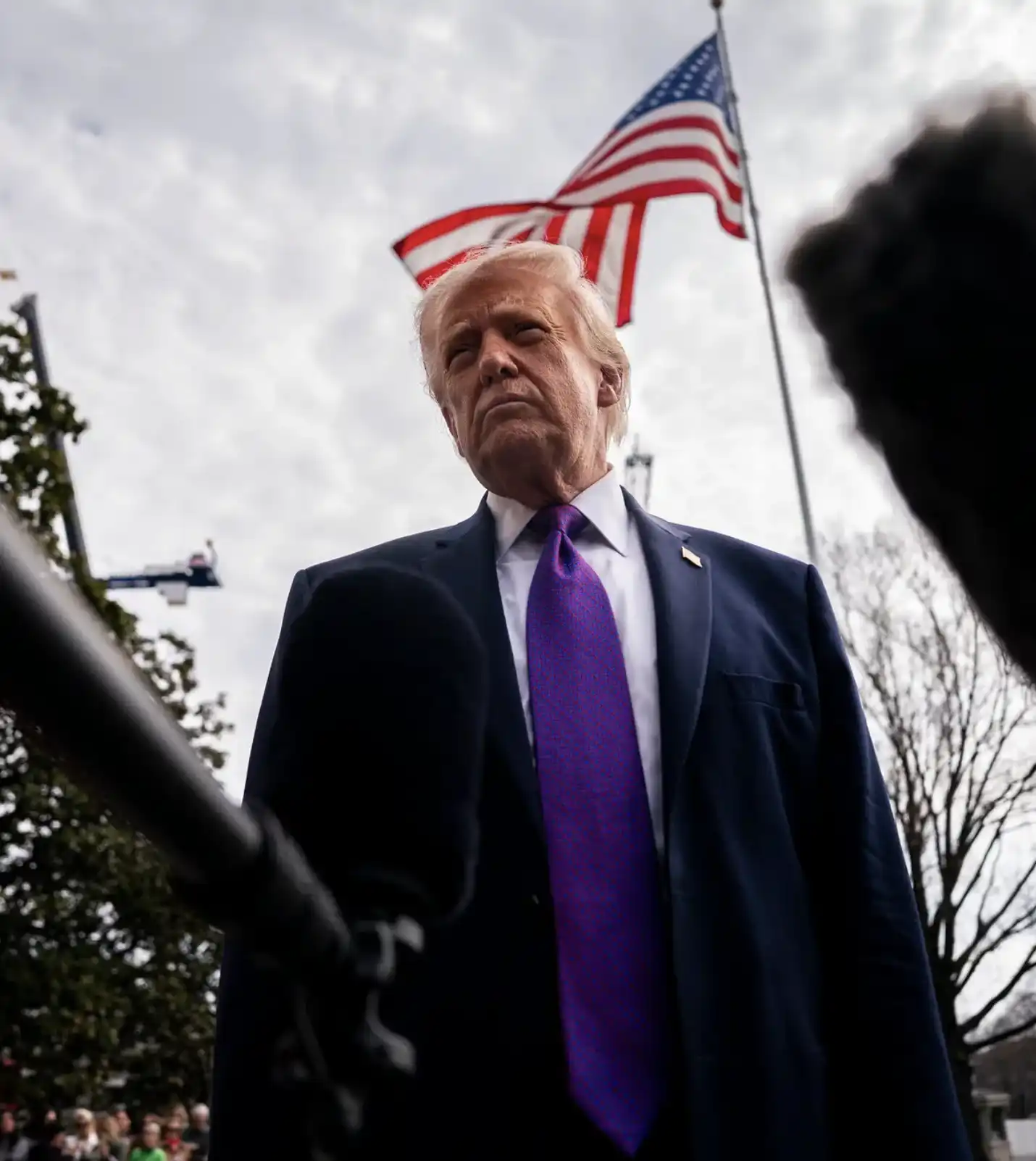
Trump approved the U.S. joining Israel in a strike against Iran, partially influenced by a briefing from Israeli Prime Minister Benjamin Netanyahu in February. This briefing subsequently sparked a series of discussions within the White House that lasted for days and weeks. Photo Credit: Al Drago/The New York Times
Before 11 a.m. on February 11, a black SUV brought Israeli Prime Minister Benjamin Netanyahu to the White House. For months, he had been pushing for the U.S. to agree to a significant strike against Iran. On this day, he made almost no public appearances, avoided the media, was quickly ushered into the White House, and faced one of the most crucial moments of his political career.
Israeli and U.S. officials first briefly met in the Cabinet Room adjacent to the Oval Office. Subsequently, Netanyahu was taken underground to the true core—the White House Situation Room. Here, he would deliver a highly confidential briefing on the Iran situation to Trump and his team. The Situation Room is rarely used to host foreign leaders.
When Trump took his seat, he did not sit in his usual place of honor but instead chose a seat off to the side, facing a large screen on the wall. Netanyahu sat across from him at a separate table.
The screen displayed a live feed featuring Israel's Mossad chief David Barnea and several top military officials. Their images were positioned behind Netanyahu, creating a visual effect of a wartime commander being supported by his team.
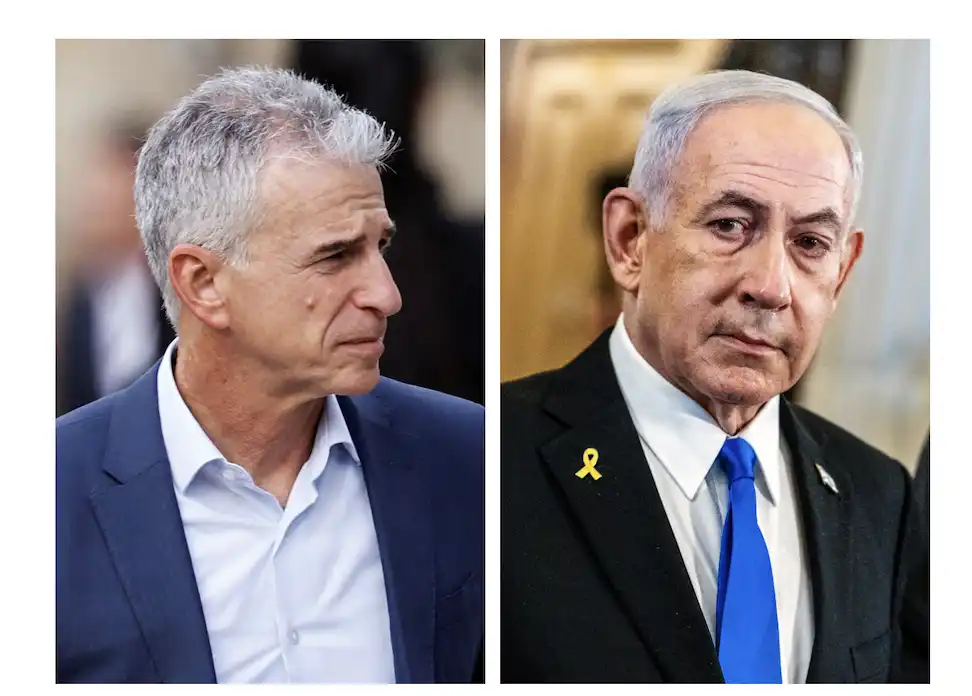
David Barnea, head of Israel's Mossad intelligence agency, participated in this high-stakes meeting held in the White House Situation Room via a live feed, along with Netanyahu and several Israeli military officials. Image Source: Amir Cohen / Reuters; Eric Lee / The New York Times
White House Chief of Staff Susie Wiles sat at the far end of the table; Secretary of State and National Security Advisor Marco Rubio occupied his usual position; Secretary of Defense Pete Hegseth sat alongside Joint Chiefs Chairman Dan Kane, with CIA Director John Ratcliffe nearby. President's son-in-law Jared Kushner and special envoy for Iran negotiations Steve Vietor were also present.
The meeting was deliberately kept to a very small circle to avoid any risk of leaks. Many cabinet members were unaware, and Vice President Pence was unable to attend — he was in Azerbaijan at the time and the short notice prevented his timely return.
Over the next hour, Netanyahu's briefing became a pivotal turning point, setting the stage for a major military confrontation in the world's most sensitive region. More importantly, this briefing triggered intense discussions within the White House in the following days and weeks. Trump deliberated risks and options repeatedly in these closed-door meetings, ultimately approving participation in a strike against Iran.
This article is based on interviews for the upcoming book "Transfer of Power: The Inside Story of Donald Trump's Imperial Presidency." Through numerous anonymous sources, it reconstructs the internal power struggles during this decision-making process: how the President's intuition guided his judgment, how the core team diverged, and how the White House operated within a highly centralized decision-making structure.
Reports also indicate that Trump's hardline stance had been closely aligned with Netanyahu for months, a level of alignment that even exceeded the expectations of some key advisers. The interaction between the two spanned both administrations, though not without friction, and remained a focal point of controversy in American politics. Ultimately, even the more cautious members of the "war cabinet" — except for Pence, who had consistently opposed full-scale war — acquiesced to the President's judgment, particularly his strong belief that the war would end quickly and decisively. The White House declined to comment on this.
During the Situation Room meeting on February 11, Benjamin Netanyahu made a highly aggressive statement: the Iranian regime has entered a vulnerable phase, and with U.S.-Israel cooperation, there is an opportunity to end the Islamic Republic in one fell swoop.
Israel even prepared a video for Trump, showcasing potential figures to take over the country after the regime's fall. This includes Reza Pahlavi, the exiled son of Iran's last Shah—a long-time opposition figure active in Washington, trying to position himself as a secular alternative in the "post-theocracy era."
Netanyahu's team's assessment bordered on an "inevitable victory" narrative: Iran's missile system could be destroyed in a matter of weeks; the regime would be weakened to the point of being unable to block the Strait of Hormuz; its ability to retaliate against the U.S. and allies is limited.
Furthermore, Mossad intelligence indicated that domestic protests in Iran would erupt once again. With the intelligence agencies driving the unrest, intensive bombings would create conditions for the opposition to overthrow the regime. Simultaneously, Kurdish forces could advance from northern Iraq to open a ground front, further fracturing Iran's military strength and accelerating its collapse.
The entire briefing had a calm and confident tone, but the core message was very clear—this was a "low-risk, high-reward" war window.
"Sounds good," Trump responded. For Netanyahu, this was almost equivalent to a tacit approval.
Not only for himself, but the attendees in general felt that the President had basically made up his mind. Advisors noted that Trump was impressed by Israel's military intelligence capabilities—an impression consistent with their highly interactive 12-day conflict planning in June.
Earlier in the day at the cabinet meeting, Netanyahu had already laid out the core logic for this briefing: the representation by Iran's Supreme Leader, Ali Khamenei, is a "existential threat" that must be dealt with.
When asked about the risks, he did not deny uncertainty but repeatedly emphasized one judgment: the cost of inaction is higher. If delays continue, Iran will accelerate missile production and build a more impenetrable "immunity layer" for its nuclear program, making the cost of action even greater.
Everyone present was clear on one reality: Iran's speed and cost of expanding its missile and drone arsenal are far lower than the U.S.' capacity to build a defense system. This means time is not on America's side.
It was this briefing, along with Trump's positive response, that shifted the question from "whether it is feasible" to "how to validate." That night, the U.S. intelligence system urgently initiated an assessment to analyze the feasibility of Israel's full plan.
CIA: "Absurd"
The assessment by the U.S. intelligence community was briefed the following day (February 12) in another meeting in the Situation Room limited to U.S. officials only. Prior to Trump's arrival, two senior intelligence officers had briefed the President's inner circle.
These intelligence officers were highly knowledgeable about U.S. military capabilities and the Iranian political-military system. They broke down Netanyahu's plan into four parts: the first being a "decapitation operation" - assassinating the supreme leader; the second, weakening Iran's ability to project power externally and threaten neighboring countries; the third, inciting an uprising among the Iranian population; and the fourth, achieving regime change with a secular leader taking over the country.
The U.S. assessment believed that the first two objectives, relying on U.S. intelligence and military capabilities, were feasible. However, regarding the third and fourth parts - including the idea of Kurdish forces crossing from Iraq to launch a ground offensive against Iran - they judged it to be detached from reality.
When Trump entered the meeting, CIA Director John Ratcliffe briefed him on the assessment. He summarized Israeli Prime Minister's "regime change" proposal with one word - "absurd."
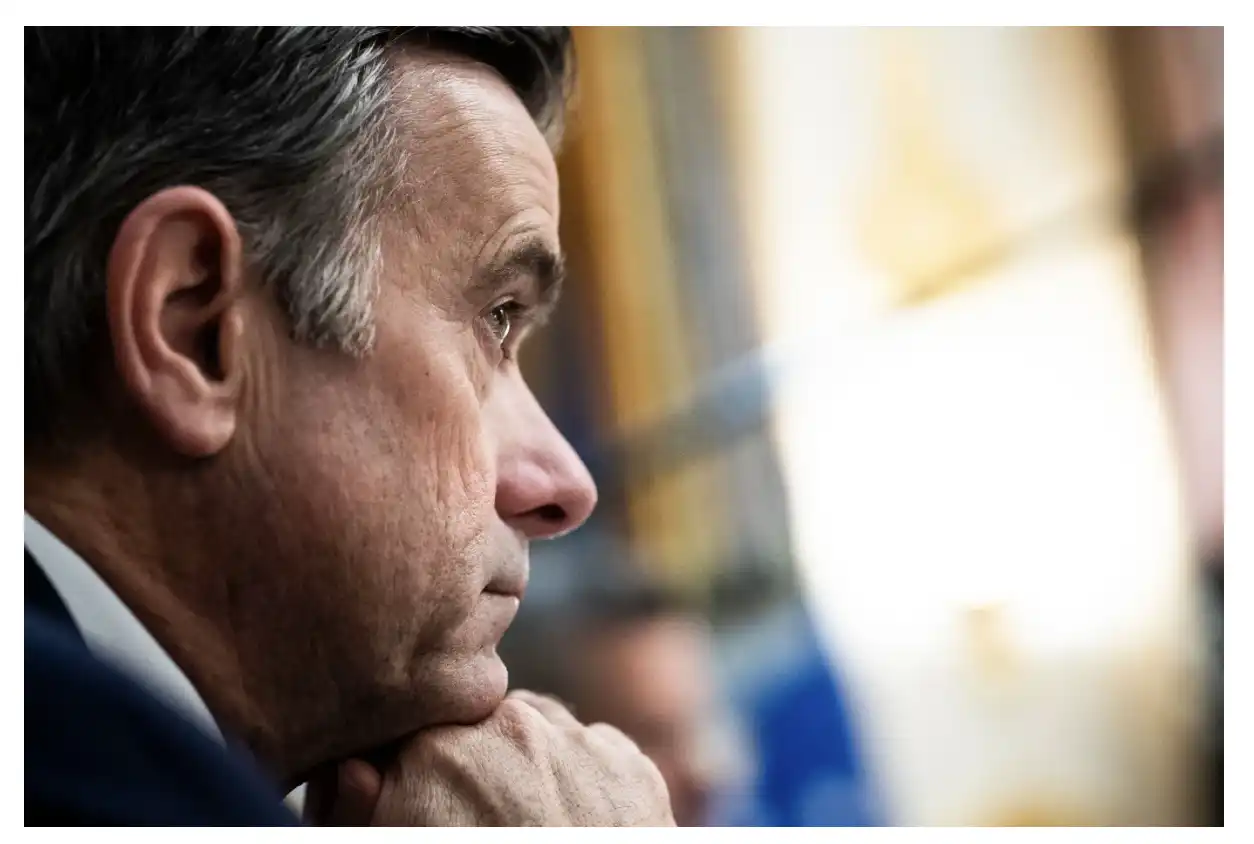
CIA Director John Ratcliffe warned in the next day's Situation Room meeting that "regime change" should not be seen as an achievable goal. Photo Credit: Doug Mills/The New York Times
At this point, Rubio interjected, saying, "In other words, nonsense." Ratcliffe added that, given the uncertainties of war, regime change was not entirely impossible, but it should by no means be seen as a feasible established goal. Subsequently, many attendees, including Vice President Pence who had just returned from Azerbaijan, expressed strong doubts, believing that the prospect of regime change was highly unrealistic.
Trump turned to Chairman of the Joint Chiefs of Staff General Dan Kane: "General, what do you think?" Kane replied, "Mr. President, from my experience, this is basically Israel's modus operandi. They often tend to overpackage, and the specific plans are not always mature. They know they need our support, which is why they are pushing so hard."
Trump quickly made a judgment. He said, "Regime change is their problem." The intended target of this statement was not clear - it could be referring to Israel, or it could be referring to the Iranian people. But the key conclusion was: whether he goes to war with Iran will not depend on the feasibility of the third and fourth parts of Netanyahu's plan.
In contrast, Trump still showed strong interest in the first two objectives: assassinating the top Iranian leadership and degrading its military capabilities.
General Kane - Trump's favorite nickname for him is "Razin' Kane" - had previously impressed the President by asserting that he could defeat ISIS faster than the outside world expected. Trump subsequently promoted this Air Force fighter pilot-turned-commander to his top military advisor. Kane was not a political loyalist, holding serious reservations about going to war with Iran, but he always approached advising the President with extreme caution.
Throughout the following days of discussions, Kane repeatedly emphasized to Trump and his team that if a large-scale military action were taken against Iran, the U.S. arsenal would be rapidly depleted, especially the missile defense systems - inventories that had already been stretched thin due to long-standing support for Ukraine and Israel. Replenishing these inventories had no clear, quick path.
He also pointed out the immense challenge of securing the Strait of Hormuz, with a high risk if Iran were to block it. Trump, however, dismissed this concern, believing that the Iranian regime would be forced to back down before the situation escalated to that point. The President seemed convinced that this would be a swift war - a judgment reinforced by the lukewarm response to the U.S. bombing of an Iranian nuclear facility in June.
Kane's role in the pre-war decision-making process underscored the classic tension between military advice and presidential decision-making. He consistently avoided taking a direct stance, only stressing that his duty was to present options and explain potential risks and second- and third-order consequences, rather than making judgments for the President. Because of this, some participants felt that he was seemingly providing arguments for various positions at the same time.
He often posed the question, "What then?" but Trump often only heard what he wanted to hear.
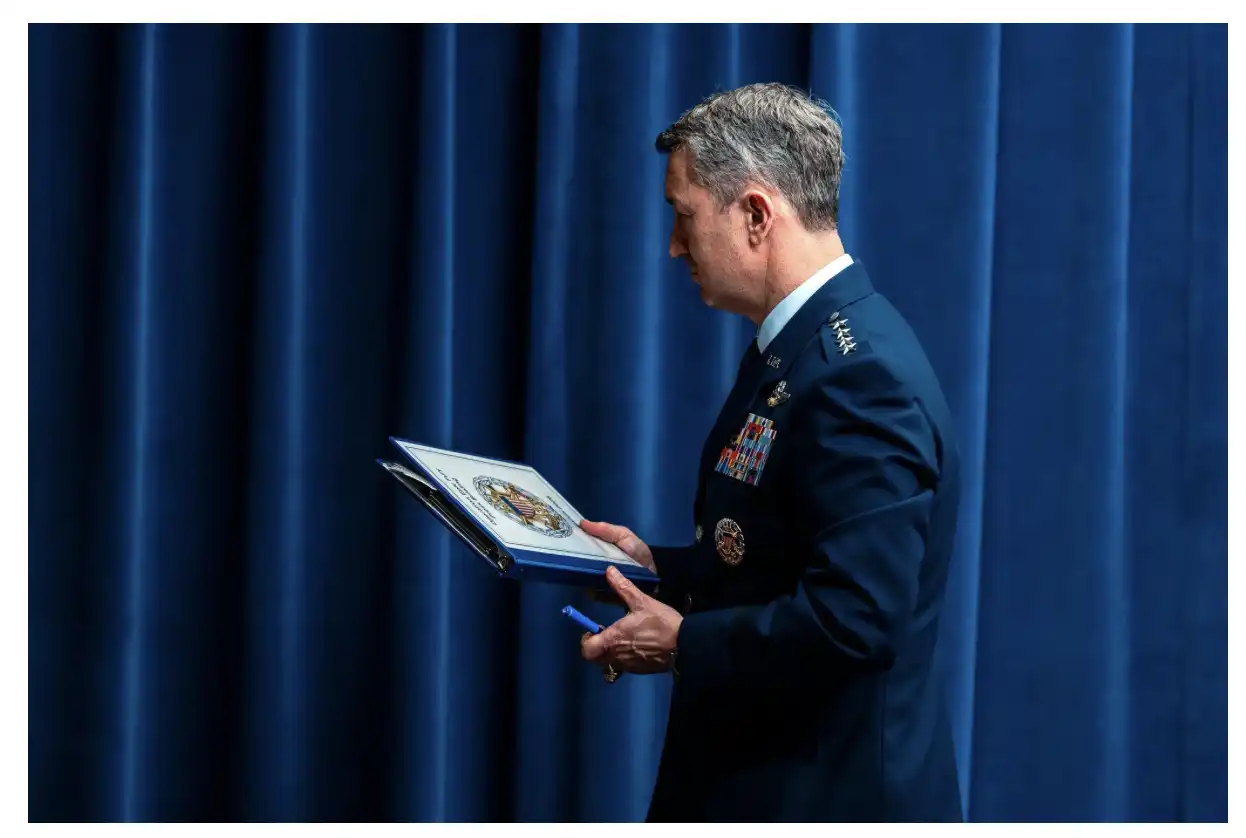
General Dan Kane, Chairman of the Joint Chiefs of Staff, leaving the Pentagon last week after a press conference. Photo Credit: Eric Lee/The New York Times
Kane stood in stark contrast to his predecessor, former Chairman of the Joint Chiefs of Staff Mark Milley. During Trump's first term, Milley had vehemently opposed the President on several occasions, seeing his role as preventing him from taking reckless or dangerous actions.
A source familiar with their interactions noted that Trump often mistook Kane's tactical suggestions for strategic judgments. In reality, Kane might warn of the difficulty of an action in one sentence and then follow up with mentioning America's almost limitless reserves of inexpensive precision-guided munitions, which could sustain strikes against Iran for weeks once air superiority was achieved.
To Kane, these were just observations from two different dimensions; but to Trump, the latter often outweighed the former.
Throughout the decision-making process, Kane never directly told the President, "Starting a war with Iran is a bad idea," even though some of his colleagues believed that was his true judgment.
Hawk, Trump
Although Netanyahu was not entirely trusted within the Trump team, his assessment of the situation was actually closer to Trump's own views than those of the "America First" camp of anti-interventionists, and this consistency has persisted for many years.
Of all the foreign policy challenges faced during Trump's two presidential terms, Iran has always been a special case. He sees it as a highly threatening adversary and is willing to take significant risks to either contain Iran, wage war against it, or acquire nuclear capabilities.
At the same time, Netanyahu's plan aligns perfectly with a long-standing wish of Trump's: to overthrow the Iranian clerical regime that has been in power since 1979. In that year, Trump was 32 years old, and since then, this regime has always been seen as a "thorn in the side" of the United States.
Now, he has the opportunity to become the first U.S. president in 47 years to achieve a change in the Iranian regime.
A rarely mentioned but ever-present motive is that Iran had plotted to assassinate Trump in retaliation for the U.S. military's killing of senior Iranian commander Qasem Soleimani in January 2020.
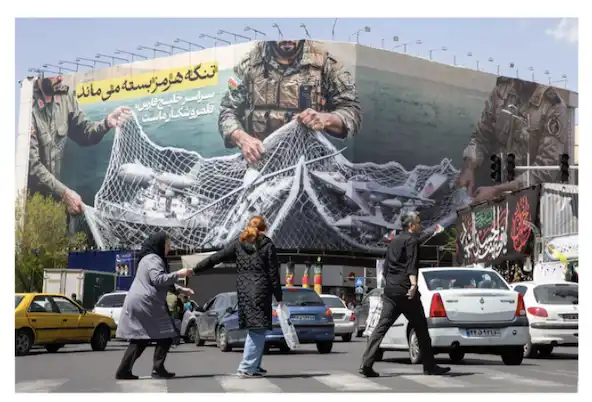
An advertisement on a billboard in Tehran featuring Iranian soldiers and captured U.S. military aircraft, along with information about the Strait of Hormuz. Photo Credit: Arash Khamooshi/The New York Times
After starting his second presidential term, Trump's confidence in the U.S. military's capabilities further strengthened. This confidence was particularly magnified after the successful capture of a Venezuelan leader in a high-profile raid.
Within the Cabinet, Secretary of Defense Haggis was the most ardent supporter of military action against Iran. Rubio, on the other hand, was more hesitant. He believed Iran was unlikely to reach an agreement through negotiations but leaned towards continuing pressure rather than direct war. However, he did not try to dissuade Trump; once the war began, he also vigorously defended the government's position.
White House Chief of Staff Susie Wales expressed concerns about the consequences of a new round of overseas conflict, but she usually did not speak forcefully on military issues in large meetings, instead encouraging other advisers to express their opinions. She wields influence on many issues, but in meetings where the President and generals are present, she chooses to remain restrained. Those around her say she believes that expressing personal concerns in such situations is not her responsibility; instead, it is more important for the President to hear the professional opinions of people like Kane, Ratcliffe, and Rubio.
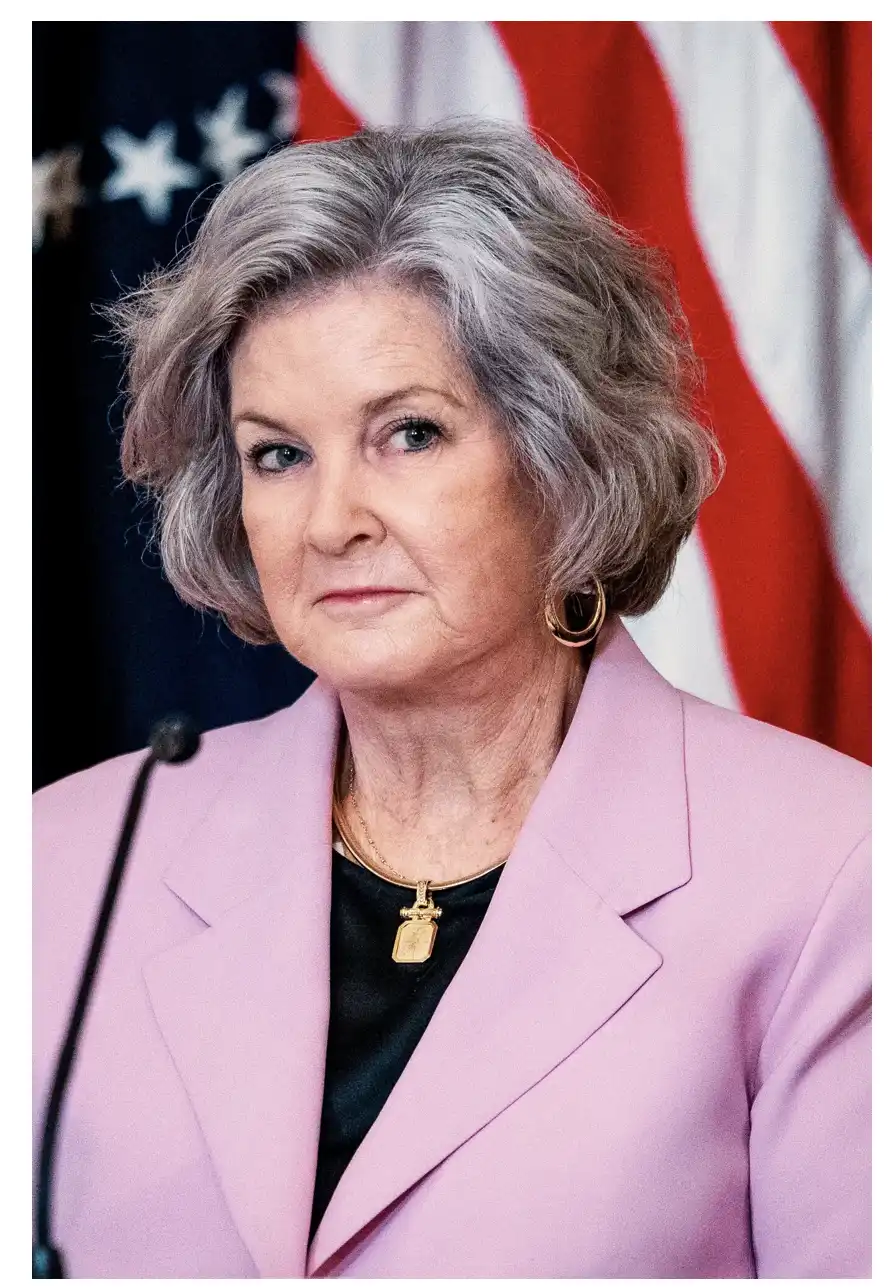
White House Chief of Staff Susie Wiles, last month in the White House East Room. Sources said she did not see it as her job to express personal concerns about military decisions to the president in public. Photo credit: Doug Mills/The New York Times
However, Wiles privately expressed to colleagues her worries about the U.S. being dragged into another Middle East war. A strike on Iran might drive up oil prices before the midterms, directly affecting the political trajectory of Trump's final two years in office — whether to build on his record or face House Democratic scrutiny and subpoenas.
Yet in the end, Wiles still supported the action.
Skeptic, Vice President Vance
Within Trump's inner circle, no one is more concerned about the prospect of war with Iran than the vice president, nor has anyone worked harder to try to prevent such a war.
Vance has built his political career on opposing this kind of military adventurism. Describing the option of war with Iran as "a massive dispersion of resources" and "a very costly action."
Yet he is not a thoroughgoing dove on all matters. In January of this year, when Trump publicly warned Iran to stop killing protesters and claimed that American aid was on the way, Vance, in private, actually encouraged the president to enforce this red line. However, he advocated for a limited, punitive strike more akin to Trump's 2017 missile assault on Syria for the regime's use of chemical weapons against civilians.
Vance believes that a war with Iran aimed at regime change would be a disaster. His preferred option is actually to take no action. But considering Trump's likely intervention in some form, he sought to steer the action toward a more limited scenario. Later, as the president appeared determined to launch a large-scale operation, Vance, in turn, argued that if there had to be a strike, it should be a swift, overwhelming show of force to achieve the goals as quickly as possible.
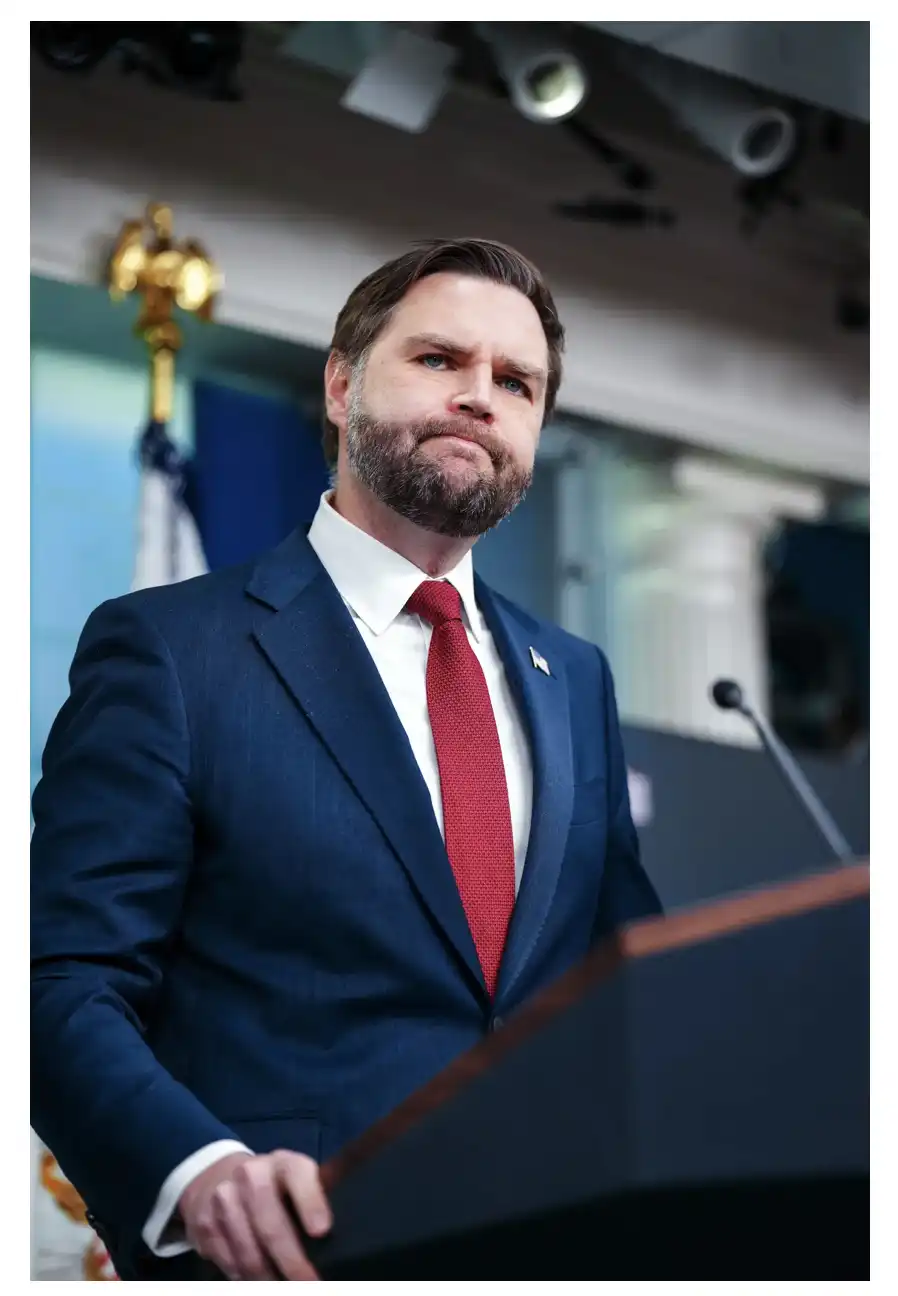
Vice President J.D. Vance is the most staunch opponent of full-scale war within the White House, describing a war with Iran as "a massive dispersion of resources" and "a very costly action." Photo credit: Doug Mills/The New York Times
In front of his colleagues, Vance warned Trump that a war with Iran could lead to regional chaos and incur immeasurable casualties. It could also fracture Trump's political coalition and be seen as a betrayal by many voters who once believed in the promise of "no more new wars."
Vance also raised other concerns. As Vice President, he understood the severity of the U.S. ammunition issue. Engaging in a war with a regime with strong survival instincts could make it harder for the U.S. to handle other conflicts in the coming years.
Vance expressed to those around him that no matter how professional the military assessment is, it cannot truly predict how Iran would retaliate when the survival of its regime is threatened. This war is highly likely to take an unpredictable turn. Furthermore, he believed that even if the war were to end, there was almost no realistic possibility of building a "peaceful Iran" in the aftermath.
Moreover, perhaps the biggest risk lies in the Strait of Hormuz. Iran has the upper hand in this strait. If this narrow waterway, which carries a large amount of oil and gas shipments, were to be cut off, the U.S. would immediately face severe consequences domestically, starting with a surge in oil prices.
Over the past year, another influential figure in the right-wing camp and a skeptic of interventionism—commentator Tucker Carlson—has entered the Oval Office several times to warn Trump: once a war with Iran begins, his presidency would be ruined. In the weeks leading up to the outbreak of war, Carlson, who had known Trump for many years, had a phone call with him. Trump tried to reassure him, saying, "I know you're worried about this, but everything will be fine." Carlson asked him how he knew. Trump replied, "Because it always ends like this."
In the last few days of February, the U.S. and Israel discussed new intelligence that significantly accelerated the timeline for action. The Supreme Leader would be meeting with other senior officials of the Iranian regime on the ground, during the day, fully exposed to airstrikes. This was a fleeting opportunity to directly target the core of Iran's power, a target that might not reappear.
Trump then gave Iran another chance to reach an agreement and block its path to obtaining nuclear weapons. The diplomatic contacts themselves also bought the U.S. additional time to deploy more military assets to the Middle East.
Several of Trump's advisers indicated that the President had actually made up his mind weeks ago but had not yet decided when to act specifically. Now, Netanyahu is urging him to act as soon as possible.
During the same week, Kushner and Votel called from Geneva to report on the results of their latest round of talks with Iranian officials. Throughout three rounds of negotiations in Oman and Switzerland, the two had been testing Iran's willingness to reach an agreement. At one point, the U.S. side even offered to provide nuclear fuel free of charge for the entire duration of Iran's nuclear program to test Tehran's insistence on uranium enrichment, to determine if it was truly for civilian energy needs or to preserve the ability to manufacture nuclear weapons.
The Iranian side rejected this proposal, stating that it was an affront to their dignity.
Kushner and Votel reported to the President that some kind of agreement might be possible, but it would take months. They mentioned that if Trump wanted them to look him in the eye and promise that the issue would definitely be resolved, there might still be a long way to go. Kushner told him that the Iranians had been playing games all along.
Trump: "I Think We Have to Act"
On Thursday, February 26, around 5 p.m., the final Situation Room meeting began. By this time, everyone's position in the room was very clear. Previous meetings had covered all the issues, and everyone knew where they stood. This discussion lasted about an hour and a half.
Trump sat in his usual place, at the center of the table. To his right were Vice President Pence, followed by Susie Wiles, Ratcliffe, White House Counsel David Wellington, and White House Communications Director Steven Zhang. Facing Zhang was White House Press Secretary Caroline Levitt; to her right were Secretary of Defense Haggerty, and Generals Kane and Ruble.
The war planning group was so tightly controlled that the two key officials supposed to deal with the biggest disruption in the history of the global oil market, Treasury Secretary Scott Bennett and Energy Secretary Chris Wright, were excluded, and Director of National Intelligence Tulsy Gabard was not allowed to participate.
The President started by asking, "So, what do we know now?" Secretary of Defense Haggerty and General Kane first outlined the sequence of the strike. Trump then expressed his desire to hear from everyone around the table.
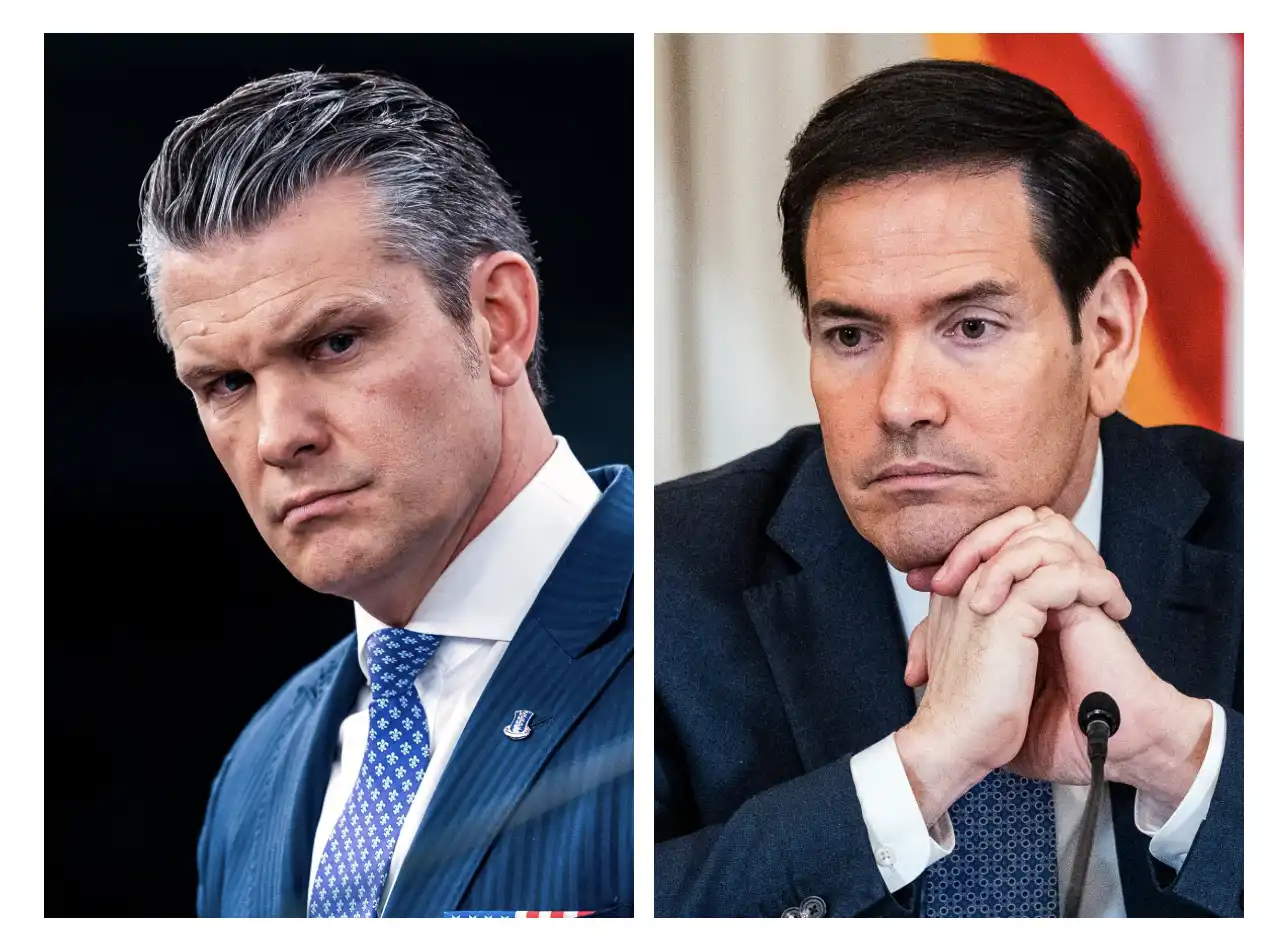
Secretary of Defense Pete Haggerty was the most vocal advocate for military action against Iran in the Cabinet. Secretary of State Marco Rubio, on the other hand, was much more cautious in his approach to colleagues. Image Source: Eric Lee/The New York Times
Pence spoke first. As his opposition to the entire premise of the operation was well known, he directly told the President, "You know I think this is a bad idea, but if you decide to do it, I will support you."
Wiles then told Trump that if he believed this was necessary for U.S. national security, then it should be done.
Ratcliffe did not express a position on "whether to act," but he mentioned the shocking new intelligence: the Iranian leadership was about to gather at the Supreme Leader's residence in Tehran. The CIA director told the President that, in a certain light, a regime change was possible. "If all we're talking about is killing the Supreme Leader, then we can probably do that," he said.
When it was White House Counsel Wellington's turn, he stated that legally, the way the plan had been designed by U.S. officials and presented for the President's review was permissible. He did not express a personal position, but when pressed by the President, he mentioned that as a Marine veteran, he knew an American serviceman who had died at Iranian hands many years ago. This issue was always very personal to him. He told the President that if Israel was going forward regardless, then the U.S. should act as well.
Steven Zhang then analyzed the public relations consequences of this operation: Trump campaigned on a platform opposing further wars, and voters did not choose him for overseas conflicts. This plan also contradicts the government's repeated claims since the June bombing of Iran — how can they now explain it after insisting for the past eight months that Iran's nuclear facilities had been "completely destroyed"? However, Steven Zhang did not explicitly support or oppose, only stating that whatever decision Trump makes will be the right one.
Levitt then told the President that this was his decision, and the news team would do their best to manage the subsequent public relations.
Hegge's position was more direct. He believed that sooner or later, they would have to "deal with" the Iranians, so why not do it now? He provided a technical assessment: given the available forces, this battle could be completed within a certain timeframe.
General Kane's attitude remained cautious and restrained. He outlined various risks and the ammunition consumption that the operation would entail but did not express a personal preference. His position was always: if Trump orders it, the military will execute. The President's top two military advisors both presented to him how this battle would unfold and the limits of the U.S. military's ability to weaken Iran's military capabilities.
When it was Rubio's turn, he made a clearer statement: "If our goal is regime change or inciting an uprising, then we should not do it. But if the goal is to destroy Iran's missile program, that goal is achievable."
In the end, everyone deferred to the President's instinct. They had seen him make bold decisions, take unimaginable risks, and always come out unscathed. At this point, no one would truly stand in his way.
"I think we need to act," the President told everyone in the room. He stated that Iran must not be allowed to have nuclear weapons and that Iran must be prevented from continuing to launch missiles at Israel or the entire region.
General Kane told Trump that he still had some time, there was no need to order immediately, and he could wait until 4 p.m. the next day at the latest to make a decision.
Then, the next afternoon, on Air Force One, with 22 minutes left until Kane's deadline, Trump issued the following order: "Operation Epic Fury approved. Cannot be canceled. Good luck."
Welcome to join the official BlockBeats community:
Telegram Subscription Group: https://t.me/theblockbeats
Telegram Discussion Group: https://t.me/BlockBeats_App
Official Twitter Account: https://twitter.com/BlockBeatsAsia
 Related Articles