Anticipating the Market's New Challenge to Political Elections
Original Article Title: Prediction Markets Are a New Headache for Campaigns
Original Article Author: Eric Wilson, Campaign Innovation
Translation: Peggy, BlockBeats
Editor's Note: As prediction markets' influence on political issues gradually rises, the way election information is disseminated is quietly changing. In the past, polls have been a key indicator shaping the narrative of the race, but now, transaction prices and win probability are also beginning to enter the media coverage, donor discussions, and campaign team internal decision-making.
This article, from the perspective of a campaign team's actual operations, analyzes several new challenges that prediction markets may bring: on the one hand, they provide the media with new "electoral numbers," which may influence public perception; on the other hand, they also raise new ethical and compliance issues at the internal management level, such as whether staff should participate in related transactions, how market signals should be interpreted, and so on.
In this stage where the system has not yet been fully formed, whether prediction markets are leading indicators, lagging indicators, or merely reflect market sentiment remains to be seen. But what can be certain is that they are gradually becoming part of the political information environment. For campaign teams, understanding, responding to, and managing this new variable may soon become a practical issue in campaign strategy.
The following is the original article:
Prediction markets are gradually becoming a new variable in election politics, but most campaign teams have not truly thought about what it means from an operational perspective.
Campaign teams have long been accustomed to dealing with polls. Polls shape the narrative of the race, influence donor confidence, and also sway internal decision-making. The role brought by prediction markets is somewhat similar, but their operating mechanism and incentive logic are completely different.
Horse Race Narrative
For a campaign team's communications department, prediction markets mean the media may reference a new number. Spokespersons may now be asked by reporters: why is a certain candidate's "market win probability slipping"? In response, campaign teams need to formulate a relatively stable, restrained way of responding. The market price reflects traders' judgments after seeking information advantages and may not necessarily fully reflect the actual grassroots situation. Like any signal, it is just one of many pieces of information.
At this stage, campaign teams are better off treating the prediction market as a metric to watch, rather than a trend to follow. Because it is still unclear whether these markets are leading or lagging indicators. What exactly are they reflecting? Trader confidence? Immediate reactions to media reports? Or changes in market liquidity? Currently, there is a lack of sufficient experience and data to answer these questions.
Ethical Considerations
Internal campaign teams also need to proactively consider some potential issues.
Campaign staff often have access to a large amount of undisclosed information, such as internal polls, fundraising status, team composition, and campaign strategy. If these individuals also participate in prediction market trading, the line between speculation and 'insider advantage' can become blurred.
In reality, this type of behavior is difficult to regulate as most prediction markets are anonymous. Even with policies in place, it is likely to ultimately rely on the professionalism of the staff rather than strict enforcement mechanisms.
Interestingly, this mechanism could also lead to another effect. In theory, prediction markets could even serve as an insurance or bonus mechanism, allowing campaign team members or service providers to hedge in the face of electoral uncertainty.
Another commonly mentioned issue is market manipulation. Intuitively, one may worry that campaign teams could artificially boost their win rate in the market through trading to influence public perception. However, in reality, markets are often more resistant to manipulation than they appear. Liquidity is crucial, with every trade requiring both a buyer and a seller. The financial market adage applies here as well: the market can stay irrational longer than you can stay solvent.
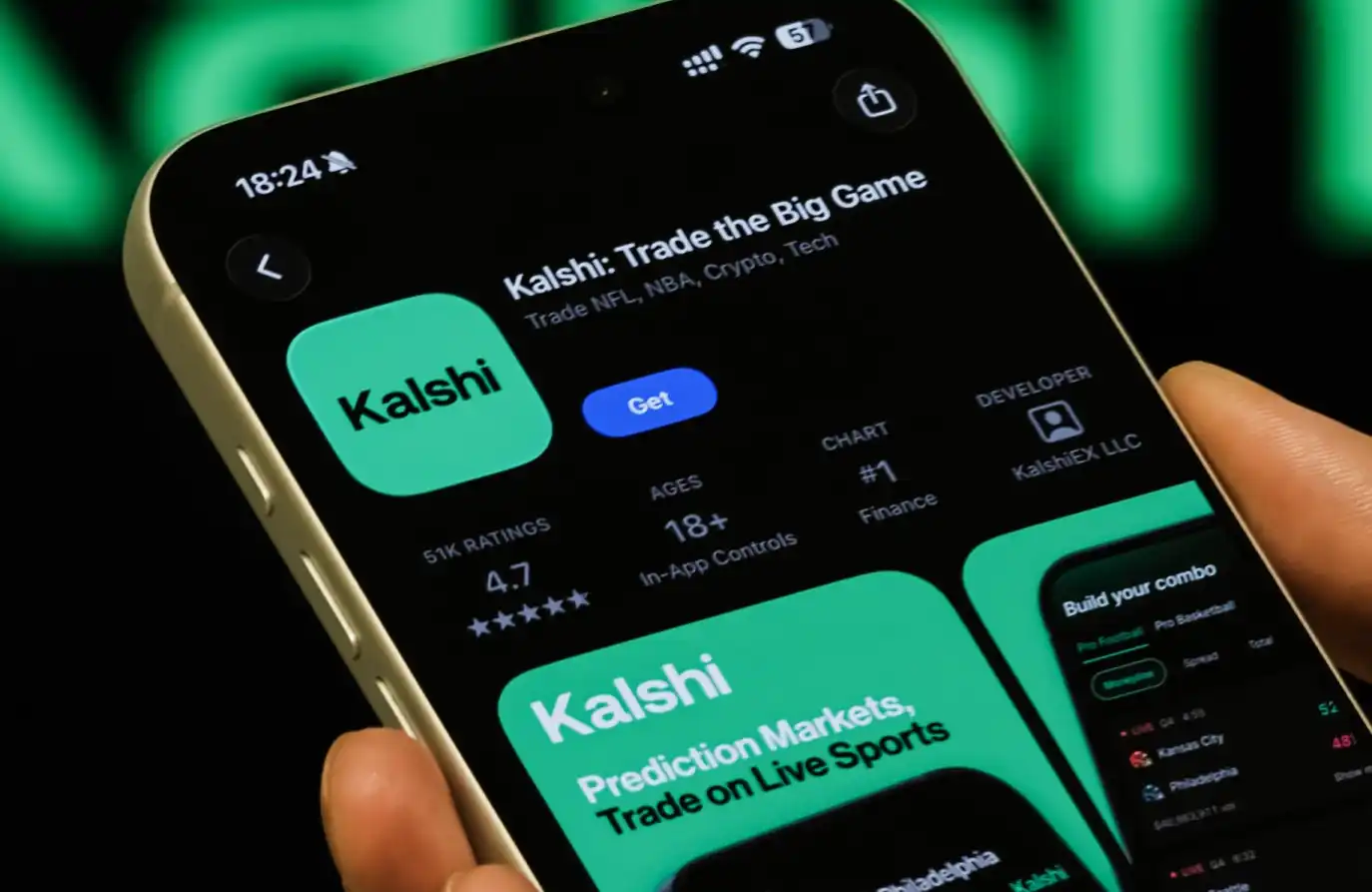
(Editor's note: U.S.-based and regulated prediction market platform Kalshi actually has strict rules regarding insider trading. For example, Kalshi prohibits candidates in a specific political election and those working for relevant political action committees from betting in markets related to that election.)
Preparation in Advance
More importantly, prediction markets are likely to gradually become part of the political information environment. They will occasionally feature in media reports, donor discussions, and internal campaign team communications.
If a campaign team merely views it as a novelty, they will likely only be able to react passively to these market signals in the future. Those teams that are already thinking about communication strategies, internal norms, and monitoring mechanisms will be better prepared when prediction markets inevitably become part of the electoral narrative.
Welcome to join the official BlockBeats community:
Telegram Subscription Group: https://t.me/theblockbeats
Telegram Discussion Group: https://t.me/BlockBeats_App
Official Twitter Account: https://twitter.com/BlockBeatsAsia
 Related Articles