Pacifica Points Field Test: How to Accumulate "Airdrop Chips" at the Lowest Cost?
Source: Pacifica Young Talent
While the Perp DEX track has seen the emergence of bright new players like Hyperliquid, the overall landscape is still not clear. Centralized Exchanges (CEX) still firmly dominate the absolute share of contract trading: for example, in 2025, Binance's futures trading volume reached around $25.09 trillion, and Bybit also reached $10 trillion. In contrast, the trading volume of top Perp DEX protocols like Hyperliquid is only "just" $2.93 trillion, which is still a fraction of the leading CEX. This huge gap precisely reveals the potential tenfold or even hundredfold growth space in the future of the decentralized contract track. Users' awareness of asset sovereignty and their demand for on-chain transparency are continuously driving funds to migrate to DEX.
There are still many Perp DEX platforms in the market that have not yet issued tokens. In order to attract more ecosystem users, point rewards are often an effective method. This article will introduce Pacifica's Sustainable Perpetual Contract Platform in the Solana Ecosystem. Since its launch in June last year, Pacifica has accelerated its development after September, and the total trading volume has now exceeded $1 trillion. During the current early bonus window of Pacifica, how to achieve efficient transaction volume accumulation with the lowest single-point cost has become the focus of all strategic traders. This article, combining the author's practical experience and community feedback, aims to outline a set of cost optimization and efficiency improvement strategies for point accumulation.
1. Point Cost and Current Bonus Activities
Pacifica's point system is essentially a trade-off between cost input and incentive rewards. Although the official point algorithm is not explicitly stated, by combining changes in data and some information revealed by the team in activities, we can roughly understand that points are closely related to factors such as user holdings, trading volume, and tokens.
The current single-point cost needs to consider transaction fees + transaction wear and tear/loss. Transaction volume is the basis for cost averaging, while efficiency in point acquisition directly affects the final cost.
1. Previous Pacifica Event that Helped Reduce Costs
2. Continuous Trading (Holding Period) Bonus: Maintaining daily trading activity, the longer the position holding time, the higher the multiplier of points that can be obtained, with a maximum of 23% additional points.
3. Invitation Bonus: By registering through an invitation link, you can receive a permanent 5% points bonus.
4. Participation in Platform Events: The previous half-fee event could reduce the unit point cost to as low as $0.15.
Cost Calculation
According to analysis by community users who have already received points, under the current base model, the single-point cost is approximately $0.3825. If the 23% continuous trading bonus and 5% invitation bonus are activated simultaneously, the single-point cost can be reduced to approximately $0.301.
II. Point Practice: A Four-Week Data Review by Senior Users
Community senior trader (X: SmartDropFarmer) shared his four-week continuous strategy and data, which can serve as a reference for the community:
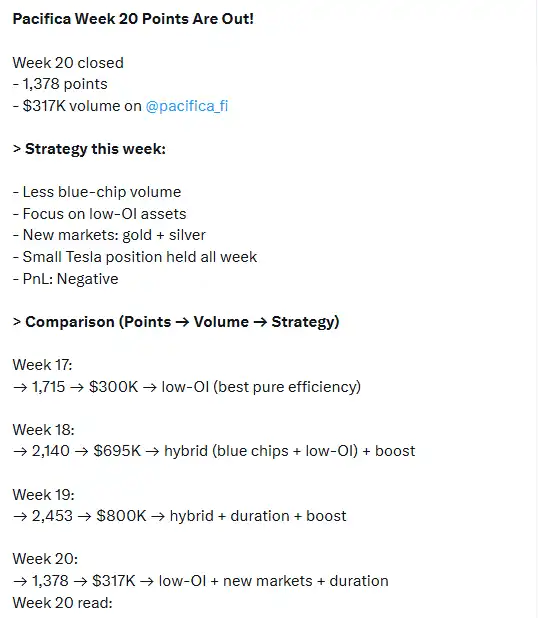
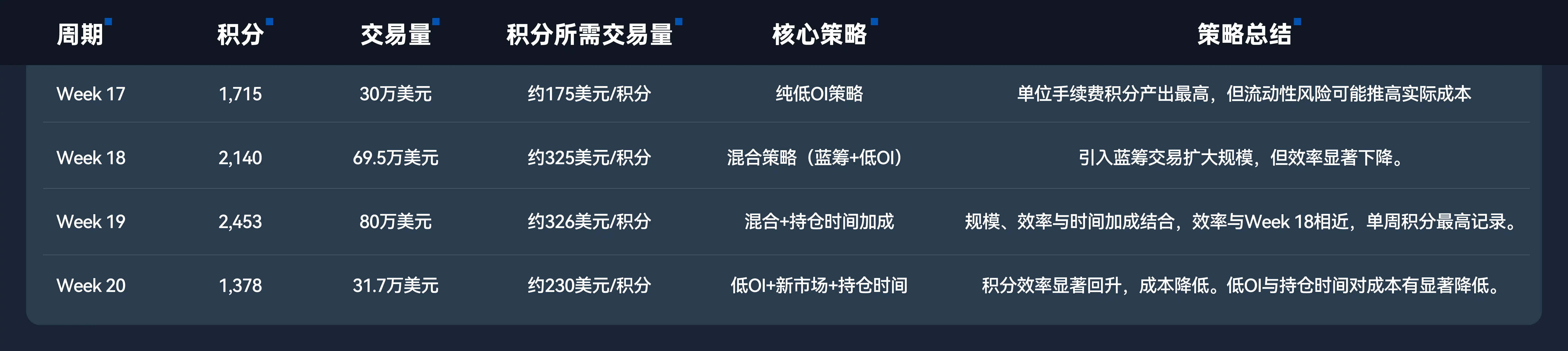
Strategy Summary
1. Blue-Chip Assets:
BTC, SOL, and other high liquidity pairs with small spreads and low slippage can accumulate basic points with a more stable actual fee expenditure to control cost fluctuations.
2. Low OI Asset Trading:
New coins or low open interest contracts may exchange lower fee expenditure for higher points, thereby reducing the unit point cost, but this comes with higher slippage, greater volatility, and liquidity risks, suitable for using small positions to achieve higher trading volume.
3. Holding Period:
Even with a very small position held long-term, you can continuously accumulate points through the continuous trading bonus, which can cost-effectively enhance point efficiency.
4. Portfolio Allocation Based on Market Dynamics:
The trader plans to return to a hybrid mode of "blue-chip-based + selected low OI" in Week 21, seeking the optimal balance between risk and cost based on market conditions.
Practical Experience with Small Capital
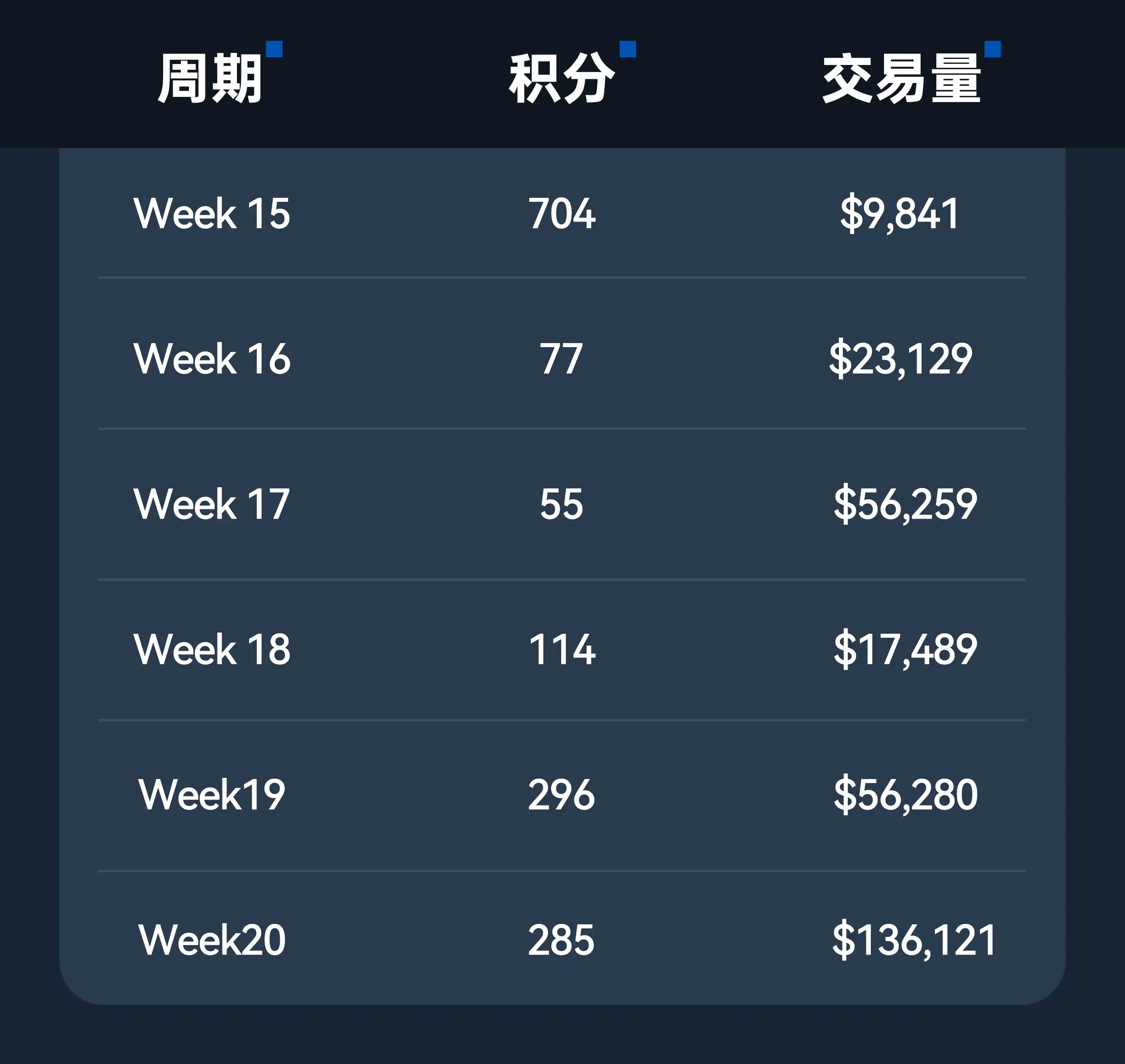
The author also participated in about four weeks of trading volume activity. Due to limited capital, the points were much fewer compared to the user above. Furthermore, the author did not adopt any specific strategies, mainly following some moderately frequent trading addresses, holding mainstream token contracts such as BTC, SOL, ETH, and other blue-chip assets.
Trading only started around the end of December, and due to encountering a major price swing in the first week of trading (Week 15), the author was liquidated twice. However, it is worth noting that despite a trading volume of only $9,000 that week, the author received over 700 points, which was the highest point gain week for the author after starting trading.
The specific point data is as follows:
III. How to Earn Points More Effectively?
1. Manual Deleverage Strategy (Suitable for manual traders)
Initial Stage: Register through the invitation link, lock in a 5% permanent bonus, maintain daily activity starting from blue-chip trading (increasing by 2% daily), and activate a 23% continuous trading bonus.
Advanced Operations: Allocate the majority of trading volume to blue-chip assets to stabilize the cost basis, allocate a small portion of funds to low OI or new market assets to earn points.
Advanced Techniques: Establish small neutral positions during low volatility periods for long-term holding, purely earning "holding time bonus."
2. Tool-assisted Trading (Suitable for efficiency-oriented users)
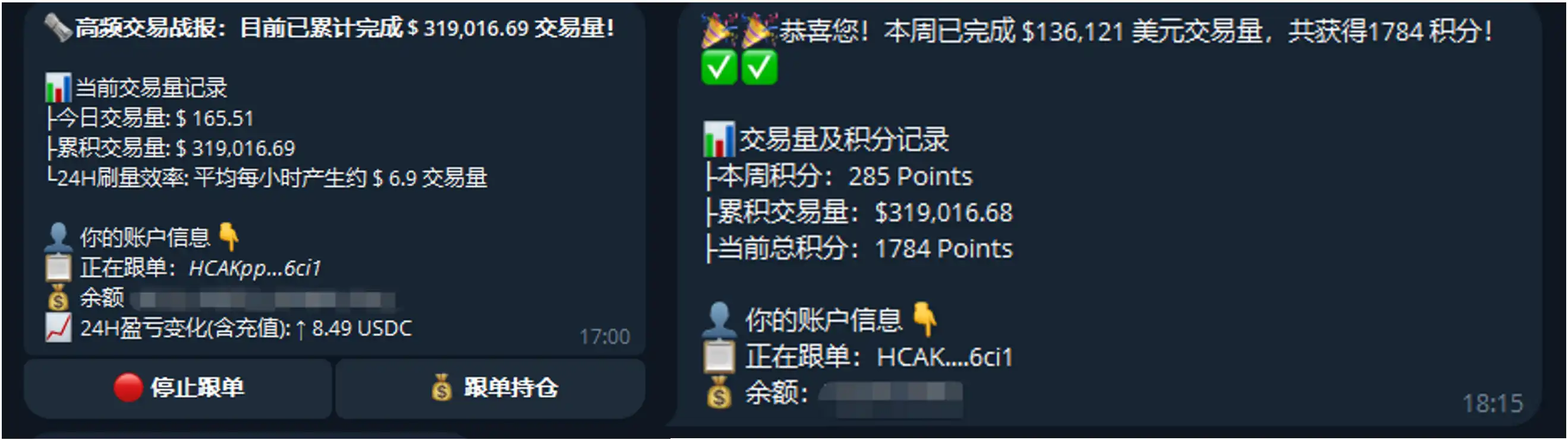
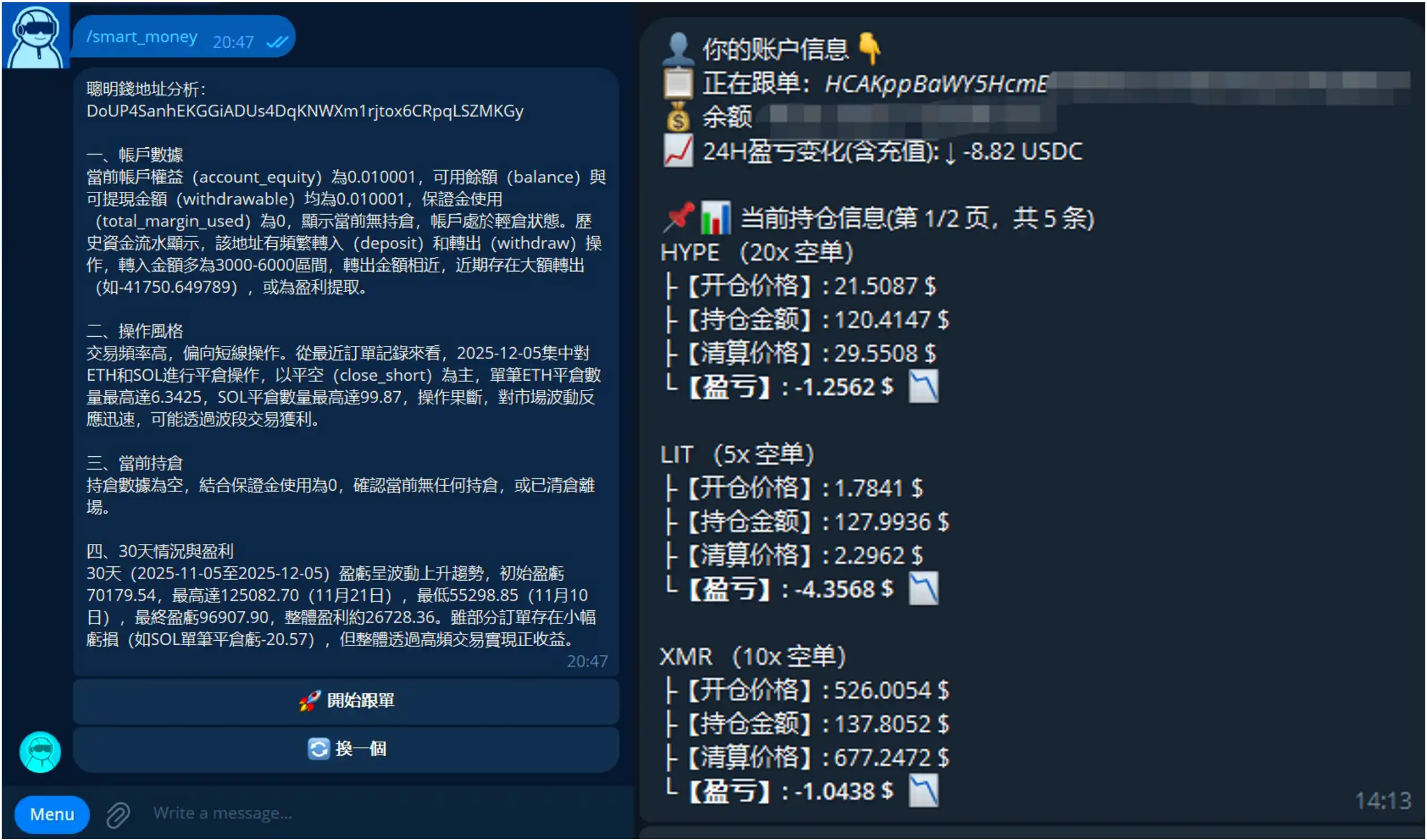
Currently, besides accumulating trading volume through manual orders, there are also some tools that can help us "free up our hands." The author found a copy trading tool "Coinbob Pacifica" from Pacifica's Builder Program (an official ecosystem development activity), a Telegram-based Bot with simple and user-friendly operations that also support copying Hyperliquild addresses, enabling cross-platform copy trading while earning points. Compared to manual trading, tools have a stronger reliance on copied addresses, which may increase wear and tear to some extent. Therefore, some effort is required in smart money address selection.
This Bot also recommended some suitable copy trading addresses, but the author cleverly chose to copy their own address. This way, they can control transaction wear and transaction strategy, and accumulate points in two accounts simultaneously.
Currently, there are many other products in the Program that everyone can also try to use.
IV. How to Avoid Front-Running?
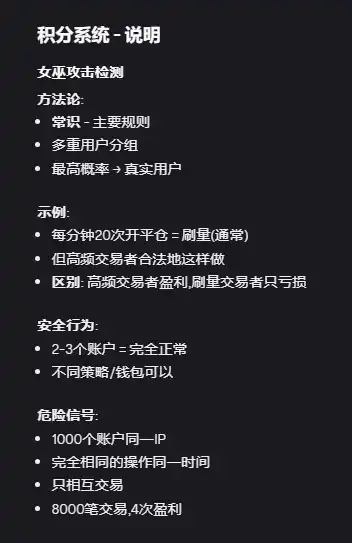
When trading on the Perp DEX platform, one of the users' main concerns is how to avoid front-running. In a previous weekly community meeting at Pacifica, Coinbob's admin also raised this question. Some of the official responses currently provided are as follows: It is normal for a single user to have 2-3 accounts, and high-frequency trading addresses are also safe if they can profit normally.
V. Airdrop Potential Return
Points are often associated with the potential expectations of airdrops, although the official team has not yet provided specific distribution plans and the deadline for point activities. However, according to an analysis by the Pacifica community analysis website, if the Pacifica points plan continues to be distributed for about 40 weeks until June 2026, the total distribution may be around 400 million points.
In addition, based on model assumptions (airdrop ratio of 25%, FDV of $10 billion) plus the current OTC price calculation, each point may be worth $0.5-0.7 (this data may be adjusted as the airdrop ratio changes). In comparison, if the cost of obtaining a single point can be optimized to around $0.3 or even lower, the returns are quite significant. Currently, Pacifica is also developing its own Layer1, which may also have an incentive effect on token valuation.
According to the aforementioned trader data, it is estimated that an average of approximately $275 in trading volume is required to obtain 1 point. While optimizing costs, attention also needs to be paid to trading volume efficiency.
Note: The above valuation models, data, and calculation results are all from community analysis, and Pacifica has not confirmed the specific rules of the points plan, duration, total distribution, or any potential future airdrop details.
This article is contributed and does not represent the views of BlockBeats.
Welcome to join the official BlockBeats community:
Telegram Subscription Group: https://t.me/theblockbeats
Telegram Discussion Group: https://t.me/BlockBeats_App
Official Twitter Account: https://twitter.com/BlockBeatsAsia