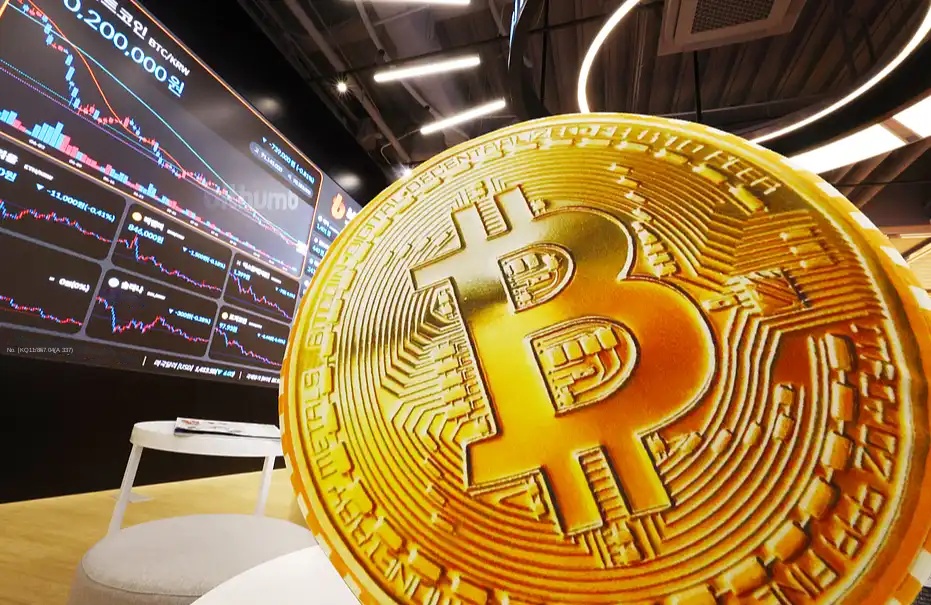
Bitcoin Plunges, Gold Hits New High, Dollar Collapse Underway

Original Title: 'It is Now Happening' — Urgent U.S. Dollar 'Collapse' Warning Issued As Markets Brace For Gold And Bitcoin Price Shocks
Original Author: Billy Bambrough, Forbes
Translation: Peggy, BlockBeats
Editor's Note: The reemergence of Trump's tariff threats, weakening of the U.S. dollar, gold hitting a historic high, and Bitcoin dropping below $90,000, almost erasing its year-to-date gains. With inflation data looming, market concerns about stagflation are rising, leading funds to flow back into "depreciation-resistant" assets. This article examines why gold and Bitcoin have exhibited drastically different trends amid this macro shock.
Below is the original article:
Over the past few months, Bitcoin and gold have shown distinct trends: gold continues to surge while the Bitcoin price has seen a sharp decline. At the same time, the trade war sparked by U.S. President Donald Trump has escalated once again, posing potential pressure on the U.S. dollar.
Bitcoin's price experienced a steep overnight drop, plummeting from nearly $96,000 to just above $90,000 in a matter of minutes. Meanwhile, following Trump's threats to escalate tariffs on 8 NATO allies and his request for Denmark to reach an agreement on the Greenland issue, the price of gold hit a historic high.
Now, as the CEO of Bank of America issues a dire "$6 trillion" cryptocurrency warning and traders prepare for this week's inflation data, which may exceed earlier expectations, concerns about "unprecedented stagflation" have been further triggered.
Billionaire investor and hedge fund giant Ray Dalio, founder of Bridgewater Associates, warned that the recent weakness of the U.S. dollar indicates that the "collapse of the U.S. dollar as the world's reserve currency" that he has long predicted is "happening now."
Dalio wrote on X, "The existing fiat currency order, domestic political order, and international geopolitical order are all unraveling, so we are on the brink of war."
Last year, the U.S. dollar, as measured by the U.S. Dollar Index, saw a cumulative decline of nearly 10%. It is widely expected that the dollar will continue to weaken this year, potentially leading to significant price increases in gold, silver, and Bitcoin.
Ray Dalio wrote: "All of this is happening because a big cycle driven by five key forces is at play." The five key forces he refers to, from his work "Principles for Dealing with the Changing World Order," are: Economic cycles, domestic political turmoil, great power conflicts, natural disasters, and technological developments.
Dalio also mentioned a video segment showing that the era dominated by the United States and the US dollar is receding, giving way to a new era dominated by China.
In this 2023 video segment, Dalio states: "When a new rising power becomes strong enough to challenge the leading power, which is experiencing internal order breakdown and escalating external conflicts, the most typical outcome is often the outbreak of war."
He further states: "In these internal and external wars, new winners and losers emerge. Subsequently, the winners come together to establish a new world order, leading to the start of a new cycle."
Meanwhile, as the US dollar faces its largest single-day decline in over a month, the price of Bitcoin drops below $90,000, almost erasing all gains since 2026; while gold once again hits a historic high. FxPro's Chief Market Analyst, Alex Kuptsikevich, commented in an email: "Bitcoin is facing a double blow from tariffs."
He points out: "Trump's desire to make the US the global capital of crypto has, to some extent, turned crypto assets into 'American assets.' Thus, when the 'sell America' trading logic resurfaces, the bottom support for Bitcoin longs is quickly pulled away."
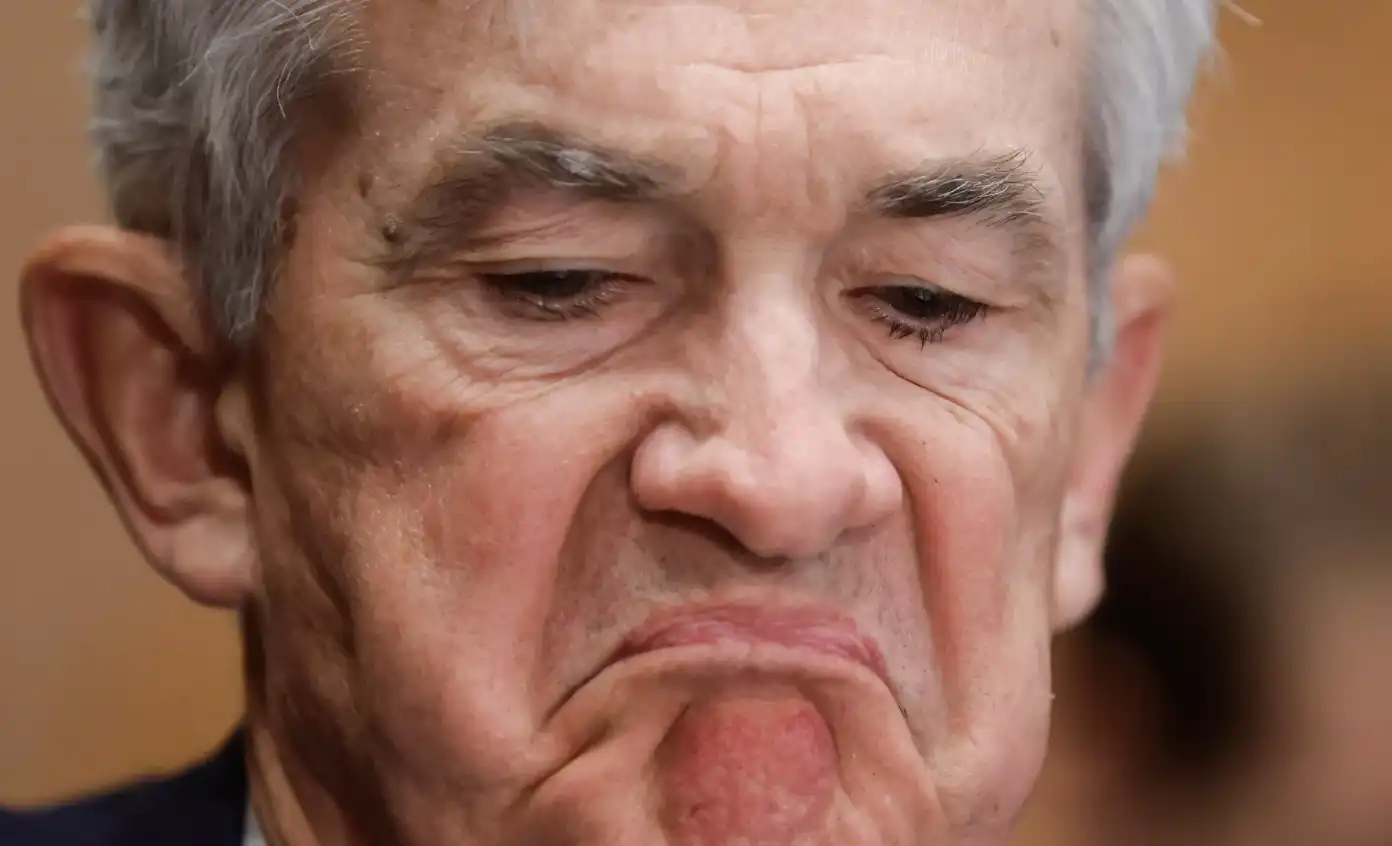
Jerome Powell, Chair of the Federal Reserve, faced pressure last year from the so-called 'debasement trade,' which strengthened gold and Bitcoin prices. (Image source: Getty Images)
Barclays and Morgan Stanley economists have raised their forecast for the US December Personal Consumption Expenditures Price Index (PCE) to 2.8% or 2.9%. Meanwhile, Andy Schneider of BNP Paribas, in a report seen on Reuters, wrote that this data will be "significantly" higher than the 2.7% Consumer Price Index (CPI) released last week.
errorWelcome to join the official BlockBeats community:
Telegram Subscription Group: https://t.me/theblockbeats
Telegram Discussion Group: https://t.me/BlockBeats_App
Official Twitter Account: https://twitter.com/BlockBeatsAsia