From Security Tokenization to Prediction Markets: 7 Major Crypto Trends to Watch in 2026

Original Article Title: 7 Crypto Lessons and Trends to know before 2026
Original Article Author: 0xJeff, AI Investor
Original Article Translation: DeepFlow Tech
2025 was a year filled with unprecedented turbulence and change. We witnessed the inauguration of a U.S. president said to be supportive of both cryptocurrency and artificial intelligence. However, the crypto market in 2025 did not see the expected bull run but instead became the year of a "slaughter" for the entire industry.
· Most meme coins experienced an 80%-99% crash in 2025
· Bitcoin's market dominance returned to 2019-2020 levels (over 60%), outperforming most other coins
· Ethereum's (ETH) transaction price was similar to that of 2022
· The meme coin market is highly fragmented (with 40-50 million coins in circulation)
· Despite continuous positive news in the industry (such as clearer regulatory frameworks, ETF approvals, corporate adoption of blockchain technology, institutional investment in BTC, ETH, and meme coins, etc.), the performance of the stock market in 2025 completely overshadowed the crypto market
Despite the pain and turmoil, 2025 was still considered by many as the industry's "year of maturity," but it also witnessed a significant exodus of practitioners and investors.
So, for those who are still holding onto the crypto space, here are the key points you must understand before the arrival of 2026:
Let's delve into them below ↓
Forecast Markets: Versatile Trading Tools
Forecast markets became one of the fastest-growing verticals in 2025, with weekly nominal trading volume reaching $3.8 billion for the first time, and Polymarket, Kalshi, and Opinion emerging as leading platforms in this field.
While the controversy over whether "forecast markets are equivalent to gambling" continues, the U.S. Commodity Futures Trading Commission (CFTC) considers them to be event contracts or binary options based on real-world outcomes. The CFTC's innovation-friendly stance, coupled with the increasing demand for betting/forecasting in the market, drove the rapid growth in forecast market trading volume in 2025.
From the perspective of trading tools, the prediction market has shown great flexibility. It can be seen as a more user experience-optimized options tool (but still lacks liquidity).
You can use leverage trading in any market, make directional bets with "yes/no" outcomes, use it as a hedging tool (by holding spot positions elsewhere), or earn returns and potential airdrop rewards by executing a delta-neutral strategy (equally distributing "yes/no" stakes in the market).
Cash-Secured Put Options vs. Covered Call Options
These two option strategies are very suitable for investors who wish to manage their investments more conservatively.
Instead of directly buying or quickly selling altcoins when the price drops, you can generate cash flow by selling call or put options. If the price reaches a certain target, you can choose to buy low or sell your altcoins; if the price does not reach the target, you will recover the principal.
This strategy is one of the best ways to generate a high Annual Percentage Rate (APR) for your altcoins or stablecoins.
The only thing to note is that your principal will be locked up for a period of time (usually 3-5 weeks), but you will immediately receive the option premium when selling call or put options.
Narrative Fatigue + Equity vs. Token = Back to Basics
The speed of market narrative rotation has significantly accelerated, with hot topics that used to last for weeks or even months now only able to be maintained for a few days at most.
The crypto community (CT) is shifting from chasing narratives to focusing on real fundamentals (such as user count, revenue, and growth metrics). The market is more inclined to evaluate real business metrics and clarify the value transfer relationship between the business and the token.
However, this year in the game between equity and tokens, we have witnessed too many chaotic situations, especially in the mergers and acquisitions (M&A) field:
· Pumpfun acquired Padre (a trading tool), leaving Padre's token holders completely in the dark. After the acquisition announcement, the PADRE token plummeted by 50%-80%, triggering a strong community backlash. To appease the Padre community, Pumpfun promised to airdrop PUMP tokens based on the PADRE holdings value before the acquisition announcement.
· Circle acquired Axelar, but also disregarded Axelar's token holders. Following the acquisition, the AXL token experienced a significant drop. This is recent news, and what will happen next remains to be seen, but the community is already rightfully angry.
The debate between equity and token holders has escalated, leading us to a deeper question...
Market-Governed Organizations and Ownership Tokens
MetaDAO has launched a fair, transparent, and tamper-proof ICO launchpad characterized by high liquidity, a relatively low fully diluted valuation (FDV) structure, and no venture capital (VC) or private sale allocations. Additionally, it has introduced mechanisms such as performance-based team unlocks and potential fund recovery features.
This structure gives token holders true ownership, control, and alignment of incentives, effectively addressing issues such as team exit scams, token dumps, backroom dealings, and hostile takeovers.
Colosseum (an independent accelerator for the Solana ecosystem) recently introduced "STAMP" (Simple Token Agreement, Market Protection Mechanism), a novel investment contract designed to merge private sale venture funding with a public MetaDAO ICO, ensuring investor rights align with MetaDAO's on-chain governance.
The MetaDAO model has given rise to a new category of "Ownership Tokens," with projects launching through MetaDAO's ICO. Many projects that have gone live have shown strong performance—such as Umbra, Omnipair, and Avici—experiencing high demand during fundraising and significant market outperformance by 2025.
Through the MetaDAO model, the significance of token holders has been elevated, granting them true voice and actual ownership of the project. Project revenues and expenses are no longer channeled to equity holders but directly benefit token holders.
The trend of market-governed organizations and Ownership Tokens is likely to continue into 2026 and intersect with upcoming trends...
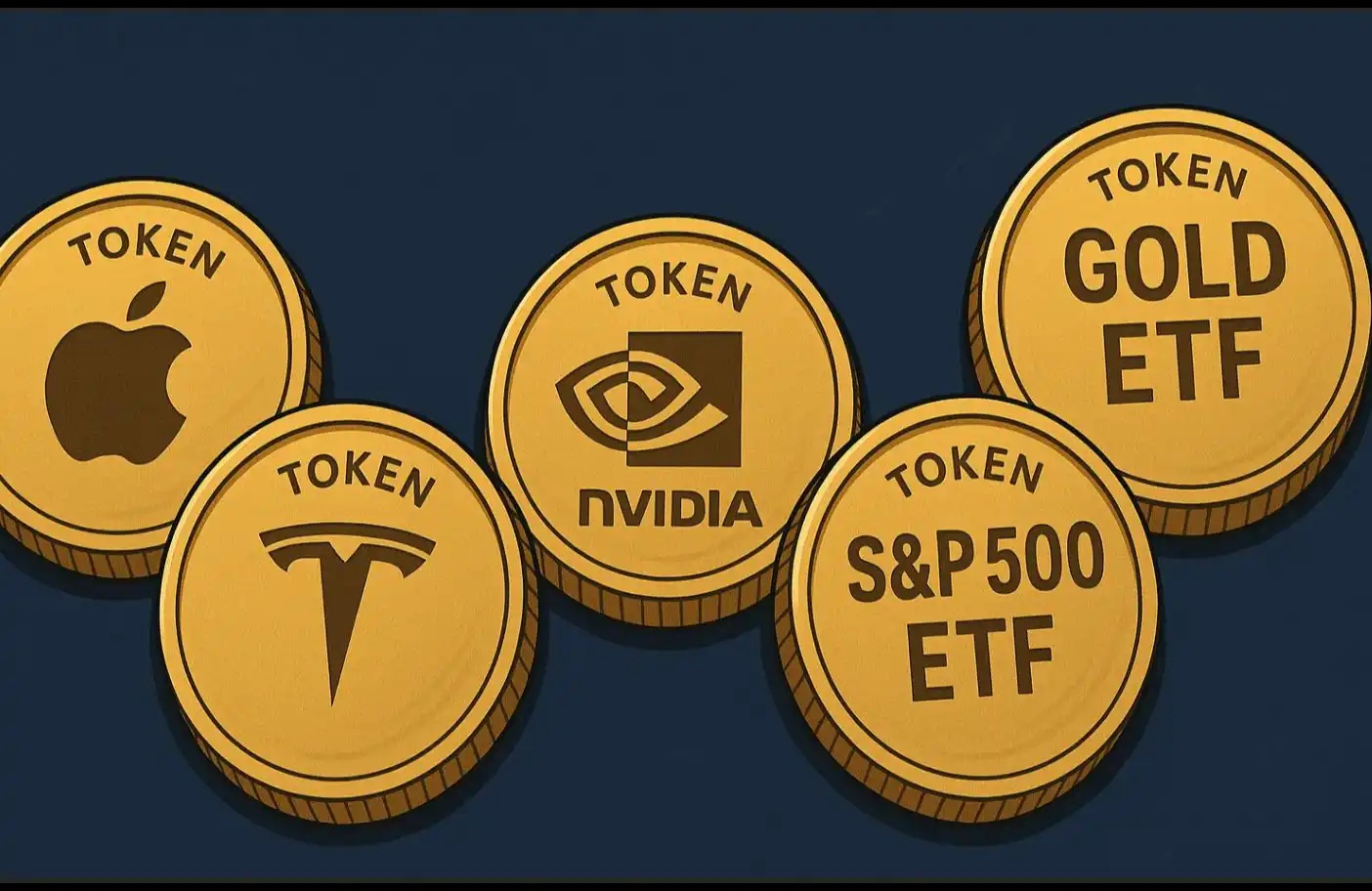
The Rise of Security Tokenization
On-chain liquidity constraints have led market participants to focus more on fundamentals, revenue, buybacks, and other tangible values. Simultaneously, enterprises are adopting stablecoins, more institutions are entering the crypto space, and recently, security tokenization has become simpler and more feasible than ever, especially for regulated entities.
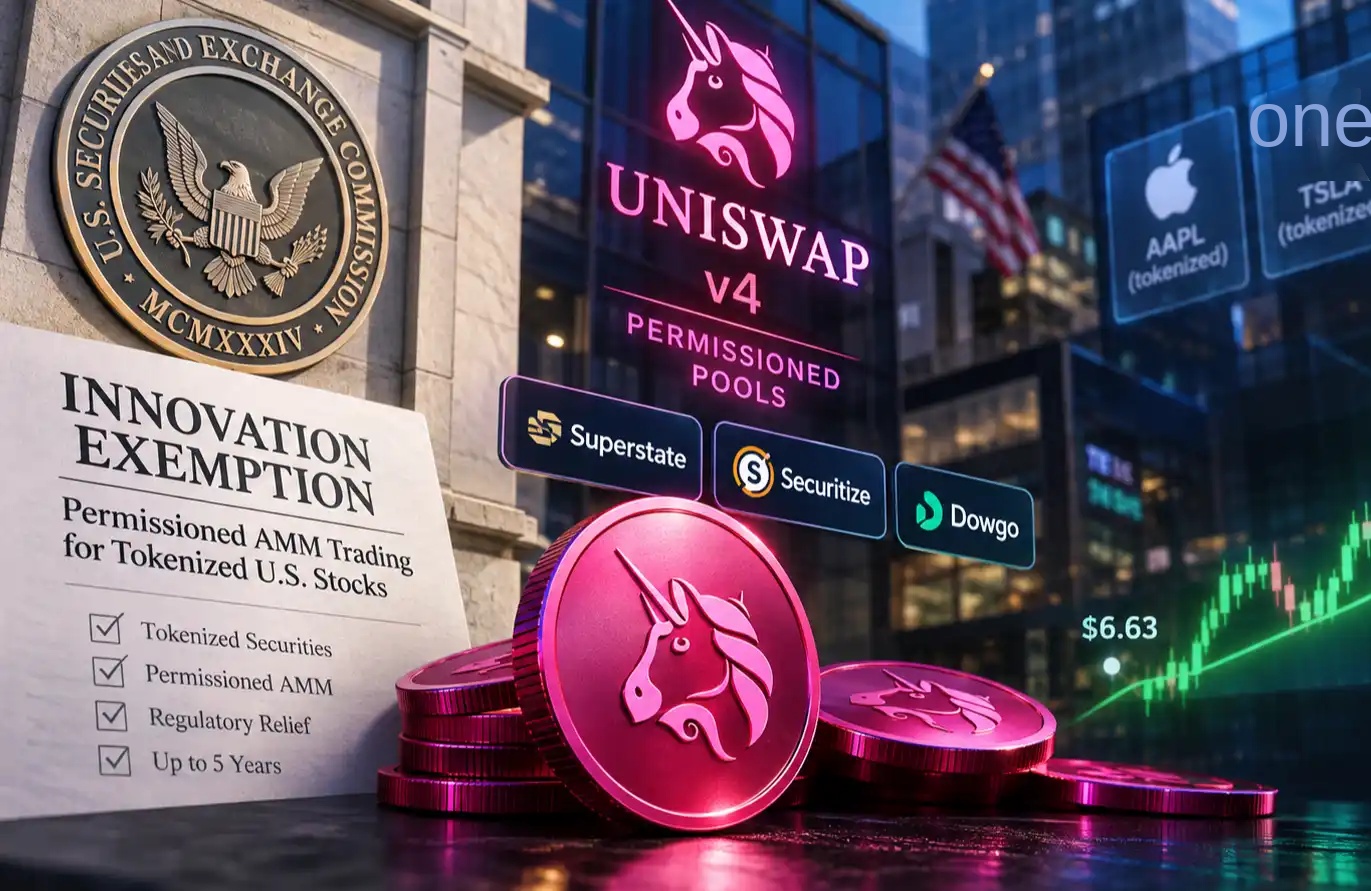
On December 11, 2025, the field of security tokenization witnessed a significant regulatory breakthrough. The U.S. Securities and Exchange Commission (SEC) issued a "No-Action Letter," clearly stating that it would not take enforcement action against the subsidiary of the DTCC (Depository Trust & Clearing Corporation) for its pilot security tokenization program at DTC. The pilot includes tokenization of Russell 1000 index component stocks, U.S. Treasuries, and major ETFs.
This mechanism, during the pilot phase (starting in the second half of 2026 for a period of three years), achieves compliant centralized tokenization through DTC, guiding activities to regulated infrastructure rather than fully decentralized alternatives.
This means that starting in 2026, we will see more security tokenization projects, indicating an increased demand for tokenized stocks, accelerating the convergence between Traditional Finance (TradFi) and Decentralized Finance (DeFi).
Consumer-Grade Crypto Products and Perpetual Contracts Become Crypto Core
In 2025, consumer-grade crypto products and perpetual contracts (Perps) become the core focus of the crypto industry:
· Pumpfun Peaks in 2024-2025
· Virtuals follows a similar pattern but incorporates a brand-new AI-intelligent agent narrative
· Zora also made similar attempts in the content token space, receiving Jesse's support
· Collectibles, Fantasy Football, and prediction markets gain significant popularity in 2025
These are all consumer-oriented products that allow both crypto natives to experience fun and attract non-crypto users (such as participants in prediction markets) to earn rewards while enjoying themselves.
Crypto itself is like a game, and trading is entertainment. Therefore, consumer-grade products that are innovative and effectively combine both aspects often stand out.
Perpetual contracts (Perps) also have a similar appeal as they allow users to make precise bets on asset price movements.
If you look at key metrics for prediction markets and perpetual contracts, you'll find that they both hit all-time highs in 2025. These data seem to "cry out" that the Product-Market Fit (PMF) in the crypto space has emerged: the weekly nominal trading volume in prediction markets reached $3.8 billion, while the weekly trading volume in perpetual contracts soared to $340 billion (monthly trading volume of $1.3 trillion, setting a record high).
This is why people are so eager to participate in platforms like Hyperliquid, Lighter, Aster, Polymarket, and Opinion. The huge trading volume, significant demand, and massive capital inflows directly translate to higher valuations and more airdrop rewards.
Consumer-grade encryption products also hold great potential, but as of 2025, we have not yet seen truly sustainable consumer-grade encryption products. Sportsdotfun (SDF) showed promising early growth and is currently undergoing community fundraising on Legion and Kraken. Although the future of this field remains uncertain, the current outlook is exciting.
From this, we can learn that if you want to find your edge in this market, you should either invest in platforms (such as prediction markets, perpetual contracts, consumer-grade encryption products) or actively participate in these categories:
· Learn how to trade perpetual contracts
· Make predictions in prediction markets
· Use consumer-grade encryption products
Through these practices, you can better understand the market and find your competitive advantage. Otherwise...
You Could Become a "Storyteller"
That's right, now The Wall Street Journal (WSJ), Silicon Valley, and various tech professionals are all starting to embrace the role of the "Storyteller." Many startups have begun recruiting for the role of "Storyteller."
In the crypto field, this has actually been a common phenomenon for quite some time. We have "Yappers," Key Opinion Leaders (KOLs), and storytellers who have been discussing projects and helping build the crypto community (even before Kaito introduced the "Yapper" concept).
But now, it seems the whole world is beginning to realize the importance of having the right narrative and conveying the brand, product, and positioning in the right way.
However, the role of the storyteller goes far beyond just being a "Yapper." Currently in the crypto space, many "Yappers" simply copy and paste content to "boost their presence," rather than trying to truly learn and understand what they are discussing.
This provides an opportunity for those who truly understand the industry, have expertise, or are curious learners to stand out—whether in the crypto community (CT) or in a broader field.
Those skilled in storytelling can expand their brand influence and ultimately have the power of choice: they can choose to develop independently or be "acqui-hired" by startups and projects that align with their brand.
By 2025, we have already seen successful cases of this dynamic. For example, Kalshi recruited prominent figures from the crypto community, while some crypto projects shaped their brand image and attracted more users through close partnerships and ambassador programs (such as sharing badges).
If you are good at telling stories, then this is the stage made for you in this era!
Core Summary
The cryptocurrency market in 2024-2025 is like playing a game of "Monopoly";
while 2026 will be more like the playing field for corporations, startups, and suited financial professionals — with less of the "Monopoly" style gameplay, fewer easy money-making opportunities, and a narrative that is not solely based on "price appreciation."
The future will focus more on fundamentals, alignment of interests, value accrual, and compounding leverage. If you cannot develop a true competitive advantage, even if you are an OG (veteran player), you may ultimately end up as someone else's "bag holder."
Your competitive advantage can be any of the following:
· Having a clear mind, not being blinded by delusions;
· Being good at telling a good story;
· Building high-quality products that people truly need;
· Insight into trends;
· Trading rationally, not being swayed by emotions.
Stay the course, find your strength, and you will be rewarded.
Thank you very much for reading! If you would like to know my thoughts on some projects and a more candid view, you can check out my column, The After Hour, on Substack.
Welcome to join the official BlockBeats community:
Telegram Subscription Group: https://t.me/theblockbeats
Telegram Discussion Group: https://t.me/BlockBeats_App
Official Twitter Account: https://twitter.com/BlockBeatsAsia