Why South Korea Could Become the Most Important Cryptocurrency Market of the Next Decade?
Original Article Title: Why South Korea May Be The Most Important Crypto Market Of The Next Decade
Original Article Author: Azeem Khan, Forbes
Translation: Peggy, BlockBeats
Editor's Note: South Korea's role in the global crypto industry landscape goes far beyond being a "high-volume trading market." From the first exchanges established in 2013, to the 2017 ICO craze, and now the refinement of enterprise applications and regulatory frameworks, South Korea has always taken a pioneering role in driving industry evolution. This article provides insight into the underlying logic of South Korea's crypto ecosystem: from retail frenzy to institutional positioning, from regulatory innovation to technical development, how South Korea, amidst volatility and challenges, is building the institutional and technical foundation for the next stage of digital assets and moving towards becoming a global hub.
Below is the original article:
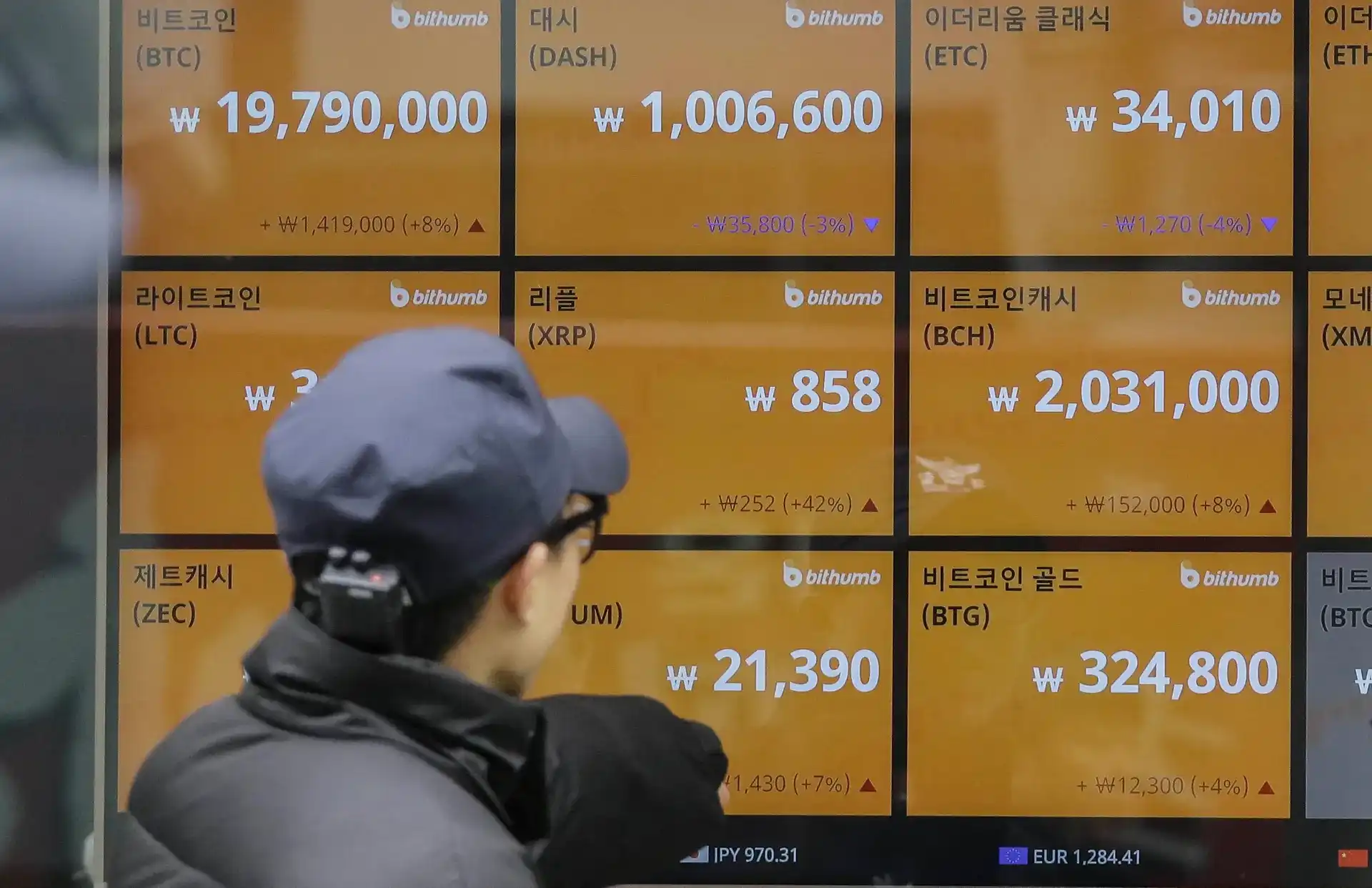
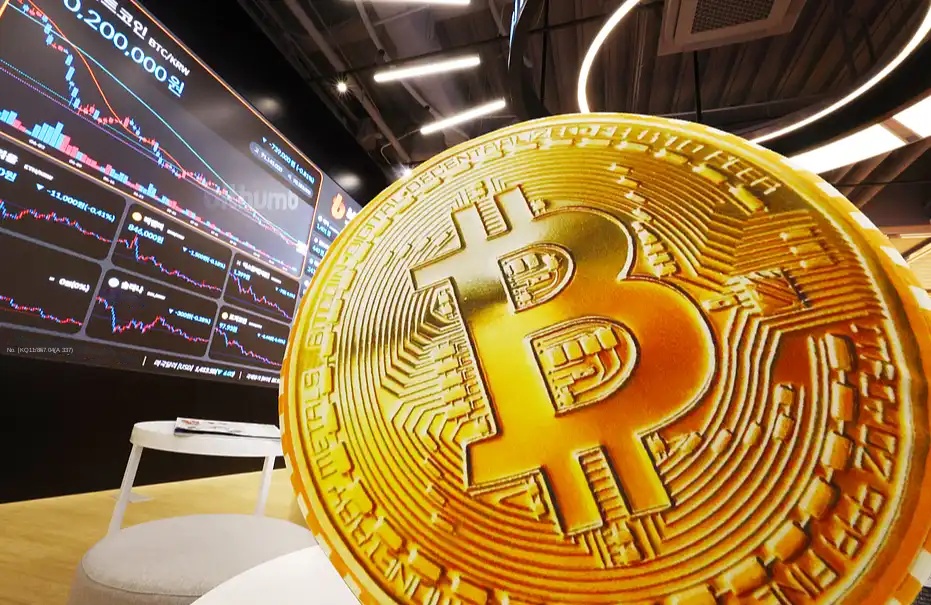
On December 15, 2017, the screen of a virtual currency exchange in Seoul displays the price of Bitcoin. With the recent price surge fueling Bitcoin frenzy, South Korea is exploring how to regulate speculative cryptocurrency trading.
Many global observers still view South Korea through old lenses. If you were to ask Western cryptocurrency market analysts about South Korea's cryptocurrency market, they would likely describe high retail trading volumes, rapid cycles of altcoin speculation, and the era of the "Kimchi Premium" (a time when Bitcoin traded in South Korea at a much higher price than the global average). While these descriptions are not incorrect, they also freeze South Korea in a moment that no longer reflects its true influence or ambition.
South Korea started early; the world just didn't notice. Today, South Korea's crypto users and businesses have a competitive edge.
Before most markets realized the possibilities, South Korea embraced the innovation of the Bitcoin and Ethereum networks, and the depth of the country's early user base created conditions unmatched by other nations. Now, with a mature regulatory framework, actively involved institutions, strong business interest in blockchain applications, and a robust developer culture, South Korea's market is more capable than most countries in shaping the next phase of digital assets.
Chainalysis has ranked South Korea as the 15th most active country globally in its "2025 Global Crypto Adoption Index." This is no small feat for a country where over 20% of the population is aged 65 or older. Yet, this Asian nation is now exerting a disproportionately immense influence on the global digital asset space.
The Korea Blockchain Week is precisely the window into this transformation. Initially created to bridge the information gap between Korea and the world, it has now grown into one of the largest global cryptocurrency events. With over 136,000 participants since its inception as an annual tech conference, the growth trajectory is still accelerating. Many Korean builders see the rise of KBW as reflecting Korea's ascension in the global economy.
“From the outside, people still view Korea through the lens of trading frenzy,” explained Seonik Jeon, CEO of the startup Factblock and one of the organizers of the Korea Blockchain Week, in an interview. “They don’t see the engineering R&D, enterprise pilot projects, or the builders who have been truly innovating for years.”
Korea Pioneering Exploration of the Crypto Market
Korea's cryptocurrency culture breakthrough occurred in 2017. At that time, a wave of initial coin offerings (ICOs) attracted a large number of retail investors and drove the price of Bitcoin to new highs at a crucial point in the Bitcoin halving cycle, sparking a market frenzy. Digital assets rapidly became a nationwide mainstream topic. However, this bull market was not just a passing trend; it was built on the infrastructure gradually established since 2013—when Korbit became Korea's first domestic cryptocurrency exchange and was later joined by Bithumb in 2014.
By the end of 2017, Korea's cryptocurrency daily trading volume reportedly surpassed that of major stock markets. The Korean Won even briefly became the third-largest currency by Bitcoin trading volume globally, following only the US Dollar and Japanese Yen.
At that moment, Korea showcased a characteristic pattern for the next decade.
When new technologies emerge, Koreans do not wait for the world's response but act proactively. Koreans from diverse backgrounds—not just wealthy tech elites—fully engaged.
Despite the diversification of domestic commercial projects and cryptocurrency user groups in Korea, overseas perceptions have gradually solidified into a simplistic understanding: Korea is just a high-volume trading market. The collapse of the stablecoin project Terra and subsequent regulatory crackdown further reinforced this stereotype.
Americans are largely unaware of Seoul's vibrant crypto ecosystem, partly due to language barriers. Many Korean projects and builders lack English coverage in global media. Another reason is the shadow of past speculative cycles overshadowing Korea's deep institutional and technological foundation.
In 2018, Jeon founded the Korea Blockchain Week (KBW), and tickets sold out almost instantly, signaling Korea's potential to host global events. “It is a bridge that connects the Korean community to the world and allows the world to step into Korea,” Jeon said.
Over the next few years, the number of attendees rapidly increased, the venue continuously expanded, and global industry leaders began actively seeking participation.
Meanwhile, Korean developers have been building production-ready tools in the fields of artificial intelligence, gaming, and blockchain for many years. Major Korean banks are exploring digital asset custody, tokenized securities, and blockchain-based settlement systems. Korea also maintains one of the world's strictest exchange compliance frameworks, with the 2018 real-name trading system being a typical example.
Korea is not just a trading market; it is gradually evolving into a powerhouse of engineering and enterprise innovation.
The transformation of Korean enterprises has been evident in the market infrastructure. New Korea Investment Securities and NH Investment Securities have completed tokenized securities sandbox testing, covering fragmented trading of bonds and real estate assets, demonstrating that large financial institutions are preparing for a scalable tokenized market. At the same time, Korea's real-name verification system covers nearly 100% of local trading accounts, more effectively reducing fraud and wash trading than in most Western markets. These developments indicate that Korea is building an institutional foundation for digital assets, rather than just participating in speculative cycles.
Despite significant market volatility, Korea's early adoption continues, especially after the 2022 Terra/Luna crash. This event intensified the cautious sentiment of global institutional investors. To rebuild public trust, local regulatory agencies must demonstrate that their compliance framework is both robust and globally trusted.
By 2025, the Korean market is undergoing a transition from consumer-driven adoption to enterprise-driven development. Korean enterprises have consistently embraced new technologies rapidly, with blockchain being no exception. Banks are researching custody and tokenized financial products, logistics and manufacturing companies are exploring blockchain-based transparent tools, and gaming companies are integrating digital assets into platforms for both consumer and enterprise applications. The speed of enterprise deployments has surpassed consumer-oriented growth.
"Once Korean companies see a successful pattern, they quickly follow suit," Jeon said. "A successful consumer product often becomes the blueprint for enterprise adoption." If enterprises' adoption will define the next chapter of crypto, Korea is not only ready but may even be ahead.
Korea's Regulatory First-Mover Advantage
South Korea is one of the earliest countries to establish a clear trading and compliance framework. While the real-name trading system effectively curbed excessive speculation and enhanced transparency when similar measures were not yet in place in other countries, the Virtual Asset User Protection Law and guidelines on Security Token Offerings (STOs) have strengthened regulation without stifling innovation. However, challenges remain in aligning further with European and American standards. A flexible and adaptable regulatory approach may enable Korea to remain competitive in the rapidly evolving digital asset landscape.
Jeon said that he expects the recent South Korean election (won by former opposition leader and current President Lee Jae-myung) to bring about gradual reform rather than drastic change. Both major parties now recognize that about 6 million people in South Korea hold cryptocurrency assets, prompting them to put forward policies supporting the blockchain industry. In the long run, this may lead to increased institutional participation, including banks offering digital asset services and securities firms venturing into tokenized financial products.
South Korea is unlikely to pursue rapid regulatory relaxation but will continue to refine rules to balance investor protection with market growth. For many institutions, stability is a key draw for operating in South Korea.
Seoul is Moving Toward Becoming a Global Hub by 2026
Jeon said that he plans to turn KBW into a year-round series of events rather than just a yearly gathering. As part of this effort, FactBlock is developing a digital platform called FABLO aimed at extending the KBW community into a "always-on" environment.
Even without relying on KBW, Seoul is attracting talent and businesses with its tech-friendly policies, becoming a top global hub. Next, South Korea needs more flagship projects with global leadership, but the foundational conditions are already in place. According to the "2024 Developer Report" released by Electric Capital, Asia is home to 32% of global active developers, and South Korea is one of the regions with the most mature regulatory frameworks and balanced developer distribution.
When asked what message he would like to convey to overseas builders and investors, Jeon said, "Please keep a close eye on South Korea. The country has a culture that embraces innovation, a populace that understands digital assets, and institutions that are preparing for the next generation of blockchain technology."
Some global teams even prefer to test new crypto products in South Korea first because this market is both demanding and highly engaged, leading to very high user loyalty once convinced.
In conclusion, if the crypto industry of the next decade is shaped by enterprise adoption, clear regulation, and rapid consumer experiments, South Korea is already in a leading position.
Welcome to join the official BlockBeats community:
Telegram Subscription Group: https://t.me/theblockbeats
Telegram Discussion Group: https://t.me/BlockBeats_App
Official Twitter Account: https://twitter.com/BlockBeatsAsia