This economic adviser, who holds a million Coinbase shares, may take over the Fed

Original Article Title: "Powell's Top Contender Hassett, a Crypto Fanatic?"
Original Article Author: Nicky, Foresight News
On November 25, U.S. Treasury Secretary Benson revealed that the nominee for Federal Reserve Chair had entered the final round of interviews, with five candidates set to undergo final evaluations this week, and President Trump is "likely to announce the result before Christmas."
Among the five candidates, Kevin Hassett, Director of the White House National Economic Council, currently has the most momentum. Prediction market Polymarket data shows that Hassett's probability of being elected has risen to 52%.
The market's response to the possibility of Hassett's election has already begun to show. In late November, after Bloomberg reported him as a top contender, the U.S. 10-year Treasury yield fell below 4% (the first time in a month), reflecting investors' expectations that if he takes office, he will push for a more aggressive rate cut policy.
This economic adviser to Trump has a significant connection to the cryptocurrency industry. Not only has he publicly held Coinbase stock worth millions of dollars, but he has also served as a member of the exchange platform's advisory board.
An Economist Shutting Between the White House and Think Tanks
Hassett, born in Massachusetts, completed his undergraduate degree in Economics at Swarthmore College and went on to earn a master's and a Ph.D. in Economics from the University of Pennsylvania. He mainly developed in academia in his early years, teaching at Columbia Business School and New York University and conducting macroeconomic and fiscal policy research at the Federal Reserve.
Since the late 1990s, he has long served as an economist at the American Enterprise Institute, with research focusing on taxation, capital formation, and long-term growth. In the public policy arena, he has provided economic advisory support to several Republican politicians, including McCain, Bush, and Romney.
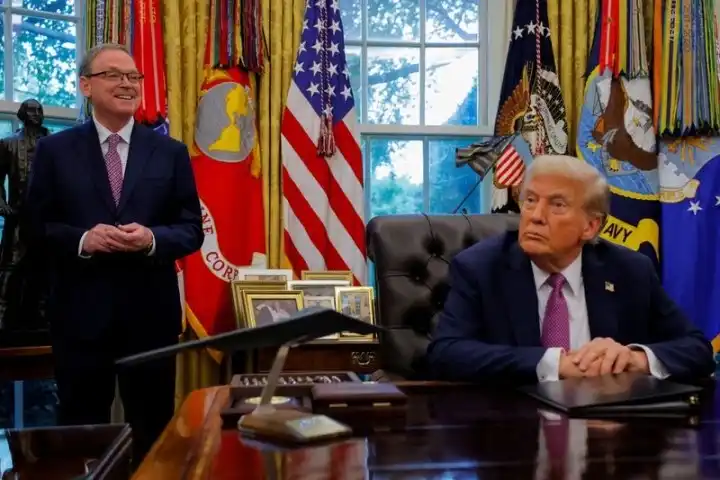
Hassett's government career spans two Trump administrations. He served as Chair of the President's Council of Economic Advisers from 2017 to 2019 and briefly returned to the White House as a senior adviser during the 2020 pandemic. In 2025, after Trump's return to the White House, he appointed Hassett as Director of the National Economic Council, making him one of the key architects of the current White House economic policy. Throughout the process of screening Federal Reserve Chair candidates at the Treasury Department, he is seen as a potential candidate most aligned with Trump's policy orientation.
Intersection with the Crypto Industry
While Hasset rarely discusses stablecoins or payment system reform as frequently as some Federal Reserve officials, he has a public record of interaction with the crypto industry. According to financial disclosures released by the U.S. Office of Government Ethics, he holds at least $1 million in Coinbase stock, potentially up to $5 million. These stocks come from his compensation for serving as a member of Coinbase's Academic Advisory Board, which also brings together several former government officials.
This experience indicates that Hasset has not only observed the crypto industry from a regulatory perspective but has also been directly involved in its governance and policy discussions. While public records do not show that he holds Bitcoin or other on-chain assets, his ownership in related companies has led the market to generally view him as a relatively crypto-friendly policy figure.
He has been involved in White House internal working groups on digital asset policy, advocating for preserving space for innovation in regulatory frameworks and seeing crypto technology as a key variable shaping the future economic structure. From a more macroeconomic policy standpoint, he has repeatedly advocated for a faster pace of interest rate cuts and believes that an accommodative monetary environment helps support economic growth. Such positions have long been seen as favorable to risk assets, including cryptocurrency.
Why the Federal Reserve Chair is So Important to the Crypto Industry
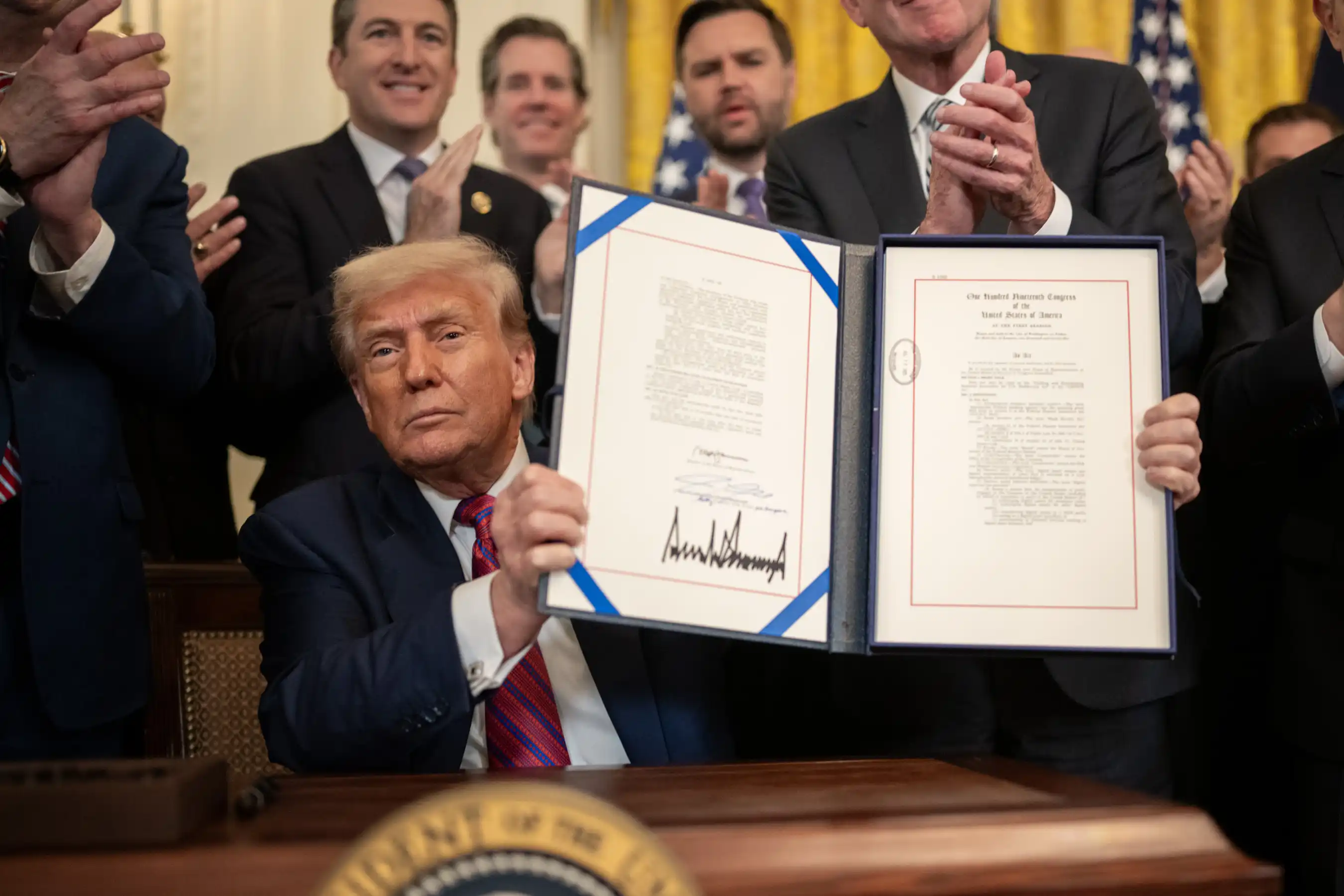
The Federal Reserve Chair is the top decision-maker in U.S. monetary policy, but the influence goes far beyond just interest rates. With the GENIUS Act establishing a stablecoin regulatory framework in 2025, the Federal Reserve and the banking regulatory system are formally incorporated into the core supervision of stablecoin issuance.
As the scale of the "digital dollar" continues to expand, the relationship between stablecoin reserves and the U.S. Treasury market will become even closer. If the supply of stablecoins increases, demand for Treasury bonds may rise, thereby altering yield, liquidity, and the usage of the dollar system, thus affecting capital flows into crypto assets.
Whether banks and non-bank financial institutions can compliantly engage in crypto or stablecoin activities depends on the stance of the Federal Reserve and relevant regulatory bodies. The extent to which the traditional financial system is opened up will determine whether the crypto industry remains a "separate ecosystem" or fundamentally integrates into mainstream finance.
This makes every Federal Reserve Chair candidate, regardless of whether they directly discuss crypto topics, have a structural impact on the industry.
Welcome to join the official BlockBeats community:
Telegram Subscription Group: https://t.me/theblockbeats
Telegram Discussion Group: https://t.me/BlockBeats_App
Official Twitter Account: https://twitter.com/BlockBeatsAsia