Bloomberg: $263 Million in Political Donations Set Stage for Crypto Industry Ramp-Up Ahead of U.S. Midterms

Original Title: Crypto's Political Machine Amasses $263 Million to Rival Big Oil
Original Authors: Annie Massa, Olga Kharif, David Pan, Bloomberg
Original Translation: Luffy, Foresight News
Following its success in the 2024 U.S. presidential election, the crypto industry is ramping up its efforts in the 2026 midterm elections.
According to Federal Election Commission (FEC) filings and public statements, some super PACs focused on cryptocurrency are raising approximately $263 million. According to OpenSecrets data, this amount is nearly double the largest SPAC investment in Fairshake2024 and slightly higher than the total expenditure of the entire oil and gas industry in the previous election cycle.
After a significant investment by the crypto industry in 2024, with Republicans controlling both houses of Congress, lawmakers passed several crypto-friendly bills and appointed regulators with favorable views to key positions. This influence was evident again last week: former President Donald Trump pardoned Zhao Changpeng, co-founder of the cryptocurrency exchange Binance, who had previously admitted to violating U.S. anti-money laundering laws and was sentenced to four months in prison during the Biden administration.
The legislative victories and the Trump family's embrace of cryptocurrency have prompted some newly formed super PACs to depart from their previous strategies, more explicitly aligning with the Republican Party to help solidify its control of Congress.
The crypto industry is also leveraging political donations to advance a range of legislative and regulatory priorities, with the most recent focus being the Crypto Market Structure Act. This act aims to comprehensively reform the digital asset regulatory framework and may empower the more crypto-friendly Commodity Futures Trading Commission (CFTC) with greater authority over the industry.
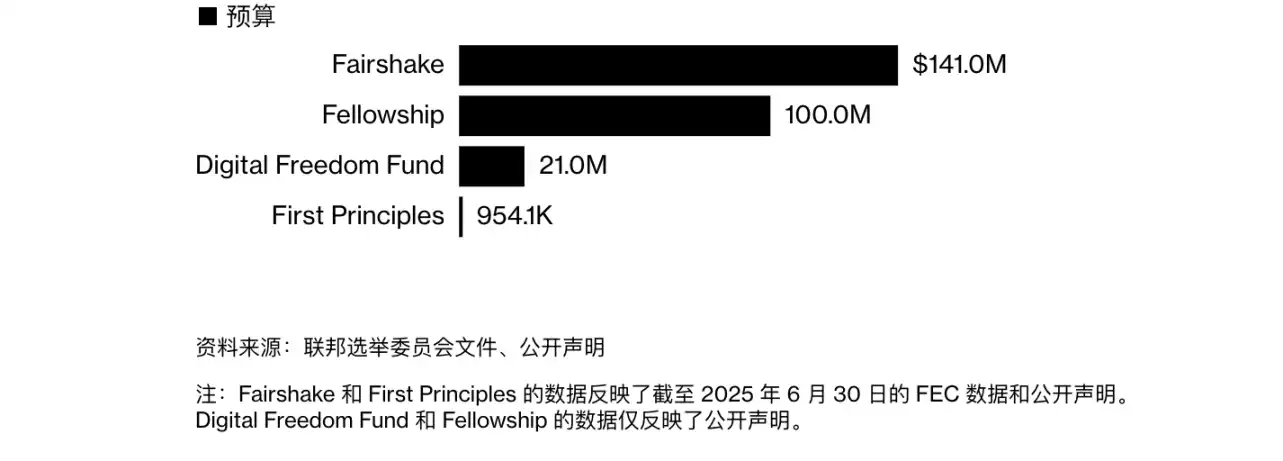
Midterm Election Budgets for Each SPAC
To push the bill through, around 12 top executives from the crypto industry traveled to Washington last week. Despite ongoing government shutdown-related wrangling, they held a one-hour meeting with a group of senior Republican senators and had longer discussions with Democratic senators, including minority leader Chuck Schumer.
「The industry has successfully laid out a roadmap for 2024, demonstrating that regardless of whether you are an industry CEO or an average user, cryptocurrency has a voice and can influence elections,」 said Cody Gabonay, CEO of the Washington lobbying group The Digital Chamber, 「There will be more participants joining in the future, and more funds will be invested.」
Cryptocurrency companies and executives have supported policymakers and Trump's initiatives in various ways. Some cryptocurrency companies have engaged in business transactions with Trump family cryptocurrency enterprises, while others have made donations for the January inauguration and June parade. In addition, several companies are providing funding for the $300 million new White House banquet hall. According to the White House, these include the U.S. subsidiaries of Coinbase, Ripple, and stablecoin giant Tether.
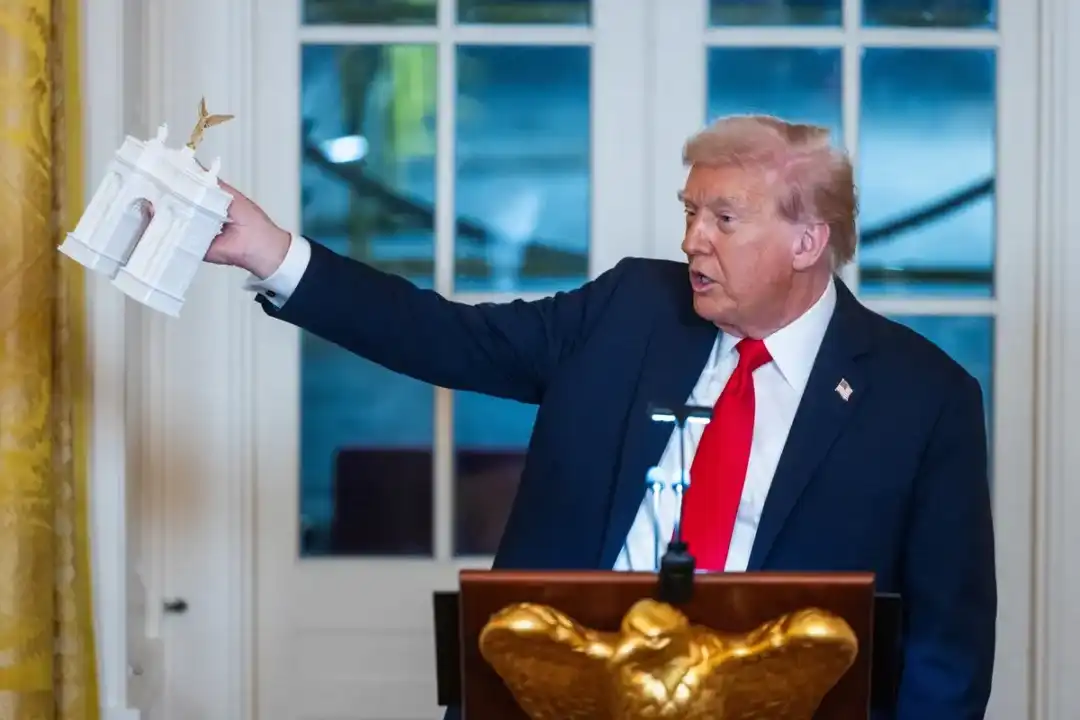
Former U.S. President Donald Trump showcasing a model of the planned triumphal arch at a dinner with corporate executives, highlighting the White House's new banquet hall construction project
Apart from the White House, SPACs are also a focus of congressional attention, as they have the power to shape industry-related laws.
According to public disclosures and FEC data, Fairshake remains the largest-scale crypto SPAC, holding $141 million in funds as of the end of June. OpenSecrets data shows that the organization invested over $133 million in 2024 to support crypto-friendly candidates, making it one of the highest single-issue spenders in the previous election cycle. Its supporters include major U.S. crypto firms like Coinbase, Ripple, and venture capital firm Andreessen Horowitz.
In 2024, Fairshake and its two affiliated groups sought to make crypto-friendly policies a bipartisan issue. For example, the organization each contributed around $10 million to Democratic candidates Elissa Slotkin and Ruben Gallego to help them win Senate seats in Michigan and Arizona, respectively. These two lawmakers were among the 18 Democratic Senators who voted in favor of the GENIUS Act, which paved the way for the broader adoption of stablecoins favored by the crypto industry into the financial system.
However, even in 2024, most of Fairshake's funding during the election phase was still used to support Republicans, including spending $40 million to defeat then-Senate Banking Committee Chairman and Ohio Democrat Sherrod Brown.
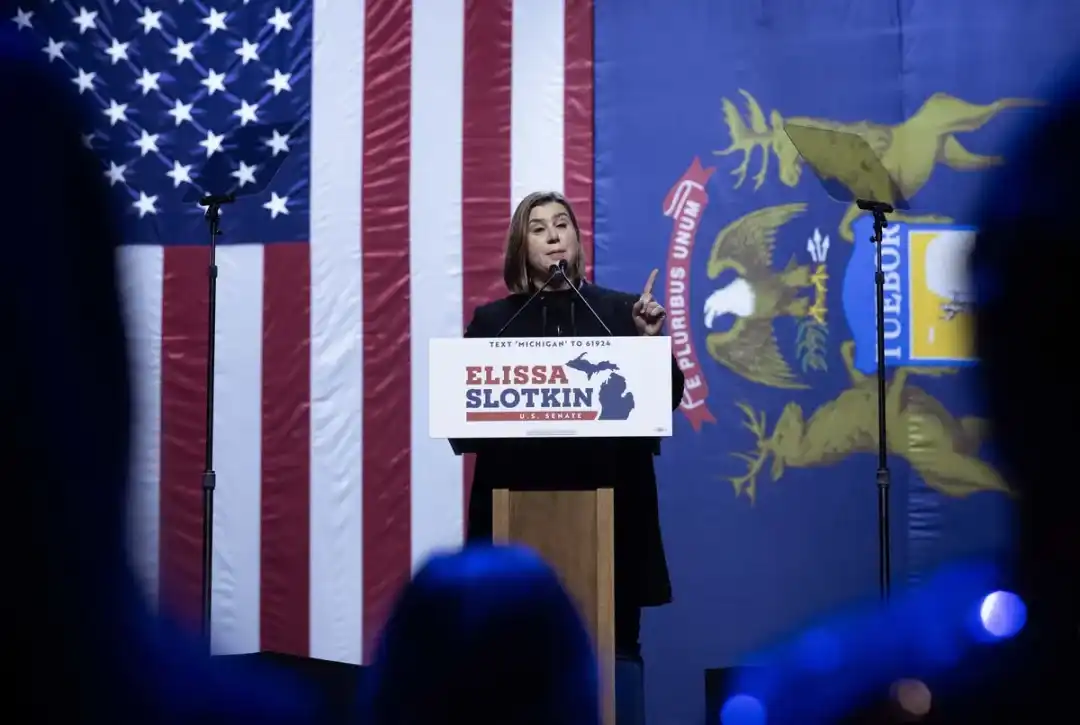
In November 2024, Senate candidate Elisa Slotkin delivered a speech to supporters at an election night event in Detroit
This time, there were more SPACs, some of which had clearer alliances with Republican candidates.
The cryptocurrency project World Liberty Financial, co-founded by the Trump family and Special Presidential Envoy Steve Witkoff's family, announced last month that it would back the Digital Freedom Fund SPAC. The PAC was established in August by crypto exchange Gemini's co-founders Tyler Winklevoss and Cameron Winklevoss, who stated in an X platform declaration that they would donate $21 million in Bitcoin to support advocates of President Trump's crypto agenda in the primaries and midterm elections. According to sources familiar with the matter, the organization plans to target Sherrod Brown, who is actively seeking re-election to the Senate.
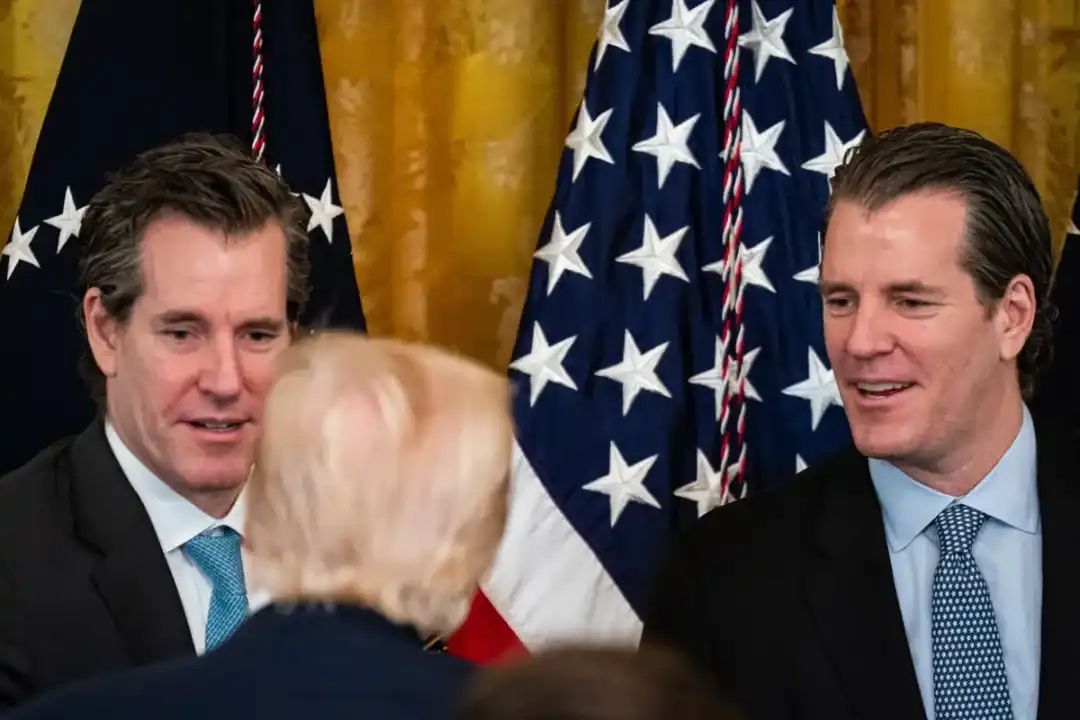
In July, Gemini co-founders Cameron Winklevoss (left) and Tyler Winklevoss (right) conversing with President Donald Trump at the White House during the signing ceremony of the "GENIUS Act"
Another newly formed group is the First Principles Digital PAC, which describes itself as "Republican-led, Republican-centric institutions dedicated to electing pro-crypto leaders." Led by Republican strategist Jason Tillman, it was established post-2024 elections, with FEC records showing a cash reserve of approximately $954,100 as of the end of June. The organization has already backed Mike Rogers, who is set to run for a Michigan Senate seat in 2026.
Recently, the Fellowship PAC announced its formation in September and pledged a $100 million donation. While its donors remain undisclosed, preliminary filings indicate a finance director from the financial firm Cantor Fitzgerald—once led by former Trump Commerce Secretary Howard Lutnick.
Representatives from Digital Freedom Fund, Fellowship, Fairshake, and First Principles Digital PAC have not commented on this.
The biggest wildcard is Tether. The stablecoin company based in El Salvador has close ties to Cantor Fitzgerald, and supporters of the Fellowship PAC are expected to include a recently formed U.S. entity of Tether, The New York Times reported.
In August of this year, Tether announced plans to launch a U.S.-based product and hired former Trump administration core crypto policy advisor Bo Heins to lead the effort.
Tether CEO Paolo Ardoino stated in an interview last week that the company is in talks with several PACs. Foreign companies are barred from donating to SPACs, and Tether's new U.S. presence could potentially make it eligible to contribute.
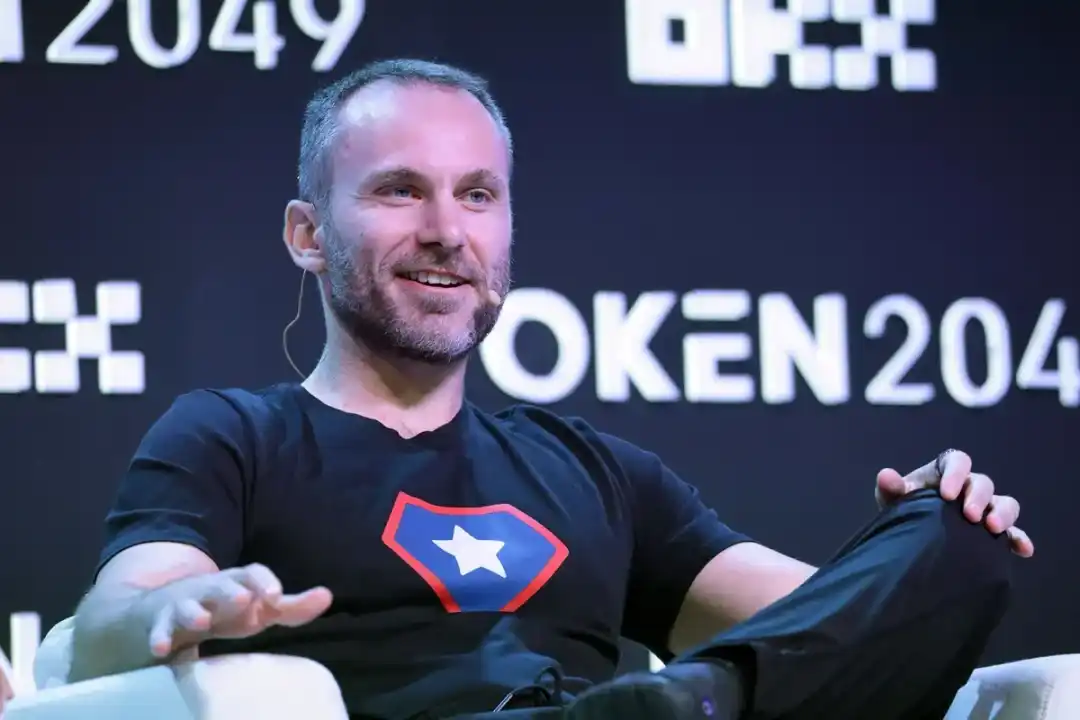
On October 2, Tether CEO Paolo Ardoino spoke at the Token2049 conference in Singapore.
Facing a funding surge from the crypto industry, Democrats are growing increasingly concerned.
Eric Ballsebauf, who has worked for Elizabeth Warren's and Hillary Clinton's campaign teams, is now serving as the executive director of the newly formed group Open Frontier, which aims to ally more progressive voices with the crypto industry.
"A lot of folks in my camp are still trying to understand this industry," Ballsebauf said. "There isn't a reliable spokesperson right now, and the trust in the crypto industry has been severely damaged."
During a recent visit by crypto executives to Washington, there were clear partisan divides. Sergey Nazarov, co-founder of Chainlink Labs, who attended the meetings, said that Republicans, including Senator Tim Scott of South Carolina, chairman of the Senate Banking Committee, expressed alignment with industry priorities, while Democrats raised pointed questions about cryptocurrency's use in money laundering and decentralized finance.
"I think the Democrats have yet to truly understand our industry; they are concerned about illicit finance issues," Nazarov said.
Some argue that the industry's significant funding and newfound political influence are forcing at least some Democrats to reassess their positions. Even Brown, who had a previously hard-line stance, has moderated his critical comments.
“Cryptocurrency has become a part of the U.S. economy, increasingly prevalent in Ohio and nationwide,” Brown’s campaign manager Patrick Eisenhauer said in a statement, as more people adopt digital assets, Brown hopes to ensure “it can expand opportunities, improve the lives of Ohioans, and not expose them to risk.”.
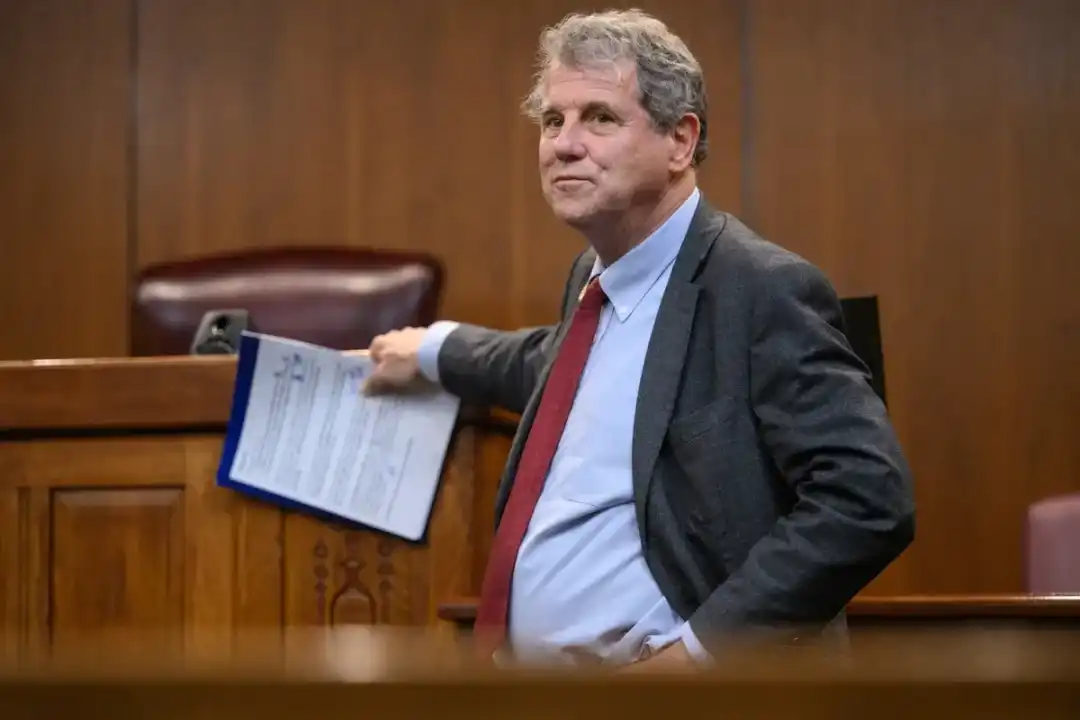
In 2024, Senator Sherrod Brown in Ohio Senate campaign
The demands of crypto industry executives go beyond the Republican hope to pass a market structure bill before the midterm elections, including adjusting cryptocurrency tax policies, anti-money laundering and sanctions-related rules, and the regulatory framework for decentralized exchanges.
Some donors are also looking at state and local elections, such as the New York City mayoral race. Cryptocurrency entrepreneur Brock Pierce donated over $1 million to groups supporting him in the days leading up to Eric Adams dropping out of the race.
For Nazarov of Chainlink Labs, meetings with politicians have a common thread. “They realize the enormous economic value of this industry, so they must be clear on how to respond,” he says, “the industry will continue to grow, and they need to develop the right response.”
Welcome to join the official BlockBeats community:
Telegram Subscription Group: https://t.me/theblockbeats
Telegram Discussion Group: https://t.me/BlockBeats_App
Official Twitter Account: https://twitter.com/BlockBeatsAsia