《The New York Times》: Behind the White House Meeting: How Much Crypto Drama?

Original Title: The "Trump Pump": How Crypto Lobbying Won Over a President
Original Source: David Yaffe-Bellany, Kenneth P. Vogel, The New York Times
Original Translation: 比推 Bitpush
Just over a year ago, in a lavish conference room at Mar-a-Lago, David Bailey and a group of Bitcoin executives pitched Bitcoin to Donald J. Trump. They were seeking a "savior."
For years, cryptocurrency companies in Washington, D.C., had weathered tough scrutiny—a barrage of lawsuits, regulatory attacks, and prosecutions that threatened the industry’s survival. Mr. Trump was no obvious sympathizer, having once dismissed Bitcoin as a "scam." Yet he welcomed these executives to his Florida club because the industry had suddenly caught his eye. Bailey was rallying crypto investors to support Trump and urging his colleagues to raise $1 billion for the election.
At Mar-a-Lago, Mr. Bailey brought representatives from several large Bitcoin mining companies—an energy-intensive industry that had faced noise complaints and environmental concerns. They pitched Bitcoin’s economic benefits to Mr. Trump and then made a bold request: Could Mr. Trump post a supportive message on his social media site?
According to a copy of the meeting agenda reviewed by The New York Times, the proposed wording was listed at the bottom of an agenda item. Bailey, who runs the cryptocurrency company BTC Inc., recalled in an interview that Mr. Trump said he would "consider" it, adding, "We had no idea if it would ever happen."
That night, Trump posted on Truth Social, echoing the information the executives had proposed: "We want all remaining Bitcoin to be made in America!!! That will help us achieve energy dominance!!!" The post was one of the earliest successes in a high-stakes lobbying campaign by the crypto industry. The campaign poured big money into Trump’s election and reaped a rich reward.
Since Trump took office, the price of Bitcoin has soared to over $100,000, enriching those executives who backed his candidacy. Crypto advocates who were shunned by Washington during the Biden administration now surprisingly find themselves close to the Trump White House, which has rapidly rolled back regulatory attacks on the industry. The U.S. federal government has also embraced a comprehensive pro-crypto policy that could upend America’s financial system for decades. All of this stems from one of the most intense lobbying battles in recent history.
For months, industry executives, pundits, campaign staffers, and Trump's business associates and family members have carefully orchestrated a decentralized yet remarkably effective "influence operation," transforming Trump from a blunt Bitcoin skeptic to one of the crypto industry's most prominent supporters. This influence operation, while legal, stands out even by Washington standards, intertwining the President's personal interests with strategies long employed by corporate lobbyists.
The top Democrat on the House Financial Services Committee, Representative Maxine Waters of California, said in an interview, "None of this compares to what I'm seeing now. The scale of the funding is simply unimaginable." White House spokesperson Harrison Fields said in a statement that the Trump administration is "fulfilling the President's commitment to making the United States a global crypto center by driving innovation and economic opportunity."
Many of Trump's allies stress that he has always been open to hearing various viewpoints — but ultimately, all major decisions are his own. "No one can persuade Trump except Trump himself," Bailey said.
Embracing the "Orange Pill" Camp: From "Scam" to "Modern Art or whatever"
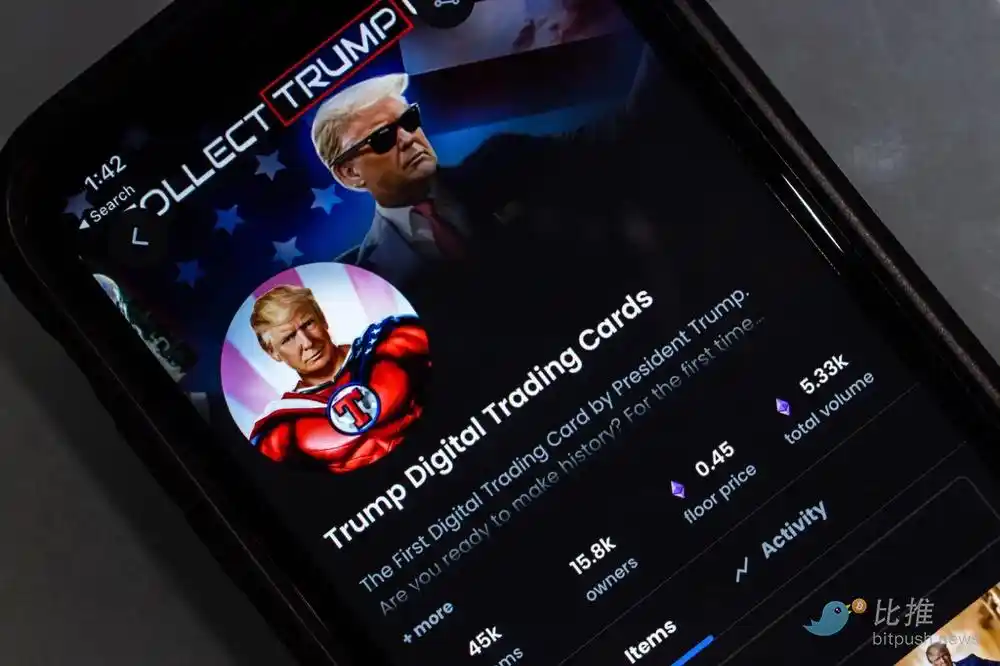
Donald J. Trump was persuaded by his longtime business partner Bill Zanker to launch a series of Trump-branded non-fungible tokens (NFTs) in 2022. These NFTs sold out almost immediately.
Crypto enthusiasts have a term to describe the process of turning a Bitcoin skeptic into a believer, they call it "orange pilling," referring to Bitcoin's iconic color and a subplot from the 1999 movie "The Matrix."
Trump was a prime target. In the past, he had called cryptocurrency "not money" and a "Ponzi scheme." But the President is known for his flexible views on many topics. Crypto supporters just needed to find the right information and the right messenger.
Trump's attitude towards cryptocurrency began to soften after his interaction with longtime business partner Bill Zanker. In the 1980s, Mr. Zanker founded a for-profit education company, the Learning Annex, which offered lectures from celebrities, including Trump, on how to succeed in life and business. Mr. Zanker later co-authored a book with Trump and ventured into various other ventures, including selling massage services and fitness equipment.
By 2022, Mr. Zanker had reinvented himself as a crypto entrepreneur, pitching a series of non-fungible tokens (NFTs) to Trump—a type of collectible digital image based on blockchain technology, akin to baseball cards of the internet age. Each image featured a cartoonish version of Trump dressed as an astronaut, cowboy, or superhero. Zanker told him that these NFTs could generate up to $100 million in revenue.
These NFTs went on sale in December 2022, marketed as "Trump Digital Trading Cards," and almost instantly sold out. (According to a financial disclosure filed last year covering 2023 and the first few months of 2024, Trump made over $7 million from the NFT sales.)
Approximately a year after the initial sale, in November 2023, crypto enthusiasts who had purchased the NFTs were invited to Mar-a-Lago to meet Trump. This event was a pivotal moment in Trump's transformation and his first pitch to a group of supporters about crypto investments.
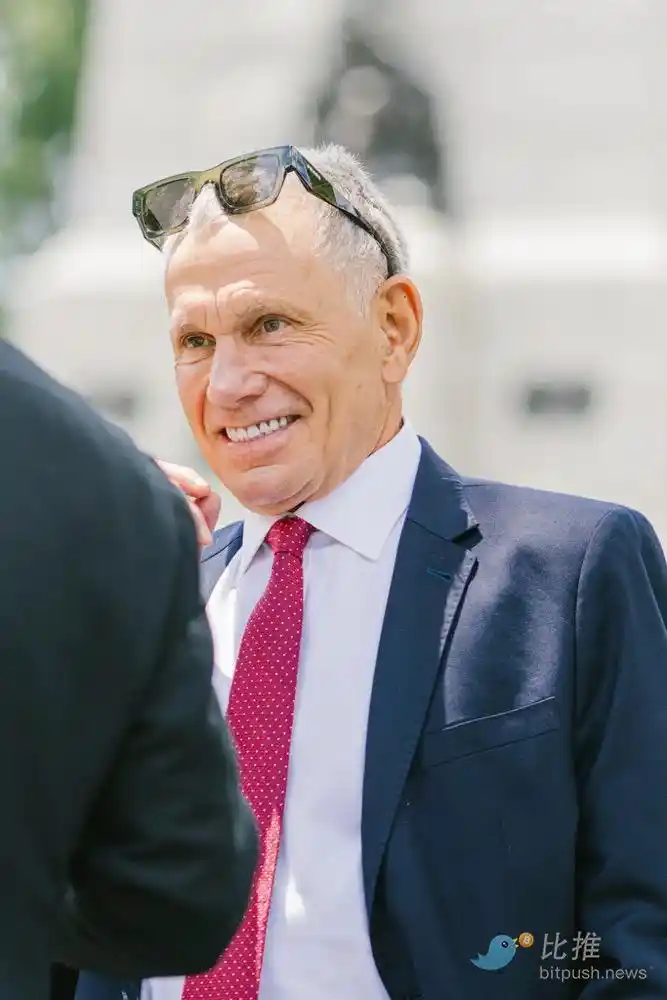
Over the years, Zanker had collaborated with Trump in various business ventures, and by 2022, he had morphed into a cryptocurrency entrepreneur.
Recordings obtained by The New York Times show that Trump, then still the "former president," seemed unsure how to describe the peculiar new financial product he was endorsing to guests. "Modern art or whatever," he said. But he was certain he had made a lot of money from these images, sold for $99 each.
"They sold out in less than a day," Trump said. "I could've sold them for $199, $299, $399, $499." In early May 2024, Trump hosted another event at Mar-a-Lago for NFT holders, amid the intensifying presidential campaign. During a Q&A session, a guest asked Trump if supporters could donate to the campaign with cryptocurrency. According to a recording obtained by The New York Times, Trump sounded somewhat unsure but made a commitment.
"If they can't," he replied, "I'll make sure you can." About two weeks later, Trump's campaign team formally announced this policy: they would accept cryptocurrency donations.
The Crypto Industry's "Courtship" During the Campaign: Seeking Political Allies
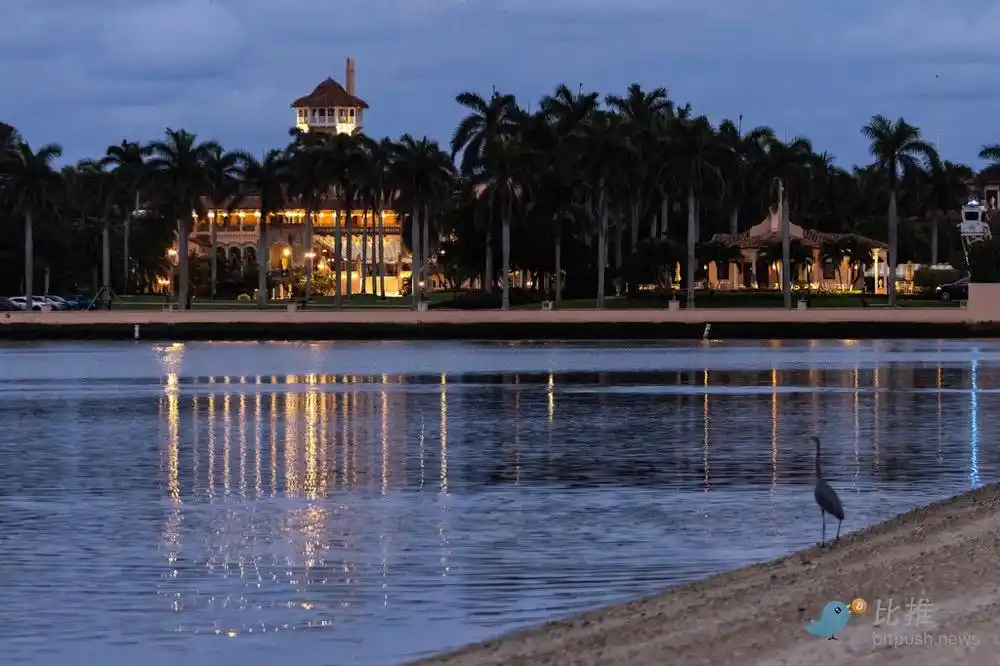
Trump's Mar-a-Lago, host to numerous meetings and fundraising dinners, attracted many cryptocurrency executives. Credit... The crypto industry needs more than just the next president to take their money. Executives are seeking a political advocate. The cryptocurrency industry is looking for the next president to do more than just accept their money; executives are looking for a political leader in the market.
During Joe Biden's tenure, the U.S. Securities and Exchange Commission (SEC) filed lawsuits against a series of major crypto companies, sparking years-long legal battles. Massachusetts Democratic Senator Elizabeth Warren convened an influential group of lawmakers who believe that cryptocurrency poses a fundamental risk to the economy. Most of the industry's requests to the Biden transition team ended in failure.
Therefore, in early 2024, a small group of crypto executives began to "court" Donald Trump.
The following are key figures who have significantly influenced cryptocurrency policy during Donald Trump's presidency and campaign:
David Bailey
· Title: BTC Inc. CEO
· Role: Active Bitcoin advocate, organized large industry conferences, and successfully convinced Trump to post in support of Bitcoin mining on Truth Social.
David Sacks
· Title: Silicon Valley venture capitalist, White House AI and crypto czar
· Role: Key figure in Trump administration's tech policy, appointed as the "A.I. and Crypto Czar."
Brad Garlinghouse
· Title: Ripple CEO
· Role: Head of Ripple company, actively lobbied the Trump administration to include XRP in the national crypto reserve.
Stuart Alderoty
· Title: Ripple Chief Legal Officer
· Role: A key figure at Ripple, participated in lobbying efforts with Brad Garlinghouse to influence Trump.
Charles Hoskinson
· Title: Input Output Founder
· Role: Prominent crypto executive, despite a canceled meeting with Trump for reasons, both he and his company sought to influence crypto legislation and policy.
Paul Manafort
· Identity: Former Trump Campaign Chairman
· Role: A long-time ally and advisor to Trump, helped connect cryptocurrency industry figures with Trump.
Bill Zanker
· Identity: Long-time business partner of Trump
· Role: Successfully convinced Trump to release an NFT series, early advocate who introduced Trump to cryptocurrency and its business potential.
Tracy Hoyos-López
· Identity: Bitcoin advocate, former prosecutor
· Role: Possessing a personal network, closely collaborated with David Bailey to help him connect with the Trump team.
Brian Ballard
· Identity: Major Trump fundraiser and lobbyist
· Role: Through his lobbying firm and fundraising network, facilitated connections between cryptocurrency companies and the Trump administration.
Reince Priebus
· Identity: Former White House Chief of Staff
· Role: Influential within the Trump circle, provided advice and assistance to the cryptocurrency industry.
Eric Trump
· Identity: Trump's second son
· Role: Engaged in the Trump family's cryptocurrency business activities, such as World Liberty Financial.
Leading this effort was Mr. Bailey, who organized one of the industry's largest corporate conferences. He worked closely with Tracy Hoyos-López, a Bitcoin advocate and former prosecutor with valuable personal connections: her father was a friend of Paul Manafort, Trump's 2016 campaign chairman.
Mr. Manafort helped Bailey connect with Trump and in May 2024, the first meeting took place at Trump Tower. "Paul saw a political opportunity," Mr. Bailey said. "He's a big believer in Bitcoin."
At the time, Trump was in the midst of his criminal trial in Manhattan, which involved illegal campaign donations. After a long day in court, he arrived at Trump Tower.
Also in attendance with Mr. Bailey were three other cryptocurrency advocates. They believed that cryptocurrency investors could be a key constituency, on par with supporters of the firearms industry. They also noted that Ms. Warren was one of the main opponents in their industry.
Mr. Bailey said he had shown a chart displaying the increase in Bitcoin's price during Trump's first term. He referred to it as the "Trump Pump." Mr. Bailey recalled that Trump enthusiastically repeated the phrase.
Five days later, at the Libertarian Party nominating convention, Trump delivered a speech promising to "stop Joe Biden's assault on cryptocurrency" and to "keep Elizabeth Warren and her cronies away from your Bitcoin." Soon after, millions of dollars in cryptocurrency funds began to flow into Trump's campaign.
The founders of the cryptocurrency exchanges Kraken and Gemini, both previously sued by the SEC, each donated over $1 million to groups supporting Trump. In June, venture capitalist David Sacks hosted a fundraising event for Trump at his home in San Francisco, where the candidate dined with a group of executives, including a senior lawyer from the United States' largest exchange platform, Coinbase (another SEC target).
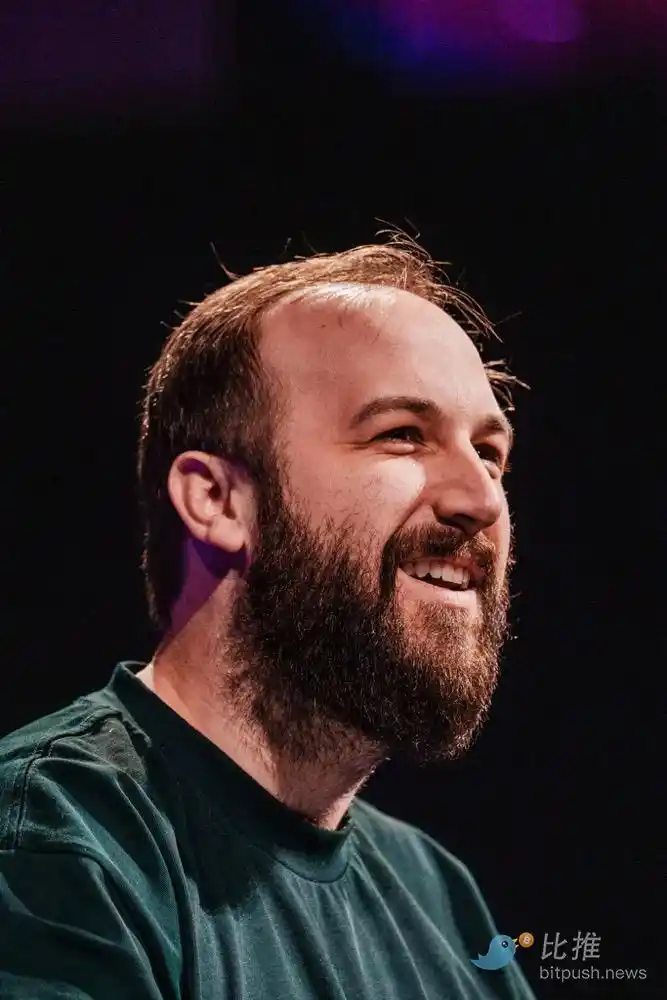
David Bailey, CEO of the cryptocurrency company BTC Inc., successfully persuaded Trump to post on Truth Social expressing support for Bitcoin mining. Credit...Mr. Bailey was also actively seeking support. He arranged for Bitcoin mining executives to visit Mar-a-Lago in June and announced that $30 million had been raised to support Trump's campaign.
More importantly, he also ensured that Trump could attend the annual Bitcoin conference in Nashville as the keynote speaker. This event, organized by Mr. Bailey's company, was expected to draw tens of thousands of cryptocurrency enthusiasts—a potentially attractive support base.
Two weeks before the speech, Trump survived an assassination attempt at a campaign rally in Butler, Pennsylvania, taking a bullet to the ear. But he stayed true to his promise to Bitcoin believers. "He made sure his team called us, to let us know that come hell or high water, he would be speaking at the conference," Hoyos-López said on a cryptocurrency podcast earlier this year.
As the conference approached, Mr. Bailey learned that Wyoming Republican Senator and long-time crypto advocate Cynthia Lummis plans to introduce a bill calling for the establishment of a national Bitcoin reserve, similar to the digital age's "Fort Knox." Mr. Bailey was very interested in this. A federal reserve would give government recognition to this long-overlooked industry, elevating Bitcoin to the status of strategic assets like gold and oil. He urged the Trump campaign team to endorse this proposal.
Trump once again delivered. In front of thousands of cheering supporters in Nashville, he promised to establish a "Strategic National Bitcoin Reserve." Trump declared, "I will be the innovation-friendly, Bitcoin-friendly president America needs."
The Post-Victory "Battle": Power Game in the White House Crypto Circle
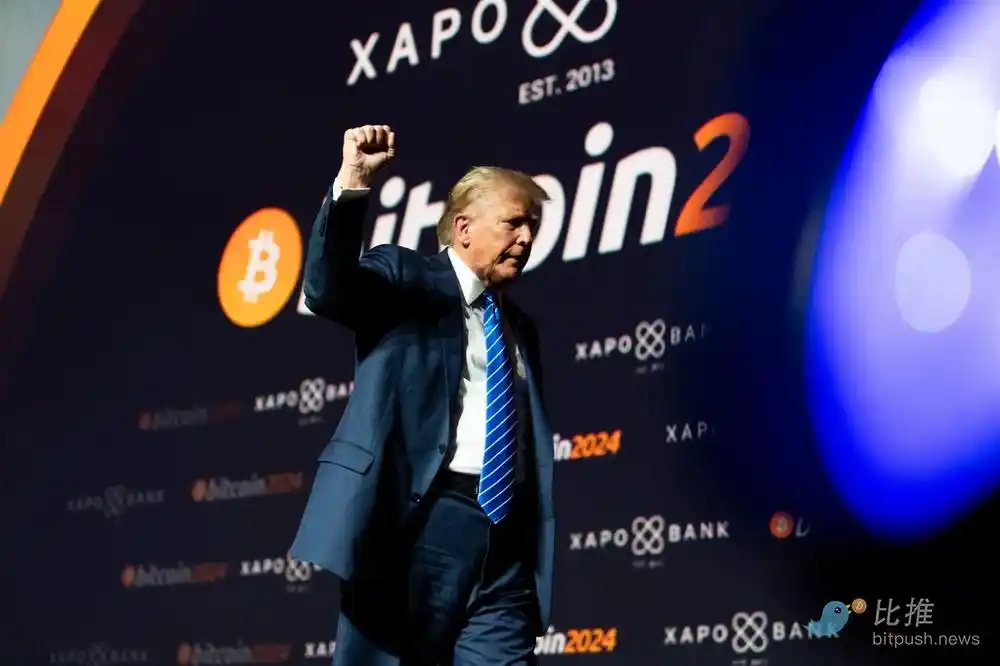
If Trump's "orange pillization" began with behind-the-scenes influence operations during the presidential campaign, it turned into a public spectacle after his November victory. In less than a month after his election, Trump chose David Sacks as his "Artificial Intelligence and Crypto Czar," tasked with managing the government's tech policy.
But almost every figure in the crypto world was vying for a direct entry into the White House. Crypto companies and their executives spent $9.9 million on lobbying in the first three months of 2025.
Just days after Trump's inauguration, Coinbase, which donated $1 million to the inaugural fund, announced the appointment of Chris LaCivita, a senior official in Trump's campaign team, to its Global Advisory Board. According to three industry insiders, Paul Manafort, who was convicted in 2018 on foreign lobbying-related criminal charges and later pardoned by Trump, began advising crypto stakeholders on how to navigate the president's circle.
Arguably, the most ardent Trump "pursuer" was Ripple, the crypto company that provides cross-border payment services and has been in a legal battle with the SEC for years. In January of this year, Ripple donated nearly $5 million to Trump's inaugural committee—making it the second-largest donation the committee received.
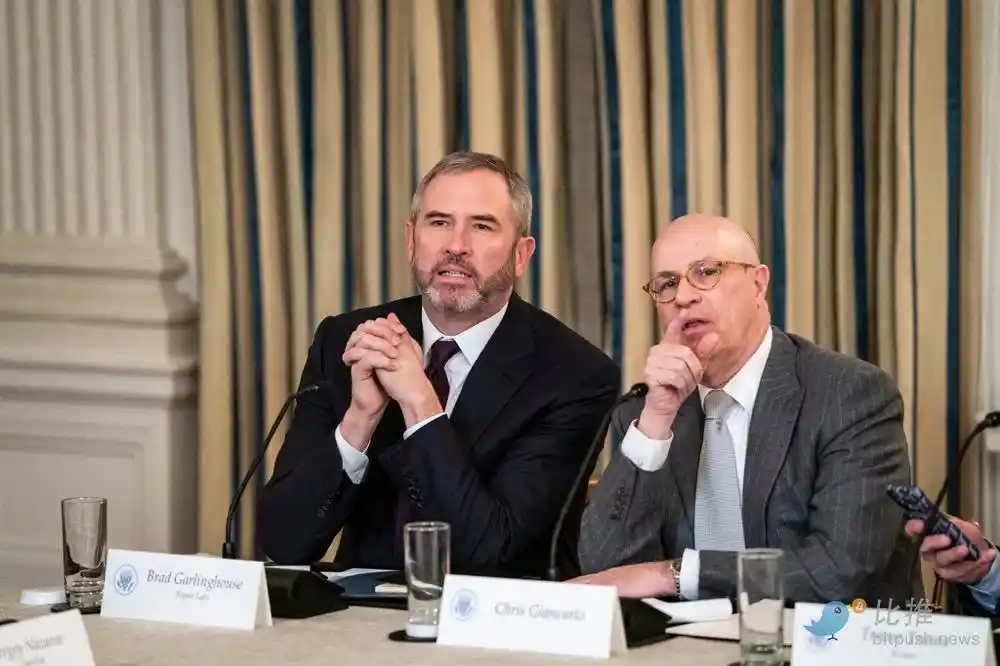
Ripple CEO Brad Garlinghouse (left). Ripple donated nearly $5 million to Trump's inaugural committee—making it the second-largest donation received—and spent $400,000 on lobbying in the first three months of this year. credit...
In the first three months of 2025, Ripple spent another $400,000 on lobbying, with much of it going to two firms closely tied to Trump: Ballard Partners, operated by key Trump fundraiser Brian Ballard; and Michael Best Strategies, whose advisory board includes Mr. LaCivita and Trump's former White House Chief of Staff Reince Priebus.
In a January interview, Ripple CEO Brad Garlinghouse told The New York Times that he had urged Trump and his advisers to expand on the initial Bitcoin reserve proposal put forth in Nashville. He hoped the U.S. would reserve other types of cryptocurrency—including Ripple's flagship token XRP.
Ripple executives took to social media to hype their dinner with Trump and posted a photo with the President-elect. "The red wine-braised beef was delicious," wrote Ripple Chief Legal Officer Stuart Alderoty.
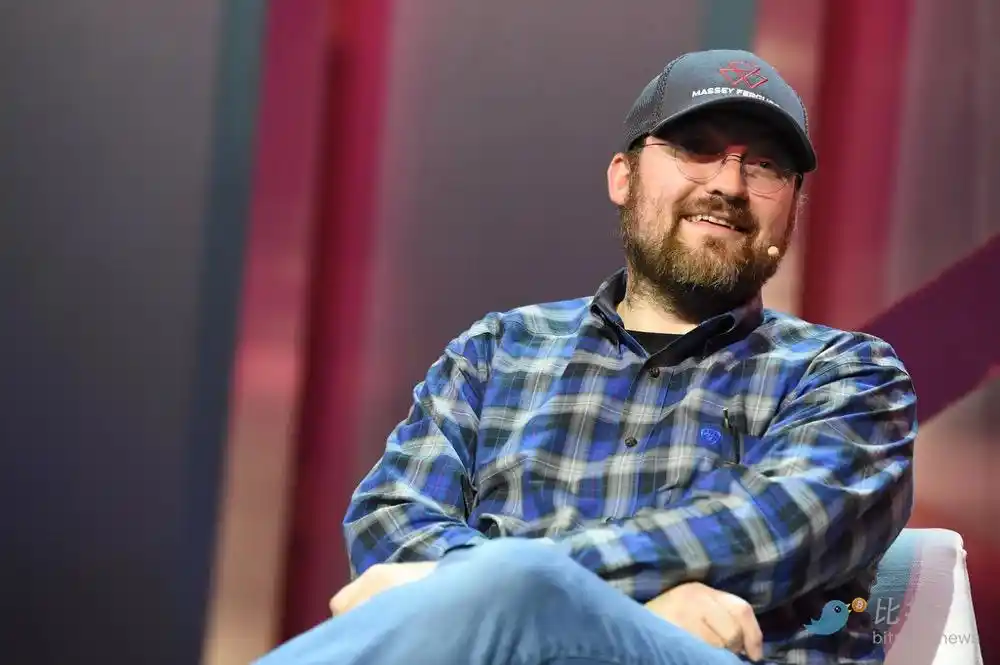
Some of Ripple's industry peers, such as prominent cryptocurrency executive Charles Hoskinson, were angered by the substantial amount the company spent to build influence.
Some industry peers expressed dissatisfaction. Prominent crypto executive Charles Hoskinson mocked Ripple's executives. He wrote on social media that they "spent $5 million dining with Trump," referring to Ripple's hefty donation to the inaugural committee.
Mr. Hoskinson has his own policy agenda. His company, Input Output Global, donated $250,000 to Trump's inaugural committee, eager to shape crypto legislation on Capitol Hill. After the inauguration, Mr. Hoskinson paid $1 million to a pro-Trump political action committee to attend another fundraising dinner at Mar-a-Lago.
But as he was on his way to the March 1 event, he received some surprising news. His invitation was revoked. He was told it was due to an issue in the Secret Service background check. Mr. Hoskinson received a refund. But he said in an interview that he was still waiting for a full explanation of what had happened.
Mr. Hoskinson said that an aide to the event's organizer, Ms. O'Rourke, offered a possible explanation. She told his staff that the problem might have stemmed from his earlier posts about Ripple.
「I Made a Commitment」
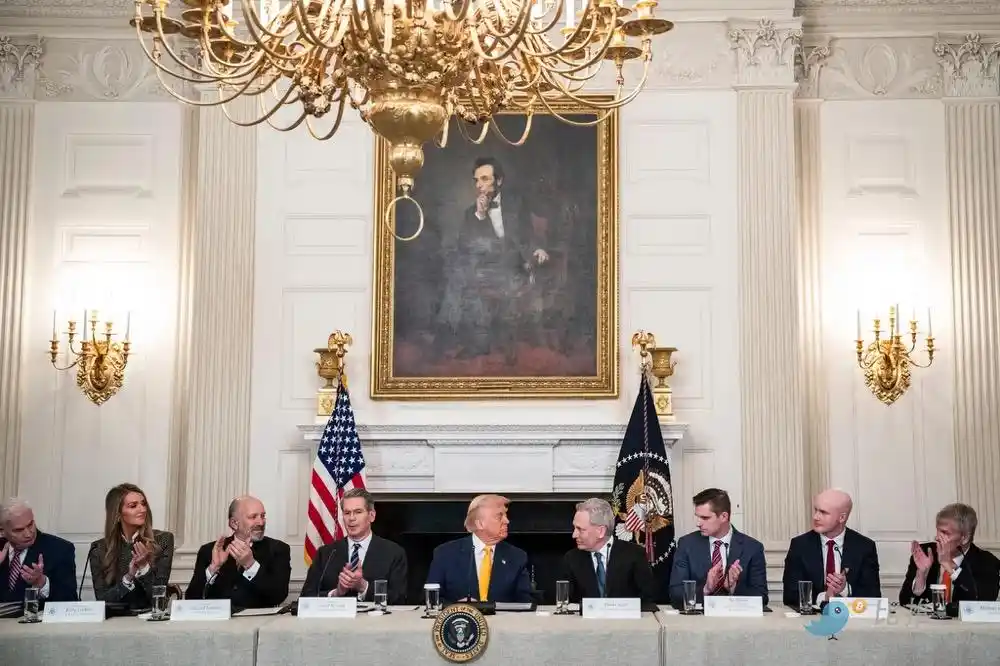
In March, Trump hosted a digital asset summit at the White House with his "AI and Crypto Tsar" David Sax and other government officials and tech executives. That evening turned into a golden opportunity for Ripple.
Attendees included some who had dined with Trump in January, including Ripple's Mr. Alderoty and Ballard advisor Ms. Nocco. A regular at Trump fundraisers, Nocco is married to a Florida county sheriff with whom Trump has a friendly relationship, affectionately calling her the "sheriff's wife."
According to six anonymous sources, one evening in March, Nocco proposed to the President to include Ripple's XRP in the reserve, noting the company's generous past support for him.
Trump listened to her request. The morning after the dinner, he wrote on Truth Social that he had directed a presidential working group to "advance the crypto reserve strategy" plan, which would include XRP, as well as two other cryptocurrencies—one related to Mr. Hoskinson's company (despite his invitation being rescinded) and another related to Solana Labs.
This news sent shockwaves through the crypto industry. The coins listed by Trump were not seen as on par with Bitcoin. It was like placing a pile of copper coins next to bars of gold in Fort Knox. A co-founder of Hoskinson and Solana Labs quickly distanced themselves from the idea. A Ripple spokesperson did not respond to a request for comment.
Almost immediately, Trump came under siege by allies and advisors who told him he was being manipulated by Ballard advisor working for Ripple, four sources revealed. Ripple's XRP price surged by 33%—a fact brought to the President's attention by his aides. (Some details of this event were previously reported by Politico.) Amid strong opposition behind the scenes, Crypto Tsar Mr. Sacks posted on X that Trump was planning to build a reserve with "Bitcoin and other top cryptocurrencies," consistent with his campaign promise.
Three minutes later, Trump made a supplemental revision to his original post, expanding the list of coins to include Bitcoin and Ethereum (the second most valuable cryptocurrency). He wrote, "I like Bitcoin and Ethereum too!" The direct beneficiary of this update was his family's crypto firm, World Liberty Financial. The company recently purchased a substantial amount of Ethereum, which increased in value by $33 million after the President's announcement.
Nevertheless, Trump still felt he was being used and told aides that he did not want Ballard or his team involved in any fundraising events anymore, two people briefed on the matter said. Ballard later met with Trump at the White House to smooth things over and has since appeared alongside Trump at some events.
Ultimately, the contingency plan took on a more moderate form. On March 6, Trump issued an executive order establishing a federal reserve containing bitcoins seized by the government through legal means and pledged to consider acquiring more bitcoins in the future. Trump reviewed the document in the Oval Office, with Mr. Sacks by his side.
· "Is this something you have full confidence in?" the President asked.
· "One hundred percent confident," Sacks replied.
· "And I made a commitment, right?" Trump asked again.
· "Of course," Sacks responded.
Trump then signed the order.
Welcome to join the official BlockBeats community:
Telegram Subscription Group: https://t.me/theblockbeats
Telegram Discussion Group: https://t.me/BlockBeats_App
Official Twitter Account: https://twitter.com/BlockBeatsAsia