



Coinbase Research Report: Three Major Themes in the Crypto Market for the Second Half of 2025
Original Title: Monthly Outlook: Three Themes for 2H25
Author: David Duong, CFA, Global Head of Research
Translated by: Bitpush
Key Points Summary:
· The trend of companies using leveraged financing to acquire crypto assets could potentially trigger systemic risks in the medium to long term, such as forced selling or motive-driven selling. However, we believe such risks remain manageable in the short term.
· The regulatory environment in the US is undergoing positive changes. Stablecoin legislation is progressing, and the Crypto Market Structure Bill is under discussion.
Our constructive outlook for the crypto market in the second half of 2025 is based on several core factors: stronger economic growth prospects in the US, the potential for Federal Reserve rate cuts, increased adoption of cryptocurrencies by corporate treasury teams, and a more transparent regulatory environment in the US. While some risks persist, such as a steepening US Treasury yield curve and selling pressures stemming from listed crypto instruments, we believe these risks are manageable in the short term.
We see three key themes for the crypto market in the second half of the year:
1. Improved macro outlook: The risk of a US recession has decreased significantly, and overall growth momentum has strengthened.
2. Corporate adoption of crypto as an asset allocation tool: While this may present systemic risks in the long term, it is driving robust demand in the short term.
3. Increasing regulatory clarity: Progress in stablecoin legislation and the Crypto Market Structure Bill will profoundly shape the development of the crypto ecosystem.
Despite the risks, we still expect Bitcoin to maintain its upward trend. On the other hand, the performance of altcoins may hinge more on specific factors. For instance, the SEC is currently reviewing several ETF applications, including those involving "physical creation and redemption," staking, multi-asset funds, and single-asset altcoin ETFs. Decisions on these matters, which are expected by the end of 2025, could reshape market structure.
Market Outlook: Second Half of 2025
We maintain our earlier forecast that the first half of 2025 will mark the bottom of the crypto market, with the second half potentially setting new all-time highs. Despite Bitcoin’s rebound at the end of May, we still see potential for further upside in the next 3-6 months. In our view, macroeconomic disruptions caused by trade tariffs are nearing an end. Looking ahead, as the government advances more market-friendly fiscal legislation (expected to be completed by late summer), risk appetite is poised to improve.
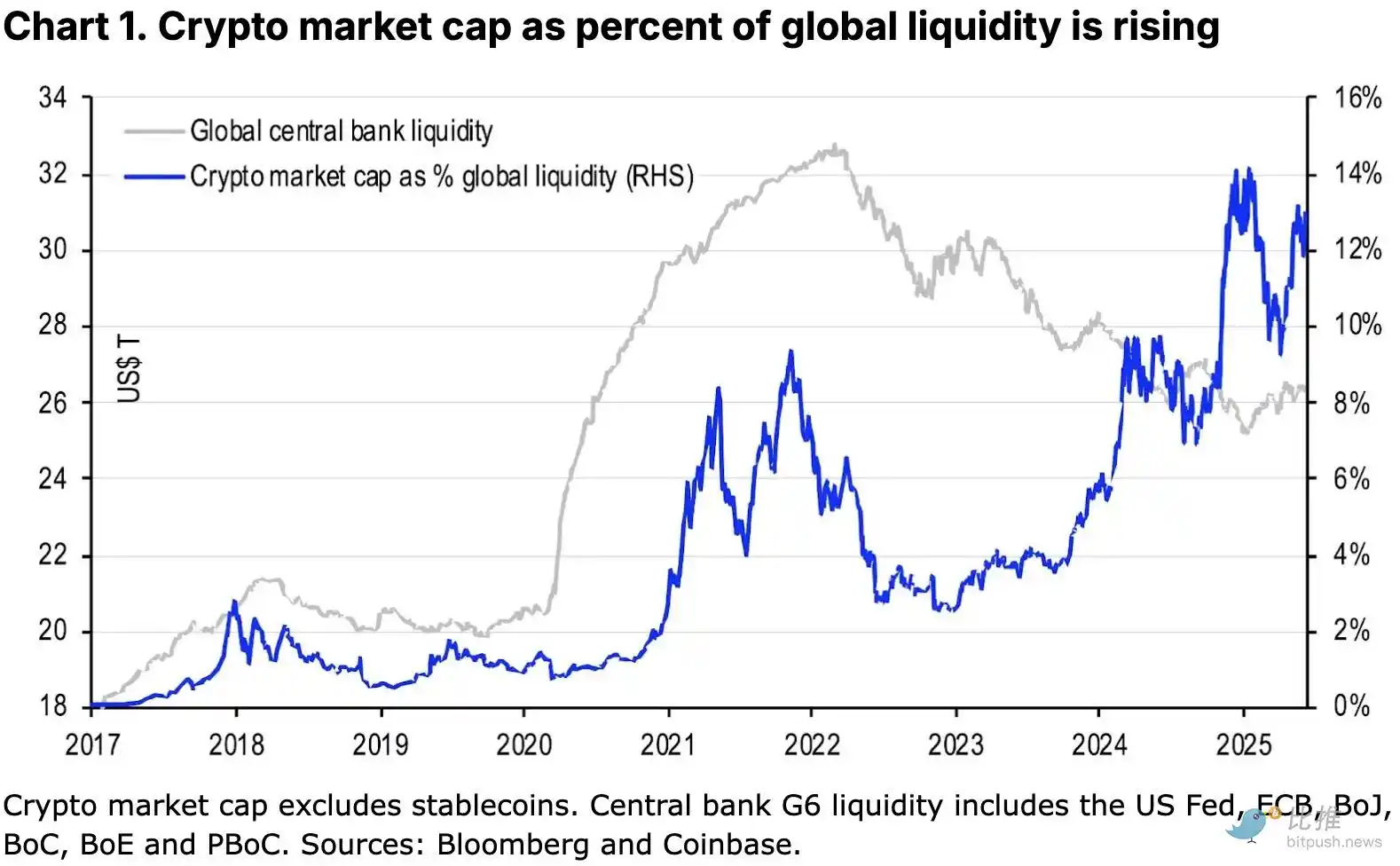
One notable risk to keep in mind is that this fiscal spending bill could lead to a steeper U.S. Treasury yield curve, particularly in the 10-30 year segment. In fact, due to deficit concerns, the yield on 30-year U.S. Treasuries had already risen to 5.15% in May, marking a 20-year high. This could exacerbate financial tightening, raise corporate and consumer financing costs, and ultimately weaken the growth foundation, negatively impacting market confidence.
If long-term yields rise too quickly, it may trigger volatility in the equity and credit markets, especially if investors begin to question whether the U.S. can sustain high deficits without causing systemic risks. This trajectory would challenge the current narrative of "front-loaded fiscal stimulus" or force the market to reassess risk assets prematurely, especially in scenarios where economic data or Federal Reserve policies fail to meet expectations.
At the same time, we believe this could benefit store-of-value assets like gold and Bitcoin, particularly in a context of waning U.S. dollar dominance.
Three Major Themes
Theme 1: The Shadow of Recession Has Significantly Receded
At the beginning of the year, trade disruptions briefly triggered fears of a technical recession in the U.S., especially after the annualized quarter-on-quarter GDP growth dipped by 0.2% in Q1 2025. During that time, mainstream media outlets like *The Economist* and *The Wall Street Journal* issued warnings with headlines such as "Trump's Tariff Wars Risk Global Recession" and "Trump’s Reciprocal Tariff Strategy May Ignite U.S. Recession."
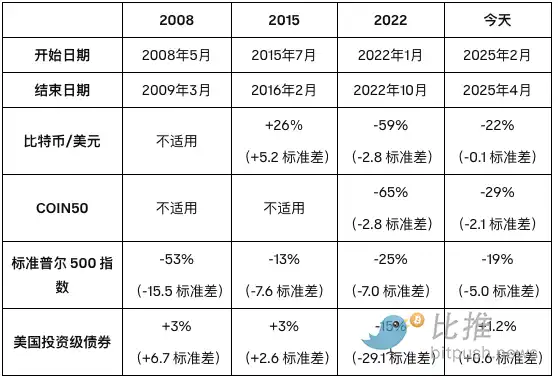
However, we have consistently maintained a relatively optimistic outlook for the second half of the year. In our view, it’s the "severity" of the recession that matters. A technical recession may not have a profound impact on markets unless macroeconomic momentum deteriorates further. For example, during the 2008 financial crisis, U.S. equities plunged by 53%, whereas "recessions" in 2015 and 2022 were much milder (see table below). Moreover, the Atlanta Fed's GDPNow forecast model has been significantly revised upwards from an initial 1.0% quarter-on-quarter growth in early May to 3.8% as of June 5, signaling improvements in economic data.
We thus conclude that even if a slowdown occurs in 2025, it is more likely to be a mild recession or a "soft landing" rather than a severe recession or a stagflation scenario. Even so, the market impact may be limited to specific sectors rather than triggering a broad-based selloff. Furthermore, with U.S. M2 money supply expanding alongside the balance sheets of global central banks, we believe the probability of asset prices returning to 2024 levels is low. Bitcoin's upward trend is likely to persist. Additionally, much of the "tariff shock" has already been priced into the market. While certain policies (e.g., the expiration of the reciprocal tariff suspension on July 9) remain unresolved, the overall marginal risks are diminishing.
```htmlComparison of Cyclical Declines Across Different Asset Classes (Peak to Trough):
Topic 2: The Wave of Corporate Adoption of Crypto Assets Is Here—Is the "Revamped Strategy" Making a Comeback?
Currently, approximately 228 publicly listed companies worldwide collectively hold 820,000 BTC. Among them, roughly 20 companies (plus an additional 8 holding ETH, SOL, or XRP) employ a leveraged financing approach similar to the "Strategy (former MicroStrategy)" model. The new FASB accounting standards, effective from December 15, 2024, are set to significantly encourage corporations to include crypto assets on their balance sheets.
Previously, under U.S. GAAP (Generally Accepted Accounting Principles), companies could only record impairment losses on crypto assets, while unrealized gains were only recognized upon sale. The new regulations allow fair value reporting, making financial statements more comparable and providing greater transparency for CFOs and auditors.
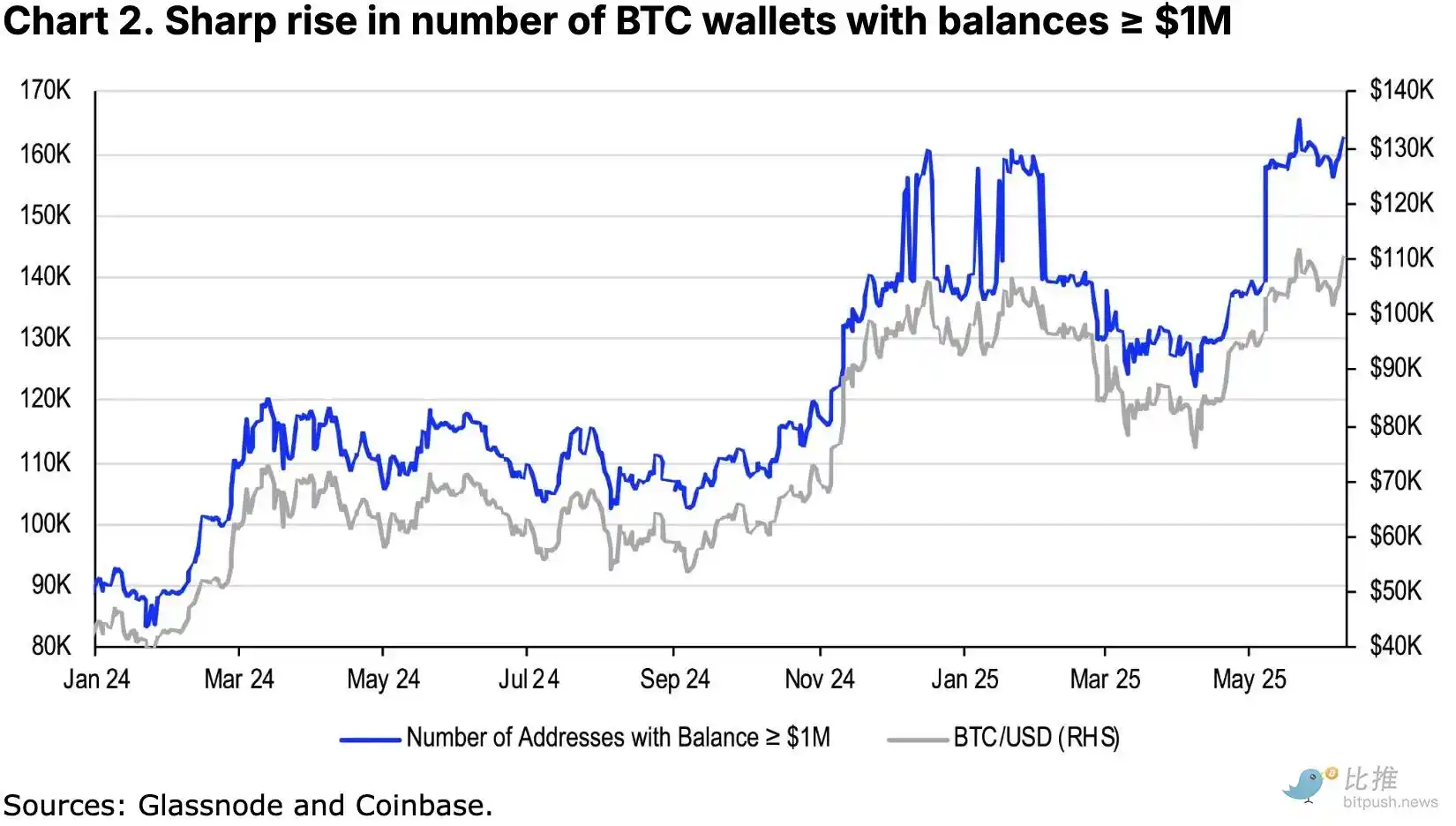
However, we observe a new trend taking shape—an increasing number of publicly listed companies are essentially becoming "crypto-holding machines," with their core business centered on purchasing crypto assets. These firms finance their acquisitions through stock issuance or convertible debt, resulting in market capitalizations far exceeding their net assets. A prominent example is Strategy, but numerous imitators have now emerged.
Two Potential Systemic Risks:
1. Forced Selling: Many PTCVs (Publicly Traded Crypto Vehicles) rely on convertible debt financing. If the underlying crypto's price drops, or adverse market conditions prevent refinancing, these companies might be forced to sell their holdings to repay debt obligations.
2. Motivated Selling: If a PTCV sells assets unexpectedly for operational needs or cash flow management, it could trigger a chain reaction. Market-wide panic may ensue, potentially leading to a price crash.
Despite these risks, we believe they are unlikely to pose a significant threat to the market in the short term. First, most of the debt won't mature until 2029–2030 (e.g., Strategy's $3 billion in convertible debt has its first redeemable period at the end of 2026 and matures fully by the end of 2029), reducing the risk of immediate forced sales. Second, the current loan-to-value (LTV) ratios remain relatively healthy, and some major companies possess the capacity to refinance, mitigating the need for forced liquidation.
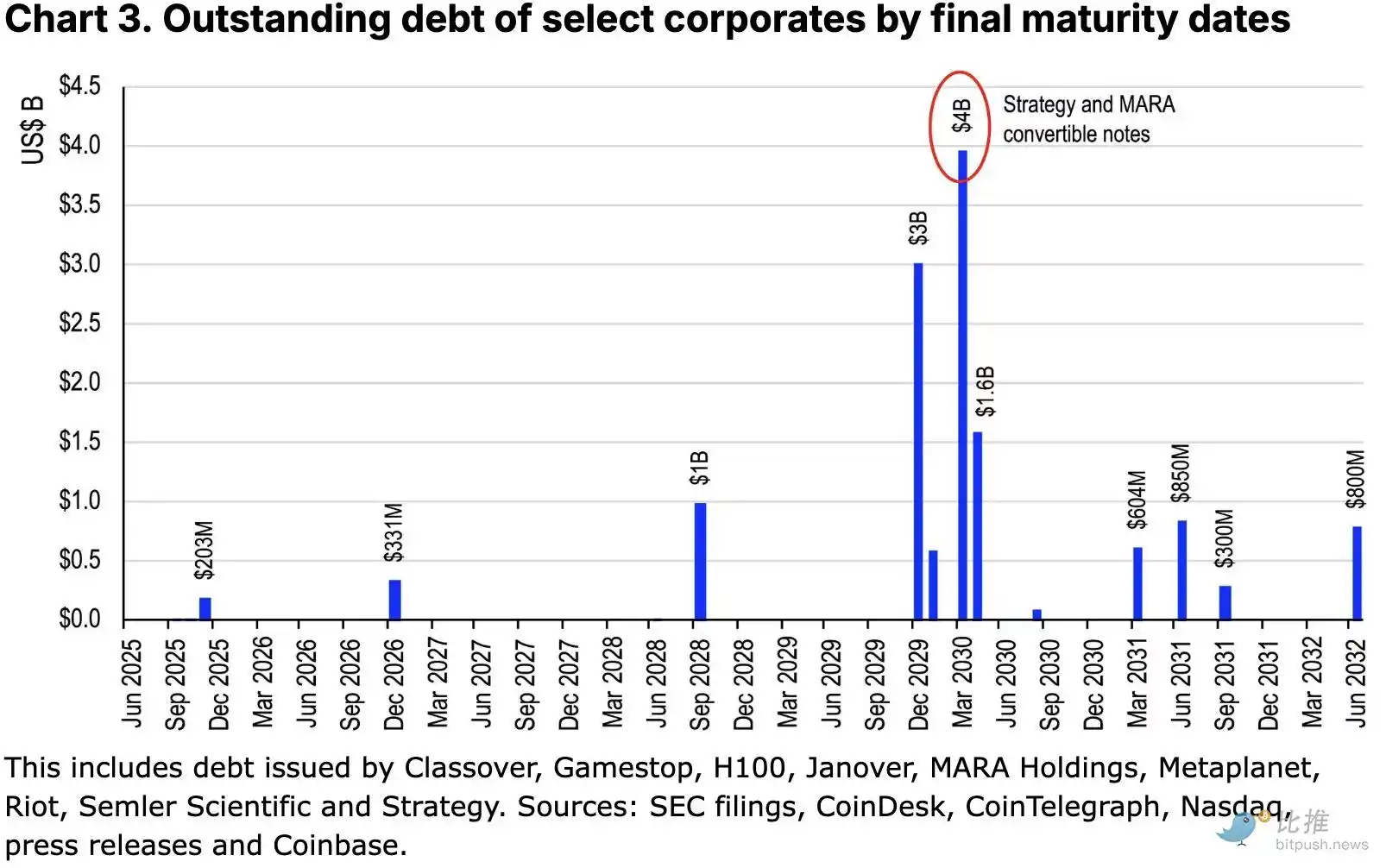
Of course, as more companies adopt this strategy and debt maturity becomes more concentrated, systemic risks remain a long-term monitoring concern. Meanwhile, Strategy's "corporate treasury strategy" is attracting an increasing number of "curious" executive teams, suggesting that the trend of corporate crypto accumulation is likely to continue into the second half of 2025.
Theme 3: Ushering in a New Era of Regulation
In the first half of 2025, U.S. crypto regulation underwent unprecedented changes. The White House shifted away from the traditional approach of "enforcement as regulation" to fully supporting the development of the crypto industry. We believe that stablecoin legislation is the most likely to be implemented first. Currently, the House is advancing the STABLE Act, while the Senate is working on the GENIUS Act, both of which have secured bipartisan support. On June 11, the Senate passed the GENIUS Act and sent it to the House for review. Both bills incorporate provisions on reserve requirements, anti-money laundering compliance, bankruptcy protection, and consumer rights.
The main points of contention are:
· How to handle non-USD stablecoin issuers
· The thresholds for regulatory compliance
The White House aims to complete a unified version of the legislation for submission to the President by August 4, prior to Congress's recess, potentially laying the groundwork for subsequent market structure legislation.
Crypto Market Structure Act (CLARITY Act)
On May 29, 2025, the U.S. House Financial Services Committee officially introduced the draft of the "Cryptocurrency Market Clarity Act" (CLARITY Act), which is considered to hold the most transformative potential for this year's legislation.
The Act aims to delineate the regulatory boundaries between the SEC and CFTC for digital assets, assigning oversight based on asset characteristics (e.g., "digital commodities" or "investment contracts"). Building on last year's FIT21 Act, the legislation also requires the SEC and CFTC to jointly define key terminology and continuously develop rules—indicating that room for regulatory evolution remains. We believe this will serve as the groundwork for bicameral negotiations in the future, but its complexity and uncertainty are likely to surpass those of stablecoin legislation.
ETF Timeline
The SEC faces around 80 crypto ETF proposals in 2025, spanning:
· Multi-asset crypto index funds (Bitwise, Franklin, Grayscale, etc.): Earliest decision expected on July 2;
· In-kind subscription/redemption mechanisms: Results possibly by July, with delays extending to October at the latest;
· Staking Mechanism (Staking Inclusion): Constrained by the transparency of Rule 6c-11, the SEC may make early decisions;
· Single Altcoin ETF: Most application deadlines are in October, and it is expected that the SEC will utilize the entire review period.
Conclusion
We maintain an optimistic outlook for the cryptocurrency market in Q3 2025, supported by relatively positive U.S. economic growth prospects, Federal Reserve rate cuts, increasing corporate adoption of cryptocurrencies, and enhanced regulatory transparency in the U.S. While risks such as a steepening U.S. Treasury yield curve and potential selling pressure from PTCVs remain, these appear manageable in the short term. We anticipate Bitcoin's upward trend to continue, although altcoin performance will largely depend on the specifics of individual projects.
Welcome to join the official BlockBeats community:
Telegram Subscription Group: https://t.me/theblockbeats
Telegram Discussion Group: https://t.me/BlockBeats_App
Official Twitter Account: https://twitter.com/BlockBeatsAsia







