Can AI+Crypto defeat Silicon Valley AI?
Original title: "Can Crypto's AI Protocols Beat Google?"
Original author: David C
Original compilation: Ladyfinger, Blockbeats
Editor's note:
As artificial intelligence (AI) technology continues to mature and investors realize the potential of this field, we are in a In an unprecedented AI craze. Different from the past, this wave of AI innovation not only brings technological breakthroughs, but also triggers huge challenges in computing power and data storage requirements. Against this background, Decentralized Virtual Infrastructure (DeVIN) emerged as the times require, aiming to create new markets through blockchain technology and solve the computing bottleneck faced by AI development.
This article deeply explores the latest developments in the field of DeVIN, especially advanced protocols in decentralized computing and data storage, such as io.net, Gensyn, Grass , Filecoin and Arweave, etc. These projects not only strive to improve the competitiveness of the market and lower the entry barrier, but also demonstrate the key role of decentralized technology in supporting the rapid growth of AI.
While these projects and protocols are promising, the road ahead for DeVIN remains fraught with challenges, including early adoption issues, regulatory hurdles, and the GPU race. This article provides readers with a comprehensive perspective on how cryptography can play a vital role in the future of artificial intelligence, while also reminding us that there is still much work that needs to be done to realize these visions.
The centralization problem of artificial intelligence
Sam Altman of OpenAI recently said in the news, Trillions of dollars will be needed to solve the near-term development challenges of artificial intelligence. In fact, over the next few years, model training costs are expected to 1% of U.S. GDP (over $100 billion).
This unprecedented demand is crippling the computing supply chain, and the DeVIN protocol offers a potential solution to these challenges.
The DeVIN field is mainly divided into two types of solutions:
1. Decentralized computing protocols
2. Protocols for data storage
While the market caps of AI-related tokens are soaring, the reality is that many of these projects are still in their infancy. While much of the investor action can be attributed to bets on the AI + Crypto concept, these protocols are building toward a vision that all crypto folks should support—greater decentralization and greater control over our AI future. Much community ownership.
Let’s take a look at some of the protocols pushing boundaries in DeVIN.

Protocol for decentralized computing
DeVIN platforms like io.net, Gensyn, and Grass are working to solve the computational crisis of artificial intelligence by leveraging underutilized resources around the world.
By developing markets where anyone can contribute their CPU/GPU or storage capabilities to receive rewards, these agreements create not only a More competition, and they make AI development itself more competitive by democratizing access to resources.
io.net
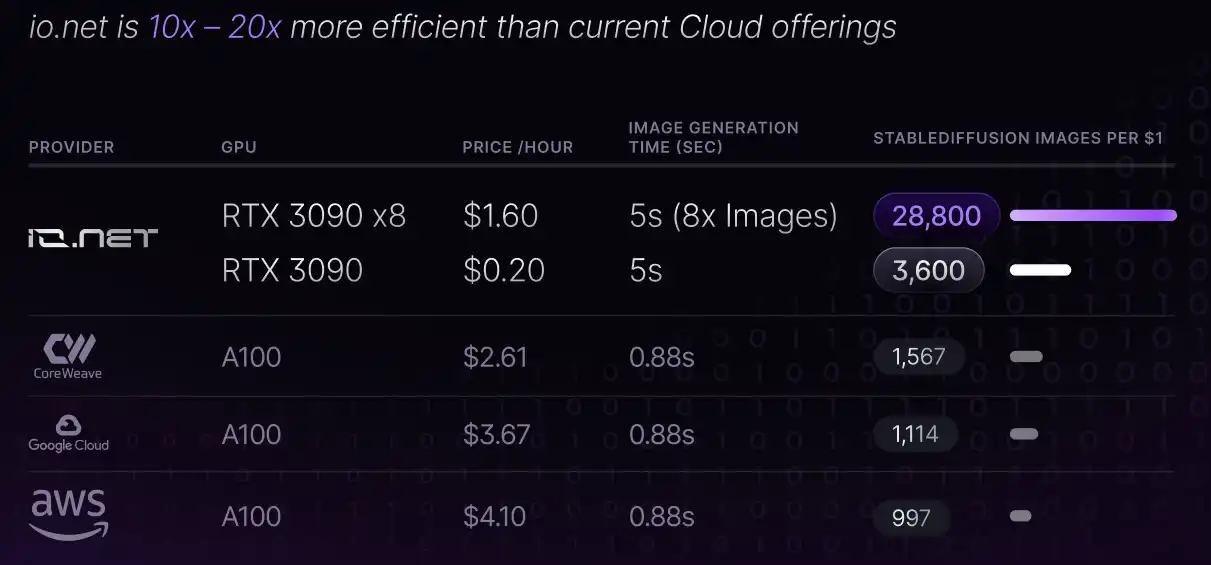
io.net by creating a Decentralized network to provide computing power by leveraging underutilized GPUs from sources such as data centers and crypto miners, weaving them into a cohesive system to Delivers powerful processing power at a fraction of traditional costs, lowering the cost and increasing availability of cloud computing resources. Recently, io.net launched the "Ignition Program" to open its platform to anyone who wants to provide GPU power to the network ahead of the token launch in April.
Gensyn
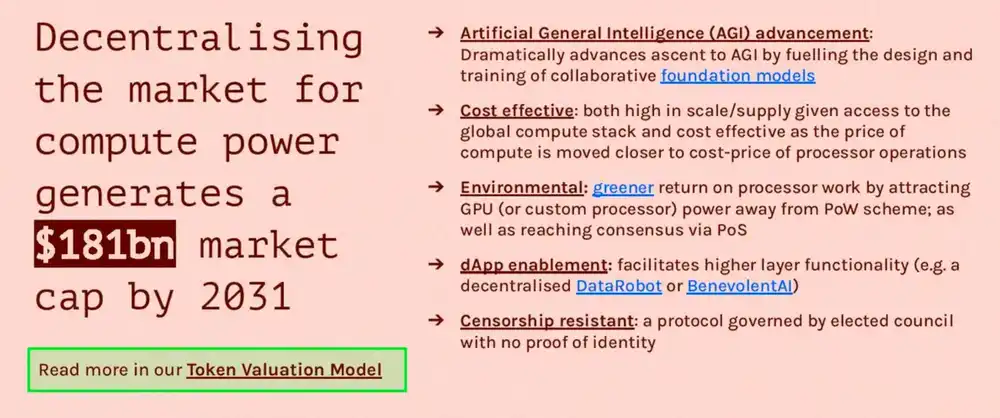
Gensyn is also trying to solve the current limitations of computing power through DeVIN. Like io.net, Gensyn directly connects the world’s idle processing power with machine learning projects that need it, and uses the mechanisms of the market to facilitate this exchange. Gensyn’s rigorous focus on machine learning applications makes it very different from other DeVIN projects. In addition to providing computing power, Gensyn can verify the correctness of work and model training, ensuring that the training performed by individuals in the network on behalf of others is trustworthy and reliable.
Grass

Grass is a decentralized network that collects public network data to train artificial intelligence models. By installing their browser extension, users can run a node on Grass and contribute available internet bandwidth to the network, allowing its partners to collect public website data and train their models. Users are then compensated, and Grass is currently in beta.
Protocol for decentralized data storage

Now, let’s move from discussing distributed computing to examining DeVIN for data storage.
These solutions are more mature than their computing counterparts, but are still early bets on a vision that demands a decentralized data storage market to keep up with the huge resource constraints faced in training artificial intelligence. The world is expected to store more than 175ZB(175 trillion GB) data, reducing costs and making its structure more efficient will have a profound impact on artificial intelligence data training and data management.
Filecoin
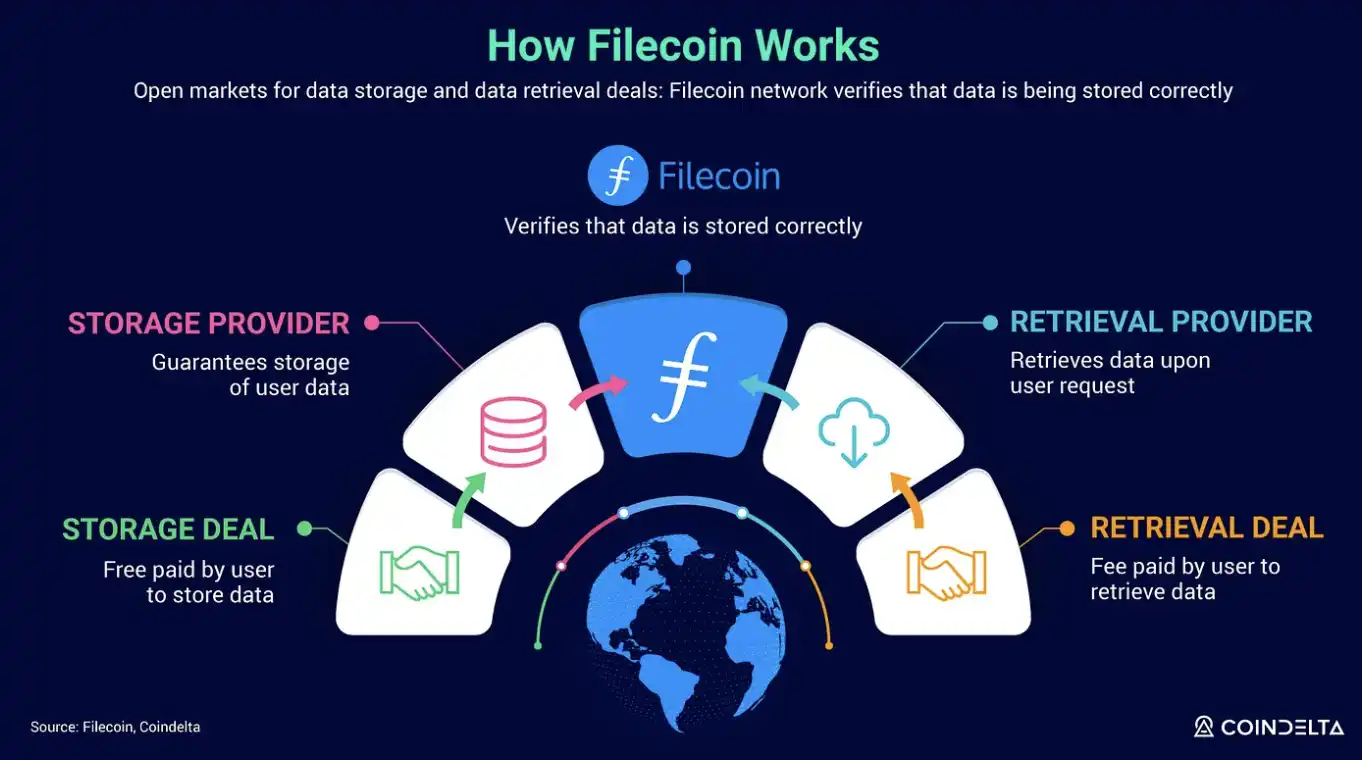
The platform uses a unique model to verify storage, ensuring that data stored on the network remains secure and accurate over the long term. This verification process is a crucial step as Filecoin aims to prove that decentralized storage can be superior to traditional cloud storage solutions.
Arweave
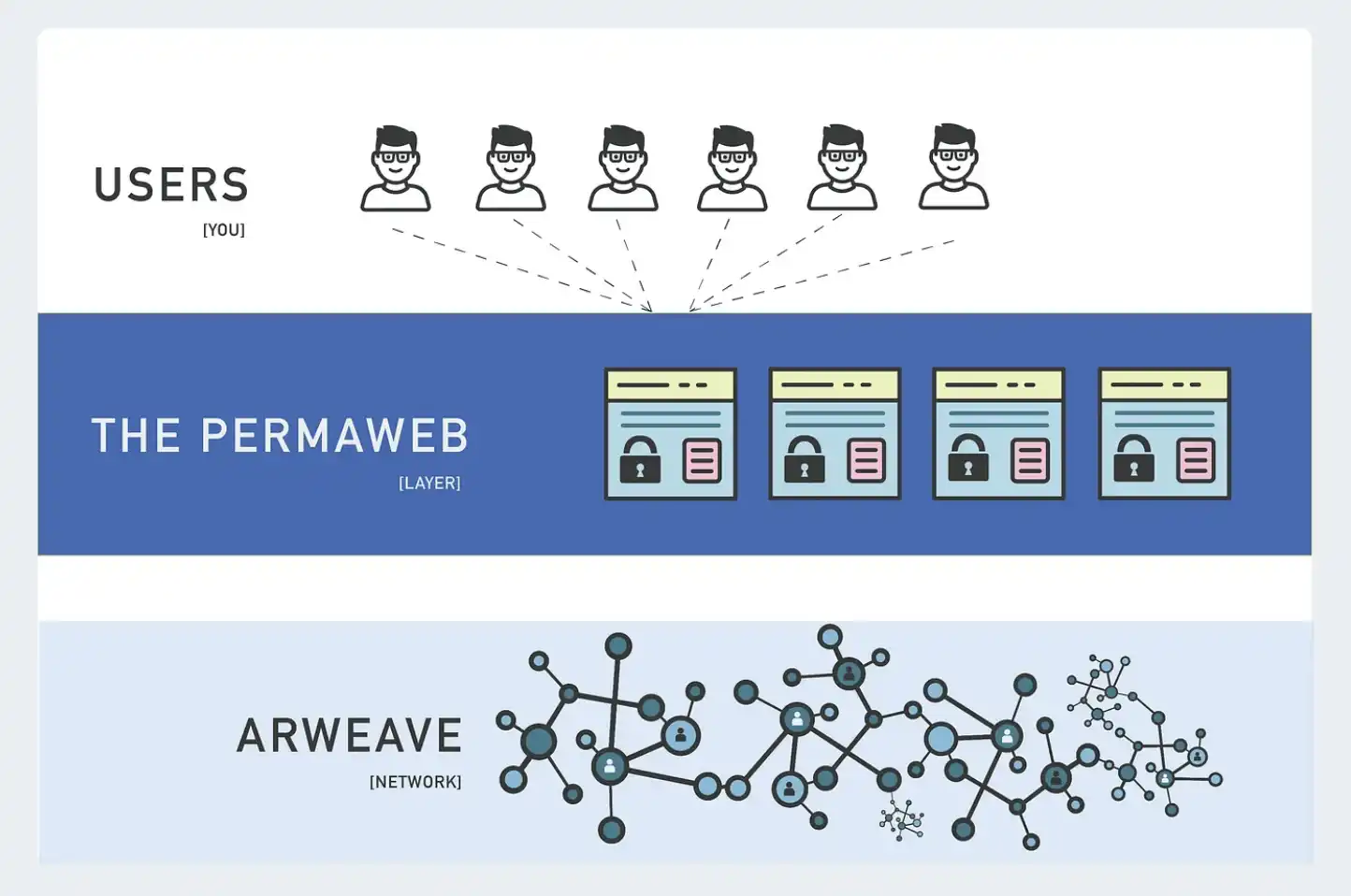
Arweave takes a novel approach to data storage, positioning itself as a permanent archive for the digital age rather than a temporary repository. Arweave does not use a "rent" data storage model, but a "purchase" model. A one-time payment ensures that the data will be stored in its decentralized network for hundreds of years and is powered by AR (a mineable token) To make a guarantee. Arweave’s ambitions for a decentralized, permanent network represent a significant advancement in the search for sustainable and secure data storage solutions.
Based on data storage, Arweave has recently launched Arweave AO Public test network, marching into decentralization Computing field. This new addition transforms Arweave from a storage solution into a comprehensive computing platform, with its "hyperparallel computers" capable of handling significant computing workloads.
As DeVIN is at the forefront of encryption technology, the road ahead is still full of challenges
Although DeVIN stands at the forefront of encryption technology cutting-edge, but the road ahead is still filled with many challenges. And with the compound development of generative AI, the largest players in AI have begun the countdown to AGI.
Projects like io.net, Gensyn, Grass, Filecoin, and Arweave highlight the key to decentralized computing and storage in expanding the market and lowering the cost of entry role; they also highlight the urgent need for DeVIN to address current adoption barriers to fully support AI's growing computing needs.
While combining cryptocurrency with AI may seem almost like a joke to many, democratizing access to the infrastructure needed to compete in AI does not. .
The computing and data storage challenges facing AI underscore the clear need for DeVIN solutions. However, Fully realizing these benefits requires overcoming early adoption issues, regulatory hurdles, and the ongoing race for GPUs. Obstacles like this still prevent DeVIN from becoming the core of AI infrastructure.
For DeVIN players who cannot find product/market fit quickly, the next few months will provide a big opportunity for decentralized computing providers. opportunities to secure their place in the market.
「Original link"
Welcome to join the official BlockBeats community:
Telegram Subscription Group: https://t.me/theblockbeats
Telegram Discussion Group: https://t.me/BlockBeats_App
Official Twitter Account: https://twitter.com/BlockBeatsAsia

 Related Articles