AI narrative agents are on the rise. Which projects are worth paying attention to?
Original title: "The Rise of AI Narrative Agents, Which Projects Are Worth Paying Attention to in Advance?"
Original source: DeepTech TechFlow
AI concept, never short of market.
As a narrative that runs throughout the year, regardless of the ups and downs of the cryptocurrency market, there are always amazing performances from AI projects. In various reviews and outlook articles, you can almost uniformly see optimism towards AI.
However, AI is a very broad concept. Which specific sub-projects to bet on for greater certainty?
One relatively safe option is to use short-term hot events as a catalyst to find crypto projects that are conceptually related.
For example, AI agents.
On January 11th, ChatGPT officially launched its store feature. Unlike traditional applications, the GPT store does not require users to have any programming experience. Simply input the desired function in simple natural language, and the system will create a custom AI chatbot.
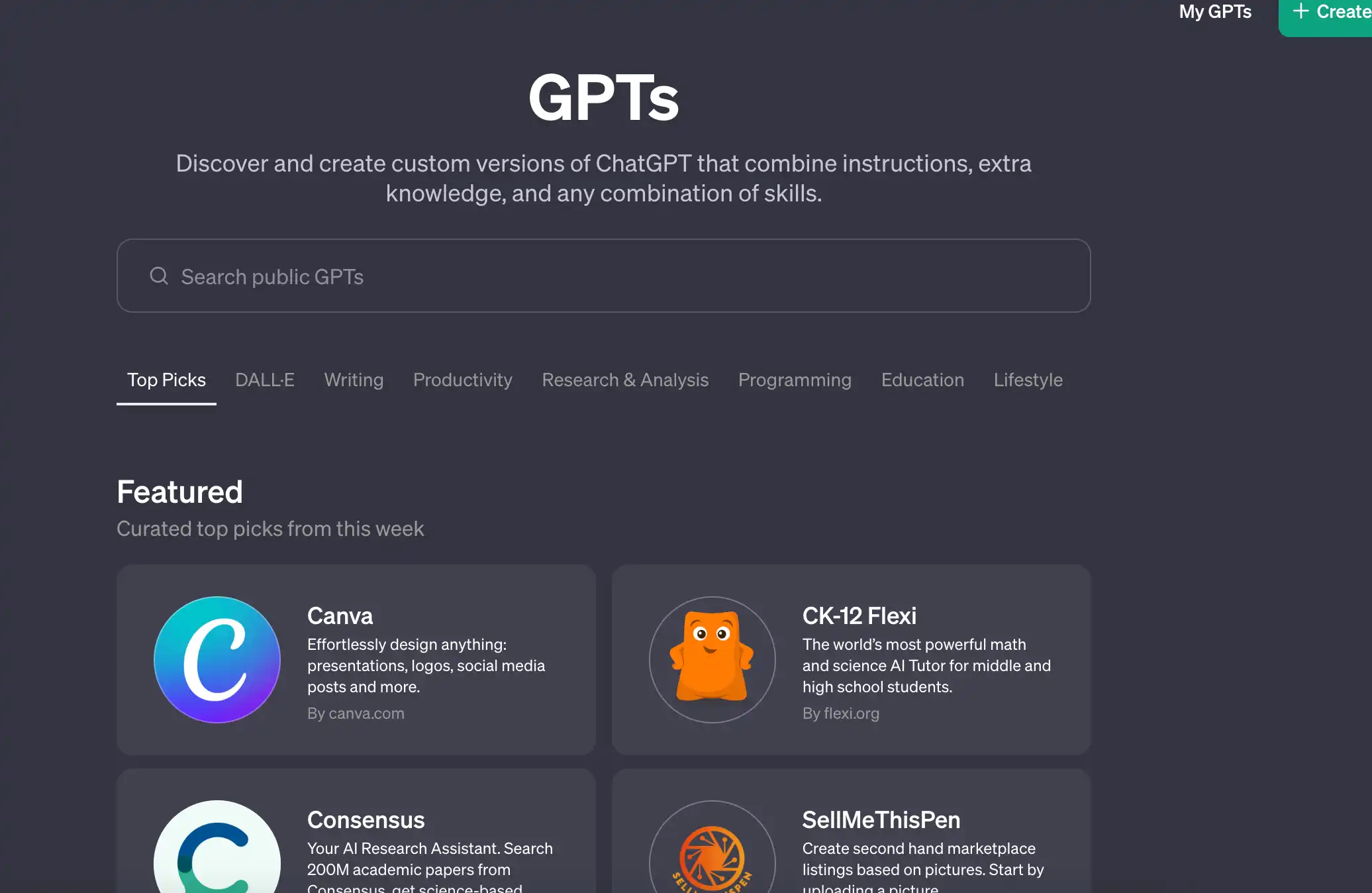
In plain terms, this is an AI agent store that contains a large number of robots that can replace you to handle certain fixed tasks according to a certain logic. With the appeal of GPT, it is foreseeable that there will be a surge of applications in the store, among which there may also be proxy robots related to Crypto.
Whether these robots are easy to use or not is one thing, and the popularity of the concept of AI agents is another.
Almost at the same time, well-known crypto VC Pantera expressed interest in the combination of AI agents and Web3 in a recent long article, specifically stating that he is interested in this area by 2024.
(Related reading: Pantera 2024 focuses on AI trends and Web3 will support development in reasoning, data privacy, and incentives.)
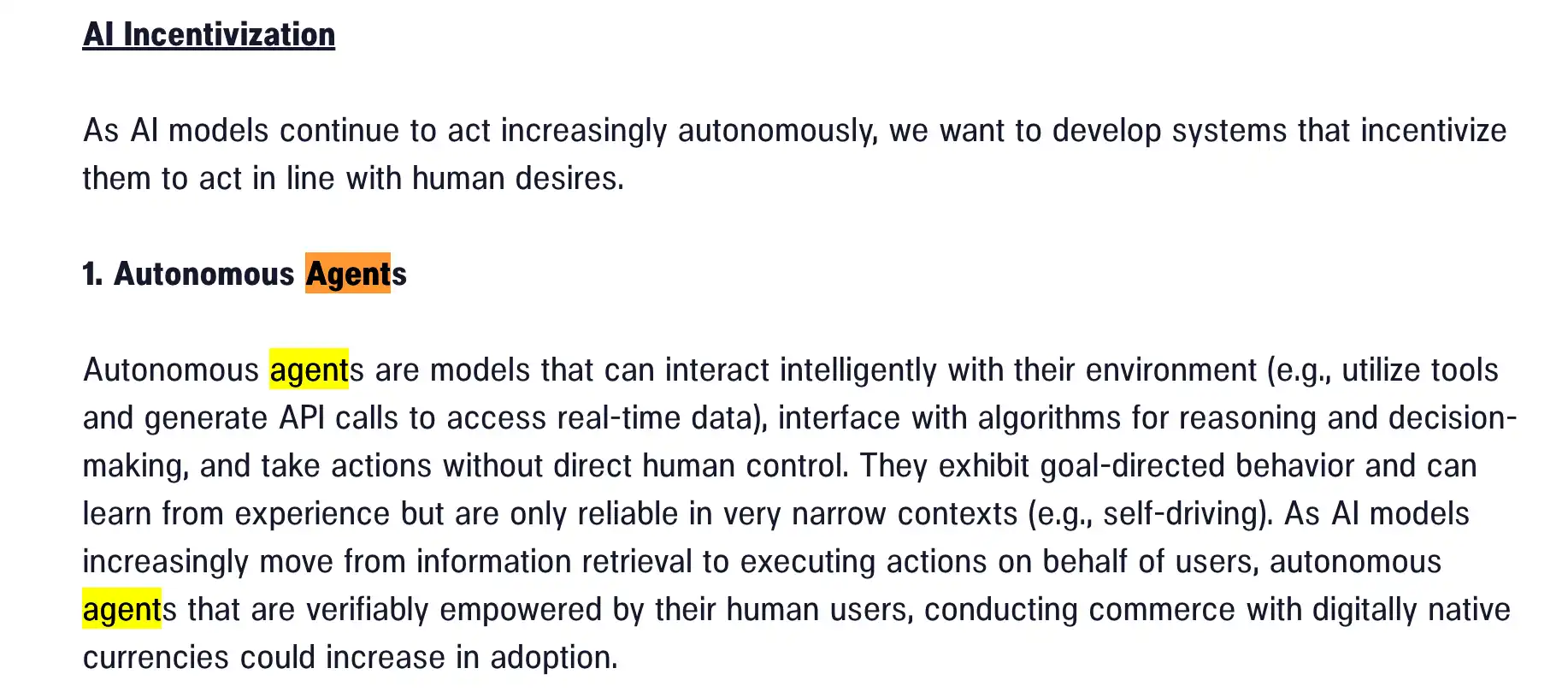
If we consider the application store of GPT as a fuse and the attention of top VCs as a gust of wind, will AI proxy narrative be ignited this year?
We cannot predict the future, but we can take precautions.
So now, what we should really focus on is:
What is the principle behind AI agents, and which encryption projects may directly benefit from it?
AI Agency, what's up with the encryption industry?
First of all, it is necessary to understand how AI agents work, which is helpful for us to identify which encryption projects truly belong to the scope of AI agents and which are just riding on the concept.
The robots in the GPT store give people a sensory understanding of AI agents at most, but in principle, what kind of product can be considered an AI agent?
The author believes that to determine whether a product is an AI agent, one can simply grasp the key issue:
Programs or devices that use AI technology can automatically perform tasks or provide assistance to users.
From simple chatbots to complex automation systems, they can all be considered AI agents. However, these things must have at least the following conditions:
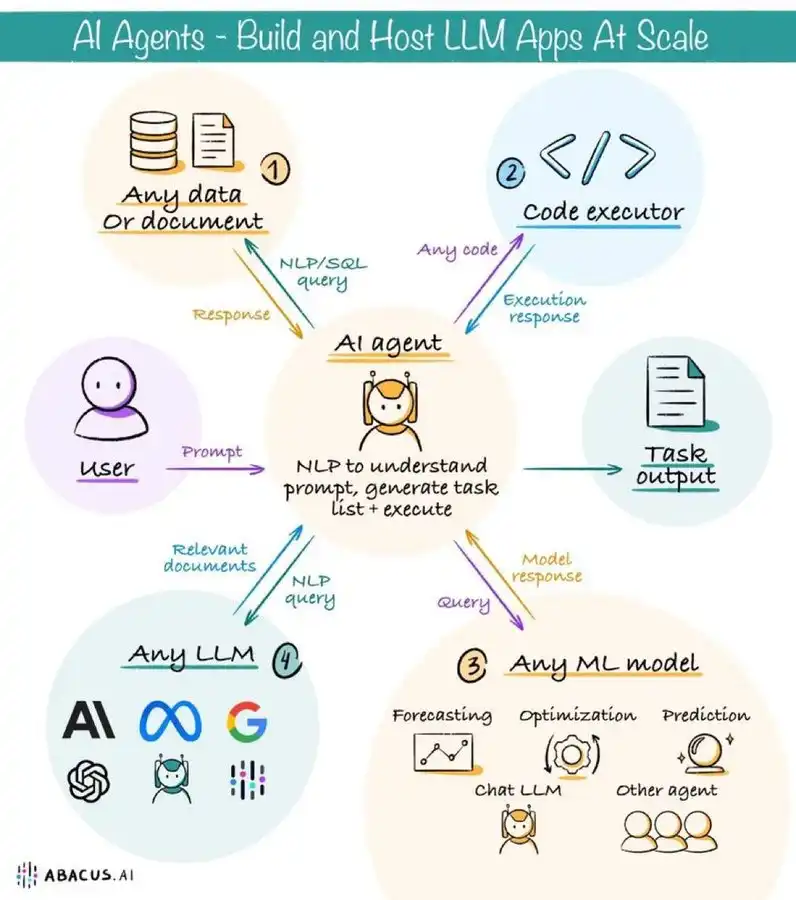
· Automation Capability: The ability to perform tasks without or with minimal human intervention.
· Perception of environment: It can perceive its operating environment through sensors or data input.
· Decision-making: Able to make decisions based on its programming and received data.
· Learning and Adaptation: Possess the ability to learn and improve performance based on new data and experience.
· Interactivity: Can interact with human users or other systems, respond to requests or provide information.
However, if we abstract the above characteristics, we will find that AI agents are somewhat similar to smart contracts --- automatically executing results given preset conditions.
So if we want to identify whether a project is truly using AI agents or just riding on the AI concept with smart contracts, we can simply identify it through the following dimension:

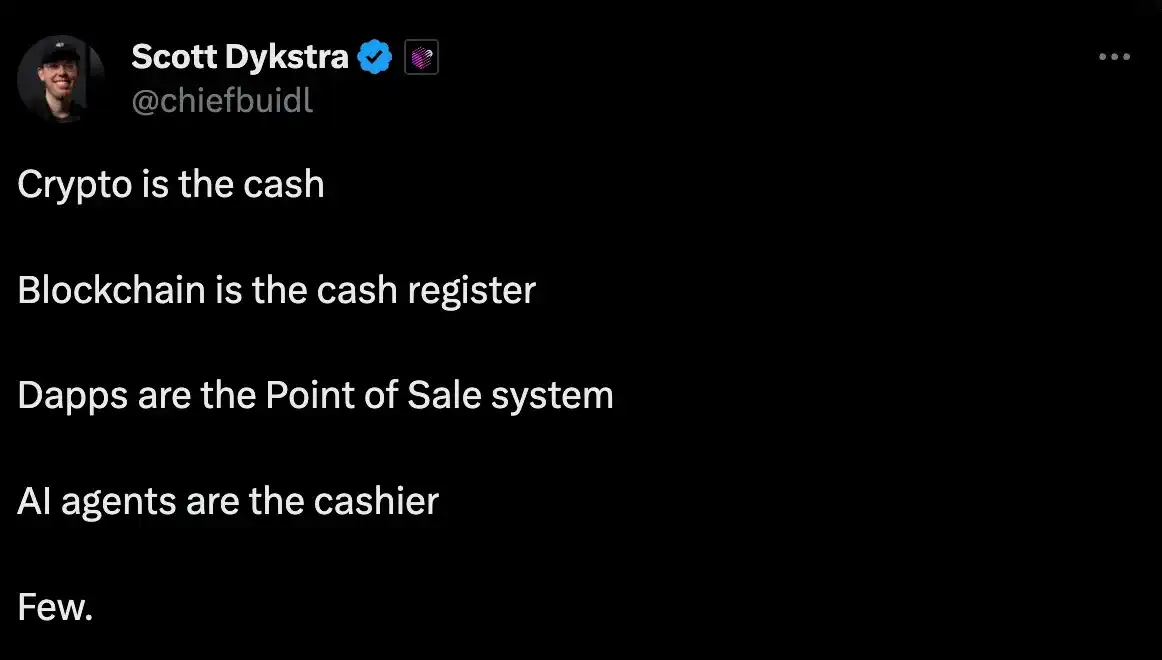
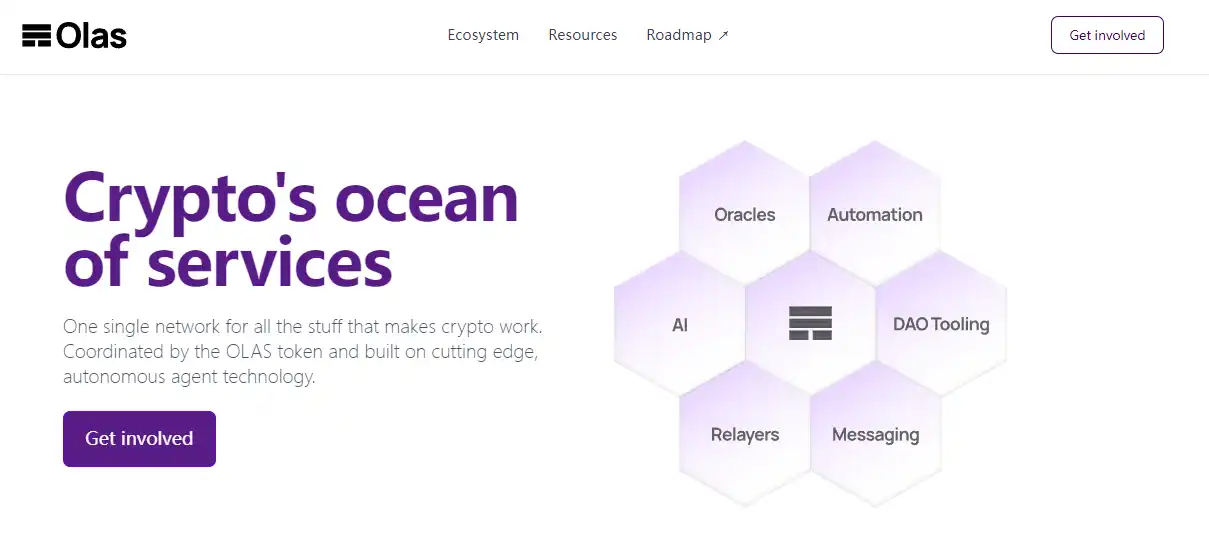

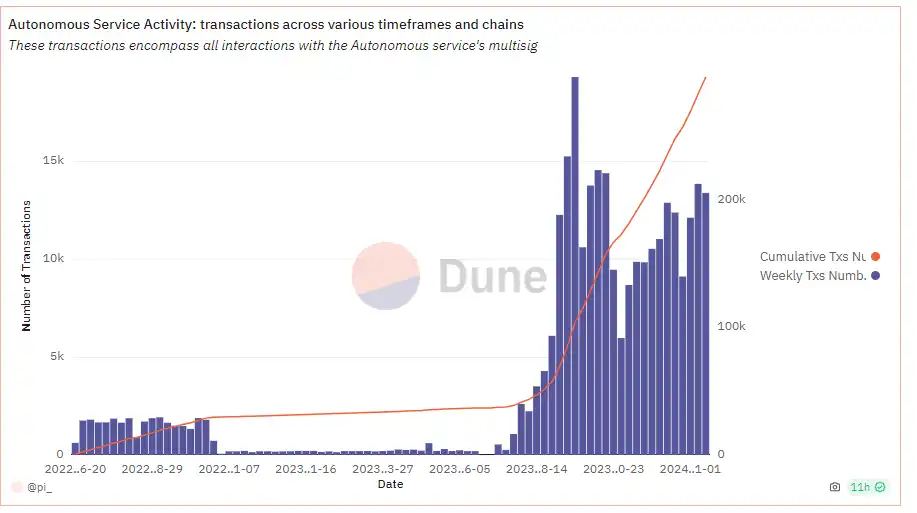

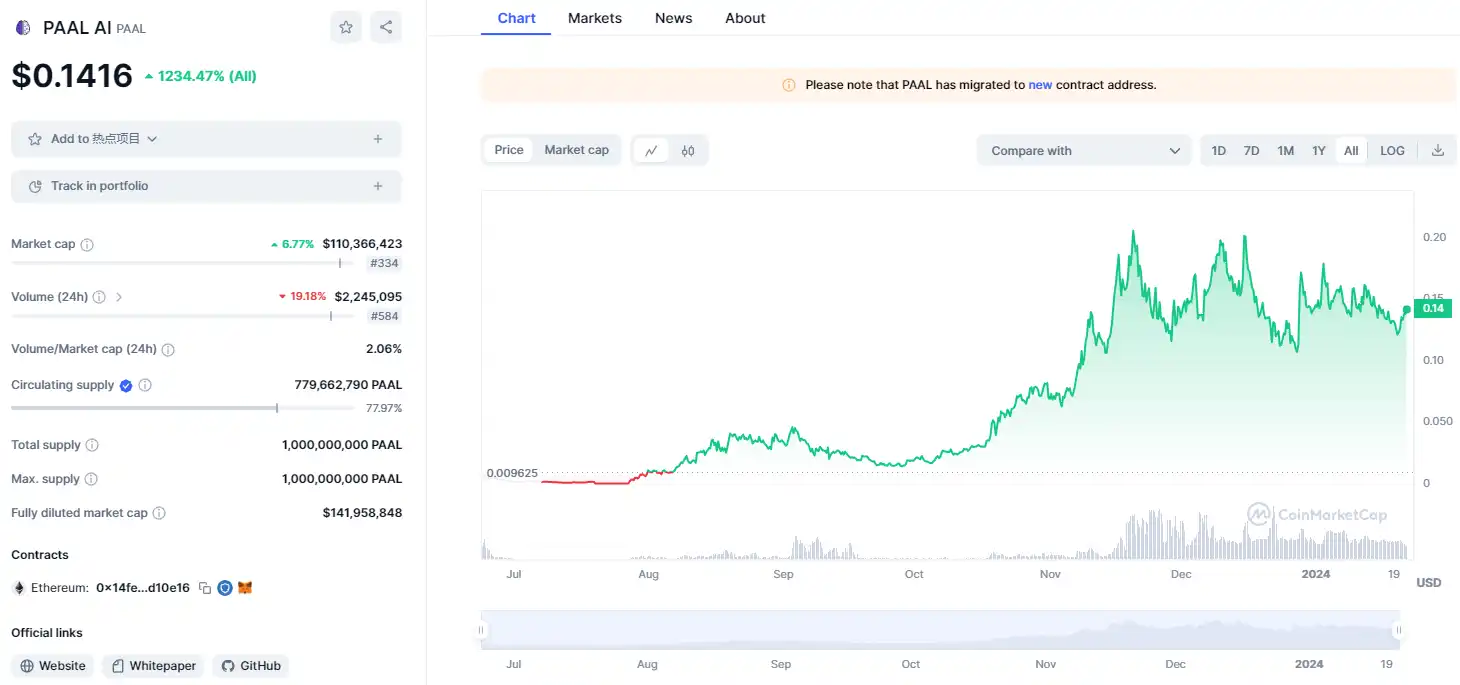
Specifically, in fact, we can understand PAAL as an encrypted version of GPT and a trading BOT.
PAAL's main AI toolkits include:
· Mypaal: An AI robot with certain knowledge mentioned earlier, answering various questions about encryption projects raised by users.
· Autopaal: Acts as a cryptocurrency expert, providing research, insights, and analysis centered around cryptocurrency, monitoring market trends, and notifying users of specific situations.
· Autopaal X (not yet launched): The advanced version of the above two tools, which adds automatic trading functionality and shares revenue with $PAAL stakers, providing additional incentives for staking.
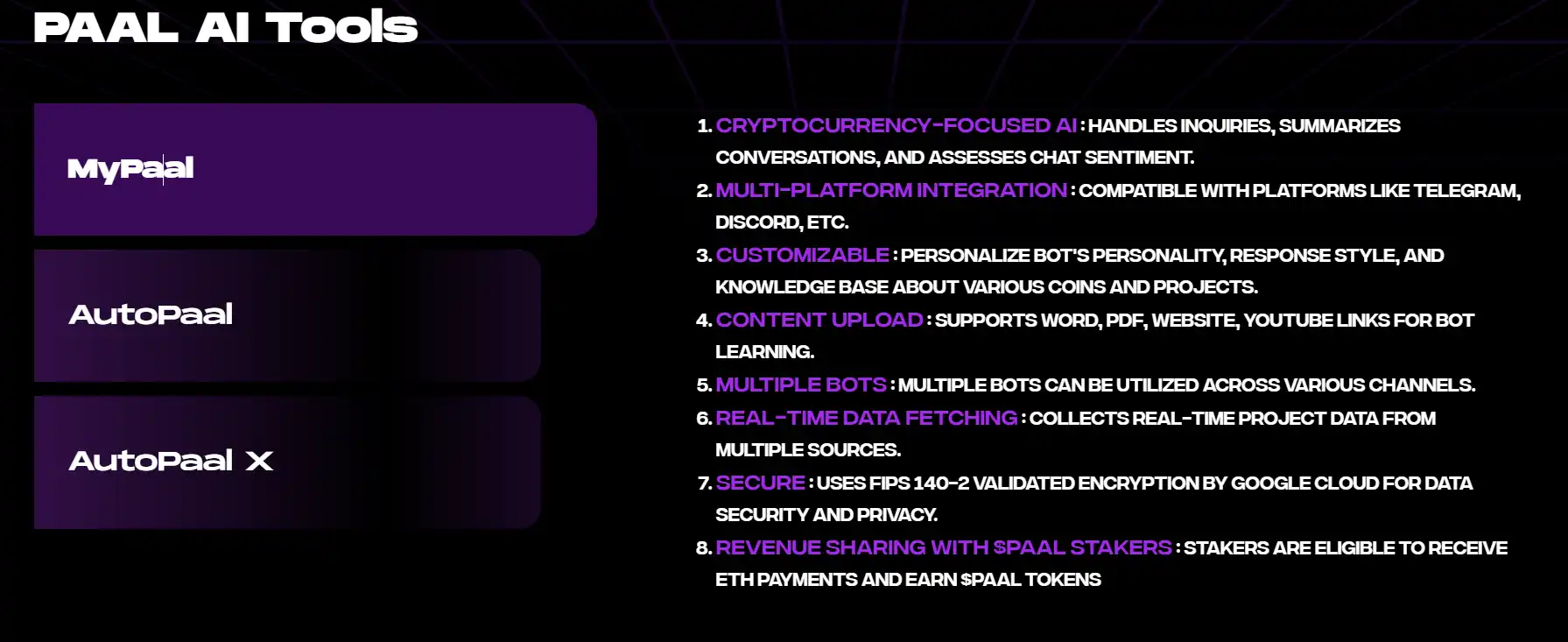
If we look at it conceptually, PAAL can indeed be considered an AI agent, but its business focus is more concentrated compared to the previous two projects, currently only serving the trading and learning needs of cryptocurrency users. If we don't get too caught up in the specific differences, we can even directly understand it as an advanced trading BOT.
The current total market value of the token $PAAL is around 100 million US dollars, which is lower than the previous two projects; however, considering its narrow business scope and strong correlation with the cryptocurrency market, the overall imagination of the author is not as high as OLAS.
Type 2: Projects that use AI agents to enhance existing businesses
The above projects are all directly involved in AI agency, while some other projects integrate this function into their existing business to improve their performance.
Due to space limitations, we will not provide a more detailed introduction to the principles of such projects. Here is a list: Root Network ($ROOT) is an L1 specifically optimized for the user experience of metaverse, gaming, and Web3, with AI and metaverse technology support provided by Futureverse. Currently, AI agent capabilities can be integrated into games supported by this network to enhance the gaming experience.
Parallel ($PRIME): A science fiction-themed card battle game invested by Paradigm. The game currently uses AI characters to create new in-game items, which can be stored in the AI character's own wallet, acting as an AI agent for creating game assets.
Oraichain ($ORAI): A company that provides AI Layer 1 data economy and Oracle services, with the aim of building a trusted AI tool to support Web3, scalable dApps, and data economy. The project recently offered a token analysis tool called DeFi Lens, and also added AI agent capabilities for predictive analysis of tokens.
Due to limited resources, we have not listed all AI agent-related projects in the market.
However, regardless of whether the aforementioned projects are directly or indirectly related to AI agents, besides the hot concept of AI, it is more important to see if their AI agent has really been implemented, that is, whether the AI agent business itself is practical, rather than just empty talk.
The bubble of AI is huge, and the bubble of encryption projects riding on the AI trend may be even bigger.
Pay attention to projects with more solid fundamentals, which are more conducive to capturing solid and sustainable value in the year-long AI narrative.
Original article link
Welcome to join the official BlockBeats community:
Telegram Subscription Group: https://t.me/theblockbeats
Telegram Discussion Group: https://t.me/BlockBeats_App
Official Twitter Account: https://twitter.com/BlockBeatsAsia