Vitalik's new article: The Intersection of Artificial Intelligence and Blockchain under the Concept of d/acc.

Original Title: "My techno-optimism"
Author: Vitalik
Translation: Luccy, BlockBeats
Editor's Note:
The impact of technological progress on the future has been a topic of discussion for a long time. Last month, Marc Andreessen's "Technology Optimism Manifesto" clearly opposed the state of being afraid of technological progress. This month, OpenAI sparked controversy, reigniting the topic.
Vitalik Buterin opposes the mentality of "prioritizing maintaining the current state of the world" and points out that technological development not only needs to focus on intensity, but also on direction. In his latest article, he deeply explores the intersection of artificial intelligence and blockchain, and proposes the concept of "d/acc" (decentralized acceleration). He believes that with the accelerated development of technology, the emergence of artificial intelligence may become one of the biggest challenges facing humanity, but he also proposes a more humane and decentralized development path.
The themes covered in the article include information defense, social technology, human-machine cooperation, and other aspects, highlighting the importance of actively guiding the direction of technological development. Under different philosophical backgrounds, Vitalik advocates a positive and cautious attitude, calling on developers to pay more attention to choices and intentions when building technology, to ensure that technological development conforms to human values and long-term interests.
Special thanks to Morgan Beller, Juan Benet, Eli Dourado, Sriram Krishnan, Nate Soares, Jaan Tallinn, Vincent Weisser, Balvi volunteers and others for their feedback and review.
Last month, Marc Andreessen published his "techno-optimist manifesto," calling for a renewed enthusiasm for technology and advocating for the construction of technology through the means of the market and capitalism to push humanity towards a brighter future. The manifesto explicitly opposes the so-called stagnation mindset, which fears technological progress and prioritizes maintaining the status quo of the world today. This declaration has received widespread attention, including response articles from Noah Smith, Robin Hanson, Joshua Gans (who hold positive attitudes), Dave Karpf, Luca Ropek, Ezra Klein (who hold more negative attitudes), and many others. Although not directly related to the manifesto, similar themes include James Pethokoukis' "conservative futurism" and Palladium's "it's time to build good." This month, through the OpenAI dispute, we have seen similar debates, with much of the discussion focused on the dangers of superintelligence AI and the possibility of OpenAI progressing too quickly.
My feeling towards technological optimism is warm and full of delicate differences. I believe that the future will become brighter than it is now due to the thorough transformation of technology, and I also believe in humanity and human nature. I oppose the mentality that we should strive to keep the world fundamentally the same as today, only reducing greed and increasing public healthcare. However, I believe that not only the degree but also the direction is crucially important. Certain types of technology can reliably make the world a better place, while other types of technology, if developed, may alleviate the negative impact of other types of technology. The world is over-invested in certain technological development directions and under-invested in others. We need to consciously choose the direction we want, because the formula of "maximizing profit" will not automatically lead us in these directions.
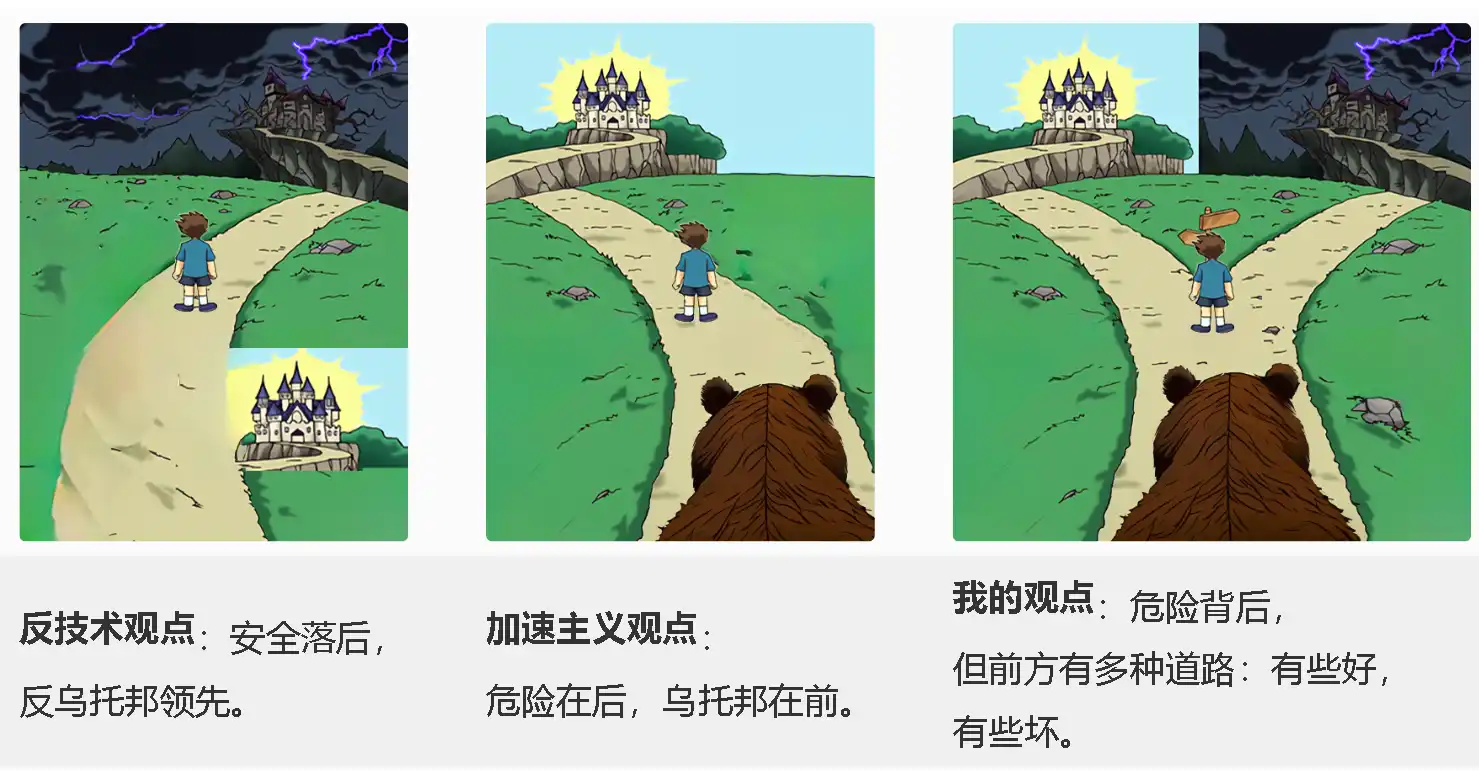
In this article, I will explore the significance of technological optimism to me. This includes inspiring my worldview in broader areas of work such as certain types of blockchain and cryptography applications, social technology, and other scientific fields that I have expressed interest in. However, different perspectives on this broader issue also have important implications for artificial intelligence and many other fields. Our rapid technological progress is likely to become the most important social issue of the 21st century, so it is important to think carefully about them.
Technology is truly amazing, and delaying its development may come at a very high cost.
In some fields, people generally underestimate the benefits of technology, seeing it mainly as a source of utopia and potential risks. In the past half century, this view has often been rooted in environmental concerns or fears that the benefits of technology will only flow to the rich, thereby consolidating their power over the poor. Recently, I have also noticed some liberals expressing concerns about certain technologies, fearing that they will lead to the concentration of power. This month, I conducted some research and asked the following question: If a technology needs to be restricted because it is too dangerous, would they prefer it to be monopolized or delayed for ten years? To my surprise, people unanimously and strongly chose to delay it among three platforms and three options about the identity of the monopolist.
Therefore, sometimes I worry that we may have over-corrected, and many people have overlooked the other aspect of the debate: the benefits of technology are indeed enormous, and in the fields we can measure, the positive effects far outweigh the negative effects, and even the cost of delaying by ten years is difficult to estimate.
For example, let's take a look at a life expectancy chart:
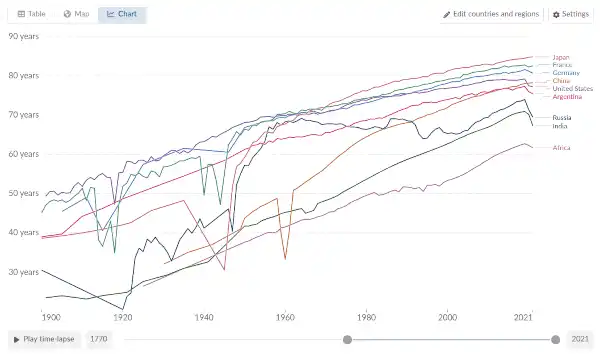
We see what? In the past century, real progress has been made. This applies to the whole world, whether it is historically rich and dominant regions or poor and exploited regions.
Some people blame technology for creating or exacerbating disasters, such as totalitarianism and war. In fact, we can see from the charts the deaths caused by war: during World War I (1910s) and World War II (1940s). Upon closer inspection, we can also see non-military disasters such as the Spanish flu and the Great Leap Forward. But the charts clearly show one thing: even disasters as terrifying as those are all engulfed by the enormous scale of continuous improvement in food, hygiene, medicine, and infrastructure achieved in that century.
This is consistent with the significant improvements in our daily lives. Thanks to the Internet, most people around the world can now easily access information that was difficult to obtain twenty years ago. With the improvement of international payments and finance, the global economy has become more accessible. Global poverty is rapidly decreasing. With online maps, we no longer have to worry about getting lost in the city, and we now have a more convenient way to call a car if we need to get home quickly. Our assets are becoming digital, and physical items are becoming cheaper, which means we no longer worry too much about physical theft. Online shopping has reduced the inequality in access to goods between major cities and other parts of the world. In every aspect, automation brings us the underestimated benefit of simply making our lives more convenient.
These improvements, whether quantifiable or not, are huge. And in the 21st century, even greater improvements are likely to come soon. Today, ending aging and disease still seems like a utopian concept. But from the perspective of computers since 1945, the modern era of embedding chips in almost everything was also once a utopia: even the computers in science fiction movies were usually the size of a room. If the progress of biotechnology in the next 75 years is as huge as that of computers in the past 75 years, the future may be even more impressive than almost anyone's expectations.
At the same time, some arguments that express doubt about progress often lead to dark directions. Even medical textbooks, such as this book from the 1990s (thanks to Emma Szewczak for finding it), sometimes put forward extreme claims that deny the value of two centuries of medical science, and even argue that saving human lives is not a good thing:

The 'Limits to Growth' theory was proposed in the 1970s, suggesting that the continuous growth of population and industry would eventually deplete the earth's finite resources, leading to China's one-child policy and India's large-scale forced sterilization. In the early days, concerns about overpopulation were used to justify mass killings. However, these theories, which have been proposed since 1798, were proven wrong for a long time.
For these reasons, as a starting point, I am very uneasy about the argument of slowing down technology or human progress. Considering the close connections between various fields, even field-specific deceleration is dangerous. Therefore, when I write down what I will say later in this article, I am making these comments with a heavy heart, far away from the open-minded stance towards progress in any form. However, the 21st century is so different and unique that these nuances are worth considering.
That being said, when it comes to broader questions, especially when we move beyond the notion that "technology is good overall" and towards "which specific technologies are good?", there is an important subtle difference to point out: the context.
Importance of Environment and Coordination Willingness
Over the past century, almost every aspect has made progress except for climate change:
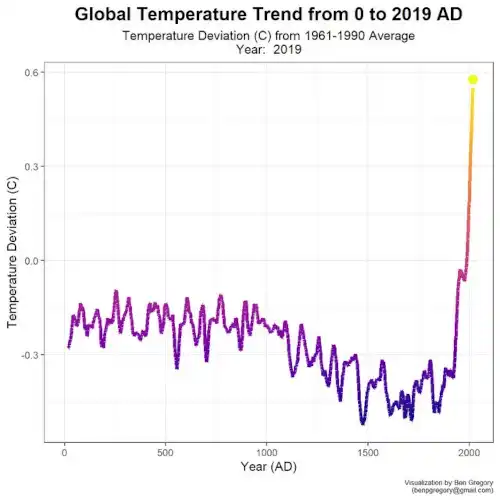
Even in the most pessimistic scenarios of rising temperatures, it is unlikely to lead to the actual extinction of humanity. However, such scenarios could result in more deaths than major wars and seriously damage the health and livelihoods of those already most affected regions. A study by the Swiss Re Institute suggests that the worst climate change scenarios could lead to a 25% decline in the gross domestic product of the world's poorest countries. The study also indicates that life expectancy in rural India could be reduced by ten years from its original expectancy, and similar studies suggest that climate change could lead to an additional one hundred million deaths by the end of this century.
These issues are very serious. I have two reasons to be optimistic about our ability to overcome these challenges. Firstly, after decades of exaggeration and wishful thinking, solar energy has finally reached a turning point, and supporting technologies such as batteries are also making similar progress. Secondly, we can look at the record of human beings in solving previous environmental problems. Take air pollution as an example. We have seen the past dystopia: the Great Smog of London in 1952.

What has happened since then? We asked Our World In Data again:
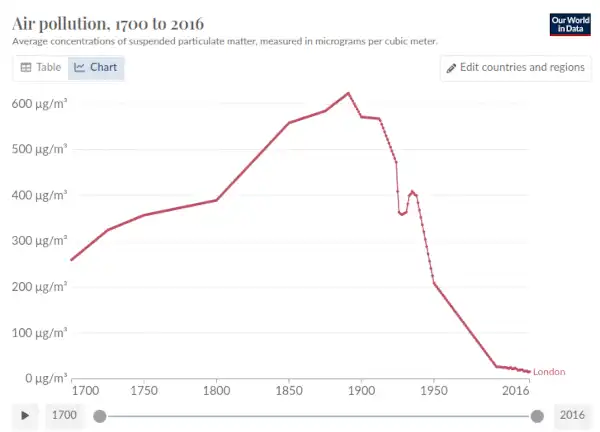
It turns out that 1952 was not even the peak of air pollution: in the late 19th century, there were even higher concentrations of air pollutants, which were considered normal and acceptable. Since then, we have witnessed a century of continuous and rapid decline. I experienced this process firsthand when I visited China in 2014 and the high concentration of smoke in the air was estimated to shorten life expectancy by more than five years, which was considered normal. However, by 2020, the air often looks as clean as many Western cities. This is not our only success story. Forest areas are increasing in many parts of the world. The acid rain crisis is improving. The ozone layer has been recovering for decades.
For me, this story tells us that usually, the Nth version of our civilized technology will indeed cause problems, and the N+1 version will solve it. However, this does not happen automatically, it requires conscious human effort. The ozone layer is recovering because we made it recover through international agreements such as the Montreal Protocol. Air pollution is improving because we made it improve. Similarly, the huge progress made in solar panels is not because it is destined to be part of the energy technology tree; the huge progress made in solar panels is because engineers have been inspired for decades by the importance of solving climate change, and their research has been funded by companies and governments. Solving these problems is a conscious action, achieved through public discussion and cultural shaping of the views of governments, scientists, philanthropists, and businesses, rather than by an unstoppable "technological capital machine".
Artificial intelligence is fundamentally different from other technologies and requires special caution
Many of the dismissive views on artificial intelligence that I have seen come from the perspective that it is just "another technology" - similar to social media, encryption, contraception, telephones, airplanes, firearms, printing, and wheels. These things clearly have significant societal impacts. They are not just isolated improvements to individual well-being: they fundamentally change culture, alter power balances, and harm those who are heavily reliant on previous orders. Many people are opposed to them. Overall, pessimists have without exception been proven wrong.
However, there is a different way of looking at artificial intelligence: it is a new type of thinking that is rapidly increasing its intelligence level. It has the potential to surpass human intelligence and become a new top species on Earth. There are far fewer things in that category: we may reasonably include humans surpassing monkeys, multicellular organisms surpassing single-celled organisms, the origin of life, and perhaps even the Industrial Revolution, in which machinery surpassed humans in physical strength. Suddenly, it feels like we are walking in a much less familiar territory.
Important to note that there are risks
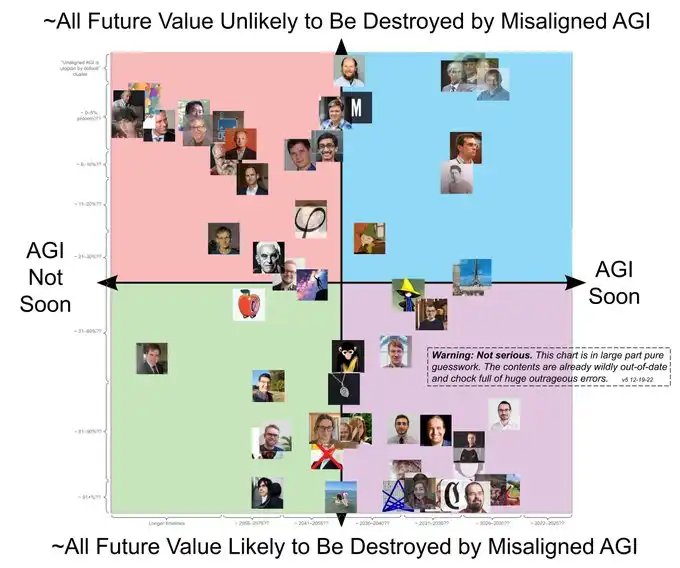
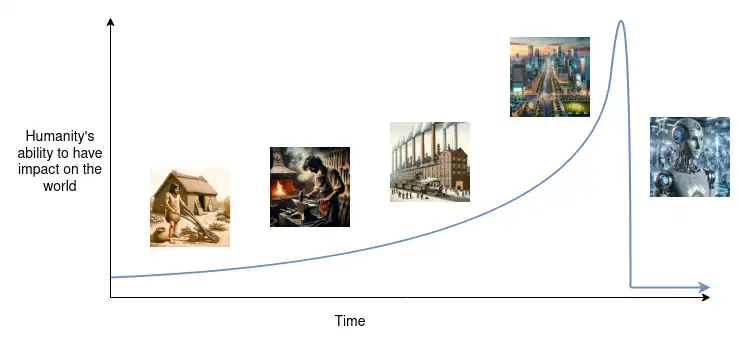
Digital authoritarianism has risen for a decade, and surveillance technology has provided powerful new strategies for authoritarian governments to suppress opposition: allowing protests to occur, and then detecting and quietly taking action against participants afterwards. More generally, I am basically concerned about management technologies similar to OpenAI, which will enable it to serve over 100 million customers with more than 500 employees, and will also enable a political elite of 500 people, or even a board of directors of 5 people, to maintain iron-fisted rule over the entire country. With modern surveillance technology to collect information, coupled with modern artificial intelligence to interpret it, there may be no hiding place anymore.
When we consider the consequences of artificial intelligence in war, the situation becomes even worse. The content of a semi-famous 2019 Sohu article has been translated. With modern surveillance technology to collect information, coupled with modern artificial intelligence to interpret it, there may be no hiding place anymore.
"The absence of political and ideological work as well as wartime mobilization" mainly means that the supreme commander of the war only needs to consider the situation of the war itself, like playing chess, without worrying about what the "knights" and "rooks" on the chessboard are currently thinking. War has become a pure technological competition.
Unlike in previous eras, there used to be some remote corners where an opponent of a regime could reorganize, hide, and eventually find a way to improve things. However, with the development of artificial intelligence in the 21st century, an authoritarian regime may be able to maintain enough "blockade" through sufficient monitoring and control of the world, and never change.
d/acc: Defense (or dispersion, or differentiation) accelerationism
除了我对 AI 相关的担忧外,我对 e/acc 对军事技术的热情感到特别矛盾。在当前 2023 年的情境中,这项技术是由美国制造并立即应用于保卫乌克兰,很容易看出它可以是一种善的力量。然而,从更广泛的视角来看,对现代军事技术的热情似乎要求相信主导技术力量将在大多数冲突中始终是好人,无论是现在还是将来:军事技术是好的,因为军事技术是由美国建造和控制的,而美国是好的。是 e/acc 就要成为美国至上主义者吗?要将所有筹码押在政府现在和未来的道德以及国家未来的成功上吗?
On the other hand, I see new ways to think about how to reduce these risks. OpenAI's governance structure is a good example: it seems to be a well-intentioned effort to balance the need for profitability to satisfy the investors who provide initial capital, while also hoping to resist actions that could destroy the world by establishing a balancing mechanism. However, in practice, their recent attempt to dismiss Sam Altman makes this structure look like a complete failure: it concentrates power in an undemocratic, irresponsible board of five people who make critical decisions based on secret information and refuse to provide any detailed reasoning before being threatened. Somehow, the non-profit board has performed so poorly that the company's employees have created an impromptu de facto union to support the billionaire CEO instead of them.
In many ways, I have seen too many plans to save the world that involve giving extreme and opaque power to a very small number of people, and hoping that they will use this power wisely. Therefore, I find myself inclined towards a different philosophy, one that has detailed ideas about how to deal with risk, but seeks to create and maintain a more democratic world and tries to avoid centralization of power as the preferred solution to problems. This philosophy also extends far beyond AI, and I will use the name d/acc to refer to this philosophy.
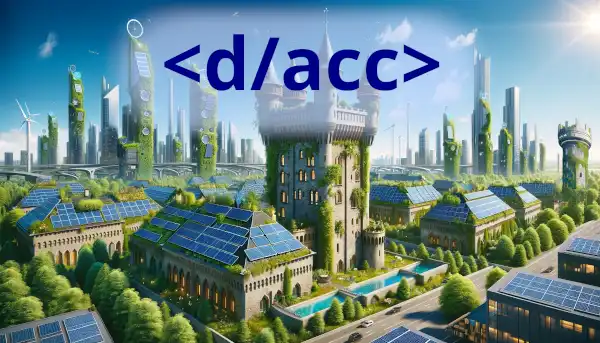
dacc3
Here, "d" can represent many things, especially defense, decentralization, democracy, and difference. First, considering it as defense, we can then examine its relationship with other interpretations.
Defensive world conducive to healthy and democratic governance
One way to consider the macro consequences of technology is to look at the balance between defense and offense. Some technologies make it easier to attack others, broadly speaking: to do things that go against their interests and make them feel the need to react. Other technologies make defense easier, even without relying on large centralized actors.
A world that leans towards defense is a better world, and there are many reasons for this. First and foremost, there are direct benefits to safety: fewer deaths, less economic value lost, and less time wasted on conflicts. However, what is often overlooked is that a world that leans towards defense makes it easier for healthier, more open, and more respectful forms of governance to thrive.
One obvious example is Switzerland. Switzerland is often considered the country in the real world that is closest to the classical liberal governance utopia. A large amount of power is delegated to provinces (called "states"), and major decisions are made by national referendums. Many locals don't even know who the president is. How does such a country survive under extremely challenging political pressures? Part of it is due to excellent political strategies, but another part is due to its mountainous terrain forming very defensive geographical conditions.

The national flag is a great advantage, but so is the mountain.
In James C. Scott's new book "The Art of Not Being Governed," the widely discussed anarchist society of Zomia is another example: they largely maintain their freedom and independence, largely due to the mountainous terrain. Meanwhile, the Eurasian steppe is a counter-example of a utopia of governance. Sarah Payne's discussion of maritime powers and continental powers also touches on similar points, although she focuses more on viewing water as a defensive barrier rather than mountains. In fact, the combination of easy voluntary trade and difficult forced invasion seems to be an ideal condition for human prosperity, as seen in Switzerland and island nations.
When I was providing advice for the Gitcoin Grants funding round within the Ethereum ecosystem, I discovered a related phenomenon. In the fourth round, a clown show erupted because some of the most profitable beneficiaries were Twitter influencers, whose contributions were seen as positive by some and negative by others. My interpretation of this phenomenon is that there is an imbalance: secondary funding allows you to indicate that you believe something is in the public interest, but it does not provide a way to indicate that something is a public harm. In extreme cases, a completely neutral secondary funding system would fund both sides of a war. Therefore, in the fifth round, I proposed that Gitcoin should include negative donations: you pay $1 to reduce the amount of funding a project receives (and implicitly redistribute it to all other projects), which many people were unhappy about.
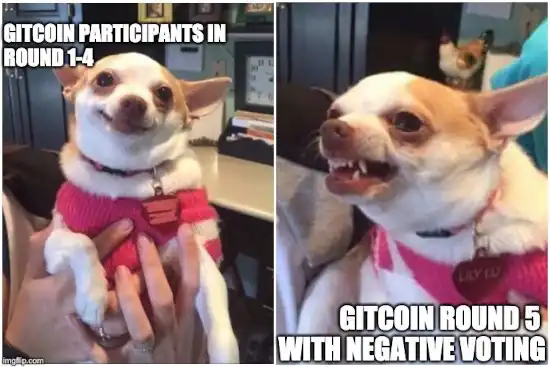
One of the many memes that circulated after the fifth round.
For me, this seems to be a microcosm of a larger pattern: creating decentralized governance mechanisms to deal with negative externalities is a very difficult problem in society. The classic example of decentralized governance gone wrong is often crowd justice. There is something about human psychology that makes dealing with negative issues more difficult and more likely to result in serious problems, rather than dealing with positive things. That's why even in highly democratic organizations in other respects, the power to decide how to deal with negative issues is usually left to a central committee.
In many cases, this dilemma is one of the deep reasons why the concept of "freedom" is so valuable. If someone says something that displeases you, or lives in a way that you find annoying, the pain and disgust you feel are real, and you may even feel that being physically attacked is not as bad as being exposed to these things. But trying to reach a consensus on what is socially acceptable and what is not may bring more costs and dangers than reminding ourselves that some weirdos and assholes are the price we pay for living in a free society.
However, at other times, the "swallowing one's anger" approach is impractical. In this case, another answer worth considering is defensive technology. The more secure the Internet is, the less we need to invade people's privacy and use improper international diplomatic means to deal with each individual hacker. The more personalized tools we can build to prevent people on Twitter, tools to detect fraud in browsers, and collective tools to distinguish between rumors and truths, the less we need to argue about censorship. The faster we produce vaccines, the less we need to deal with super spreaders. These solutions are not applicable in all areas - of course, we do not want to see a world where everyone has to wear real bulletproof vests - but in areas where we can use technology to make the world more defensive, doing so has tremendous value.
This core idea, that some technologies are advantageous for defense and worth promoting, while others are advantageous for offense and should be suppressed, has its roots in effective altruism literature that appears under different names: differential technological development. In 2022, researchers at the University of Oxford provided a good exposition of this principle:
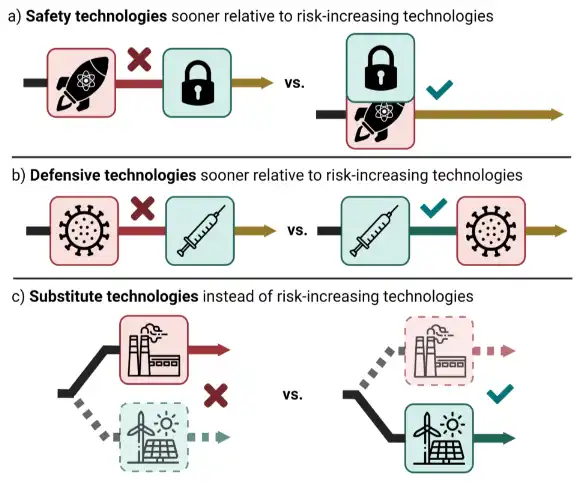
Figure 1: Mechanism of differentiated technology development to reduce negative social impact.
When classifying technology as offensive, defensive, or neutral, there will inevitably be imperfections. Just like "freedom," people can debate whether social democratic government policies increase or decrease freedom through heavy taxation and forcing employers to lower wages, or by reducing the concerns of ordinary people about many risks, just like "freedom," "defense" also has some technologies that may be at both ends of the spectrum. Nuclear weapons are advantageous for offense, but nuclear energy is beneficial to human prosperity and is neutral between offense and defense. Different technologies may play different roles over different time frames. But just like "freedom" (or "equality" or "rule of law"), the fuzzy edges are not arguments against the principle, but an opportunity to better understand its subtleties.
Now, let's see how to apply this principle to a more comprehensive worldview. We can view defense technology as we do other technologies, divided into two fields: the atomic world and the bit world. The atomic world can be further divided into the microscopic (i.e. biology, later nanotechnology) and macroscopic (i.e. what we traditionally think of as "defense," but also includes resilient physical infrastructure). I divide the bit world along different axes: who the attacker is can be agreed upon in principle, sometimes easily; I call this network defense. At other times, it is more difficult; I call this information defense.
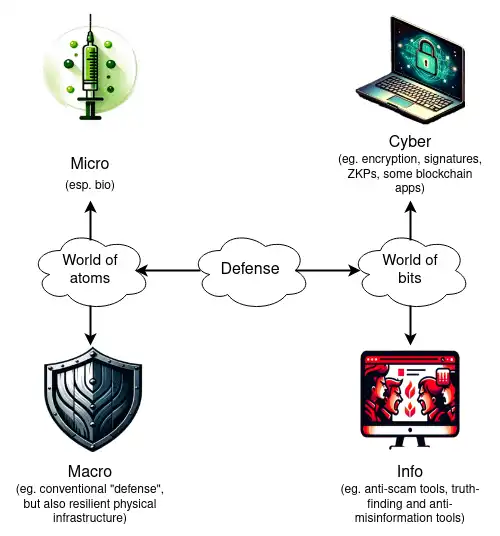
Macroscopic Physical Defense
In the macro field, the most underestimated defense technology is not Iron Dome (including Ukraine's new system) and other anti-technology and anti-missile military hardware, but resilient physical infrastructure. Most deaths in a nuclear war may come from supply chain disruptions, rather than initial radiation and shock, and low-infrastructure internet solutions like Starlink have been crucial in maintaining Ukraine's connectivity over the past year and a half.
Building tools to help people survive or even live comfortably independently or semi-independently in long international supply chains seems to be a valuable defensive technology with low risk for use in attacks.
The mission of making humanity a multi-planetary civilization can also be viewed from the perspective of d/acc: at least some people can live self-sufficiently on other planets, which can increase our resilience to terrible events on Earth. Even if the complete vision seems unfeasible at present, the self-sufficient living forms that need to be developed for this project are likely to help improve our civilization's resilience on Earth as well.
Microscopic Physical Defense (also known as Biological Defense)
Especially due to its long-term health effects, Covid remains a concerning issue. However, Covid is far from the last major epidemic we will face; many aspects of the modern world make it likely that more epidemics are on the horizon:
Using open source data analysis for early detection of epidemics (such as EPIWATCH).
Other promising research areas include wastewater monitoring for pathogens, improving building filtration and ventilation, and better understanding and mitigating risks caused by air pollution.
There is an opportunity to build a world that is more resistant to natural and artificial airborne epidemics by default. This world will have a highly optimized process that can automatically detect outbreaks of epidemics. People around the world can obtain targeted, locally manufactured, and verifiable open-source vaccines or other preventive measures within a month. These can be administered through nebulization or nasal spray (i.e., self-administered without injection when needed). At the same time, better air quality will significantly reduce the transmission rate and prevent many epidemics from being killed in the early stages.
Network Defense, Blockchain, and Cryptography
The device is equipped with a trusted hardware chip, which actually creates a smaller, highly secure operating system inside the user's phone, even if the rest of the phone is attacked by hackers. These chips are increasingly being explored as a way to create more secure encrypted wallets and are part of many use cases.
Strengthening operating systems. GrapheneOS for mobile devices exists and is highly usable. QubesOS for desktop devices also exists; in my experience, its usability is slightly lower than Graphene's, but it is improving.
Zero-knowledge proofs can be used for privacy, allowing users to prove facts about themselves without revealing personal information. For example, signing a digital passport with ZK-SNARKs can prove that you are the only citizen of a country without revealing which citizen you are. Similar technologies can allow us to reap the benefits of privacy and anonymity - features that are widely considered necessary for applications such as voting - while still providing security guarantees and combating spam and bad actors.
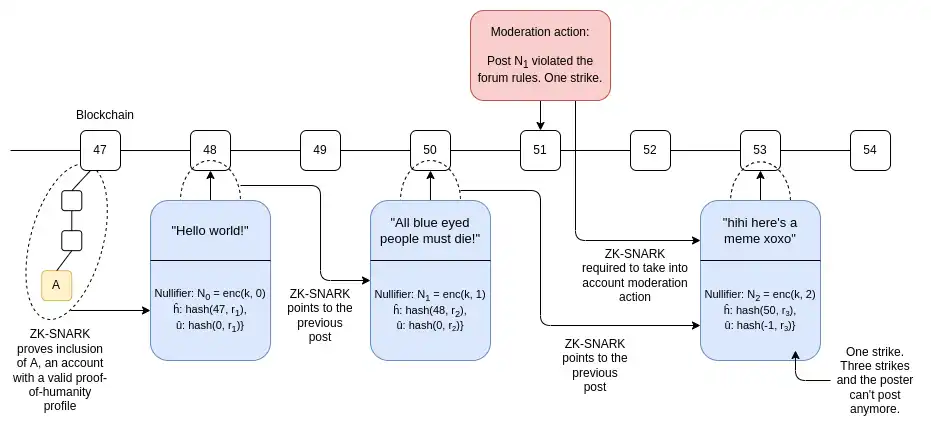 Zupass is an excellent example of practical application incubated by Zuzalu. It is an application that has been used by hundreds of people in Zuzalu and recently by thousands of people for Devconnect's ticketing. It allows you to hold tickets, membership qualifications, (non-transferable) digital collectibles, and other proofs related to them without revealing any privacy. For example, you can prove that you are the only registered resident of Zuzalu or the ticket holder of Devconnect without revealing any other information about yourself. These proofs can be displayed face-to-face or digitally through QR codes to log in to applications such as Zupoll, an anonymous voting system open only to Zuzalu residents.
These technologies are excellent examples of the d/acc principle: they allow users and communities to verify trustworthiness without leaking privacy, and protect their security without relying on centralized chokepoints that impose their own definitions of who is good and who is bad. They improve global accessibility by creating a better and fairer way to protect the security of users or services than the discriminatory approach of treating entire countries as untrustworthy, which is commonly used today. These are very powerful building blocks that may be necessary if we hope to preserve the decentralized vision of information security as we enter the 21st century. More broadly, defensive technologies dedicated to cyberspace can play a very important role in making the Internet more open, secure, and free in the future.
Information Defense
Information defense is the network defense I describe, which deals with situations where it is easy for reasonable humans to reach a consensus on the identity of attackers. If someone tries to invade your wallet, everyone easily agrees that the hacker is a bad person. If someone tries to launch a DoS attack on a website, everyone easily assumes they are malicious and morally different from ordinary users trying to read the website content. There are other situations where the boundaries are more blurred. I call the tools that improve our defense in these situations "information defense".
Take fact-checking (also known as preventing "misinformation") as an example. I really like Community Notes, which has made a lot of contributions in helping users identify the truth and falsehood in other users' tweets. Community Notes uses a new algorithm that displays notes that have received the most user recognition on the political spectrum, rather than showing the most popular notes.

The practical application of community annotations.
I am also a fan of market prediction, which can reveal the importance of events in real time before the direction of development is clear and a consensus is reached. For example, Polymarket by Sam Altman provided very useful summaries during the hourly event disclosure and negotiations, providing much-needed background for those who only saw individual news items and did not understand the importance of each project.
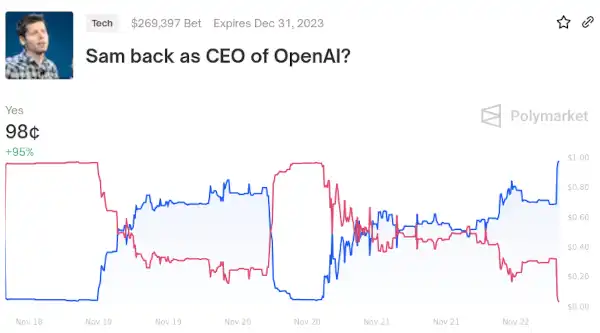
The prediction market often has flaws, but Twitter opinion leaders who are willing to confidently express what they think will happen in the next year are often more flawed. There is still a lot of room for improvement in the prediction market. For example, the trading volume of prediction markets for events other than the most well-known events is generally low; the natural direction to solve this problem is to introduce prediction markets involving artificial intelligence.
In the field of blockchain, I believe we need a specific type of information defense. That is to say, wallets should be more insightful and proactive in helping users determine the meaning of what they are signing and protecting them from fraud and scams. This is an intermediate case: what is a scam and what is not a scam is less subjective than opinions on controversial social events, but more subjective than distinguishing legitimate users from DoS attackers or hackers. Metamask already has a fraud database and automatically blocks user access to fraudulent websites.
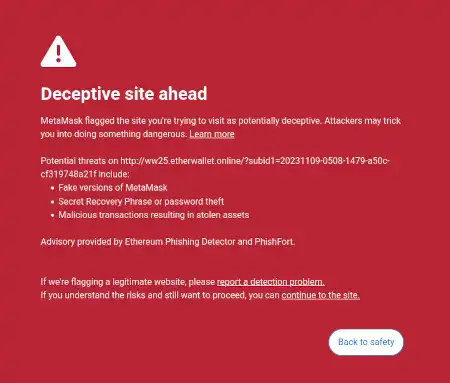
Applications like Fire are an example of a more advanced approach. However, security software should not be something that needs to be explicitly installed; it should be the default setting for encrypted wallets and even browsers.
Due to the subjectivity of information defense, it is inherently more collective than network defense: you need to connect to a large and complex population in some way to determine what information may be true or false, and what applications are fraudulent Ponzi schemes. Developers have the opportunity to make greater progress in developing effective information defense and strengthening existing forms of information defense. Things like Community Notes can be included in browsers, covering not only social media platforms but the entire internet.
超越「防御」框架的社会技术
"Beyond the 'Defense' Framework of Social Technology"
One good example of this is pol.is, which uses an algorithm similar to Community Notes (and predates Community Notes) to help communities identify points of consensus among different subgroups, which may have disagreements in many aspects. Viewpoints.xyz is inspired by pol.is and has a similar spirit:
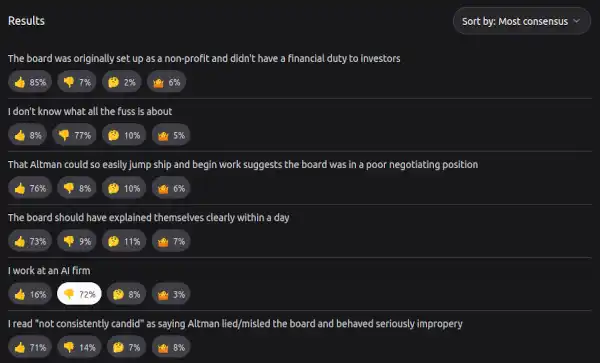
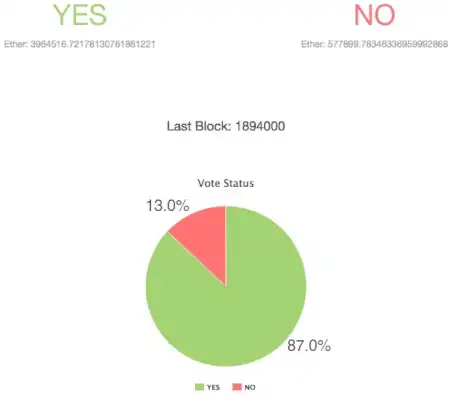
Carbonvote on the DAO fork.
This tool can be used by any community to make higher quality decisions, find common ground, coordinate (entity or digital) migration, or perform other actions without relying on opaque central leadership. This is not defense acceleration itself, but it can be called democratic acceleration. Such tools can even be used to improve and democratize the governance of key actors and institutions working in the field of artificial intelligence.
So what is the path forward for superintelligence?
Now, everything seems to be going well, which may make the world more harmonious, safer, and freer in the next century. However, this still doesn't solve the elephant in the room: super intelligent artificial intelligence.
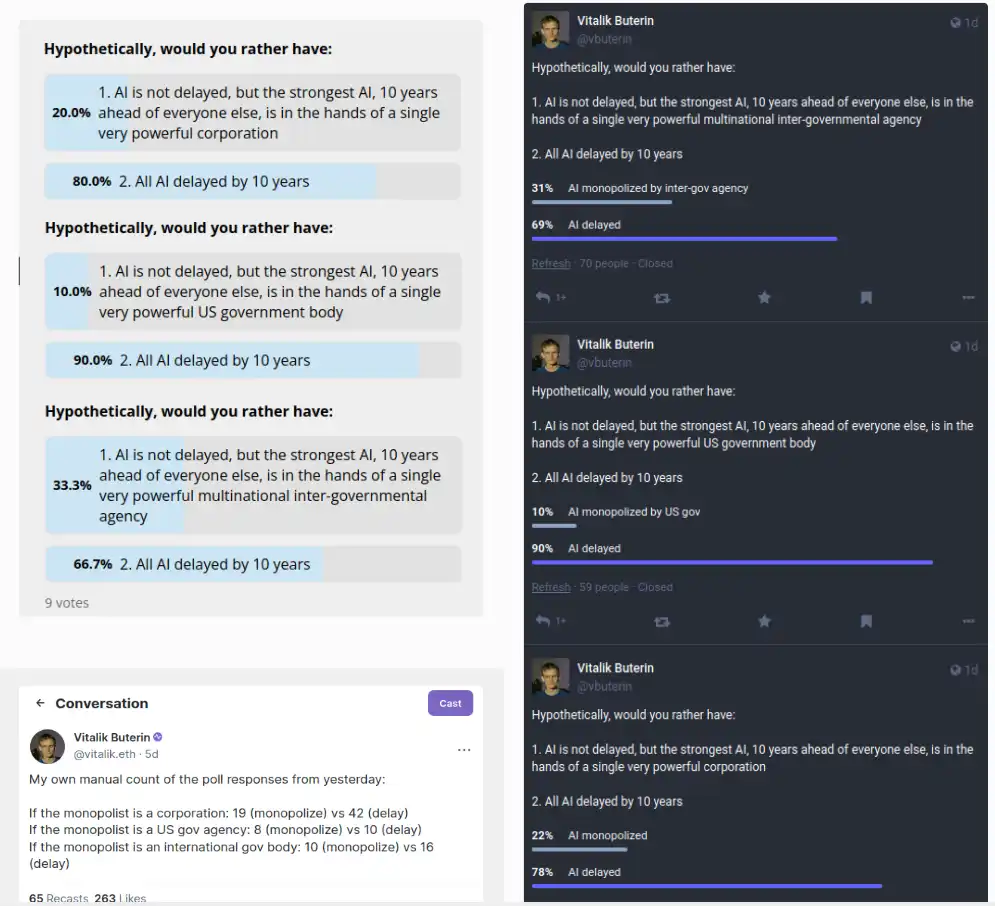
Although the scale of each vote is small, the consistency of the results in the wide range of information sources and options makes up for the lack of scale. In nine votes, in all nine cases, most people would rather see highly advanced artificial intelligence postponed for ten years rather than monopolized by a single group, whether it is a company, government, or multinational organization. In seven of the nine votes, the proportion of those who prefer postponement is at least two to one. This seems to be an important fact that anyone pursuing artificial intelligence regulation should understand. Current methods have been working to create licensing schemes and regulatory requirements, trying to limit the development of artificial intelligence to fewer hands, but these methods have been widely opposed because people do not want to see anyone monopolize such a powerful thing. Even though such top-down regulatory proposals reduce the risk of extinction, they increase the chance of permanent concentration in centralized authoritarianism. Paradoxically, would completely banning research on extremely advanced artificial intelligence (perhaps with exceptions for biomedical artificial intelligence) and taking mandatory open source measures be more popular as a way to reduce profit motives and further increase access equality for those models that are not banned?
Opponents of the approach of "letting a global institution handle artificial intelligence and ensuring its governance very well" prefer the main method of polytheistic artificial intelligence: intentionally ensuring that many people and companies develop a large number of artificial intelligence, so that none of them becomes more powerful than others. The theory is that even if artificial intelligence becomes super intelligent, we can still maintain a balance of power.
This philosophy is interesting, but my experience in trying to ensure "polytheism" within the Ethereum ecosystem has made me concerned that this is a fundamentally unstable equilibrium. In Ethereum, we intentionally try to decentralize in many ways: ensuring no codebase controls more than half of the proof-of-stake network, resisting the dominance of large stake pools, improving geographic decentralization, and so on. Essentially, Ethereum is actually trying to execute an old liberal dream of a market-based society that uses social pressure rather than government as an antitrust regulator. To some extent, this has been successful: the dominance of the Prysm client has dropped from over 70% to below 45%. But this is not some automatic market process: it is the result of human will and coordinated action.
My experience in Ethereum is consistent with my learning experience in the whole world, where many markets have been proven to be natural monopolies. As super intelligent artificial intelligence becomes independent of human action, the situation becomes even more unstable. Due to recursive self-improvement, the most powerful artificial intelligence may quickly take the lead, and once artificial intelligence becomes more powerful than humans, there is no force that can rebalance things.
In addition, even if we do establish a stable multi-theistic world of super-intelligent artificial intelligence, we still face another problem: we have created a universe where humans become pets.
A Happy Path: Merging with Artificial Intelligence?
Recently, I heard about another option which is to view artificial intelligence less as something separate from humans, and instead focus more on enhancing human cognition rather than replacing it with a tool.
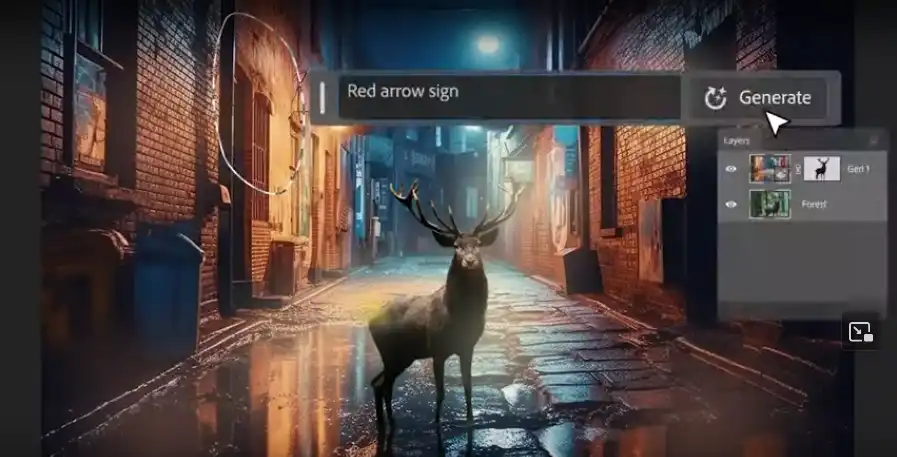
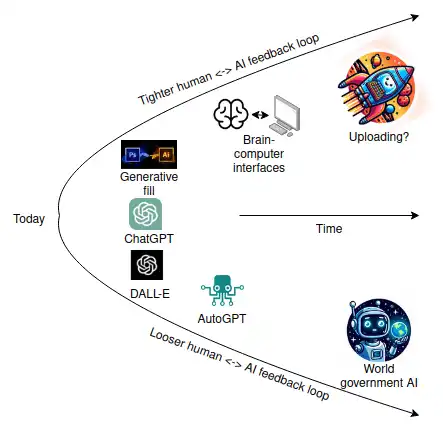
If we want a future that is both super-intelligent and "humanized", a future where humans are not only pets but also retain meaningful agency over the world, then choices like this seem the most natural. There are many reasons to support this approach: by involving human feedback at every step of the decision-making process, we reduce the motivation to shift high-level planning responsibility onto AI itself, thereby reducing the possibility of AI executing actions that are completely at odds with human values.
d/acc 是否与你现有的理念相符呢?
Translation:
d/acc, does it align with your existing beliefs?
If you are e/acc, then d/acc is a sub-type of e/acc, with more selectivity and consciousness.
If you are a pluralist, according to Glen Weyl's definition, then d/acc is a framework that can easily accommodate better democratic coordination technology emphasized by pluralism.
If you are a public health advocate, then the idea of d/acc can provide inspiration for a broader long-term vision and provide an opportunity for you to find common ground with "techies" who may be different from you in other ways.
If you are a moon punk, then you will appreciate the emphasis on information defense by d/acc, through maintaining privacy and freedom.
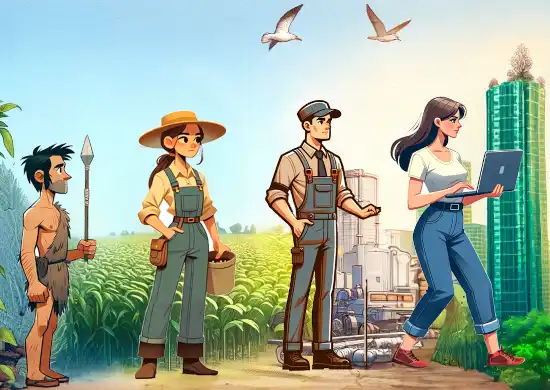
Yes, humans often behave cruelly, but we more often show kindness and compassion, working together for our common good. Even during times of war, we usually take care to protect civilians - of course, not enough, but more than 2000 years ago. In the next century, there may be widely available non-animal-based meat, eliminating the biggest moral disaster for which humans can be rightfully criticized today. Non-human animals won't do this. There is no situation in which a cat will adopt a whole way of life that refuses to eat mice as an ethical principle. The sun is getting brighter every year, and in about a billion years, it is expected to make the Earth too hot to sustain life. Will the sun consider the extinction it is about to cause?
Therefore, I firmly believe that in the universe we know and have seen, we humans are the brightest stars. We are the only thing we know of that, even if imperfect, sometimes sincerely strives to care for "good" and adjust our behavior to better serve it. Two billion years from now, if any part of the Earth or the universe still possesses the beauty of Earth's life, it will be a work of art by humans, made possible by space travel and Earth engineering.
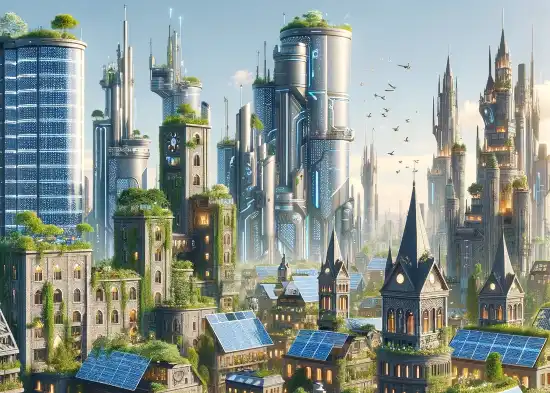
We need to build and accelerate. But there is a very real question to ask: what are we accelerating towards? The 21st century is likely to be a critical century for humanity, determining our fate for thousands of years to come. Are we falling into one of the traps that we cannot escape from, or are we finding a path to a future that preserves freedom and agency? This is a challenging question. But I look forward to observing and participating in the grand collective effort of our species to find the answer.
Welcome to join the official BlockBeats community:
Telegram Subscription Group: https://t.me/theblockbeats
Telegram Discussion Group: https://t.me/BlockBeats_App
Official Twitter Account: https://twitter.com/BlockBeatsAsia

 Related Articles