Arthur Hayes: Crypto bull market will come as USD liquidity rises

Original Title: "Bad Gurl"
Author: Arthur Hayes
Translated by: Kate, Mars Finance
Editor's Note:
BitMEX co-founder and former CEO Arthur Hayes has published a new article titled "Bad Gurl," which introduces how US Treasury Secretary Janet Yellen and her plans will drive the BTC bull market. Janet Yellen is described as a "Bad Gurl" in the article.
"Bad Gurl" is a symbol of participants who use non-traditional, radical, or innovative methods in trading and investment. They are willing to take high risks and use aggressive strategies to make profits, and their behavior can significantly affect market trends and fluctuations, often causing significant market fluctuations. "Bad Gurl" may use a variety of strategies and tactics, including high-frequency trading and speculative investment. Currently, there are fluctuations and certain market patterns in the market, and "Bad Gurl" can influence these trends, thereby strengthening and stabilizing the market situation.
With the rapid development of the cryptocurrency market, investors and market observers are paying more and more attention to the financial situation in this field. In this article, Arthur Hayes deeply analyzes the latest trends in the cryptocurrency market and the key factors that affect its trend, including policy regulation, technological innovation, and market participant behavior. In addition, the article also emphasizes the risks and challenges of the cryptocurrency market.
Although cryptocurrencies provide investors with new investment opportunities, their volatility and uncertainty also expose investors to higher risks. Therefore, before entering the cryptocurrency market, investors need to fully understand the market conditions, formulate appropriate investment strategies, and pay attention to changes in policy regulation and other aspects.
Arthur Hayes provides readers with a comprehensive analysis of the financial situation in the cryptocurrency market, helping people better understand the latest trends and development trends in this field.
Bad girl, sad girl, you're such a dirty bad girl
Beep beep, uh-huh
You bad girl, you sad girl, you're such a dirty bad girl
Beep beep, uh-huh
– Donna Summer
The worst bitch in the world, perhaps the true number two figure of peace in the United States, she looks like a scruffy dwarf. She no longer dances, perhaps never will, she makes money move. I'm talking about Janet Yellen, the US Treasury Secretary.
Bad girl Yellen, if she wants to, can unilaterally exclude individuals, companies, and/or entire countries from the US dollar global financial system. Considering that for most people, having dollars to buy primary energy (oil and gas) and food is essential, removing them from the peaceful financial system under US control is tantamount to a death sentence. She calls it sanctions, some call it a death sentence.
From a financial perspective, she is responsible for managing the regulatory framework that governs how the dirty legal financial system operates. As credit makes the world go round, and this credit comes from banks and other financial companies, her will has a significant impact on the global economic structure.
Her most important responsibility is to ensure that the US government obtains funding. When the US government's spending exceeds tax revenue, she is required to issue debt in a prudent manner. Given the enormous scale of the recent US government deficit, her role has become even more important.
But in the world of bad girl Yellen, not everything is good. Her child's father, US President Slow Joe, owes child support. Slow Joe, unlike a typical deadbeat dad, doesn't spend his wages on booze and strippers. Slow Joe is addicted to spending, blowing up far-off countries in pursuit of...who knows what. He's never met a conflict the empire's war machine shouldn't support. A proxy war in Ukraine against "evil" dictator Putin and the world's largest commodity exporter? Let's fucking go! Supporting Bombardier Bibi Netanyahu's action to level Gaza, permanently displacing millions and killing tens of thousands of Palestinians, even if that support could lead to war with the Persians? America!
Our guru Yellen publicly supports her boss, but privately she is busy ensuring that this empire can issue bonds at an affordable price to feed the children. Who are the children? The people born during the baby boom are getting older and sicker, and they need more and more healthcare products and other benefits. The military-industrial complex needs an ever-expanding defense budget to produce more bullets and bombs. Interest must be paid to wealthy depositors in order to fulfill promises to debt holders.
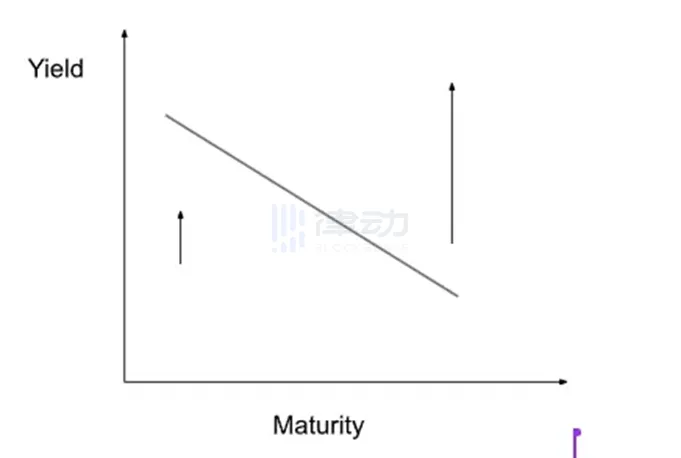
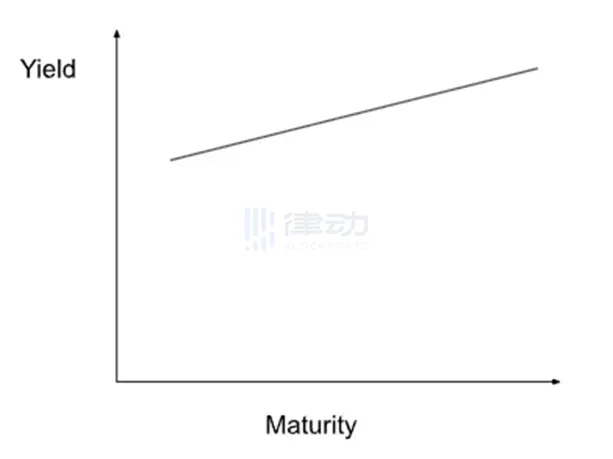
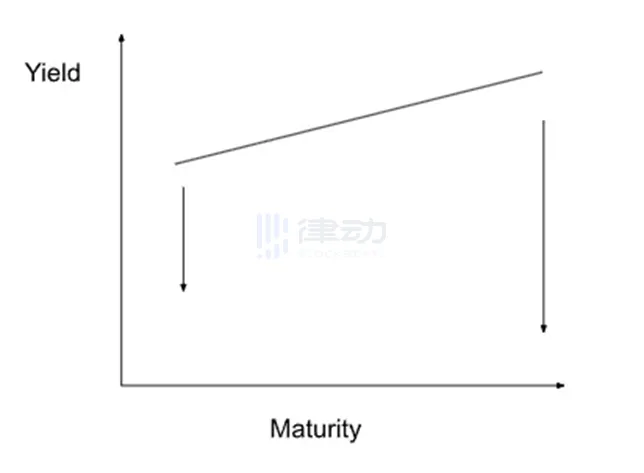
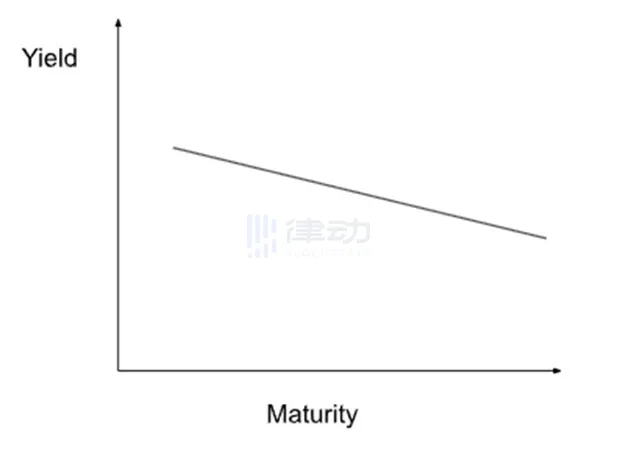
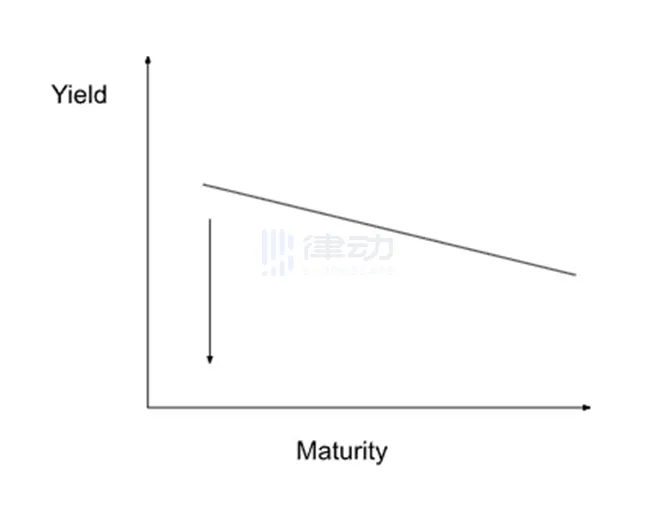
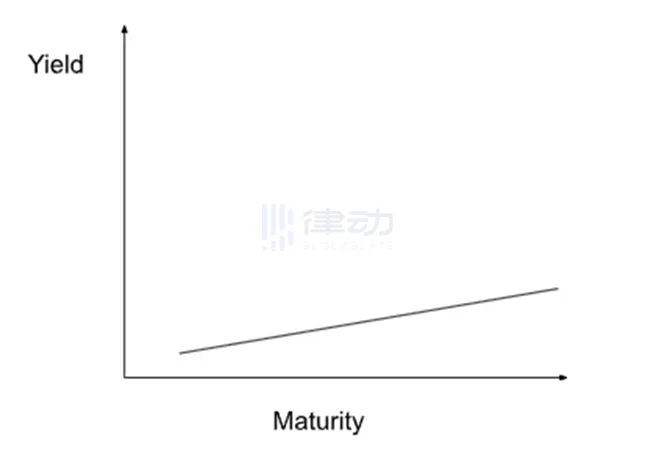
Yellen may be a bad woman, but the market doesn't buy it. The yield on long-term government bonds (maturity>10 years) is rising faster than short-term government bonds (maturity less than 2 years). This poses a fatal problem for the financial system, known as "bear market steepening". As I wrote in my previous article "the Periphery", this is why it is so harmful to the banking system.
What should she do to help the father of her child - this young father - reapply for welfare at the welfare office in November 2024? She needs to design a solution to buy time for the economy. So, here is Bad Girl Yellen's to-do list:
Inject liquidity into the system to boost stock prices. When the stock market rises, capital gains taxes increase, which helps pay some bills.
Deceive the market into thinking that the Federal Reserve will cut interest rates, thereby eliminating the selling pressure on non-"too big to fail" (TBTF) bank stocks, all of which are insolvent.
Make the market mistakenly believe that the Federal Reserve will cut interest rates, thereby creating demand for long-term debt.
Ensure that the injected liquidity is not too large, so as to avoid a surge in oil prices due to the weakening of the US dollar.
The Federal Reserve kept interest rates unchanged at its recent meeting and indicated that it will further pause rate hikes as it continues to assess the impact of previous hikes. Meanwhile, Yellen stated that the US Treasury will increase the issuance of short-term bills, which is exactly what the money market fund (MMF) hopes for. The MMF will continue to withdraw funds from the Fed's reverse repurchase program (RRP) and purchase government bonds, which injects net liquidity into the market.
The rest of this article will focus on elaborating my views and explaining why I believe the aforementioned policy will lead to the following outcomes:
1. Inject $1 trillion net liquidity into the global financial market, equivalent to the current size of RRP.
(A) This type of liquidity injection will drive up the US stock market, cryptocurrencies, gold, and other fixed supply financial assets.
(B) All other major central banks, such as the People's Bank of China (PBOC), Bank of Japan (BOJ), and European Central Bank (ECB), also print money because the current monetary environment in the United States is easing, allowing them to print money without weakening their own currencies.
2. The market believes that the yield curve of US Treasury bonds will become steeper in a bull market.
(A) It will prevent the market from selling off all non-TBTF bank stocks.
3. Once RPP is depleted by the end of 2024, the doomsday of the US Treasury market will be staged again.
鸭子和懦夫
translates to
Ducks and Cowards
The Chairman of the Federal Reserve, Powell, is a duck, and his wife is a bad girl Yellen. You may think that ducks have a humble status, but in Hong Kong, ducks live a comfortable and wealthy life. Many people say that Powell is a millionaire. But all the money cannot change the fact that he is at most Yellen's towel boy.
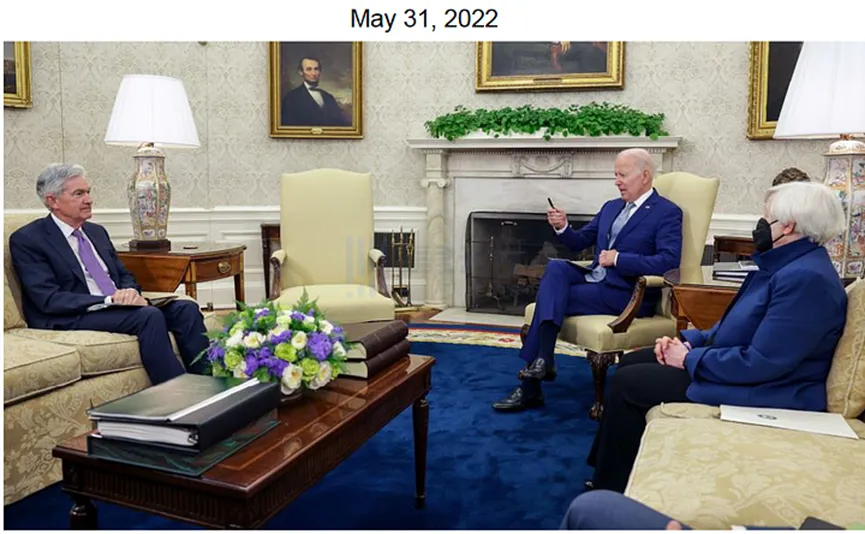
This is one of the most important pictures to understand the dynamics of the Empire's top power. Slow Joe and Yellen instruct "Duck Powell" to fight inflation at all costs.
The problem with raising interest rates to a level that restricts the economy is that it will destroy the banking system. Therefore, the Federal Reserve is playing a game where it pretends to fight inflation, but is always looking for a way to justify pausing its monetary tightening plan. The easiest (and most dishonest) way they achieve this goal is by fabricating misleading statistical data about inflation levels.
Government statistics on inflation are all nonsense. By downplaying inflation, they make people believe that their eyes are deceiving them at the cash register, which serves the government's interests. When you buy a loaf of bread, the price shock you feel is unreliable because the government tells you that inflation doesn't exist. To achieve this, bureaucrats create these representative baskets of goods to reduce the impact of rising food and energy prices. Misleading inflation statistics are calculated based on the price changes of this basket of goods.
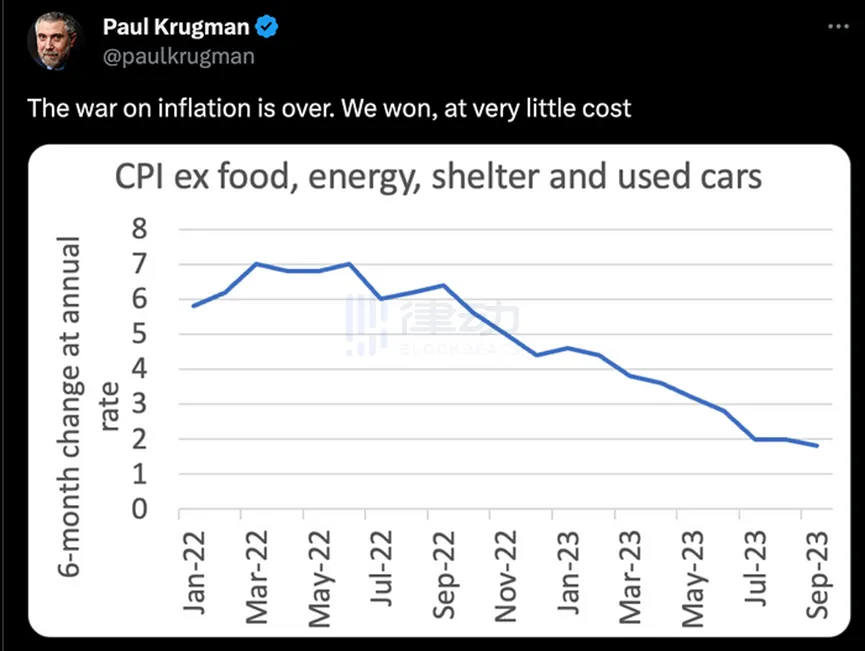
The Federal Reserve doesn't like high consumer price index (CPI), which includes food to fill the stomach and gasoline to drive cars, so they have done some fancy calculations. Interestingly, this led to the creation of core CPI, or what they like to call "core inflation". Core CPI does not include food and energy. However, if core CPI is too high, the Fed requires staff to remove non-temporary factors from core CPI to obtain a better (i.e. lower) measure of inflation. After doing more magical mathematical calculations, they created the multi-core trend index.
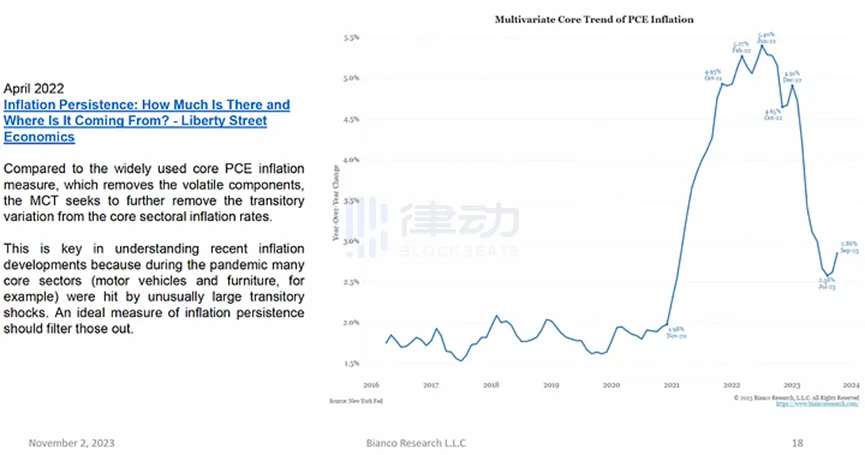
The problem is that all of these manipulated inflation indicators are above the Federal Reserve's target of 2%. What's worse is that these indicators seem to have bottomed out. If the Fed is really fighting inflation, then they should continue to raise interest rates until their vague inflation indicators reach 2%. But suddenly, Powell announced at the September press conference that the Fed will pause its rate hikes to observe the effects of its previous actions.
My suspicion is that Powell was stimulated by Yellen and was told that Mom wants him to pause again and signal to the market that the Fed will pause rate hikes until further notice. This is a clever policy response, that's my thought.
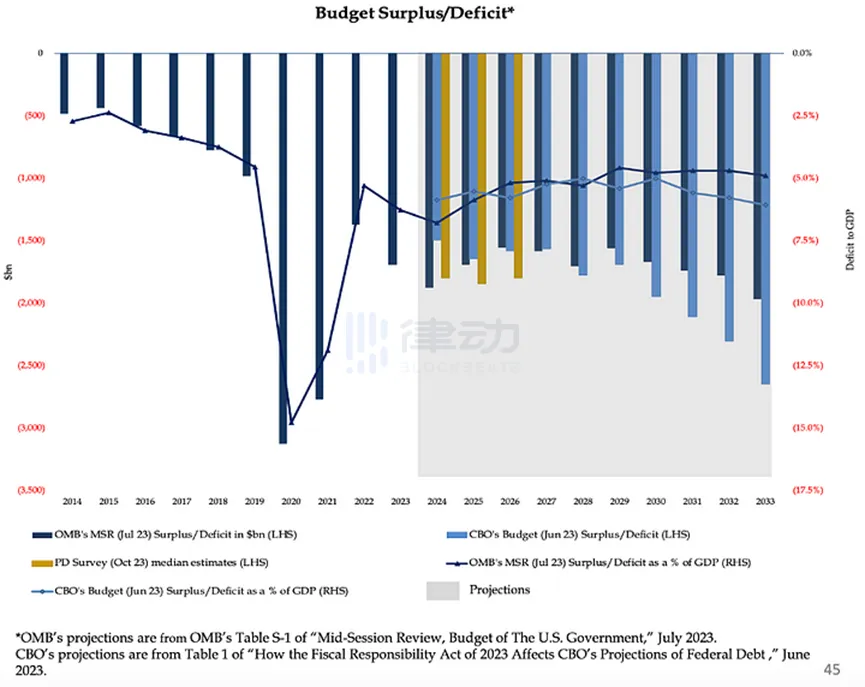
When the government uses net deficit spending, it drives net growth in GDP. This concept makes sense in theory - the government spends money to buy things and pay employees. However, the government also withdraws resources from the economy through taxation. Therefore, if government spending exceeds taxation, it will have a net stimulating effect on the economy.
If the government incurs a huge deficit, this means that nominal GDP will increase unless the private sector contracts an equal amount of the deficit. Government spending - or any spending for that matter - has a multiplier effect. Let's take an example that Slow Joe gave in his recent speech to the American public to illustrate the various conflicts in which the empire is involved.
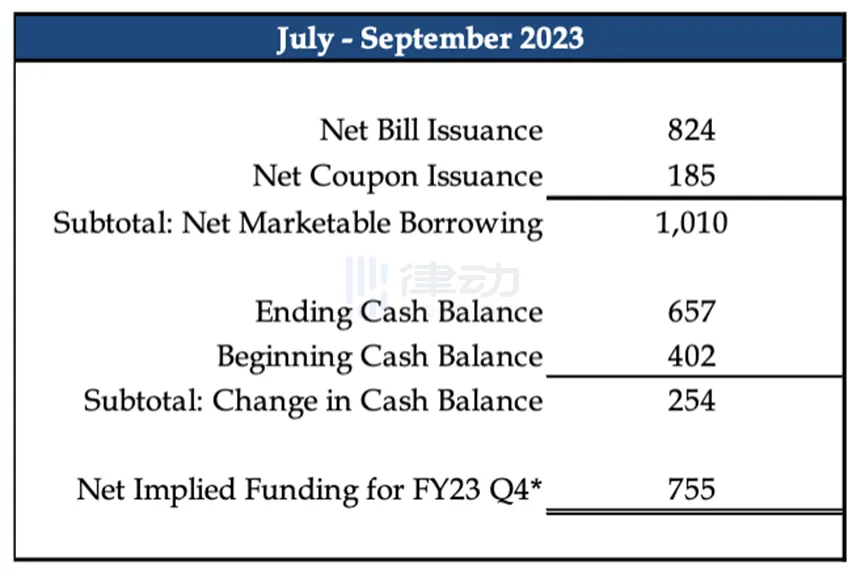

Yellen issued $824 billion in bills, and RRP decreased by $1 trillion. Success!
Please refer to my article on USD liquidity, "Teach Me Daddy," to fully understand why USD liquidity increases when RRP balances decrease. It should be noted that if Yellen increases the Treasury General Account (TGA), it will offset the positive liquidity shortfall caused by the decrease in RRP balances. The TGA is currently around $820 billion, higher than the target of $750 billion. Therefore, I do not believe the TGA will increase from now on - on the contrary, I think it may remain unchanged or decrease.
With the depletion of RRP, $1 trillion liquidity will be released into the global financial market. It may take up to six months to fully deplete the facility. This estimate is based on the rate of RRP decreasing from $2 trillion to $1 trillion, as well as predictions on bond issuance speed.
Before I continue discussing how these funds will enter the cryptocurrency, let me briefly introduce how other central banks may respond.
As more US dollars flow into the system, the price of the US dollar relative to other currencies should decrease. This is good news for Japan, China, and Europe, all of which are facing fiscal problems. They take different forms, but ultimately require printing money to support certain parts of the financial system and government bond markets. However, not all central banks are created equal. Because the People's Bank of China, the Bank of Japan, and the European Central Bank do not issue the global reserve currency, there are limits to how much they can print before their currencies depreciate relative to the US dollar. All of these central banks have been hoping and praying for the Federal Reserve to ease its monetary policy so that they can also ease their own.
These central banks can also relax their monetary policies because the policy of the Federal Reserve will have the greatest impact, as the amounts involved are truly incredible. This means that, relatively speaking, any money-printing actions by the People's Bank of China, the Bank of Japan, and the European Central Bank will have less impact than the Federal Reserve. When converted into currency, the Chinese yuan, Japanese yen, and euro will strengthen relative to the US dollar. They can print money to save their banking systems, support their government bond markets. Finally, energy imports priced in US dollars become cheaper. This is in stark contrast to recent situations where money printing led to their currencies depreciating against the US dollar, which in turn increased the cost of energy imports priced in US dollars.
The result is that, while injecting a large amount of US dollar liquidity, corresponding amounts of Chinese yuan, Japanese yen, and euros will also be injected. From now until the first half of 2024, the total amount of legal credit available globally will accelerate.
愚蠢和聪明的交易
translates to
Foolish and Smart Trading
Considering the liquidity of all legal currencies in the global market, what should people buy to outperform currency depreciation?
First of all, the stupidest thing a person can do is to buy long-term bonds with a buy-and-hold mentality. As long as RRP > 0, this positive liquidity situation will continue. When RRP = 0, all the problems with long-term bonds will reappear. The dumbest thing you can do is to buy long-term bonds, especially government bonds, and mentally prepare to hold them. Today you will experience a market return on the market, but at some point, the market will begin to digest the impact of further declines in RRP balances, and long-term bond yields will slowly rise, which means prices will fall. If you are not a skilled trader, you will smash your golden eggs with your diamond hands.
A moderately intelligent trade is to go long on short-term debt using leverage. Macro trading legend Stan Druckenmiller recently told the world in an interview with Paul Tudor Jones on Robinhood that he bought ultra-long 2-year government bonds. Great trade, brother! Not everyone is interested in the best expression of this trade (hint: it's cryptocurrency). So if you can trade manipulated TradFi assets like government bonds and stocks, this is a good choice.
Trading in large technology companies, especially those related to artificial intelligence (AI), is better than average intelligent trading (but still not the smartest). Everyone knows that AI is the future. This means that anything related to AI will flourish because everyone is buying it. Technology stocks are long-term assets that will benefit from cash becoming garbage again.
As I mentioned earlier, the smartest trade is to go long on cryptocurrencies. Nothing surpasses the growth of central bank balance sheets quite like cryptocurrencies.
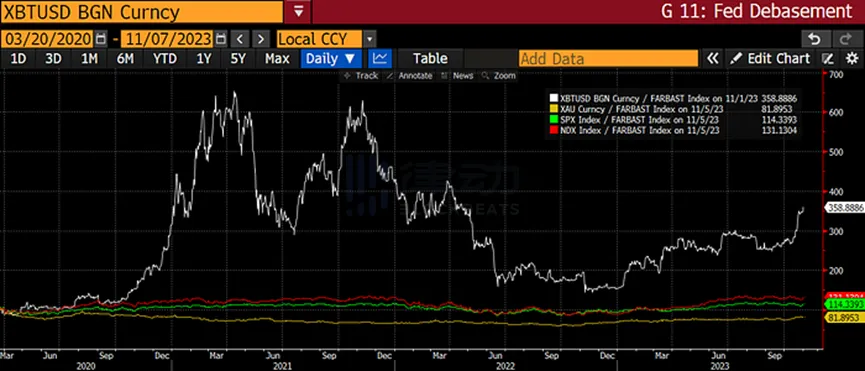
This is a chart of Bitcoin (white), NASDAQ 100 Index (red), S&P 500 Index (green), and gold (yellow) divided by the Federal Reserve's balance sheet with a base index of 100 starting from March 2020. As you can see, Bitcoin has outperformed all other assets (+258%) under the influence of the expansion of the Federal Reserve's balance sheet.
The first stop is always Bitcoin. Bitcoin is money, and only money.
The next stop is Ether. Ether is the commodity that powers the Ethereum network, which is the best internet computer.
Bitcoin and Ethereum are the reserve assets of the cryptocurrency industry. Everything else is considered to be junk coins.
Then, we enter other claimed improvements to the first layer blockchain of Ethereum. Solana is an example. These were hit hard during the bear market. Therefore, they will rise from very low prices, providing huge returns for brave investors. However, they are still overhyped and cannot surpass Ethereum in terms of active developers, dApp activity, or total value locked.
Finally, various dApps and their respective tokens will be launched. This is the most interesting part, because this is where you can get a return of 10,000 times. Of course, you are also more likely to become stronger, but there is no return without risk.
I like Shitcoin, so don't call me Maxi!
Forward Path
I am closely monitoring the [RRP - TGA] network to determine if the US dollar is flooding the market. This will determine whether I accelerate the pace of bond sales and Bitcoin purchases, as my confidence is strengthened by expectations of increased US dollar liquidity. However, I will remain agile and flexible. Plans carefully crafted by mice and humans often fail.
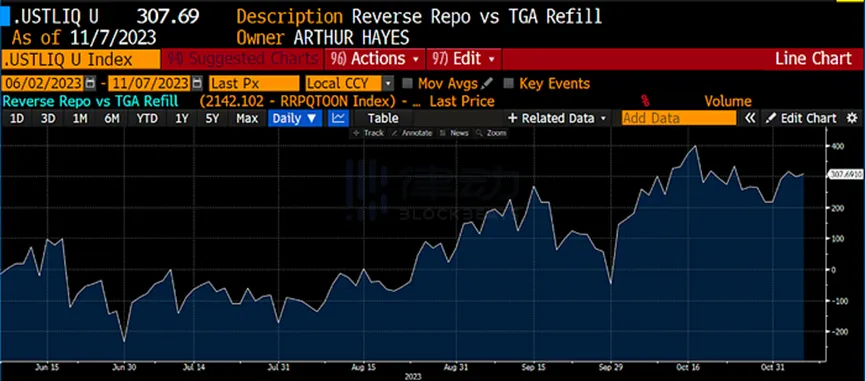
Since Yellen was allowed to borrow again in June 2023, the Federal Reserve has injected a net of 300 billion US dollars. This is a combination of the reduction of RRP and the increase of TGA.
The ultimate uncertainties are oil prices and the war between Hamas and Israel. If Iran is involved in the war, we should consider that the oil supply to highly leveraged Western countries will be disrupted. As a result, the Fed will find it difficult to adopt a non-interventionist monetary policy in politics. They may have to raise interest rates to counter higher oil prices. On the other hand, some may argue that due to the war and rising energy prices, the economy will experience a recession, which will give the Fed a license to cut interest rates. In either case, uncertainty will rise, and the initial reaction may be the sale of Bitcoin. As we have seen, Bitcoin has performed better than bonds during times of war. Even with a weak initial stage, I will buy on dips.
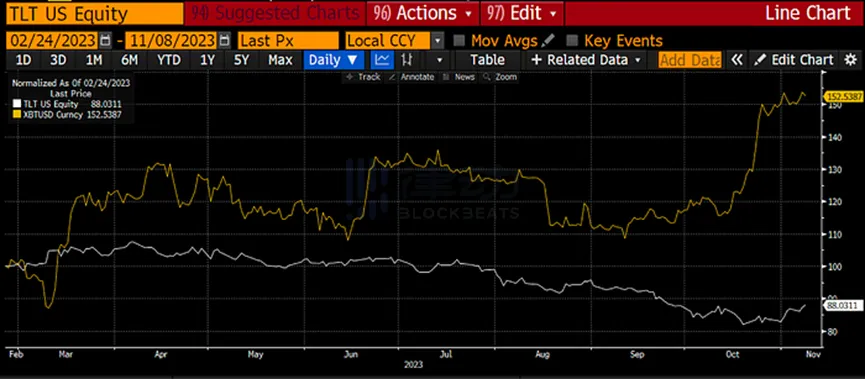
Since the outbreak of the Ukraine/Russia conflict, the US Treasury Bond ETF (TLT) has fallen by 12%, while Bitcoin has risen by 52%.
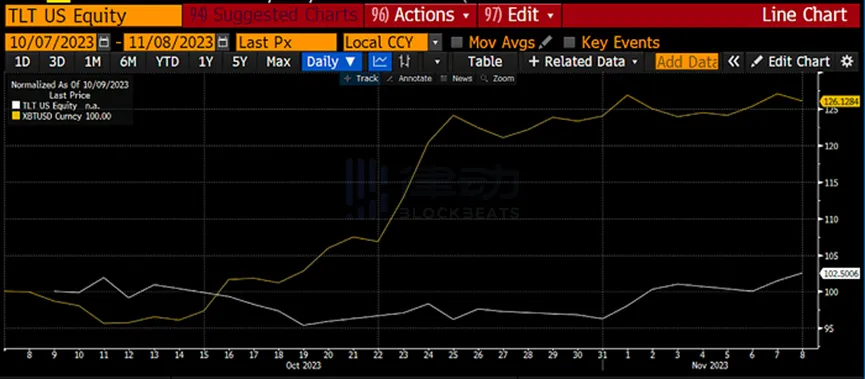
Since the outbreak of the Hamas/Israel war, TLT has risen by 3%, while Bitcoin has risen by 26%.
If lowering RRP is Yellen's goal, then it will only last for so long. All concerns in the US Treasury market will resurface, which previously caused a bearish spike in US Treasury yields in 2010 and 2030, putting pressure on the financial system. Yellen has not convinced her dear father to stop drinking, so after the calm, Bitcoin will once again become a real-time scoreboard for the health of the wartime legal financial system.
Of course, if those responsible for "peace under American rule" were committed to peace and global harmony, I wouldn't even bother finishing this thought. Since 1776, these mofo's have been waging war with no sign of stopping.
Welcome to join the official BlockBeats community:
Telegram Subscription Group: https://t.me/theblockbeats
Telegram Discussion Group: https://t.me/BlockBeats_App
Official Twitter Account: https://twitter.com/BlockBeatsAsia

 Related Articles