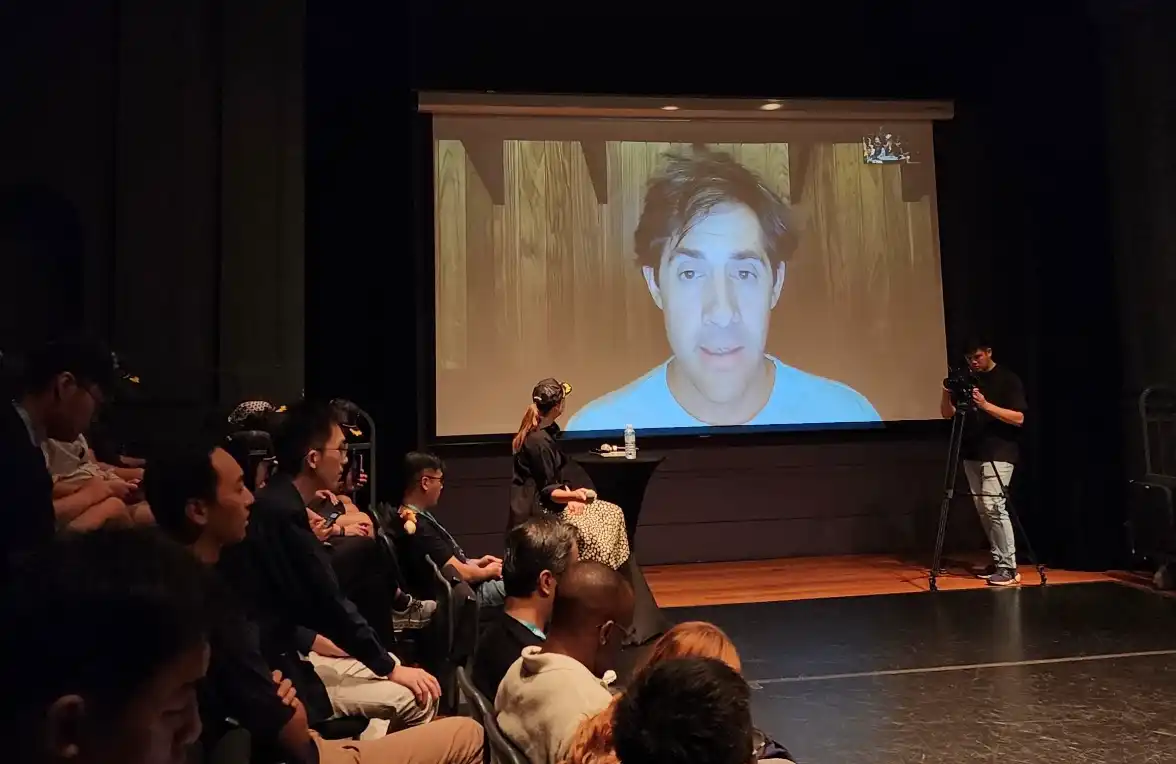
Why did Vitalik choose Farcaster? The vision, reality and potential opportunities of decentralized social networking


Original title: "Decentralized Social Media: Vision vs. Reality and Emerging Opportunities"
Original author: IGNAS | DEFI RESEARCH
Translation: Joyce, BlockBeats
Editor's Note:
The term decentralized social "DeSoc" comes from the paper "Decentralized Society: Finding Web3 Soul of the Social Fi. DeSoc is a decentralized social vision with decomposable property rights and enhanced governance mechanisms that reward trust and cooperation while protecting the network from capture, extraction, and domination. With this enhanced sociability, Web3 can avoid the trend of hyper-financialization, thereby supporting a more transformative, diversified future and increasing returns across social distances.
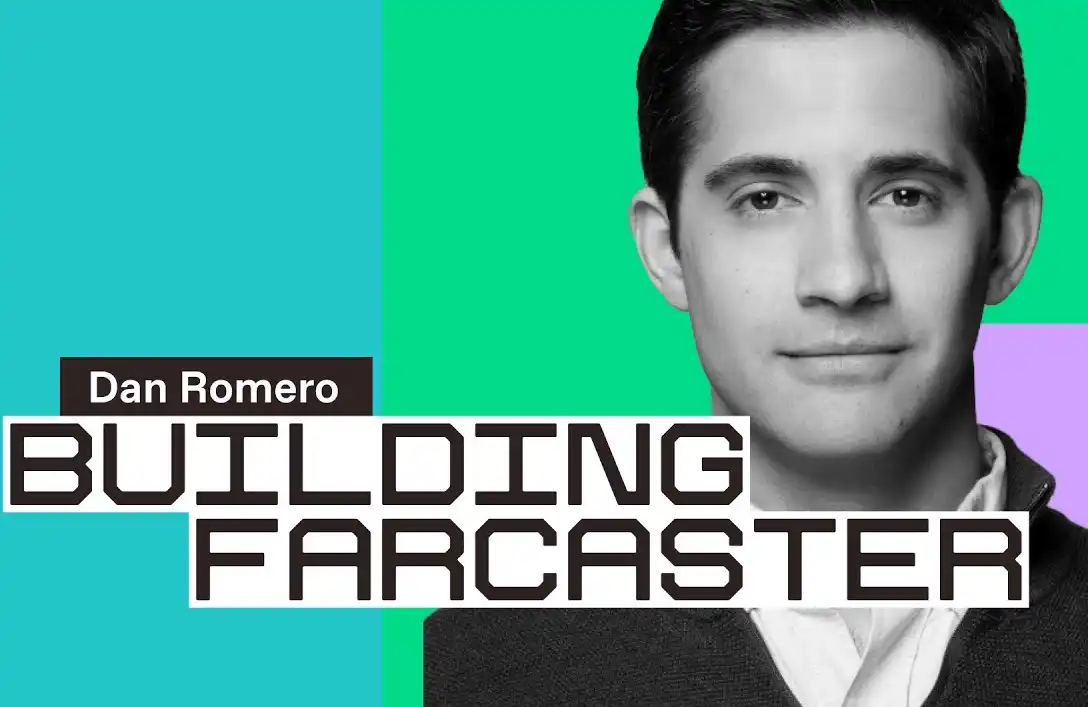
In August 2023, Friend.tech, exclusively led by Paradigm, emerged, with a total transaction volume of more than 250,000 ETH in two months, pushing the SocialFi track to a new stage. On the other hand, on October 12, Dan Romero, co-founder of the decentralized social protocol Farcaster, announced that after three years of development, Farcaster has now achieved 100% permissionless use. The two protocols, both related to social networking but with different operating mechanisms, have taken their own development paths.
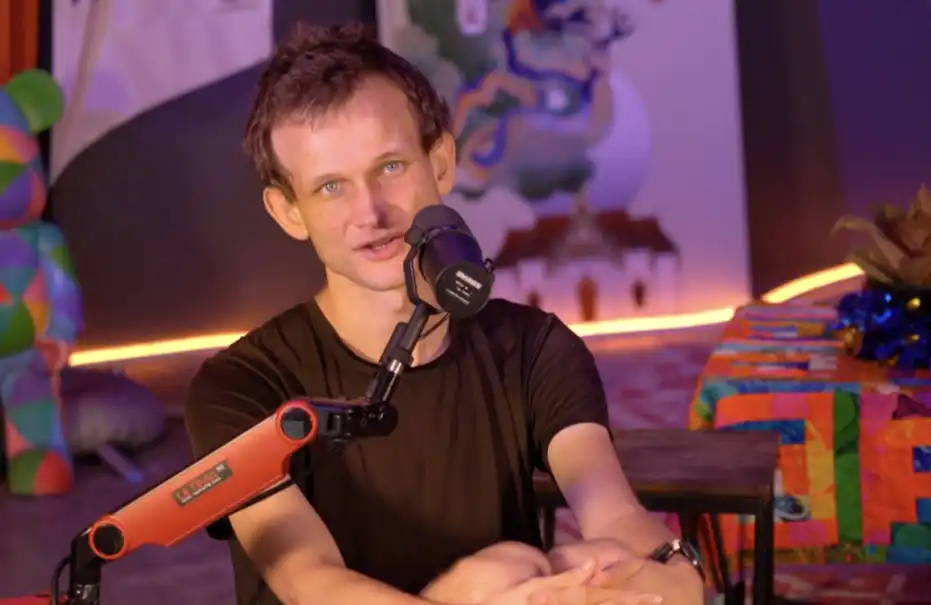
Vitalik is a heavy user of Farcaster and often posts updates in Farcaster, with an active frequency far exceeding his posting frequency on Twitter. He has repeatedly expressed his interest in decentralized social networking and bluntly stated that "Farcaster is actually very successful." Recently, DeFi researcher Ignas published an article in which he explained his understanding of the DeSoc field by analyzing Farcaster and Lens. BlockBeats compiled it as follows:
Why did Vitalik Buterin choose to do his AMA on decentralized social media platform Farcaster instead of Twitter? Why does he actively use Farcaster but not Friend.tech, the hottest SocialFi app?
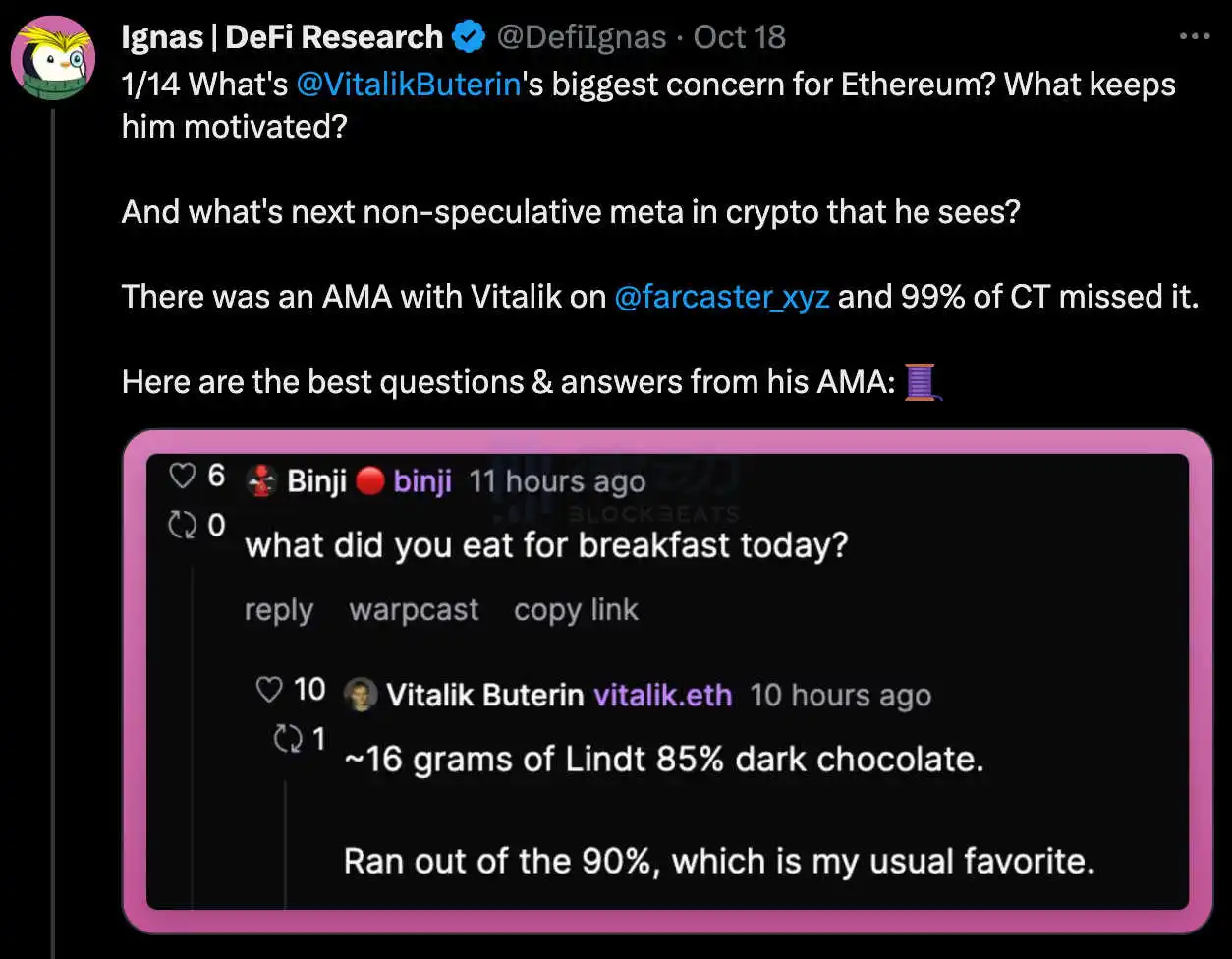
I believe that decentralized social media (DeSoc) has a grand vision and story that can capture our imagination and create a new class of wealthy enthusiasts.
In this post, I will share this story and discuss the current implementation possibilities. Hopefully, it will give you an understanding of why Vitalik is using DeSoc while most crypto users are still looking for alpha on Twitter.
I will share some thoughts on the future development of DeSoc products at the end of the post.
Vision
It can be said that the compelling story led to the altcoin bubble in 2017. All it takes is a whitepaper, a website, and a story about how blockchain can revolutionize the world, and projects can raise millions of dollars.
In 2020, the narrative of decentralizing the financial system has gained even more traction, signaling the rise of DeFi. This time, there are real dApps (and a few Ponzi schemes) to play with.
Now, DeSoc has all the ingredients needed to revolutionize social media.
Back in the early days of the internet, there was a promise of a space where information would flow freely and voices from every corner of the globe would be heard. Fast forward to today, and we have a few dominant platforms that control the narrative and monetize our data.
However, some centralized giants like Meta and X hold onto their users’ data, often compromising privacy and limiting true, free expression. They control trends based on algorithms and even decide who gets to speak.
But imagine a world where it’s not the platforms, but you who control your content and data. Beyond the confines of biased algorithms and ever-changing terms of service.
A world where sharing ideas, photos or videos is instant, borderless and nearly free. Users can interact, collaborate and create without fear of censorship or shadow bans. Token holders have the power to vote and reshape the rules of a platform if it does not serve the community's interests.
DeFi DeSoc offers equality and protection from discrimination, as well as the right to vote on the most important smart contract changes.
Will you join or sit on the sidelines?
Does it sound far-fetched? It probably is. In 2020, I shared my vision for DeFi in a second blog post using similar wording. Now, three years later, DeFi’s main problems sadly remain. Perhaps DeSoc will evolve differently?
Reality
What is it like to use these applications?
Farcaster
Missed Vitalik’s posts on Twitter? He is more active on Farcaster than on Twitter. With only 10,000 followers, users have a better chance of receiving a reply from him on Farcaster than elsewhere.

AMA on Farcaste via Flink Interface
In a recent AMA, Vitalik expressed hope that Farcaster, Lens, and their peers could one day become as powerful as Meta. Not surprisingly, he is bullish on Farcaster after his Twitter account was hacked, costing users over $690,000.
Farcaster is one of the two most popular DeSoc ecosystems. The other is Lens. Both platforms are the most mentioned by my community on Twitter. You can find other DeSoc platforms to explore in the comments.
Farcaster is a protocol designed to build sufficiently decentralized social networks. It has over 20+ applications built by developers, with over 21,000 users and over 1.3 million public posts by users.
For Farcaster, the reality of "sufficient decentralization" is "being able to have a unique username, post messages under that name, and read messages from any valid name," but the rest of the protocol remains off-chain.

Farcaster Analysis
Just last week, Farcaster co-founder Dan Romero announced that the platform is now 100% permissionless. Built on Optimism, anyone with a little ETH can open an account. Use FarcordFarcord or create an account with your wallet by FlinkFlink. You can download the Farcaster mobile app, Warpcast, to pay for gas fees with fiat currency.
Now is a good time to give it a try.
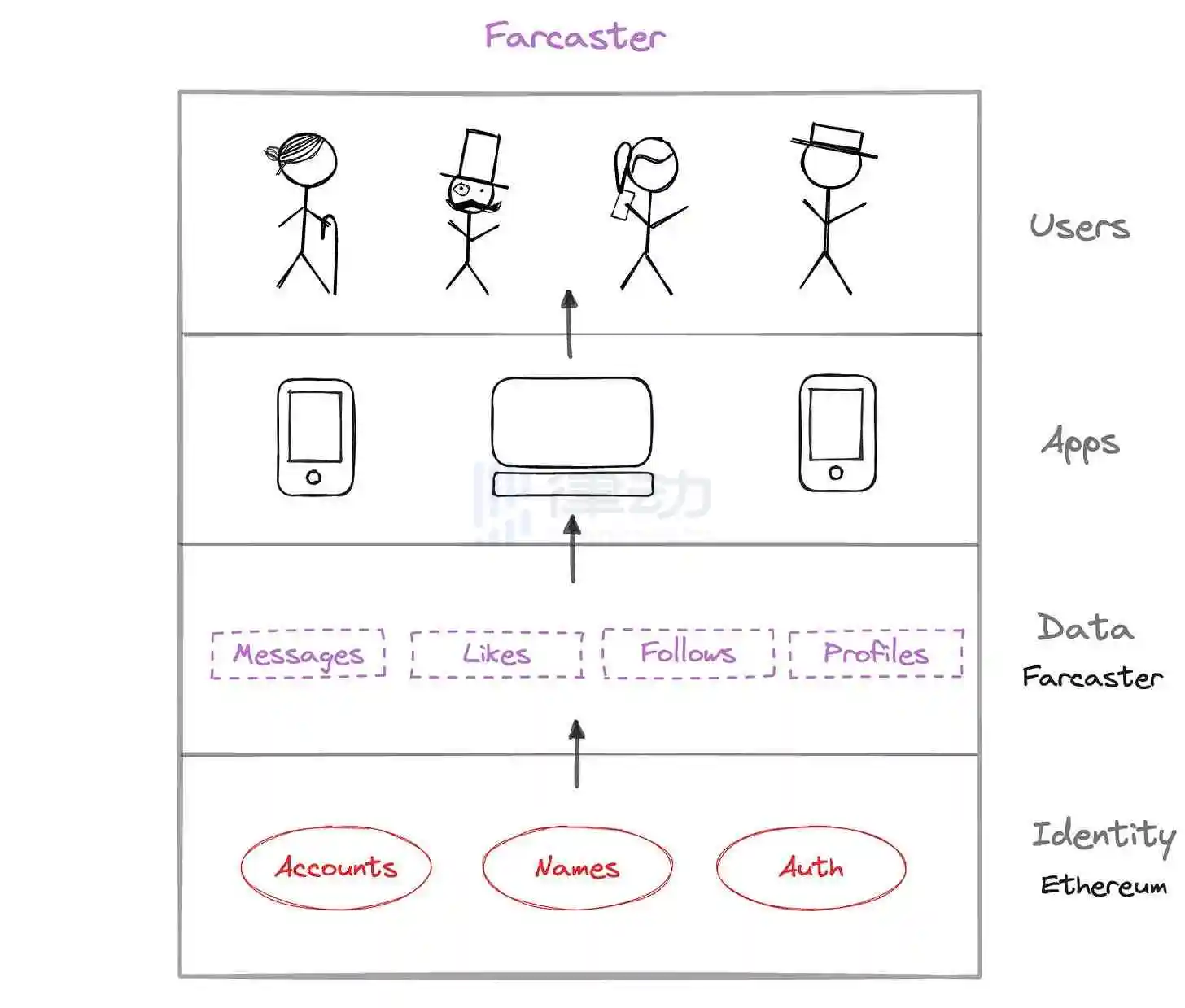
Here is the documentation on how Farcaster works, but the core concept is the Farcaster ID (FID). The FID is a unique and immutable Farcaster ID (number) used for identification, allowing a username to be linked, both of which are managed on an Ethereum contract. Importantly, while a username can change, the FID remains the same, and the user can recover their identity using a pre-specified address.

Follow me on Farcaster @ignas
The cool thing about Farcaster (and Lens) is that users are free to choose whatever client (interface) they like, and developers can access the platform's data and APIs.
For example, there’s the Twitter-style OpencastOpencast interface, Discove for joining on-chain groups, or Flink for Reddit-style interactions. Then there’s Aburra, an audio-first Web3 social app (in beta). A full list can be found here
You can connect to all of these apps with one Farcaster account. And all your data is stored in decentralized storage.
There are many ways to look at why this approach is revolutionary, but a few stand out to me:
Data Ownership: I am extremely worried that X will delete my data and account. Years of content are gone without warning. Decentralized platforms like Farcaster give me true ownership of my data, eliminating such threats.
Personal Data Protection: Current registration methods require the handover of sensitive information. This data is stored on company servers and is vulnerable to vulnerabilities like the Sim swap attack that Vitalik experienced at the time. A decentralized approach prioritizes your privacy and insulates users from the risks associated with data breaches.
Digital Copyright: Small creators like me see our content copied without proper credit or compensation (some don’t even write my name in their articles). Decentralized platforms can provide unique copyright solutions.
Now comes the twist, the reality is, it’s not free.
Users have to pay some gas to create an account and yearly storage fees. I paid 12€ (because Apple takes 30%) through the Warpcast iOS app.
Then there are the storage costs.
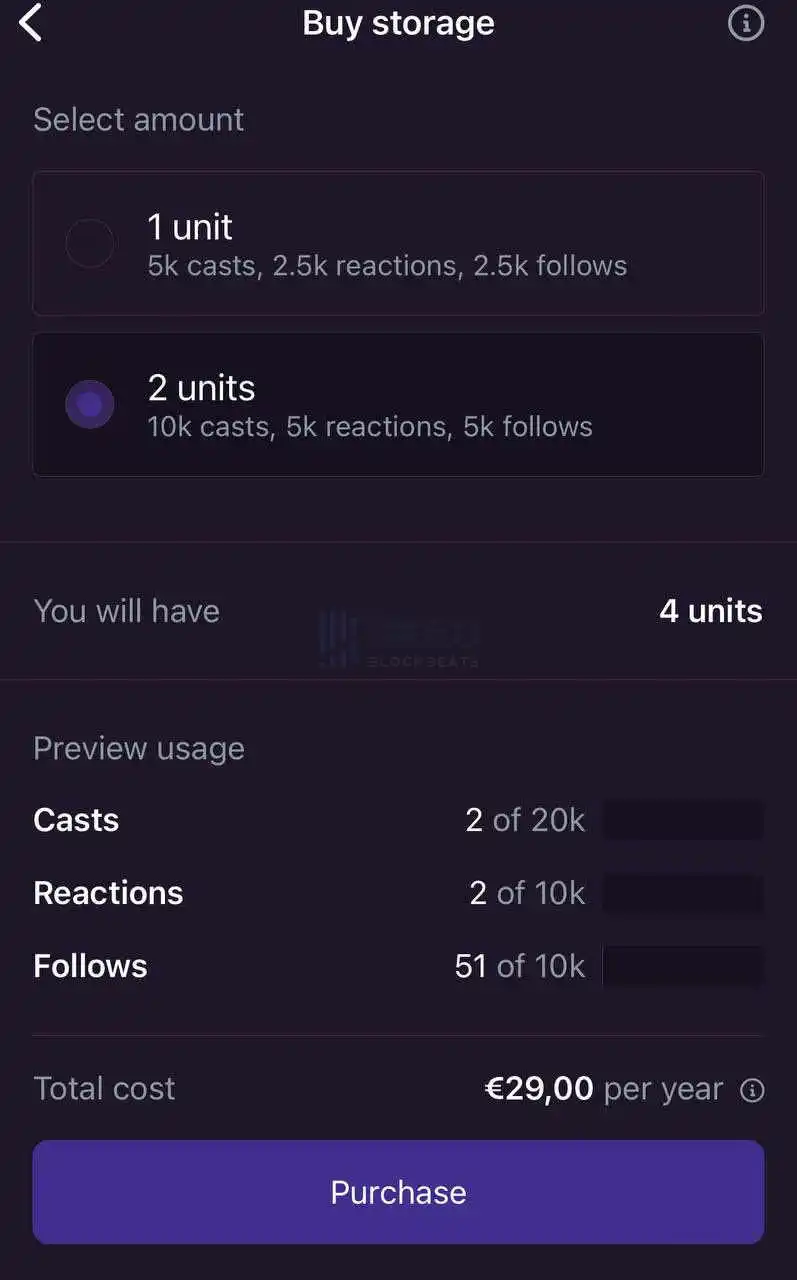
For 12€ per year, I have 2 units for 10,000 posts, 5,000 replies, and 5,000 follows. Or I could upgrade to 4 units for 29€/year. Their documentation indicated a storage fee of 5$, so I overpaid through the iOS app.
For Farcaster, the storage fee serves a dual purpose: generating revenue and deterring spam while managing storage efficiently.
Lens Protocol
I have had the ignas.lens profile for over a year now. Since then, I have occasionally posted through the Orb mobile interface, which is very similar to the Twitter mobile app. But to be honest, I am not too active on Lens.
The biggest challenge is the user base. DeSoc suffers from a reverse network effect. They have a limited user base, so it is difficult to attract new users. This is made worse as loyal users have to build social media platforms like Twitter, making it difficult for them to transition to new networks.
I have 65,500 followers on Twitter and only 361 on Lens. And I have more followers than all the users on Farcaster (21K).
The reality is that Twitter, for all its flaws, still has the largest crypto community. But maybe that could change in the near future? I remain optimistic.
One reason for this optimism is the money flowing into building DeSoc.
Phaver has raised $7 million to build a social network that feels "That’s a lot more money than DeFi protocols have raised.
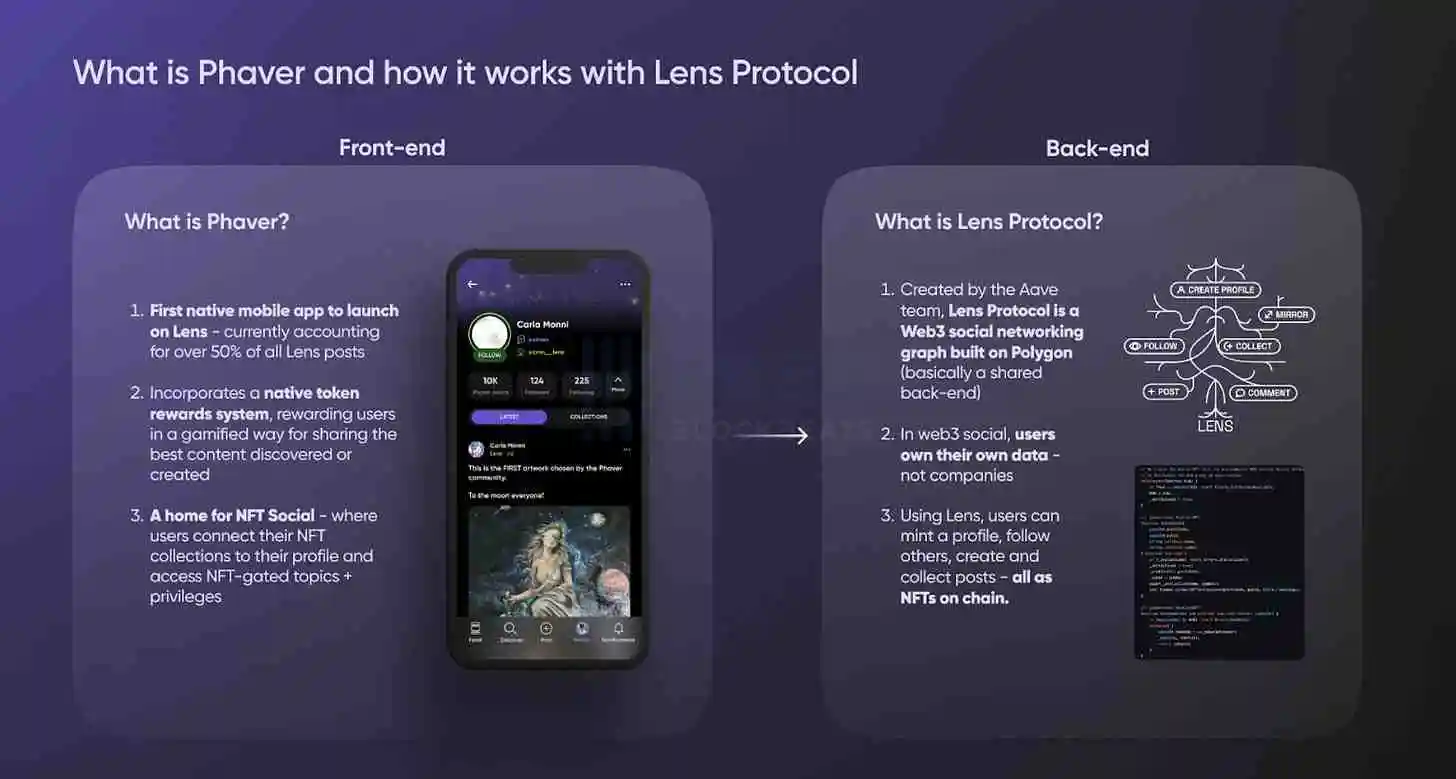
Phaver is powered by Lens and CyberConnect (another social networking layer), where Lens functions like a backend accessible through other interfaces.
I tried Phaver for a few days and I liked their upgrade system where you can connect your NFTs to improve your credit (ability) score and earn points by posting. Both Cred and Points are important for the Phaver airdrop, which I expect to launch when the bull run arrives.
Lens has the same aesthetic as Farcaster. You can connect multiple interfaces with the same Lens NFT.
My favorite desktop Lens interface is Hey
Mobile apps Orb, Phaver& Buttrfly(Buttfrly also launched a web page version)
Tape -Lens YouTube on
Soundit Tiktok x Whatsapp mashup
OnlyGoodVibes : "No bad vibes" interface, blurs out all "bad vibes" posts
Riff - Discover and collect new music
Dumpling- Streaming content (weird and funny, haha)
There are more interesting experiences being built as I type this sentence. The beauty of this model is that we can get multiple airdrops by using the same DeSoc protocol :)
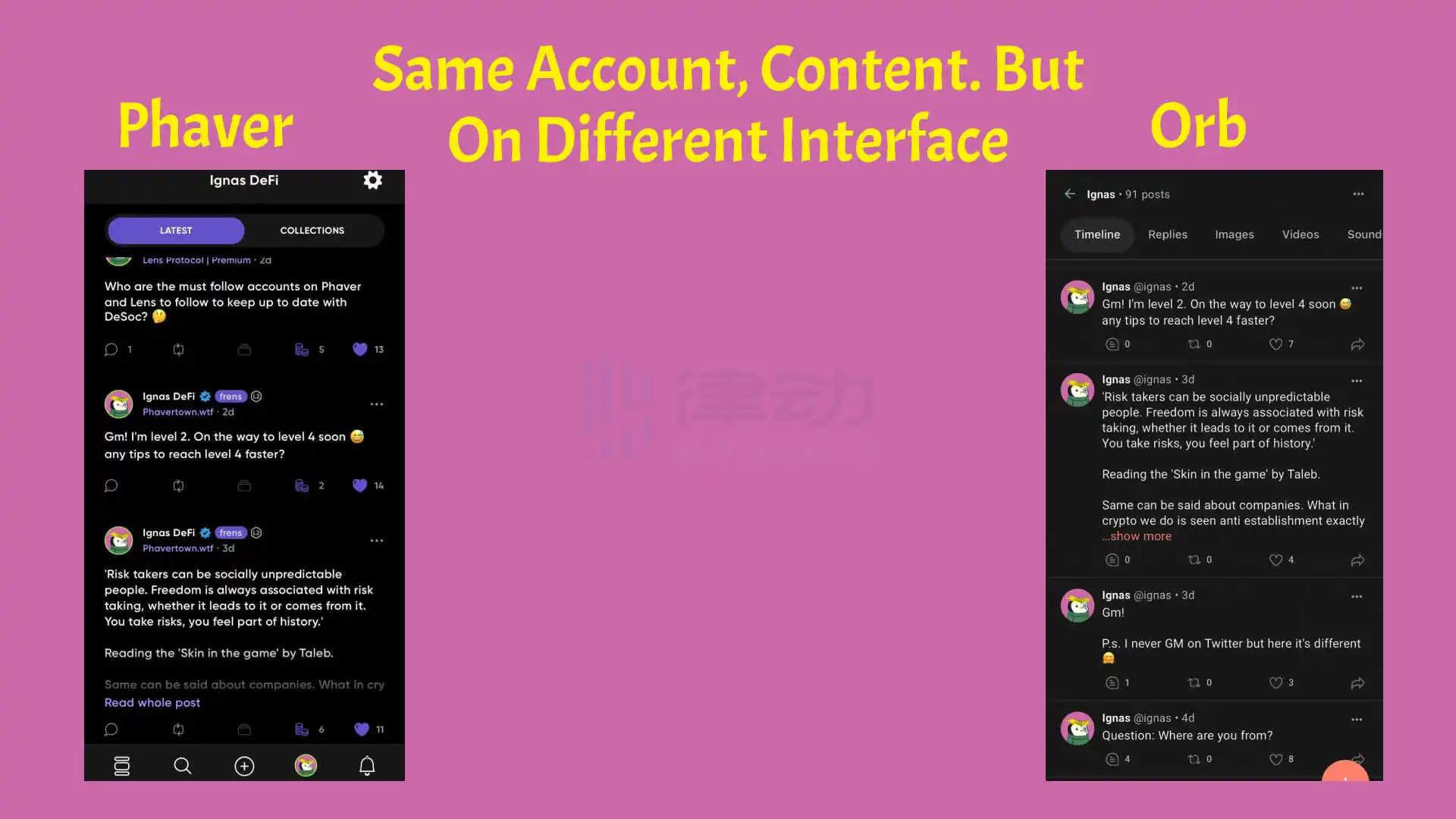
In reality, my engagement with the Phaver and Orb apps was pretty low. I only received a few likes and almost no comments. By browsing the "Popular" page on Tape, you can tell from the few likes that I'm not an exception.

Tape.xyz Popular Page
The default feed on the Lens app could use some improvement. Currently, 50% of my feed on both apps is dominated by Stani, the founder of Lens. The other half is made up of content from other builders in the space. If you’re interested in the DeSoc space, this offers a unique opportunity to be an early adopter and interact with DeSoc OGs.
This is half a joke. Part of this is due to the creation of NFT-gated accounts, and Lens has been limited in how fast it can grow. But this limit and further improvements are being rolled out with Lens V2. Learn more about it below.
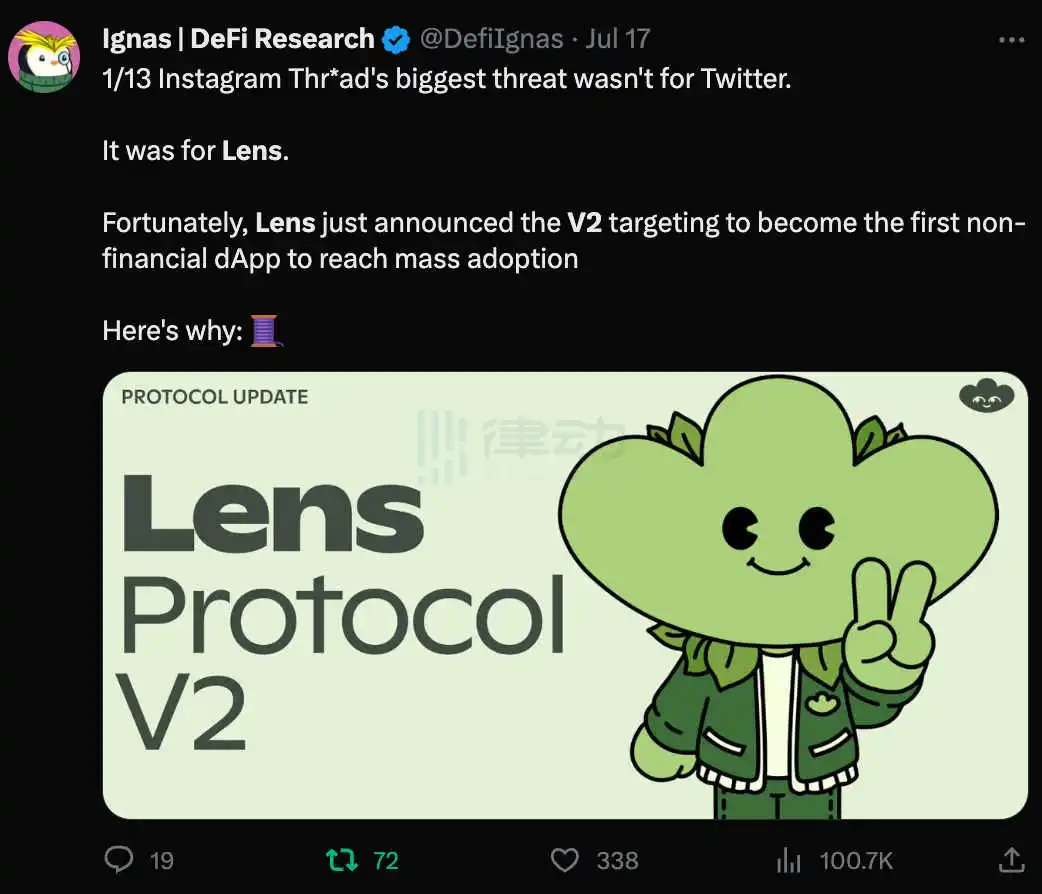
There’s a lot more to Lens that I haven’t mentioned. In fact, there’s a lot more to DeSoc itself, such as Debank, CyberConnect, and DeSo L1, which is dedicated to powering decentralized social media (interestingly, neither Lens nor Farcaster use it).
SocialFi and DeSoc
SocialFi is all the rage right now, with Friend.tech and forks taking the stage that DeSoc platforms deserve. But SocialFi (social finance) and DeSoc (decentralized social media/or simply decentralized society) are not the same.
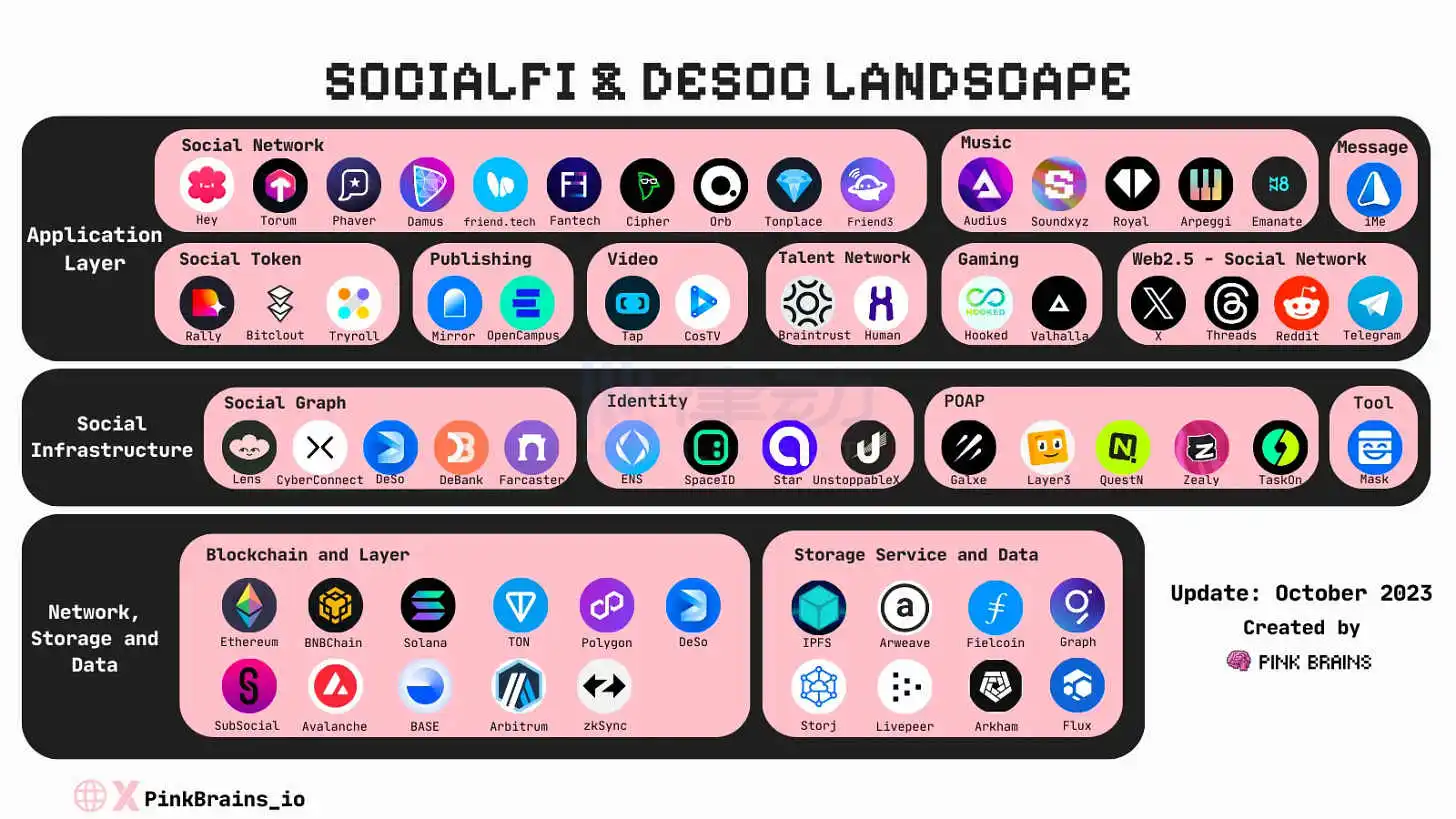
SocialFi is focused on monetizing online social interactions. DeSoc, on the other hand, is more about creating a decentralized platform for social interactions. While there is overlap between SocialFi and DeSoc, the main difference is the focus: SocialFi prioritizes the financial elements of the interactions, while DeSoc focuses on the decentralized nature of the platform.
Friend.tech is an example of SocialFi, while the Farcaster/Lens protocol falls into the DeSoc category. On FT, all of your messages, points systems, and other data are stored on centralized servers. Only financial interactions that trade keys are stored on-chain.
SocialFi has taken crypto Twitter by storm, but much of this is due to speculation on key prices. Right now, most rooms I’m in are silent. Some are selling keys, but most are holding and waiting for the airdrop.
I believe DeSoc will have its moment to shine, and it’s becoming increasingly clear how it will happen through some catalysts.
Catalysts for Growth
The reality is that DeSoc user adoption is still low. According to Dune data, Lens has about 20,000 users per month, while Farcaster has about 43,000 users per month. However, DeSoc has become a big part of crypto, with the most dedicated crypto communities having accounts on both platforms.
In comparison, Friend tech has about 617k users, driven primarily by the get-rich-quick speculative mentality. This is not the case with DeSoc. I believe some catalysts are emerging that are worth watching:
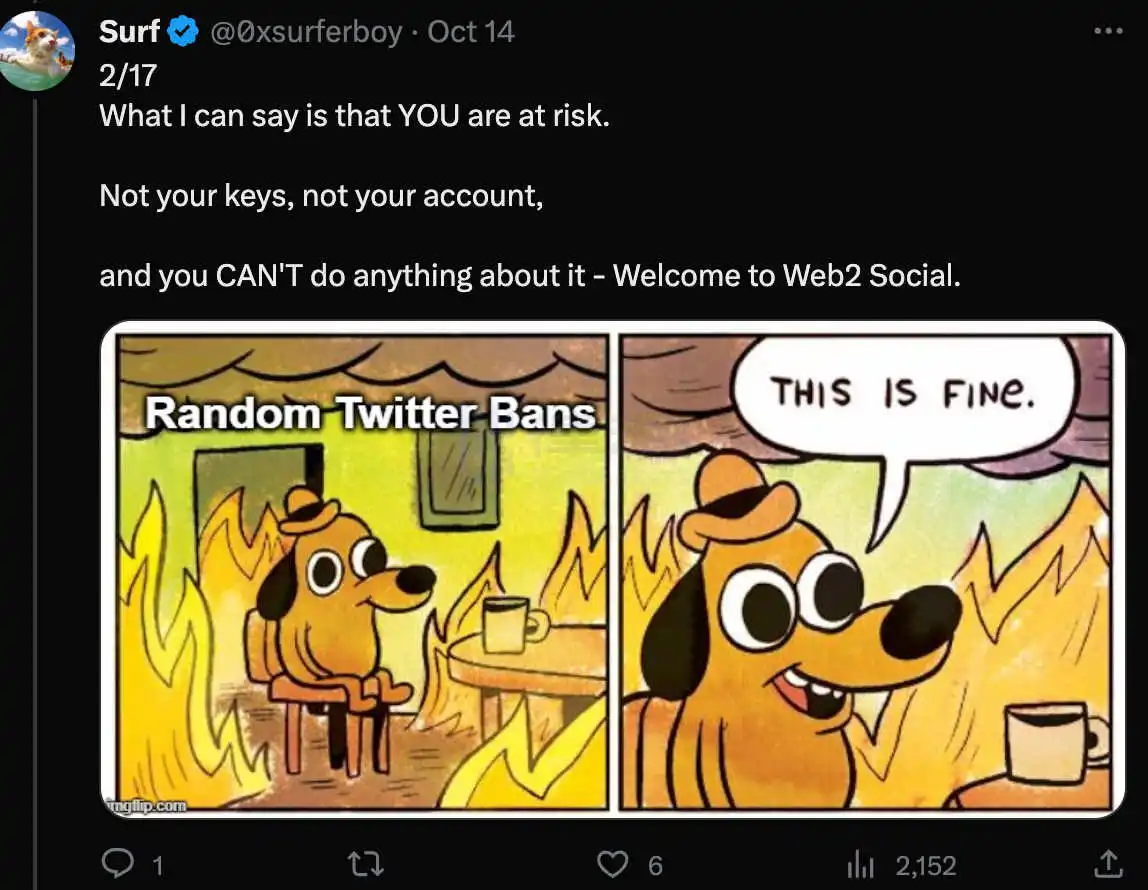
Twitter's Problems: Elon's X is currently facing various issues such as bots, censorship, random account suspensions, lack of monetization, etc. Twitter is trying to provide paid accounts for everyone, and many KOLs in the crypto community are becoming more aware of the risks they face on Twitter.
SocialFi's Explosive Growth: Friend.tech came out of nowhere and shows how quickly users can adopt technology when the incentives are in place. Currently, there are limited opportunities to monetize content on Farcaster or Lens. However, Friend.tech shows us the potential for rapid growth for DeSoc once the right incentives are established.
Emergence of Killer Apps: Farcaster and Lens act as Layer 1-like protocols that provide an open platform for developers. All it takes is one game-changing app to light the spark and attract a large user base. The infrastructure is 90% complete and continues to improve every day. Now is the time for adoption.
Tokens!It is a safe bet that both protocols will launch tokens at some point. In addition to airdrops, I would also like to see a well-designed flywheel token economy system that incentivizes and rewards organic usage of the app. If creators can effectively monetize their content on DeSoc, creators like me will be motivated to share the best content and users will naturally follow. I foresee tokens being launched in the near future.
Overall, I am impressed with what Lens and Farcaster have built. The only part missing to widespread adoption is attracting users. They may come when the right incentives and timing align.
Welcome to join the official BlockBeats community:
Telegram Subscription Group: https://t.me/theblockbeats
Telegram Discussion Group: https://t.me/BlockBeats_App
Official Twitter Account: https://twitter.com/BlockBeatsAsia

 Related Articles