Farcaster is officially open to users. How does the community view the social platform supported by Vitalik and a16z?
Content Directory:
· Farcaster, backed by a16z and favored by Vitalik
· Does the technical barrier of the "protocol" itself lead to a mediocre community response?
· Can the Farcaster community remain active after migrating to OP Mainnet?
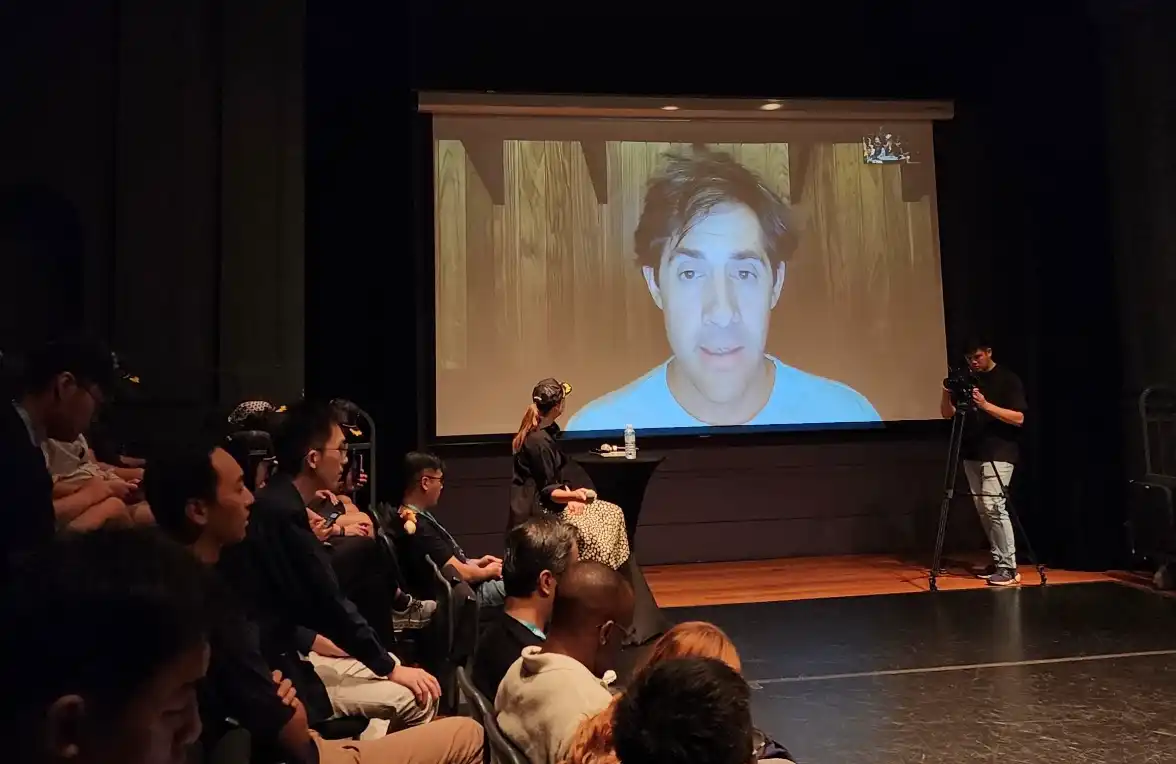
BlockBeats news, on October 12th, Dan Romero, co-founder of decentralized social protocol Farcaster, announced that after three years of development, their social network Farcaster has now achieved 100% permissionless use. Now, any user with internet access and Ethereum can freely register and use Farcaster without relying on any other individuals or organizations.

Vitalik is optimistic about Farcaster, which is backed by a16z
On July 13th, decentralized social protocol Farcaster completed a $30 million financing round, led by a16z with participation from 1confirmation, Coinbase Ventures, and other VC firms. The information can be found at https://www.theblockbeats.info/flash/92163?search=1.
In addition, Vitalik has expressed his interest in decentralized social media multiple times during his conversation with Bankless, and he bluntly stated that "Farcaster is actually very successful". Vitalik often posts updates in Farcaster, with a much higher frequency than his posting frequency on Twitter, and frequently discusses EVM development-related issues with others in Farcaster, making him a heavy user of Farcaster.
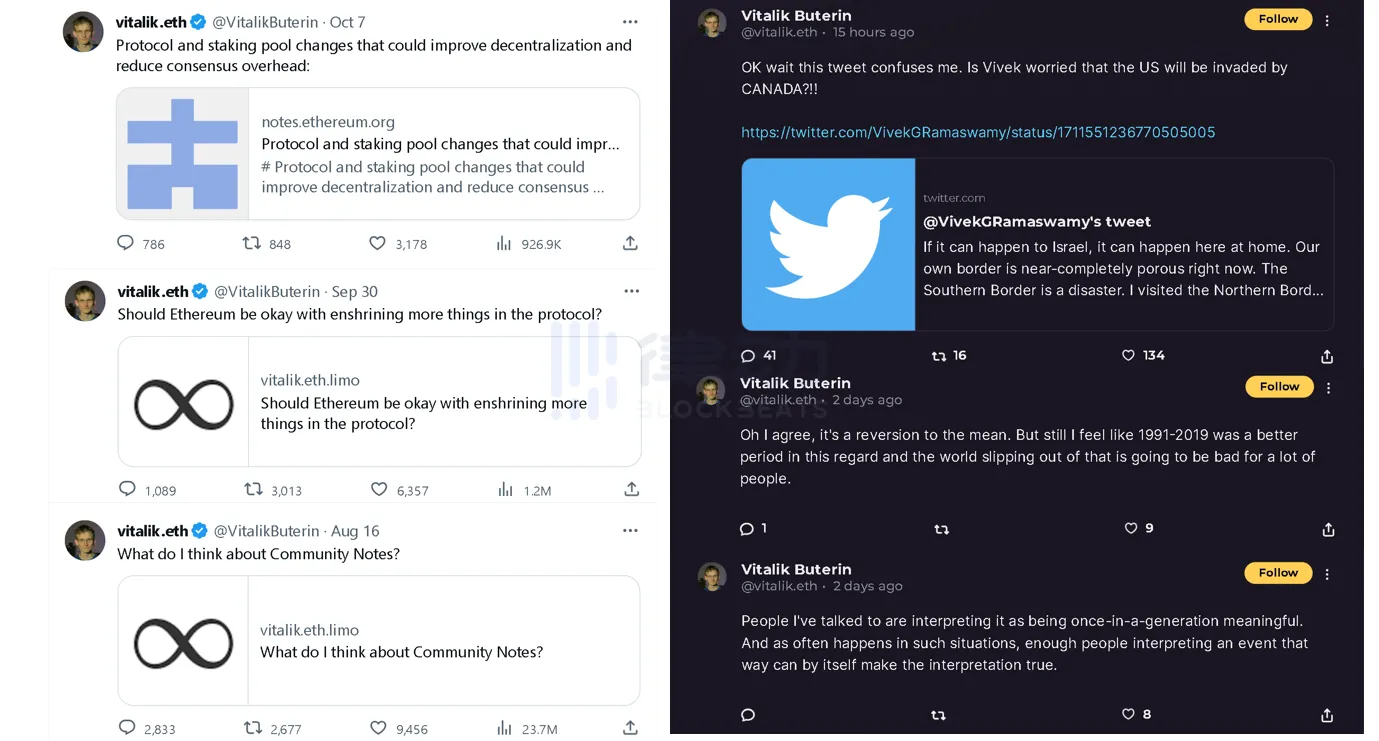
The left image is the Twitter page, and the right image is the Farcaster page.
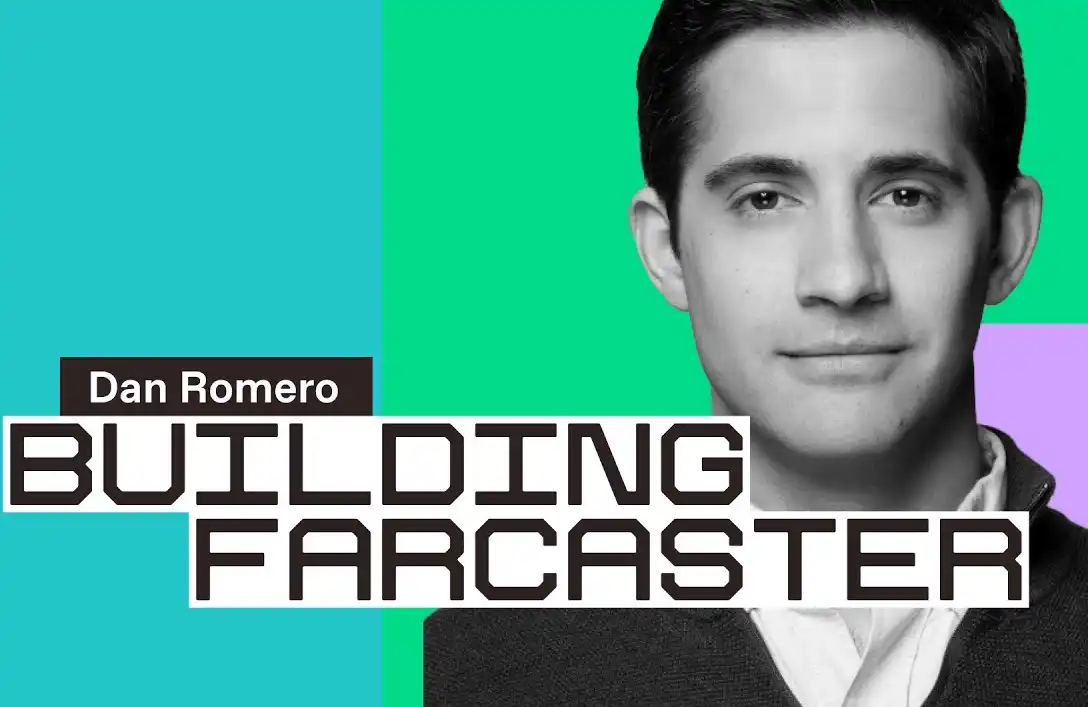
The goal of Farcaster is to create a decentralized social network. Its founder, Dan Romero, is a former executive at Coinbase. He has emphasized that Farcaster is a trusted decentralized social protocol that allows users and audiences to establish direct connections, while developers can use this protocol to build any client or program.
Related reading: "Farcaster: A Web3 social network created by former Coinbase executives"
Farcaster, as a decentralized social network, is not only about the content expressed by users, but also about what users can prove on the chain. Users can connect their wallet addresses to display their NFTs, and use NFTs as proof of past actions. They can even build client applications on it to broadcast messages on the Farcaster network and read messages from any user.
"Protocol": Does the technical barrier itself lead to a mediocre response from the community?
However, even with the support of industry experts, Farcaster has not been able to generate widespread discussion and adoption within the community. Compared to the viral spread of Friend.tech and even the recent Tip Coin, Farcaster's reception in the community can be described as lackluster. According to Dune data, Farcaster has only 24,965 registered users and a daily interaction of only 12,911 times.
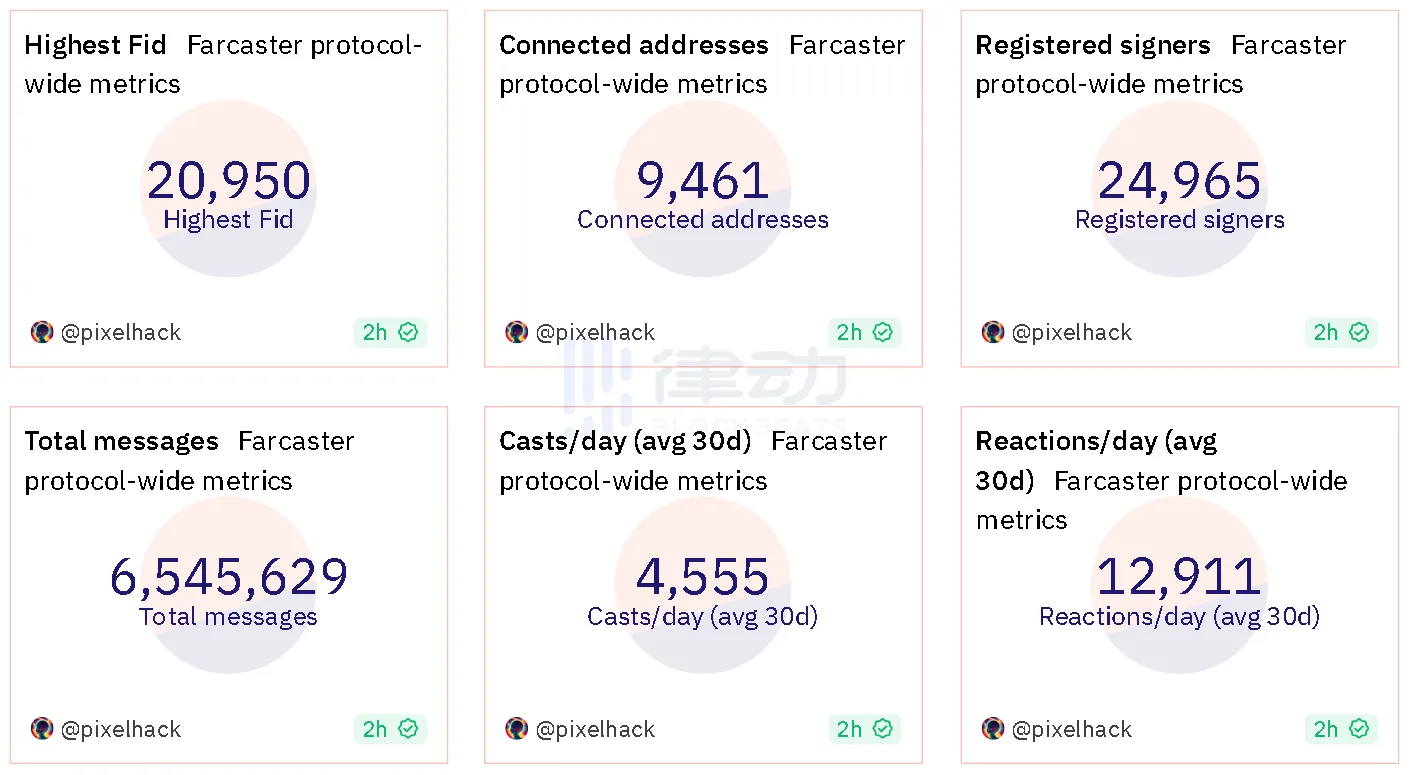
Farcaster's user base is mainly composed of Ethereum users and technology entrepreneurs. In many ways, this is also reflected in the design choices of each platform. Running a hub using Farcaster is more difficult and expensive, but Farcaster asserts that certain design trade-offs still allow for "full decentralization," while prioritizing more recent use cases and optimizing products that are almost ready for retail users.
Related reading: "Farcaster vs Lens Protocol Comprehensive Evaluation: Who is the Better Decentralized Social Protocol?"
Farcaster has always been committed to providing high-quality conversations. One reason it requires people to pay for personal profiles is to support Hubs, and the other is to ensure that users can invest their energy. Although this approach has its benefits, I am not sure if it can ensure that Farcaster will be widely adopted.
Migration to OP Mainnet, can the Farcaster community remain active?
Therefore, on July 27th, Farcaster supported ENS usernames, and users can choose between free Fnames or decentralized ENS usernames. In addition, users can also add and switch usernames in their personal profiles. The information can be found at https://www.theblockbeats.info/flash/159855?search=1.
On August 22nd, the official announcement was made that Farcaster will be migrating to OP Mainnet. The following day, co-founder Dan Romero announced on social media that it had been integrated into OP Stack. At the end of August, Dan Romero announced on social media that Farcaster had launched version 3 and was now live on OP Mainnet.
Related reading: "Quick view of the decentralized social protocol Farcaster and its ecological highlights".
The main reason for Farcaster's migration to Optimism is that founder Dan Romero believes that there are currently the most active developers and users based on Optimism and the OP stack (OP super chain). My personal guess is that Coinbase's strong support for OPstack has prompted Coinbase's related developers to focus on OPstack, including some developers on Farcaster. As a former senior executive of Coinbase, Dan Romero naturally followed suit, after all, they were "one family" before.
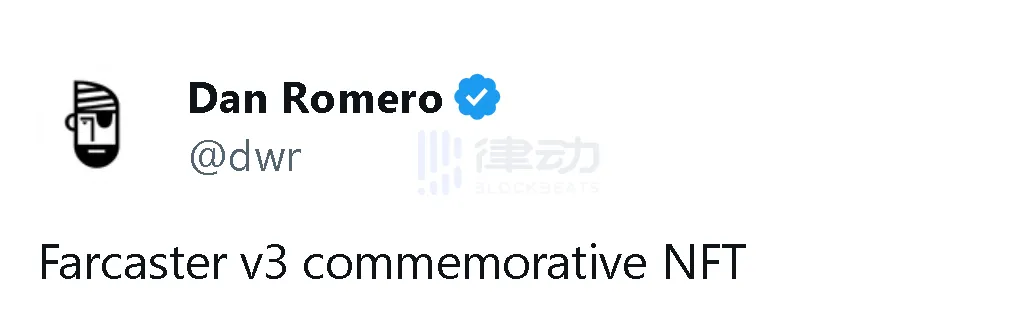
To commemorate the launch of version V3, Farcaster has launched a commemorative NFT on Zora, which users can mint for free on the Base network. Today, Farcaster has achieved 100% permissionless use and will soon be open to more users.
Welcome to join the official BlockBeats community:
Telegram Subscription Group: https://t.me/theblockbeats
Telegram Discussion Group: https://t.me/BlockBeats_App
Official Twitter Account: https://twitter.com/BlockBeatsAsia

 Related Articles