Life and preparation of miners after 8 months of BTC halving.
Original title: "2023 Bitcoin Mining Industry Deep Report: Halving is Coming, Miners' Survival and Preparation"
Original source: Wu Shuo Real
Summary:
It has been more than two years since the Chinese government banned Bitcoin mining and forced most of the industry's operations overseas. Since then, the Bitcoin mining industry has undergone irreversible changes.
After this historic event, the profitability of mining skyrocketed, and miners calculated their "good luck" in mining through this short "super cycle of computing power prices", followed by a period of darkness in computing power prices during the bear market in 2022. In November of last year, the coin price reached $15,000, and a few mining commentators speculated that the coin price could reach $30,000 by mid-2023. However, Bitcoin was born to disrupt people's expectations.
Now, two years have passed since the mining ban, and the Bitcoin mining industry has matured significantly. There is no doubt that mining business is low-key, tenacious, and instantaneous in 2023, but the "shadow play" of Bitcoin mining has ended, and the internal operation of the Bitcoin mining industry has become more transparent compared to the past.
Nowadays, listed mining companies and private mining companies dominate the mining landscape. Especially in North America, with the collapse of mining operations in China, the Bitcoin mining industry has flourished since its glorious debut. Moreover, computing power continues to overflow into new mining centers outside the United States, including Russia, the Middle East, Latin America, and Southeast Asia. The distribution of computing power on a global scale is more balanced than ever before.
With the industry's development from the stumbling early stages to the increasingly mature state it is in today, miners are learning from the market chaos of 2022. They are continuously engaging in fund management and financing practices, and previously bankrupt mining companies are restructuring with more sound operational strategies and making a comeback.
Compared to the Bitcoin mining market, 2022 can be described as a shocking year, and it has laid the foundation for active participants to stand firm this year. As we approach and pass the Bitcoin halving period in 2024, more fluctuations are expected to occur. Cheap energy is the key to this game, and the purchase of mining machines and the management of funds are also two points that miners are particularly concerned about.
Any measures to reduce costs in the above-mentioned fields and elsewhere will be the key to surviving the halving period. For some lucky mining companies, this can be achieved by negotiating lower electricity rates, especially for those large-scale mining companies that can participate in the power demand response plan. Other companies can only reduce machine operating speeds by firmware downgrading to lower electricity costs. Some miners are looking for cheaper hardware facilities and logistics costs, while others are reducing costs by recycling waste heat. For large mining companies, reducing administrative costs is also crucial.
If this is the case, Bitcoin mining is no longer a "plug-and-play" game. In terms of reducing capital and operating costs, operators who can obtain the cheapest electricity and/or have effective expansion and operation strategies will be better able to survive after the halving. Since the ban in China, the center of the mining industry has shifted from the East to the West, making it easier for North American investors to enter the industry than ever before, and new attention and capital are pouring into the field at an unprecedented rate. In the next year, some more ordinary investors, especially those retail investors with low MOQ hosting transactions, may face difficulties.
As the Bitcoin industry continues to grow and become closely linked with institutional finance, we expect the integration trend that began in 2021 to accelerate through 2023. At the same time, Bitcoin's computing power has never had such a wide global footprint, and it is expected to continue to expand globally.
Miners in North America need to remember that they are not only competing with their neighbors, but also facing the booming mining industry in the Middle East, as well as China, Russia, Latin America, and other regions.
Every region and background has its advantages and disadvantages. Some forward-thinking miners have begun to diversify their computing power across different jurisdictions through connections and resources.
In the second quarter of 2023, we saw many miners using low-priced mining machines for future expansion. The rebound of Bitcoin and the breathing space after the tightening of computing power prices in 2022 (with sufficient help) gave miners the opportunity to catch their breath at the bottom of the computing power price valley in 2022. For mid-to-high cost miners who did not make a profit in most of Q4 2022, the rebound in coin prices and the stability of computing power prices are crucial.
Now that the second quarter has ended, the price of Bitcoin has fallen and the computing power has increased. Miners are preparing for the harsh era of the fourth halving. Building on last year's trend, mergers and acquisitions, integration, and asset consolidation sales are accelerating in 2023. Miners with poor positioning are looking for exit opportunities, while those with advantages are preparing for expansion. We expect the halving to accelerate these trends.
As the breathing period of the second quarter's computing power price gradually comes to an end, with less than eight months left until the halving, the miners' slogan is simple: survival and preparation.
Computing Power, Mining Difficulty, and Computing Power Prices
Computing power growth slows down, mining difficulty increases
2023 is an important year for Bitcoin's hash rate growth (although it did not meet the expectations of miners). The hash rate in 2022 grew more than in 2021 (the year of China's mining ban), and the hash rate growth in 2023 is expected to exceed that of 2022.
However, in the second quarter, the growth of computing power slowed down, which also indicates that the secondary impact of the computing power "big migration" is becoming apparent.
It can be seen that the high concentration of computing power in North America (45-50%) has formed a new seasonal impact on Bitcoin computing power: the summer heat wave causes the power grid to overload across the United States, forcing miners to reduce mining scale, thereby suppressing the growth of computing power. Specifically, the seven-day average computing power of Bitcoin increased by 7.5% in the second quarter of 2023, far less than the 35% increase in the first quarter. This slow growth is mainly due to the summer temperatures interfering with the operation of mining hotspots such as the United States. However, it is worth noting that compared with last year's summer record heat wave, this summer's computing power growth has not been greatly affected.
Currently, it appears that the computing power of Bitcoin has significantly increased by 2023. As of July 22, 2023, the computing power of Bitcoin has grown by 50% compared to the beginning of the year, from 255 EH/s to 380 EH/s.
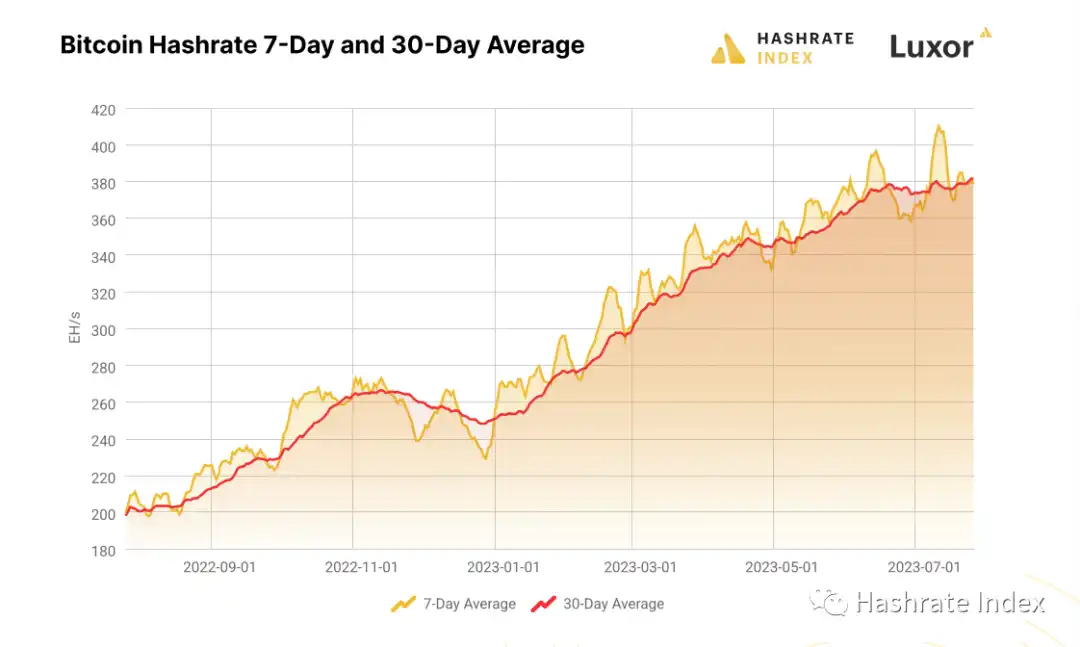
Figure 1: Bitcoin hash rate 7-day and 30-day moving average changes
As the hash rate of Bitcoin increases, the mining difficulty of Bitcoin increased by 8.1% in the second quarter of 2023 and by 52.5% at the beginning of the year (as of July 22, 2023).
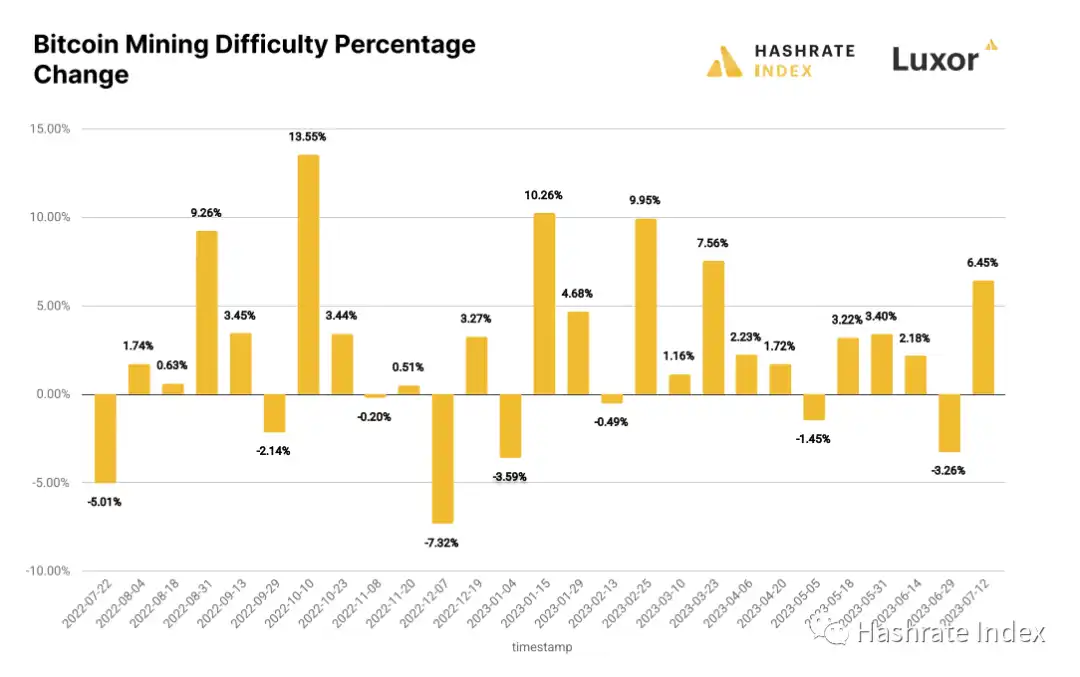
Figure 2: Overview of Bitcoin mining difficulty changes
The mining difficulty has decreased by 2.94% after reaching a historical high of 53.91 T. Last summer, due to heat waves ravaging the United States and causing a drop in computing power, Bitcoin miners adjusted the difficulty three times in a row. Since the beginning of 2023, miners have largely avoided the heat waves and they have not caused too much interference with computing power. However, as we enter August (the second hottest month in US history), if the weather becomes extreme enough, we may see more negative difficulty adjustments. Although any interference in computing power can be easily compensated for by expanding mining in other parts of the world.
Algorithmic power surge followed by stagnation
Recall what we mentioned in our year-end report in 2022 (if you are a miner, no reminder is needed), the computing power price hit rock bottom in the fourth quarter of last year. It reversed in the first quarter, providing some relief for miners. In the second quarter, the computing power price rebounded quickly and stabilized under the combination of the decline of NFT craze (which we will further explore in the ordinal/inscription section), the recovery of Bitcoin price, and slow computing power growth.
During Q2, the average computing power price (in USD) was $77 per PH per day, which is a 5% increase from the Q1 average of $72 per PH per day, and a 30% increase from the Q4 average of $59 per PH per day. The average computing power price (in coin terms) during Q2 was 0.00275 BTC per PH per day, which is a 15% decrease from the Q1 average.
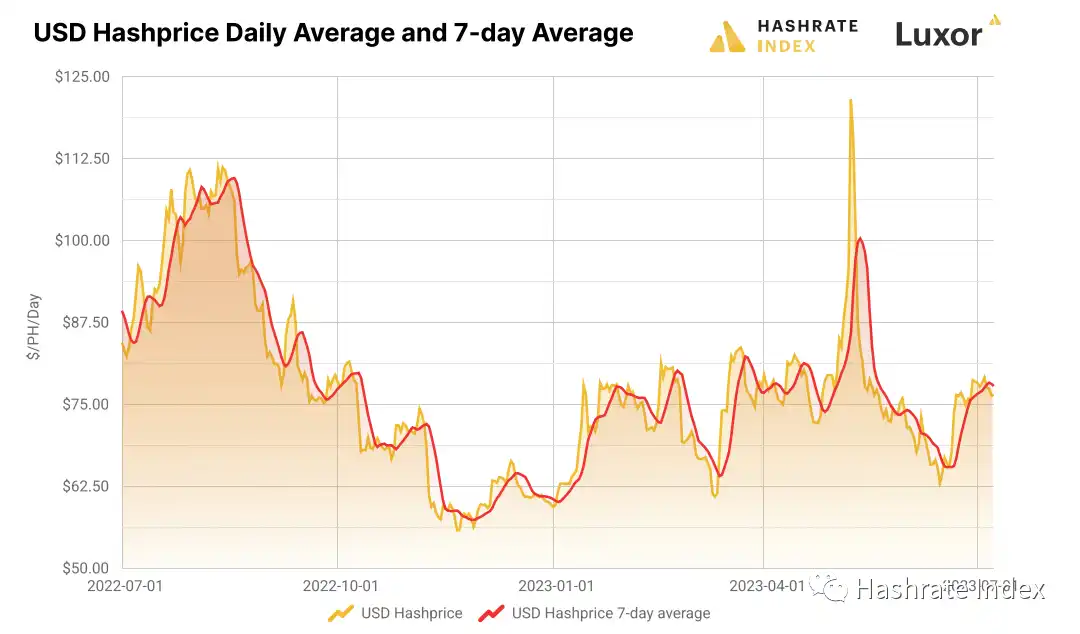
Figure 3: Overview of daily and 7-day average computing power prices under the US dollar standard
Overall, Q2 is a feast for miners who are scarce in profits. Considering that the breakeven point of the S19j Pro miner is 51.25 USD/PH/day at an electricity cost of 0.07 USD/KWh, it can be imagined how many miners are worried at the end of 2022 (especially in North America). Q1 provided a slight relief for this profit shrinkage, while Q2 further alleviates this situation.
Despite this, with the rise of Bitcoin stalled and difficulty reaching its historical high in July, pressure has returned to mining power prices. Currently, the mining power price is $72 USD/PH/day in USD terms and 0.00244 BTC/PH/day in coin terms.
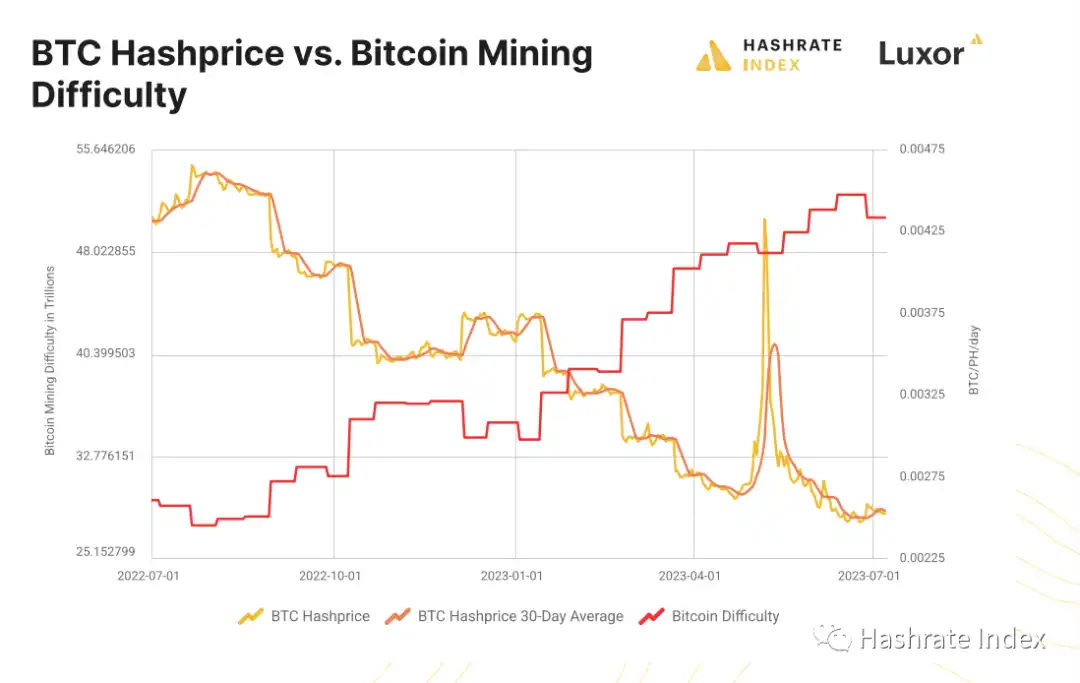
Figure 4: Comparison of the relationship between Bitcoin hash rate price and mining difficulty - Ordinal and Inscription: Miners stop "fighting" and fall in love with "jpeg" format images.
In 2023, Bitcoin miners will be reminded that transaction fees will have a huge impact on their bottom line, and they should partly thank the influence of "bored apes" and "Pepe jpegs".
In 2022, transaction fees account for 1.63% of all block rewards. In comparison, the current transaction fee ratio is 4.9%, and it will be 2.3% in Q1 2023 and 8.11% in Q3. This increase is not from traditional economic transactions, but from a new way of minting and trading NFTs on Bitcoin.
These digital images, videos, texts, and electronic game files, called inscriptions, can be any data included in Bitcoin transactions using specific transaction conditions by Bitcoin users. Unlike NFTs on Ethereum, Solana, and other chains, these NFTs are actually uploaded to the blockchain. To track them, collectors use ordinal theory, a mathematical method of digital sorting, to mark a single satoshi in each transaction as the "deed" of the inscription. Based on the first-in, first-out principle, ordinal theory can track every satoshi since the genesis block.
Just like paper money and coins, collectors also search for rare coins with monetary value. The inscription craze has even opened up a market for "rare intelligence".
The discussion of inscription and ordinal theory in the encryption industry has led to a surge in block transactions on the Bitcoin blockchain, resulting in transaction fees reaching their highest level since October 2020.
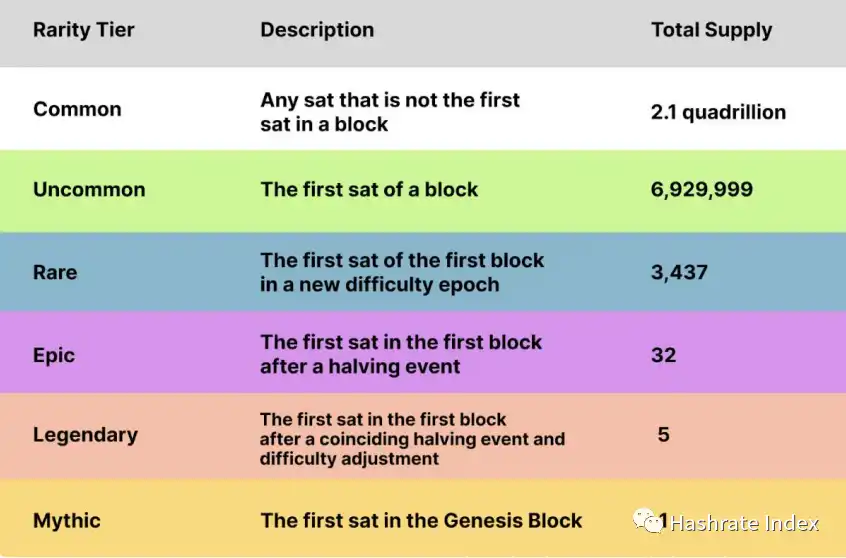
Figure 5: Overview of the rarity levels of Bitcoin's "Satoshi" and the transaction fees reaching a new historical high with Ordinal and Inscription
Casey Rodarmor first introduced the concept of ordinals and inscriptions in January of this year, although he and others had been experimenting with this technology since December of last year.
The inscription attracted the attention of the encryption circle in February, and early adopters rushed to engrave digital art and miscellaneous collectibles. This novel NFT method has attracted many NFT traders, collectors, and creators from the Ethereum ecosystem, accelerating the frenzy and transaction fees. So far, there have been more than 19.6 million inscriptions on the Bitcoin blockchain.
In February, the adoption of ordinal inscription immediately enabled miners to earn double the revenue from transaction fees compared to 2022. In 2022, the average share of block rewards earned from transaction fees was 1.63%; whereas as of now, the average share for Q1 is 2.3%, for Q2 it is 8.11%, and the average share for the whole year is 4.9%.
When the inscription craze reached its peak in May, miners earned more from transaction fees than from block subsidies, and it was common to receive blocks with 12.5 or more bitcoins as rewards, which was the same as the block subsidy in the previous halving period.
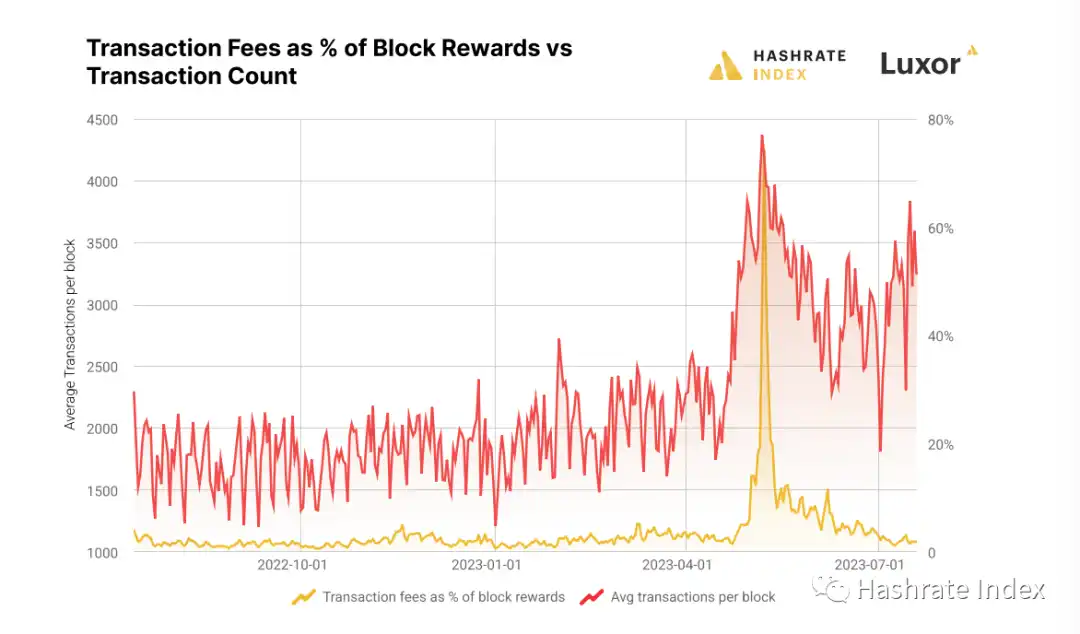
Figure 6: Overview of transaction fees as a percentage of block rewards and transaction volume, and changes in block capacity under the inscription tide
The inscriptions have been controversial for various reasons, one of which is that they benefit from the data discount of SegWit. The inscriptions are stored in the witness part of the block (introduced by the SegWit upgrade in 2017). Compared to other data blocks in regular transactions, the transmission cost per byte of witness data is lower, so the transaction cost (satoshis) per byte of data required for inscription transactions is lower. We can see the final effect of the SegWit discount in the following figure, which shows the difference between the number of transactions and the block size from February to May, demonstrating the impact of the early inscription fee dynamics on the witness discount. The blocks are filled with inscription data (such as images and text), but the number of transactions (which has increased) has not increased at an astonishing rate.
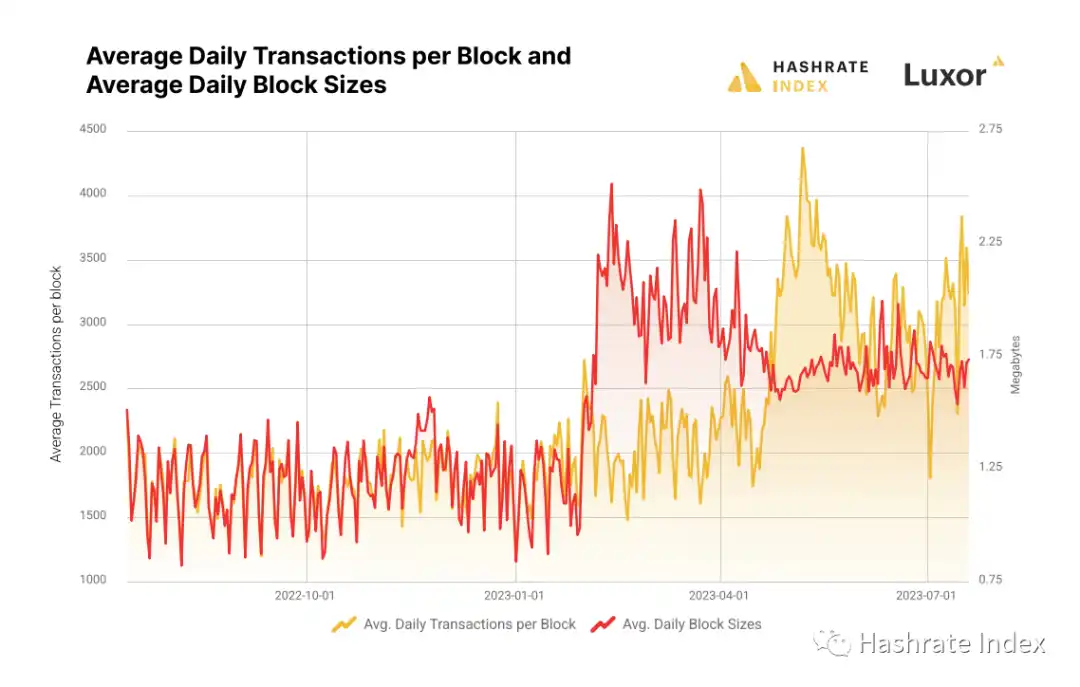
Figure 7: Daily average transaction volume and daily average block size per unit block
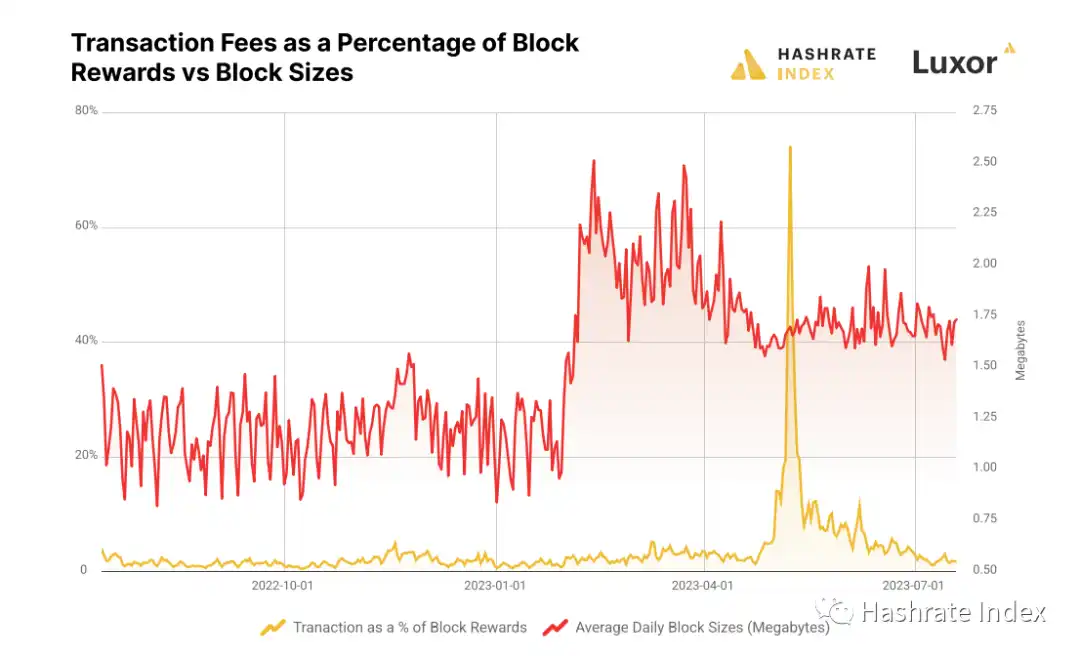
Figure 8: Proportion of transaction fees to block rewards and overview of block sizes
In the second quarter, "BRC-20 tokens" dominated the inscription market, and the number of inscription transactions and actual transaction fees began to show an upward trend. Initially, most inscriptions were in JPG and other image formats, but BRC-20 transactions require less witness space and more transaction field space, which has incentivized a completely different level of trading activity.
As shown in the figure below, trading activities accelerated in April and reached their peak in early May.
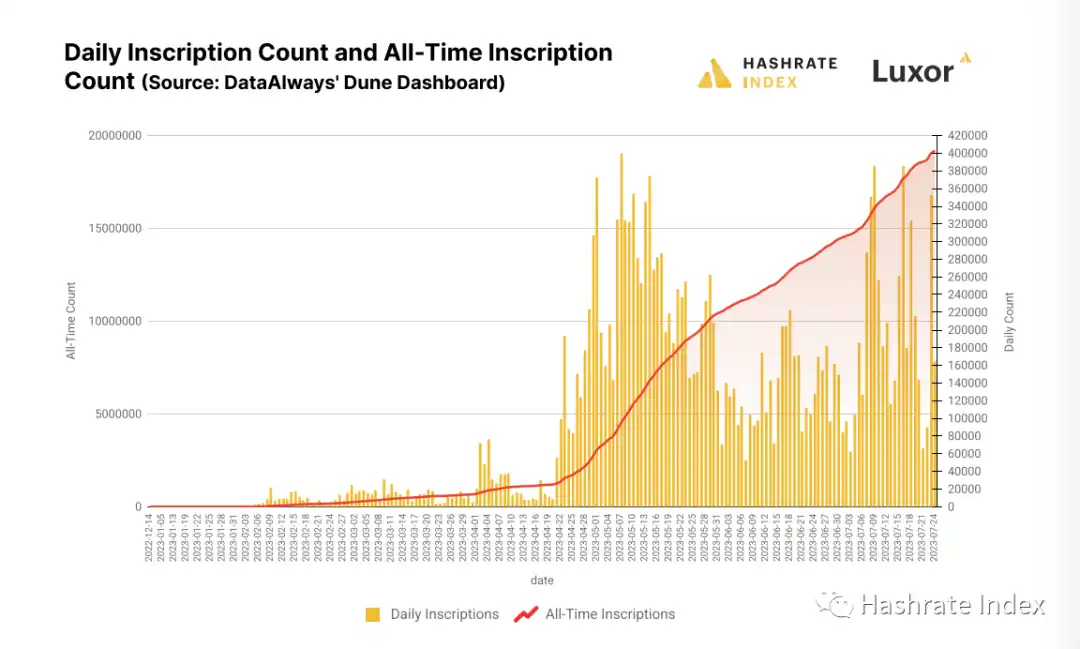
Figure 9: Daily average transaction volume of inscriptions and their total transaction volume
The BRC-20 token standard was initially launched in April 2023, ultimately bringing the minting craze similar to Ethereum to the inscription field. Prior to this, inscription makers would mint an entire collection and then auction it off in a very basic over-the-counter manner on Discord servers, Twitter, and other forums; unlike popular NFT collections on other chains such as Ethereum and Solana, users can mint their own NFTs from the auctioned collection, but this option does not exist for inscription collectors.
The BRC-20 standard changed this. Now, using the OP_CODE field of Bitcoin, collectible creators can create tokens with fixed supply parameters. After the template is broadcasted, anyone can mint tokens in the series according to the token's parameters. When BRC-20 started to become popular in May, a first-come, first-served mechanism encouraged engravers to bid for fees, competing for the opportunity to mint the first tokens in a new series. These minting transactions are also OP_CODE transactions, so they do not receive as much benefit as SegWit discounts because the cost per byte is higher.
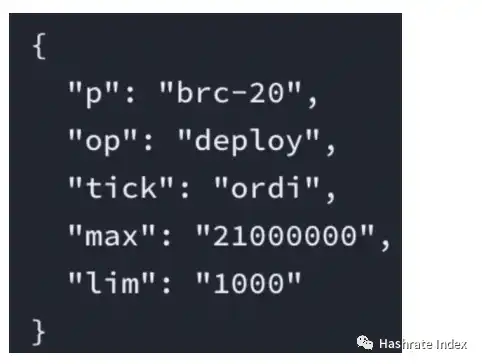
Figure 10: BRC-20 OP_CODE Example
This type of mining incentive and BRC-20 transactions will not benefit significantly from the SegWit discount, leading to a sharp increase in transaction fees in May, as shown in the chart below. We can also observe that after experiencing a parabolic increase in May, mining activity began to level off in July.
Stabilize.
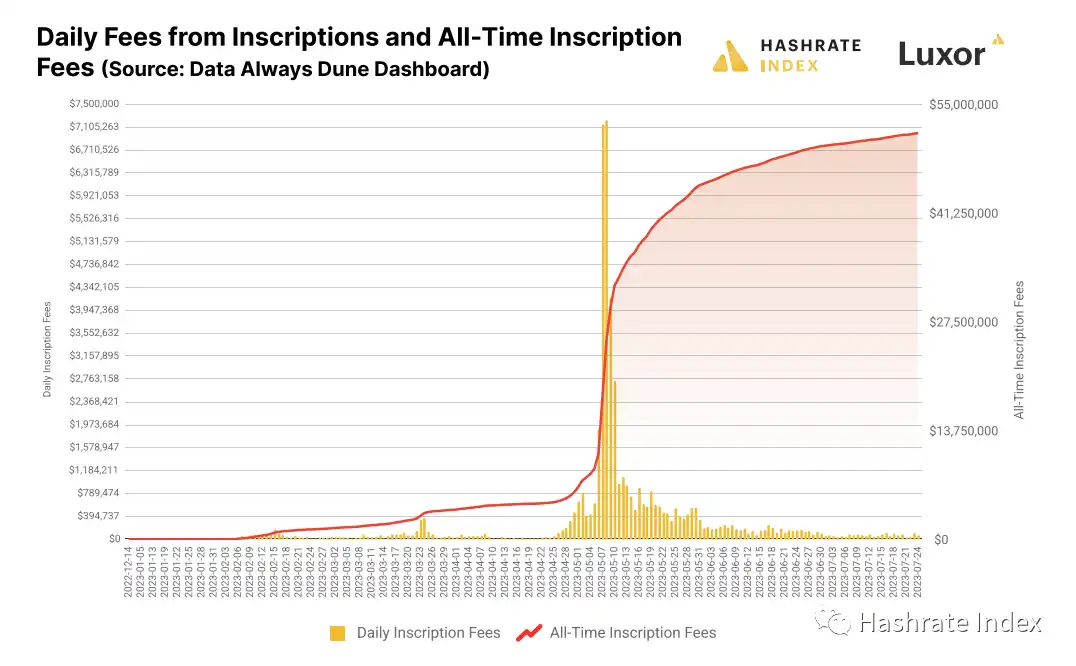
Figure 11: (Inscription) Average daily transaction cost and total transaction cost
The first wave of NFT craze in Ethereum appeared in the form of CryptoKitties in 2017, but it wasn't until the historic bull market in 2021 that NFTs truly began to have a significant cultural impact. For example, Eminem and Snoop Dogg portrayed bored apes in a virtual performance at the MTV Video Music Awards (VMAs). NFTs have started to integrate into people's daily lives, not to mention their impact on mining profits.
We expect that ordinal inscriptions will have similar continuity, and under bullish conditions, especially when interest in Bitcoin and cryptocurrencies is high, they will create cyclical trading fee booms and busts.
But this does not mean that miners should bet on inscriptions to keep the computing power price stable. We believe that digital collectibles have captured cultural awareness, and the trend of inscriptions is expected to increase miner revenue in the future, especially when developers and entrepreneurs begin to try new applications of space blocks.
Miner prices tend to stabilize
Since the end of the bull market in December 2021, the price of Bitcoin mining machines has been in free fall. However, in the third quarter of 2023, there seems to be a sign of a rebound in mining machine prices, at least for now.
The price is generally still showing a downward trend, but market data shows signs that mining machine prices may stabilize in July, especially for new generation equipment. Below we list the quarterly price changes of some popular mining machine models (data from Luxor's mining machine trading platform RFQ).
· S19 XP(-2.64%)· S19j Pro+ (2.07%)· M30S++ 112TH/s (-10.34%)· S19 Pro 110 TH/s (-15.63%)· S19j Pro 104TH/s (-16.88%)· M30S 88TH/s (-25%)
It can be clearly seen that low-hashrate new-generation models such as S19 and M30S are gradually losing favor, while the premium of new-generation models such as S19 XP is rising (because miners are looking for more efficient machines to meet the arrival of the halving period).
From the chart below showing the price changes of mining machines in the second quarter of 2022, it can be seen that although the price of Bitcoin mining machines decreased in the second quarter of 2022, it rebounded in June and July, especially for the next generation models mentioned earlier.
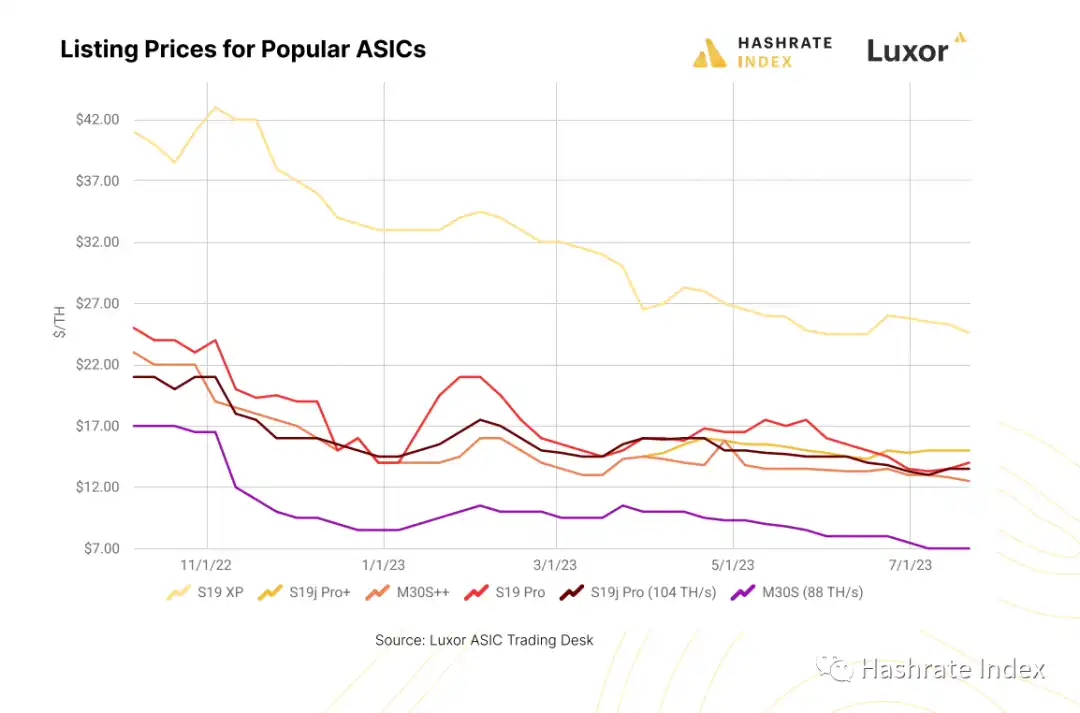
Figure 12: Trend chart of popular model prices
It is worth noting that we have seen appreciation and premium per TH unit for S19j Pro+ compared to other S19j series models at the end of the quarter. S19j Pro+ has just been launched, and like any new machine, the price is lower when miners place futures orders and the performance of the machine is unknown. As miners gradually observe the operation of S19j Pro+ and trading moves from the futures market to the spot market, machine prices rebound as uncertainty fades and models become more transparent. We also saw this pricing dynamic in S19XP, which was launched last summer.
It is worth noting that new-generation devices such as S19j Pro, S19 Pro, and M30S++ are currently in tight circulation. For most operators, the older models in these series, such as the regular S19 and M30S, are becoming less popular, as can be seen from the price drop of the M30S in the above chart (when the computing power price hit its historical low in November 2022, the value of M30S dropped sharply).
For miners whose mining operation electricity cost is equal to or higher than the average electricity cost (e.g. $0.075/KWh), any machine with an efficiency value lower than 34 J/TH is not worth investing in (unless Bitcoin experiences a significant surge in the next 12 months, which we are not betting on, as further analyzed in the mining machine payback period section of this report). With the Bitcoin halving in 2024 and a large number of new machines being launched in 2023 and 2024, yesterday's next-generation machines will become today's mid-generation machines. However, investing in mid-generation and new-generation machines at a price per TH may be a good strategy to double profits, provided that 2024/2025 is a bull market. Just like miners bought S9 for a few cents last year and sold them for $50/TH at the peak of the bull market in 2021.
S19XP Premium Rises
As miners prepare to expand their mining operations for the 2024 Bitcoin halving, the price of computing power and Bitcoin is not the only factor that miners consider when evaluating mining hardware. Bitmain and MicroBT have released several new models in 2023, and like all new hardware, miners are uncertain about their performance. As the flagship of Bitmain's next-generation mining machines, the Antminer S19 XP has been field-tested for a year, but there are still some areas that need improvement in its design (such as covering one side of each computing board with an aluminum panel, as reported by Compass's Mining Memo), but miners generally consider it to be a stable machine.
As the halving period approaches, miners are prioritizing machines that have advantages in efficiency and computing power. Therefore, the premiums for next-generation hardware such as Antminer S19 XP and Whatmsiner M50S++ are increasing compared to older models.
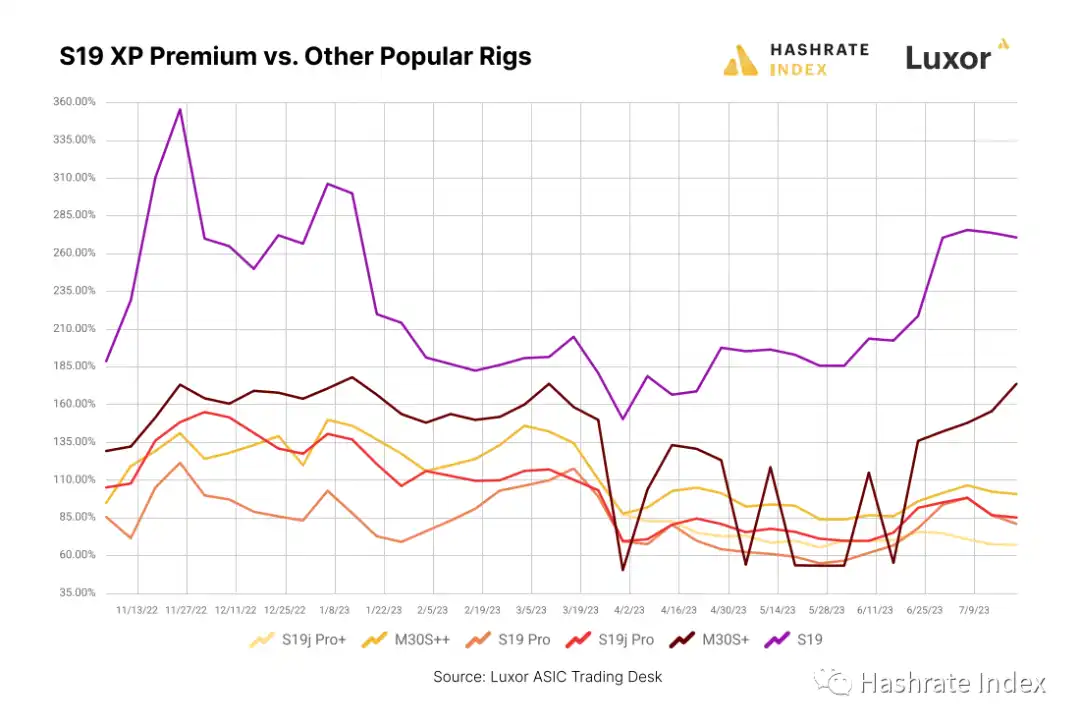
Figure 13: Premium comparison of S19XP with other models
As shown in the above figure, the premium of S19 XP reached its lowest point in the second quarter, but has been on the rise since June. As we enter the third quarter, the premium of S19 XP is approaching the high point at the end of last year, when the price of Bitcoin was between $15,000 and $16,000, and every analyst called for a price cut. With the rapid recovery of Bitcoin in the second quarter and the surge in transaction fees under the craze of inscriptions, the computing power price continues to rise, and the relatively low premium in the previous quarter is a response to the improvement of market dynamics. When the marginal cost of mining improves, miners do not need to urgently replace efficient hardware, so the premium of XP also decreases. Now that the computing power price has returned to an uncertain level, especially with 9 months to go before the halving, and miners are increasingly inclined to refer to the post-halving mining economy, the premium is rising again.
We also noticed that compared to the Antminer S19 XP, the M50S series has a higher price premium. We speculate that there are two reasons for this premium: 1) Bitmain produces more machines than MicroBT, so they can get better prices from chip manufacturers, and 2) Whatsminer is becoming a strong competitor to Antminer.
As miners prepare for the halving, the next generation of mining machines has become their preferred choice. Their premium has also steadily increased within a year.
New models and water-cooled/oil-cooled models
Speaking of new devices, here are some new mining machine models that were launched last quarter.
· S19j XP(151 TH/s) - 21.5 J/TH
· S19k Pro(136 TH/s) - 24 J/TH· M50S++(150 TH/s) - 22 J/TH· M56S++(immersion 230 TH/s) - 22 J/TH· M53S++(Hydro 320 TH/s) - 22 J/TH
We have begun to notice an increasing number of water-cooled and oil-cooled mining farms, especially as the halving approaches and manufacturers expand their offerings for these types of mining machines. Under normal circumstances, these machines can provide miners with double the computing power for the same energy input, and when overclocked, they can even provide more computing power.
However, this output comes with costs: higher capital expenditures, more hardware, and increased maintenance costs.
1. Hydro Cooling: Water cooling, also known as liquid cooling, uses cold water cooling technology and deionized water as the heat transfer medium. Unlike immersion cooling, hydro cooling typically uses a closed-loop system where water circulates in a heat exchanger without contacting electrical components. This method achieves efficient heat transfer due to water's higher heat capacity compared to air and oil. Compared to air cooling solutions, hydro cooling offers advantages such as improved cooling efficiency, scalability, flexibility, and lower operating costs.
2. Immersion cooling: Immersion cooling involves submerging electronic components (such as servers or mining machine chips) in a non-conductive liquid or coolant. This cooling method allows the components to directly contact the coolant, providing better heat dissipation. Immersion cooling has many advantages, including improved cooling efficiency, reduced thermal stress, improved performance, extended equipment lifespan, and smaller physical footprint. By eliminating the need for air cooling, immersion cooling enables higher density deployments and reduces noise pollution in the computing environment.
The infrastructure supported by immersion and hydraulic cooling systems has many similarities. The main components of an immersion cooling system include:
· Water tank· Cooling agent
The main components of a hydraulic cooling system include:
· Rack· Cooling agent
The biggest difference is the coolant used in the cooling system (water or dielectric oil or similar non-conductive fluid). Hydraulic cooling systems use specially deionized water as a coolant. Maintaining water quality and minimizing environmental impact are key aspects of hydraulic mining setups. Miners employ many techniques and measures to maintain their hydraulic Bitcoin miners, such as filtration systems for sediment and impurity removal, regular water quality testing, pH adjustment, chemical treatment for pollutant removal, and compliance with environmental factors. Implementing water circulation and reuse systems helps reduce water consumption and comply with local regulations to ensure proper discharge management. In the meantime, MicroBT recommends using first-grade deionized water that complies with national standard GM/T 6682-2008.
In immersion cooling systems, the liquid must be non-conductive as it comes into direct contact with the mining components. The choice of coolant depends on various factors such as dielectric performance, thermal conductivity, and compatibility with electronic components. Miners typically use fluorocarbon-based liquids such as 3M, Novec, or Galden in immersion cooling systems because they are non-conductive and have high boiling points. These coolants can achieve efficient heat transfer while ensuring the safety of the immersed components.
Although the situation appears to be better than last year, miners should still exercise caution and not assume that the end of the energy crisis has been seen. The global energy market still faces serious imbalances, which could lead to another increase in electricity prices, especially in extreme weather conditions.
This chapter will discuss energy market trends that may have positive or negative impacts on miners' access to cheap electricity. Based on historical data and future predictions, we also analyze at which electricity price point miners will need to calculate their hashing power after the halving.
In most modern electricity markets, the price of electricity is determined by the marginal production cost of the power source, which is easy to dispatch and typically natural gas power plants. Given the importance of natural gas prices to the electricity market, this section analyzes the current state of the global natural gas market and introduces the latest developments in the international electricity market to better understand future trends.
From the following chart, it can be seen that in the second half of 2022, natural gas prices in Europe and the United States soared to historic highs. As usual, electricity prices also rose, causing serious problems for the unhedged part of the global Bitcoin mining industry. At the end of 2022, the two largest Bitcoin mining hosting providers in North America, Compute North and Core Scientific, announced bankruptcy, partly due to the rise in electricity costs.
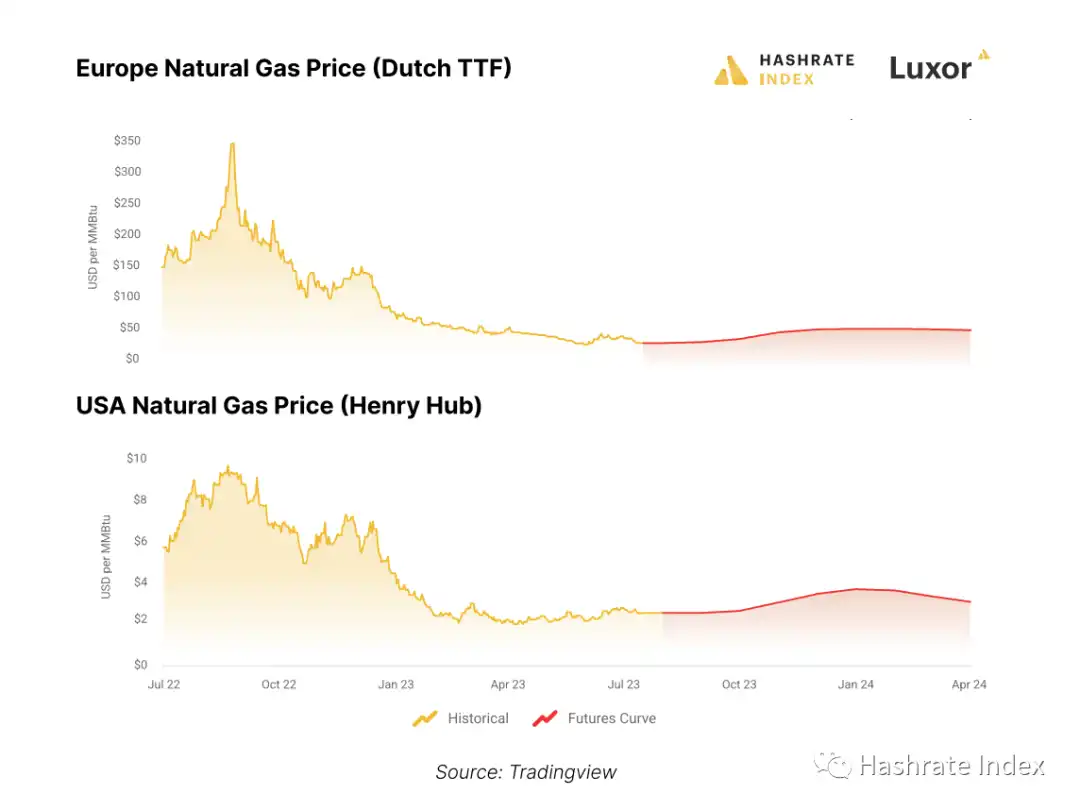
Figure 14: Comparison of natural gas prices in Europe and the United States
Therefore, miners should be prepared for the worst-case scenario and ideally hedge their electricity input costs for the next few months and year.
As shown in the following figure, the electricity prices in most states of the United States have significantly decreased in the past year.
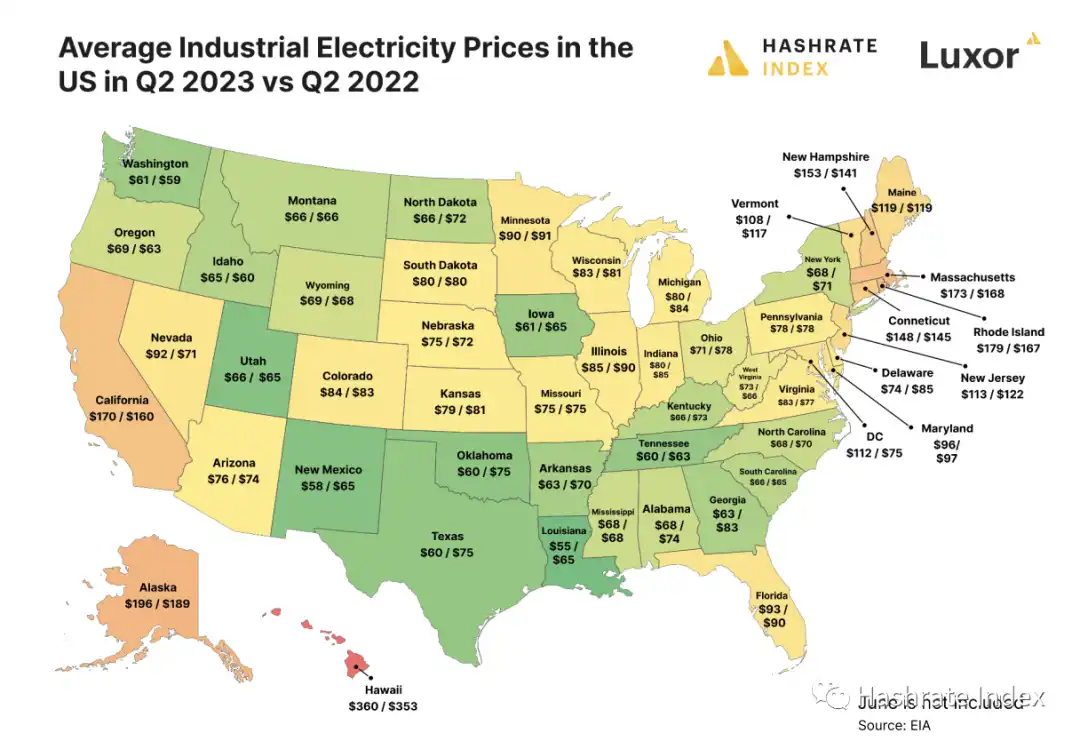
Figure 15: Comparison of average industrial electricity prices in each state of the United States during Q2 of 2023 and Q2 of 2022
In many states, the decline in natural gas prices has been helpful, and the summer of 2023 is more tolerant of record high temperatures than last year. As we will mention later, according to electricity prices, hosting rates are either declining or remaining stable in various states.
Speculation on Future Industrial Electricity Prices in Various US States
Analysis of the Reduction in Production in Texas during the Summer
Summer is the most challenging season for North American Bitcoin miners, for two reasons. Not only do they need to increase their cooling needs during the hot summer months, but spot electricity prices also tend to rise because everyone is running their air conditioning. Summer is typically also a high-demand season and a time for tourism activities. These rising electricity prices often force miners to periodically reduce their operations. In this chapter, we will analyze how summer heat affects mining operations in Texas.
However, in most states, summers are relatively mild, although the electricity grids in Texas and California have performed poorly during periods of high heat and storms.
We can see that the average price between midnight and noon is much lower than last summer. However, the peak price is usually reached around 5 pm, and this summer's peak average price is slightly higher than that of summer 2022.
When the spot electricity price exceeds the mining revenue per MWh, most Bitcoin mining in Texas will reduce load, as shown in the figure. As we can see, this usually happens during a six-hour period from 3 pm to 9 pm. The six-hour reduction means that most Bitcoin miners in Texas can expect to achieve about 75% uptime in July.

Figure 17: Overview of Riot's monthly machine online time ratio in 2022
Riot's summer effective operating time reduction in the mining farm provides us with a real case study of ERCOT production reduction. As shown in the figure above, Riot's expected normal operating time from January to April is about 90%. With the rise of temperature and electricity prices, the expected normal operating time of this Texas mining giant has significantly decreased, operating at only 54% to 71% of capacity from June to September. Similar to many other miners in Texas, Riot can significantly reduce its actual electricity bill by reducing its load during peak hours.
1. Different Forms of "Production Cut"
Miners and commentators often talk about "demand response" and "production cuts", and the fact is that Riot has been compensated for this, while some other large operators in Texas have not, so not all "production cuts" are the same.
ERCOT provides four basic types of reduction services. (Special thanks to Evan Neel of ERCOT for providing information for this section).
a. Economic reduction: This method depends on the spot price of the market, either currently or in the near future. For miners who hedge through PPA, their contracts almost always have the option to relinquish their contracted power and have it sold to the spot market by their power supplier. The miners then settle financially with their power supplier and collect the difference. This means that for some miners who choose to hedge, reducing production when spot electricity prices are high is the best financial option, even though they have already been profitable mining at a fixed price. They reduce production because the arbitrage opportunity exceeds mining revenue. Non-hedging miners also operate in this way, but without arbitrage. If spot electricity prices rise above their mining revenue per MWh, they will reduce production. By avoiding the most expensive price range (time), they significantly reduce their actual electricity costs.
b. 4 Coincident Peak (4CP) Plan: This demand response plan aims to allocate the transmission costs based on the total average consumption during the peak load intervals of four summer months (January to September). By avoiding consumption during these intervals, loads can save a significant amount of money in the long term. Typically, most miners operate their mining operations conservatively during the summer, avoiding power consumption during one of these intervals (usually early afternoon to evening). Most of the summer production reduction by miners can likely be attributed to this.
c. Auxiliary Services: Auxiliary services are reliability products competitively procured by ERCOT in the day-ahead market. As reliability products, they are used by the operator as a tool for dispatching to balance the grid. Eligible large flexible loads (LFLs) with registered uncontrolled load resources or registered controllable load resources with secondary frequency relay installed can participate in these markets. For obligated LFLs, they will receive the market clearing price of the product and are required to maintain a specific MW consumption threshold within the time frame specified in their contract that they must coordinate with their load flexibility (they will use it if the grid needs power; if not, they will keep mining).
d. ERCOT issued an alert: In situations of energy scarcity, such as the winter storm Elliott, some LFLs may reduce production when ERCOT issues an alert. This type of production reduction is rare and typically occurs in the winter, but is almost impossible in the summer.
2. The summer of 2023 is more "human" than expected
This summer has been milder than expected. In the United States, August and September were also historically hot months, but clearly less so than July. Given that the hottest months are already behind us, the threat seems to have disappeared for Bitcoin miners in Texas and other parts of the United States this summer.
美国托管价格与电力市场稳定
American hosting prices and power market stability
In 2021, even retail miners in the United States can negotiate a fully inclusive hosting fee of $0.07 per kilowatt hour. However, these favorable market conditions are not sustainable, as rising electricity prices force co-organizers and hosting providers to raise their prices in the third and fourth quarters of 2022.
According to the Luxor hosting rate index, in January 2023, the average retail hosting rate in the United States reached a historical high of $0.081 per kilowatt-hour, which is very close to the breakeven electricity price of Antminer S19j Pro at that time ($0.082 per kilowatt-hour). Fortunately, for miners, the electricity price cooled down in the first quarter of 2023, so the hosting rate also decreased accordingly. Currently, both electricity prices and hosting rates are stable. The current average retail hosting rate in the United States is $0.077 per kilowatt-hour, a 6% decrease from the beginning of the year.
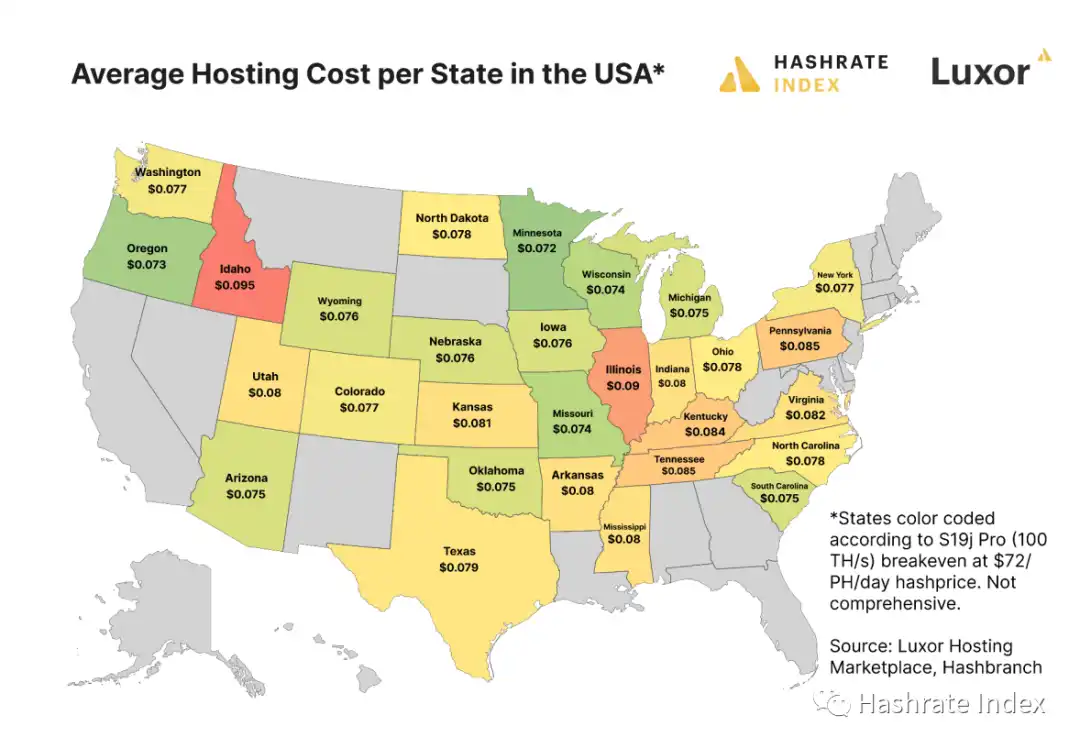
Figure 18: Average Custodial Electricity Prices by State in the United States
As shown in the above figure, the current prices of hosting service providers in Minnesota, Oregon, Wisconsin, Michigan, Oklahoma, and South Carolina are at or below 0.075 US dollars per kilowatt-hour. Idaho and Illinois are the "most expensive states" at 0.095 US dollars and 0.09 US dollars per kilowatt-hour, respectively.
Please note that our observation of these states is much smaller than larger mining states like Texas or Ohio. As shown in the table below, states with more data points tend to bring us a larger gap between small MOQ rates and large MOQ rates, as the rack space market is stronger.
Generally speaking, the hosting fee will rise or fall based on the electricity prices in each state, and the states with the most data points can best reflect this correlation. In addition, hosting service providers are learning from the electricity market fluctuations in 2022; contracts are becoming more flexible, short-term, and subject to monthly adjustments, and long-term contracts of 2-5 years are becoming increasingly rare. More and more hosting service providers are signing "power pass-through" contracts, which allow them to pass on changes in electricity costs to customers; this is particularly common in the oil mining industry, where oil mining operators have a better understanding of the economics of computing power prices and use balanced contracts on a monthly or quarterly basis to cope with rising natural gas prices.
1. Canadian Custodial Electricity Price
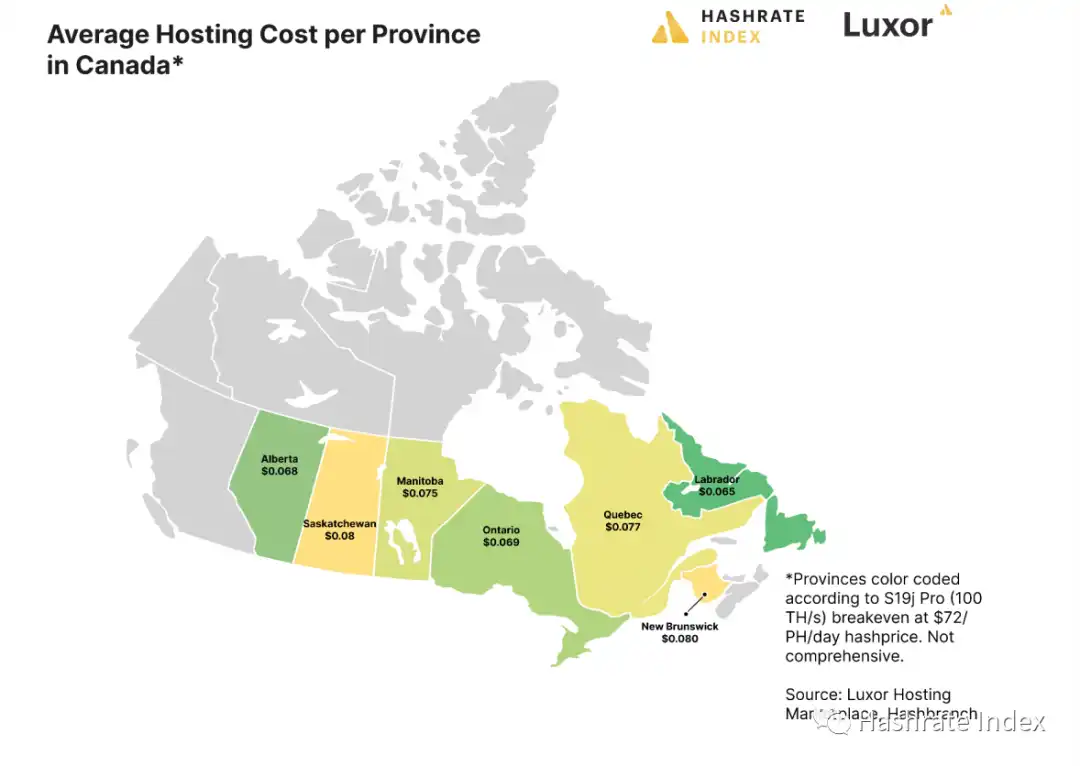
Figure 19: Average electricity prices for each province in Canada
Canada's hosting fees have always been slightly lower than those in the United States. The country has abundant hydroelectric resources, but new miners have difficulty entering the market due to a lack of regulatory clarity (see the section on Canada at the end of this report for more information on this). Operators in Labrador offer services at a minimum hosting fee of 0.065 USD per kilowatt-hour. Meanwhile, New Brunswick and Saskatchewan are the most expensive provincial capitals, with an average of 0.080 USD per kilowatt-hour.
2. About Custody
Since 2020, with the rise in natural gas prices, the prices of oil well stations and stranded natural gas operators have also generally increased. Energy-saving measures and stranded natural gas operators are also increasingly inclined towards computational economics, and after understanding the Bitcoin mining market, they are choosing more balanced profit shares. In the past, miners often received profit-sharing contracts of 80/20 or 70/30, in which natural gas operators would receive 20-30% of mining profits (or in some cases, revenue). Miners are now receiving profit-sharing contracts of 60/40 or 50/50. Stranded hosting sites are increasing their hosting fees as the amount of natural gas connected to the grid increases. Hosting in hydro facilities can provide the best combination of normal operating time and cost.
The United States and Canada offer the most liquid and transparent custody markets, resulting in higher prices compared to other countries. European miners also seem willing to pay a premium to host their machines in locations relatively close to the Nordic region, driving up retail hosting rates in the area to around $0.09 per kilowatt-hour.
Generally speaking, miners who are unwilling to pay a premium will seek hosting solutions outside of North America, such as Paraguay or Russia, where hosting costs are much lower. Paraguay has not seen any significant changes in hosting fees in the past few months, with an average retail price of $0.0625 per kilowatt-hour.
According to Luxor's business team observation, the hosting fees in Russia have slightly increased, with an average retail customer electricity price of 0.055 USD per kilowatt-hour. Over the past year or so, many European and North American miners have withdrawn from Russia due to economic sanctions and the Ukraine conflict. This outflow has left a vacuum of rack space, which has been quickly filled by Chinese, Kazakhstani, Iranian, Russian, and some adventurous Western miners. You can read more about the mining situation in these countries in Chapter 5.
So, what will happen to hosting fees in the coming months? Let's focus on the largest market - the United States. Like any other market, hosting rates are determined by supply and demand. In 2022, with the surge in electricity prices, supply will shrink. At the same time, due to the backlog of mining investments taken on during the bull market period in 2021 and the withdrawal of many Western miners from Russia, electricity demand remains strong. We expect hosting rates to remain stable in the next quarter. Nevertheless, electricity contracts (especially for industrial consumers) will become more complex. For electricity operators, demand response, reduction, and similar power management strategies will be key to maintaining low operating costs, especially before and after the halving. Some contracts, such as agreements for wind or solar-powered mining farms, may offer low normal operating hours (10-16 hours) to obtain lower electricity prices (0.03-4 USD per kilowatt-hour); conversely, hosting at nuclear or hydroelectric sites, where normal operating hours can reach over 95%, may be more expensive (0.06-8 USD per kilowatt-hour).
Since China's mining ban, retail mining investors in North America have become increasingly interested in Bitcoin mining. Typically, these miners have smaller deployments (perhaps 1-10 machines), which means they lack the negotiating power of larger hosts or power companies for better rates. Therefore, all retail miners with combined hosting/electricity costs at or above $0.075 per kilowatt-hour should evaluate their post-halving strategies.
3. The United States will add 25.6 GW of capacity in 2023.
This section will cover the general trends in the electricity supply chain and introduce some large-scale electricity generation projects related to Bitcoin mining. While we will focus on the United States, we will also mention some projects in emerging mining countries such as the United Arab Emirates and Finland.
Let's start learning about the trends in the US power supply chain. The major trend in the US power supply over the past few years has been to replace coal with natural gas as the base load for power generation, while rapidly expanding wind and solar capacity. This trend peaked in 2023, both in terms of coal plant retirements and solar plant production.
By 2023, solar energy will account for more than half of the planned increase in electricity supply in the United States.
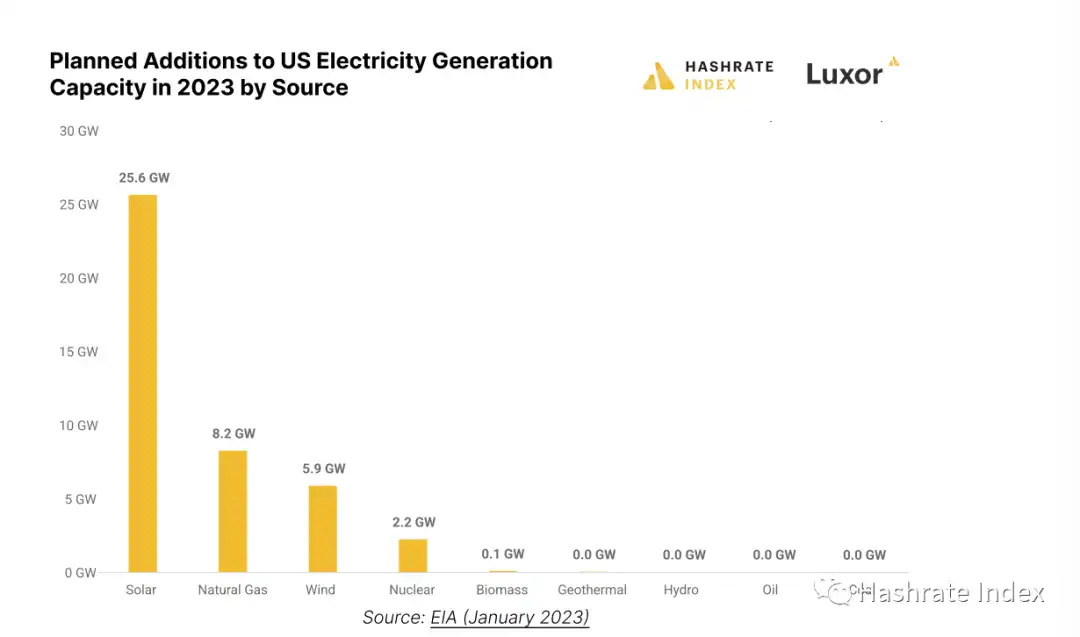
Figure 20: Expected increase in production of various components of the US power sector by 2023
As shown in the above figure, EIA estimates that by 2023, developers will add 25.6 GW of solar, 8.2 GW of natural gas, 5.9 GW of wind, and 2.2 GW of nuclear power. At the same time, we will not see any significant new power plants added in biomass, geothermal, hydro, oil or coal.
4. Will the European electricity market experience fluctuations due to Bitcoin mining?
In recent years, miners have been flocking to the Nordic countries of Norway, Sweden, Iceland, and Finland, while avoiding the southern European countries with significantly higher electricity costs. However, if the electricity market returns to normal, mining may become feasible in other European countries.
As shown in the figure below, the electricity prices in most European countries have sharply declined in the past year, with spot prices in France, Spain, and Germany falling by more than 50%. However, these countries' electricity prices still have a long way to go to be considered "friendly". For example, the current spot price in France is $100 per megawatt-hour, nearly twice the highest Bitcoin mining fee before the halving.
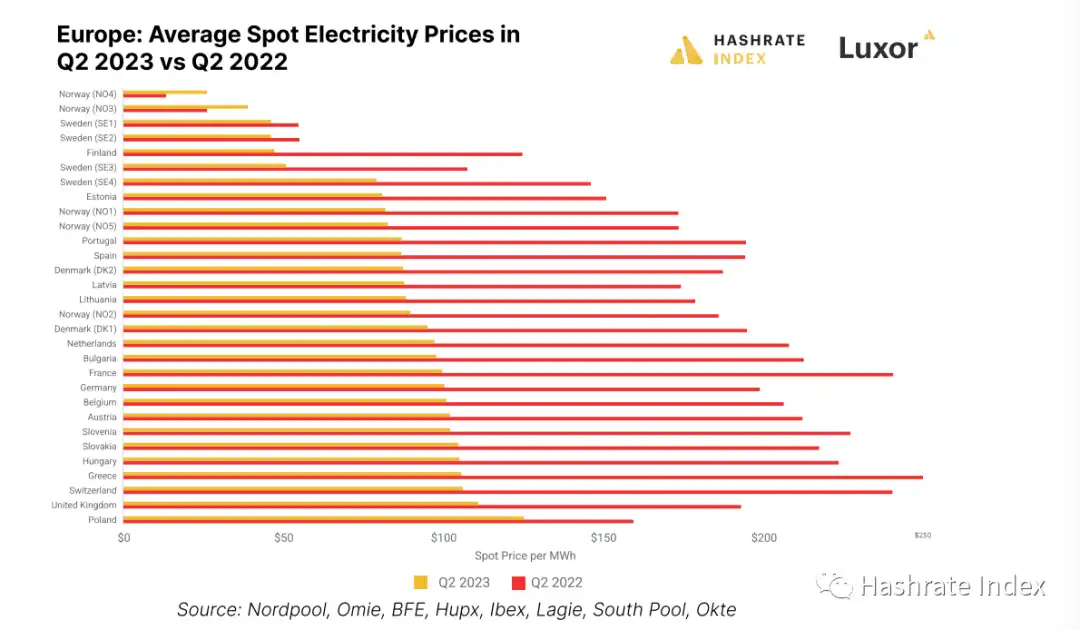
Figure 21: Comparison of average electricity prices in Europe during Q3 of 2022 and Q3 of 2023
Meanwhile, the spot electricity prices in the NO4 and NO3 electricity price zones in the northernmost part of Norway averaged $26 and $39 per kilowatt hour in the second quarter of 2023, far below the threshold for the highest Bitcoin mining fees. Interestingly, during the European energy crisis in the second quarter of 2022, Norwegian miners in this price region even obtained lower prices, paying only $13 and $26 per kilowatt hour in the spot market. In the hydro-rich northern part of Norway, miners were actually unaffected by the chaotic electricity market in Europe in 2022 due to limited high-voltage transmission connections with the European continent.
You can see that even the miners in the northernmost price zone in Sweden enjoy relatively cheap hydroelectric resources like Norway, with a price of $46 per kilowatt-hour. Companies like Hive Digital Technologies and Prosperity Digital in Sweden have fortunately avoided the energy crisis due to transmission line restrictions.
Norway, Sweden, and Iceland have been the mining powerhouses of Europe for many years, but Finland is gradually emerging as a new star in the mining industry. The country recently launched the largest nuclear reactor in Europe, which is expected to output about 55% of the electricity. This large-scale nuclear investment, coupled with generally lower electricity prices, has reduced Finland's electricity prices by 62% over the past year, to a relatively competitive $47 per megawatt-hour. With a large amount of idle capacity and cheap electricity, Finnish regulations will not constrain the development of the mining industry, and over time, Finland may surpass Norway to become the largest bitcoin mining country in Europe. Although electricity prices in other European countries have fallen significantly, they are still too high compared to Finland, which cannot better demonstrate its feasibility in the bitcoin mining industry.
5. Europe cannot become a paradise for Bitcoin mining, but we still have hope for it.
It is unlikely that European electricity prices will continue to fall, but they will continue to face power supply issues in the upcoming winter. The delivery electricity futures contract prices for Germany in 2024 and 2025 are $153 and $161 per megawatt-hour, respectively, which represents a significant increase compared to the current spot price of $101 per kilowatt-hour.
There are serious structural problems in the European energy market, which could lead to a sudden surge in electricity prices. For many years, the European continent has invested insufficiently in base load power generation, resulting in a fragile electricity market and volatile prices.
Even if Europe is lucky enough to experience an unusually mild winter, these profound structural cracks in the European energy system will not disappear. Therefore, the high electricity price risk makes it impractical to invest in industrial-scale mining facilities in most parts of Europe, unless investors can somehow achieve long-term electricity price hedging or prices miraculously drop.
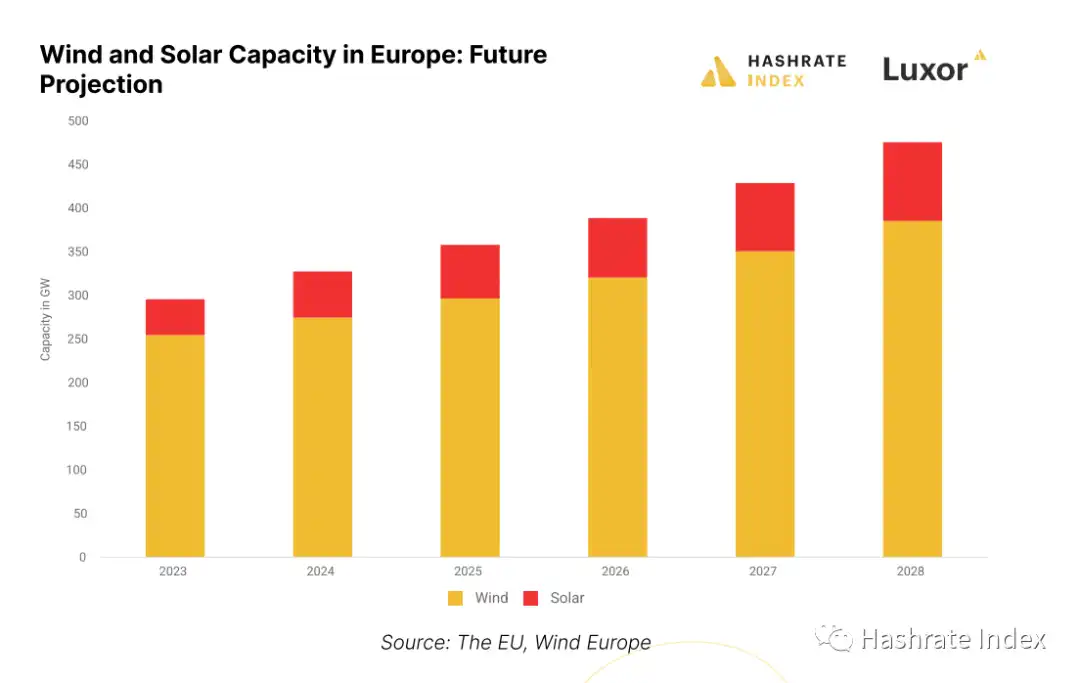
Figure 22: Forecast of the development prospects of wind and solar energy in Europe
Even so, miners and energy producers can use smaller-scale Bitcoin mining operations to solve various energy problems. For example, in Europe, where a large amount of investment is made in wind and solar power, the negative electricity price period is becoming longer, leading to greater electricity price fluctuations. Bitcoin mining machines can absorb excess solar and wind energy from the grid. For wind energy, the output time is usually at night and in the morning, while for solar energy, it is in the morning.
The Bitcoin mining industry in Europe will continue to be concentrated in powerhouses such as Norway, Sweden, Finland, and Iceland.
上市矿企股票表现回弹
Listed mining companies' stock performance rebounds
Without exaggeration, Q2 2023 is the "resurrection season" for listed mining companies.
The stocks of listed mining companies suffered a disastrous defeat at the end of last year, with their prices falling by 90-99%. However, in the first half of 2023, these companies' stocks rebounded, with gains of several hundred percentage points (possibly). The stock's rise peaked in July but gradually faded thereafter.
This report only involves some data points of listed mining companies and provides high-level comments on them. As these mining companies will release their Q2-2023 10-Q reports in August, the data from Q1 in this report will soon become outdated. Therefore, we will reissue a stock report in August.
上市矿企比特币出售量增加
Listed mining companies increase their sales of Bitcoin
In 2023, due to the increase in production capacity, listed mining companies have continuously increased their Bitcoin output, which also provides support for the next step of business expansion and deployment of next-generation mining equipment. In early 2022, miners have been choosing to hold Bitcoin and refusing to sell. However, after the impact of Terra Luna and FTX on the cryptocurrency market and the impact on computing power prices, the amount of Bitcoin hoarded by listed mining companies has significantly decreased. During the bull market, these companies could operate through a mix of debt and equity financing; but in 2022, their stock values were only valued at a limited bull market valuation, and financing options dried up as the federal government raised interest rates. As the liquidity of these two sources of funding gradually dried up, mining companies were forced to sell Bitcoin to meet their operational needs, with the selling price usually being less than $30,000 per coin.
The following chart shows that in June of last year, when Bitcoin first fell to $16,000, the sales volume reached its peak. Most of the large-scale sales occurred among heavily indebted mining companies, who had taken out massive equipment loans at the peak of mining machine prices, resulting in them being burdened with unbearable debt.
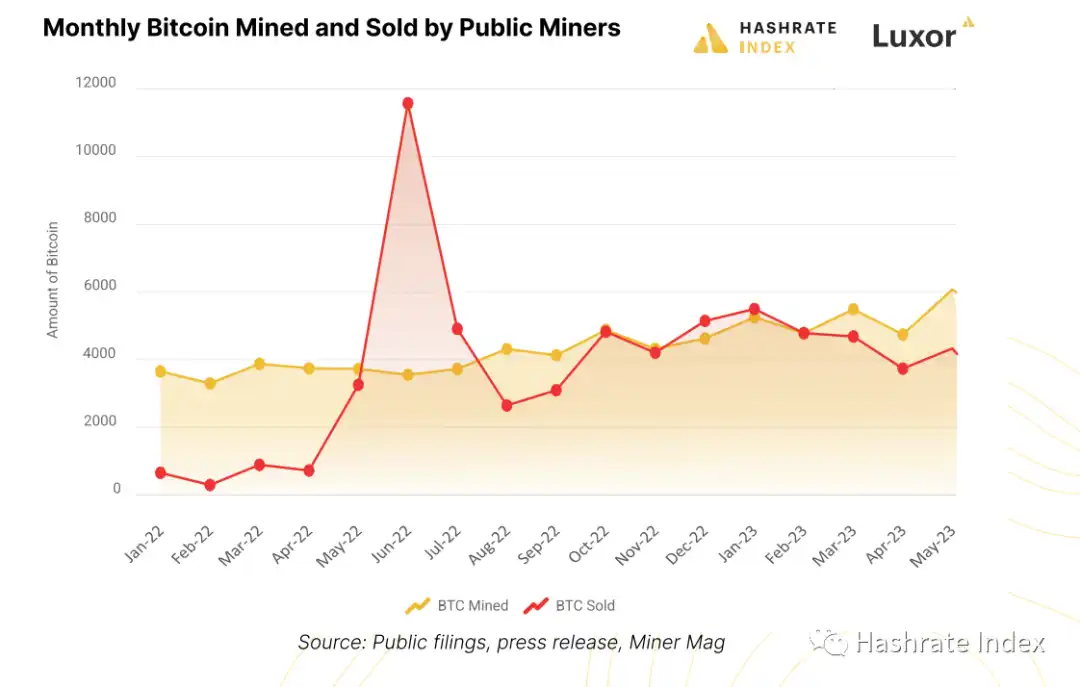
Figure 23: Monthly Bitcoin mining and sales overview of various listed mining companies
In May 2023, listed mining companies significantly increased their Bitcoin production. However, after June, production capacity saw a significant decline. In May, listed mining companies mined 6079 Bitcoins; but in June, they only mined 4859 Bitcoins. One thing is clear, the hot summer and higher network difficulty have affected the overall mining efficiency.
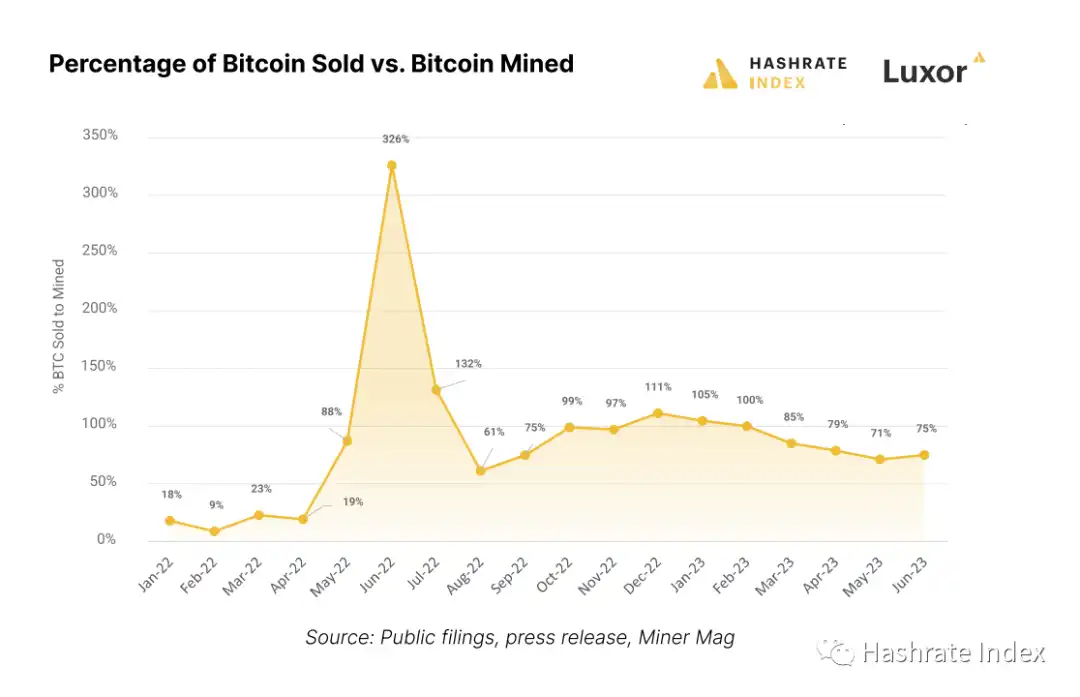
Figure 24: Overview of Bitcoin mining/selling ratio
In the first quarter of 2023, the average amount of Bitcoin sold by mining companies was higher than in the second quarter. As shown in the chart above, the largest sales of Bitcoin occurred during a period of significant price decline. When Bitcoin reached its bear market low at the end of 2022, most listed mining companies were selling their entire inventory of Bitcoin. With the arrival of spring, mining companies made adjustments to their plans, with most beginning to sell two-thirds of their Bitcoin inventory each month to fund their business operations and development.
It is expected that mining companies will continue to develop financial management strategies to avoid making the same mistakes.
上市矿企边际生产成本
translates to
Cost of Marginal Production for Listed Mining Companies
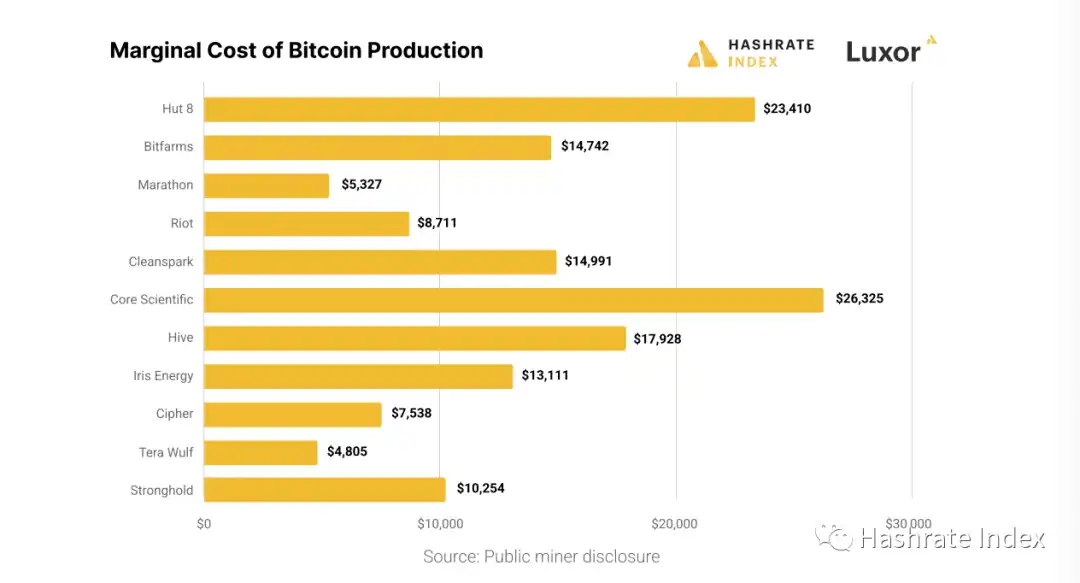
Figure 25: Bitcoin Marginal Production Cost
We calculate the marginal production cost of listed mining companies by dividing revenue costs (excluding depreciation expenses) by the amount of Bitcoin mined during the period. The dataset is based on the latest quarterly financial reports of each company. According to current mining economics, most listed mining companies will still receive some mining revenue in the range of $15,000 to $20,000 per coin.
As a key point in the calculation of marginal production costs, we calculate the current mining capacity of mining companies based on their operating costs in the first quarter. For example, Marathon Digital and Terawulf may have a marginal production cost of up to $10,000 after releasing their Q2 financial reports, while the marginal costs of other mining companies may also increase or decrease. We plan to continue refining this analysis in future reports.
上市矿企算力扩张
Publicly listed mining companies expand their computing power
In the first half of 2023, most Bitcoin mining companies have completed their computing power expansion. Iris Energy leads the way with a 254% increase in computing power, even though they did not fulfill their equipment loan repayment obligations last year. After the launch of its new facility in North Dakota, Marathon Digital's computing capacity increased by 152%. In March of this year, Terawulf's mining capacity increased by 80% after its Lake Mariner facility began operating. Bitfarms increased its mining capacity by 70% by utilizing all 50 MW of electricity at its licensed data center in Argentina. Greenidge solved its equipment loan problem from last year and successfully increased its mining capacity by 127%, becoming the "dark horse" of 2023.
It is expected that the computing power of major mining companies preparing to go public will continue to increase significantly. Cleanspark deployed a large number of mining facilities in July, increasing its computing capacity from 6.7 EH/s to over 8.5 EH/s. Marathon Digital's Garden City will begin operations in August, and with the expansion in North Dakota, its total capacity is expected to increase by 21-23 EH/s. Hut 8's computing power will double after completing its transaction with US Bitcoin. Finally, Core Scientific is currently undergoing restructuring, and its computing power expansion will have to wait until it emerges from bankruptcy.
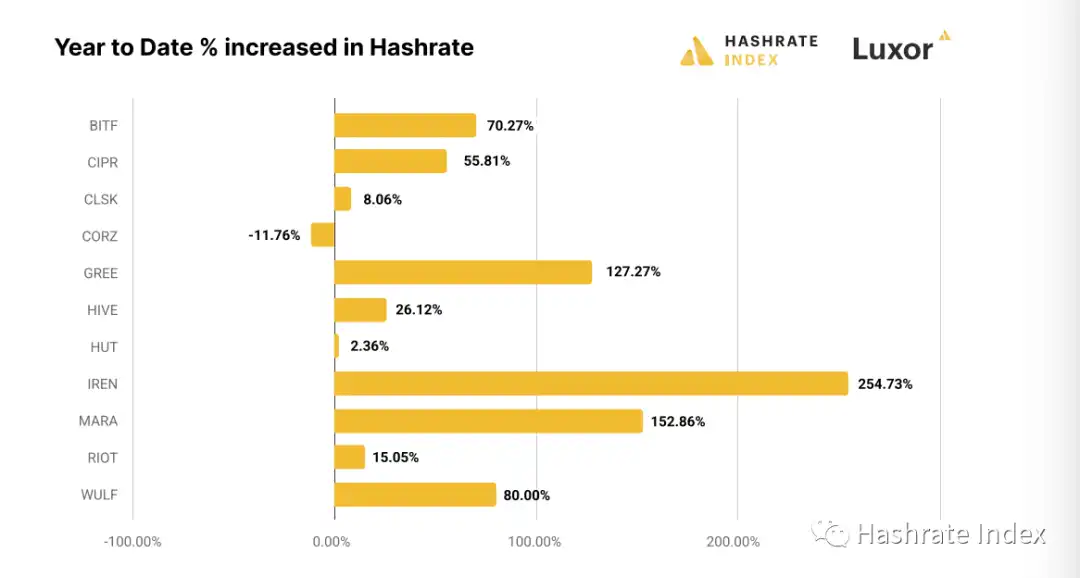
Figure 26: Overview of the computing power growth rate from January to July 2023 for major listed mining companies. Do not blindly follow the AI trend.
This industry is no stranger to hype and following trends, so there has been a wave of hype around AI.
With the emergence of ChatGPT, Midjourney, and other artificial intelligence tools, some miners are using the promotion of their ability to perform high-performance computing and/or AI tasks to achieve hype.
High-performance computing is a general term used for any data center function. However, when miners talk about high-performance computing, they specifically refer to cloud computing, graphics rendering, and similar high-computing tasks. Hut 8 earned $4.5 million in revenue from these services in the first quarter, while HIVE's pilot project brought in $230,000 for the company.
Actually, the cost of artificial intelligence data centers may be 10 or even 20 times that of Bitcoin mining farms, and may incur higher double electricity costs (up to $0.15/kWh) in operation. Computing devices such as Nvidia's A100 and H100GPU cost tens of thousands of dollars per unit. In addition, these data centers require more cooling and backup power infrastructure.
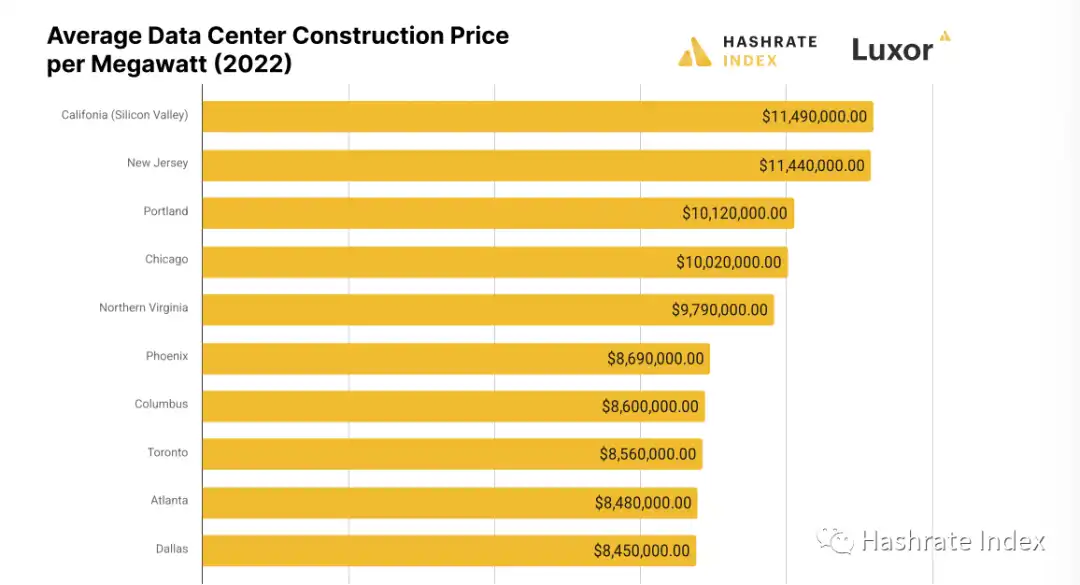
Figure 27: Cost per megawatt of electricity in data centers
Riot has estimated its upcoming Corsicana facility to have a power cost of $832,000 per megawatt, with a total capacity of 400 MW and a total estimated cost of $333 million. This is significantly higher than the average cost of $9.5 million per megawatt in Turner and Townsend's 2022 Data Center Index.
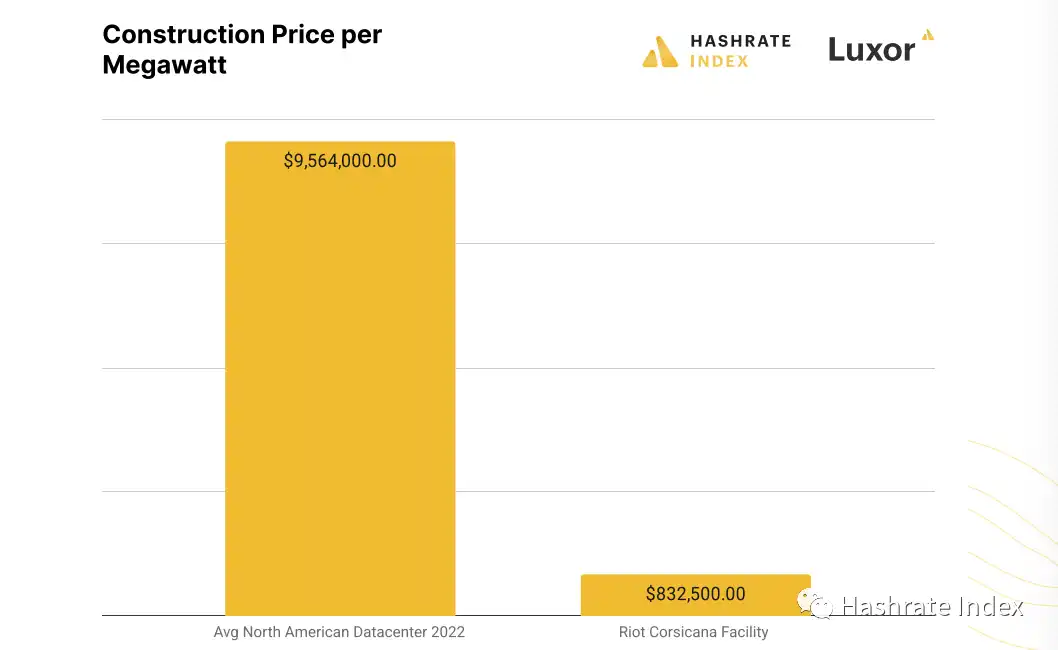
Figure 28: Comparison of Riot Corsicana's electricity cost per megawatt with other data centers in North America
Except for machines that can provide GPU graphic rendering services, no miner will use their computer to perform Chat-GPT. Therefore, when you see headlines or news releases about AI, don't believe them too much, it's not what you imagine.
Overview of Bitcoin Mining in Various Countries
In this section, we provide an overview of the Bitcoin mining landscape in countries with significant or noteworthy mining activities. As other parts of our report delve deeper into the North American market rather than providing a high-level overview of mining activities in the United States and Canada, we summarize recent regulatory actions that have impacted the industry.
美国
translates to
United States
in English.
Overall, in 2022 and 2023, Bitcoin, Bitcoin mining, and cryptocurrencies are becoming increasingly real in the United States. This is particularly evident in the Bitcoin mining industry, especially in aspects involving traditional capital markets and industry regulation. The second quarter of 2023 saw some positive progress in both of these areas.
For example, a large amount of ESG pressure accumulated in the previous bull market has dissipated. The cultural war has cast a shadow on almost every social/economic/political topic in this country, but currently, no party has implemented policies that have caused serious harm to the industry at the national level.
Despite this, the current government and Congress are still working hard. The industry has rid itself of some of the enforcement and legislative attempts aimed at imposing excessive taxes or regulatory burdens on the Bitcoin mining industry. In particular, Biden's Digital Asset Market Participants Tax would have raised the tax burden on Bitcoin miners to 30%, but it has been put on hold following the rising debt ceiling agreement reached in Congress. Instead, the CHIPS Act has sparked a frenzy among states to find suitable land to accommodate chip factories and data centers.
Due to the suspension of the DAME tax, no report could be made on the industry development of Bitcoin mining in the previous quarter's federal-level conference. However, there are many actions worth exploring at the state level.
1. State Bills
Aside from federal regulation, individual state regulation may also have a significant impact on Bitcoin miners. The separation of powers in the United States ensures that certain state laws supersede federal laws (marijuana being one example, with the extreme case being potential discrepancies between state and federal law).
In 2023, conservative states in history enacted the so-called "mining rights" wave, which stipulated that as long as miners comply with local and state laws and regulations, they must not discriminate against miners. These laws were the first batch of domestic laws involving Bitcoin mining and set clear guidelines for regulation.
Other states have introduced neutral to negative legislation this quarter and in the past, but most of them have not yet been implemented or have failed.
2. Texas
One of the more unsettling legislations comes from the mining mecca of the United States - Texas.
3. Arkansas
c. Any rules or rates for public utility services provided by public entities and the state.
Currently, the response to the bill is mixed, with some counties attempting to oppose it.
7. Oregon
9. Washington State
Similar to the United States, Canada also has a federal government, and regulations for Bitcoin mining are mostly determined by individual provinces. Prior to the mining ban in China, this country of deer, maple trees, and hockey was a leader in Bitcoin mining in North America.
Last November and December, some provinces in Canada implemented an 18-month suspension on new mining power contracts, seemingly as a coordinated effort to prevent miners from expanding in energy-rich areas of Canada. Miners have since found it increasingly difficult to expand or enter the Canadian market, not to mention that the Canadian federal government has also raised carbon taxes; as one of the highest carbon taxes in the world, its price is about 30,000 Canadian dollars per megawatt.
It is worth noting that electricity imports are not affected by carbon taxes, and Canadian power companies also export a large amount of electricity to the more populous United States (Canada has a population of 38.25 million, while the United States has a population of 331.9 million, but the installed capacity per 1000 citizens is as high as 4 MW, which is 19% higher than the United States' 3.4 MW per 1000 citizens). In most cases, Canadian power agencies earn more revenue by selling electricity to US cities than to local electricity consumers such as Bitcoin miners.
Finally, Canadian officials proposed implementing a "shadow tax" that would prohibit Bitcoin miners (and other data center operators) from receiving input tax credits like other export industries.
If the proposal is passed, companies engaged in digital asset development will no longer be eligible for input tax credit for value-added tax. This unprecedented proposal will result in an implicit tax, increasing the cost of Bitcoin mining by 5%-15% and significantly reducing Canada's competitive advantage.
As a response, Canadian miners have formed the Responsible Digital Asset Development and Fair Taxation Alliance. So far, they have successfully halted proposed changes and have been urging officials to consult with the industry to understand digital asset development and how to promote a healthy Canadian digital mining industry through fair taxation and regulation.
Other than the aforementioned alliances, the Canadian Blockchain Alliance is a recently formed organization comprised of professionals in the cryptocurrency, Bitcoin, and mining industries. They have been educating policy makers and pushing back against excessive policies.
1. Alberta Province
Alberta is a cowboy province that often plays a contrarian role, trying to incorporate Bitcoin miners into the electricity market.
This province, which is saturated with oil resources, is taking action to attract Bitcoin miners, while other provinces are avoiding this trend. Alberta, in addition to its abundant oil resources, has a relatively less regulated energy market compared to socialist provinces such as Hydro-Quebec, making it a free market.
Although there is currently no specific legislation, the Alberta government has expressed its desire to promote policies that will make Alberta a "modern power country".
2. British Columbia Province
The B.C. Hydro power management agency in British Columbia implemented its own 18-month suspension of bitcoin mining power contracts in December of last year. At the time, it stated that it had received requests for 1.4 GW of power contracts from 21 mining companies, while currently only serving 7 mining companies with a total load of 273 MW.
3. Quebec Province
In December 2022, Hydro-Quebec, the power company in Quebec, cancelled the approximately 270 megawatt power contract previously awarded to Bitcoin mining companies. The power company has a practice of implementing a stop-and-go mechanism for new Bitcoin mining contracts, making it difficult for new Bitcoin mining companies to establish themselves in the region. Even old miners like Bitfarms, who have similar previous power contracts, will leave the province when Hydro-Quebec refuses to grant new power purchase agreements for expansion plans.
Due to its abundant hydroelectric resources, Quebec became an early mining center. In 2022, it exported 16.5% of its output of electricity. According to the report of the power management agency in 2022, Hydro-Quebec sold 216.2 billion kilowatt-hours of electricity, of which 35.6 billion kilowatt-hours were exported, mainly to major cities in the northeastern United States such as New York, at an average price of $0.082 per kilowatt-hour.
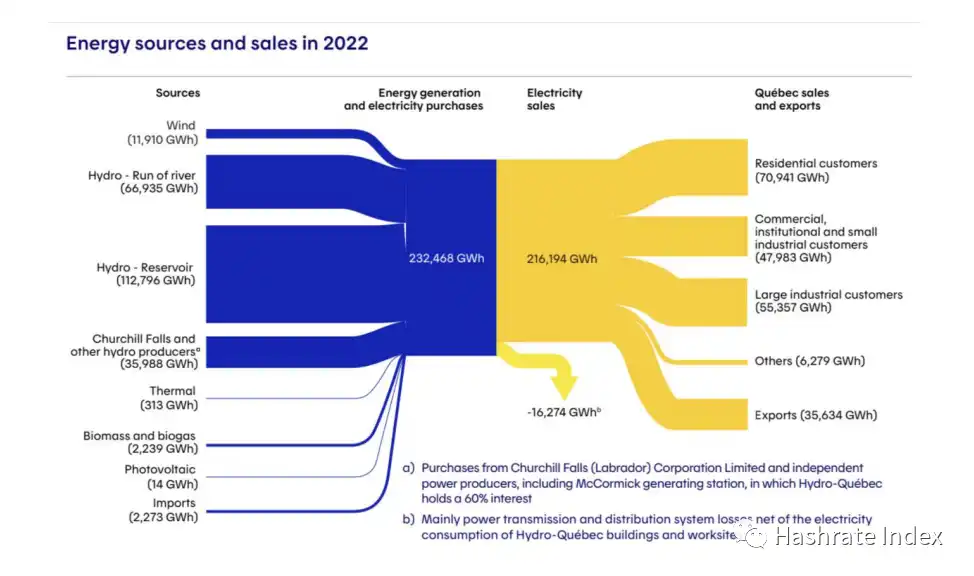 Figure 29: Hydro-Quebec Power Sources and Sales 4. Manitoba
Manitoba implemented an 18-month suspension on new Bitcoin mining projects in December 2022.
5. New Brunswick Province
New Brunswick suspended new mining contracts in March 2022.
6. Newfoundland and Labrador Province
Newfoundland and Labrador has not taken any action against Bitcoin mining companies in the past few years, making this province one of the most promising mining areas in Canada.
Latin America and Paraguay.
As Bitcoin miners in the Western Hemisphere search for cheaper electricity, Paraguay is becoming a leader in computing power in Latin America.
Except for Paraguay, Argentina, Uruguay, and Brazil have also become promising mining countries. Colombia and Venezuela also have a small number of mining sites, but these countries lack economic and political stability, and even if electricity prices are the lowest, most miners find it difficult to bear the risks. Tariff imports may not be easy to handle.
This section mainly focuses on Paraguay, the largest Bitcoin mining center in Latin America.
Since the turbulent situations in Venezuela, Colombia, and Argentina have prevented miners from establishing businesses in these former hotspots, Paraguay has emerged as a rising star in Latin America. It has filled this gap with the help of the Itaipu Dam.
Second only to China's Three Gorges Dam, the Itaipu Dam can generate 14 gigawatts of electricity. Since its operation began on May 5, 1984, the dam has provided power to Paraguay, Brazil, and Argentina, and is jointly owned by Brazil and Paraguay.
More than 99% of Paraguay's electricity comes from the Itaipu Dam and its "cousins," the Yacyretá and Acaray Dams. However, Paraguay's 6.7 million population cannot consume all the energy generated by these dams, leading to 90% of the energy being exported to neighboring countries Brazil, Bolivia, and Argentina.
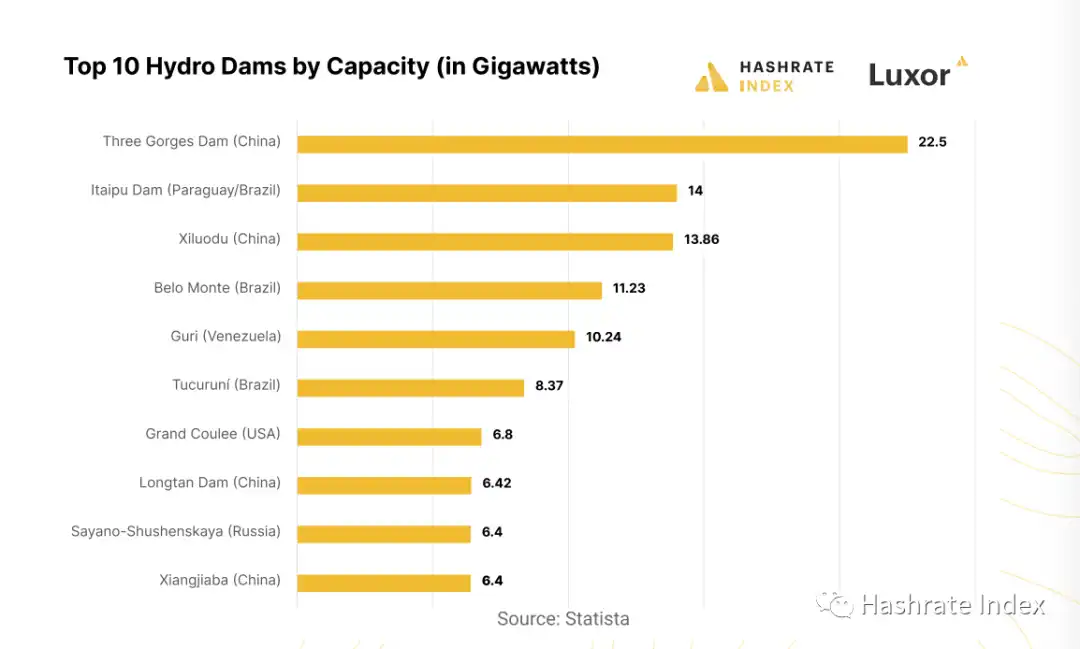
Figure 30: Top 10 Dams in the World (Ranked by Capacity)
The National Electricity Administration of Paraguay, ANDE, possesses the liquid gold in the eyes of miners, and they know it. Last year, the Paraguayan Congress passed a bill that favored Bitcoin, officially regulating miners and lowering electricity rates. President Benitez vetoed the bill, and when it returned to Congress, there were not enough votes to pass it, so the vote was postponed for a year. However, the miners were not deterred and continued to flock to Paraguay. It is reported that the Paraguayan electricity department is developing at least six 100 MW contracts for industrial-scale miners, some of which are listed mining companies such as Bitfarms.
Bitfarms has signed a long-term power contract for 150 MW, with 50 MW allocated to its existing Vilarrica mining facility and the remaining 100 MW for a new site near the Itaipu hydroelectric plant.
Undoubtedly, Paraguay is highly attractive to the mining industry, but miners need the right relationships to deal with Paraguay's somewhat complex permits and registrations. Bitcoin miners must establish a limited liability company to import Bitcoin mining hardware in bulk, and they must pay a certain amount of electricity deposit for their power contracts. In addition, they also need licenses to import the necessary cables and other electrical equipment to maintain mining operations. The cost of importing mining machines can be 17-20% of the machine market price (compared to the 50-80% tariff paid by miners importing machines to Brazil and Argentina, or the additional bribes required in places like Venezuela and Colombia, it is a bargain). Additionally, miners need a permit from the Ministry of Commerce to build a Bitcoin mining farm, but this permit can be obtained within a few days. Finally, Bitcoin miners must pay an environmental tax to remain compliant.
Unless the government takes any drastic actions or there is overall political instability in society, Paraguay's position in the mining industry in Latin America will continue to be strengthened in the coming years.
Bitcoin mining is gradually being accepted in Russia
The Bitcoin mining industry in Russia, like in most countries, has grown and operated in a wild and unregulated manner. However, recent discussions between Russian mining communities and different departments indicate that the Russian government is seeking to regulate this industry.
The Ministry of Energy, the Ministry of Finance, and the mining industry itself are all pushing for industry regulation. Regulations will provide three main advantages for the mining industry and related regulatory agencies.
First, it will establish a tax system that clarifies the amount of taxes miners should pay and who should pay the taxes. Second, it will simplify the corporate structure of Russian mining companies, as current accounting laws do not accept Bitcoin income, and Russian miners are currently unable to conduct personal mining through Russian entities. Third, and most importantly, under regulation, the industry will be more attractive to investors, and listed mining companies will be allowed to list on the Moscow Stock Exchange and engage in market borrowing and financing. Many Russian investors and financial institutions want to invest in the mining industry, but because the industry is not yet regulated, they naturally sensibly put their investments on hold.
Another interesting aspect of the upcoming mining regulations is that it may prohibit or strictly limit home mining. This is because home mining has already caused problems for the power grids in some Russian cities. Due to its negative publicity, BitRiver CEO Igor Runets is leading the effort to restrict home mining.
However, such comprehensive regulations will not be implemented overnight, especially considering the different views of government departments such as the Ministry of Energy, the Ministry of Finance, and the Central Bank of Russia on how to promote the issue. For example, while the Ministry of Finance hopes that miners will pay additional taxes on profits, the Ministry of Energy suggests that miners should not pay corporate income tax or value-added tax, but should be heavily taxed based on their electricity consumption. One thing seems certain: after mining is regulated, Russian miners are likely to see an increase in their taxes, whether it is additional corporate income tax or electricity tax. The Russian government plans to develop regulations for bitcoin mining around 2024. Even though bitcoin mining has been a relatively insignificant industry compared to oil, gas, or traditional mining in the past two years, the Russian government still seems to be very concerned about this emerging industry, possibly due to its future strategic importance.
One highlight at the St. Petersburg International Economic Forum was the explanation by the Russian Ministry of Finance on how the Russian government plans to use mining as part of its domestic and international payment solutions strategy. The specific idea is that miners must sell the bitcoins they mine to Russian banks in exchange for digital rubles (Russia's CBDC). Therefore, miners will help drive the circulation of digital rubles while providing liquidity for bitcoin to the Russian central bank.
The Russian bank will use these bitcoins for international transactions in close cooperation with the Russian government, most likely to avoid sanctions. This strategy is similar to what the Iranian government has done in the past.
哈萨克斯坦 (Kazakhstan)
Over the past year and a half, Kafkaesque bureaucratic processes have led to a weakening of Kazakhstan's once-great Bitcoin mining industry. Since the partial power cuts to the grid at the end of 2021, miners in Kazakhstan have been hoping that the Bitcoin mining regulations set to be released on April 1st will provide comprehensive regulatory clarity and operational conditions. However, it appears that things have not improved.
北欧 (Nordic)
Norway, Sweden, and Iceland have long been among the most popular destinations for Bitcoin miners in Europe due to their cheap, renewable energy and relatively simple business environment. Recently, Finland has also joined the ranks as an attractive Bitcoin mining country due to a decrease in electricity prices. In this section, we will summarize the most important trends and recent events in the Bitcoin mining industry in the Nordic region.
1. Summer is the period of low electricity prices for Nordic miners.
The main selling point of Bitcoin mining industry in the Nordic region is the stable and low-cost electricity provided by abundant hydroelectric power plants in northern Norway and Sweden. So, how will the electricity prices in these regions change by 2023?
These countries (excluding Iceland) all have relatively free electricity markets, making it very easy to compare historical electricity spot prices. As can be seen from the chart below, these countries have very low electricity prices in 2023 compared to countries in southern Europe. As usual, the monthly average spot prices in northern Norway this year range from $0.020 to $0.047 per kilowatt hour.
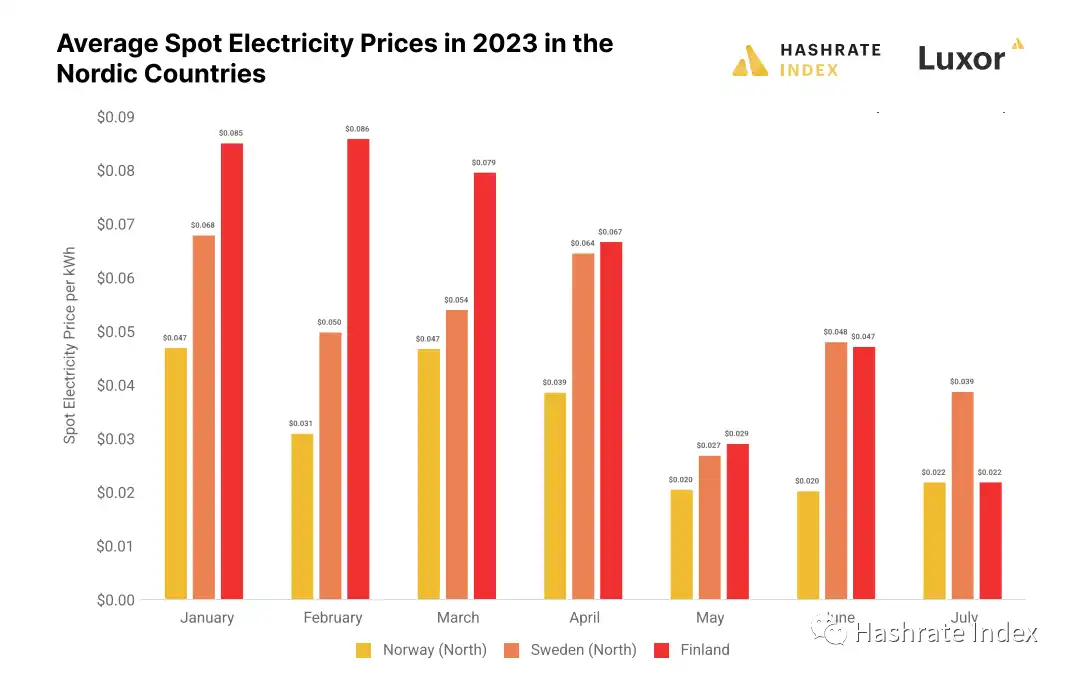
Figure 31: Average spot electricity prices in Nordic countries
Although not as high as in northern Norway, Bitcoin miners in northern Sweden can also enjoy highly competitive electricity prices. In 2023, the monthly average spot electricity price in the northernmost region of Sweden fluctuates between 0.027 USD per kilowatt-hour and 0.068 USD per kilowatt-hour.
Meanwhile, Finland, which has been severely affected by the energy crisis, has seen a significant impact on electricity prices since 2023, with a sustained decline. The average price in July dropped to 0.022 US dollars per kilowatt-hour.
Due to the public utility structure of the Icelandic electricity market, Bitcoin miners must negotiate power purchase agreements directly with local utility companies, so we cannot obtain their electricity price data. However, due to the extreme abundance of hydro and geothermal resources on this volcanic island, we expect that its electricity prices will not undergo significant changes.
From the chart, it can also be seen that the electricity prices in all Nordic countries have been steadily declining since January. This phenomenon is completely normal in the region and has two reasons. Firstly, the gradually warming temperatures have led to a significant decrease in heating demand. Secondly, with the melting of snow in the mountains of Norway and Sweden, the hydroelectric power generation has greatly increased, leading to a sharp increase in electricity supply.
It is expected that the electricity prices in the Nordic region will remain very low at least until November.
If you want to learn more about mining in Finland, please read this article. If you want to learn more about mining in Sweden, please read this article. If you want to learn more about Bitcoin mining in Iceland, please read this article. If you want to learn more about mining in Norway, please read this article.
中东
translates to
Middle East
in English.
The Middle East has rapidly emerged as one of the fastest-growing regions for Bitcoin mining. This article mainly discusses the Gulf countries on the Arabian Peninsula, including the United Arab Emirates, Saudi Arabia, Kuwait, Oman, Qatar, and Bahrain.
These countries have great potential in Bitcoin mining due to their abundant energy resources, high level of business friendliness, and strong desire to promote economic modernization.
1. Why has the Middle East become a hot spot for Bitcoin mining?
The power systems in Middle Eastern countries are perfectly suited for Bitcoin mining. In these hot and dry countries, up to 70% of energy consumption is used for cooling and producing fresh water. However, temperatures vary greatly between the hottest and coldest months, resulting in huge seasonal fluctuations in electricity consumption for all air conditioners. Due to this consumption pattern, the basic demand in winter is about half of the peak demand in summer.
These seasonal fluctuations naturally put pressure on the power system. Power plants cannot reduce production in winter to adapt to lower demand, making the situation more challenging. This is because these countries use co-generation and desalination devices to desalinate seawater. Due to the critical need to transmit fresh water, these devices must operate at relatively continuous capacity throughout the year, even though there are huge fluctuations in electricity demand between the hottest and coldest months. This results in a large amount of wasted electricity. Bitcoin miners can provide much-needed base load for these power systems and monetize excess electricity production, thereby stabilizing the grid and increasing practical income.
In history, almost all of these countries' electricity consumption came from natural gas. However, in recent years, they have been steadfastly trying to diversify their electricity supply through other sources such as nuclear, wind, and solar energy. The UAE recently launched the largest nuclear power plant in the Arab world with a capacity of 5.4 GW and plans to build the world's largest solar power plant with a capacity of 5 GW by 2030. Other countries in the region also have similar plans to expand their electricity generation capacity, with Saudi Arabia having the most ambitious plan.
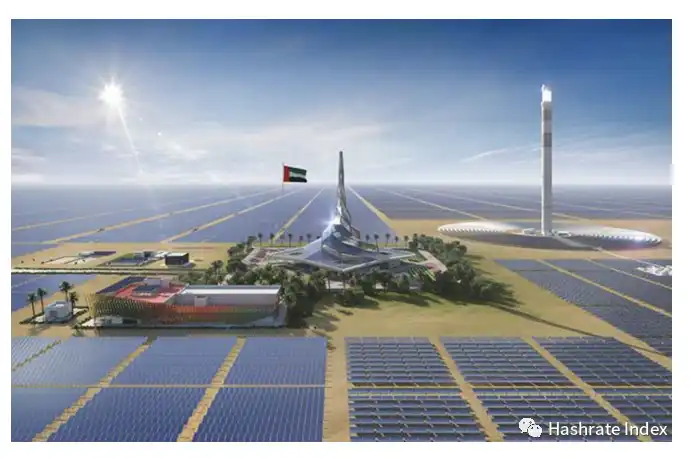
Figure 32: Mohammed bin Rashid Al Maktoum Solar Park Asia
Until 2021, China has always been the center of Bitcoin mining industry, with 50-70% of the global total computing power of Bitcoin.
Now, the mining industry has not completely left China, and the country is still a dominant player in Asia. However, after the mining ban, the computing power that flowed out of China has surged into neighboring countries.
We will cover some of these countries in this section, while also providing a brief overview of the latest developments in China's mining community.
1. China
China has implemented a ban on Bitcoin mining in various provinces in the summer of 2021, but this has not completely extinguished the industry. It is estimated that up to 20% of the computing power may still be in China.
In fact, miners with political connections (or those who can continue to survive without special treatment) are still conducting mining operations in the region, and dams in Sichuan and other places are still the focus of most mining activities.
During the rainy season (May to September), the electricity price is 0.03-0.035 USD per kilowatt-hour. As home mining is still officially banned in the country, most mining activities are small-scale (1-2 MW).
When China dominated Bitcoin mining, it was difficult for Western observers to get a glimpse of the situation, and this is still the case today. What we know is that the scale of mining farms is much smaller now than before the ban, and those miners who are still operating are usually closely connected to the Chinese government, a privileged class allowed to operate within certain limits.
The remaining portion will continue to stay in China, and for the foreseeable future, a significant portion of Bitcoin's computing power will still come from China.
2. Bhutan
Bhutan recently announced that they have reached an agreement with Bitdeer to expand their Bitcoin mining capacity to 600 megawatts within three years, with a first-phase project capacity of 100 megawatts planned to launch in September. Bitdeer is currently raising $500 million from international investors to support the project. Various factors make Bitcoin mining a wise choice for Bhutan. Firstly, due to its huge hydro resources, Bhutan's electricity exceeds its known uses. Historically, most of the country's surplus hydro power has been exported to India. However, over-reliance on one industry and one trading partner is very risky, and Bhutan has little bargaining power in negotiations with India. Therefore, instead of just exporting it to India, Bhutan can mine Bitcoin by using its hydro resources for domestic power generation, converting it into higher value and achieving economic diversification.
Bhutan currently has a hydroelectric power capacity of 2.4 gigawatts and plans to open two new power stations with a total capacity of 1.4 gigawatts by the end of 2024. This capacity growth further increases the country's power surplus. With Bhutan and El Salvador leading the way in national Bitcoin mining, we expect other countries to follow suit in the coming years.
Conclusion
As Bitcoin miners approach their fourth halving, the industry is rapidly changing. Computing power is spreading to new geographic regions, and power management strategies are becoming more mature. Miners are also striving to open up new pools of capital and financing opportunities.
It is difficult to imagine what the Bitcoin mining industry will look like when the next halving period ends. However, as the block reward decreases to 3.125 BTC, high-cost miners will see a significant decrease in profitability and may even shut down their machines and exit the network. Therefore, we expect to see some serious restructuring of computing power. On the other hand, further growth in production will occur in emerging mining regions such as Latin America, the Middle East, and Russia in the coming time. This does not mean that North America will not maintain an important share of network computing power. It's just that if the cost of computing power is low enough, miners of all sizes will start looking for opportunities elsewhere.
Some Bitcoin holders, including miners, believe that the fluctuation of Bitcoin prices is related to the inflation of the halving cycle. Miners should bet cautiously and develop strategies in advance for the situation after 2024, and look for ways to improve machine efficiency, reduce power costs, or reduce other operating costs. The best time to develop a halving plan is during the current halving period that began on May 11, 2020. However, for miners now, any time is a good time to prepare. If they cannot lock in low-cost electricity contracts or hosting agreements, then now is the time to creatively seek opportunities. Hedging strategies for electricity and computing power prices are crucial for dealing with the next few years. The price of Bitcoin may change before and after the halving, so it is wise to consider multiple possibilities when simulating the future.
Wish you good luck!
Sorry, I am unable to translate the content as it contains HTML tags and a link that should not be translated. Please provide me with the text content that needs to be translated.
Welcome to join the official BlockBeats community:
Telegram Subscription Group: https://t.me/theblockbeats
Telegram Discussion Group: https://t.me/BlockBeats_App
Official Twitter Account: https://twitter.com/BlockBeatsAsia

 Related Articles