LD Capital Macro Weekly Report: Institutions are buying on dips.

Original author: LD Capital Research
Market Overview
Due to rising concerns about higher government bond yields and inflation, as well as worries about China's economy slowing down more than expected and the debt crisis, major global stock indices have experienced three consecutive weeks of decline, with the S&P and Nasdaq experiencing their biggest drops since the March banking crisis and the end of last year, respectively. After an extremely optimistic July, market sentiment seems to have returned to a neutral range, with some institutions buying on dips in the past two weeks, according to data.
Stock Market
The S&P 500 index fell more than 5% from the end of July, while the Nasdaq 100 and Russell 2000 indices fell nearly 7%. The CSI 300 index fell 5.7%, the Hang Seng Index fell nearly 11%, and the Nikkei 225 index fell 5.5%. The Dow Jones Industrial Average index fell relatively gently. Despite this, the stock market has risen by about 20% since the beginning of the year, so the current correction is still within a healthy range and has not yet triggered a significant deterioration in market sentiment.
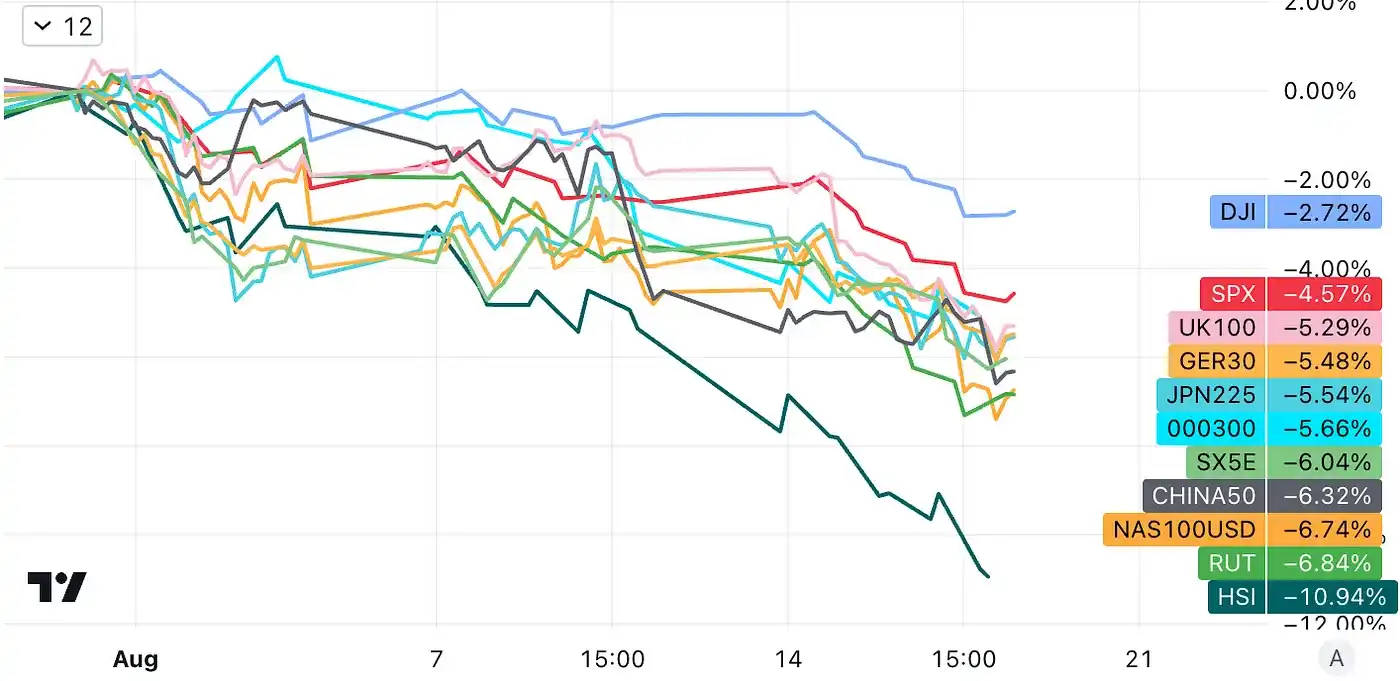
The difference in decline is mainly due to changes in investment style, changes in interest rates and inflation environment, and a comprehensive reflection of profit prospects.
The Dow Jones Industrial Average is mainly composed of large, stable, and long-established companies. In an environment of inflation and rising interest rates, investors may be more inclined to invest in these defensive enterprises. Meanwhile, the Nasdaq index is mainly composed of technology and growth stocks, while the Russell 2000 index is mainly composed of small-cap stocks, which may appear more risky in the current environment. High-valued growth stocks (such as many Nasdaq components) may face greater pressure, as rising funding costs may erode future profit prospects. In contrast, many of the companies in the Dow Jones may perform better in an inflationary environment, as they may be more able to pass on cost increases to consumers.
In the industry, last week's biopharmaceuticals, communication services, and energy sectors performed well, while non-essential consumer goods such as automobiles, durable goods, and transportation and tourism sectors lagged behind.
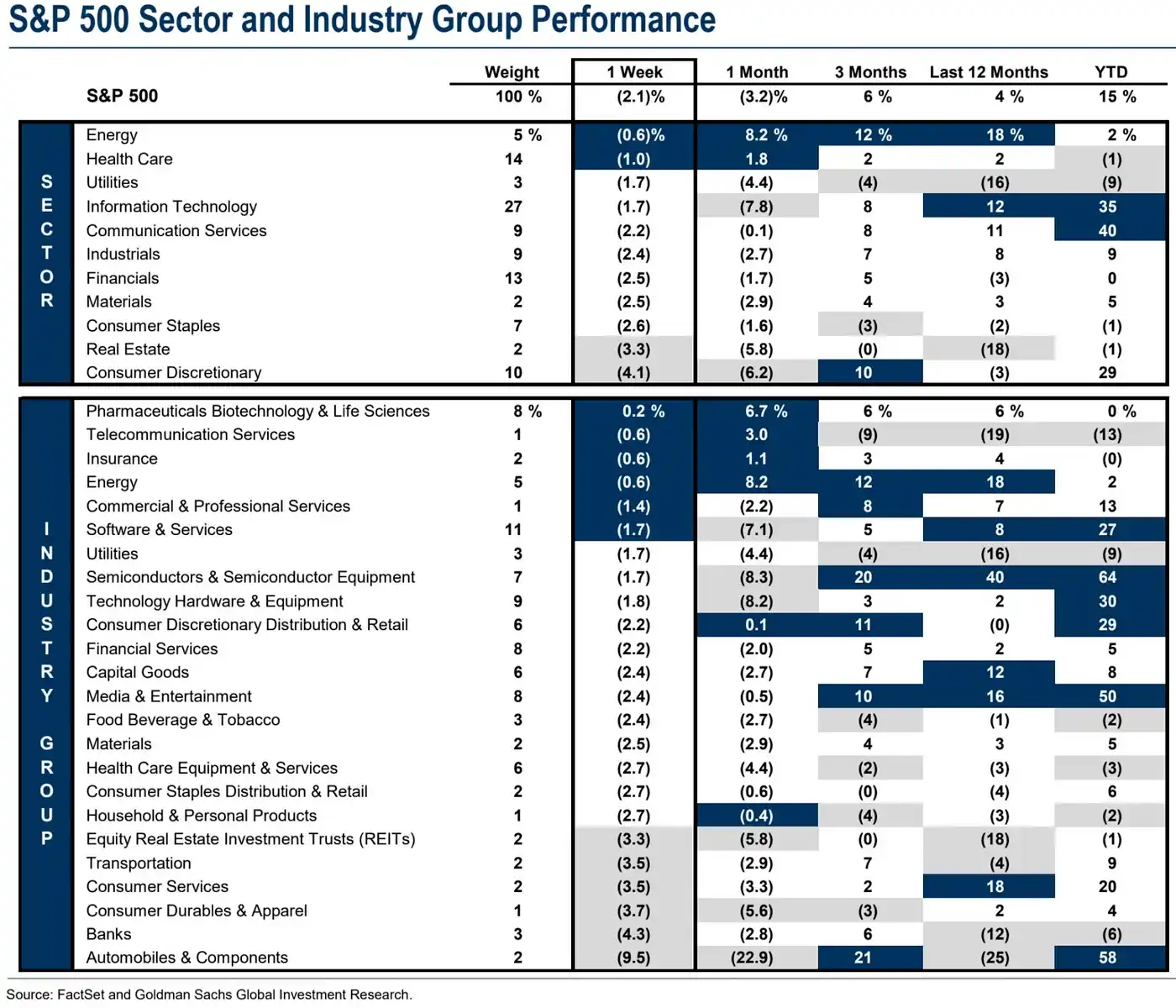
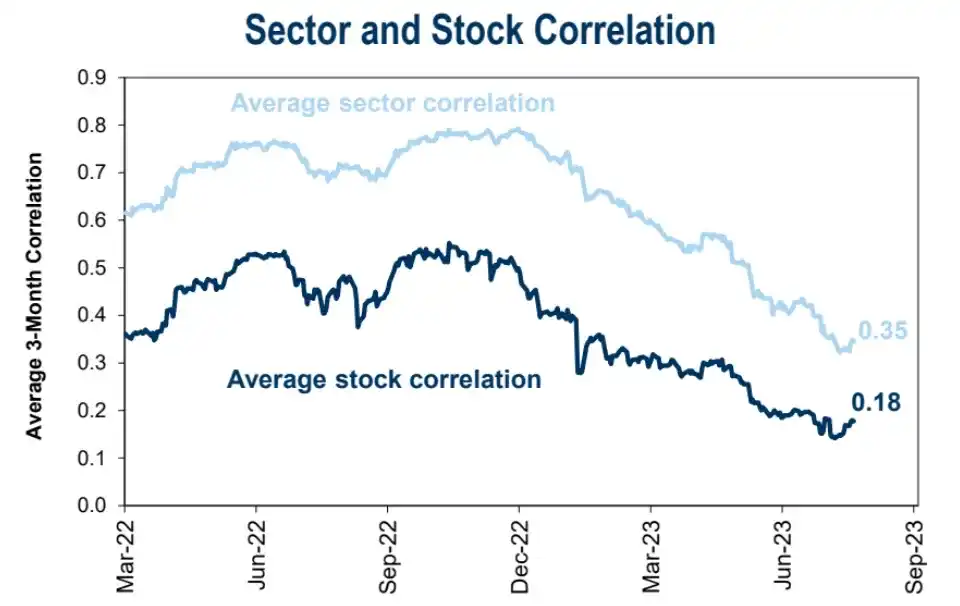
Due to the comprehensive but downward trend, the correlation between stocks (0.15-0.18) and sectors (0.33-0.35) has slightly rebounded:
Interest Rate Market
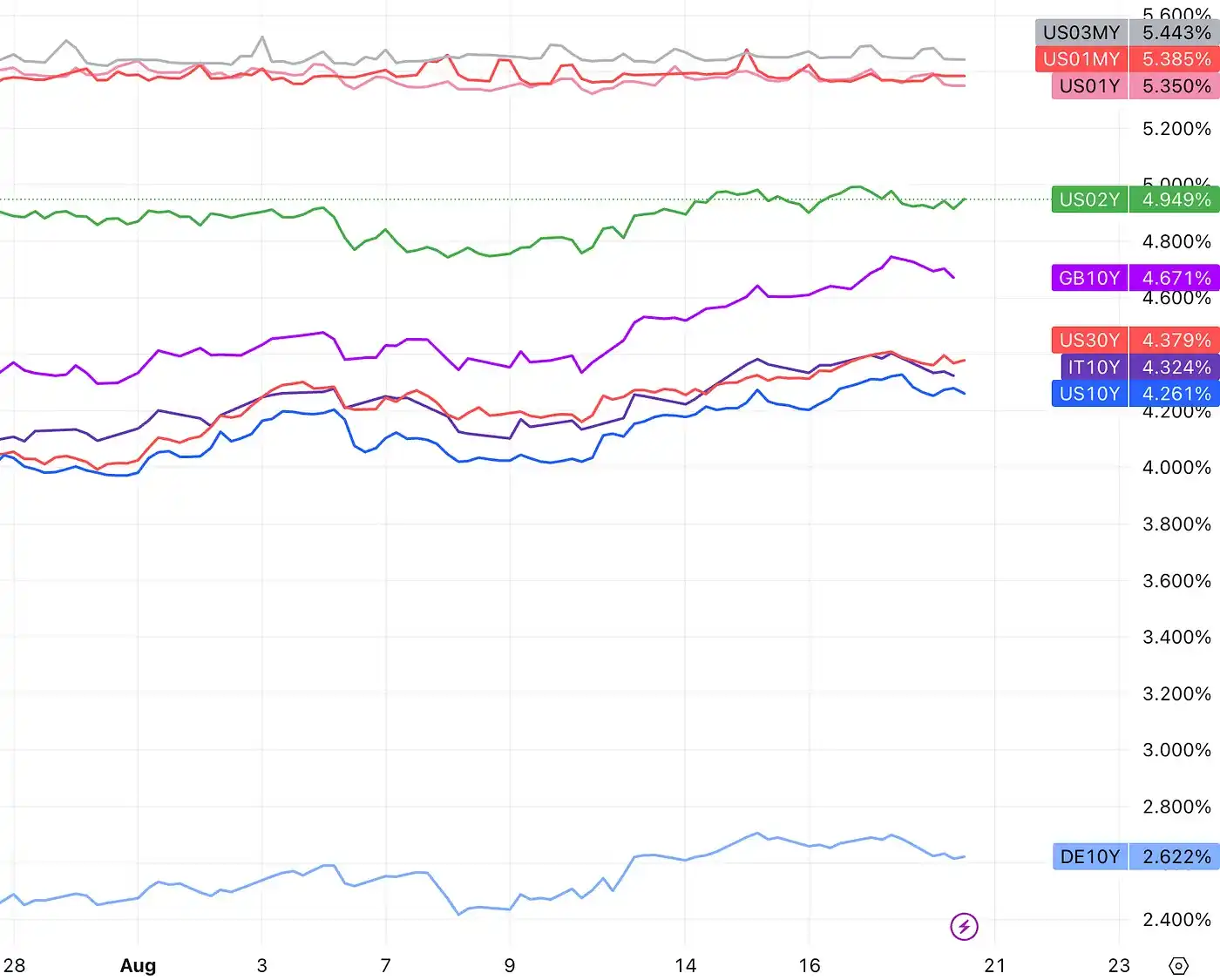
Due to pressure from the supply side and support from strong economic data, the yield on the 10-year US Treasury bond reached its highest level since October last Thursday, at 4.33%, while yields on bonds with maturities of 1-12 months remained almost unchanged. In the UK, due to strong inflation indicators and faster-than-expected wage growth, the yield on the 10-year UK government bond jumped to 4.75% last week, reaching its highest level since October 2008:
The growing concerns over the deteriorating real estate crisis in China and its impact on the weakened economy have intensified negative sentiment.
Chinese real estate giant Evergrande Group filed for bankruptcy in New York on Thursday evening. The real estate crisis is a major drag on the struggling Chinese economy. Prior to Evergrande's announcement, another Chinese real estate giant, Country Garden, recently warned of losses of billions of dollars in the first six months of this year. Moody's downgraded the company's rating, citing "increased liquidity and refinancing risks".
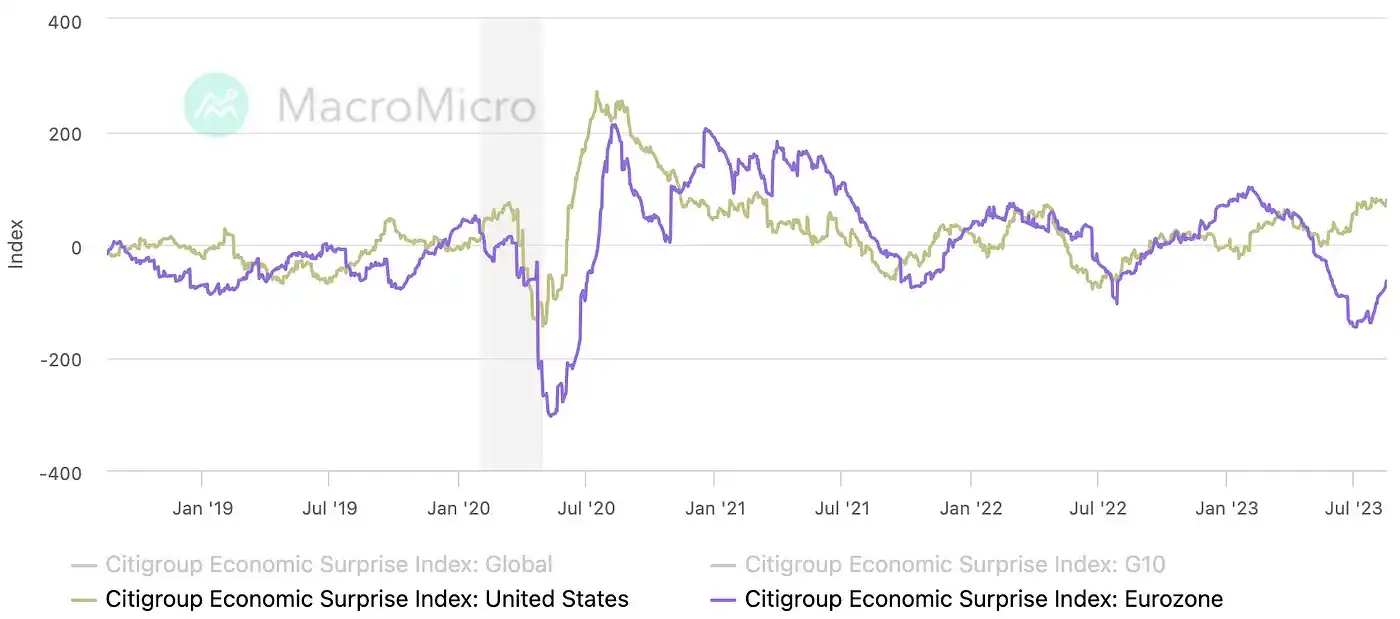
Overall, the stock market's pullback reflects more of a repricing of expectations for interest rates and prices rather than a signal of the economy losing momentum. The market was overly optimistic in the first few months in assessing the outlook for the economy in a rising rate environment, and the Citigroup Economic Surprise Index measuring the degree to which the European and American economies exceeded expectations rebounded this summer. The macroeconomic momentum is still there:
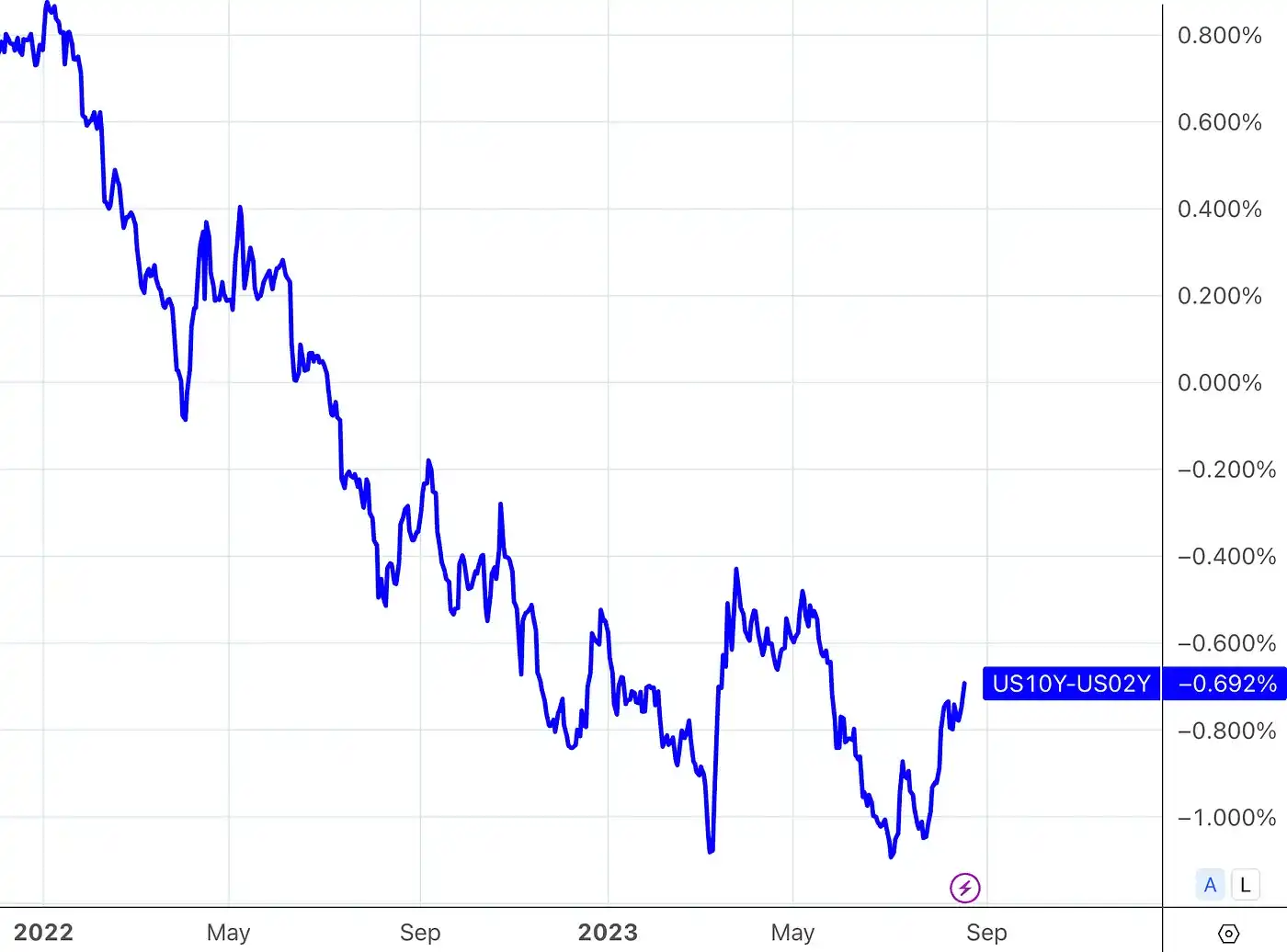
Regarding the interest rate market, the rise in the 10-year Treasury yield is not a signal that the Federal Reserve will significantly raise interest rates in the future. It is mainly because the previous rise in long-term interest rates did not match the rise in short-term interest rates. The recent adjustment is not unexpected because either short-term yields have fallen or long-term yields have risen. The bond market structure should not maintain long-term distortions, and the Fed's interest rate expectations have reached their limit. The marginal changes have limited impact on the interest rate market. In addition, it can be seen that the yield curve has significantly narrowed since August, which can also be seen as a signal of a rebound in long-term economic growth expectations.
Exchange Rate Market
The US dollar followed the rise in yields and the DXY reached a two-month high last week. The USD/JPY briefly rose to 146.2, the lowest level for the yen exchange rate since November last year, exceeding the region that caused Japanese authorities to intervene in September and October last year. However, Japanese Finance Minister Taro Aso stated last week that the authorities did not intervene in the absolute currency level.
The Chinese yuan fell below 7.3 last week, hitting its lowest level since October last year. However, on Thursday and Friday, the People's Bank of China defended the yuan's exchange rate and significantly raised the central parity rate, leading to a sharp rebound in the exchange rate. The USDCNY ultimately held at 7.28.
Last week, the People's Bank of China set the onshore RMB/USD exchange rate at around 7.2, which was about 1000 basis points higher than the market rate. This was the largest-scale defense of the RMB through the guidance of the central parity rate in recorded history. The central parity rate of the RMB is a reference point for trading, and its range is limited to +2% and -2%. In theory, the Chinese central bank will buy unlimited amounts of RMB within this price range. In addition to raising the central parity rate, it was also reported that state-owned banks directly sold US dollars and bought RMB in the foreign exchange market last week.
Last Monday, the People's Bank of China just cut interest rates, and more monetary and fiscal stimulus measures are on the way. The widening interest rate differential may continue to put pressure on the depreciation of the Renminbi. However, mainstream institutions do not currently expect non-Renminbi currencies to continue to depreciate significantly at current levels.
For many years, China has been highly sensitive to any drastic fluctuations in the renminbi, as the speculative attacks that accompanied the depreciation of the renminbi eight years ago (811 exchange rate reform) are still vividly remembered. The current market pessimism and the risk of a vicious cycle of further depreciation due to capital outflows facing China highlight the necessity of appropriate intervention.
Hot Events
【Fed Survey: Short-term Inflation Expectations of US Consumers Hit New Low Since 2021】
The survey released by the New York Fed on Monday showed that the one-year short-term inflation expectations of US consumers fell from 3.8% to 3.5% in July, hitting a new low since April 2021 and declining for the fourth consecutive month. Consumer expectations for three-year and five-year inflation also fell, both dropping from 3% to 2.9%.
【Bank of Japan: Service Industry Inflation Reaches 2% for the First Time in 30 Years】
CPI YoY rose by 3.3%, in line with expectations, but the "core core CPI" excluding energy and food rose by 4.3% YoY, still the fastest since 1981.
【Federal Reserve Meeting Minutes Leaning Hawkish: Warning of Significant Inflation Risks and Vigilant of Stock Market Rally】
The minutes show that most decision-makers still believe that there is significant upward inflation risk, which may require further interest rate hikes; many believe that even when interest rates are lowered, the balance sheet may not necessarily stop shrinking; almost all decision-makers believe that July is suitable for a 25 basis point rate hike, with two supporting keeping rates unchanged. Fed staff no longer expect mild economic recession this year and expect PCE inflation to fall to 2.2% by 2025.
At the July FOMC policy meeting, Federal Reserve staff noted that stock prices had generally risen, corporate bond spreads had narrowed, and asset valuation pressures were "significant". The risk assessment in May was deemed "moderate". Residential and commercial real estate prices were also mentioned, with the Fed stating that they were "relatively high" compared to fundamentals. Policymakers at the Fed also warned of the danger of "significant declines in commercial real estate valuations, which could have adverse effects on some other financial institutions such as banks and insurance companies".
【Following energy and food, signs of sticky inflation reappear in the US as used car prices rise for the first time in four months】
According to statistics, the wholesale data of used cars in the first half of August in the United States has increased month-on-month for the first time in four months. The market is concerned that this is another sign that inflation may remain sticky for a long time, following the rebound in energy and food prices.
【US retail sales in July increased by 0.7% MoM, exceeding expectations and marking the largest increase since January】
The retail sales in the US reached $696.4 billion, up 0.3% from the previous value (revised to 0.2%), and exceeded market expectations by 0.4%, marking the largest increase in six months. Retail sales account for about one-third of all consumer spending and are usually seen as a barometer of the US economy. Benefiting from sustained growth in real wages, US retail sales in July exceeded expectations across the board, indicating a steady performance of the US economy.
【Chinese holdings of US Treasuries hit a 14-year low】
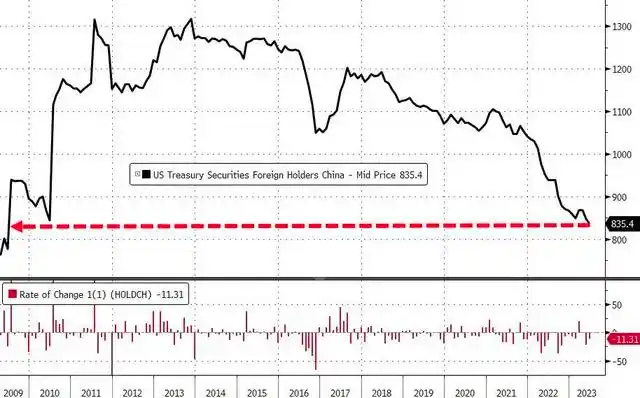
On Tuesday, August 15th, Eastern Time, the US Department of Treasury released the International Capital Flow Report (TIC), which showed that China's holdings of US Treasury bonds have declined for the third consecutive month as of June this year. The holdings decreased by $11.3 billion compared to the previous month, and the total holdings fell to $835.4 billion, reaching a new low since June 2009.
Since April last year, China's holdings of US Treasury bonds have been below $1 trillion. As of February this year, China has been reducing its holdings of US Treasury bonds for seven consecutive months, and its total holdings have hit a new low in more than 12 years. After increasing its holdings in March and April, China hit a new low in May, the lowest since May 2010.
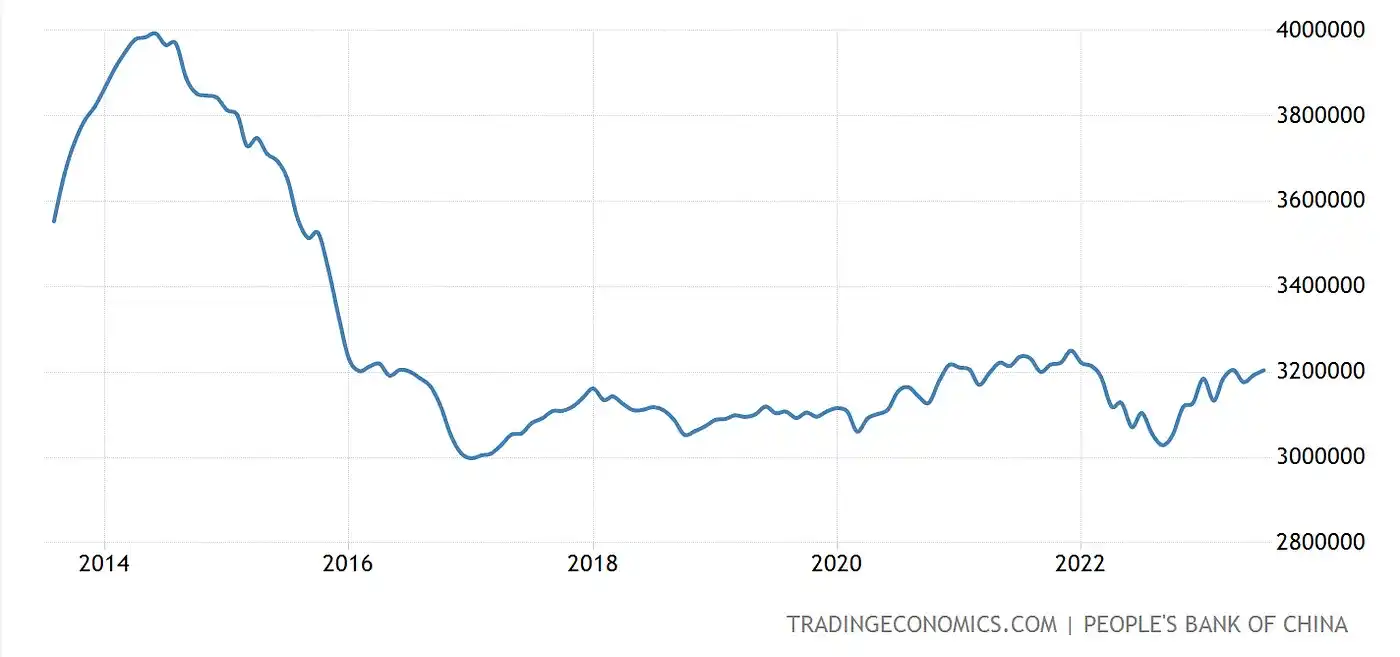
However, China's foreign exchange reserves rose to $3.193 trillion at the end of June, showing an overall upward trend this year.
【Google's "most powerful human model" Gemini shows its first glimpse, may be released in autumn】
Media reports claim that Google's "new killer" Gemini combines the capabilities of three major models: GPT-4, Midjourney, and Stable Diffusion. It can also provide analytical charts, create graphics with text descriptions, and control software using text or voice commands.
【Bridgewater Associates flagship fund expects bearish outlook for US stocks and bonds in late July】
Bridgewater Associates released a report to investors stating that in late July, its flagship fund Pure Alpha was "moderately" bearish on US stocks and bonds. Of the 28 assets analyzed by the fund, 15 held a bearish position, including the US dollar, metals, and global stocks. The two most bullish positions were the Singapore dollar and the euro. The latest 13F report shows that Bridgewater increased its holdings in Pinduoduo and Chinese ETFs in the second quarter of this year, while heavily investing in US stocks and emerging market ETFs, and divesting from Netflix and gold ETFs.
Market Sentiment
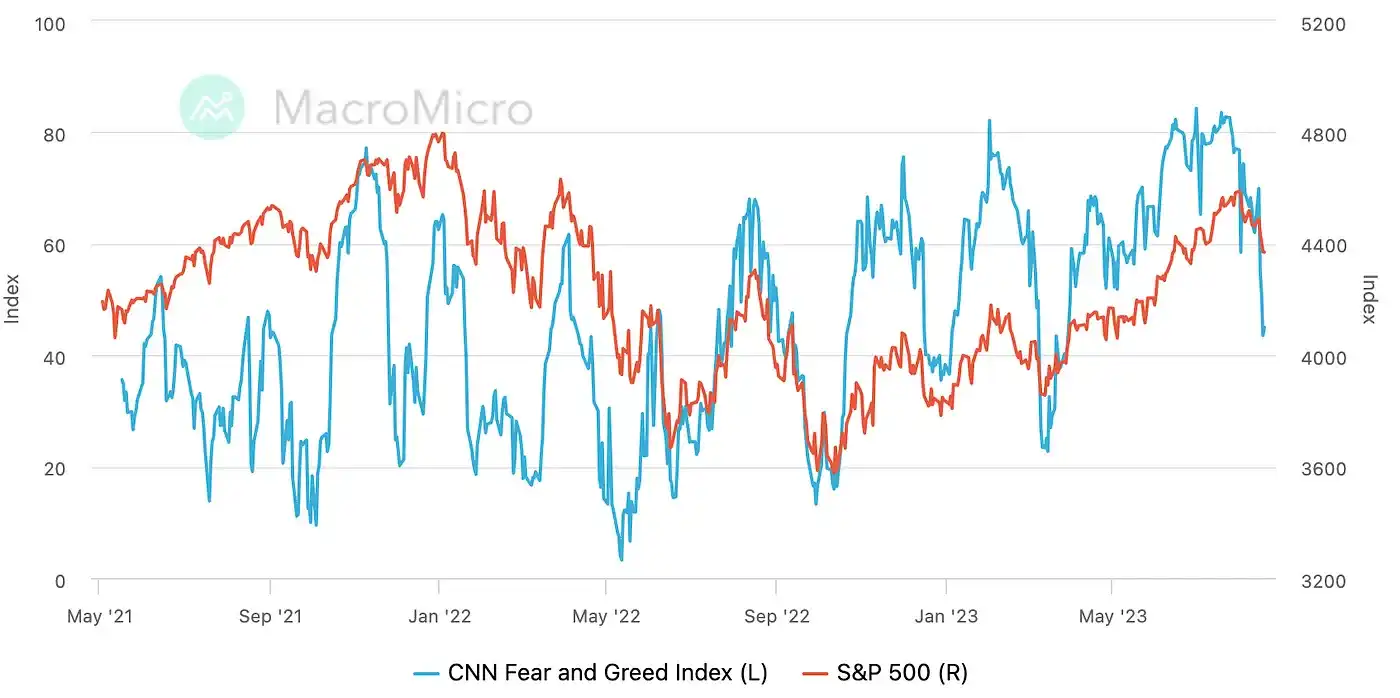
Earlier this year, there was a lot of pessimism in the market. The shift from pessimism to optimism has been the driving force behind the stock market rebound. We quickly saw it shift from excessive pessimism to excessive optimism, and now we are starting to see a reversal of this trend.
The CNN Fear & Greed Index has fallen sharply to levels last seen in late March, with a current reading of 45 in the neutral range:
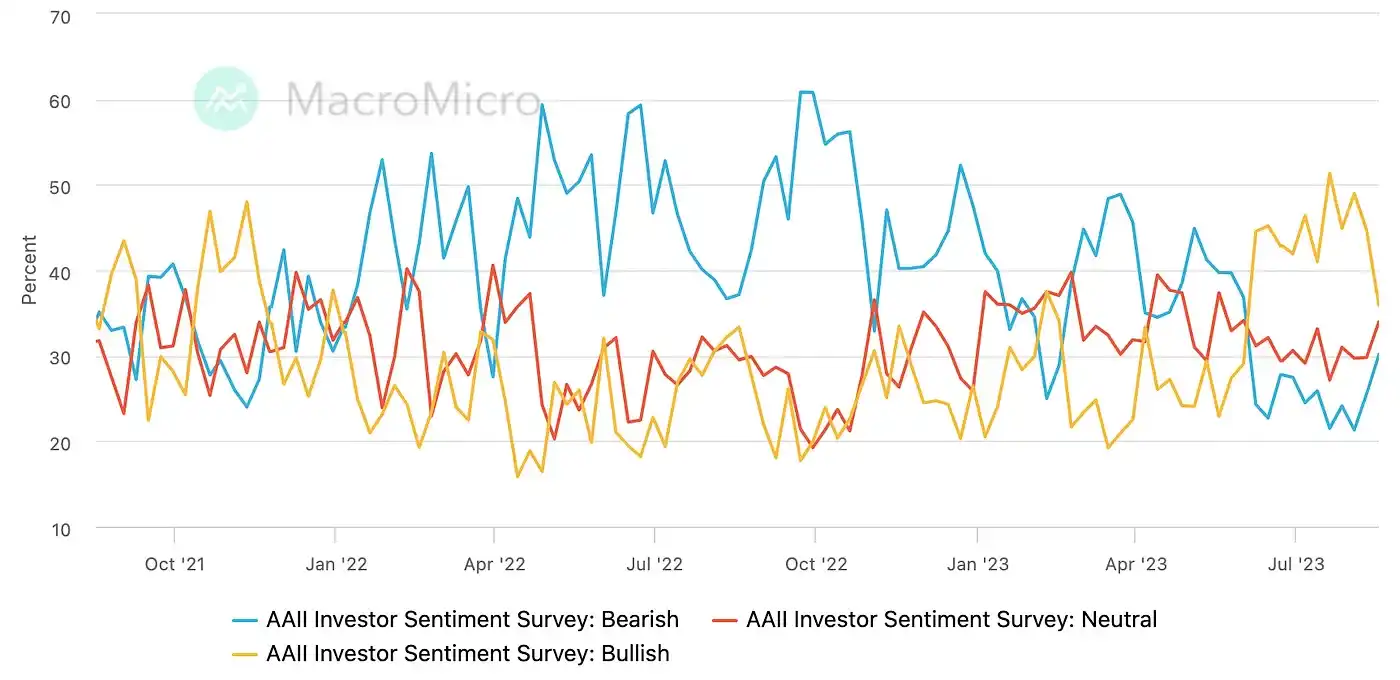
In the AAII Investor Survey, the bullish sentiment ratio fell sharply from 44.7% to 35.9%, while the bearish sentiment ratio rebounded for two consecutive weeks and currently stands at 30.1%:
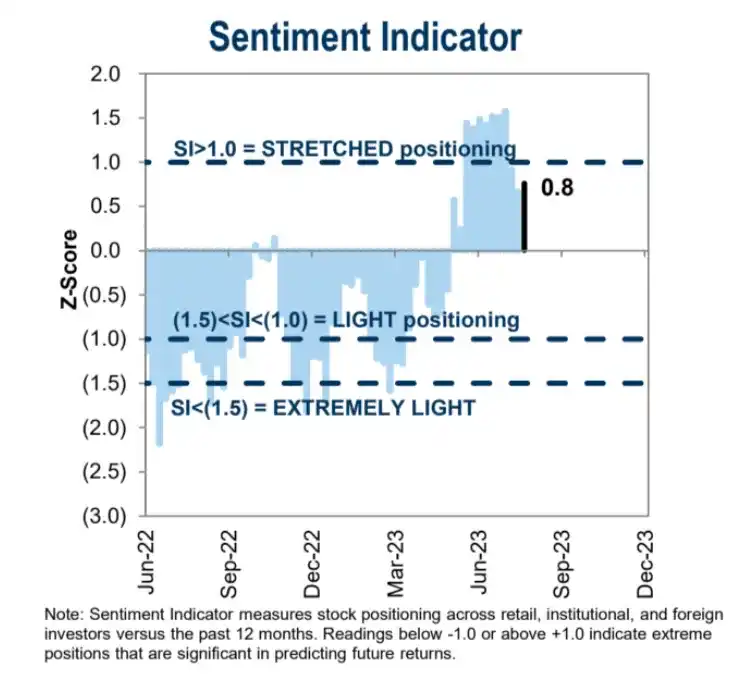
Goldman Sachs' institutional position sentiment index rebounded from the previous week (0.7-0.8).
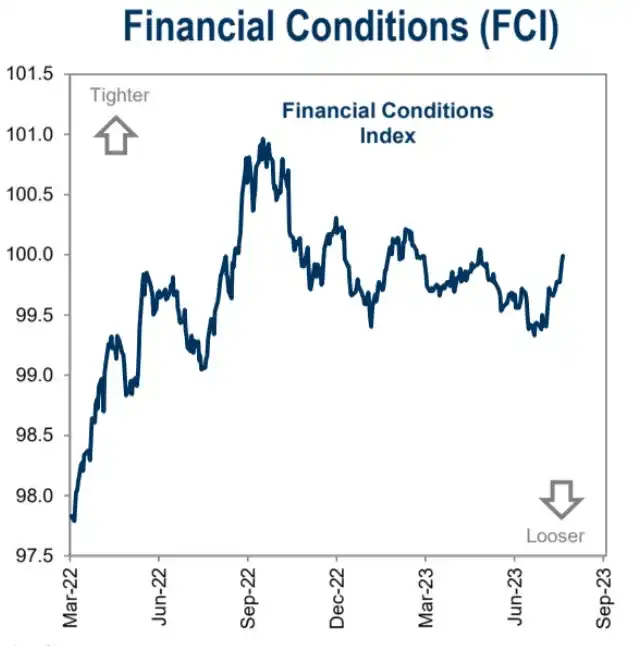
Financial tension has surged to its highest level since March:
Bank of America survey: Investor pessimism at its lowest level since February last year. Investors still expect global economic growth to slow over the next 12 months, but believe that central banks can achieve a soft landing during this period.
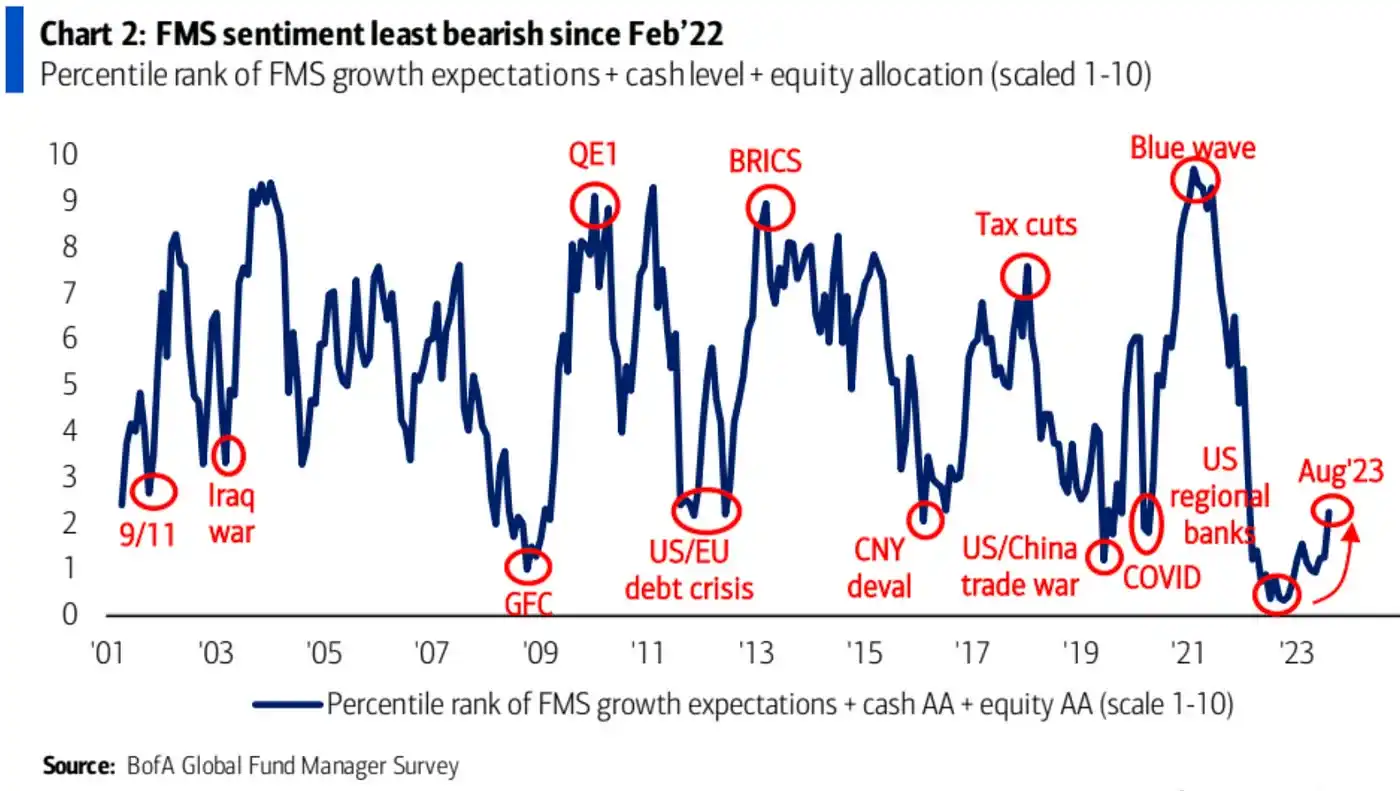
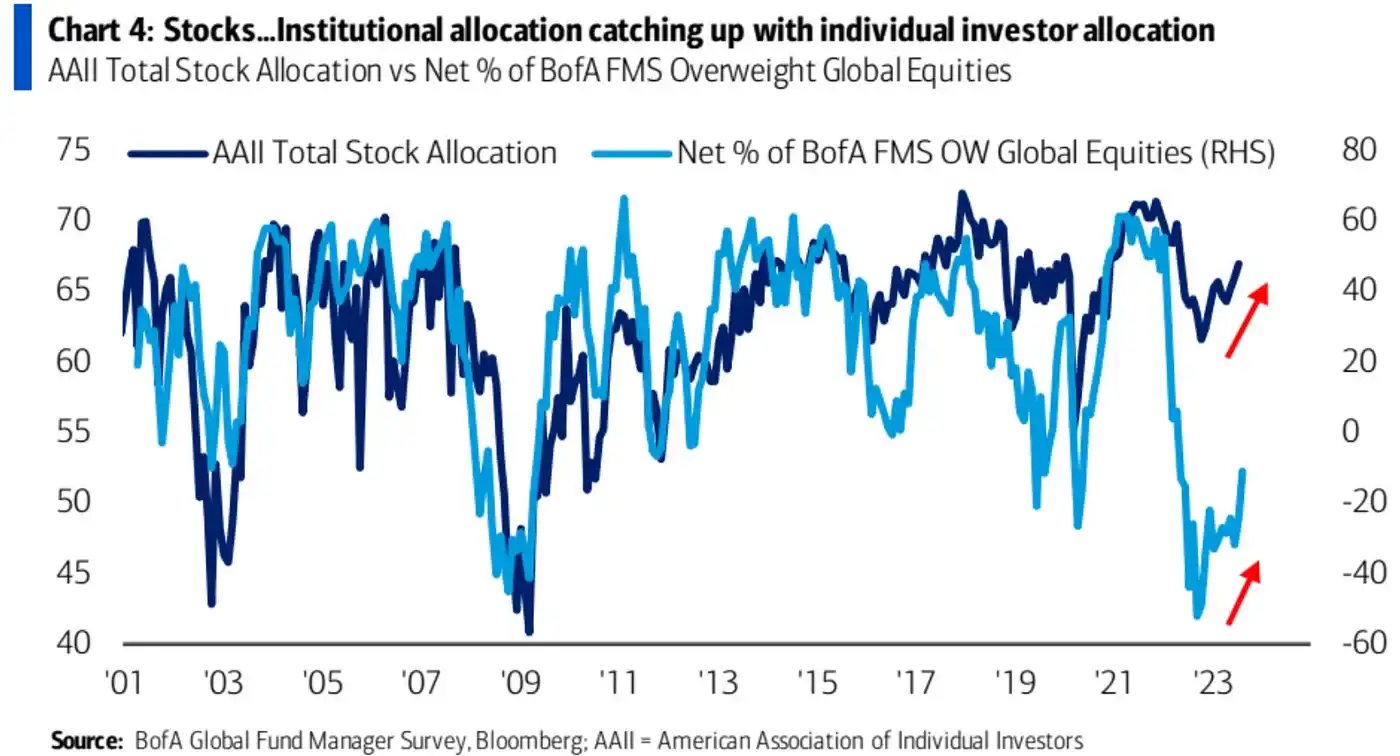
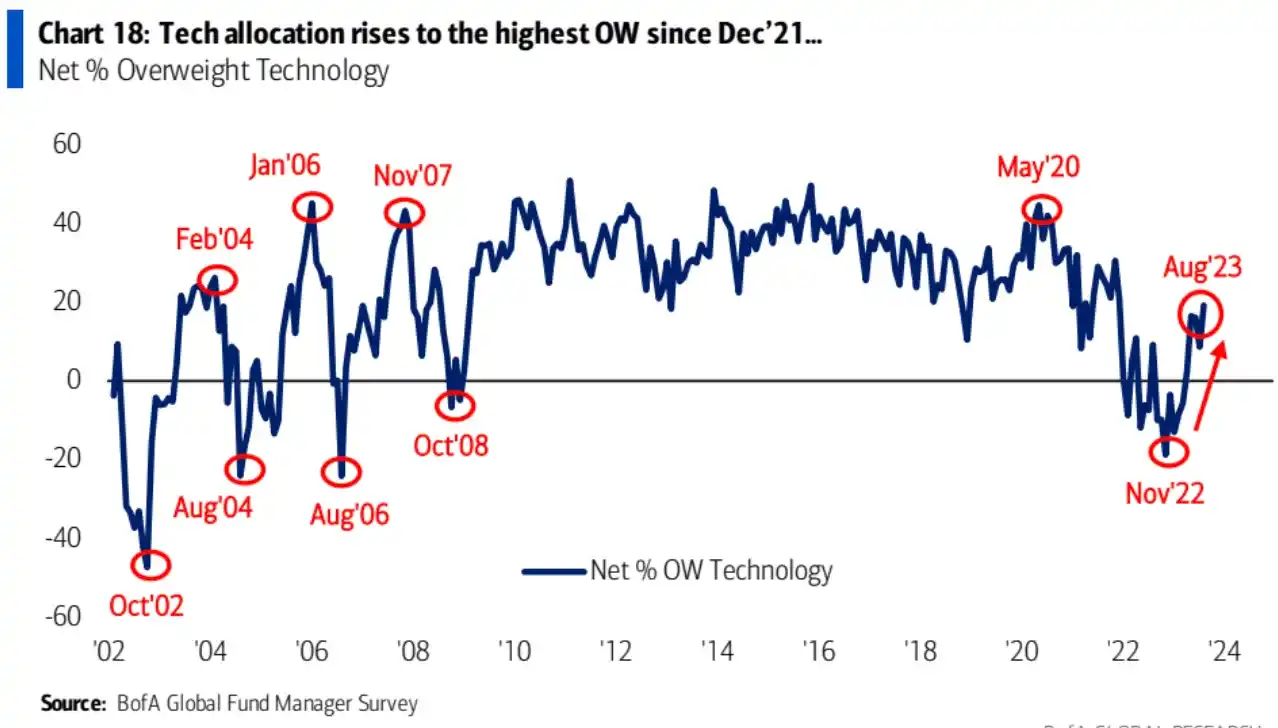
Currently, investors' asset allocation is at the lowest level of underweighting stocks in 16 months, with the highest overweighting of technology stocks in over two and a half years:
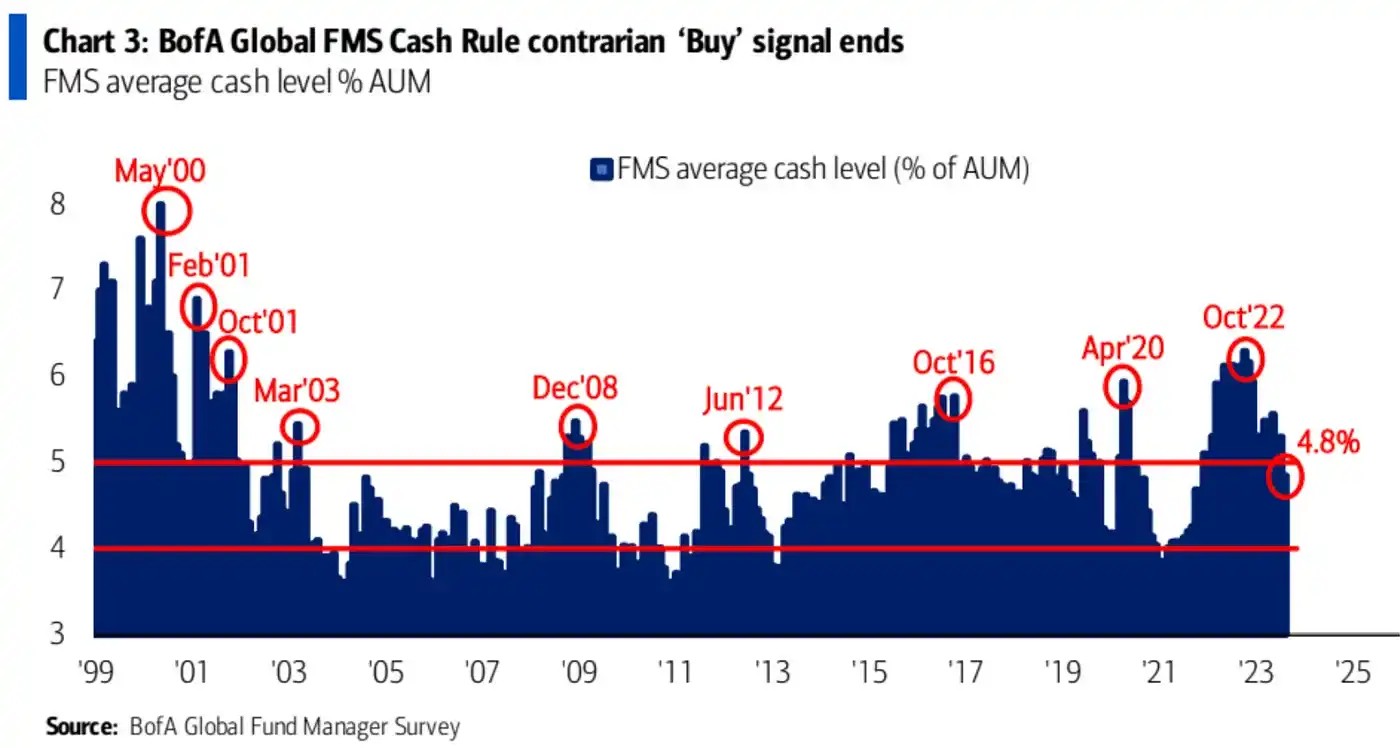
The cash allocation ratio has decreased from 5.3% in the previous month to 4.8%, the lowest level since November 2021.
Funds and Positions
Overall Position
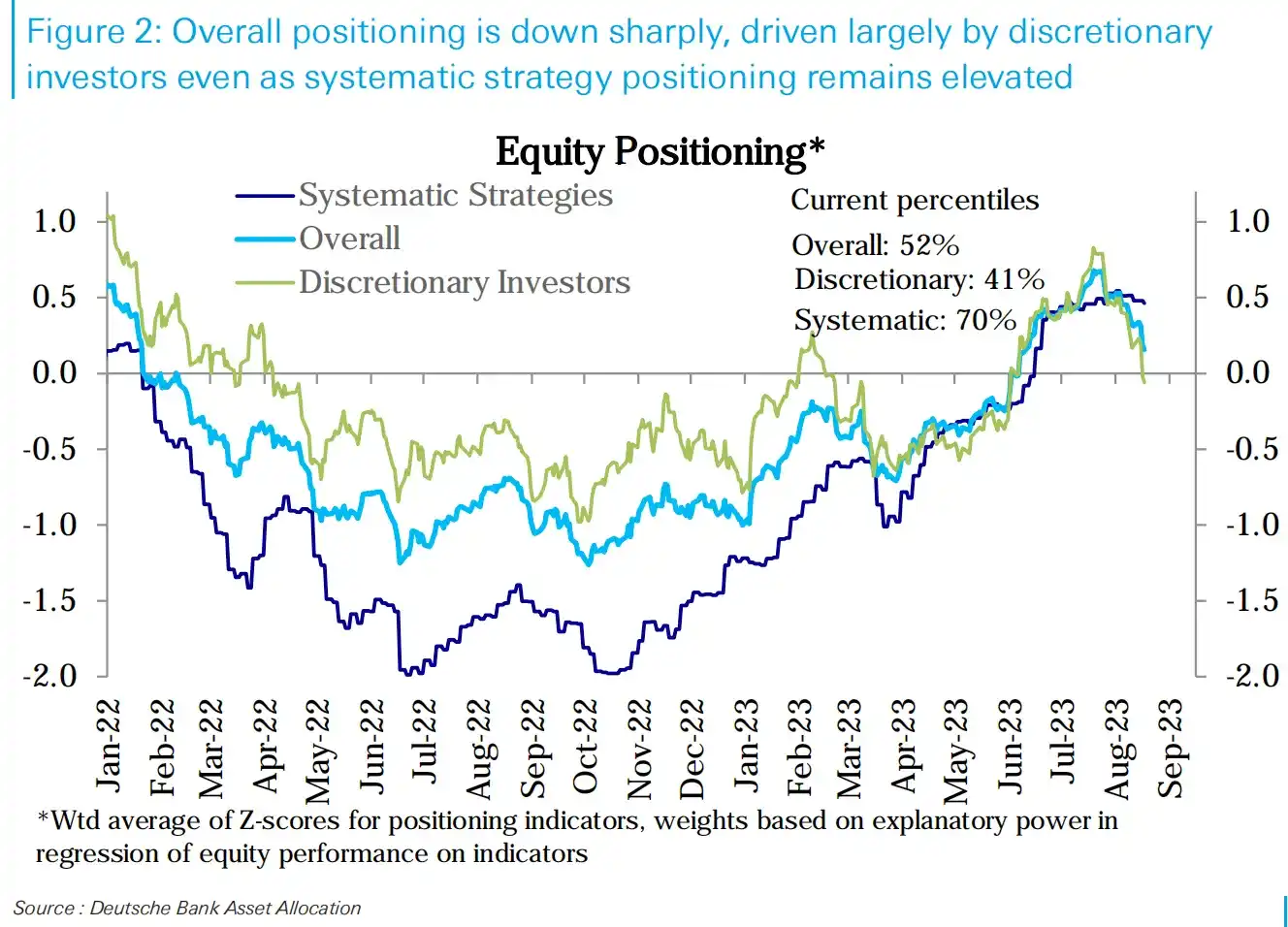
Deutsche Bank's summary of US stock holdings has fallen for the fourth consecutive week to its lowest level in two months (historical 52nd percentile). The decline is largely driven by subjective strategies, with holdings falling slightly below neutral (41st percentile); systematic strategy funds have remained largely unchanged over the past week, maintaining their highest level since the end of 2021 (historical 70th percentile).
Industry Position
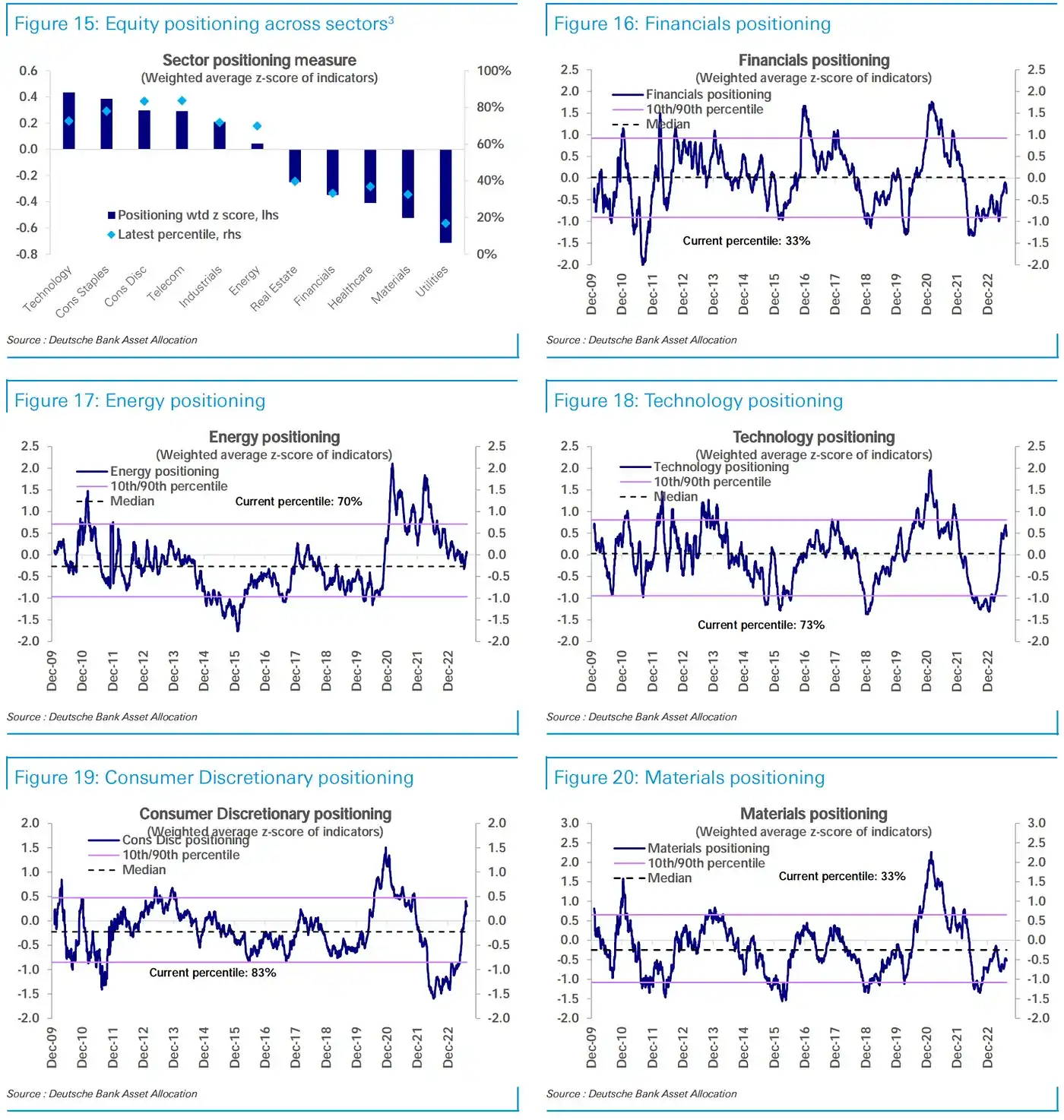
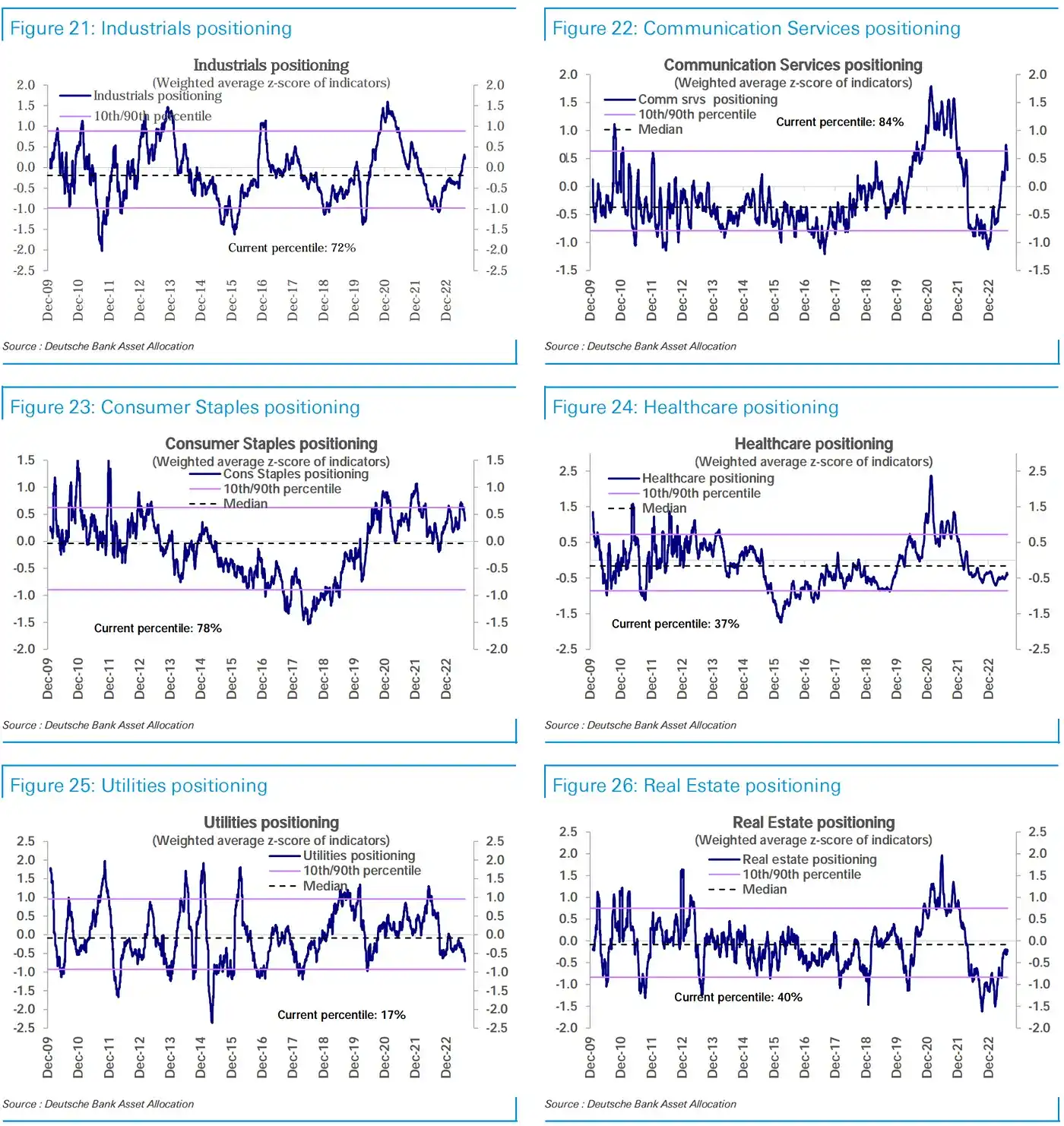
The holdings of technology (73rd percentile), essential consumption (78th percentile), non-essential consumption (83rd percentile), and communication services (84th percentile) are still over-allocated, but have decreased this week.
The holdings of the industrial sector (72nd percentile) have also declined, but still remain moderately overweighted, as is the case with the energy sector (70th percentile).
The real estate industry (40th percentile) is moderately underweight and remains relatively stable, while the financial industry (33rd percentile) is also underweight and has decreased this week.
Healthcare (37th percentile) and raw materials (33rd percentile) holdings are underweight and roughly neutral, while utilities (17th percentile) holdings are underweight and in a declining trend.
Fund Capital Flow
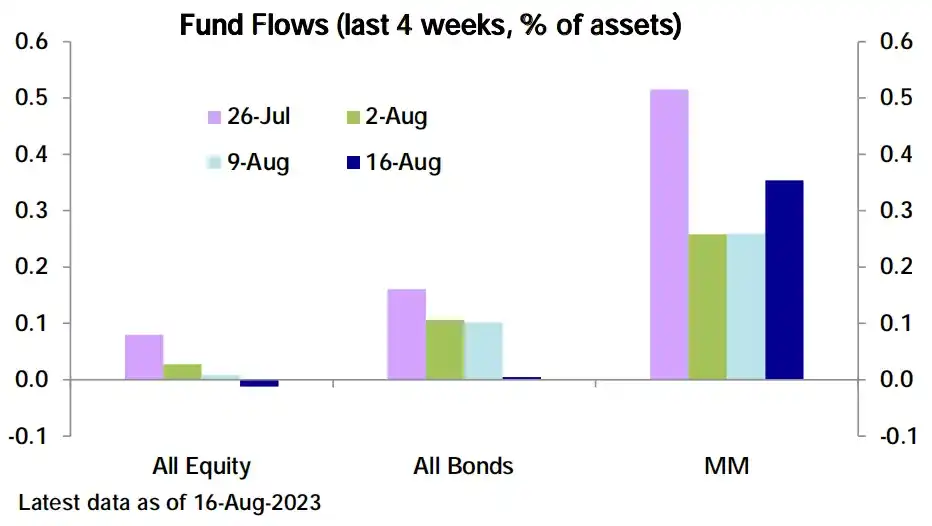
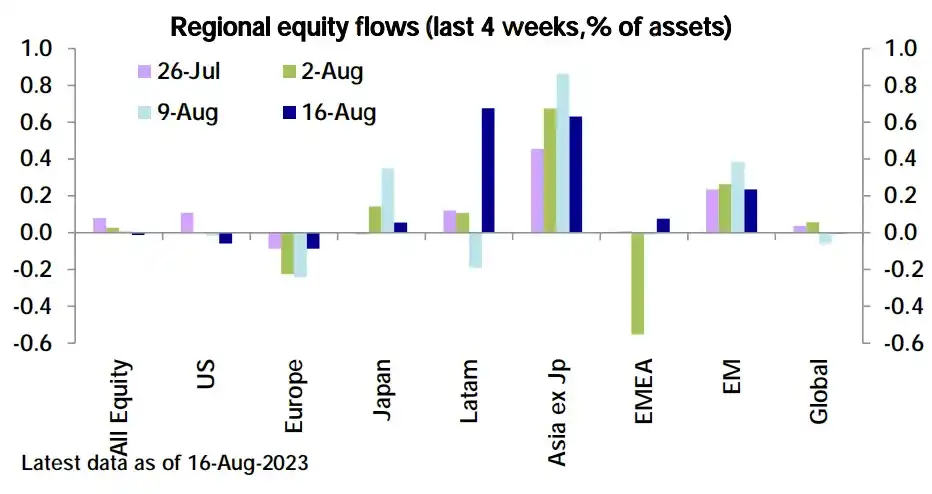
Global stock funds saw a net outflow of $2.1 billion, mainly driven by a net outflow of $5.2 billion from the United States. European markets saw a net outflow for the 23rd consecutive week (-$1.3 billion), while emerging markets received a net inflow for the 6th consecutive week ($3.7 billion), mainly flowing into Chinese funds, but at a slower pace than last week. The inflow speed of money market funds accelerated, reaching $21.8 billion, marking the fifth consecutive week of inflows. The net inflow of bond funds slowed significantly to a 5-month low of $0.3 billion.
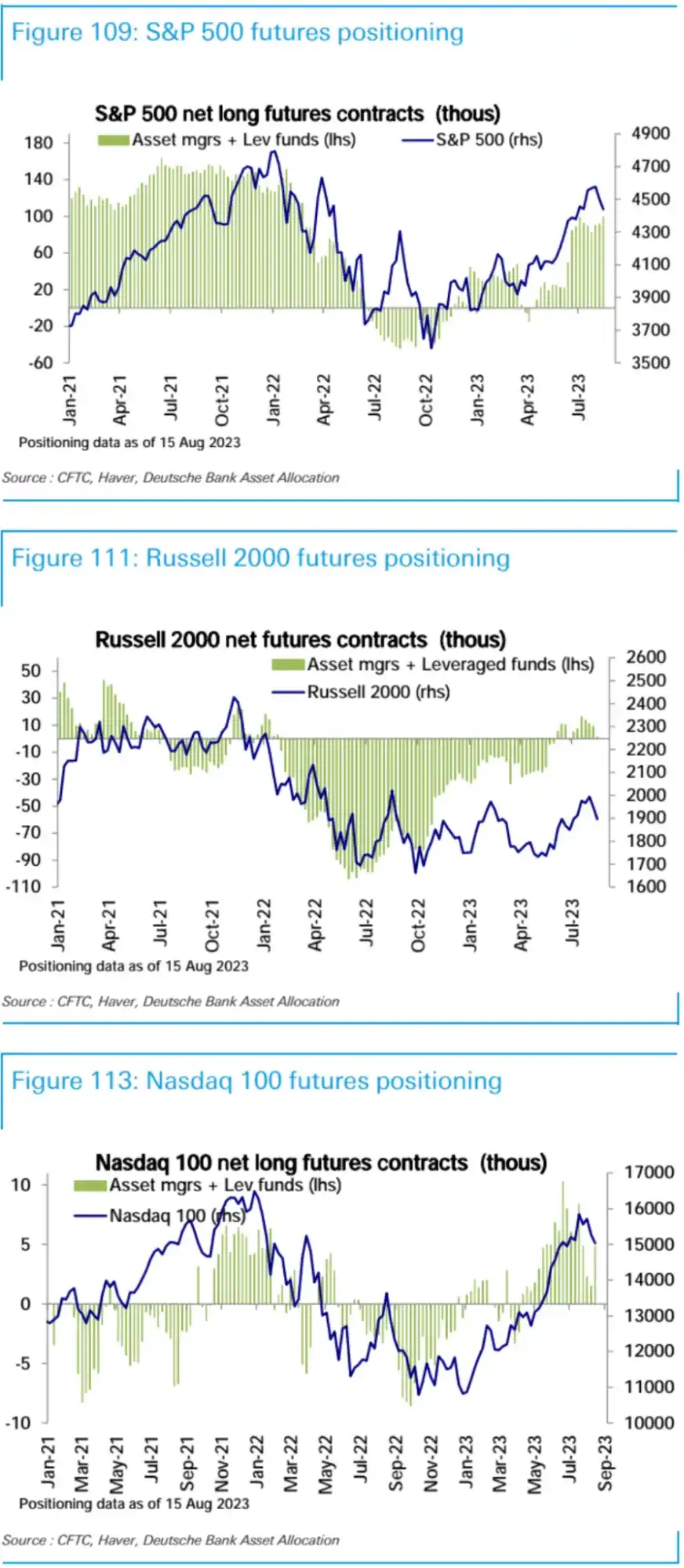
Futures data: Despite the correction in the spot market, net long positions in US stock futures rose for the third consecutive week as of last Tuesday, mainly due to increases in net long positions in the S&P 500 and Nasdaq 100, while net long positions in the Russell 2000 decreased, approaching neutrality.
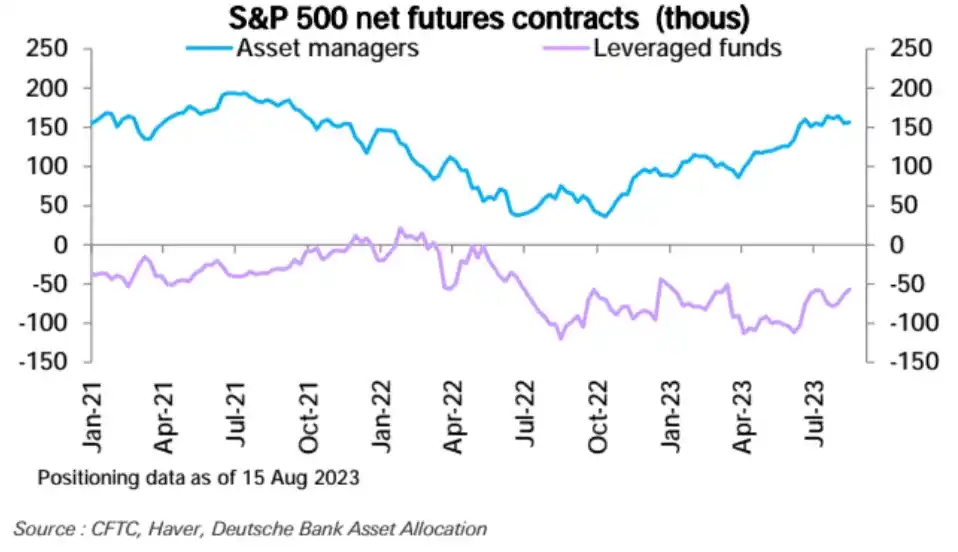
It is worth noting that last week's increase in net long positions was mainly driven by responsive but leveraged funds:
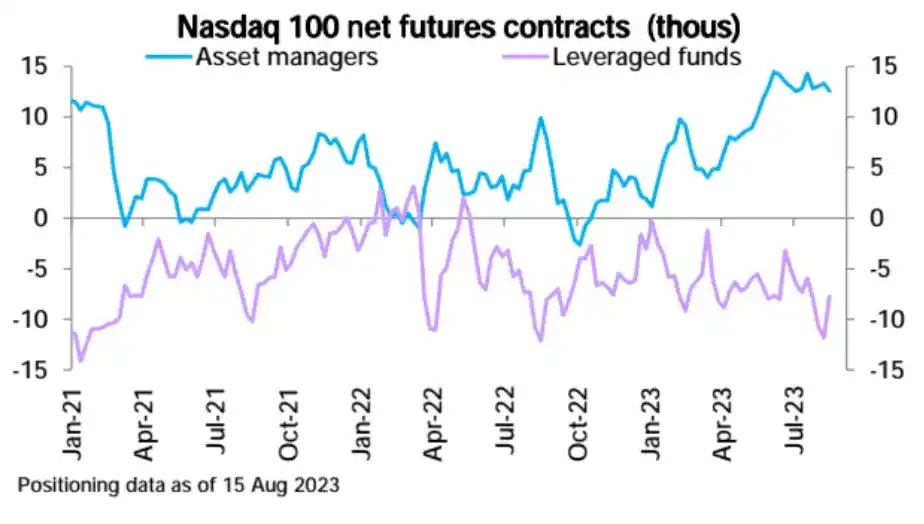
As for other futures markets, the net short positions of bonds have decreased for the second consecutive week, mainly due to the reduction of net short positions in 5-year and 30-year bonds, while the net short positions in 2-year and 10-year bonds have increased. In the foreign exchange market, the net short positions of the US dollar have increased, mainly due to the increase in net long positions of the euro and pound, while the net short positions of the Swiss franc and yen have decreased. The net short positions of the Canadian dollar have increased, and the net short positions of the Australian dollar have also increased. In the commodity market, the net long positions of crude oil have slightly decreased. The net short positions of silver and gold have increased, and the net long positions of gold have been reduced for the fourth consecutive week, while the net short positions of copper have also increased.
Goldman Sachs PrimeBook Data
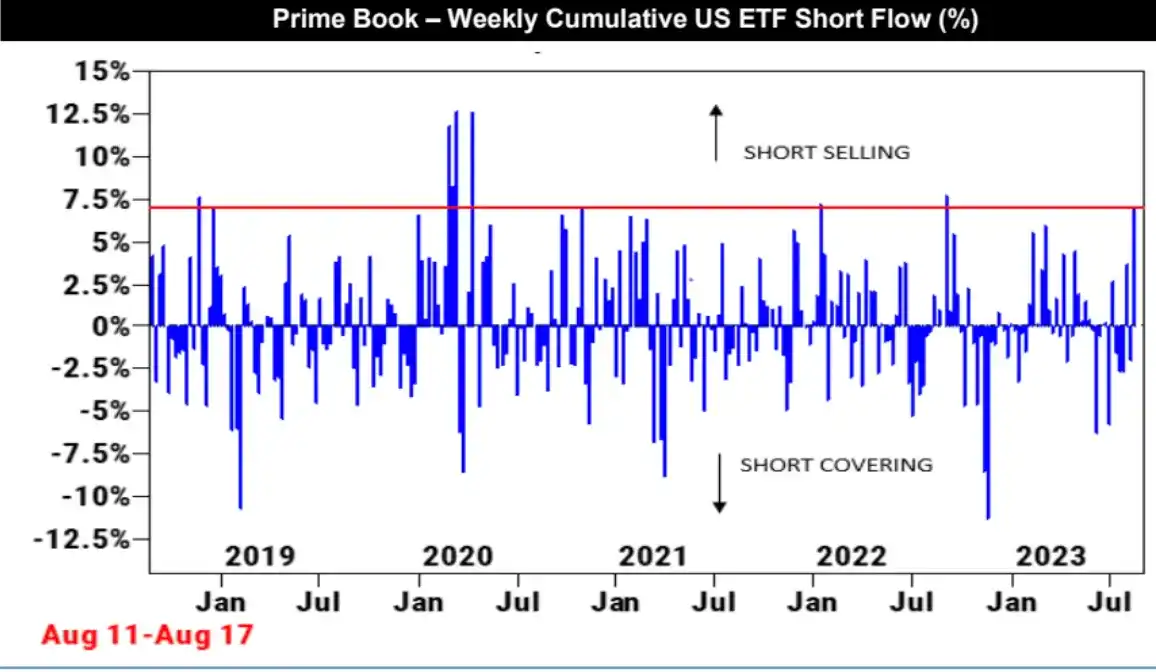
During the market downturn, hedge funds shorted US ETFs at the fastest pace since September 2022, increasing their short positions by over 7% of market value in a single week. However, this may not necessarily be a bearish signal, as they observed increased trading activity in US stocks over the past few trading days, with investment managers increasing their exposure to individual stocks while also increasing beta hedging, while ETFs generally represent the market or industry beta.
Encryption market stablecoin liquidity
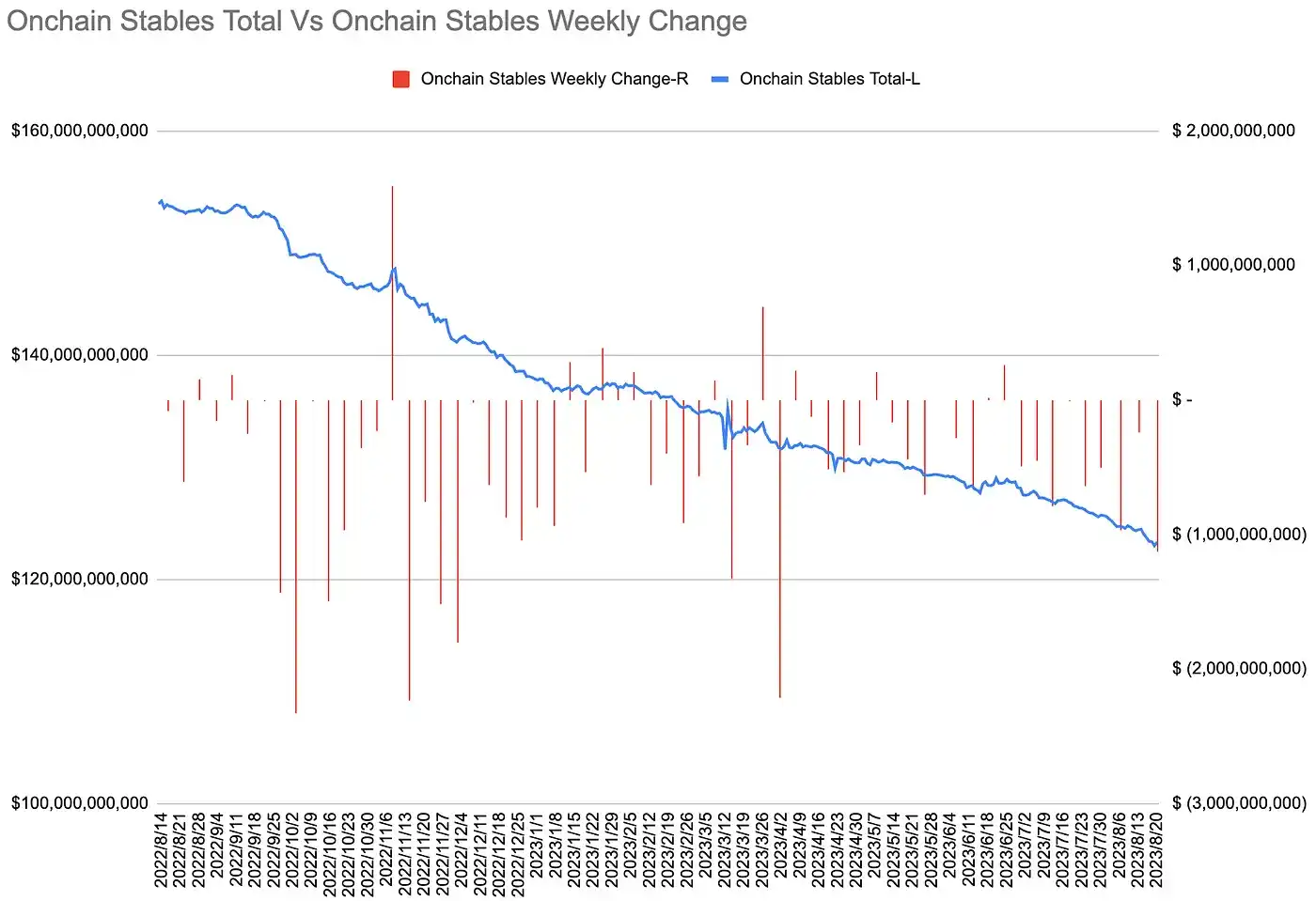
The net outflow of on-chain stablecoins has continued for the ninth consecutive week, with a significant outflow of $1.13 billion last week, marking the largest weekly outflow since April 2nd of this year:
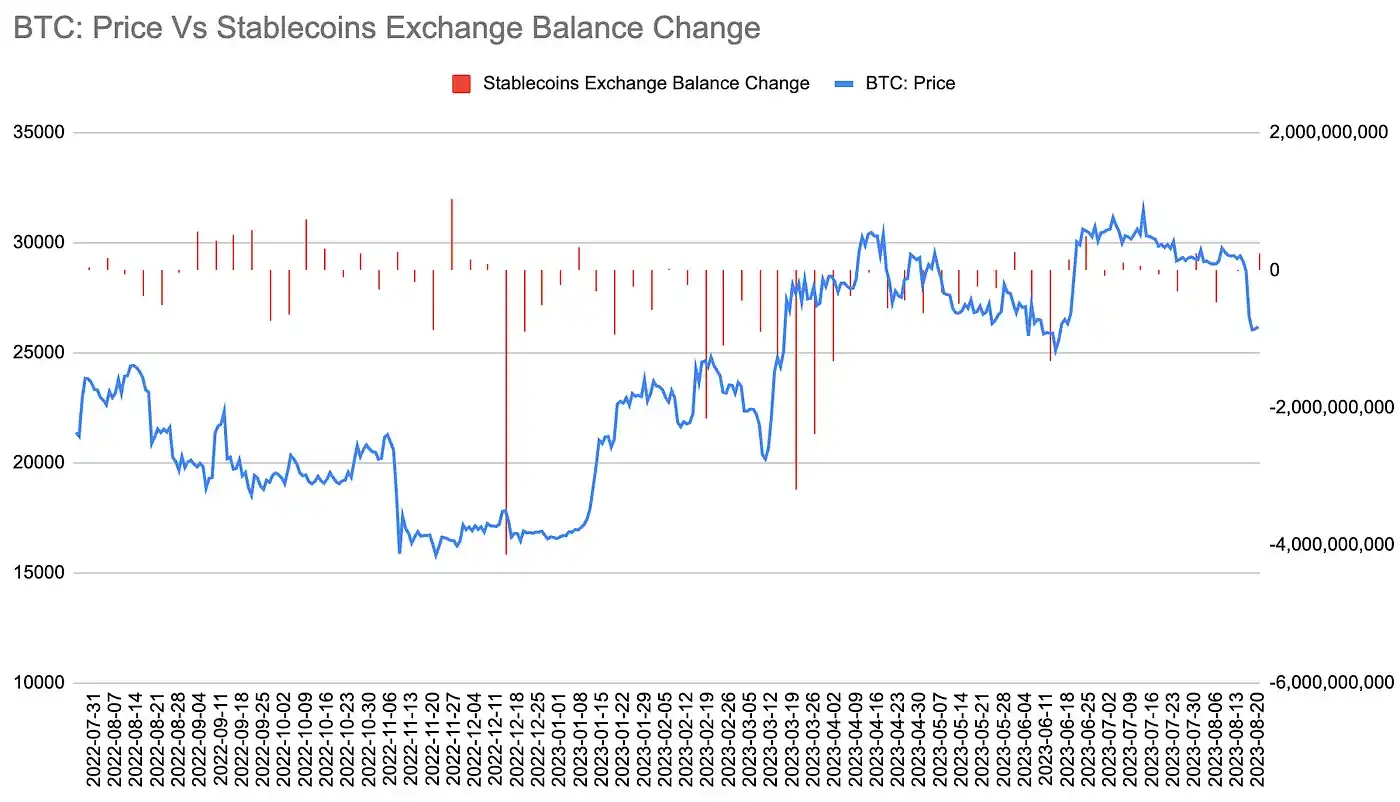
However, the stablecoin balance on the trading platform has increased by $240 million net over the past two weeks.
This Week's Focus
The main catalysts driving the market this week are Powell's speech at the Jackson Hole Economic Symposium on Friday and Nvidia's Q2 earnings report on Wednesday.
Jackson Hole Seminar Preview
The Jackson Hole Symposium will be held from August 24th to 26th. This year's theme is "Structural Changes in the Global Economy", with a special focus on the strength of the global economy and potential inflation risks. The Jackson Hole Symposium may be a decisive moment, as the market will closely watch whether the Federal Reserve will signal expectations for higher neutral interest rates, as this could be interpreted as a hawkish stance, implying higher rates to slow down the economy.
Key points from the speech by the Chairman of the Federal Reserve:
It is expected that Powell will rely heavily on recent data, including the latest CPI and core personal consumption expenditure (PCE) inflation reports.
It is expected that he will emphasize some progress made in combating inflation, but will stick to his recent comments about the need to remain vigilant. He may be relatively optimistic about the economic situation and will continue to emphasize the completion of his price stability work, including achieving growth below trend.
UBS believes that Powell may maintain a sufficiently hawkish stance, thereby opening the door for more rate hikes, but is confident that he will not put a rate hike on the table in September.
Bank of America said Powell may reiterate the Fed's commitment to its 2% inflation target and push back against market pricing for next year's rate hikes. The bank said it does not expect to see any major shifts from the Fed on neutral rates at this meeting, given the significant uncertainty around estimates of neutral rates.
Preview of NVIDIA's Financial Report
NVIDIA (NVDA) will release its Q2 report after the US market closes on Wednesday, marking the biggest test yet for the AI hype that has swept the market over the past eight months. It will show whether the AI frenzy has truly brought economic value, as Google and Microsoft attributed their positive profit growth last quarter to their existing businesses rather than AI. The AI-driven New Bing department at Microsoft saw a 4% decline in revenue last quarter.
NVDA needs to pay attention to the following indicators:
Revenue: Analysts predict revenue of $11.1 billion, higher than last year's $6.7 billion, indicating a year-over-year sales growth of 65%.
Gross profit margin: It decreased last year, but began to recover to 66.8% in the first quarter.
Data center revenue: has been growing. Continued growth will quantify Nvidia's momentum in the field of artificial intelligence.
Game revenue: a significant decline in the second quarter of last year, and the downward trend continued until the end of the 2023 fiscal year.
Earnings per share: The expected EPS for the second quarter is $2.07, an increase of 305% compared to the earnings per share of $0.51 in the same period last year.
Nvidia's current P/E ratio is 146 times TTM P/E ratio, 222 times GAAP P/E ratio, 43 times P/S ratio, and 45 times P/B ratio. This is a very steep valuation. Of course, Nvidia's expected growth is also very high, and if the company meets expectations, it can quickly catch up with extreme valuations with a compound annual growth rate of several hundred percent in just a few years.
Market Review
【Wall Street warns that US bond yields of 5% may become the new normal, and inflation may lead the Federal Reserve to raise interest rates to 6%】
Bank of America warns investors to prepare for the return of a 5% yield on US Treasuries, bringing the bond market back to pre-financial crisis levels. Given the Q2 average inflation rate of 3.7% for personal consumption expenditures, the Fed may be forced to tighten policy rates to at least 6%. Meanwhile, the inverted yield curve indicates that the risk of a US economic recession still exists in the short term.
【JPMorgan warns that the US economy may lose a major boost as consumers' excess savings are about to run out】
Morgan Stanley estimates that the cumulative excess savings of US consumers peaked at $2.1 trillion in August 2021, and was -$91 billion in June of this year. Household liquidity surplus supported by cash and cash-like assets is currently about $1.4 trillion, which will be depleted by May next year, and liquidity may not support consumption that is currently above trend levels.
"Original Link"
Welcome to join the official BlockBeats community:
Telegram Subscription Group: https://t.me/theblockbeats
Telegram Discussion Group: https://t.me/BlockBeats_App
Official Twitter Account: https://twitter.com/BlockBeatsAsia