Bloomberg Interview with He Yi Full Text: I'm the One Who Brought CZ into Crypto Trading

Original Title: "Crypto's Most Powerful Woman Speaks Out as Crisis Rocks Binance"
Original Source: Bloomberg Crypto
Original Translation: Leo & czgsws, BlockBeats
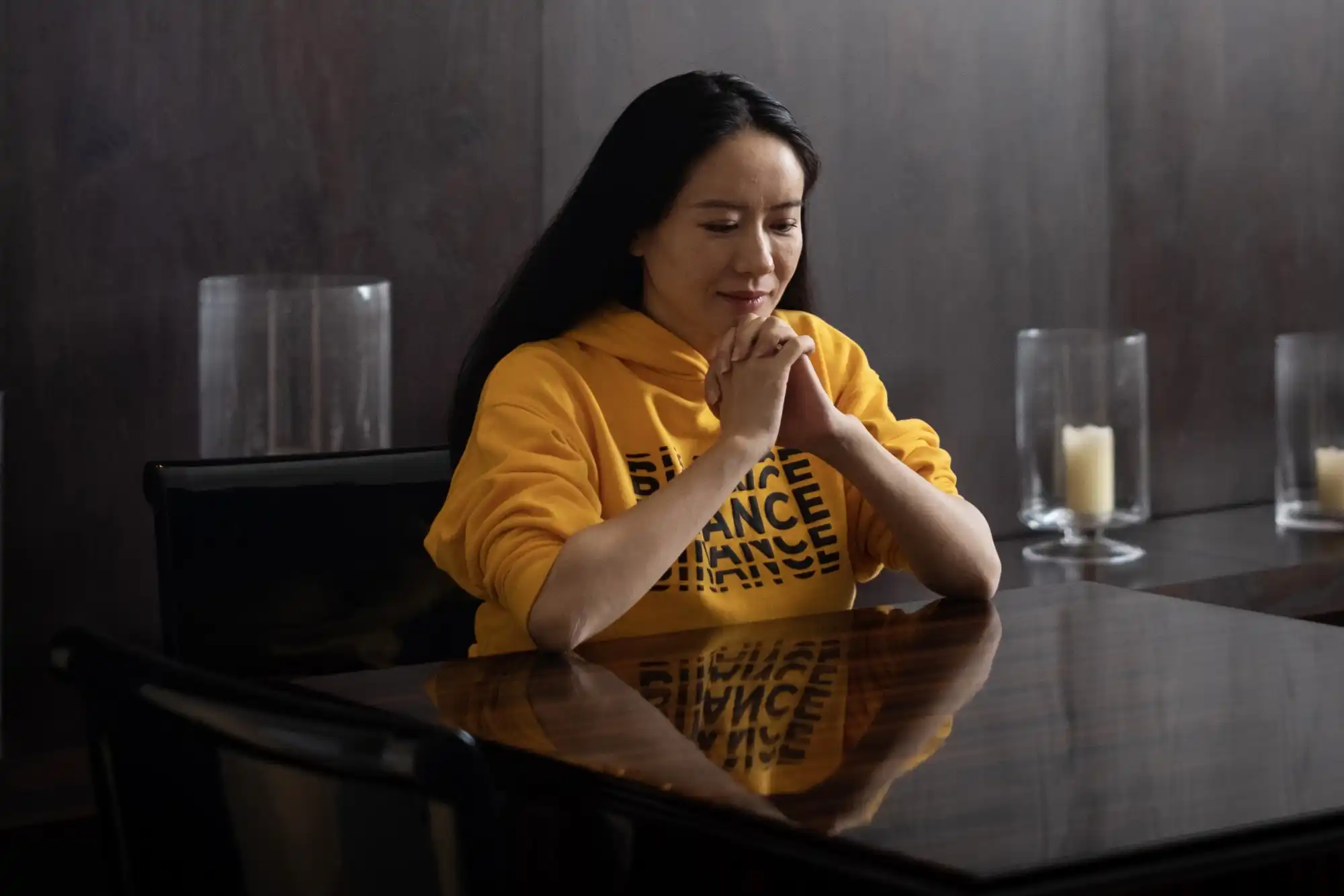
Over the past six years, a female executive at Binance has successfully avoided global scrutiny, even amidst increased government crackdowns on cryptocurrency around the world—she is He Yi.
As a heavyweight co-founder trapped in the crypto empire, He Yi is one of the most powerful players in this $1.2 trillion industry. With regulatory shocks deepening and Crypto's largest exchange platform, Binance, also facing a survival crisis, He Yi is poised to suffer a significant loss.
Having played a key role in Binance's rapid rise, former Chinese TV host He Yi was instrumental in early successful marketing of Binance through media platforms. Now, she is facing the company's most perilous moment, with the exchange platform dominating in token trading, venture capital, and even the realm of digital artwork. The U.S. SEC regulatory agency has accused Binance of illegal operations, violating trading rules, and non-compliance in a civil lawsuit, while Binance is also under scrutiny in countries from France to Australia.
As the company's market dominance now faces regulatory pressure, executives are also facing risks worth billions of dollars. According to the Bloomberg Billionaires Index, Binance CEO CZ's net worth is estimated at around $29 billion, and He Yi, as an early shareholder, also holds a substantial fortune. (Her exact shareholding size is not disclosed.) The wealth of the two is intertwined in many ways: they have been long-standing partners in business and life, raising children together.
In a series of Bloomberg interviews, including one in Dubai before the SEC filed a new lawsuit, He Yi attempted to convey two key messages. First, the differences between Binance and regulatory agencies are not as significant as portrayed. Second, the platform is far from as unsavory as critics suggest.
She said last month in the five-star hotel Address Fountain Views in Dubai: "If they really take the time to understand our industry, they will find that if Binance is not compliant, then there are hardly any global exchanges or offshore companies that are compliant."
Despite Binance claiming not to have a formal headquarters, theoretically making it more difficult to be sued and regulated, CZ and He Yi have already established roots in this company's second home—the Gulf city-state (Dubai). She likened her relationship with CZ to college roommates. At first glance, this union and the governance issues it has caused easily bring to mind SBF's relationship with Caroline during FTX's heyday. However, He Yi refuses to draw comparisons.
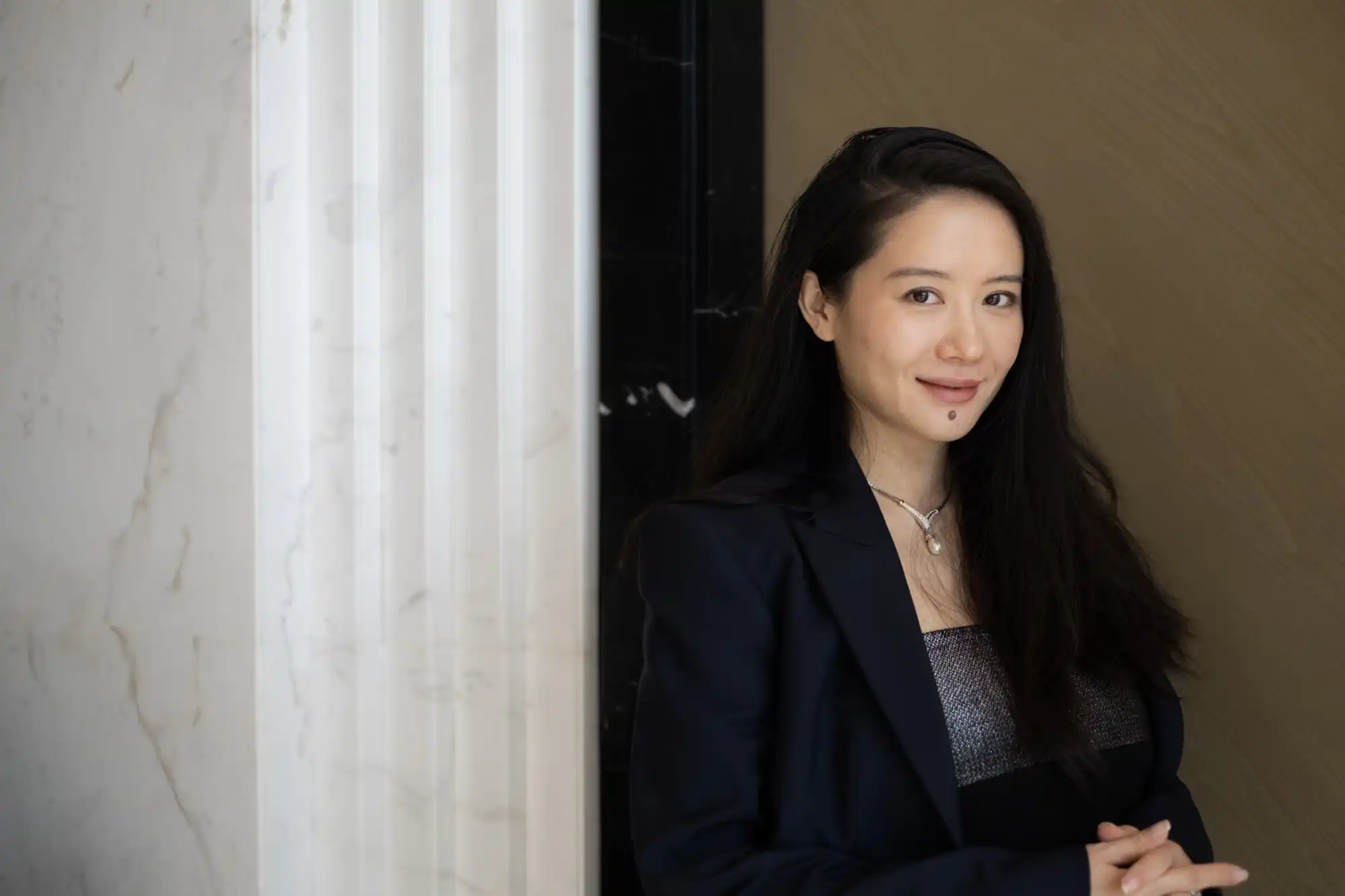
The charges from the US regulatory agency mark the end of the era of crypto's "act as you wish" era, with He Yi conveying a more soothing tone in a WhatsApp message.
"We respect the regulatory stance, whether it supports or opposes the development of crypto. I understand that, to protect investors, the overall intent of regulation is good."
It should be noted that Binance is not the only company facing regulatory scrutiny. The US SEC has also simultaneously charged mainstream crypto platforms such as Coinbase Global Inc. and Kraken with violating securities rules. However, the scope and severity of the charges against Binance are more concerning. US officials stated that the company lacks sufficient anti-money laundering controls, has experienced a surge in trading volume, and has mishandled customer asset disposal. According to Bloomberg News, they are also under investigation by the Justice Department, and Binance's US platform is being cut off from the banking system, similar banking-related issues are impacting other areas of the company.
Investigations by US agencies are not always focused on individual or company charges, and the Justice Department has not announced any cases against CZ or other Binance executives. US regulators have also not charged He Yi with any violations.
A Binance spokesperson mentioned the company's response to the SEC complaint earlier this month to Bloomberg News. Binance called the regulatory action "disappointing" and stated that they will defend themselves, claiming that customer funds on their platform have never been at risk.
Behind the scenes, He Yi and Binance wield significant influence, with the exchange platform accounting for about half of all crypto trading volume and Binance having around 8,000 employees globally. He Yi is also in charge of the multi-billion dollar venture capital fund Binance Labs, which has supported over 200 projects, including the decentralized file-sharing platform BitTorrent and the blockchain game giant Axie Infinity. He Yi has also been highly praised for driving the development of the BNB Chain, with its native token recently being deemed an unregistered security by the US SEC. She has also assisted in regulatory client business and acquisitions such as CoinMarketCap.

During an interview in Dubai, He Yi appeared with only one bodyguard. She mentioned her limited English proficiency as one of the main reasons she never became a Binance global ambassador. She acknowledged this as a weakness in her Bloomberg interview. However, the company's executives have tried to downplay its connection to China as the country enforces a crypto trading ban.
"When I interact with Western journalists or give public speeches, people may think we are a Chinese company, right?" When a crisis hits, this powerful woman in the crypto industry spoke up.
The SEC's evidence collection in the Binance case revealed He Yi's early involvement in Binance. In a translation of a 2019 audio file released on June 6th, spokesperson CZ mentioned her name, indicating her role in how Binance circumvented restrictions to allow U.S. users into its larger Binance.com platform.
In the eyes of critics, Binance still operates like a startup, with governance and ownership structures shrouded in secrecy, and its commitment to millions of users ultimately boils down to: trust us. However, He Yi believes that Binance provides more transparency than critics suggest and has been cooperating with U.S. regulatory authorities, a claim disputed by U.S. officials.
He Yi also acknowledged that for the crypto industry, "global regulatory trends are inevitable."
He Yi did not respond to the SEC's allegations that market makers associated with CZ engaged in trading on Binance, with these firms using wash trades to inflate trading volume, and client funds were commingled and freely transferred between various accounts. She emphasized that unlike the charges against FTX, Binance did not misappropriate user funds for its own purposes and did not use its native token BNB as collateral for loans.
Speculation about the post-CZ era is growing. Although CZ has not indicated a willingness to relinquish power soon, this possibility now seems more evident. When asked if she had considered a Binance without her and CZ, He Yi noted that they have backup executives currently undergoing training but temporarily refused to disclose their names. "I think we'll be fine. We are not a single point of failure."
Unlike Wall Street, where trades are conducted through a Daisy Chain of intermediaries, centralized cryptocurrency exchanges handle all transactions from order matching to custodial of client assets, exposing investors to potential conflicts of interest and counterparty risks. As scrutiny of the cryptocurrency business intensifies, Binance has sought to reshape its image by strengthening its compliance personnel. However, following charges in the U.S., there are signs that its loyal fan base is starting to fracture. According to industry analytics firm CCData, Binance's trading share in derivatives and spot markets has declined from earlier peaks this year.
Former Paxos employee and Columbia Business School adjunct professor Austin Campbell said, "Binance is at a disadvantage as Western regulators are pursuing this business model – either having a completely independent custodian or having stricter rules around custody, user fund handling, and responsibility bundling."
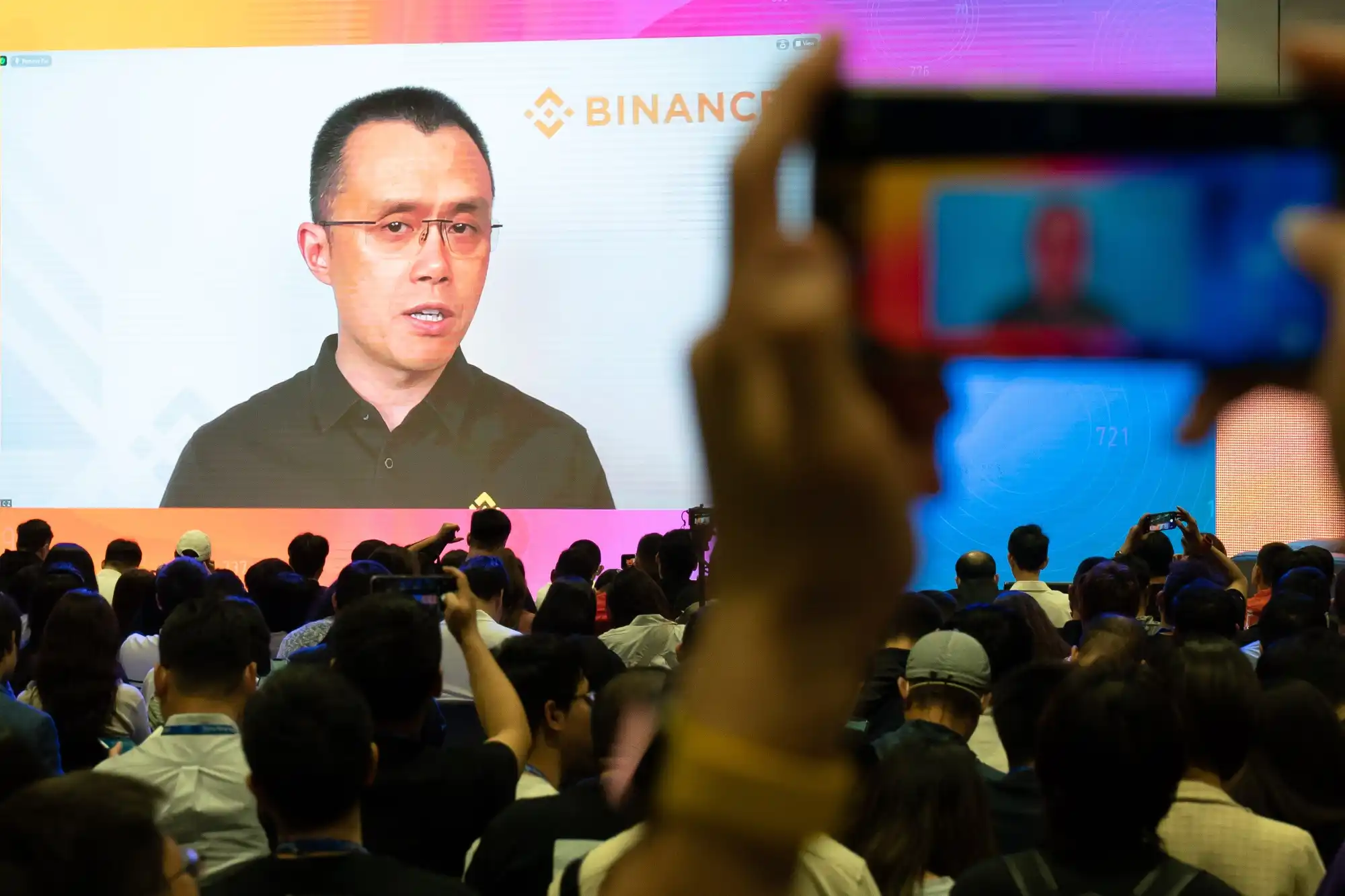
In 2014, when He Yi first ventured into the cryptocurrency space with the OKCoin exchange platform, China was at its core. By then, she was already known as a travel show host and served as a judge on a reality TV show to promote the platform. He Yi recalled that in the same year, she hired CZ as Chief Technology Officer due to his extensive experience in building trading systems, including his work at Bloomberg LP, the parent company of Bloomberg News.
In 2017, when CZ invited her to be an advisor to Binance, He Yi had already left the virtual currency industry to become an executive at a live-streaming company. That summer, she helped Binance rewrite parts of the ICO whitepaper and later agreed to join Binance. Unlike most co-founders, technically she was not part of the company at its inception. However, those familiar with her early background widely believe that her prominence in the Chinese cryptocurrency community was crucial to Binance's rapid success at the time, positioning the then upstart Binance against exchanges like OKCoin and Huobi.
Fast forward six years, the crypto industry has faced scrutiny for becoming a breeding ground for illicit activities, and Binance's zeal for market share has also made the platform a target. Through its trading promotions, it has arguably been more aggressive than even Robinhood. For instance, by mid-2021, users could withdraw up to two bitcoins without any need for ID verification. It also listed some tokens proven to be worthless, including the collapsed TerraUSD algorithmic stablecoin from last year. For cryptocurrency critics, Binance has made profits from retail gamblers who scarcely understand.
A well-known fact is that He Yi and CZ have a child, which is an open secret among cryptocurrency insiders. How would she describe their relationship? He Yi expressed some reservations.
"There is a saying in the entertainment industry called CP, right?" She said this is a Chinese internet slang term referring to fans hoping for a romantic relationship between two individuals, whether on screen or in real life.
He Yi also referred to Zhao as a comrade-in-arms and described him as a university roommate. She said their connection began after she joined Binance. He Yi compared it to Amazon, where Jeff Bezos' ex-wife, MacKenzie Scott, was a contributor in the early days of the company, although He Yi also acknowledged this was not a "perfect" example. Among other reasons, Scott did not have the deep involvement in Amazon's multibillion-dollar business as He Yi did.
As for similarities with SBF and Caroline, He Yi emphasized the differences.
"There is a significant distinction here: Caroline is an employee, while I am a partner, and what is required between co-founders is not just a dating relationship. The co-founder relationship is about camaraderie, while the dating relationship is about chemistry. The former is based on shared beliefs and transcends gender, while the latter is based on physical attraction and selfish desire."
He Yi also pointed out that her position as a cryptocurrency pioneer preceded CZ's. "Even without considering personal relationships, I was the one who brought CZ into the cryptocurrency trading business."
"CZ bringing me to Binance was based on the accomplishments I had already achieved," added He Yi.
However, for regulators concerned about blurred lines and concentration of power, this situation raises red flags. He Yi oversees the department responsible for investing in cryptocurrency projects and deciding on listed projects at Binance. Binance director Vishal Sacheendran stated that the Binance token listing team led by He Yi is very secretive, to the extent that few insiders know its members. The company stated that this is part of efforts to reduce potential conflicts of interest. However, after the FTX collapse, this business model sounds particularly opaque, partly due to the intricate relationship between its trading platform business and the trading desk Alameda Research.
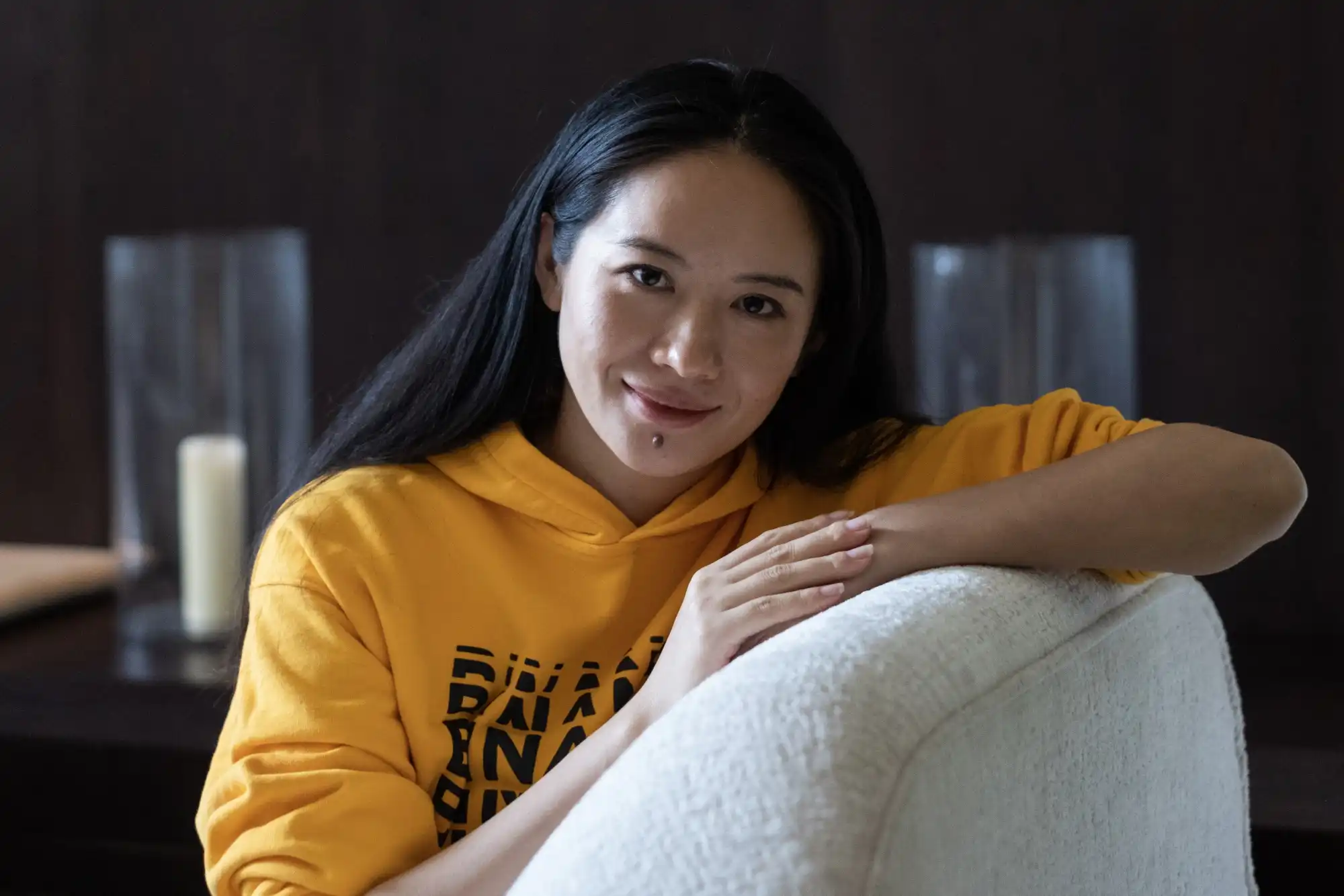
It should be clear that large cryptocurrency exchanges typically consolidate a range of financial services, services that would never coexist under the same roof in traditional finance. But He Yi's diversified investment portfolio, along with the opacity of management, indicates that Binance's core still feels tightly controlled. It is noted that He Yi downplayed concerns about conflicts of interest. "Many of the projects we invest in are actually not listed. There are different leaders and different teams, and these two teams are entirely separate."
Anyway, U.S. regulators seem determined to crack down on the cryptocurrency giant, declaring much of the industry illegal. Some concessions may have to be made. It's currently unclear what specific compromises either Yi or CZ are now willing to offer, although she acknowledges that the Wild West era of cryptocurrency is over.
Yi said, "If you can't beat them, you have to surrender."
Original Article Link
Welcome to join the official BlockBeats community:
Telegram Subscription Group: https://t.me/theblockbeats
Telegram Discussion Group: https://t.me/BlockBeats_App
Official Twitter Account: https://twitter.com/BlockBeatsAsia