Vitalik Buterin: Without L2, Ethereum will fail. What new opportunities can the Cancun upgrade bring to L2?
Original Title: "V God proposes that without L2, Ethereum will fail. What new opportunities can the Cancun upgrade bring to L2?"
Original Source: R3PO
2023 saw two important upgrades in the history of Ethereum. The first was the Shanghai upgrade completed on April 13th. After the Shanghai upgrade, the beacon chain staking withdrawal function was opened, officially transitioning Ethereum from a PoW mechanism to a PoS mechanism. This upgrade became an important milestone event in Ethereum's upgrade roadmap. Now, Ethereum is about to welcome the Cancun upgrade, which aims to increase more data storage for L2 to reduce costs and increase efficiency, with an expected 10-100 times increase in L2 speed on the existing basis. According to the latest Ethereum core developer meeting, the Cancun upgrade is expected to go live at the end of this year.
How will the Cancun upgrade accelerate the expansion of Ethereum, and what new development opportunities will it bring to Layer2? R3PO believes that through the Cancun upgrade, Layer2 will be better integrated into the Ethereum ecosystem, providing users with faster and lower-cost transaction experiences. Whether it is Optimistic Rollup or ZK Rollup, they will benefit from this upgrade and jointly promote the development of the Ethereum ecosystem.
One, Deterministic Future - Layer2
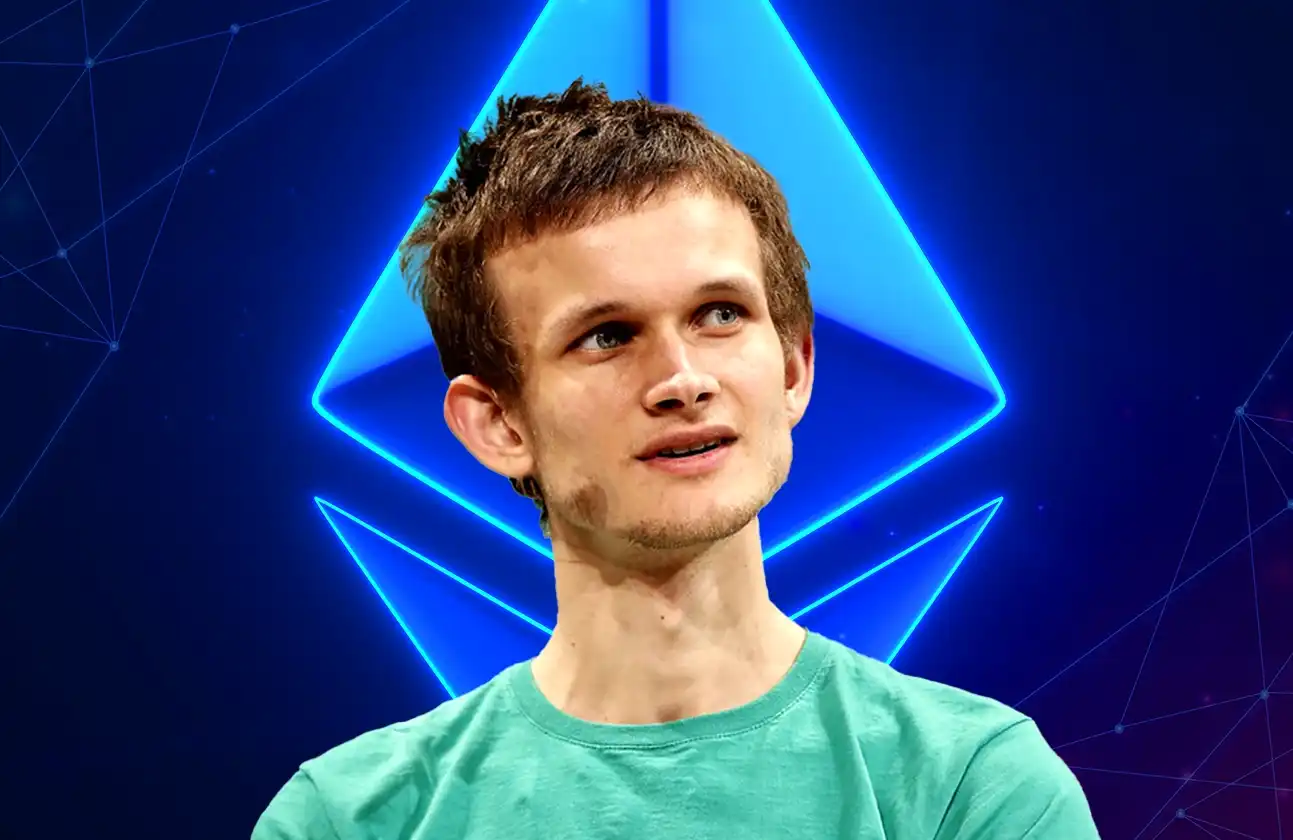
In Ethereum co-founder Vitalik's latest article "The Three Transitions", he proposes the three major technical transitions that Ethereum needs to undergo: the transition to L2 scaling, where everyone moves to Rollup; the transition to wallet security, where everyone uses smart contract wallets; and the transition to privacy, ensuring feasible privacy-preserving fund transfers.

The article explains the importance of L2 and Rollup. Vitalik pointed out that without the development of L2, Ethereum will fail due to high transaction costs. Compared with the world-famous transaction system VISA, which can process tens of thousands of transactions per second, Ethereum's performance of only 15 transactions per second is difficult to meet normal transaction needs. The cost threshold of $3.75 per transaction also discourages a large number of ordinary users.

Ethereum supports a large number of transaction activities every day. As the ecosystem continues to develop, due to the limitation of block space, the network is becoming increasingly congested in order to compete for limited resources. The problems of high fees and low speed on Ethereum's Layer 1 mainnet are gradually becoming apparent, and there is an urgent need to reduce costs and increase speed.
How to improve the scalability and speed of Ethereum has always been a concern for Ethereum developers. According to the Ethereum roadmap released by Vitalik Buterin, after solving the consensus mechanism issue in the Shanghai upgrade, the focus will shift to solving the scalability issue, with the goal of increasing the transaction processing capacity of the Ethereum network to over 100,000 transactions per second.

二、Optimistic Rollup VS ZK Rollup
Translation:
2. Optimistic Rollup VS ZK Rollup
Rollup is mainly divided into two types: Optimistic Rollup and ZK Rollup.
Optimistic Rollup uses a fraud-proof mechanism. The system automatically executes the reliability of transaction data without the need for validity verification to enter the waiting period. During the waiting period, if any node raises an objection and provides evidence to prove malicious behavior in the transaction, the transaction will be canceled. If there are no objections, the transaction will be confirmed and written into the block after the waiting period ends. Through the fraud-proof transaction scheme, large-scale verification deployment is omitted, saving computing resources and ensuring the accuracy of transactions. Currently, well-known solutions include Arbitrum and Optimism.
ZK Rollup uses a mechanism of zero-knowledge validity proof. It generates a zero-knowledge proof to prove that all transactions are valid, and uploads the final state change of all transactions to Ethereum. Unlike Optimism Rollup, ZK Rollup does not need to upload compressed transaction details, only a zero-knowledge proof and the data of the final state change are required. The main players in the ZK Rollup space include ZKsync, Starkware, Scroll, and others.
Optimistic Rollup's advantages and disadvantages:
Advantages:
Compatibility: Optimistic Rollup is relatively easy to support general-purpose contracts and compatible with the Ethereum Virtual Machine (EVM), making it easier for developers to develop and migrate applications.
Disadvantages:
Time delay for fraud proof: When malicious transactions or disputes occur, the exit time for Optimistic Rollup is longer, usually one week, which may result in funds being unable to flow freely for a period of time.
Network Stagnation: When disputes arise on the network, the entire Optimistic Rollup network may experience stagnation, resulting in transactions being unable to proceed smoothly, due to the need to wait for dispute resolution and verification.
ZK Rollup Pros and Cons
Advantages:
Privacy Protection: ZK Rollup utilizes zero-knowledge proof technology to verify the validity of transactions while protecting user privacy. Transaction details are kept confidential, and only the correctness of the proof needs to be verified, providing a higher level of privacy protection.
Security: The verification process of ZK Rollup is based on mathematical proofs, providing strong security guarantees. Through zero-knowledge proofs, the validity and consistency of transactions can be ensured without disclosing the details of the transactions.
Disadvantages:
Computational Cost: Generating and verifying zero-knowledge proofs requires a significant amount of computing resources. Therefore, the computational cost of ZK Rollup is relatively high, which may result in longer processing times and higher computing expenses.
Limited smart contract functionality: Due to the design goal of optimizing transaction processing, ZK Rollup has limited support for complex smart contract functionality. Some complex contracts may not be directly implemented on ZK Rollup.
Due to the advantage of early launch and lower development difficulty, the OP system currently occupies more than 90% of the market TVL. The market share of the ZK system is relatively small, and the ZK system needs faster construction progress and ecological development to participate in the competition for user growth. As the Layer2 ecosystem gradually matures, after the upgrade of Cancun, the cost of Rollup can be greatly reduced, and user growth and ecological development may be the most critical winning factors in the competition between ZK and OP systems.
Three, the future of Layer2: the way forward under the leadership of the Cancun upgrade
In the previous article, we compared the advantages and disadvantages of Optimistic Rollup and ZK Rollup, two Layer2 solutions. With the upcoming Ethereum upgrade, Layer2 will usher in new development opportunities. The KanKun upgrade is an important milestone for Ethereum, aimed at improving scalability and performance. Through the KanKun upgrade, Layer2 will better integrate into the Ethereum ecosystem, providing users with faster and lower-cost transaction experiences. Whether it is Optimistic Rollup or ZK Rollup, they will benefit from the improvements brought by the upgrade. After the KanKun upgrade, the speed of Ethereum Layer2 will increase by 10-100 times while also reducing transaction costs. We have reason to expect the widespread application of Layer2 in Ethereum, opening up new possibilities for achieving high throughput and low-cost decentralized applications.
1. Main Content
The Cancun upgrade includes five EIPs aimed at increasing data storage and reducing costs. The upgrade is centered around EIP-4844 and also includes four improvement proposals: EIP-1153, EIP-4788, EIP-5656, and EIP-6780. There is currently no exact date for the upgrade, but it is expected to go live by the end of 2023.

EIP-4844: As the core of the Cancun upgrade, EIP-4844, also known as Proto-Danksharding, is a scaling solution centered around Rollup. EIP-4844 is the first step in Ethereum's scaling journey. Prior to the upgrade, Rollup data was permanently stored on Ethereum, and the storage cost was expensive. 90% of the transaction cost paid by users for Rollup was due to this storage cost. To address this, EIP-4844 introduces a new transaction type - Blob Transaction, where data will be temporarily stored in "Blob" for about a month before being deleted. If long-term data storage is required, it will be stored by other service providers according to actual needs. When Blob becomes part of the Ethereum protocol through Proto-Danksharding, more Blobs may be added to Ethereum blocks, which will once again significantly expand Ethereum's throughput (>100 times) and reduce transaction costs.
Other selected EIPs include:
EIP-1153: Reduce the cost of on-chain storage data to improve block space.
EIP-4788: Improvement of the design for cross-chain bridges and equity pools.
EIP-5656: Add minor code changes related to the Ethereum Virtual Machine.
EIP-6780: Remove code that may terminate smart contracts.
2. Which opportunities are worth paying attention to?

The congested era of Ethereum has also created the grandest narrative. The total value locked (TVL) of the current L2 ecosystem has more than doubled since the beginning of the year, reaching around 8 billion US dollars.
As the first step of Ethereum's expansion, Cancun upgrade will make Layer2 10x-100x faster and cheaper! The expansion and low fees of EIP-4844 will benefit various L2 ecosystems, making OP ecosystems more diversified and ZK ecosystems more available due to enhanced data availability, allowing independent layer 2 with high operating costs to grow rapidly. With the decrease in on-chain fees, the L2 ecosystem will become more abundant and the number of users will increase.


Other than the projects that have already been launched, upcoming mainnet projects such as Scroll, Linea, and Taiko are worth paying attention to.
Due to the short storage time of Blob data, there are issues with accessing historical data. This creates a demand for decentralized storage, and Layer 2 scaling solutions also require a data availability layer. In addition, the Cancun upgrade will benefit L1 storage expansion networks such as Eth storage, Arweave, Filecoin, and other Ethereum DA layer projects.
3. Where is Layer2 heading?
In the foreseeable future, with the upgrade of KanKun and the sounding of the Ethereum expansion horn, expansion will provide higher throughput and lower transaction fees. This will enable Layer2 applications to process more transactions and provide users with faster and instant transaction confirmations. Whether it is for payments and settlements in the financial sector or for games and NFTs, the high performance of Layer2 will provide users with a smoother and more efficient experience.
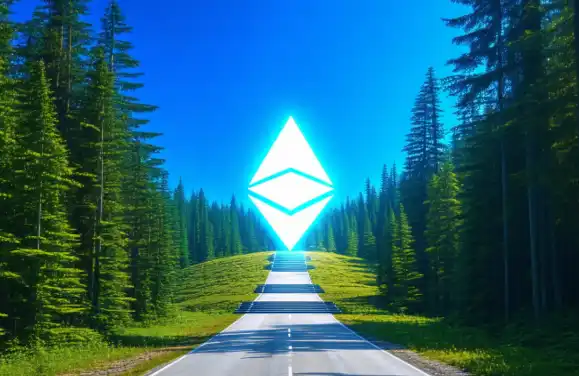
It's like building highways that took a lot of time and effort, but because there is no demand, there are very few cars driving on the highway. This is a common problem for most L2s. Without high-quality applications, the value of L2 cannot be reflected. Arbitrum gradually builds a prosperous ecosystem due to the rise of DeFi applications such as GMX. Only by developing more convenient, innovative, and practical applications to meet users' needs can we truly attract users' attention and participation. This requires developers and entrepreneurs to boldly try and innovate on Layer2, combining the advantages of Layer2 to create unique and attractive application scenarios. Only in this way can Layer2 truly integrate into users' lives. Therefore, in addition to technological development, user migration and application promotion are also key factors for the future success of Layer2.
Reference
1.https://vitalik.eth.limo/general/2023/06/09/three_transitions.html
2.https://ethereum-magicians.org/t/a-rollup-centric-ethereum-roadmap/4698
https://www.datawallet.com/crypto/zk-rollups-vs-optimistic-rollups
3.https://www.coindesk.com/tech/2023/06/08/ethereum-developers-cement-final-lineup-of-changes-in-dencun-upgrade/
4.https://l2beat.com/scaling/tvl#upcoming
5. https://ethereum.org/zh/layer-2/
6.https://medium.com/bitcoin-news-today-gambling-news/ethereums-cancun-deneb-upgrade-everything-you-need-to-know-3e67439a036
Original article link
Welcome to join the official BlockBeats community:
Telegram Subscription Group: https://t.me/theblockbeats
Telegram Discussion Group: https://t.me/BlockBeats_App
Official Twitter Account: https://twitter.com/BlockBeatsAsia

 Related Articles