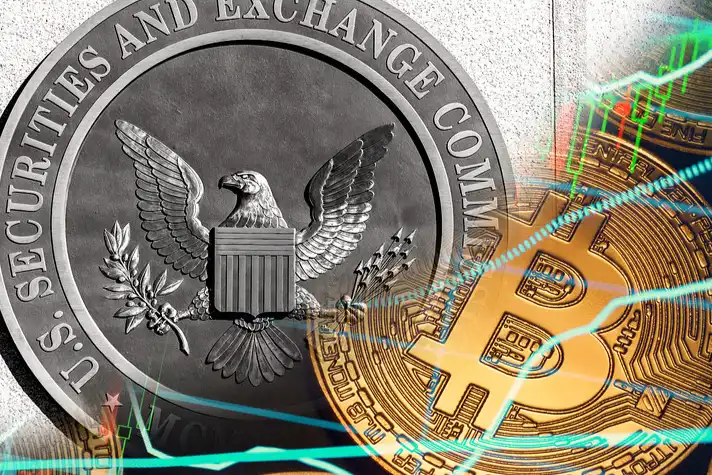
SEC Chairman Gary Gensler's latest speech: Why the heavy crackdown on the cryptocurrency market?
Original Title: "We've Seen This Story Before" Remarks before the Piper Sandler Global Exchange & Fintech Conference
Original Translation: Joy, PANews
On June 8th, Gary Gensler, the Chairman of the SEC, delivered a speech at the Piper Sandler Global Exchange and Financial Technology Conference, once again emphasizing the importance of regulation, from the signing of securities laws to Howey testing, and listing a series of enforcement actions taken by the SEC against the cryptocurrency market, emphasizing that the cryptocurrency securities market should not be allowed to undermine the public's trust in the capital market. The cryptocurrency market should not be allowed to harm investors. He also pointed out that the current regulations are clear, and issuers, broker-dealers, and exchanges should know exactly how to comply. This is not a problem of insufficient guidance, but rather that exchanges simply do not want to follow what they have been told by regulatory agencies.
Well-regulated market
I want to focus on a field that I believe is at the intersection of the two things emphasized in the title of this conference - exchanges and financial technology - and that is cryptocurrency.
The reason why the US capital market has flourished is because since the signing of the Securities Act in 1933, we have established road rules that help ensure investor protection, transparency, and competition for the past 90 years. One year after the signing of the law, President Roosevelt and Congress passed the Securities Exchange Act of 1934 to regulate securities intermediaries such as exchanges and broker-dealers. The law also established the US Securities and Exchange Commission, which celebrated its 89th birthday last Tuesday.
Encryption Securities
There is no indication in the encrypted securities market that investors and issuers should not be protected by our securities laws.
The Congress could have said in 1933 or 1934 that the Securities Act only applies to stocks and bonds.
"The purpose of Congress enacting the Securities Act is to regulate investments, regardless of the form they take or the names they are given." This is not just a talking point. As Justice Thurgood Marshall wrote in the landmark Reves decision of the Supreme Court, this is the law of the land.
The Congress listed more than 30 items in the definition of securities, including the term "investment contract".
As clarified by another famous ruling of the Supreme Court, SEC v. WJ Howey Co., when funds are invested in a common enterprise with the expectation of profits solely from the efforts of others, an investment contract exists. This test has been reiterated by the Supreme Court on multiple occasions - most recently in 2019 when the test was cited.
In the Howey case ruling, the court stated that the definition of an investment contract "embodies a flexible rather than a static principle, which is capable of adaptation to meet the countless and variable schemes devised by those who seek the use of the investors' money. The others promise profits."
As I have said many times, the vast majority of encrypted tokens pass the test of investment contracts. Disliking this information and not receiving it are two different things.
These tokens are promoted by teams through websites and Twitter accounts. Investors may even have the opportunity to meet the founders. These tokens do not come out of thin air. They are not like corn or wheat that grows out of the ground. Although they are digital, they cannot be distinguished from the vast capital markets, where securities and currencies have also been digitized.
The innovation of Satoshi Nakamoto has driven the development of encrypted assets and underlying blockchain ledger technology. However, regardless of the type of ledger used, whether it is a spreadsheet, database, or blockchain technology, the economic reality of investment is the most important when investors put their funds at risk.
Therefore, the issuer of encrypted securities needs to register its investment contract's offer and sale or meet exemption requirements with the US Securities and Exchange Commission. For decades, we have had regulations on how issuers must do this. We have established flexible rules for disclosure required in registration statements - Regulations SK and SX - as well as registration exemptions, including Regulations A or D.
We have also provided market participants with years of guidance on what constitutes or does not constitute a security in the context of crypto assets, including the DAO report in 2017 and the staff's "Digital Asset 'Investment Contract' Analysis Framework" in 2019. Over 100 commission orders, settlement agreements, and court decisions have also clarified when the issuance and sale of tokens are securities, including our actions against Telegram, LBRY, and Kik.
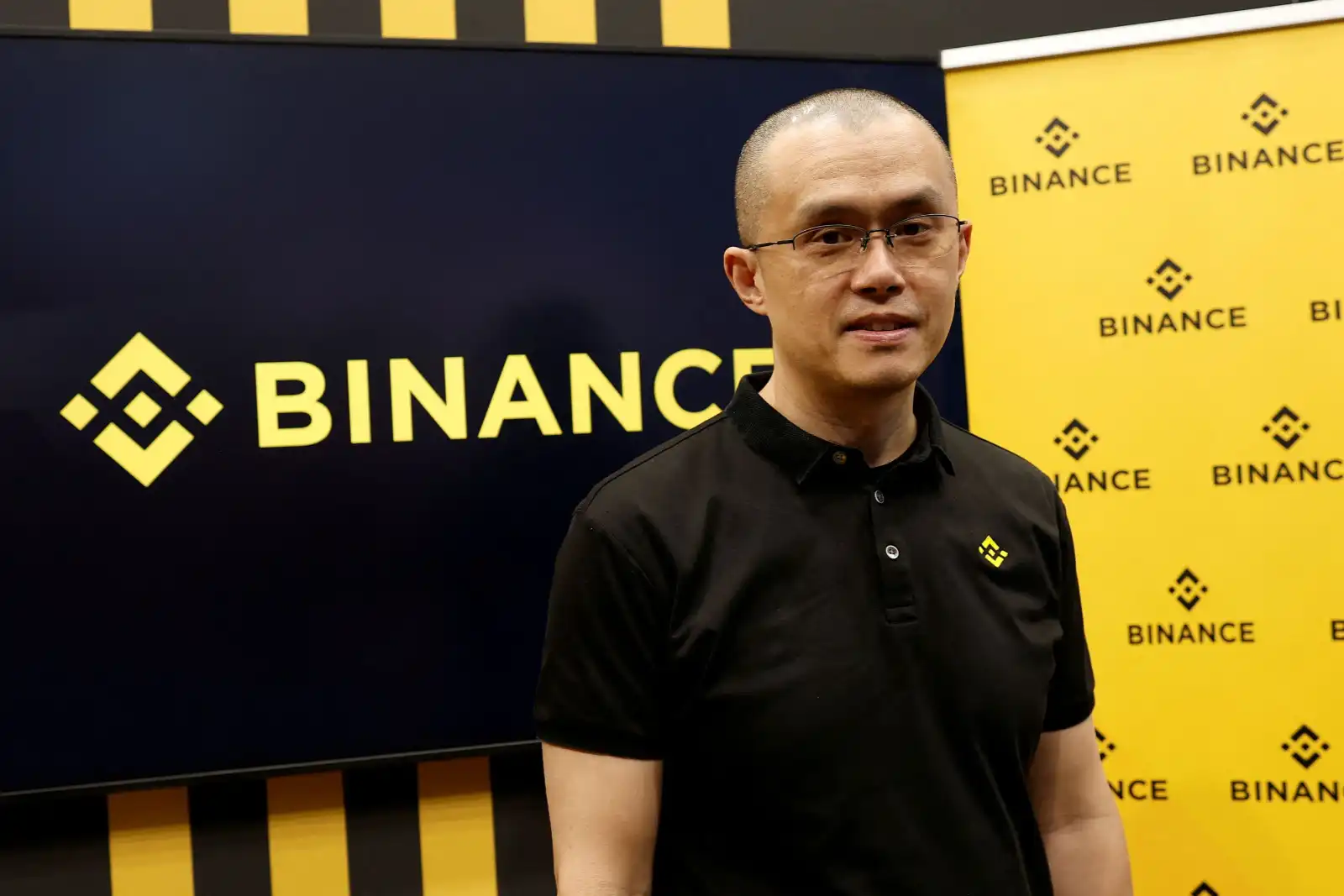
In fact, just this week, we claimed that Binance's CFO and Chief Compliance Officer were aware of the relevance of the Kik case to their own business. According to our lawsuit against Binance, internal personnel at Binance were already aware that they needed to "start preparing everything" in response to subpoenas and Wells notices related to their exchange token BNB, including the "war chest" to be prepared for this "battle" due to the action taken by the US Securities and Exchange Commission against Kik.
When participants in the cryptocurrency market say on Twitter or television that they have not been "reasonably notified" that their actions may be illegal, do not believe them. They may have made deliberate economic decisions, taking enforcement risk as a cost of doing business.
Like other parts of the securities market, registration and compliance play a role - something that bond and stock issuers at this meeting are well aware of. However, this is appropriate because it is this work that ensures investors receive comprehensive, fair, and truthful disclosure of information they are entitled to.
Some initiators of encrypted asset securities argue that their tokens have functions beyond being investment tools. However, as courts have stated in cases such as the Telegram case and others, some additional utilities do not remove encrypted asset securities from the definition of investment contracts. The investing public typically purchases these encrypted assets, at least in part, based on the issuer's efforts to anticipate profits.
In fact, in the famous Howey decision, the Supreme Court wrote that "whether an enterprise is speculative or non-speculative, or whether property is being sold with or without intrinsic value, is immaterial" if the investment contract test is met. However, for tokens specifically used within their blockchain ecosystem, staff members have indicated a willingness to provide no-action letters.
Cryptocurrency Intermediary
Given that most cryptocurrencies are subject to securities laws, most cryptocurrency intermediaries must also comply with securities laws.
Similarly, these laws have existed for decades. Sections 5, 15(a), and 17A(b) of the Securities Exchange Act require intermediaries such as securities exchanges, brokers and dealers, and clearing agencies to comply with securities laws and to register or meet exemption requirements.
Similarly, these cryptographic entities are aware of the rules. As Binance's Chief Compliance Officer candidly told a colleague in 2018, "We are an unlicensed securities exchange in the United States."
Registration is not just a procedural issue. Failure to register is not just a foot fault in a tennis match. It is the core of providing basic protection for investors and our market.
This year, we have accused Beaxy, Bittrex, Binance, and Coinbase of illegally providing securities intermediary services in a separate lawsuit, but they have not registered with the SEC. The committee took settlement measures against EtherDelta and Poloniex in 2018 and 2021.
These so-called failures have deprived investors of key protections, including rulebooks to prevent fraud and manipulation, proper disclosures, segregation of client assets, safeguards against conflicts of interest, oversight by self-regulatory organizations, and routine inspections by the US Securities and Exchange Commission. When intermediaries fail to register, it is the investors who are harmed, and the US financial markets may be impacted.
I disagree with the view that "crypto intermediaries cannot be compliant", and recent history has proven this. I do recognize, and I believe it is something that needs to be worked on. This is not just a matter of "verbally committing to comply with applicable laws", nor is it just about seeking a series of meetings with the US Securities and Exchange Commission (SEC), during which you are unwilling to make the necessary changes to comply with securities laws.
Cryptocurrency intermediaries may need to separate their business lines, establish rulebooks to prevent fraud and manipulation, appropriately segregate client funds, mitigate conflicts, or change their clearing and custody methods. These are things that protect investors. In fact, they have not considered these things in building their platforms, which should not be a free pass for investors to face risks.
At this conference, each registered securities exchange has worked hard in registering, developing appropriate rulebooks, and supervision, and each is bound by all of our rules. We should not undermine the 90-year-old Securities Act.
As the enforcement director of the US Securities and Exchange Commission, Gurbir Grewal said, "You cannot ignore these rules because you don't like them or because you prefer different rules: the consequences for the investing public are too great."
In addition, just last month, a company that restricts its business to encrypted asset securities was approved by the financial industry regulatory agency as a special purpose broker-dealer. This is achievable.
We have also solved the problems in the encryption security industry through rule-making. Although many industry insiders who call for rule-making are dissatisfied with this kind of rule-making.
We have released a re-opened version, reiterating the applicability of existing rules to platforms trading encrypted asset securities, including so-called "DeFi" systems. This version also provides supplementary information for systems that will be included in the definition of the proposed new exchange.
Although our current investment advisor custody rules already apply to cryptocurrency funds and securities, our recently updated proposal will cover all cryptocurrency assets and strengthen the protection provided by qualified custodians.
These are just two rules we propose regarding the cryptocurrency market.
In addition, the staff expressed their views on the disclosure of accounting information related to listed companies involved in cryptocurrency assets and the development of significant cryptocurrency asset markets, recognizing the risks and uncertainties associated with cryptocurrency assets.
借贷和质押即服务
Loan and Pledge as a Service
Another common feature of the cryptocurrency market is that intermediaries and initiators offer loan or pledge-to-service plans, promising returns in exchange for investors' cryptocurrency tokens. Their products and promised returns have many names, which are often used to attract users to their platforms.
However, in decades of cases, the Supreme Court has made it clear that the economic reality of a product - not its label - determines whether it complies with securities laws.
It doesn't matter what type of asset investors put into lending or pledging-as-a-service platforms - cash, gold, bitcoin, or anything else. The intermediaries will explain how they will handle and protect the assets as determined by law. Customers invest their assets through the platform, which then lends or pools and pledges them, promising returns in each case. These are classic securities, whether or not they involve cryptocurrencies.
Similarly, the US Securities and Exchange Commission has been clear on this point for many years. From BitConnect in 2021, BlockFi in 2022, to a series of actions this year, the US Securities and Exchange Commission has consistently claimed that these lending and staking-as-a-service products need to be registered and provide appropriate disclosure for public investment.
Just this week, we, along with 10 states, accused Coinbase of offering and selling its staking program without properly registering.
Behavior: Fraud, Manipulation, and Bankruptcy
To be frank, it's not surprising to see many problems in these markets due to widespread violations. We've seen this story before. It's reminiscent of the situation before the Federal Securities Act of the 1920s. Peddlers. Scammers. Con artists. Ponzi schemes. The public lining up to leave before bankruptcy court.
Earlier this week, we claimed that certain Binance entities misled investors regarding the platform's risk controls and its volume of damaged trades, while actively concealing who operates the platform, manipulation of trades by its affiliates, and even the detention of the location and recipients of investor funds and cryptocurrencies.
We also accuse Sigma Chain, an affiliated company controlled by Binance founder Zhao Changpeng, of acting as the primary market maker for Binance.US, engaging in manipulative trading and wash trading to fraudulently inflate trading volumes on the platform, including during the period leading up to and following Binance.US's subsequent fundraising round and the recent launch of certain new crypto securities tokens.
Additionally, it is reported that several billion dollars of customer funds from two Binance platforms were mixed into accounts controlled by Zhao through entities owned and controlled by Zhao and Binance, and held by Merit Peak Limited, an entity controlled by Zhao.
These allegations also describe Zhao and Binance attempting to evade US securities laws by announcing false controls they ignored behind the scenes, so they could keep high-value US customers on their platform. Our complaint cites Binance's chief compliance officer as saying, "On the surface, we don't have US users, but in reality, we should find creative ways to get them," the CCO further said, "CZ will definitely agree with this haha... Senior management introduced me to how to always find ways to support the business."
We also saw FTX's deception of investors. With the collapse of Terra and LUNA, we saw deception. We claimed that Do Kwon and Terraform repeated false and misleading statements to establish trust before causing devastating losses to investors.
In the case against Sun Yuchen and his three companies, we have charged a scheme of paying celebrities to promote tokens without disclosing compensation.
I could go on, but in a market rife with fraud, abuse, and misconduct, there are too many to list.
Let me be clear: these types of improper behavior and bankruptcy are more likely to occur in markets where issuers and intermediaries fail to comply with basic laws. Even if we may not have detected fraud or such blatant misconduct, investors need proper disclosure, isolation of their hard-earned assets, and assurance that they are not trading against the company.
Conclusion
The market ultimately concerns trust. For 90 years, this trust has relied on compliance with securities laws.
Encryption securities market should not be allowed to undermine the public's trust in the capital market.
Investors should not be harmed by the cryptocurrency market.
Original article link
Welcome to join the official BlockBeats community:
Telegram Subscription Group: https://t.me/theblockbeats
Telegram Discussion Group: https://t.me/BlockBeats_App
Official Twitter Account: https://twitter.com/BlockBeatsAsia

 Related Articles