Inventory of 11 projects invested by Polychain Capital this year.
Original author: dLux
Translated by: Deep Tide TechFlow
Polychain Capital is a venture capital firm that can discover potential.
• Invested in MakerDAO in 2017;
• Invested in dydx in 2017;
• Invested in Starkware in 2018.
Want to know about their 11 investments this year?

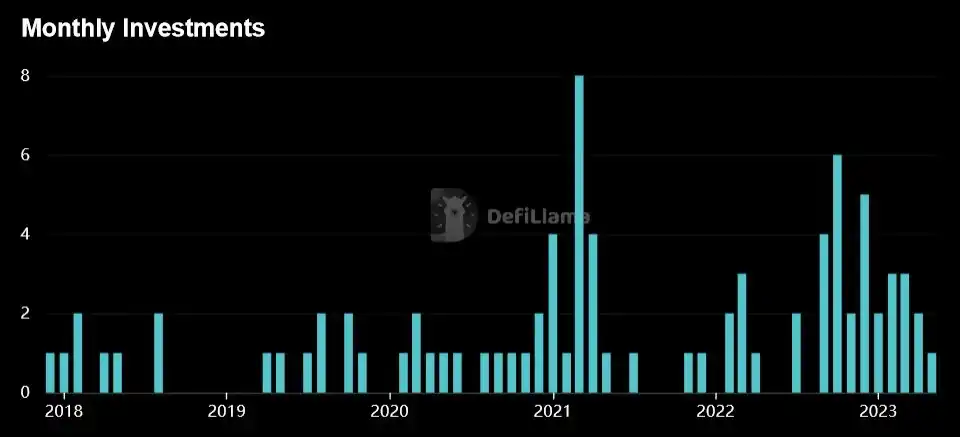
This company was founded by Olaf Carlson-Wee in 2016, who was previously the risk manager at Coinbase. As you can see, Polychain Capital has been very active in the past year.
Polychain Capital's investors include some heavyweight companies:
• a16z (managing assets of $3.5 billion);
• Sequoia (managing assets of $8.5 billion);
• Foundersfund (managing assets of $11 billion).
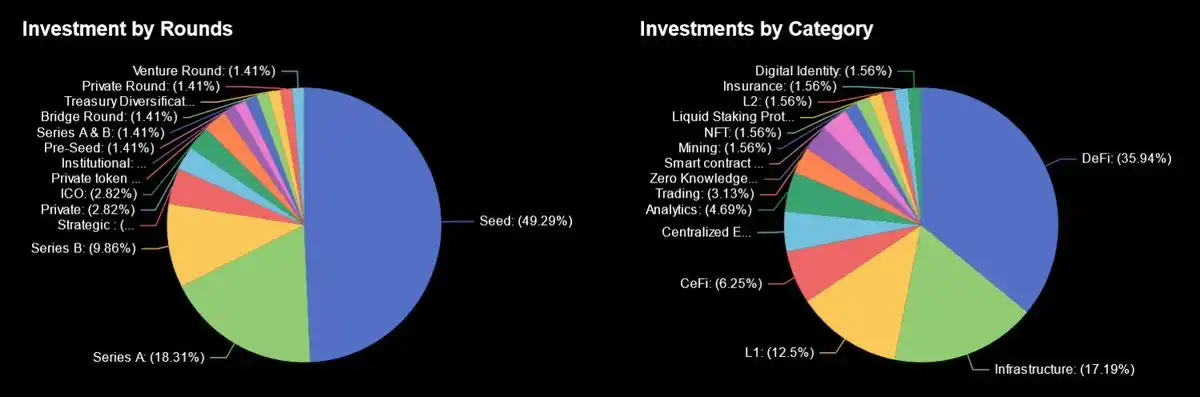
Since their first investment in 2017, they have made a total of 85 investments. Seed and Series A investments account for the majority of their transactions (reaching 67%). As for sectors, they typically focus on DeFi, infrastructure, and layer one blockchain projects (making up 65%). Let's take a look at their investments for this year.
Quasar is a decentralized application chain that supports cross-chain asset management in the Cosmos ecosystem. Quasar is a universal asset management vault that can be customized according to different needs.
Nil is a project aimed at promoting research and development in cryptography and databases. Their main product is Proof Market, which enables zkLLVM to work together and simplifies zk implementation for developers.
SPACE ID is building a one-stop universal naming service network, whose infrastructure provides multi-chain naming services, enabling anyone to create Web3 identities.
Cysic is a zk hardware startup company aimed at providing physical requirements for zk proof protocols.
Polyhedra Network is building infrastructure supported by zk technology. They have designed zkBridge (a trustless infrastructure for L1 and L2 interoperability) and zkDID (a scalable and interoperable DID solution based on SBT).
Scrolls is a zkRollup based on zkEVM, built on top of ETH, allowing for compatibility between applications on other chains. Scroll has raised $50 million with a valuation of $1.8 billion.
Cubist is a company dedicated to providing two major advantages:
Lowering the threshold of development environment, freeing developers from being locked into a specific development environment.
EigenLayer is a protocol built on Ethereum that introduces a re-staking mechanism. This allows for the reuse of ETH on the consensus layer by providing aggregated security, thereby reducing capital costs and significantly increasing trust.
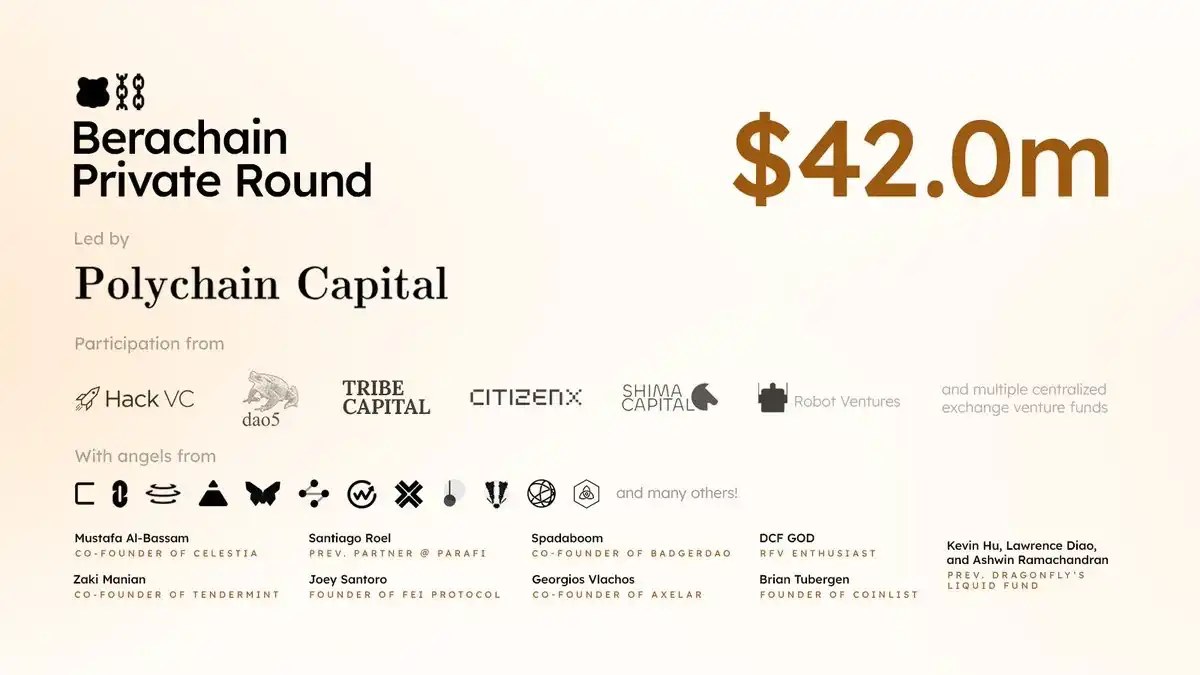
Berachain is an EVM-compatible L1 focused on DeFi, using a liquidity consensus proof algorithm and built on Cosmos. Their three-generation token model is very innovative and will be very interesting in practice.
Thetanuts Finance aims to provide fund management for DAOs and help retail traders earn organic profits from their assets by simplifying the trading process.

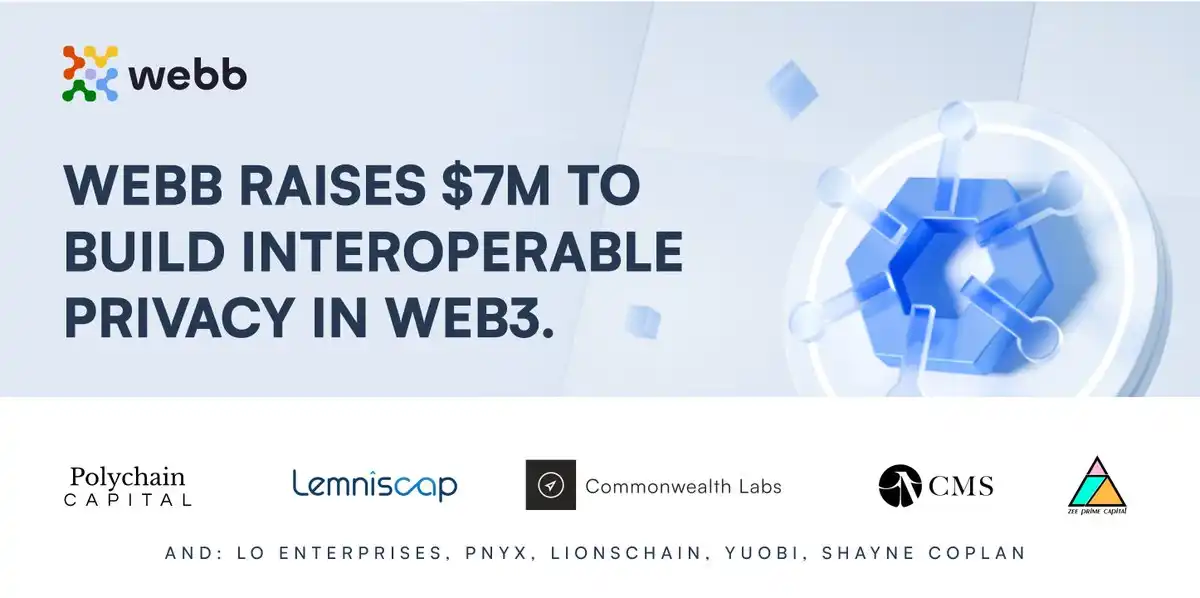
Webb has built an infrastructure for a privacy protocol ecosystem powered by zk technology, suitable for a multi-chain world.
Which project do you think will perform the best?
Original Link
Welcome to join the official BlockBeats community:
Telegram Subscription Group: https://t.me/theblockbeats
Telegram Discussion Group: https://t.me/BlockBeats_App
Official Twitter Account: https://twitter.com/BlockBeatsAsia

 Related Articles