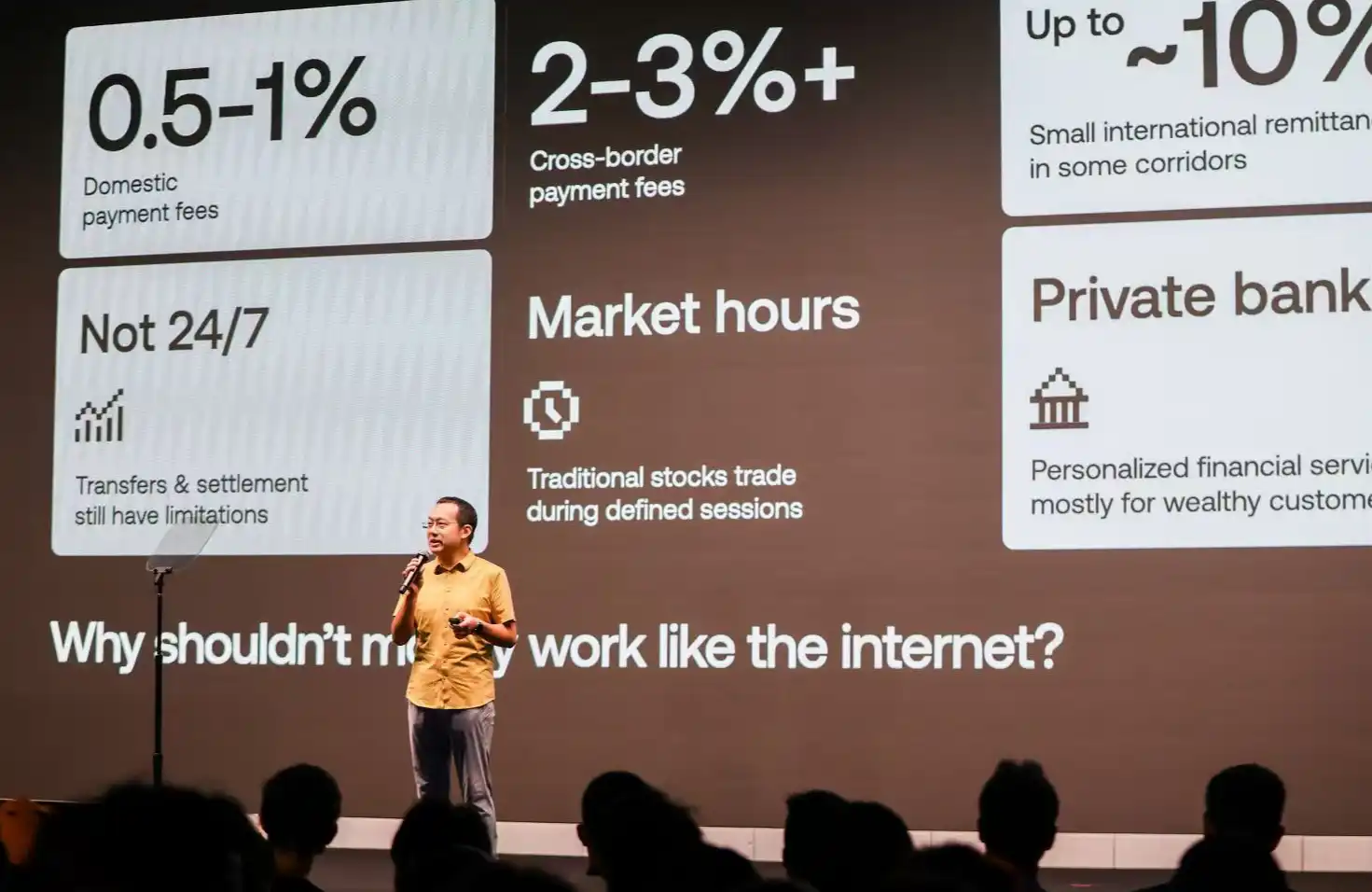
Bankless: Ethereum heralds an industrial revolution on the Internet

Ethereum's Economic Engine
Bankless co-founder David Hoffman
The DeFi way
Crypto economies must find a balance.
For encryption systems to stand the test of time, they must have the flexibility to adapt to the changing environment around them. Rigidity is fragile. Rigid systems will eventually require human intervention to prevent collapse.
The crypto economy structure must automatically discover a state of natural equilibrium, or the picture below will become our inevitable future:

"You are such a stupid animal"; "You're waiting for the Fed to tell you how much value your anti-establishment digital currency will lose"
Humans use homeostasis all the time to control chaos and complexity.
The early development of the steam engine was a series of explosions and uncontrollable chaos. To be effective, steam engines need to produce a steady and predictable power output, but controlling the speed of that output is an unsolved problem.
By applying a clever little mechanism known as a centrifugal governor, a negative feedback loop is created between energy input and output. As the power output of the system increases, the governor will begin to reduce its input amplitude.

withControl theoryThe simple application of steam's unlimited potential was translated into the Industrial Revolution.
Control theory: The mathematical field concerned with the control of dynamical systems in engineering processes and machines. The aim is to develop a model or algorithm to control the application of system inputs in order to drive the system to its desired state while minimizing any delay, overshoot or steady-state errors and ensuring stability of the control; Usually to achieve a certain level of optimization.

Also, the effect is greatest when a wing is parallel to the ground. When the plane tilts, the lift on the wing is reduced because the wing is no longer completely "up."
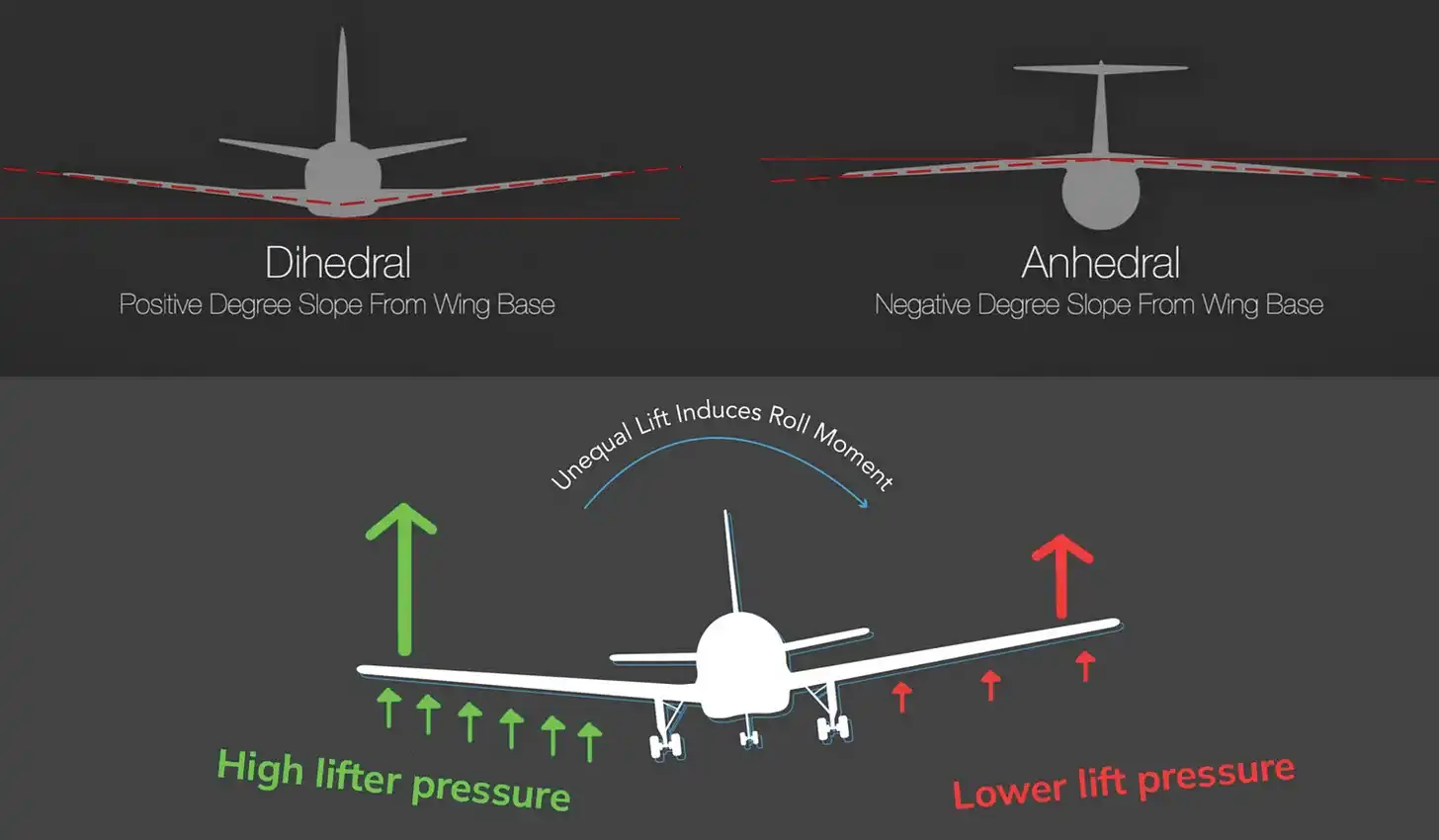
Dihedral Angle wing Angle is automatically balanced to maintain aircraft stability. When this type of aircraft flips sideways, the upward force on the wing is naturally transferred to the push against it. This is a negative feedback loop that helps maintain stability.
An antibeveled wing does the opposite. When a reverse-inclined plane tilts to one side, the pressure on the wing changes, causing a greater degree of rollover! It's a positive feedback loop.
So why would we design an airplane with a reverse-beveled wing? Because their instability can easily be controlled by external intervention (aka steering), the pilot benefits from other advantages of the reverse-beveled wing design. However, it still only works because of external influences on the system!
Can we apply these same principles of automatic homeostasis to crypto economies? How are we going to build the Ethereum economy to balance it out, even in an era of stupid humans doing crazy things to it?
Similar to the centrifugal governors of steam engines, or the self-correcting design of aircraft, cryptography allows us to produce self-governing economic systems.
Ethereum is an attempt to create and optimize the attributes of autonomy to make it an engine for the economy. With this critical upgrade to the Ethereum crypto economy, we can now effectively leverage the power output of the Ethereum economy and turn it into productive economic output.
Can we build the world's first self-sustaining financial system? Is this what is needed to create a new industrial revolution on the Internet?
I believe all the signs are there. Let's explore!
Ethereum, a self-balancing economy
In May 2021, Ethereum's engine was at its hottest ever.
The 200+gwei Gas rate lasts for several months, sometimes reaching 600+gwei for 24 hours. A Uniswap transaction costs $175. An Aave position costs $400. Curve LPing is a $1000 transaction.
Token speculation, yield farming, coinage, and overall economic activity are so profitable that high Gas bills are an afterthought; There's so much money to be made! Ethereum is all the rage.
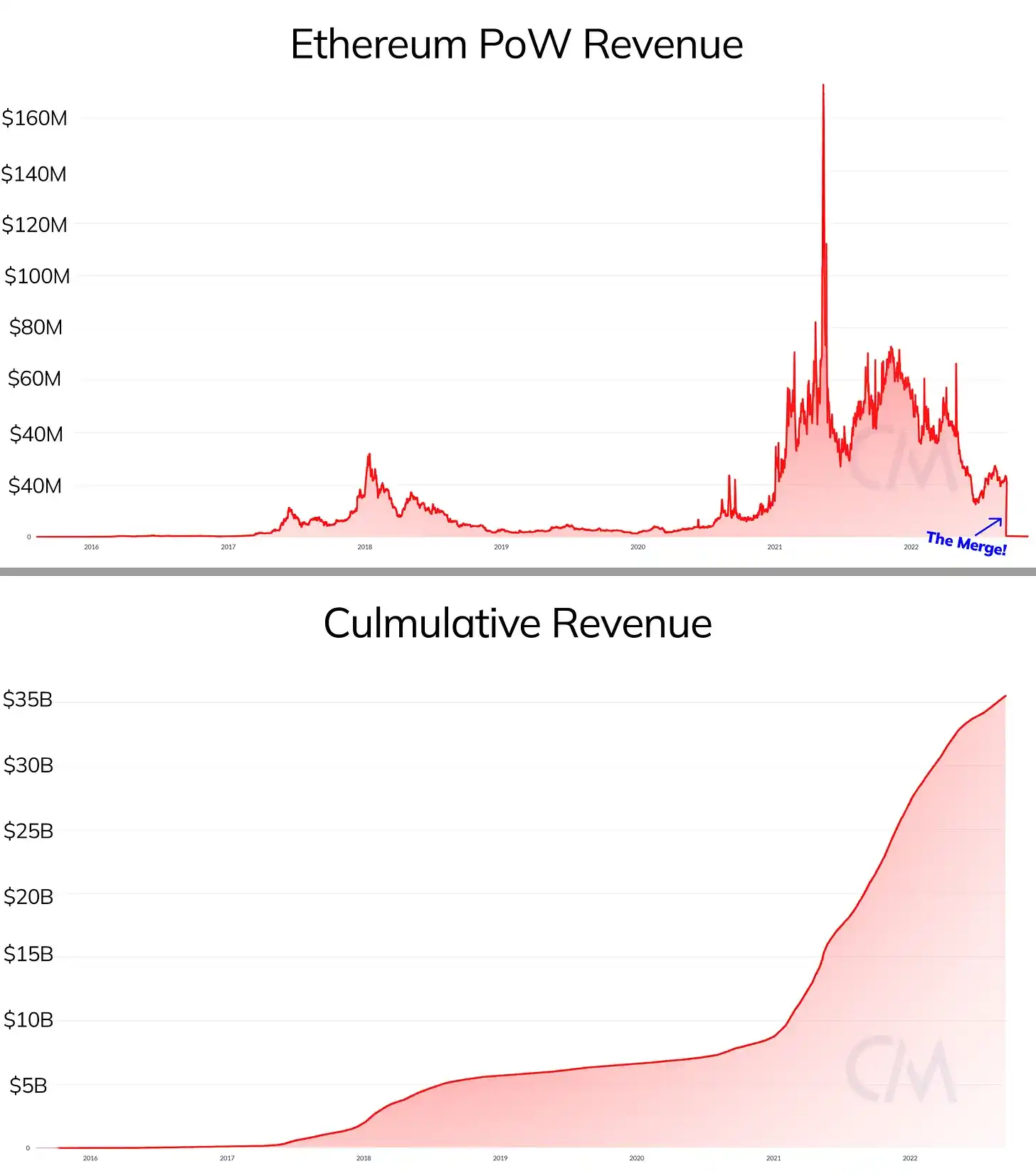
Also, Ethereum's PoW miners are cashing in. But because of the economics of PoW, miners are forced to sell their ETH to pay for electricity and Gpus; These are things that are external to Ethereum.
Ethereum was leaking its economic power.
Ethereum's revenue stream, gas fees for the block space, ultimately led to:
Growth in mining
Growth in energy production (and corresponding consumption)
Growth in chip production
But none of that stuff actually helped the economics of Ethereum grow. The external PoW industry absorbs the value of the Ethereum block space without recycling any value back into the economy.
Ethereum's economic engine generates a lot of output, but this energy is not captured by the actual economy of Ethereum. The revenue generated by the Ethereum-focused PoW industry represents the total amount of economic leakage that Ethereum has failed to contain.
Ethereum's new loop system
The two mechanisms added to Ethereum greatly increase its power output and also transform that power into effective economic productivity.
EIP1559
EIP1559 Converting block space requirements into ETH value, the fuel that powers the Ethereum engine. At higher ETH values, Ethereum's fuel has more power and its engine is more productive.
EIP1559 is a mechanism that takes heat from the Ethereum economy and uses that energy to refine ETH into a more powerful economic fuel.
Proof of interest
The proof of interest translates the demand for block space into ETH pledge income.
Through PoS, the transaction tips received by the pledgor (fees over EIP1559 base, mainly paid by MEV robots) have reached 20% of the total transaction volume. By offering transaction tips as rewards for ETH pledge, there is a channel between the heat of the Ethereum economy and the return on pledge.
Through this channel, a negative feedback loop is created between the heat of the Ethereum economy and the drive to pledge ETH. Increasing the APY of pledges has a dampening effect on the economy, as increased ETH earnings encourage capital to flow out of DeFi and into pledges.
Since we've all just gone through a crash course in 2022 on the effects of raising interest rates on the economy, this should make intuitive sense. The Fed raises interest rates to fight inflation and curb an overheated economy. Ethereum does the same mechanism, increasing the pledged yield when the DeFi gets hot and lowering the yield when the DeFi gets cold. But it does so without subjectively measuring the economy, and without the influence of surrounding political interests.
Recapture and control
EIP1559+PoS combination changes the economics of Ethereum from loss-making to regenerative.
Value that was previously one-way output to the PoW was instead transferred into the internal value of the Ethereum economy, and the resulting signal between trading volume and ETH revenue allowed Ethereum to self-regulate between excessive speculation and economic depression.
The only input required is human intelligence at the application level to induce economic demand for block space. Ethereum does the rest.
Economics in search of balance
Two key parameters enable the flexibility required for this environment: ETH issuance and ETH recapture.
The issue rate of ETH is controlled by the PoS algorithm and changes slowly. While PoS needs to be flexible to remove fragile rigidities, it should only change slowly, as it is the secure foundation of all Ethereum. It should be stable, not fluctuating.
EIP1559 Manages the capture rate of ETH. Compared with PoS algorithms, EIP1559 ADAPTS quickly to changes in economic conditions at the application layer. By default, the blocks on Ethereum are 50% full, and EIP1559 automatically increases or decreases the block size and Gas charges depending on demand.
As Gas costs go down, blocks get smaller. As the demand for block space increases, so does the block size, but so does the Gas bill! While the target for block size always remains the same (15m gas), the instant block size is allowed to be adjusted up or down, depending on the demands of the economic actor.
EIP1559 changes the Ethereum block size by up to 12.5% depending on how full the previous block is. 12.5% in a block isn't much, but with a block every 12 seconds, Ethereum blocks can double in size in 240 seconds. In addition, the block size also has a global maximum size to ensure that things don't get out of hand. EIP1559 increases Gas prices accordingly until demand subsides and target block size levels return.
This mechanism is like the cogs in the Ethereum economy. When the economy of Ethereum is hot, the engine shifts into high gear. Block size rises to meet demand, costs rise and ETH burns. When the demand decreases, Ethereum downshifts, reducing the supply of block space, and ETH burns less.
Ethereum economics
The flexibility of Ethereum's cryptoeconomics allows it to achieve a natural state of equilibrium, even if stupid humans are playing silly Ponzi games on it.
The economics of Ethereum can adapt to its surroundings.
For example, the issue rate of ETH - as more ETH is pledged to Ethereum, the issue algorithm issues more ETH. However, it reduces the ETH circulation per verifier proportionally because the circulation is distributed among more verifiers.
When the total amount of ETH pledged to Ethereum is low, the rate of return for individuals is higher, but the total amount of ETH issued is low.
When the total amount of ETH pledged to Ethereum is high, the rate of return for the individual pledge is low, but the total amount of ETH issued is high.
ETH circulation curve:
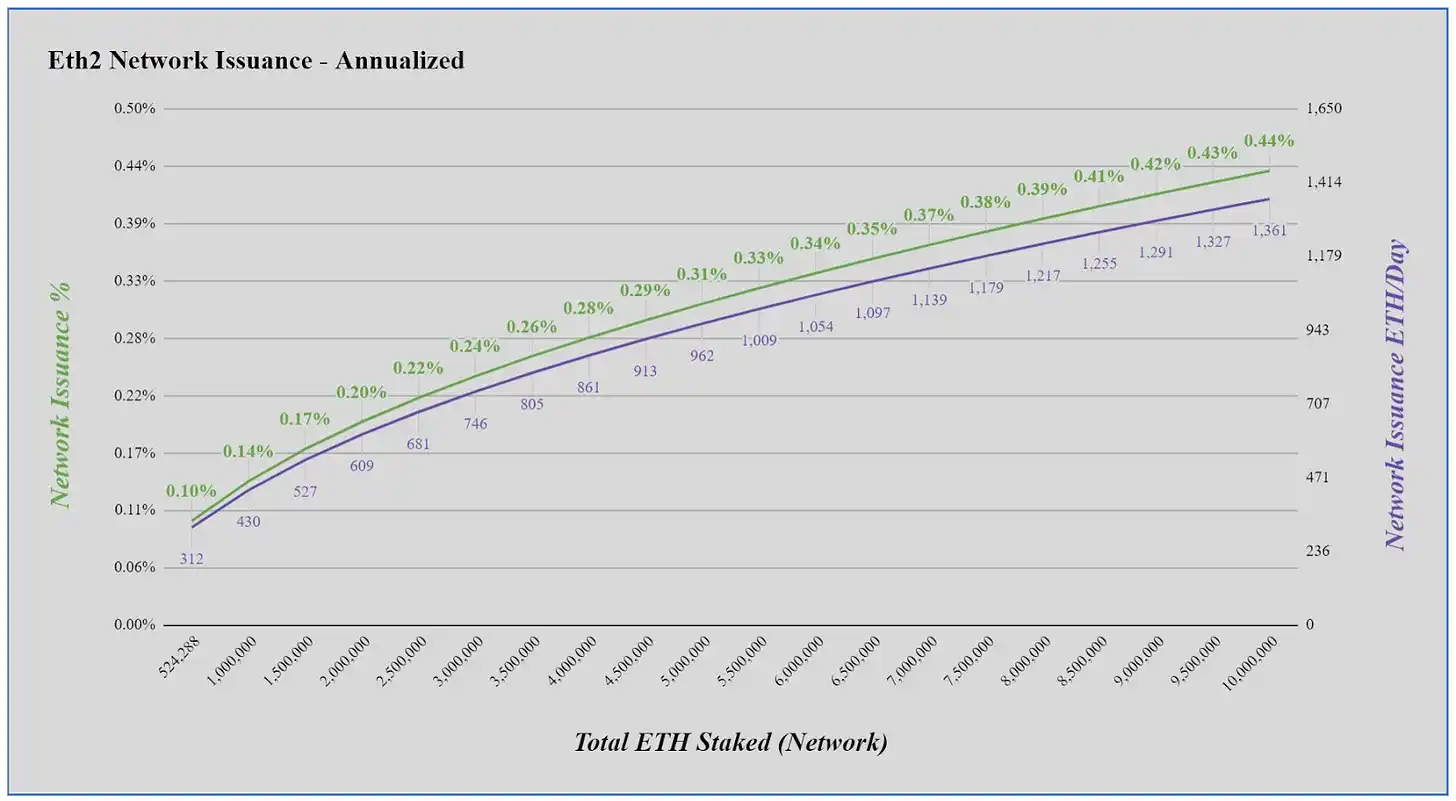
Green line -- online circulation %; Purple Line --ETH/ daily circulation
ETH pledge yield curve:
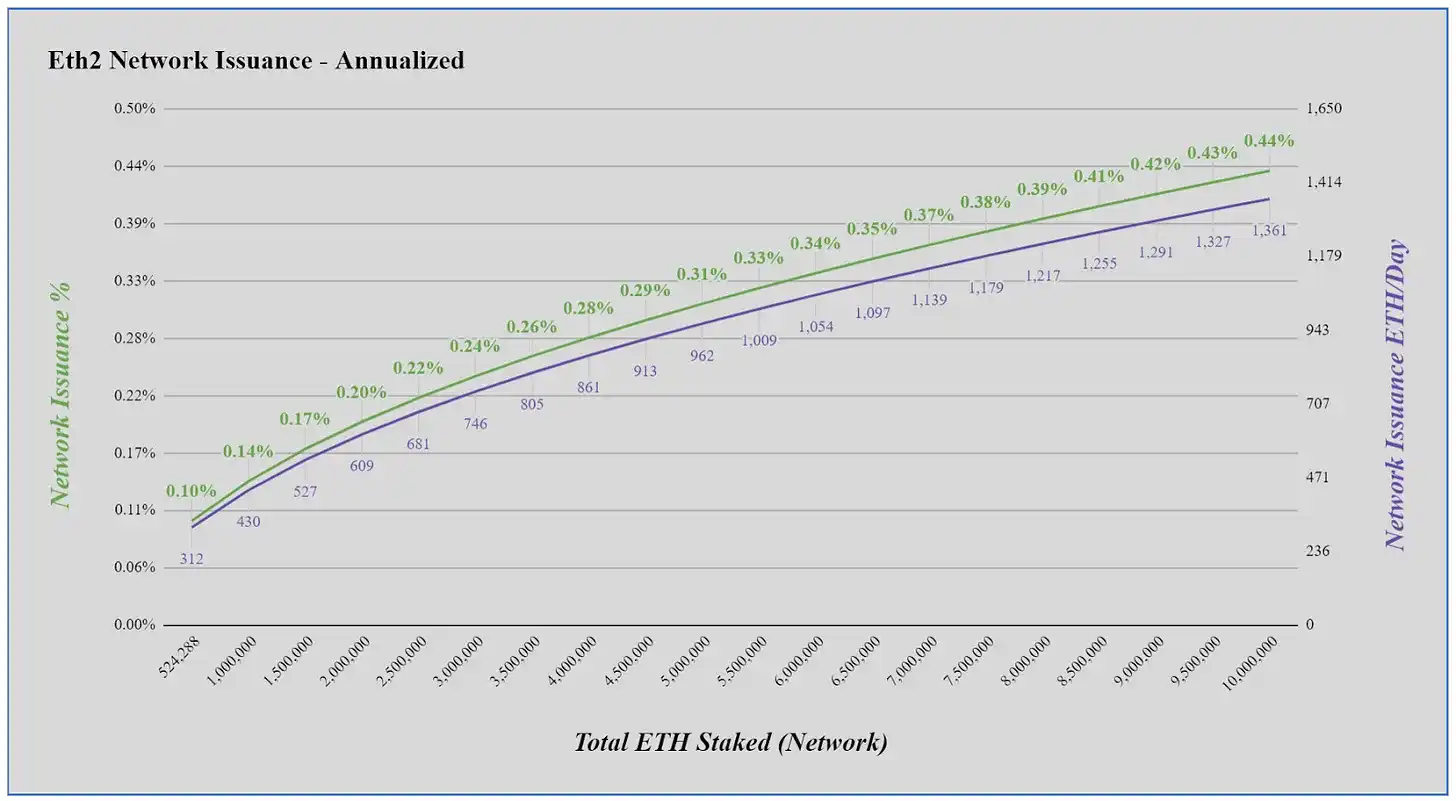
When less ETH is pledged, Ethereum naturally pays more for security.
As more ETH is pledged to Ethereum, yields lower and issuance increases, softening the disruption to economic activity by encouraging ETH to flow out of the pledge and into the Ethereum economy.
MEV
Mevs are an important part of Ethereum's economy. MEV is the pipeline connecting DeFi activities and ETH yields. It's a transfer of value from arbitrageurs to pledgers.
When anyone does almost anything on Ethereum, it leaves a small trail of arbitrage in their wake. Buying ETH on Uniswap misaligns the price and creates a mini-opportunity for arbitrageurs to rebalance the pool.
Economic actors disequilibrate markets and arbitrageurs automatically reposition the system.
As the Ethereum economy heats up, arbitrage increases accordingly. General economic activity on Ethereum shows up in Gas prices, but MEV activity specifically shows up in Gas "tips"; The fee paid to the ETH pledge exceeds the required amount of EIP1559 to allow MEV traders to skip the transaction queue and trade first.
The net effect is the correlation between the pledged yield and the economic heat of Ethereum.
Find a balance
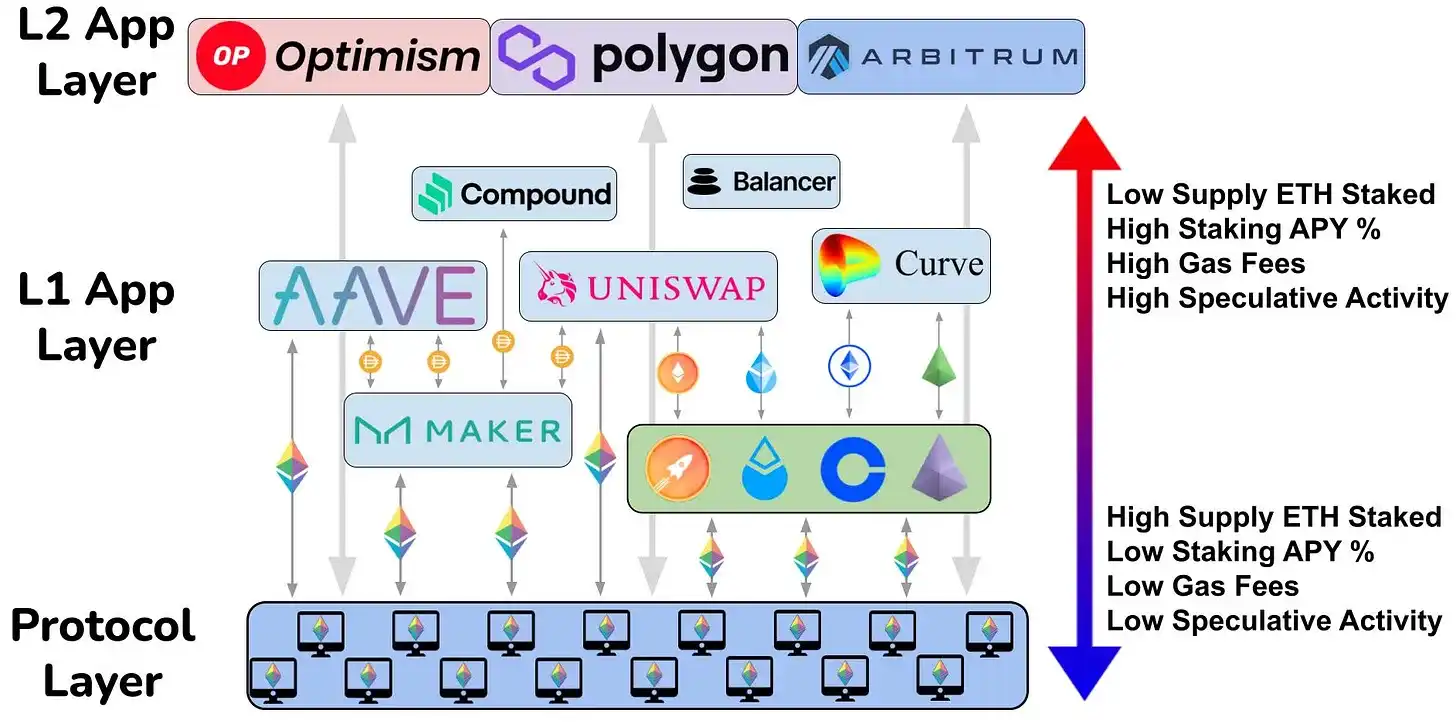
All of these inputs into ETH distribution and ETH burn rate have resulted in an organic balancing system that makes Ethereum an impermeable crypto economy, producing the "sci-fi economy" that I'm so excited about!
When the Ethereum economy is hot, the Gas price is high, resulting in a high ETH burn rate. In this environment, MEV is also high, increasing the yield of ETH pledge.
The higher ETH pledge rate of return improves the enthusiasm of pledge ETH! This, in turn, encourages capital to flow out of DeFi and into pledge agreements, incurring an increase in DeFi's internal cost of capital.
High ETH yields increase the opportunity cost of capital in the DeFi and naturally raise the bar for viable speculative activity.
Arbitrageurs will always ensure that the cost of borrowing ETH in DeFi is higher than the yield on pledge. If not, then there is a free arbitrage opportunity to borrow from the DeFi at a lower rate, pledge by agreement, and pocket the difference freely.
Ethereum increases the cost of capital for DeFi by increasing the ETH yield of the base layer.
This is Ethereum's wonderfully elegant homomorphic mechanism for balancing its own economy, and it's what keeps humans from having to interfere with the economy. The only human input into the system is the sum total of market activity! Ethereum takes care of the rest. Ethereum does the rest.
As the Ethereum economy heats up, it will naturally add stress to its downtime! This also happens in reverse; As the economy cools, the pressure is released. A cooled economy produces a high supply of ETH pledge, but the pledge yield is low, making external opportunities look more attractive.
Economy 2.0
In TradFi, there is a tug of war between bond yields and equity valuations.
Bond yields are low, risk appetite is rising and capital is moving from bonds to equities. Asset inflation set in and the supply of credit increased. The economy heats up and inflation sets in. The Federal Reserve has responded by raising interest rates, and yields have followed suit. Stocks sold off as bond yields became attractive again.
The Fed has a tough job on its hands.
Humans are stupid, and the Fed is not external to the system it governs. The inputs that the Fed uses to make governance decisions react to Fed decisions.
Chaotic systems come in two shapes:
Systems that do not respond to predictions about them. The weatherman's predictions do not change the weather.
Systems that change because of its predictions. Let's go into game theory.
The Fed operates in a chaotic system that responds to the Fed's own predictions about it. The Fed is fundamentally limited in its ability to produce stability for the economy it manages because the Fed's own input is a source of chaos in the system!
Of all the amazing technologies that make up Ethereum, its greatest achievement may simply be to remove the focus on the central manager of the economy. Economic actors can make their financial decisions without looking at the Fed because Ethereum puts the Fed's work into EIP1559 and certificates of equity.
An Internet industrial revolution
Ethereum existsFirst profitBlockchain.
It was the first cryptographic system to capture its own energy and direct it to productive output. Ethereum naturally increases DeFi's total capital value by converting the revenue from the block space into ETH value!
DeFi grows as ETH absorbs traffic from the Ethereum economy.
Since ETH is the primary collateral in the DeFi economy, credit availability expands as the value of the collateral grows!
The Ethereum economy is priced in ETH, and as the value of ETH grows, so does everything downstream of ETH.
Many tokens are traded directly with ETH via Uniswap or other DEX. Tokens denominated in ETH mean that ETH appreciation is also token appreciation. The majority of tokens traded in stablecoins are still affected by the price of ETH, as the appetite for stablecoins grows when ETH can be used to borrow or mint stablecoins, and as ETH becomes more valuable, more stablecoins will be borrowed.
EIP1559 gives the entire Ethereum economy a tailwind of economic growth. As the value of ETH increases, the availability of capital increases.
Wealth generation has become easier. Investment in Ethereum will also grow.
The positive impact of EIP1559 goes beyond simply adding value to ETH. ETH is closely related to DeFi, and the appreciation of ETH has a significant positive downstream impact on the entire Ethereum economy!
We call it the ETH Wealth Effect.
Some people mistakenly believe that ETH deflation will depress economic activity in Ethereum. This is just the opposite. ETH deflation increases the availability of all other forms of capital and encourages investment and activity in that capital.
Ethereum will be able to finance its own future.
Unlock the Internet industrial revolution
We are watching the world of crypto economics unlock a new productivity engine for the Internet age.
No Internet revolution would be complete without crypto economics. Before digital native money and finance, we were stuck in the pre-adolescent phase of the Internet; The "pure data" version of the Internet.
Cryptoeconomics is the study of building the economic engine for the Internet. With the invention of Bitcoin in 2009, a new class of engine was discovered and a whole new industry was created around it.
Since then, Ethereum has been optimizing the science of crypto economics. What was previously a productivity engine of loss and inefficiency has become a super engine of the digital age.
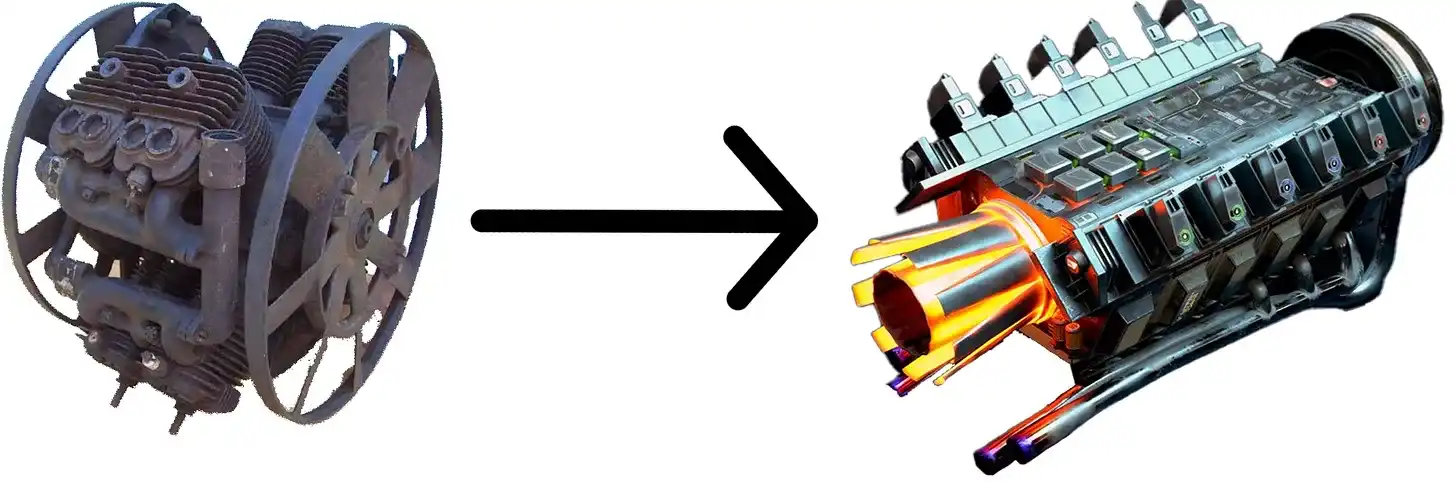
Ethereum is heralding an industrial revolution on the Internet. Similar to the steam engine that was the input needed to kick-start the Industrial Revolution, Ethereum's new crypto economy engine is ushering in a new era of economic productivity and prosperity for the Internet.
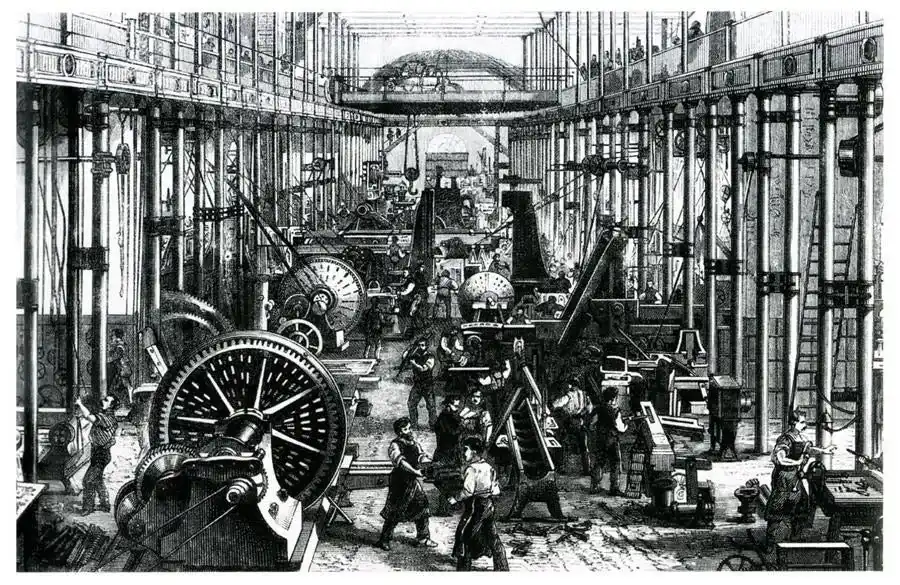
We've seen the story and we know what's going to happen.
The points connected here are not that far away.
Growth, entrepreneurship, invention, connectivity, wealth, prosperity, improved living standards and quality of life.
This is the future, if we figure out how to power this thing.
Original link
Welcome to join the official BlockBeats community:
Telegram Subscription Group: https://t.me/theblockbeats
Telegram Discussion Group: https://t.me/BlockBeats_App
Official Twitter Account: https://twitter.com/BlockBeatsAsia