Dragonfly Capital Partner Haseeb Interview: It will take 10 to 20 years for BTC to become true digital gold

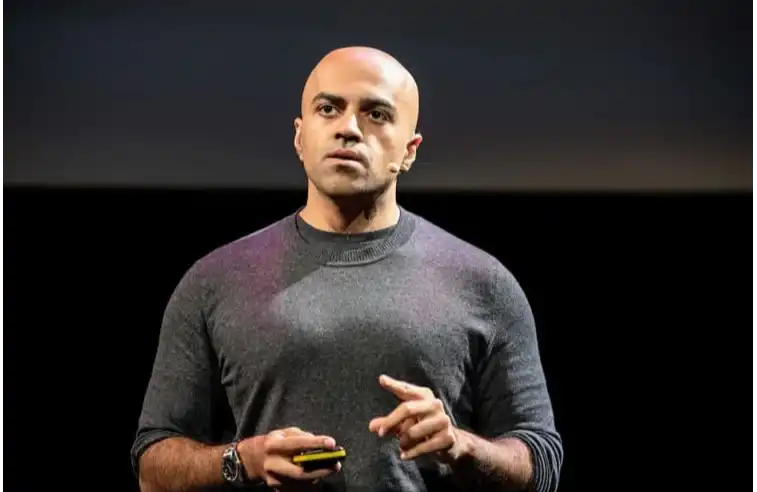
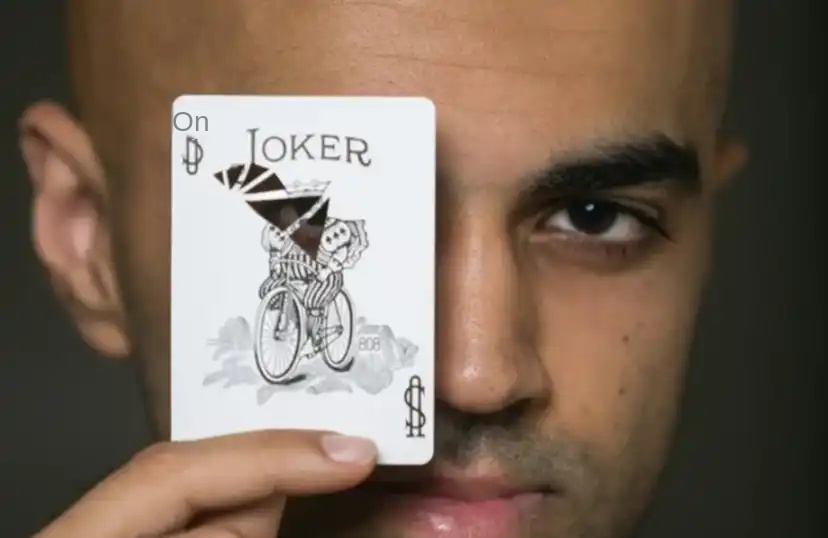
Miles Deutscher is a crypto analyst. Haseeb Qureshi is a partner at Dragonfly Capital
Leo, BlockBeats
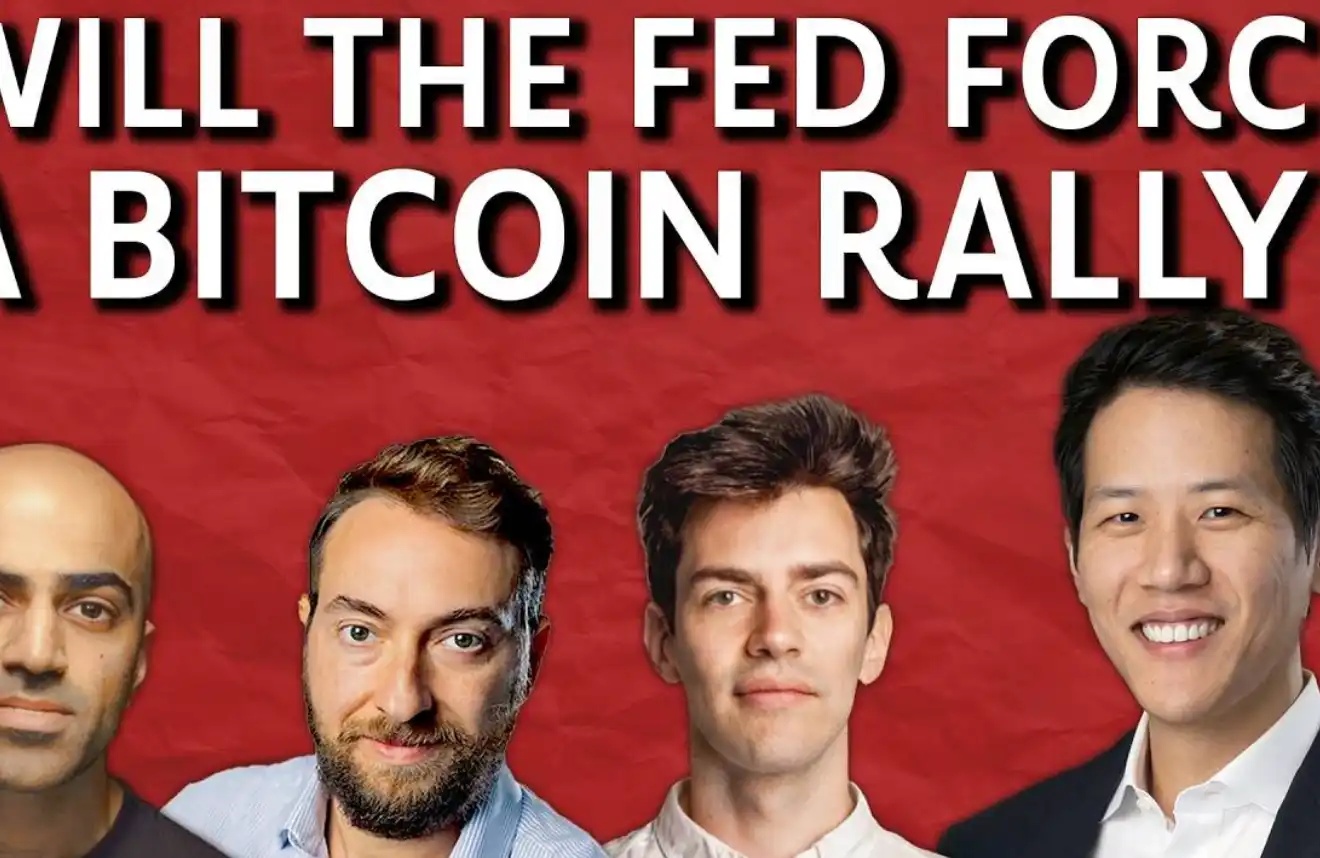
Crypto analyst Miles Deutscher spoke with Dragonfly Capital partner Haseeb . Qureshi, also an episode of "Crypto For 2023" hosted by Miles, discussed a lot of views and prospects in the Crypto field. It was a very informative conversation, which was compiled by BlockBeats as follows:
Miles:I'd like to welcome Haseeb, partner at Dragonfly Capital, for this interview. I've been wanting to interview you for a long time. I have a lot to talk about. Like Dragonfly Capital, tokens you're bullish on in 2023, how long this bear market is likely to last, what good projects lie ahead, and how to enter the market as a retail investor, so we have plenty to discuss.
Haseeb:Where do we start?
Miles:Let me tell you a little bit about yourself and your background.
Haseeb:Well, I took a circuitous route into crypto, and between the ages of 16 and 21, I was a professional crypto player, one of the top 10 no-limit poker players in the world, and I made a lot of money. A lot of poker players eventually found their way into crypto, but I didn't get directly into crypto, and when I retired from professional poker at 21, I went back to school to become a software engineer, and I first discovered encryption vulnerabilities in 2017 while working at Airbnb, first at a company called 21 Lnc, which was later acquired by Coinbase, and then I started my own startup working on Stablecoin, I was recruited by Naval Ravikant to MetaStable Capital, which was one of the first crypto funds set up in 2014, and that's where I started investing, and I made a lot of early investments there in 2017-2018, Investing primarily in crypto infrastructure like L1 and L2, where I met another Dragonfly partner, and we teamed up, and I've been with Dragonfly ever since, as one of its managing partners, and we invest in the crypto industry all over the world, primarily in early and mid-stage projects, CeFi, DeFi, L1, L2, NFT, infrastructure, custodians, brokers, trading platforms, everything about encryption, we are committed to crypto projects and tend to invest for the long term, something like that.
Miles:amazing! You've obviously done well on Web 3, but I'd love to hear your poker story. You're a pretty good poker player.
Haseeb:Yeah, so I started playing Deb when I was 16, and I was exposed to the world of risk and money at a very young age, and as a poker player I learned a lot from a young age, like you see in crypto culture, and I think every generation has its Hustle, and in my generation, if you're really smart and you're really poor and you're not afraid to lose face, Online poker was a great way to do it, you learn a lot of things, a few years later it became fantasy sports, it became ICO trading, it became NFT trading, every generation has a similar way, NFT trading may become newer things, so at that time, a lot of young people were making far more money than their peers, Doing things that other people think are very strange and very subversive, and also learning that money can't buy happiness, because there are a lot of people who make a lot of money and most of them are very unhappy, and I think I learned that at a very young age, but I also learned a lot about risk and how to regulate my own psychology, so in some ways, I think that part of the experience has been a great education for investors, especially in the crypto industry, where there's so much volatility, so many different voices, and you often see people who seem to be very successful, and they're basically these crazy "super-leveraged monkeys," and it's a very timely observation.
Given what happened with FTX and SBF, I would say that every cycle really doesn't matter, no matter what stage you're in, crypto has every moment, you see someone making crazy money, or every prediction is right, and almost the next year they fail, it's a very sudden situation, The people who make the most money in any given year are also the ones who make the most money in the next, and Nassim Nicholas Taleb has a great insight to reflect on:"" He's talking about day trading and, in general, the best performing fund in the financial markets in any given year is not the best performing fund in the following year because the best performing fund is almost always over-adapted to the market mechanism and when the market mechanism changes, the fund is rarely able to adapt the following year." "
In fact, the same is true in poker, the best poker players in the world are not necessarily the ones who made the most money in a given month or a given week, if you look at who made the most money in a given week, it's almost always somebody very good, but it's not the best strategy in the world, it's like going into the World Series every year, it's not always somebody, it's probably random somebody else, There are some very good players out there, but not the best players, the best players are the ones who are almost always in the finals or always see their name in the top 20 or the top 30, they're always the best performers, that's what it means to be repeatable as an investor, maybe you think of somebody, I'm not going to name names, But you think about who looked the best last year, who looked the best in 2020, who looked the best in 2017, there's almost never a fund that ends up doing the best over a long enough time horizon, and I think that's the mantra that I learned as a poker player and runs through investing and everything.
Miles:Yes, obviously, this had a big impact on your encryption experience, which got you into Dragonfly, so what else does Dragonfly do besides having the coolest encrypted site, just to give viewers great sites?
Haseeb:With Dragonfly, we put a lot of effort into it, and what we do is basically work with early stage businesses, we help them build Crypto, so we've been doing practical things from the beginning, like we've invested in a lot of seed rounds, Avalanche, dYdX, Dune Analytics, 1inch, Matrixport, Amber, they're building very important things, whether it's CeFi or Infra, whether it's DeFi or Layer 1, we're helping them succeed, We are also a very global investor. We have a presence in Asia, in the United States, in Europe, all over the world.
Of course, if you look at encryption objectively, a lot of the business happens outside of the US, a lot of the business happens in Asia, and if you look at all the top trading platforms right now, they're all in Asia, none of the top trading platforms are in the US or the West, and if you look at the total volume, the total number of users, the adoption rate, or any of the metrics that are actually substantive metrics of the crypto centers, the answer is, Crypto is global, Asia is a big part of it, most Crypto investors don't even understand what's going on in Asia, and for us, that's always been our core, encryption is global, so we're global, because how can you invest if you don't understand the crypto landscape at all, you know,If you can't see the whole elephant, how do you tame it? That's the way we look at crypto markets.
Miles: Obviously it's been a crazy year as we've been Luna, Celsius, BlockFi, FTX and most recently Binance Fud, so from a business perspective, how are you looking at 2022 and how are you spending the year?
Haseeb:We have been very lucky this year, with the 2022 crypto "Big Traps" (FTX, Luna, BlockFi, Three Arrows, Alameda, Celsius, Voyager), we have not invested in any of them, in fact, Even something like Axie infinity, which was down over 90%, we didn't invest in, so I think we managed to avoid a lot of pitfalls in our investments, which doesn't mean that they were failure-free parts of our investments, because in encryption, wherever you are, even if you're out of the "exploding range" of these events, They're going to hit you too, regardless of what you own, as long as you're in crypto, you're going to suffer this year. So we're no different, it's been a tough year, but honestly, if you look at last year, at the end of every year, we do an investment review, look at the biggest deals of the year, whether we invested in them or not, and try to understand what we learned, what we missed, what we did right.
Last year, we reflected on the big investments that we missed, that we screwed up, and we reflected on why we got it wrong, and how we can do it right in the future. We missed FTX, Luna, Axie Infinity, Solana, and the question we asked ourselves was, how can we miss these projects every time? Why? The conclusion is: We were too demanding, we looked too deeply into the problems, and when we looked at these investments, the answer was no, didn't think they were going to do well, and we kind of doubted that that was the answer we got at the end of last year, well, and then it turned out that almost everything that we expected could go wrong went wrong, I think we're actually about to do an annual investment review for 2022, and the lessons learned are going to be quite extraordinary, at least for me, in the long run, you can't run away from mechanism design, and if your mechanism design is broken, it's going to end up working against you, and sometimes it does happen, if you start with a broken mechanism, over time, You might get something that's stronger and more sustainable, but that's the exception, and most of the time the rule is if your mechanisms are broken, if your investment economics are broken, if you're creating something that actually has no net value creation, then it's not going to work, no matter how big you are, and that to me is the most important lesson of 2022, When I look back, I think a lot about what we did right and what we did wrong during the year.
Miles:You said something about mechanism design, I want to use that as a trigger to talk about DeFi, it's clear that some of the issues exposed by centralized platforms like FTX have shifted the focus from a regulatory and market sentiment perspective to DeFi, how do you view recent events affecting DeFi market, And what is your long-term view of DeFi as an asset class?
Haseeb:Yes, DeFi did very well, almost all of the centralized crypto players at the time showed signs of mismanagement, vulnerability, and even if they did manage well, they couldn't insulate themselves from FTX and other crashes, well, almost nothing happened to DeFi, MakerDAO, Compound, Aave, 1inch, Uniswap, all performed well, and the problems that occur in CeFi are almost never seen in DeFi, suggesting that it works better without human discretion. The problems we saw with Alameda and FTX ultimately came down to people, people doing what they were right or wrong with other people's assets, whether it was taking abnormal collateral that you would never take in normal circumstances, or thinking that if you lost a customer's deposit you could earn it back later. If we go back to trading, and all of these decisions come down to a loop where you don't have to have an actual transaction, when it comes to trading, Uniswap or another Dex or mortgage lending these are really hands-off businesses that can actually be completely automated,No one is in this cycle, that's DeFi, DeFi has been vindicated this year, no doubt all Crypto are down over 70% or more, DeFi has done very well during that time, almost all centralised lending has failed.
The FTX story, as you say, has shifted the focus to DeFi, indeed, in the sense that people realize that the value point of DeFi suddenly becomes clear, and it's even more obvious why DeFi is attractive, when you realize, well, maybe I can't trust a centralized business, FTX is a good reason why centralization doesn't work, but earlier in the year, especially after Terra collapsed, DeFi was under a lot of pressure, a lot of regulation and a lot of legislators were looking, DeFi is really bad, how do we control DeFi, legislators and regulators actually don't pay much attention to DeFi, They are more focused on CeFi, so the pressure is back on the centralised players who feel, OK, DeFi is OK, but ultimately we have to prevent the next FTX, that's what we care about, that's the headline,Ultimately regulators and legislators are passive, and now the passive element is controlling CeFi, so this does not mean that DeFi is always clear and transparent.
Overall, the story resonates quite well, DeFi is actually blameless in all of these things, DeFi looks very good, so how does that affect my optimism about DeFi now, I'm bullish on DeFi for obvious reasons, I think DeFi has a lot of prospects and is doing very well, That's true in an environment like encryption, macroeconomic interest rates are very high right now, and you know what Powell is suggesting, what he's suggesting last week is that interest rates are going to stay high, which means to us,How will the DeFi deal with an environment where nominal interest rates are 5% for a while, we can see real interest rates being significantly positive for a while, it's still a "struggle" before DeFi really gets its place, when we have negative real interest rates and zero nominal interest rates, the world is desperate for yield, any form of yield, Whatever the risk, it's very attractive, and that's the super value of DeFi,This huge product market is now coming down with interest rates going up, we're seeing it coming down, in the long run, I don't think DeFi is going to come down primarily on yield, but yield is where DeFi market products are suited, and the high risk yield is worth a lot less in a high interest rate environment,So I think in the short to medium term DeFi will continue to "struggle" and eventually interest rates will come back down and we will get into an environment where DeFi is relatively more attractive, but until then I expect DeFi to remain depressed and we won't see a lot of consumer demand except to get some exposure to real world assets, I think there is still a way forward here.
Miles:I think DeFi needs a very strong app and an ecosystem that can withstand disruption if it's going to be successful, so I wanted to ask you if Avraham Eisenberg has been doing some "stress testing" on DeFi, which apparently we saw, For example, what happened in the Mango Market, which might be called exploitation, I would like to ask you for example what you think about the stress tests, what Avr is doing, do you think it is a good thing or a bad thing for DeFi?
Haseeb:It's a tricky question, I would say it's a positive, there are public DeFi protocol stress tests, specifically a positive thing, but it's hard to say what Avr does, but it's kind of like asking you, for example, is it good for your child to live in a stressful environment, yes; Is it good for your child to be bullied by a particular person, no, in general, it's good for them to grow up and need to face the pressure head-on, well, that's how I feel about Avr. It can be divided into two different stories, Avr attacking Mango Market and shorting Curve. Let's talk about Avraham Eisenberg's impact on DeFi. Mango Market is the kind of jungle league, There wasn't much activity on Mango Market under Solana, they allowed you to use their own tokens as collateral, predictably able to manipulate the Market and lead to a series of losses on Mango Market, well, we don't actually know if Avr made money on the attack, But it just leaves some bad debts, which is possible, if you make money, they might lose money, because probably if you make money, it's down the chain, but, overall, the attack didn't do the damage that people expected, it did the right thing, so Avr had about 1.5 million bad debts, you know 40 million, It was Avr that put in Aave, um, 1.5 million dollars of bad debt, which is not even 10% of Aave's profit and loss this year, so Aave as a whole is actually perfectly fine, like it survived the attack with a little bit of a loss, but then changed its risk parameters to make it impossible for this attack to continue, and in general, It's like the Mango Market took a big hit, it was actually destroyed by an attack by Avr, you know, took a hit, drove it away, sort of repaired itself and moved on,So I think this is actually a testament to the fact that DeFi will do very well even under specific attacks.But in CeFi, just like what happened with centralized lending, it wasn't a targeted attack, it wasn't someone deliberately trying to sabotage them, it was just the normal course of business, and they crashed, but Aave survived a targeted attack in addition to the normal course of business operations, so to me, I think the story is actually really persuasive.
Miles:So do you think it is legal to continue to stress test DeFi?
Haseeb:I think it is important to stress test DeFi, it seems important to have "bad" things happen to children in their childhood, well, is it ethical for you to bully other children, probably not, illegal, immoral, I think what Avr did to Mango Market is probably illegal, I don't know what he did, it seems to depend, I don't even know where he lives, is he American?
Miles:I'm not sure, if he was an American, I would be very worried about the SEC, so I very much suspect he could be in Dubai or some other country, a lot of people go to Bali these days, it could also be there, the next question is a little bit more subtle, the first token you bought was BTC or some other token you like, Since most people's first purchase is usually BTC, tell me a little about your first token purchase?
Haseeb:I first learned about BTC actually after I quit poker, and you know a lot of poker players, around the time I quit, there was a big event in the poker world called Black Friday, and the U.S. government shut down a lot of online poker sites, so if an American wanted to keep playing a High stake in online poker, I had to play on some of the sites that were dominated by BTC payments, so that was my first channel into BTC, and my mental model of bitcoin was that BTC was like Skrill or net teller, it was like one of these weird online payment methods, and when you can't pay in a more obvious way, well, So that's one way to do it, yeah, I didn't decide until Trump was elected, Trump was elected, I thought it was the end of the world, and the only thing I could think of was to buy BTC, which was the first time I meaningfully bought BTC, because I don't really know much about bitcoin, I know what blockchain is, I know what hash is, PoW,But I didn't really understand BTC and its broader story, so when the ICO craze started and Ethereum came to the forefront, that's when I really understood why I wanted to get into encryption, because I saw what was happening in Ethereum, smart contracts and on-chain computing broadly, which was going to change money, change finance, change the way trusts work, That's what really convinced me that there was so much more going on in the future, that it was a different way to pay, and that's what got me really excited about encryption and ultimately what led me to get into it.
Miles:So your original Altcoin purchase was ETH, so how do you feel about ETH and BTC now? What are your preferences from an investment perspective?
Haseeb:Yeah, I mean, I don't want to be in terms of investing per se, because I'm just looking at it from a short to medium term perspective, the passage of time is not how I operate, I'm not a long-term investor, but when I first got into crypto, like I first got into crypto full time, I was convinced that ETH was going to replace BTC, BTC was going to be forgotten, This is a very naive view, and the reason is because I think it was very common for people who were going into encryption at the time, because I didn't really understand that BTC was a subset of what ETH could do, ETH could do BTC and more than that, and you know BTC is like all these boring hateful people, They weren't very open to ETH, and ETH was a very open, friendly ecosystem, and they had all the developers, so ETH was obviously going to win, right, that was my mental model, because I was a developer, so it wasn't until much later that I understood why some of the properties behind BTC were actually very valuable, These attributes include that BTC doesn't change, that it doesn't have much programmability, that it doesn't have much extensibility, etc. In fact this is one of the great things about BTC, so it took me a while to figure it out.
Now if you look forward, how do I look at the relationship between BTC and ETH, do you know that ETH is likely to dilute BTC? I think the answer is yes, I think it's more likely now because of ETH's monetary policy and the fact that Ethereum meets ESGs (environmental, social and governance), which sounds good, isn't it a little ridiculous, well, it actually does affect the ability of institutional buyers to buy large scale assets, and ultimately, If you want to get a trillion dollars or more of tokens, you're not going to do it on the back of retail, you need institutional buyers willing to buy ETH on a large scale, because given the ESG consequences of BTC and where ESGs are going as an investment standard, I think it's getting harder and harder to really keep institutions able to buy BTC, So I mean I just see these situations, because we work with a lot of large institutions that are our investors, and this is obviously something that they're increasingly concerned about, and I want to invest in encryption, but I have to do it in a way that meets my ESG requirements, and how do I do that? You know, most encryption has moved to PoS.
Miles:So you think the environment is a major risk for ESGs right now?
Haseeb:Yeah, I mean, it's not a primary issue, they're worried about BTC causing all these environmental hazards, right? Maybe they don't see it that way, maybe they see it that way, but at the end of the day their capital is not just demand, they have to report ESGs to the board, look at the investments they've made, so their answer might be, you know, we didn't invest in BTC, so everything we have meets the requirements of ESGs, Everything we have is green, so they don't have to report to the board, they don't have to report to ESG officials or whatever, so a lot of agencies will say something like, "I don't like BTC because ESG."
Miles:So, if you have to look ahead, say, 10 years from now, do you think BTC will be number one in the market?
Haseeb:10 years, well, to be honest, probably 55 open, I think ETH has a good chance of passing BTC, and BTC has a good chance of staying in the lead, 50% is a "cop out", but I really think it's a toss-up.
Miles:Fair enough. I mean, in general, where do you see BTC's dominance going? Obviously, we've seen it drop dramatically over the last few years, well, just like in the last few months, we've seen an uptick in dominance. Do you think this trend will continue to decline over time, or do you think it will find its way again?
Haseeb:I think the dominance of BTC is largely related to risk demand, when the risk appetite is low, the dominance of BTC goes up, and when the risk appetite is high, all the tokens make a comeback, so this can be said to be an indicator of the macro cycle of encryptionWell, I don't know how many of you have heard of BTC, oh, I think the BTC story has taken hold, I think a lot of the naive versions of the BTC story have largely failed, so a lot of people are saying, go back to 2020, a lot of people are saying BTC is an inflation hedge, That's why you want to buy BTC, for fear of inflation. It turns out that the moment inflation goes up, BTC starts to kill off, BTC has always been the opposite of the edge of inflation, it goes hand in hand with inflation, well,Basically we've seen all crypto trades including BTC trades, just like growth stocks, as opposed to the inflation edge, and the fact is that the benefit of BTC at the end of the day is that there are two kinds of inflation, one is price inflation, which is what we're seeing now and what everybody is concerned about; The other is monetary inflation, which is an increase in the money supply that doesn't necessarily raise the price of goods.
So when we see monetary inflation, which is printing money, starting to stimulate the economy in 2020, that's when we see BTC prices go up, that's when we see all these risk asset prices go up, monetary inflation is actually a response to BTC not price inflation, and with price inflation BTC gets destroyed, So I think a lot of this stuff is starting to give us a better understanding of the monetary properties of BTCS and crypto assets. Now there's no guarantee that this will continue. It's likely that when you get into a different regime, where central banks are fighting inflation in a different way, and BTCS mutate again from where they are now to another regime, it starts to operate in a different way again. It's not impossible,I think it's even possible that as we get a different understanding of BTC and its maturity, it starts to operate differently than it did in the early 2020s, but the best that can be said about BTC right now is that BTC is a risk asset, and as a risk asset, its performance over the last two years is not surprising.
Miles:I think that ultimately changes your long-term view on BTC, is it an inflation hedge? Is it a store of value? Do you think it's a legal substitute? What is your opinion?
Haseeb:Yeah, my view of BTC over time, you know the analogy of digital gold, digital gold right now is gold in an inflation hedge, it's an inflation hedge, right, gold doesn't do very well when inflation is going up, inflation is commodity prices going up, so what is an inflation hedge? The answer is commodities are inflation hedges, Because that's what inflation means, inflation means commodities become more valuable relative to money, so things like oil are a real inflation hedge, oil is an inflation hedge, cars are an inflation hedge, cars have gone up in value like physical commodities, are these things a real inflation hedge? To some extent, gold is an inflation hedge, But it didn't do that very well, um, so now it's a hedge against other kinds of things,Gold is obviously attractive when fiat currencies are devalued, and I think that's the role BTC could eventually play, but it's going to take time to get there, and the reason is that a lot of what BTC is trading now is ahead of its time, and that's a problem, if BTC does become digital gold, it may not become digital gold at all, But if it does become digital gold, how long will it take? Will it take five years, 10 years or 20 years, BTC is going to be better in the future, in order for BTC to grow into the ultimate digital gold, it's a bet on how long you think it's going to last, so I think it's going to be longer than most crypto people are expecting, but shorter than crypto naysayers are expecting, they're going to say, 100 years, 50 years, whatever, it's going to be faster, crypto enthusiasts are going to say, It only takes three years.
Miles:So, judge your answer to be about 10 years, 10 to 20 years, sounds reasonable.
Haseeb:I would probably say that's the right time frame.
Miles:Well, historically that's a pretty good performance, and if you look at how long it takes for the stock market and other emerging technologies, even if you go all the way back to the first Internet stock, they take a lot longer, so even 10 years, in the scheme of things, it's really not that long, is it?
Haseeb:That's right, I mean look at how far encryption has come in the last 10 years, it's been 13 or 14 years since BTC, it's hard to find anyone who doesn't know what BTC is now, the extent to which memes have penetrated is absolutely incredible, it's the same as the Internet, the Internet of the first 10 years everybody's heard of, But not everyone uses the Internet. It took a long time for people to get used to it, to get comfortable with it, to find a use for it, but the concept of the Internet permeated very quickly,The same goes for BTC, where memes are worth far more than actual financial assets.
Miles:Um, so going back to the last cycle, um, if we look at what was the top performer, obviously L1, so obviously Solana, Avax, Fantom, all had a thousandfold return, do you think the L1 story will end in the future, or will we see a revival of L1?
Haseeb:First of all, my views don't offer investment advice, everything they say is like a macro view of the market, well, I don't think the L 1 story is going away, for several reasons, what we've seen in the last year is a huge drop in the non-EVM chain, Solana down, NEAR and other networks that are not EVM down, on the other hand, EVM is actually still pretty robust, like Ethereum, Polygon, Avax, but non-EVM is really not ideal, I think right now if you look at the top chain of TVL 9 out of the top 10 are EVM, actually the top 9 are, I don't think you should infer from that that the L1 story is over and we're going to use Ethereum because Ethereum still has the same scalability issues as before, even EVM-based issues, Whether it's Polygon, BSC, or Avalanche, basically EVM is based on L1, they haven't really innovated in EVM itself, and all of this has hit a wall because EVM is stuck, it can only do 300 to 500 transactions per second Max, If you use EVM, you can upgrade it to L1, but EVM actually does more and needs to be better than the current EVM, which means either an EVM rearchitecture and a significant improvement.
Just like JavaScript was in the early days, JavaScript is now the super performance language on browsers, because Chrome and Firefox, you know all those browsers have JavaScript optimization done, whether it needs to happen on a virtual machine, It still needs to happen with EVMs, it's not happening yet, almost every client or almost every customer is consuming Gas, they're just forking the EVMs in Ethereum and pushing them into a new blockchain with a new consensus mechanism, which is great, you can run very fast, But you're not fundamentally improving the constraints of EVM itself, you have to have a non-EVM approach, and fundamentally it doesn't matter if you talk about Roll-up, you talk about any other system you know, all these things are still using Gas until they're not dependent on Gas, Will not see a significant improvement in the underlying scalability of these blockchains, we know they have to be improved in order for blockchains to really hit prime time, so for that reason, I think ultimately the blockchain operating system will continue to iterate, although we have now realized that EVM is very good, it's kind of like when we get to Windows 95, Windows 95 is fine, people can use Windows 95, you can create Windows apps, we've got all the parameters, but there's going to be more iterations of the operating system, like we're not done yet, there's so much work to do, So that's why I say the story of L1 is not over.
Miles:Jordi (Selini Capital CIO) said in an interview last week that he thinks it's probably because there was a lot of demand for block space in the last cycle, and now that it's clear that fewer and fewer people are using the market, there's less and less demand for block space, and he thinks there's probably too much block space in all these chains, Do you think this is a real threat to L 1's development?
Haseeb:No, not really, I mean it's obviously very cyclical, the demand for block space is very cyclical, if you just look at the 2017-2018 cycle the demand for block space is very high, and then it comes down again at the end of the cycle, so these things are cyclical, yeah, I agree that there is not a lot of demand for block space in the next six months, eventually there will be more blocks in the crypto industry than we need, we are at the forefront of crypto, we are the pioneers, we are pushing west, and as you push wider, you may ask yourself, well, there is so much open land, who is going to use the space, You know, a million people in the United States, well, what the hell is all that space, isn't it just a huge waste of space, in terms of time it is, but the fact is that when you build more and more space, you create more space for applications or things to happen, but it takes time to develop that space, and if you're convinced that this is a frontier, So it's not just exploring, for example, the Amazon rainforest, when the Amazon rainforest was still unexplored, because it was a huge rainforest, it was like people were obviously cutting it down and doing terrible things to it, but they didn't live there, but ultimately if you're right, it was actually the work of a great pioneer, and there were a lot of important resources that could be harvested from that process, So the idea of just one or a few cities, they're all the old colonies, like Boston and New York, Massachusetts and Philadelphia these are all unimportant places, everything else you do in the West is important, my mind-set is there's so much more that blockchain can do in the next ten years, we need more than just Ethereum.
Miles:It's interesting, I think one of the main criticisms of L 1 is that we're going to see rapid improvements, we're going to see newer products come out, they're better than their predecessors, are they worth the investment in your opinion? Is it the old generic products like the last cycle, or is it the new, more liquid products that are coming out next year that may be improved, for example, we have Sui, we have Aptos, well, these are just a few examples, do you think it's worth investing in the old products?
Haseeb:I think the answer is it depends, there's no one answer, it's kind of like, well, I really like L 1 as a city, do you think the old city will be successful? Do you think these new cities will be as successful as Los Angeles or Chicago? Do you think these cities will succeed? The answer is probably both, they're going to be successful new cities, they're going to be successful old cities, they're going to be some failed old cities, they're going to be some new cities that never get off the ground, it doesn't matter. The point is that L 1 is doing different things that are ultimately going to be important in the next 3-5 years, and the answer to that question for some of these people may be very unimportant or it may be everything, it really depends on the facts and circumstances, and I think some of the old companies are going to be very successful, or some of the new companies are going to be very successful.
Miles:So there's a theory, as you probably know, called the Fat Protocol theory, that DApps actually generate more value than L 1 by itself, what do you think about this idea, from an investment perspective, do you think we should focus on investing in L 1, or should we spend more capital on apps, strong apps on the chain?
Haseeb:Yeah, so fat protocol theory is actually the opposite of what you're saying, fat protocol is that in the traditional Internet, where the Internet infrastructure is like an ISP router or something, they make very little money, and the applications make almost all the money, So Facebook, Google, Instagram make all the money, the app gets almost all the value, the infrastructure is like L 1, which is exactly the opposite of blockchain, where the protocol makes all the money, Ethereum is worth hundreds of billions of dollars, and then the app is like, like swap is 5 billion, This thing is a billion, and then it's like a small part of a giant, well, so it's called a fat protocol, and it's actually more of an observation than an opinion, in the sense that it proves it, it's not like making a claim and then verifying it in practice, at the time of writing the protocol, the protocol is worth more than the application, That's still true, so it's a really good question, why is the fat protocol observation true, is it going to go on forever? I think part of the reason is, just like the L to 1 ratio between old and new cities, how much of the value of the tech industry in Silicon Valley is being captured by the city of San Francisco, and the answer is a lot, because if you look at real estate, taxes, all these things are ridiculously high in Silicon Valley, So San Francisco is one of the most expensive cities in the world, because they're able to get rents from all the companies that are building in Silicon Valley and San Francisco, and now in the same way, why is that, why is San Francisco, all the companies that are building there are creating a tremendous amount of value, and the answer is because they have a scarce resource, and that scarce resource is land, Land doesn't extend indefinitely in the same way, if you build on Ethereum, the scarce resource is Ethereum block space, you can't reuse it, there's no more room for you, so there's a bottleneck in Ethereum space, which is Ethereum itself, and Ethereum can capture a lot of rent in a different way than the Internet, which is infinitely scalable, If you have a router, you can add another router to the Internet, there's no limit to the number of routers on the Internet, unless you know IPv6 or something, when IPv6 works, there's no limit to the number of addressable entities on the Internet, which means, in effect, the Internet expands infinitely, just like you add more people, Just as ISPs don't get in the way of the Internet, there's always room for more competition when it's not running.
But that's not true in encryption, because encrypted networks are more like cities than they are like the Internet, that's one of the reasons, but the other thing I would say is that ultimately we don't know if that's going to be true in the long term, and a big part of it right now is that blockchain still doesn't have that many users, and in a sense, it's not surprising that Ethereum is really valuable, Because people knew that Ethereum was developing, but they weren't sure what kind of applications would come out of it. If you look back, during the dotcom bubble, one of the most valuable companies was Cisco. It was a network infrastructure company, which is exactly the same as Ethereum today. We knew the Internet was going to be very valuable, so we knew Cisco was going to be very valuable. But we don't know which applications are going to be valuable, right? And I think the analogy is actually a good one, partly because we don't know what blockchains are going to end up being used for, but we know they're going to be used, and that's why people are more than happy to bet on Ethereum, even if they're not sure what applications are going to end up being valuable, but certainly in principle, An obvious example of what's stopping an app like Facebook, which as a company is now worth $300 billion, you've got an app on Ethereum that's worth more than Ethereum, because Ethereum is now worth over $100 billion, So does the fat protocol argument prove to be true? No, it's like an observation of where we are in the evolution of encryption, an observation that describes the reality, but it's always subject to change, it's an observation of applications, whether we see applications outgrowing the underlying infrastructure or not, these applications will eventually succeed on the chain.
Miles:So from a retail investor's point of view, if your theory is correct, would you put more capital and effort into L 1? Or do you try to identify better Dapps that position yourself in the ecosystem?
Haseeb:I can't answer that question.
Miles:Well, the reason I ask this is because I get this question a lot on my Twitter feed, like: Should I invest in NEAR? Or should I invest more in apps like Dex and Bridge.
Haseeb:I think that's the wrong question. Howard Stanley Marks has a quote, Howard Marks is a very famous bond investor, if you haven't read these things, I highly recommend you read his letter, he's one of the most brilliant investors in modern history, and he has a quote:There are no distressed assets there are only distressed assets and so whether it's Dex or L 1 or NFT, whatever it is, there are no bad deals, there are only bad deals at a given price, so you ask me about Dex or L 1, as long as you give me a low enough price, it's also a good deal, But trading at too high a price is still bad.
Miles:Fair enough. So 10 years from now, um, you say Ethereum is going to play a very important role. How do you see the future of L 1? Do you think L 1 will be leading or challenging, or at least take some of Ethereum's market share? Or do you think the future is mainly L 2? How do you see the prospects for L 1 and L 2?
Haseeb:It is clear that L 2 is on the rise, especially with the weakening of non-EVMs, L 2 is becoming more dominant and this will only increase after the Shanghai upgrade, probably by the end of the first quarter of next year, which will significantly reduce the cost of on-chain data, which means that the main cost of publishing data to L 1 will be significantly lower, So you're going to see the cost of all L2 go down by an order of magnitude, and that's going to be a big catalyst for L2 to become very competitive with the price of L 1. Well, the second thing of course is the ZK Rollup market, ZK Rollup performs calculations like EVM, called ZK EVM, We're also involved in investing in, um building zkSync, Scroll and polygon, which has its own ZK EVM, called Hermes, all of which will be online next year, and I think that's going to be a very interesting aspect to look at, but beyond the summary, I think in terms of L 1, EVM has proven itself to be the real dominant player, and in the long run I think it is almost certain that there will be a non-EVM player, at least one for now, will it be Solana? Could it be Near? Could it be Aptos? It's hard to say, well, but I think they're all vying for that spot, and I think it's a pretty "worthy" spot, which is who's going to be the high performance low latency chain, and there's probably only one, two, three, probably no more than three, but I think it's probably just one, because there's one product that's been widely adopted, but they're all vying for that prize, Although we have seen some reductions this year, in the long run it is clear that many encryption use cases require low latency and high throughput, and the only way to achieve this is to adopt a non-EVM architecture.
Miles:Obviously, you're also an investor in Near, you're probably a fan of NEAR, can you tell me a little bit about Near and why you think it's going to be challenging in the future?
Haseeb:Of course, I mean Near was one of the first movers in the sharding space, there are basically two ways to scale blockchains, one is what's called vertical scaling, which means you can basically make bigger and bigger machines, like Firedancer, which is a new way to build a client for Solana, Basically you just throw in more and more dedicated hardware, the bigger the case, the bigger the RAM, and you make this thing basically hard to run, so the extreme case is something like Dfinity, which really only works in the data center, so well, you basically need a supercomputer, In order to run the blockchain to the extent that it's no longer decentralized, on the other hand vertical scaling is basically running bigger machines, which allows you to get more throughput, faster speeds. The other option is horizontal scaling, which is basically having many chains running in parallel, which is how almost every traditional network infrastructure company actually scales, there's no choice, there's no single server big enough to run Facebook or run Google, in fact, they have a huge distributed system, There are many, many machines running in parallel, and when using Google research, our queries are likely to actually run on different machines, because they just have a bunch of side-by-side machines waiting for your query, so my idea is that if they really want to work around the world, So almost all Web services scale this way, so it's also happening on blockchain, so this is the story of Ethereum 2.0, they're going to scale the network through sharding as a basic way, these horizontally scaled machines are all operating in parallel with each other, Near was the first network that actually implemented production sharding, It is probably the most dominant sharded blockchain in production today.
The other thing that's really special about Near is that they're very developer friendly, NEAR has been focused on developer adoption and developer going to market since the very beginning, so the only chain you can write about today is actually, NEAR is the only blockchain other than Agoric that allows you to write smart contracts in JavaScript, JavaScript is the most commonly used language today, one of the most popular programming languages in the world, JavaScript now if you want to write smart contracts in Solidity, I think the number of developers in the world who have applied Solidity programming is probably around 10,000, maybe you know about 10,000, not a lot, millions of people who can write JavaScript programs, more than all the programmers who can write smart contracts today, So I think the story of Near is that if you really want smart contract programming and blockchain programming to go mainstream, you need to make it available to a wider range of programs than what's available today, and that's an important part of the new narrative, and the fact that they're super high quality teams, Illia Polosukhin, one of the founders of NEAR, was actually one of the co-authors of the Transformers architecture paper, the architecture used today by GPT 3 and Stable Diffusion and all the crazy revival and AI. Ironically, before near got into blockchain, and I know this because we invested in the Near seed round, they actually switched from an ai company called Near.AI to blockchain because they thought AI was too hard and too complicated, and blockchain was the opposite, and just like blockchain developers aren't very good, They don't even know what they're doing, they're plagued by these simple mistakes, so they think, the whole thing about sharding everybody seems to think it's hard, and I bet we can build this thing faster than anybody, so they have this amazing world-class team, full of professional, competitive programmers, um, One of the best teams of original talent ever assembled in crypto.
Miles:I want to ask about sharding, because one of the main criticisms I've heard of Near is, oh, if Vitalik gave up on sharding, what makes Near think they can succeed? Can you explain, since sharding Near is different from Ethereum, well, how are they going to implement it? Can you explain this fallacy?
Haseeb:yeah, in principle, this is actually very similar to what Ethereum was originally planned for, and what ended up happening is that Ethereum is way behind their schedule, you know originally Ethereum 2.0 was supposed to be done many years ago, In fact I think Vitalik originally believed when Ethereum first came out that PoS would come out in 2018, and in 2022 Ethereum 2.0 finally came out, and nothing else in Ethereum 2.0 was released, so no sharding, no implementation, There's nothing, so ultimately what happens should have three stages, stage one is PoS, which is where we are now, stage two should be sharding, a few years away, stage three is sharding executable, which means first of all they just dump the data sharding, so it's kind of like you have a baby and you can put his ECG data on it, That's it, and then the last phase is sharding becomes executable, so sharding is not just dumping ECG data, it's also Ethereum baby, so you can run on Ethereum, and eventually the reality of Ethereum is way behind their planned timeline, and they realize, it looks like we're going to have to wait until we get to phase three, Before you can actually shard executable, you might as well give it up and say Rollup is mainstream, Rollup is going to happen faster, we know everyone else is doing Rollup, it's not the bottleneck of Ethereum's foundation, so you know what Rollup is, You messed up and will always need to Roll up the executable part, which is why Ethereum gave up on the shard executable idea.
But of course, if you can do it on shard, it's much better, now it's very complex, the advantage is that if you use a network like Ethereum, which has always been true, you know it's huge, trying to turn things around and completely change an existing structure is very difficult, it's like trying to land a space shuttle, it's super complex, But if you start from scratch and you say you know we're going to build this thing from the ground up in order to be able to fragment from the beginning, then you have no technical debt, no constraints, you know turning things around is like you know starting a new company, rather than trying to reform an old company, if you start with an old company, rather than starting from scratch, That's a lot harder, and that's part of why I think Near gives you an idea of their technical capabilities, they don't have the baggage of Ethereum, so I don't think it's pointless for Ethereum to decide to do sharding because they're hard to do and slow, but I think, We want everything to be executed in shards eventually, and that's where Near gives you a path of infinite extensibility that you basically don't have to deal with. L 2 also exposes a lot of issues that don't happen in other shards.
Miles:Near is one of them, you've talked about some other L 1's as well, you've talked about things like zkSync, things like LayerZero coming next year, let's look ahead, what narrative do you and Dragonfly believe will have a significant impact on encryption, where do you plan to focus to move towards the next cycle?
Haseeb:Well, I think any time you look at a cycle that has ended, you want to look back and see what the biggest problems were found in that cycle, and that's something we need to work on before we can pave the way for the next cycle, so what's the biggest problem in this cycle, obviously scalability, which we've talked about, L1, L2, etc.; The other big problem is identity, we don't have any concept of on-chain identity, you know, there really isn't a solid standard that everybody uses that allows things like access to credit, or for example, wanting to be able to log in to this game and carry my identity in that game, and be able to tell whether I'm a robot or not, obviously one of them; And the other thing that's been seen in this cycle is the decline of airdrop, which used to be a nice word that allowed you to reward people, now it's just a horrible game, you know, just meaningless statistics like how many addresses are doing fake transactions on your app, or NFT or trading platform or whatever, So airdrops have been completely disrupted because we don't have a concept of a stable identity, so you create a new address, you create some liquidity, volume, you know that's going to disrupt something, so I think there are other things like availability, availability is still something that has been neglected in the chain, this recent cycle, So a lot of people watch tiktok videos to learn how to install MetaMask and do things like do lots of Crypto operations in sequence, they obviously don't know what they're doing, Crypto is amazing, but a lot of people lose money, get hacked, get their wallets messed up, lose their mnemonics, Everybody ends up being a disruptive player in this space, because the availability of Crypto is still very low, it's important that it needs to be improved, next cycle, we can't have these kinds of people wreaking havoc on encryption and end up losing their ape or losing their private key or something, so security is another important thing.
Security is a big issue this year. Yes, the total amount of money lost to hackers this year is over three billion dollars. That's a huge amount of money.I think 2022 was probably the worst year ever for crypto hacking, so obviously this needs to be addressed in order for the field to be stronger in the next cycle, well, I think there are a lot of tools at the protocol level and the user level to be able to protect themselves, So it's hard to know in a bear market what kind of applications or narratives or consumer use cases are going to drive the next cycle, I don't know, nobody really knows, eh, but you can be sure that the big problems of the last cycle, if you solve them, there's going to be a big prize waiting for youJust like blockchain scalability was a big issue at the end of the 2017-2018 cycle, looking at on-chain prices and realizing that there's no way to really effectively trade on-chain, those things got fixed. We went from Ethereum to Uniswap, Was one of the best investments at the time, from CryptoKitties to OpenSea. FTX was actually one of the biggest winners of the last cycle, same thing, giving scalability, whether it's Solana or Matic or something like L 2, these were some of the big winners of the last cycle, so solving these big problems almost always pays off big in the end, so what's the payoff going to be? It wasn't obvious at the time, but I thought it would be the best investment of the period.
Miles:I know it's obvious not to talk too much about retail investing, but can you tell the audience about some of the projects, or at least things that you find interesting?
Haseeb:Well, I can talk about some of the things that have been invested in, there's a project called Quadrata, Quadrata is an identity solution that allows users to do kyc on the chain and show people their identity without exposing their privacy, um, it uses a fancy encryption technology so that bystanders on the chain can't peer, But it still allows the app to know that you're a real person, so for example, let's say you're doing an on-chain loan, you can use this to guarantee your credit, it does a much better job than Aave, unless you really know who a person is, you have broader recourse, you can't get an unsecured loan, and this is an app that I'm really bullish on, Another company that we've recently invested in is Aptos, which we've talked about before, I think it's still early days for them, but I'm really excited about Eco Sui, Sui is coming up soon, but Move has a unique insight into writing and developing smart contracts, and I think as prices go down, L1 did take a hit, especially the Non-EVM took a hit this year, but overall, you know, as a young L1 and a young ecosystem, they're keen to see what happens with the Move ecosystem, especially the traditional Web 2 players, who are very interested, Building things on top of the Move ecosystem, that's what I'm excited to see, I think there's a lot to look forward to, and then the third one I would say, in terms of L 2, well, we just announced an investment in Matter Labs, which is the company behind zkSync on ZK Rollup, They were the first to build a ZK Rollup product, they've been doing it for a long time, they're the first and best team in the space, and it's running right now, so I'm very excited to see what's going to happen with ZK, and I think ZK is the long term, the future, obviously, More and more cryptographic architectures will eventually integrate ZK from one Angle to another, and where we still see this Moore's Law-like trajectory, like exponential growth, is the efficiency of ZK, which is incredible, which is the convergence of intelligence and creativity.
Miles:Well, so I think that's what you want to focus on in 2023. Are there a lot of ZK products out there? Most of them are coming out next year?
Haseeb:Most of them are still relatively mature, right? So if you look at things like Loopring and Aztec, that's something that can be experienced right now. Tornado Cash of course uses ZK, and, and, and Zcash, that's yeah, but I think the biggest use of ZK is going to be in general computing, These are still fairly rudimentary and it will take some time for them to become more mature and strong, but in the long run I think ZK will solve everything on the computing side in a long enough time horizon, but it will take some time.
miles: I know you're leaving in a few minutes, so I won't take up too much of your time, but I do want to talk about what you said, what's your vision for 2023? Obviously you know we're in a tight monetary policy right now, the markets are bleeding, things are looking bleak, are we close to a bottom? Are we at the bottom? What is your opinion?
Haseeb:I don't know exactly, there were a lot of conversations this year that were not public, but internal and private, and I was wrong about a lot of those conversations, so one of the things I learned and one of the things your audience should learn is that people don't know what to expect, like one of the things 2022 taught us. tldr; I think I have an advantage, there are some things that are specific to crypto, but obviously there are a lot of factors that go into deciding crypto, like macroeconomics, Raoul Pal is great on that because he knows what he's going to do, and when it comes to crypto markets, there's a lot of things that I'm very excited about and very bullish about, the blood has flowed out of the market, and now you can buy and sell whenever you want, There's nothing to stop more people from selling things that look like bubbles, and a lot of the things I mentioned to you, I think it's been a good year for me, I don't know how many bad projects there are, there are some that are doomed to fail, so I think that given more confidence and more aggressive investment, the market will actually be healthier.
Miles:Yes, do you think DCA (dollar cost averaging) is the best standard from a retail perspective, because that's the standard a lot of people take, or do you think a better approach is to position yourself on new bets and maybe try to time the market a little bit more?
Haseeb:One thing I will say is that it's never a good idea to time the market because, as I said, nobody is good at timing the market, so if you're not good at timing the market, don't be like the average process investor, who tends to invest at the highs and sell at the lows, if you don't time it, you're less likely to end up being a process investor, It's hard to be pro-cyclical and counter-cyclical, but it's important not to be pro-cyclical at least, and as long as you do that, you should do pretty well; The other important thing I want to say is, it doesn't really matter if you buy everything at once, or if you can buy it, what you do is you buy assets and then you stop looking at them all the time, that's the hardest thing, so whatever it is, whether it's buying a lump sum or a DCA or whatever, The most important thing is not to look at your portfolio every day, which will ultimately lead to bad decisions.
Miles:Well, investment quality and long-term investment, enjoyed the conversation today, you made some great points, thanks Haseeb for joining us.
Video link
Welcome to join the official BlockBeats community:
Telegram Subscription Group: https://t.me/theblockbeats
Telegram Discussion Group: https://t.me/BlockBeats_App
Official Twitter Account: https://twitter.com/BlockBeatsAsia

 Related Articles