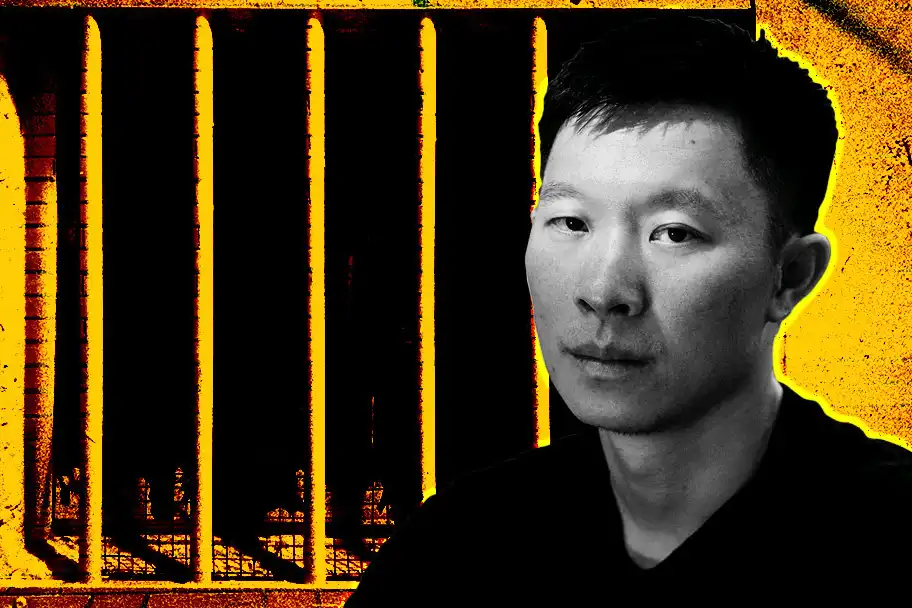
Three arrows Zhu Su thunderbolt after the first interview: the bull market overconfidence, misjudged LUNA
Three Arrows Founders, En Route to Dubai, Describe "LTCM Moment"
Joanna Ossinger, Muyao Shen, Yueqi Yang, Bloomberg
0x9F, CZGSWS, 0x214, BlockBeats
After five weeks in hiding, the disgraced founders of Three Arrows Capital have been talking about the spectacular ramp-up of their once-high-flying hedge fund, saying their bad crypto bets triggered a cascade of margin calls on loans that should not have been made.
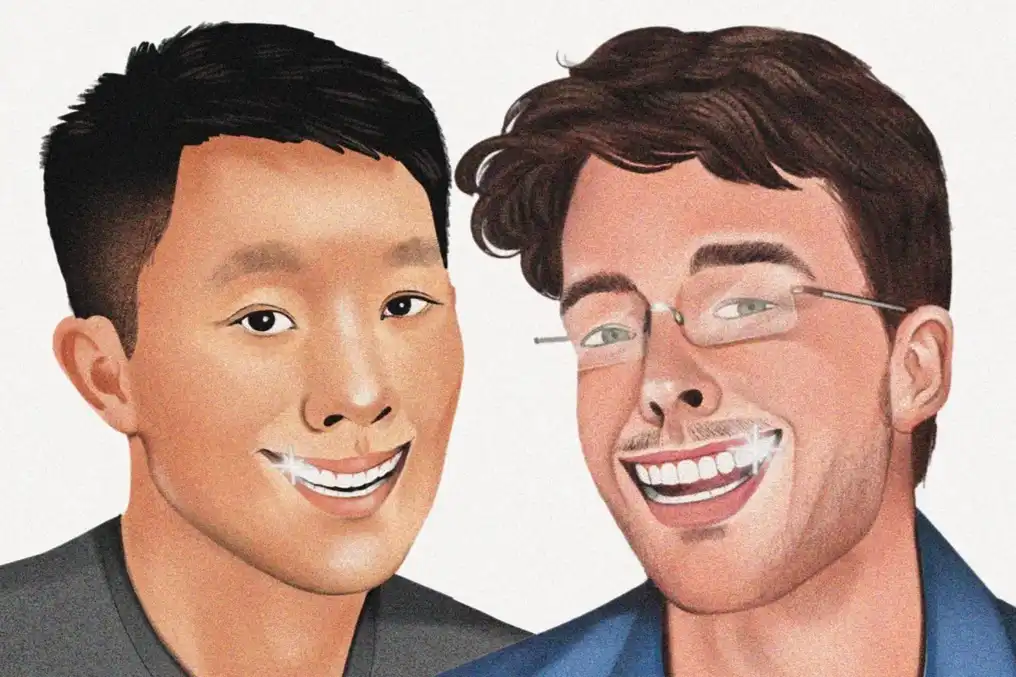
Zhu Su, 35, and Kyle Davies have been friends since high school. They built Three Arrows Into a cryptocurrency behemoth, and then its collapse bankrupted creditors and exacerbated a sell-off that left owners of Bitcoin and other cryptocurrencies with huge losses.
Kyle Davies and Zhu Su are alternately contrite and defensive as they engage in this conversation at an undisclosed location. They describe a systemic failure of risk management, in which easily liquid credit exacerbated the impact of bad bets.
They acknowledged that the storm caused a greater degree of pain, but mostly discussed the impact on the rest of the industry. They stressed that they had suffered huge losses, while denying allegations that they had withdrawn their money before the three Arrows thunder. "People may say we are stupid. They may say we are stupid or delusional. Maybe I will accept it," Zhu Su said.I actually invested more of my own money."
Advisers liquidating the fund said in a July 8 filing that Zhu Su and Kyle Davies were not working with them and that the founders' whereabouts were unknown. Death threats forced them into hiding, Says Mr Su. "That doesn't mean we haven't been communicating with all the relevant authorities," Zhu Su said in a telephone interview with lawyers for Davies and Solitaire LLP. "We've been communicating with them since day one."
The two men declined to say exactly where they were, but a lawyer on the call said their final destination was the United Arab Emirates, which has become a hub for the cryptocurrency industry.
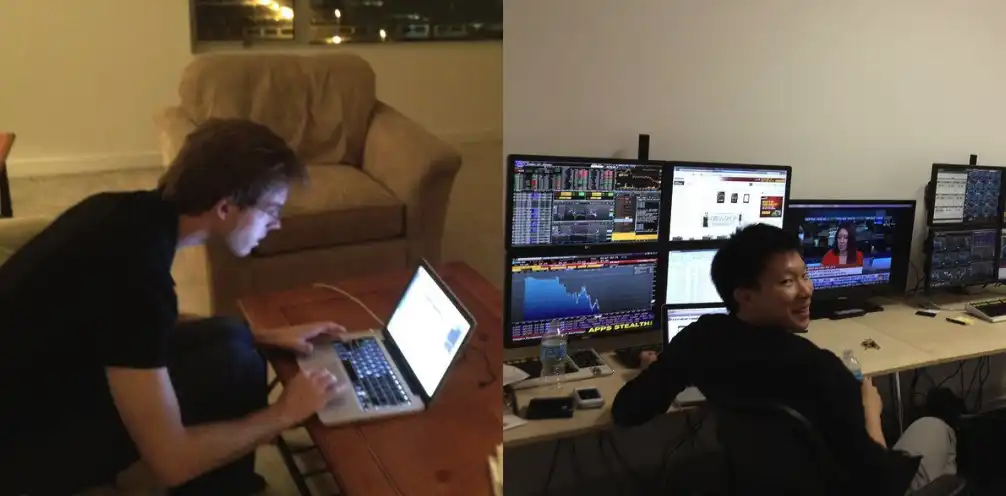
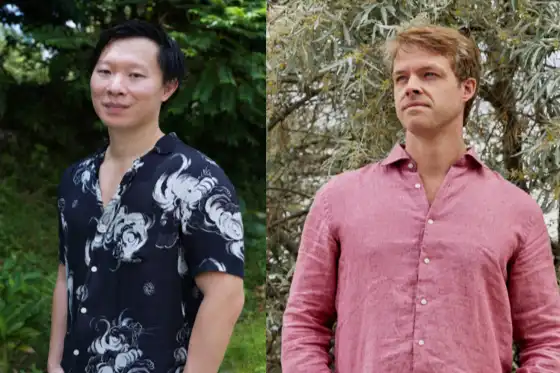
Kyle Davies (left) and Zhu Su (right) at Three Arrows Capital in May 2021
In the interview, the former Credit Suisse trader details the events that led to his fund's rampage, which itself set off a chain reaction that cost institutions and small speculators billions of dollars.
"The whole situation is a shame," Kyle Davies said. "A lot of people have lost a lot of money."
Lever replenishment meets encryption winter
Creditors of Three Arrows, recently registered in the British Virgin Islands, have filed documents saying they are owed more than $2.8 billion in unsecured claims. That number is expected to rise significantly, according to court documents. So far, the liquidator overseeing the bankruptcy has taken control of at least $40 million worth of assets.
Zhu Su and Kyle Davies have long been among the most aggressive crypto bulls in an industry known for its extremes. Driven by leverage, they placed Three Arrows capital at the centre of a series of thunderstorms. Those thunderstorms shook the crypto market as prices fell from highs this year to levels last fall. "We imagined ourselves in a market that didn't happen," Says Zhu Su.
"We certainly believe the story we're telling ourselves," Kyle Davies adds. "We own all, almost all, of our assets there. We do our best in the good times.
At the same time, they claim, they are not outliers. They describe one-way bets and easy lending, all linked to each other, and then all crashing at the same time, leading not only to the demise of their funds, but to the bankruptcy, distress and rescue of Celsius Network, Voyager Digital and BlockFi, among others.
"Celsius and ourselves at the same time the companies have a problem, it is not surprising", Zhu Su said, "we have our own capital, we have our own balance sheet, but we also take deposits from the lender, and then we create benefits for them. If we have such business, so we will necessarily a similar deal."
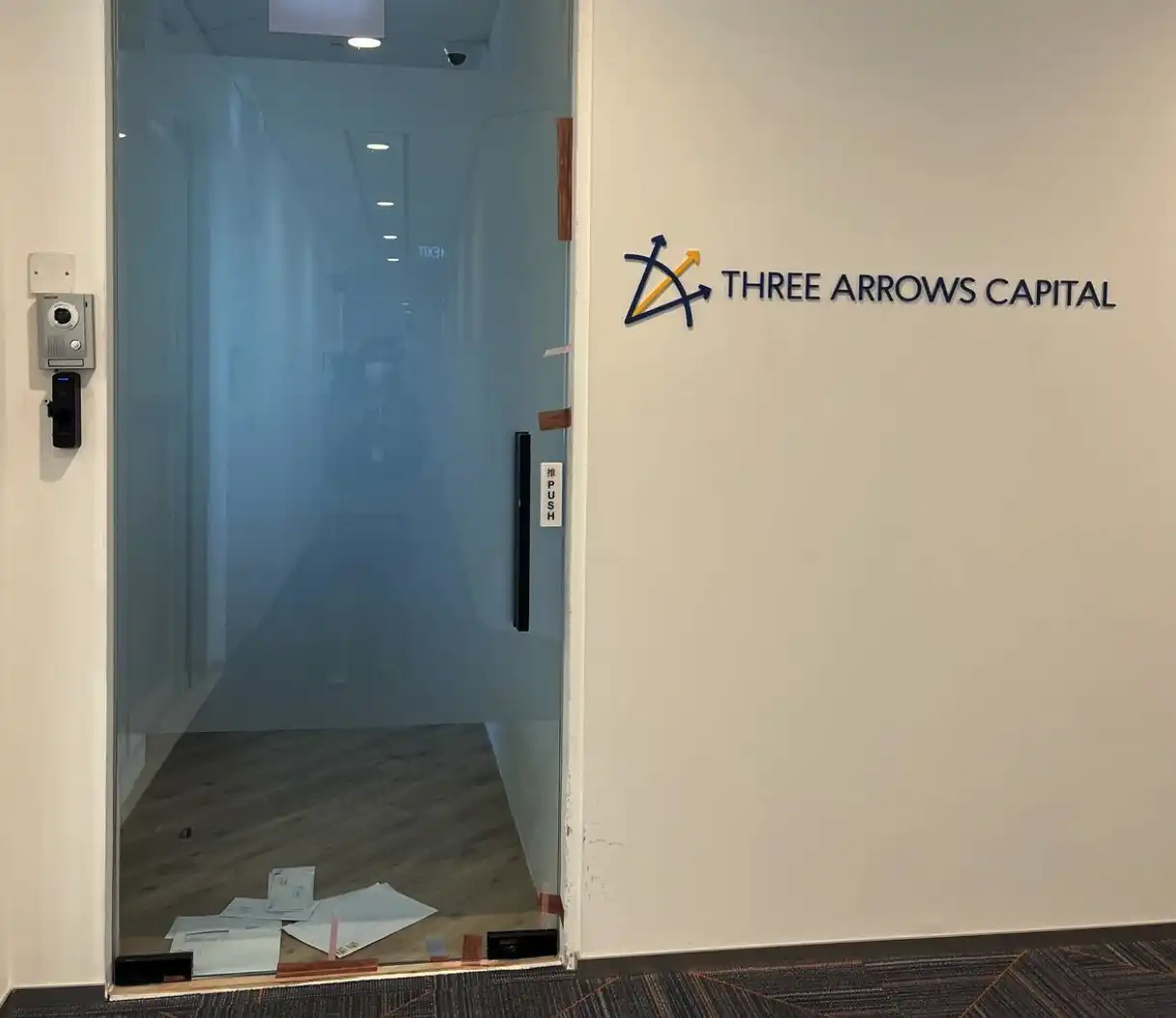
Mail is piling up in Three Arrows' office in Singapore
The efforts of Zhu Su and Kyle Davies to deflecting blame stand in stark contrast to their previous campaigns of relentlessly trumpeting crypto assets and discrediting critics. Mr Zhu Su was angered again this week by creditors' claims that the founder made a down payment on a $50m yacht before the fund collapsed, a claim he said was part of a smear campaign.
"The boat was bought more than a year ago, commissioned and used in Europe," Zhu Su said, adding that the yacht was "fully funded". He rejects the notion that he enjoys a lavish lifestyle, pointing out that he commutes by bike and that his family "only have two homes in Singapore".
"We have never spent a lot of money in any club. You know, no one has ever seen our driving a ferrari and lamborghini", Zhu Su said, "I think, a disgrace to our just a classic script. When this happens, when capital crash, these are the people happy headlines."
The long boom of the LUNA
Kyle Davies and Zhu Su acknowledged significant losses related to LUNA and the now-defunct Stablecoin USDT trade, saying they were surprised by how quickly the tokens collapsed.
Zhu Su said:"What we didn't realize was that Luna could drop to zero in a matter of days and trigger an industry-wide credit crunch that put enormous pressure on all our illiquid positions."
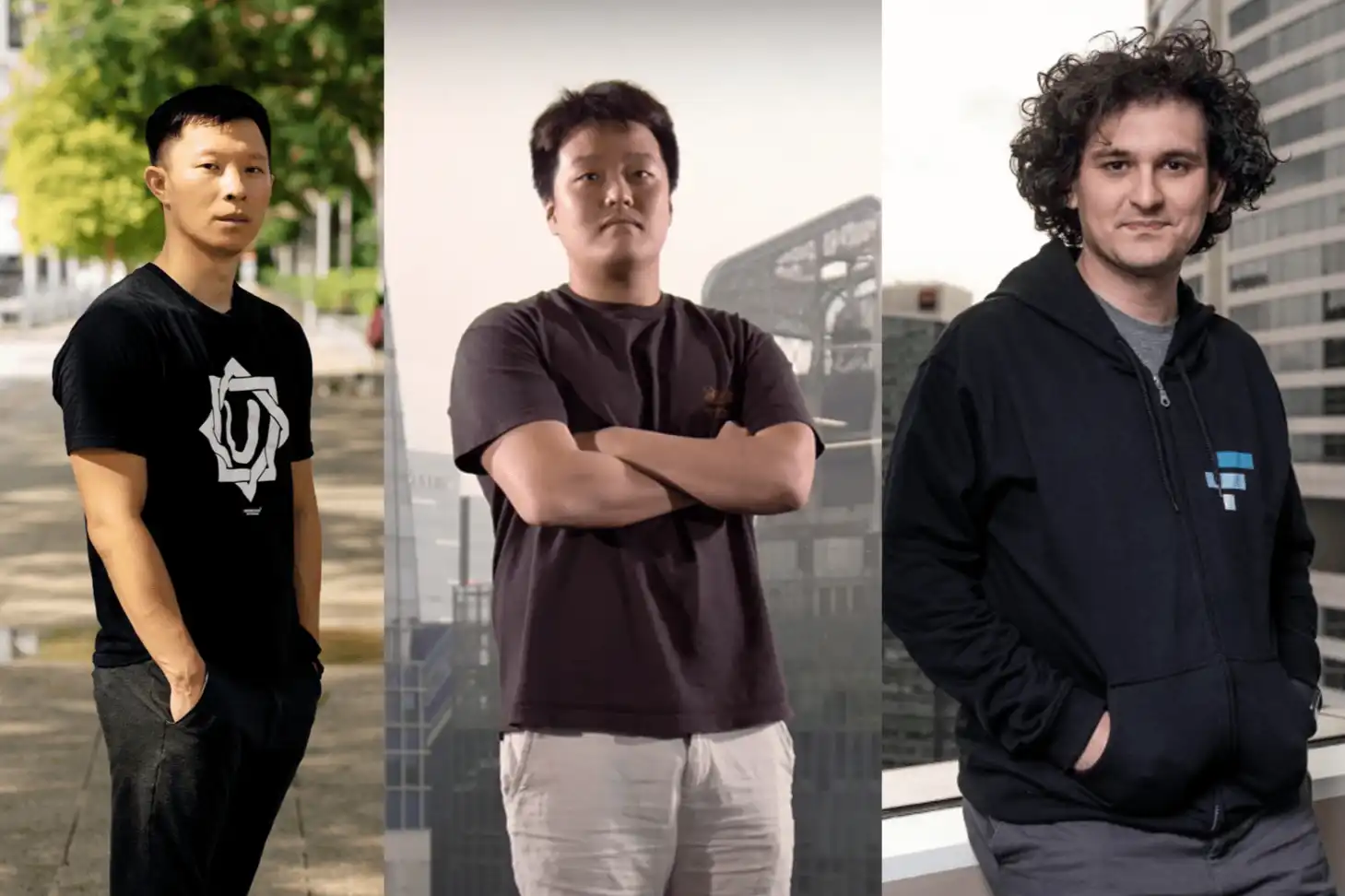
In retrospect, says Mr Su, the firm may have been too close to Do Kwon, Terra's founder.
"We got to know Do Kwon on a personal level because he moved to Singapore. "We just felt that this project was going to do very big things, and has done very big things," Zhu Su said of the firm's miscalculation. "We should have seen Terra coming under attack in some ways, and it has grown too big, too fast."
"It was very much like an LTCM moment for us," says Zhu Su. "We had different types of deals that we all thought were good, and other people had them. Then they all went down super fast."
One of these deals involves an Ethereum-related Token, called Staked ETH or stETH, which aims to be a tradable agent for ETH and is widely used in decentralized finance. Although each stETH can be exchanged for an ETH when the long-awaited Ethereum upgrade takes effect, the turmoil caused by Terra's collapse has caused its market value to fall. That, in turn, allows other investors to trade profitably from the widening gap, according to Mr Su.
"Because Luna just crashed, it's like an epidemic,People are wondering is there anyone who is long stETH with leverage that will be liquidated as the market goes down?"Zhu Su said," SoThese positions are actively sought out across the industry because they are essentially up for grabs."
Still, the fund was able to continue borrowing from large digital asset lenders and wealthy investors until they themselves got into trouble.
After LUNA's crash, Mr Su said lenders were "satisfied" with Sanjian's financial position and allowed them to continue trading "as if nothing was wrong". As court documents now show, many of these loans required very little collateral.
"During that time, we continued business as usual. But after that day, when Bitcoin dropped from $30,000 to $20,000, it was very painful for us and ultimately sealed our defeat."
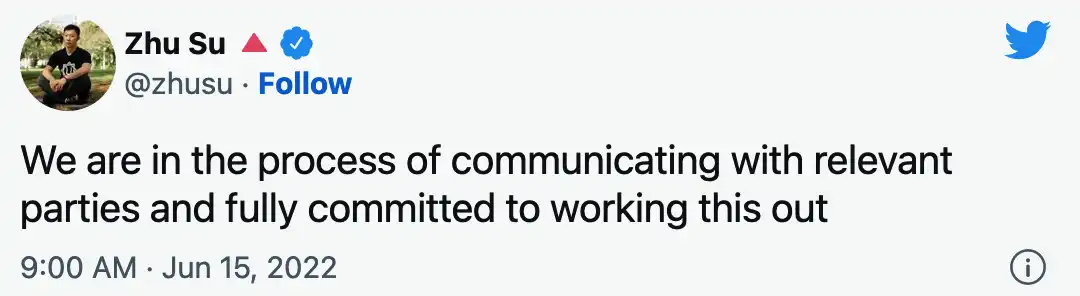
"If we get more involved in the game, we will see that the credit market itself is a cycle where, you know, we may not be able to get additional credit when we need it. That causes big trouble," Zhu Su said.
Trapped in the GBTC
Another counterattack is to do long gray bitcoin trust or GBTC. These closed-end funds allow people who can't or don't want to own bitcoin directly to buy shares in funds that invest in bitcoin instead. For a while, GBTC was one of the few encryption products regulated in the United States, so it had its own market. It is so popular that its shares continue to trade at a premium to the value of its bitcoin holdings on the secondary market.
Grayscale allows big investors like Sanarrow to buy shares directly by handing over bitcoin to a trust. These GBTC holders can then sell the shares on the secondary market. That premium means any sale can generate attractive profits for big investors. At the time of the last filing at the end of 2020, Sanjian was GBTC's largest holder, with a position valued at $1bn at the time.
The strategy has a snag, however: shares bought directly from Grayscale are locked up for six months. Starting in early 2021, this restriction became an issue.GBTC's price has slipped from premium to discount as it faces stiff competition from similar products, trading below bitcoin, which backs it. As time went on, the discounts got bigger and bigger, and the so-called GBTC carry trade stopped working, hurting investors who used leverage to try to boost returns.
In the view of Zhu Su and Kyle Davies, it was partly their success that drove GBTC and the herd mentality around the deal.
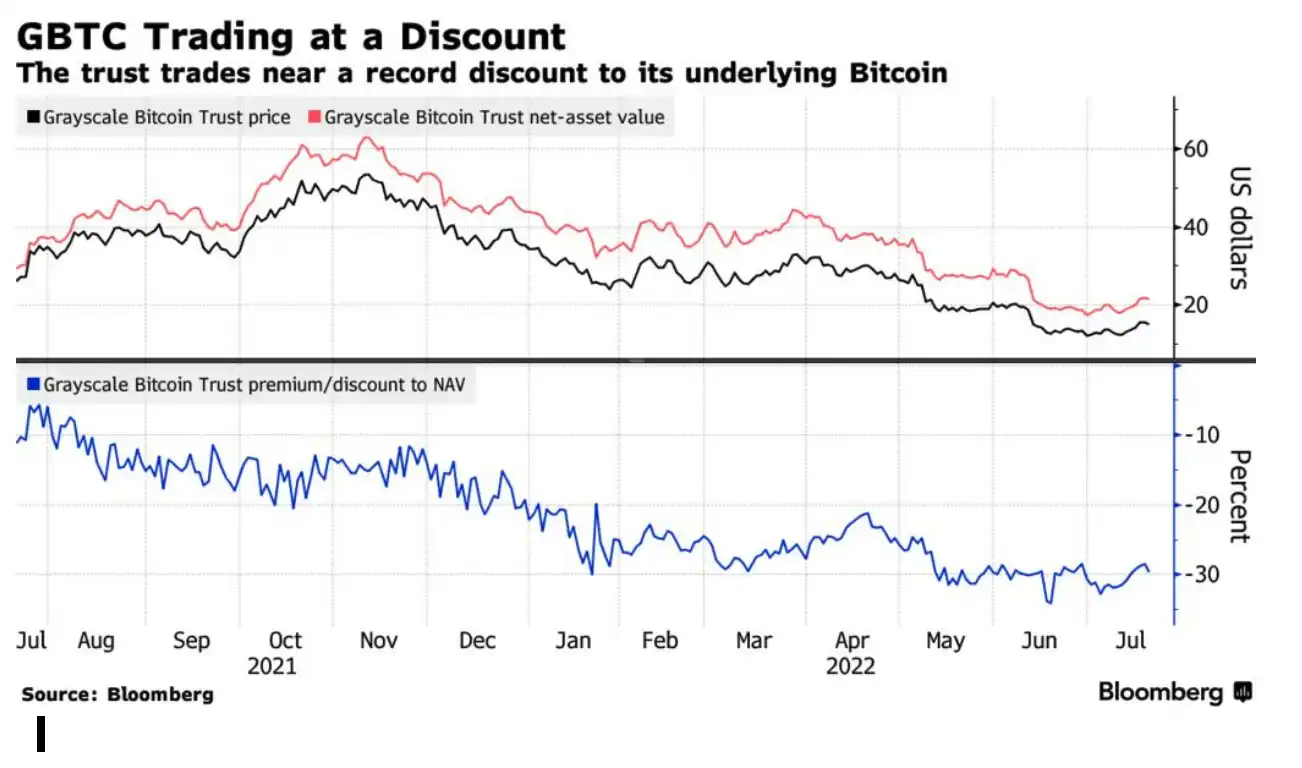
"We managed to do it at the right window, when it was a very big profit," says Mr Su. "Others copied us and not only lost money but turned negative."Because everyone did, the trust took a discount, a much bigger discount than anyone thought."
No risk, no reward
Asked what went wrong, Mr. Su pointed to years of overconfidence generated by the bull market.That confidence is not just in him and Kyle Davies, but in almost all of the industry's credit infrastructure. Lenders see value in similar companies because of their success.
"They should understand what they are getting into, that this is a risky company," says Mr Su. "If you visit our website, we always have a lot of disclaimers about crypto risks. We have never marketed ourselves as risk-free as simple gains."
When the crypto market first started collapsing in May, he said: "We met all the margin calls. People are starting to understand that there are risks."
Moreover, the company's lenders "made a lot of money when we were doing well, because when we were doing well, they could say, look, I'm making $200m a year from Sanjian's financing business, give me 10 times that," Says Mr Su. "Now my own company is worth $2bn more or something like that. So the risk department was not alert to the risks we were taking."
So what's next? The co-founders are now on their way to Dubai. Mr Zhu's main hope is to secure a calm and orderly liquidation of their complex accounts of private assets.
"For Kyle and me, there are a lot of crazy people in the crypto world sending us death threats and other negative voices," Zhu Su said. "We feel that if our personal safety can be guaranteed and we keep a low profile, it's good for everyone."
Mr Su added: "Given that we had planned to move our operations to Dubai, we had to go there as soon as possible to assess whether we could move as planned or better deal with future variables. The situation is very volatile and the main focus is to help creditors recover."
As for Kyle Davies, he says "I have a feeling that my next year has been set up for me".
The original link
Welcome to join the official BlockBeats community:
Telegram Subscription Group: https://t.me/theblockbeats
Telegram Discussion Group: https://t.me/BlockBeats_App
Official Twitter Account: https://twitter.com/BlockBeatsAsia

 Related Articles