Wall Street Giants Debate: Is FTX's CFTC Proposal "Constructive Destruction"?
Original title: "Crypto Billionaire Rankles Wall Street Titans With Derivatives Plan"
Original author: Katherine Doherty, Allyson Versprille, Yueqi Yang, Bloomberg
FTX founder SBF proposed to the US CFTC in March, hoping to use smart contracts to replace futures brokers (FCMs) and automate risk management. While the proposal was praised by the CFTC chairman, it is clear that traditional financial people on Wall Street think otherwise.
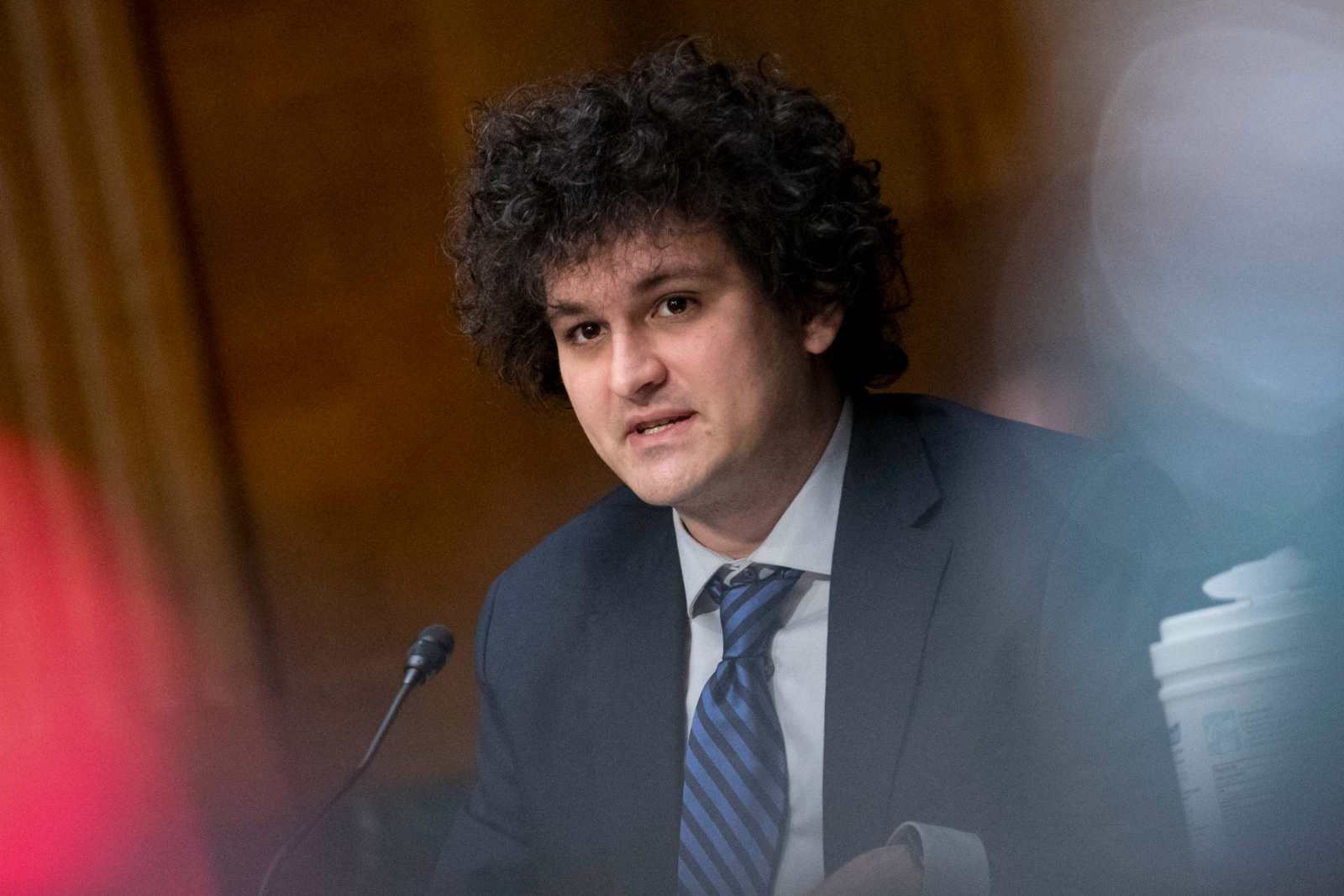
Encrypted assets have entered the mainstream, and the exchange of opinions between representatives of encrypted trading platforms and traditional futures trading platforms has become the focus of many conferences, including this year's Florida Financial Meeting. According to "Bloomberg" reports, in the meeting, FTX founder Sam Bankman-Fried and CME (CME Group) CEO Terry Duffy had a heated discussion on FTX's CFTC proposal last month.
According to CFTC's announcement, FTX hopes to use smart contracts to replace futures brokers (FCMs), and in addition to requiring customers to deposit collateral in the account, the system will use 30 seconds is the time unit, and the margin positions are calculated on a rolling basis. If the margin ratio drops too low, FTX will begin liquidating user positions within seconds.
The worst plan is to sell the position to the liquidity provider for the "agreed amount".
This concept was praised by CFTC Chairman Rostin Behnam, who believed that the arguments and practices behind FTX sounded solid and promised to carefully consider the proposal.
But it is clear that traditional financial people have some concerns about this proposal.
Currently in traditional finance, FCM is responsible for collecting and paying user deposits. For special customers, FCM will provide "fund advance service" to ensure that the positions of special customers will not be liquidated. In addition, FCM is required to provide security funds at the clearing house, which are used to offset those major violations.
Because each service contains huge benefits, Bloomberg pointed out that many traditional financial people are worried that after the proposal is approved, this automatic risk management model may be applied to other assets.
Given that FTX's proposal bypasses banks and other intermediaries, it threatens Wall Street's interests.
Pros and Cons
Although neither SBF nor Terry Duffy said much about the meeting To make a comment, but FTX's proposal has aroused discussion among various parties.
Co-founder and CEO of CoinRoutes, David Weisberger, believes that FTX's proposal is a "constructive disruption" to the traditional market structure. David Weisberger has created trading systems at Morgan Stanley and Two Sigma in the past.
It said: "This is the first time in such a long time that we have seen real constructive damage to traditional market structures. Change will cause (traditional Market tensions."
Those who opposed the proposal said that FTX's proposal may undermine the protection of investors, and may also lose many brokers. Work. There may be some truth to investor protection. Because the use of algorithms to replace brokers to process transactions is fast and convenient, but it does not necessarily replace the responsibilities of brokers.
In response to investor concerns, FTX has previously stated that if buyers and sellers fail to fulfill their delivery obligations, FTX has US$250 million in funds to compensate for losses , which is in stark contrast to CME's requirement that brokers inject funds to compensate for losses.
On the other hand, once the FTX proposal is passed, coupled with the previously obtained regulatory license, FTX can gain a foothold in a broader market, from oil, gold , and even cryptocurrencies. If this is the case, then FTX will affect banks such as CME and ICE, the parent company of the New York Stock Exchange, which are in the clearing platform business.
As Julian Hammer, a former CFTC partner and now FisherBroyles partner, puts it: "There has been a sea change in the way the futures industry works."
Can the proposal pass smoothly?
While the CFTC is reviewing the proposal, traditional finance has also extended its wrestling with the case to Congress.
CME and ICE have long been consulted on legislation by members of Congress, who in turn oversee the CFTC. Democratic House of Representatives David Scott has warned that the FTX proposal will make the systemic risk of derivatives regulation greater and investor protection weaker.
Of course, FTX’s proposal has also received some traditional financial support, including Nasdaq’s Executive Vice President Tal Cohen. "It's a big step forward," he said in a recent interview.
SBF compared the proposal to electronic transactions 30 years ago, and believed that although there was resistance at the beginning, everyone would eventually accept it.
Original link
Welcome to join the official BlockBeats community:
Telegram Subscription Group: https://t.me/theblockbeats
Telegram Discussion Group: https://t.me/BlockBeats_App
Official Twitter Account: https://twitter.com/BlockBeatsAsia

 Related Articles