The Metaverse is much more than that

Original title: "How to make an open metaverse"
Original author: William M. Peaster
Original translation: Sleepy
Dear Bankless Nation,
This week, Epic Games, the developer of "Fortnite", announced that it has completed a $2 billion financing, which will be used exclusively for their metaverse plan. And Facebook's parent company Meta also recently stated that it will charge creators up to 47.5% in fees on its virtual reality platform Horizon Worlds.
These are the latest cases in which the world's business giants are doing what they think is a "metaverse".
Faced with the birth of these big companies' metaverses, can we, the rebels from Web3 and the future, create an open metaverse that truly belongs to the people rather than shareholders?
The answer is yes! And the better news is that the blueprint for making this idea a reality has been planned, so let's take a look at the five core pillars of this blueprint in the article today.
-WMP
Five pillars of the open metaverse
A single virtual reality domain is a virtual world, such as "Fortnite";
A cluster of virtual worlds that are connected culturally or economically is a "meta-galaxy", such as the VR projects that are emerging on Ethereum;
Then, the gathering of "meta-galaxies" forms the metaverse, and over time, each small world will become more relevant and interconnected.
A mature metaverse like the one described above does not yet exist. So far, we have many virtual worlds and "Meta-galaxies", but we are still far from realizing the real Metaverse.
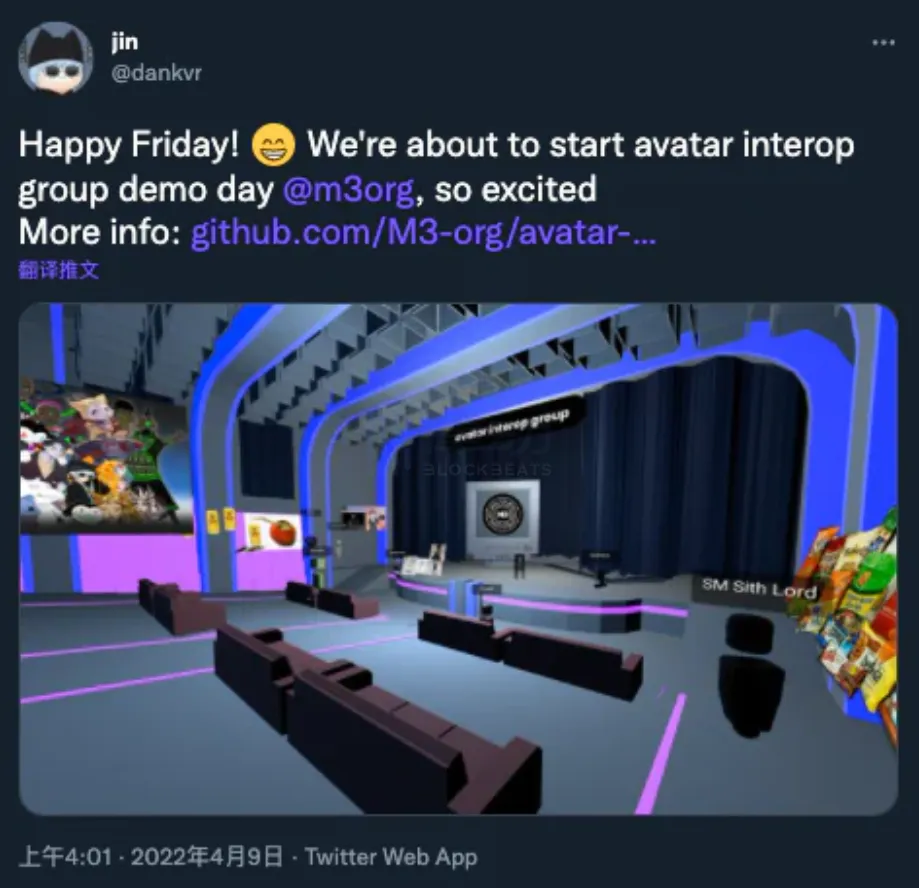
That is to say, what the Metaverse will eventually develop into depends on our every move at this moment. More and more people have reason to worry that giants like Meta will charge us expensive rents, dominate our virtual lives and make them more and more closed.
So now is the time to redouble our efforts to build an open metaverse that is vital and empowering to everyday people. But what does it take to accomplish this vision? One of my favorite VR and metaverse experts is jin, who recently succinctly articulated what I will call the “five pillars of the open metaverse” of the future:
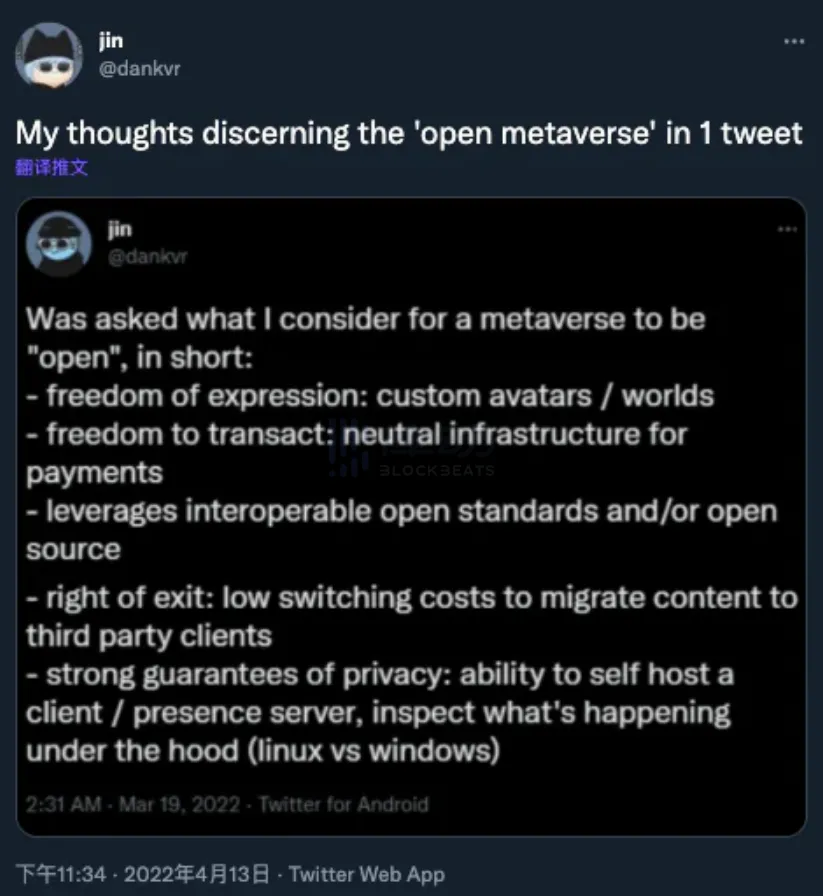
These above conditions are necessary because “just NFTs + virtual worlds” does not make a successful open metaverse, as jin puts it in this thread. Below, I will go into more depth about these five pillars and explain why they are so important.
1) Freedom of Expression
In everyone’s heart is the desire for self-expression. Just as we desire freedom of expression in our daily lives, we want to express ourselves freely in the Metaverse.
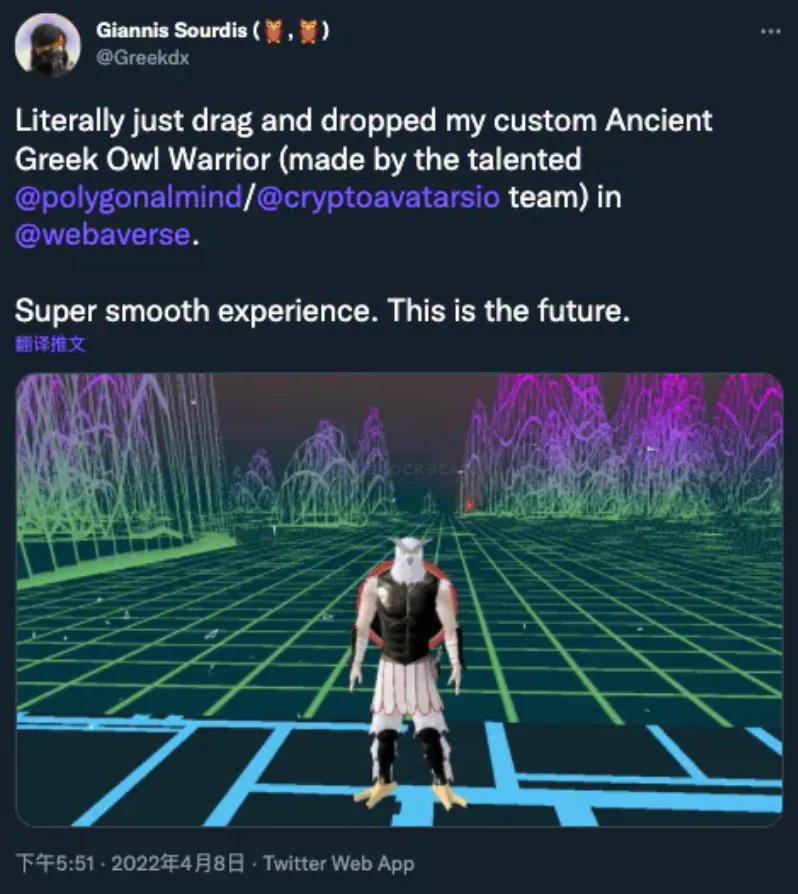
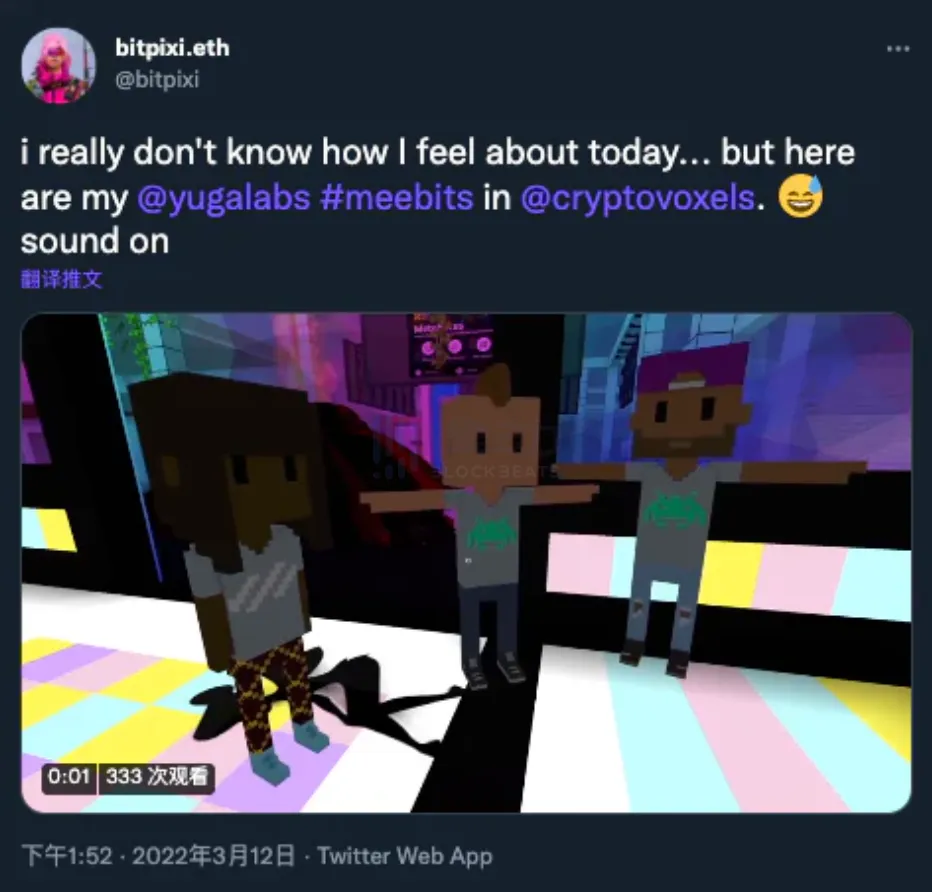
Therefore, customizable digital avatars and customizable virtual worlds will prove to be key to freedom of expression in the future open Metaverse. Current projects with open source servers and fully customizable digital avatars include JanusXR, Vircadia, Webaverse, and XREngine.
2) Freedom to Transaction
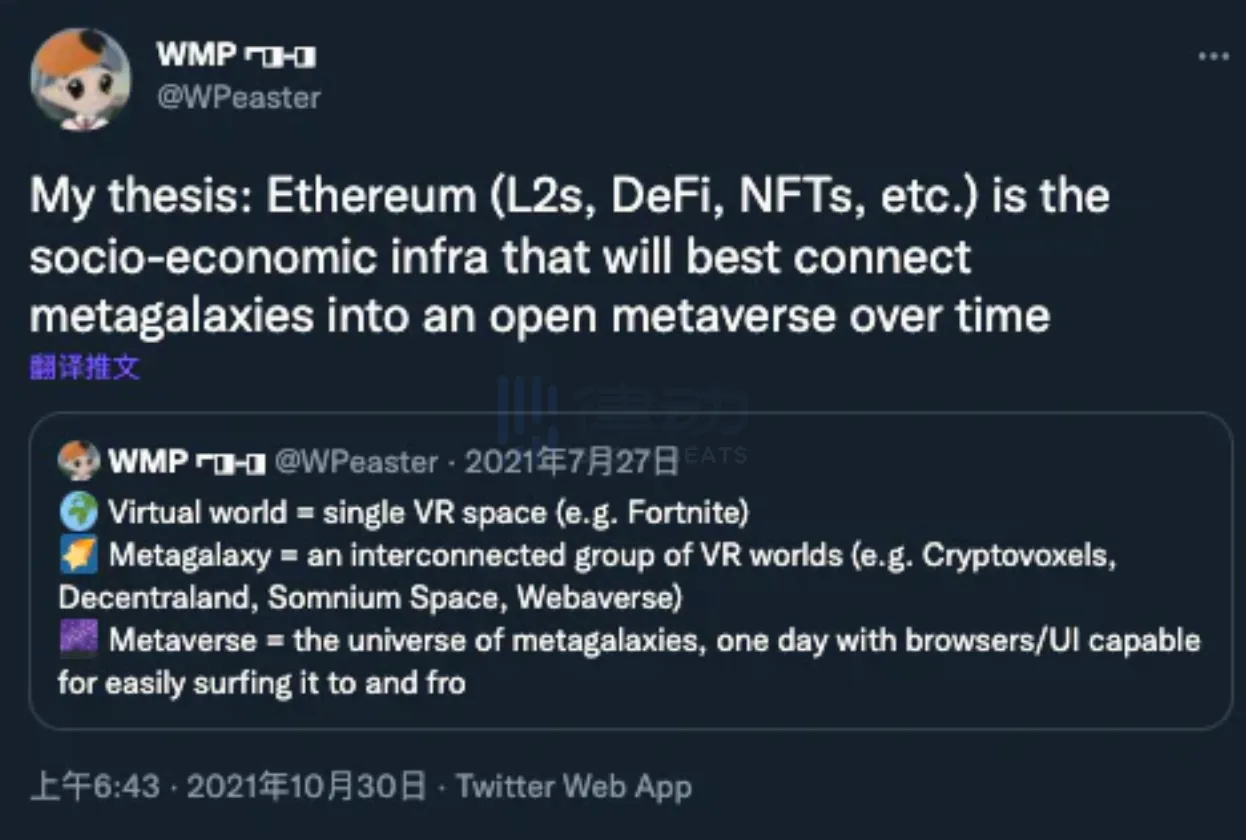
The Metaverse needs a neutral payment infrastructure so that people can efficiently transact in it. Ethereum is the most decentralized and neutral digital payment infrastructure today, so it is the main contender here. Combined with Layer2 scaling solutions and the efficiency and security of PoS, Ethereum is well positioned to become the leading infrastructure for free IRL and Metaverse transactions in the coming years.
3) Open Interoperability
The Metaverse will not be an island in the middle of the ocean. Solving this problem requires building a Metaverse that uses open standards and open source technologies. In terms of media, Ethereum NFTs and IPFS are promising examples of open technologies. Outside of the Web3 ecosystem, there are many amazing applications or standards, such as VRM, an open file format for 3D avatars, and WebXR, a series of standards for supporting VR content on browsers. Continuing to bring all of this open innovation together, we will get closer to the Metaverse.
4) Migration Rights
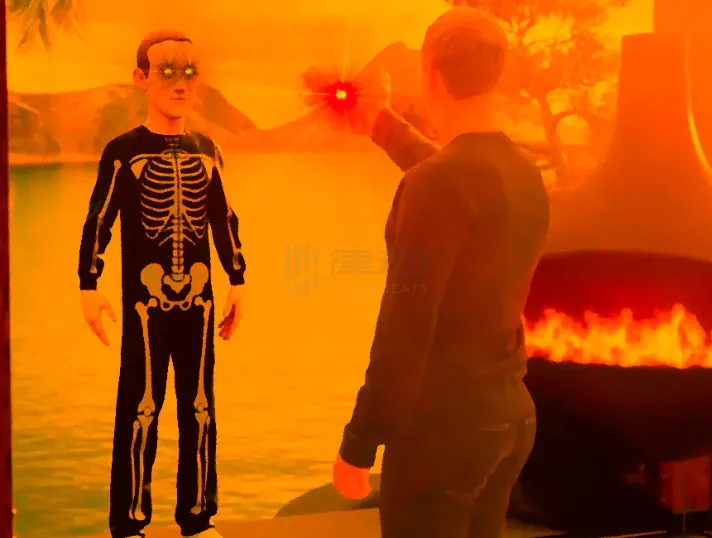
Want to migrate your custom avatars and other content to different platforms? In an open metaverse, it should be cheap and easy to do such a migration, and it will become more and more possible over time. If a project deliberately silos assets and prevents you from migrating elsewhere, it is profiting for itself, not creating value for the open metaverse.
5) Strong Privacy Protection
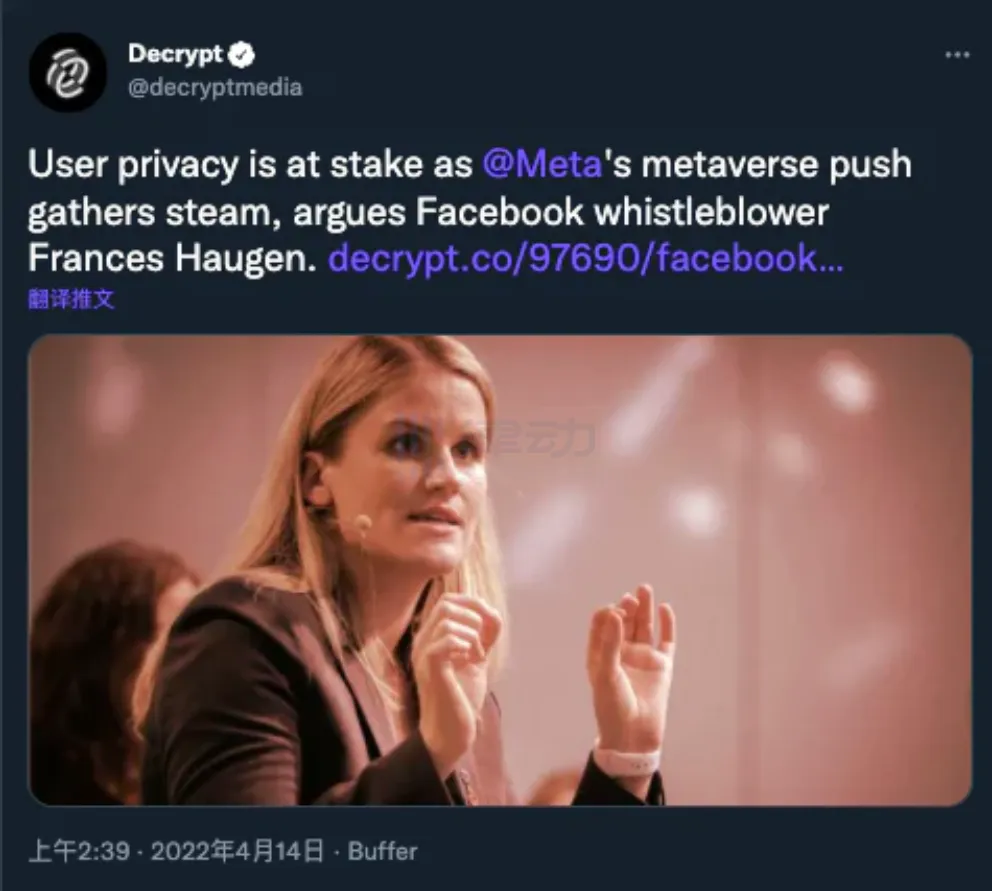
Meta and other major players have been constantly harvesting data through their siloed VR activities. Those of us fighting for an open metaverse need to fight back by building and supporting basic privacy guarantees, such as setting up self-hosted servers. If we don’t have to live in the closed metaverse of a major company, and build our own open metaverse, we will be freer, and freedom is the most important thing.
Original link
Welcome to join the official BlockBeats community:
Telegram Subscription Group: https://t.me/theblockbeats
Telegram Discussion Group: https://t.me/BlockBeats_App
Official Twitter Account: https://twitter.com/BlockBeatsAsia

 Related Articles