Foresight Ventures: The Crypto Chronicle (1997-2022)
原文标题:《 Foresight Ventures: Crypto 思潮编年史 (1997 - 2022) 》
Msfew, Foresight Research
People don't pay for technology, they pay for the stories that carry technology and innovation. The key to the prosperity of Crypto is not how novel the technology is, but the ideological trend of reforming the tradition, overthrowing the centralized order and rethinking the economy, art and politics behind it.
In this article we will review in chronological order The most important "stories" in the development history of Crypto. This article explores about 40 articles in about 15,000 words, and the recommended reading time is about 50 minutes.
1997: Before it all began
The Sovereign Individual -- James Dale Davidson/William Rees-Mogg
One-liner: The sovereign individual will rise.
This is a book that sees the future of the world. He argues that the future is chaotic, that digital technology will make the world far more competitive, unequal and unstable, that society will become more divided and that government will shrink.
It lays out the fundamental logic of the structure of human society, pointing out that as digital technology develops, the monopoly of traditional organizations on violence, knowledge and wealth will gradually be broken, and decentralized and sovereign individuals will rise.
The book makes some accurate predictions about Crypto, electronic warfare, and smartphones. They envision a cryptocurrency that is unique, anonymous, verifiable and can be traded on a global market that knows no borders. That probably inspired Satoshi Nakamoto's bitcoin. In a bear market, I recommend reading.
1997 was a chaotic year, the nihilistic state of Crypto before the Big Bang, but the idea of Crypto had begun to sprout.
2008: The birth of Bitcoin
Bitcoin: A Peer-to-Peer Electronic Cash System -- Satoshi Nakamoto, creator of Bitcoin
One-liner: Bitcoin is a peer-to-peer electronic cash system that gave Crypto its genesis.
The mysterious man who goes by the pseudonym Satoshi Nakamoto created a peer-to-peer electronic cash system that gave birth to blockchain in 2008. Bitcoin triggered "a paradigm shift that now underpins a multi-trillion dollar industry" and showed the world the relationship between sovereignty, finance, and freedom, sparking thousands of changes and innovations. Even after more than 13 years, we can still take advantage of its concise language, easy-to-understand concepts, and brilliant design.
The white paper on Bitcoin in 2008 can be said to be the Bible of Crypto, and bitcoin has risen from the ashes many times, as if endowed with religious significance.
No one can say who Satoshi nakamoto is, just like we can't understand what the "tao" is. Then bitcoin was born. Bitcoin is "one", the initial state of Crypto, which seems simple but combines the essence of cryptography. Then continue to "two to three, three to all things", to create all things, to find their own state of harmony.
The year 2008 was the first year of Crypto, the year of enlightenment and the birth of Bitcoin and Crypto.
2011: What Bitcoin
Bitcoin -- Fred Wilson, Founder, Union Square Ventures
One-liner: Bitcoin is a very interesting investment opportunity.
Fred Wilson mentioned in this article that he agrees with the concept of Bitcoin and thinks that the idea of bitcoin as a currency based on confidence in algorithms and networks is very good.
He says he and his colleagues at USV see a fair and transparent alternative currency for web construction as an idea on the horizon. He thinks the value of the bitcoin will have to be watched, but a real decoupling of the currency from the government would have a big impact, so caution is warranted, but it's still a very interesting investment opportunity.
As for the price of bitcoin at the time, he commented that it could be said that bitcoin failed (it went from $29 to $13) or that we had just passed the inflated expectation period and the price had returned to its true value. Interestingly, bitcoin is currently trading above $30,000.
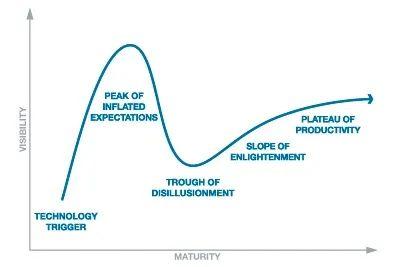
2011 was the year of Crypto exploration by visionaries, and bitcoin began to attract the attention of pioneers, who believed that Crypto's main function would be an alternative currency to replace the central bank.
2013: Bitcoin is fun
Coinbase -- Chris Dixon, founder of A16Z Crypto
One-liner: Coinbase will be an important infrastructure for Bitcoin.
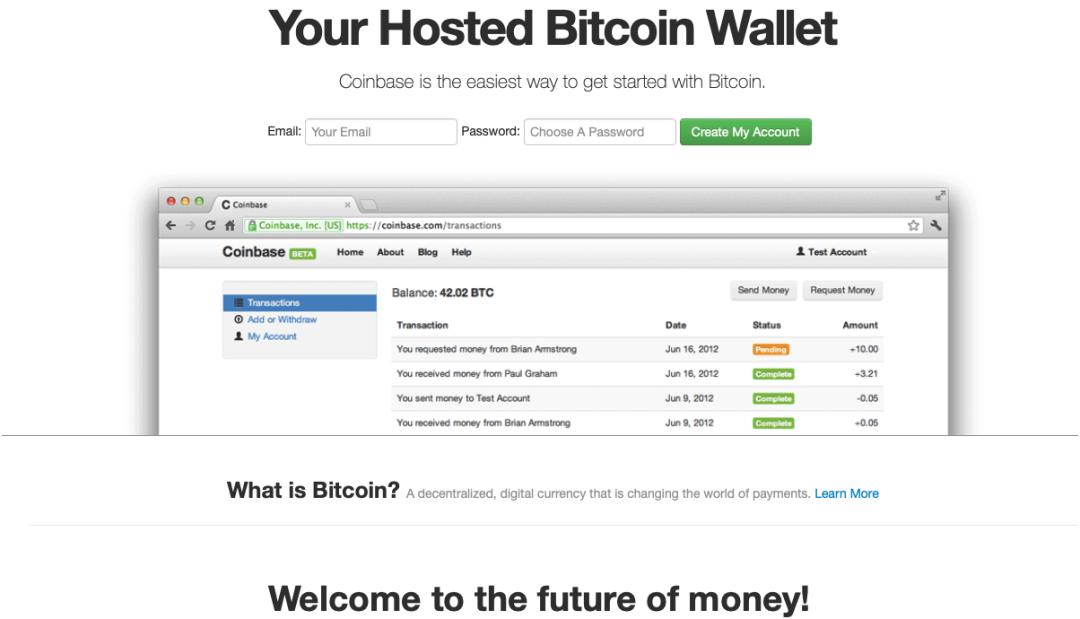
He points out that the Internet provided space for Crypto systems, but failed to complete the transfer of electronic cash. Bitcoin solves the problem of expensive transactions and rampant fraud in electronic cash services. While Bitcoin is a platform where new technologies can be developed, he foresees potential applications such as micropayments for subscriptions and advertising, machine-to-machine transactions (which sounds like a smart contract entirely), and financial services for all (which sounds like DeFi entirely).
At the end of the article, he decided that Bitcoin needed a killer app to spread its spread, so he announced a16Z's lead investment in Coinbase. He believes Coinbase could significantly accelerate the spread of Bitcoin while allowing the Internet to enter a new phase of invention and opportunity.
Why I'm interested in Bitcoin - Chris Dixon
One-liner: Bitcoin may revolutionize finance.
A dozen days after his last post, Chris Dixon expressed his interest in bitcoin. While some argue that bitcoin's popularity is simply due to libertarian support, Chris Dixon agrees that many of bitcoin's early backers were libertarians, and that many important computer movements are supported by ideology.
He doesn't think bitcoin's ultimate goal is to replace the Federal Reserve. If technology is to transform finance, he thinks, it will require not just building new services on top of existing ones, but completely reinventing a new system and order.
He initially thought bitcoin was a speculative bubble as well as Internet gold. But he suddenly realized that Bitcoin was rebuilding the entire payment industry. He is bullish on micropayments.
He concluded by stressing that the only way technology can improve finance is to rebuild a new service that doesn't rely on other existing facilities. Bitcoin is a very effective way to improve, and an experiment worth running.
2013 was Crypto's early infrastructure and cognitive building year, and that was the year Coinbase secured the A16Z investment. As the public's attention to Bitcoin increases, two opposing voices begin to emerge. Some people firmly believe that Crypto is a scam, while visionaries gradually have a clear understanding of Bitcoin and begin to think about the future of Crypto.
2014: Bitcoin matters
Why Bitcoin Matters -- Marc Andreessen, founder of A16Z
One-liner: Bitcoin is disruptive.
"A mysterious new technology appears, seemingly from nowhere, but is actually the result of two decades of intense research and development by nearly anonymous researchers. Political idealists project visions of liberation and revolution into it; The establishment elite projected scorn and contempt for it. On the other hand, the techies, the nerds, were petrified by it. They saw great potential in it and spent the night and weekend tinkering with it. Later, many wondered why its strong commitment was not obvious in the first place." What technology is Marc Andreessen talking about?
Personal computers in 1975, the Internet in 1993, and, he believes, bitcoin in 2014.
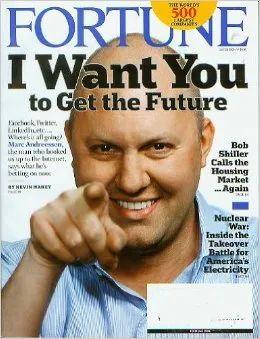
2014 continues to be a year of heightened awareness of bitcoin. Marc Andreessen, the "creator" of the modern Internet, laid the foundation for the subsequent understanding of bitcoin, which has since been interpreted almost exactly as he envisioned the future.
2016: Ethereum is here
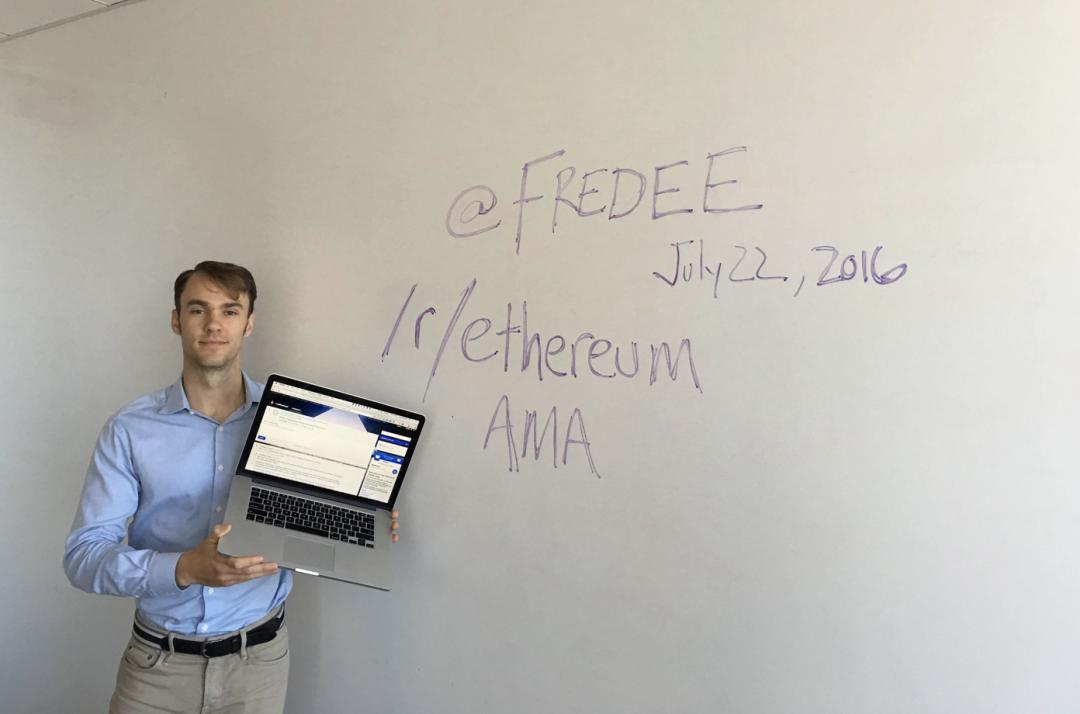
Ethereum is the Forefront of Digital Currency -- Fred Ehrsam, founder of Paradigm and Coinbase
One-liner: Ethereum would be a better Crypto to invest in.
Fred Ehrsam shifted his focus from Bitcoin to Ethereum. Bitcoin's design is so perfect that any change would be like gilding the lily, and there is no real application beyond wallets and exchanges. Ethereum provides the complete computing environment that underpins countless blockchain-based applications. Fred mentioned the DAO organization that was set up on Ethereum, which was attacked a month after the article was published and led to a fork in Ethereum.
In addition to these advantages, Fred also mentioned some potential risks of Ethereum: The amount of capital is not as high as bitcoin, it has not experienced a governance crisis (it did one month after the article was published), it is more risky because of its more complex functions, it may change the consensus to PoS (although it has not changed after five years), and network expansion is very difficult (this problem has been slowly solved by various Layer2).
Fred leaves open the question of whether Ethereum and Bitcoin are competitive or complementary. He sees the potential of Ethereum as huge, and he has no "loyalty" to any particular chain and only wants whatever is in the best interest of the world.
Fred concludes that the rate of change in Crypto is accelerating. Crypto's vision is very big, to create a better trading network for the whole world. Crypto, like the Internet itself, is not a company selling products, but a set of protocols that will one day connect everyone. And, like the Internet, it will take longer to develop, but the impact will be huge.
And then he wrote an article a year later, in 2017, which basically said :& NBSP; Blockchain is the fundamental layer of the meta-universe.
Fat Protocols -- Joel Monegro, founder, Placeholder VC
One - liner: agreement & gt; Applications.
Joel Monegro, in Fat Protocols, explored the idea that the structure of Web2, where the value of protocol-based applications is very high and the value of Protocols is very low, could be reversed in blockchain.

In 2016, with the slow rise of Ethereum, people have more imagination about the whole blockchain "network". Building blockchains is no longer about infrastructure such as wallets or exchanges, but about what protocols can be built in a complete environment. At this time, Tao becomes the crypto spirit, becoming a project creator, a community, and an ecological participant.
2017: the Crypto and Token
This year's trend of thought is particularly intense, in this article to each article only do a simple summary, there is time for you to read intensively to learn knowledge.
Set pieces: & have spent Uniswap in 2017
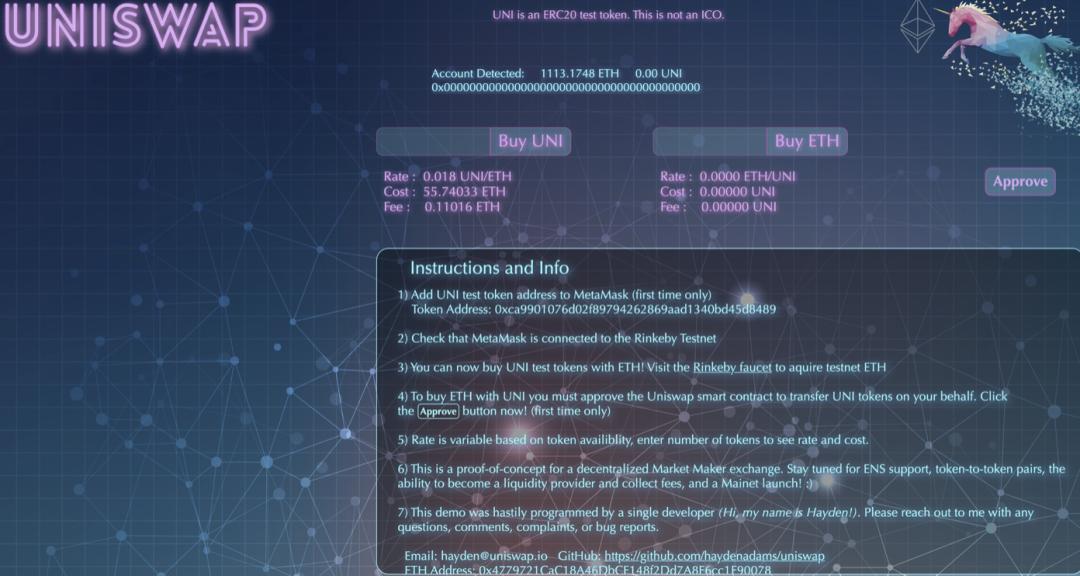
Hayden Adams was getting laid off from Siemens. He was upset and went to his good friend Karl Floersch (who was working at the Ethereum Foundation at the time). His best friend congratulated him that mechanical engineering was a sunset industry, Ethereum was the future, and Hayden should try writing contracts. Hayden says he can't write code either. Karl said just learn, not many people knew about Ethereum and smart contracts anyway. Karl managed to convince Hayden to play ethereum, and after two months of Solidity and JavaScript, Hayden decided to do a big project on the decentralized exchange that Vitalik had mentioned in many places. Hayden made the NBSP; Demo, like this, is Uniswap.
Value of the Token Model - Fred Ehrsam
One-liner: Token value is reflected in governance, monetary policy, adjustment of incentive measures.
Fred Ehrsam 在这篇文章中探讨了 Token 模型的价值.
他认为 Token 的价值主要体现在: 治理, 货币政策, 调整激励措施.
同时他指出, 与早期的互联网初创企业一样, 一些 Token 没有意义. 每 1 次大获成功, 就会有 3 次小成功和 100 次失败.
Token 模型的基本原理是宝贵而强大的, 允许社区管理社区本身和经济体制, 并以强大的方式团结社区, 使开放系统蓬勃发展.
Thoughts on Tokens -- Balaji Srinivasan, former Coinbase CTO, former A16Z GP
One-liner: Token > Equity.
Balaji Srinivasan 首先在文章开头提出了一个点: Token 不是股权, 而是与付费 API 密钥类似. 与传统的融资手段相比, Token 代表着更高的流动性, 更大的受众, 也为一些新型项目的融资开辟了空间.

And then he goes on to explain why Token It will be more and more successful from 2017.
Four years of infrastructure construction have laid a solid foundation
Token 与区块链的原生货币相比更具有多样性和灵活性
Token 购买者实际上在买私钥 (相比传统的方式更加具有隐私和安全)
Token 和付费 API 类似 (代表着某种服务的访问权)
Token 是对所有新科技 (开源组织, 小项目, DAO) 的融资模型, 而不仅仅是对于初创企业
相比传统金融, Token 是无法被稀释的
所有美国人都可以买 Token
所有网上冲浪的人都可以买 Token
Token 流动性特别好
Token 会把融资去中心化
Token 模型是一种比免费更好的商业模式, 能让早期用户获得收益
Token 购买者其实就是投资者, 就像网络上的博主其实就是新时代的记者一样
Token 让技术始终被摆在商业前面
Token 是直接由持有者自己监管的
Token 可能被用于付费或者一些 VIP 服务
他总结到, Token 这个领域还在非常早期, 很可能几周内就有剧烈波动. 但是世界在变化, Token 代表了未来 1000 倍的价值提升.
Crypto Tokens: A Breakthrough in Open Network Design - Chris Dixon
One-liner: Token 会是公开网络的必备设计.
Chris Dixon 在这篇文章中从比特币和以太坊的 Token 谈到了 Token 的作用: Token 可以管理和资助开放服务, 使网络参与者之间的激励措施保持一致, Token 的网络效应给整个系统带来了正向循环.
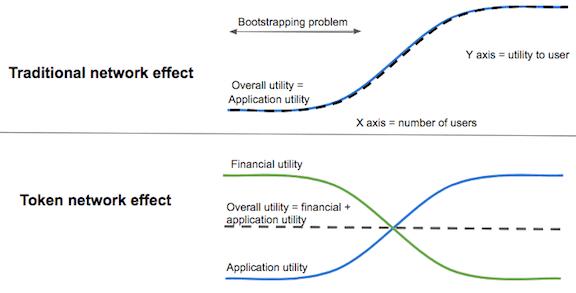
加密 Token 目前是小众市场, 并且备受争议. 如果按目前的趋势继续下去, Token 很快会被公认为开放网络的必备设计, 将开源协议的社会效益和封闭网络的财务和架构效益相结合. 对于那些希望获得企业家、开发人员和独立创作者的访问的人来说, Token 是很有希望的一个事物.
Analyzing Token Sale Models - Vitalik Buterin
One-liner: 好的 Token 模型很重要.
Vitalik Buterin 在文章中分析了几个项目的 Token 模型. Vitalik 以 Maidsafe, Ethereum (我分析我自己), BAT, 和 Gnosis 为例, 总结了一些好的 Token 销售模式: 1. 估值的确定性. 2. 参与的确定性. 3. 限制筹集的金额. 4. 没有中央银行. 5. 销售的效率. 然而 1 和 2 不能同时满足, 3, 4 和 5 也不一定能同时满足.
Vitalik 建议 Token 销售中也可以采取其他三个聪明的方法, 1. 反向荷兰拍, 并且把未售出的 Token 作为空投或者捐赠而使用出去; 2. 保留剩下的 Token , 以自动化形式解决「中央银行」问题, 比如拿去做池子; 3. 进行有上限的销售, 限制每个人的购买数量, 这就需要 KYC. Vitalik 也建议项目进行多轮的 Token 销售, 让用户有更多的时间来查看哪些团队和项目值得投资.
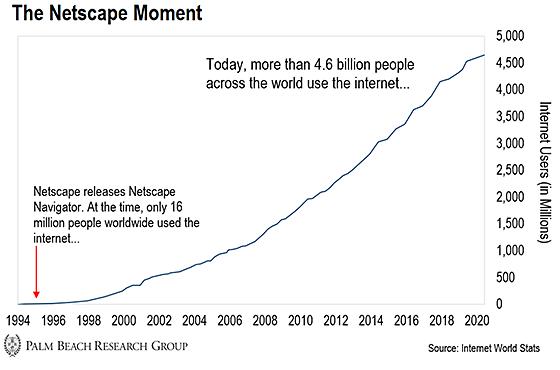
Cryptocurrency 's Netscape Moment - Elad Gil (Solo Capitalist)
One-liner: 2017 was Crypto's Netscape moment.
In this Netscape Moment for cryptocurrencies article, Elad Gil compares the 2017 ICO boom to Netscape's IPO as the true beginning of the Internet age and the crypto age.
Permissionless - Alok Vasudev
One-liner: Permissionless is important.
This post by Alok Vasudev is very short. His main point is that the Permissionless aspect of blockchain and Crypto strikes him as their most exciting feature.
Linux is Permissionless, The Web is Permissionless, and PC is Permissionless. In contrast, mobile applications require Permission from Apple and Google, VR requires Permission from Facebook, HTC and SONY, AI Permissionless at the algorithmic level but training data is controlled by monopolies.
Blockchain is a completely open source public database, an uncensored and unmonopolized production tool. In fact, this article also implies the shift from Web2 technology to Web3 paradigm.
The Slow Death of the Firm -- Nick Tomaino, founder of 1Confirmation
One-liner: DAO > Firm.
In this article Nick Tomaino makes the point that some projects led by Bitcoin have also introduced the concept of open source decentralized organizations (daOs and open source development organizations). In addition to disrupting the financial system, Satoshi nakamoto's bitcoin will also disrupt the form of companies.
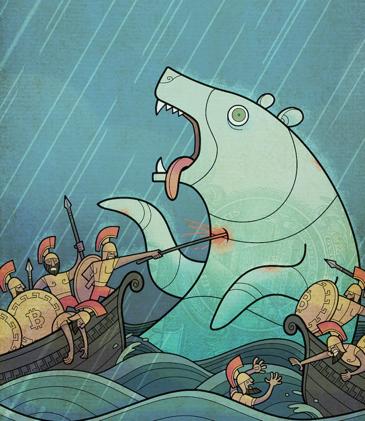
Bitcoin is the first example of an organizational structure that has the advantages of a company (minimizing transaction costs, pooling and sharing capital, and providing job security for contributors), combined with the advantages of decentralized ownership, uncontrolled data, and balanced decision-making power. Bitcoin offers people the opportunity to make money on a global scale and creates clear incentives to create new decentralized products (digital currencies that cannot be censor) that companies cannot achieve.
However, the disadvantages of this decentralized organizational structure are also obvious: decentralized decision-making is difficult to slow, it is difficult to measure the true contribution of participants, and decentralization leads to many abuses...
Nick Tomaino finally concluded that 2017 is the early stage of decentralized organization. In the future, this form of collaboration will penetrate into the mainstream, more and more new decentralized organizations will be established, and traditional companies will gradually transition to crypto-decentralized organizations in the future.
Big Banks And Blockchain - Elad Gil
One-liner: Big banks don't understand blockchain.
Elad Gil exposed many problems in reality in this short article. This is what the big banks have done with blockchain since Crypto entered the industry in 2013 (as far as I know, many Chinese banks and financial companies will continue to do until 2021):
1. Form a blockchain team.
2. Have the blockchain team do a private chain and always be in the Demo stage.
3. Enable the CEO to boast about the blockchain team, saying "we have that blockchain thing, we have a team dedicated to it".
Elad 也说, 大银行为了满足客户的需求, 开始利用 Crypto 来开发比如 ETF, Token 托管, 对冲基金, 衍生品交易所的产品. 他总结到银行和其他中介对 Crypto 的采用速度会越来越快.

The Meaning of Decentralization - Vitalik Buterin
One-liner: The meaning of decentralization lies in fault tolerance, anti-attack, anti-collusion.
Vitalik explores the implications of decentralization. When talking about the meaning of software decentralization, we can think about it in terms of architecture, management, and logic. Architecture refers to the physical distribution of servers, politics refers to how many people control those servers, and logic refers to the rationalization and data structure.
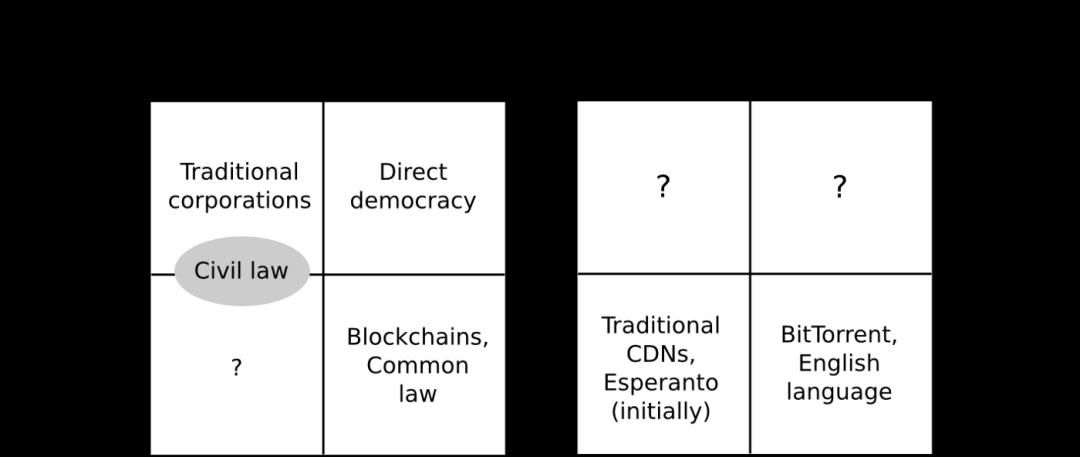
As for fault tolerance, the blockchain system actually needs to be decentralized in many aspects to truly achieve it. We need multiple client implementations, democratic technology discussion forums, as far as possible unrelated interests of developers and researchers, mining algorithms must reduce centralized risk, and get rid of hardware centralization risk (with PoS).
对于抗攻击, 一个很直观的例子就是, 如果你用枪顶着一个人, 让他交钱, 那他可能要命不要钱了; 但是如果去中心化的情况下, 你得用枪指着十个人, 威胁成本就高了十倍. 去中心化程度越高, 攻击成本和防御成本的比例越高. 所以 PoS 的抗攻击性比 PoW 更高, 因为硬件很容易被检测和攻击, Token 则更容易隐藏.
The last and most complex is anti-collusion. A simple example of anti-collusion is antitrust law. An example of collusion in blockchain is that the big miners might get together to push something against the network with a lot of computing power. But one of the nice things about blockchain is that developers don't work in the same company, in the same room, so they don't have the freedom to change the rules as traditional software companies do.
Vitalik ends with a question. The Ethereum community can hardfork networks very quickly in a decentralized way, but how can this good coordination be promoted and improved?
A Beginner's Guide to Ethereum - Linda Xie
One-liner: An introduction to Ethereum.
Linda Xie teaches you how to get started with Ethereum. Linda talked about the similarities and differences between Bitcoin and Ethereum, identity and storage on Ethereum, social media, rights management, corporate governance and fundraising applications. I'm sure you already know this, so I won't repeat it here
2017 was the year of ERC-20, ethereum and Bitcoin skyrocketed, ecology began to flourish, more and more DApps started their own ICOs, and more and more DAO organizations started to be established. Once again, we are in a chaotic atmosphere, with problems piling up. Some believers in blockchain and Crypto are rethinking the merits of Crypto and its origins.
2018: Is it a bubble?
Why decentralization matters - Chris Dixon
One-liner: Decentralization is important.
In this article, Chris Dixon, despite the headline about the importance of decentralization, is really talking about the concept of Web3 in 2018.
Web1, 1980-2000, services built on open protocols established by the Internet community.
Web2, a for-profit Internet company from the early 2000s to the present, builds software and services far beyond open protocols. With the explosion of mobile applications, users are completely migrating from open services to these more complex and centralized services. These centralised services are good technology, but stifle innovation, make the Internet less interesting and dynamic, and create more social tension through data theft and algorithmic bias.
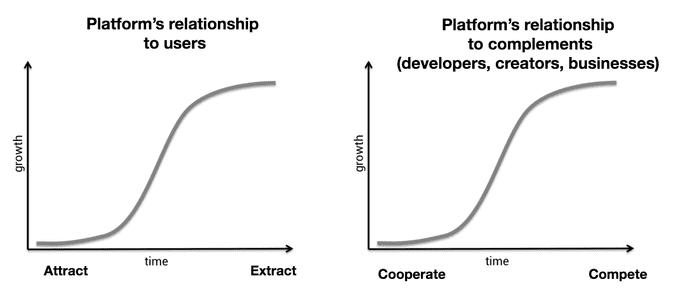
To say that decentralized networks should win and will win are two different things. Chris says the real reason they will win is that Web3 developers are building truly innovative applications. The Crypto network will win the hearts of entrepreneurs and developers (i.e., there will be real communities and people who generate electricity for love). As the protocol attracts new contributors, its ecology and maturity will grow exponentially. The multiple positive cycles of Crypto network motivate all the roles of the network and speed up the development of the community. When the Crypto network eventually becomes more attractive to developers and businesses than Web2, it can mobilize more resources (the total number of Web3 developers in 22 years is far less than the number of employees at Amazon), even faster than the development speed of large companies.
Chris also acknowledged that decentralized networks are not a panacea for all problems, but offer a better solution than centralized systems.
And What Has the Blockchain Ever Done for Us? - Balaji Srinivasan
One-liner: Blockchain has been disruptive.
Balaji Srinivasan pointed out that although blockchain had solved countless problems and created billions of dollars of market at that time, some very smart people still claimed that blockchain is not good, or does not work, or it is not good, ** does not work, that blockchain is a bubble, will be short-lived.
Balaji argues that highly valuable technologies often experience relentless negativity on the way to the top. High growth was accompanied by high volatility and higher expectations, leading to hype cycles and periods of significant overvaluation, until eventually the technology became ubiquitous on a global scale. Then the new criticism is no longer about fashion or lack of utility, but about the inevitable monopoly, until the next disruption appears on the horizon and the cycle begins all over again.
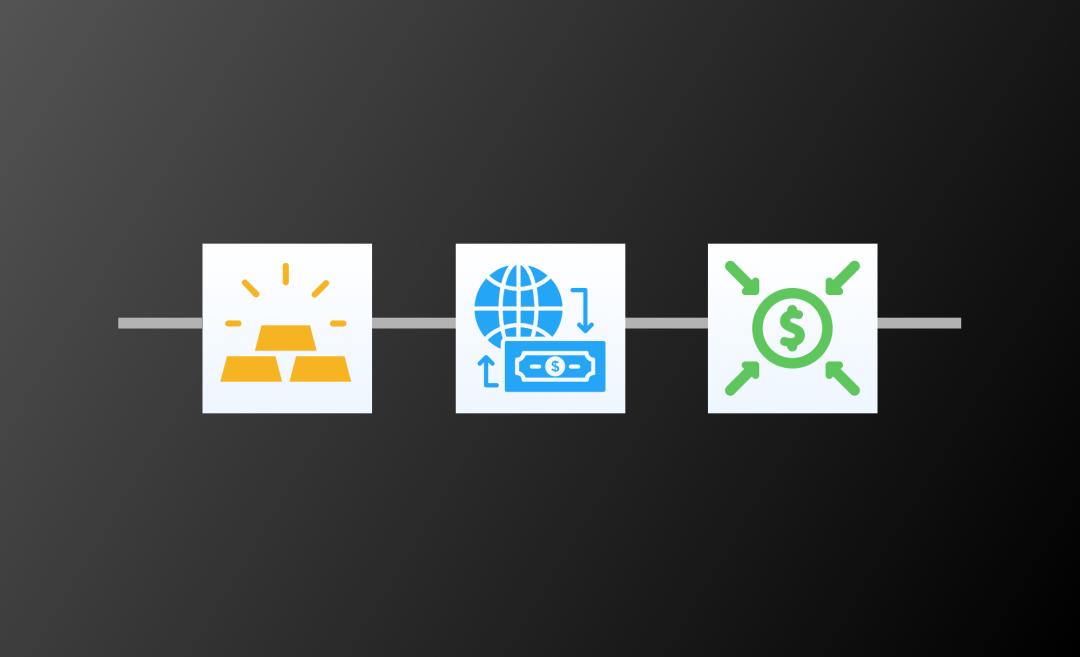
Blockchain at the time had provided 10x improvements in at least three multi-billion dollar sectors, in digital gold, international wire transfers and crowdfunding.
Stablecoins: designing a price-stable cryptocurrency -- Haseeb Qureshi, Dragonfly Capital GP
One-liner: There is no ideal stablecoin.
Haseeb Qureshi says that useful money should be a medium of exchange, a unit of account and a store of value. Cryptocurrencies are pretty bad as stores of value or units of account. So we need stablecoins tied to stable assets like the DOLLAR.
Staboins cannot remain stable all the time, but they can remain stable within a certain range of market behavior. The key question for each mechanism is how much volatility can it support? Bubbles and air coins have to burst because we're all dead in the long run, so a stablecoin is stable even if it only lasts 20 years. Stablecoins mainly depend on four aspects: how much volatility can they withstand? How much trouble is it to maintain the system? Is it easy to analyze the range of fluctuations? How can traders transparently observe market conditions? The latter two points are important in determining whether or not a death spiral will occur. The ideal stabler coin should be able to withstand large market fluctuations, not be extremely expensive to maintain, be easy to analyse stability parameters and be transparent to traders and arbitrageurs.
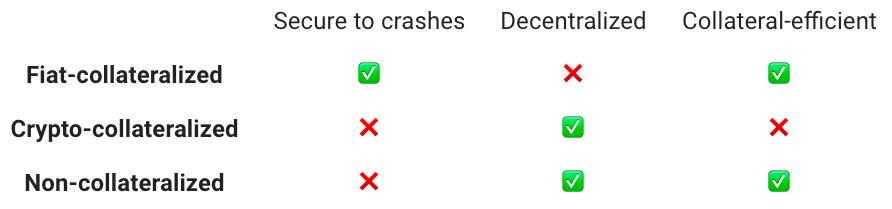
How to design a stablecoin? The classification of stable coins includes three major categories: legal coin collateralized coins, Token collateralized coins and non-collateralized coins.
Fiat collateral: 100% stable, simplest, chain imperishable, but centralized, cumbersome to clear, highly regulated, requiring regular audits to maintain transparency.
Collateralized Token: more decentralized, cheap to clear, very transparent, can be leveraged, but the crash will automatically clear, the price is not the most stable, highly correlated with Token, capital inefficient, most complex.
Uncollateralized currency: requires no collateral, is mostly decentralized and unrelated to other assets, but requires continuous growth, is susceptible to macro influence, is difficult to analyze stability, and has a certain complexity.
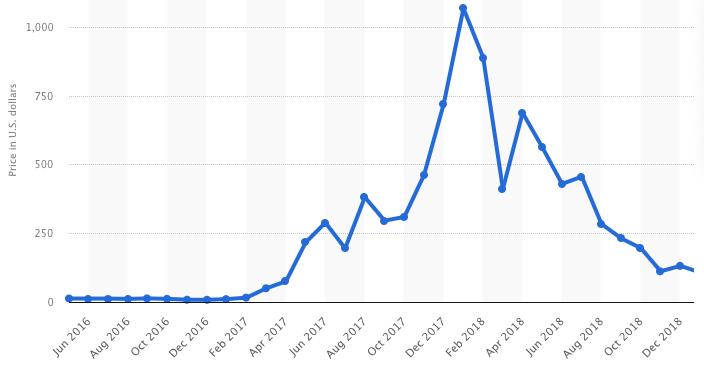
In 2018, the long bear market arrived, and the year's classic ideas and stories were suddenly scarce. The doomsayers think they've been too wise to see through the bubble, and the holdouts are still digging deep into Crypto, building infrastructure, raising awareness, and preparing for the next explosion, and they're still exploring the strengths and nature of Crypto.
2019: Crypto winter
Yes, You May Need a Blockchain - Balaji Srinivasan
One-liner: Blockchain is a better database for the Web.
Balaji illustrates the importance of blockchain from a database perspective. Some developers say blockchain is just a bad database, why not use PostgreSQL with high performance and maturity? Sceptics see blockchains as slow, stupid and expensive databases.
Balaji counters that a public chain is a massive multi-client database where each user is a root user. Such a database helps store shared state between users, especially if that data is valuable, say, money.
At the same time, the public chain data is open, anyone can read all the data in the public chain to create a block browser, anyone can use their own wallet to write to the public chain. Anyone with an Internet connection can read it. Anyone with some BTC can write a transaction. Anyone with enough computing power can mine bitcoin blocks. That's what a public chain means: every user is root.
The future of decentralized finance - Linda Xie
One-liner: DeFi is the future of finance.
Linda Xie talks about DeFi's future. DeFi aims to recreate much of the existing financial system (e.g. lending, loans, derivatives), but in a usually automated manner and removes the middleman. The article covers some of the directions DeFi is going and some of the possibilities that may arise.
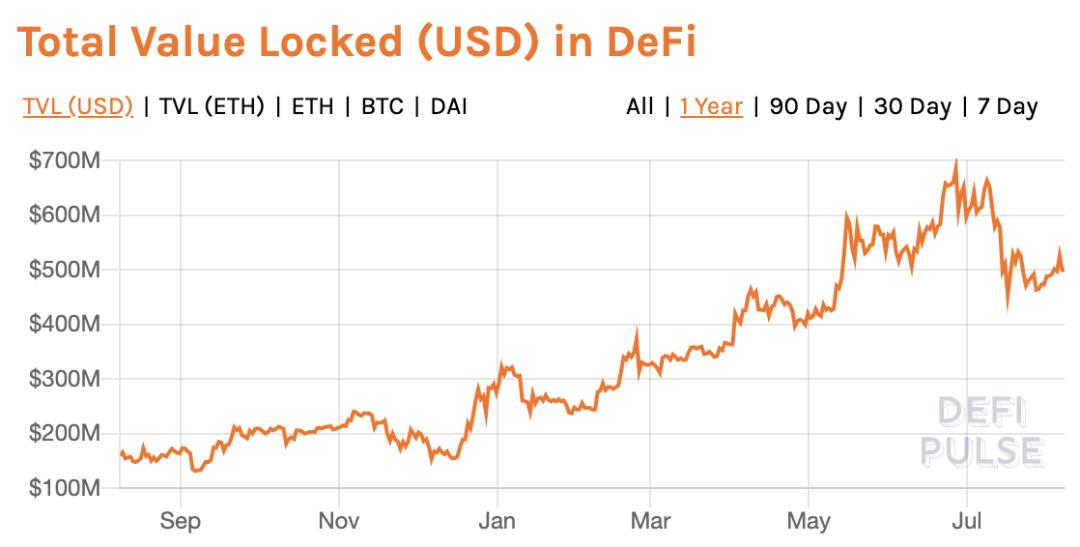
Collateral: One of the main complaints about DeFi is that excessive collateral is required to obtain a loan. Who would want to lock up that much capital? This is a highly inefficient use of capital and many people do not have extra funds to begin with. However, $500 million is already locked up in DeFi. (If you click on the link today, it's 75 billion), which shows you need to use it. The main goal is to leverage. Linda believed that it was still in the early days of DeFi, and there was no relevant DID and reputation system. Once there was a better identity and reputation system, the collateral requirements would decrease (Lens Protocol?). .
Composability: One of the most unique aspects of DeFi is composability, being able to interject like Lego pieces and create entirely new content.
资产: Linda 很喜欢把比特币等资产的 Token 化版本引入 DeFi. 她试想之后传统投资者会将不同资产以 Token 化形式表示, 然后进行 DeFi 操作.
Risks: Linda thinks DeFi is a big risk because of the composability of contracts and the complexity of new protocols. There is also the risk of collateral prices falling and the risk of future regulation. She thinks some risks could be hedged with decentralized insurance programs.
Finally, Linda concluded that it was still early days at DeFi, but the potential was huge. DeFi has made financial products available to many people who were excluded from traditional finance, and created many new financial products. Many of the complaints about DeFi were simply because it was so early, and the attraction between developers and users made her feel good about DeFi's future.
The Pseudonymous Economy - Balaji Srinivasan
One-liner: Alias economics matters.
In this talk, Balaji talks about the alias economy (not the anonymous economy). Aliases are your identities in Discord and Reddit, for example.
He discusses the importance of pseudonyms for people in the real world. A bank account stores assets. Your real identity stores credit and reputation. A bank account is something only you can change.
Balaji believes that a person's assets, speech, and identity should be kept separate. He uses Twitter as an example of how a person's reputation (followers, etc.) can be transplanted to an alias with zero proof of knowledge, as easily as a transfer of assets. This creates a balance between privacy and reputation, successfully separating identity and reputation.
2019 is still Crypto winter. Most people think Crypto has run out of space, that's what it's worth. The long period of indifference has made most practitioners lose confidence, but there are still some who maintain independent thinking in the valley of despair, and persist in exporting ideas, exploring different fields and imagining the future in the darkness before dawn.
2020: Crypto is ready to take off
Credible Neutrality As A Guiding Principle - Vitalik Buterin
One-liner: Credible neutrality is important.
Vitalik Buterin 探讨了可信中立性的重要性. 人们会对政府的安排, 项目 Token 的分配, 和审查制度和意识形态感到不安. 这实际是可信中立性缺失而导致的一种不安全感. 我们需要一种新的机制 (算法加激励) 来保证可信中立性.

A credible neutrality build needs to satisfy the following characteristics:
Don't write specific people or specific results into the mechanism (the input should be more of an input to the actor than a hard-coded rule)
Open source and publicly verifiable (zero knowledge proofs get this very well as privacy)
Keep it simple (it's the most complicated)
Don't change too often
The validity of credible neutrality is also important. Any creation we make needs to be effective, not purely for the sake of credible neutrality. We have to have something that actually works and solves problems.
Vitalik concludes that it is increasingly important to ensure that the system does not end up empowering the few. We can create credible rules systems, so we must ensure credible neutrality, validity and decentralization.
A Beginner "s Guide to backstepping Finance (DeFi)& NBSP; - Sid Coelho - Prabhu
One-liner: An introduction to DeFi.
This article is a very detailed and clear introduction to some of the basics of DeFi, as well as a beginner's manual. I won't elaborate on that here.
The Ownership Economy -- Jesse Walden, Founder of Variant Fund
One-liner: The economy of ownership is the next big narrative for the Web.
Jesse Walden talks about the ownership economy in this article. The investment logic of Variant Fund also focuses on ownership economy. He sees the economy of ownership as the next frontier for Crypto and consumer software.
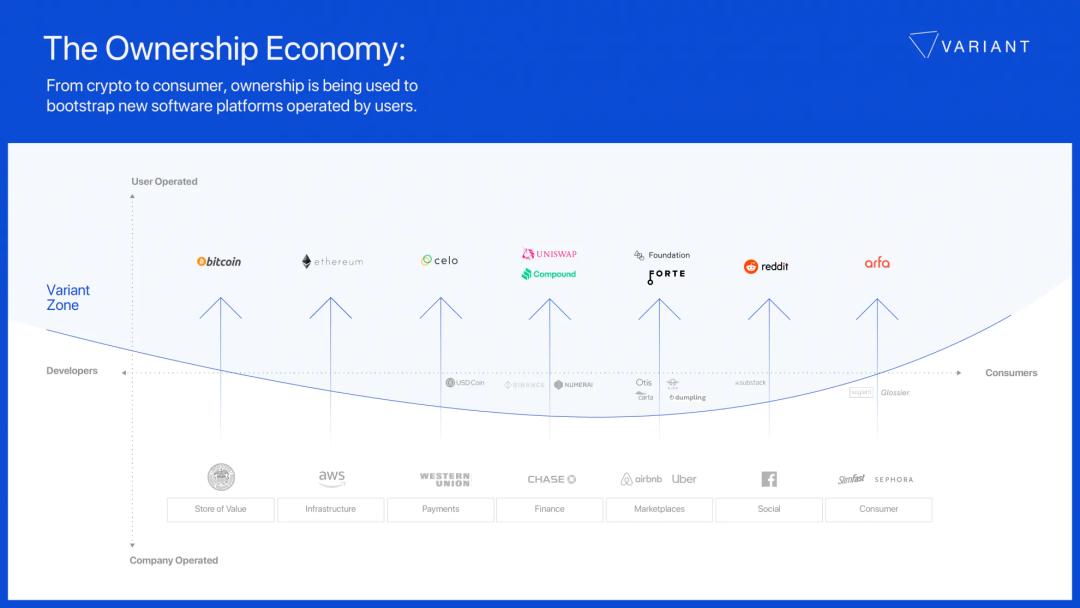
Ownership is a powerful incentive for users to contribute to the product in deeper ways, helping to ensure that the product is better aligned with users over time, allowing the platform to grow more and stay creative, building network effects.
From IP, HTTP, HTML, to RSS, innovations in BitTorrent protocols have been disruptive. Consumers want it, so destructive deals emerge. Crypto is also a disruptive protocol innovation that allows us to distribute value and ownership in the same way That BitTorrent distributes data packets.
比特币和以太坊成功的核心就是用户所有权. 矿工, 用户和开发者可以真正拥有这个平台, 赚取价值. Token 的经济激励让协议的发展变得飞速. 所有权经济的典型代表还有 Celo, Binance, Compound, Uniswap, Reddit 等.
Software is eating the world, and the economic narrative of individual ownership is eating software.
Bitcoin for the Open-Minded Skeptic - Matt Huang
One-liner: Bitcoin isn't perfect.
Matt Huang explains some of the open doubts about bitcoin. For one thing, we must insist on dialectical thinking, rather than obsessing over it and not seeing the other side of things. While bitcoin has made a fortune for investors over the past decade or so, it remains controversial.
Why is bitcoin needed in this era? Because we need a new financial system. The concept of money is one of the greatest inventions of the human mind (another is writing). The main function of money is to store value, which allows purchasing power across time and geography. Gold has long been considered a store of value. The dominance of paper currencies and the dollar depends largely on trust in government.
Bitcoin, as a decentralized asset, combines gold scarcity, monetary nature, and digital transferability to hold huge store of value potential. It's scarce, portable, interchangeable, divisible, durable, and widely accepted (but not yet obvious). Beyond that, bitcoin is digital, programmable and censor-resistant.
Bitcoin has had four bubbles in its 11-year history:
2011: $1,312
2013: $13,266,65
2013-2015: $65, 1242, 200
2017-2018: $1,000, $19,500, $3,500
Each bust has led to a broader belief, expanding Bitcoin's potential as a store of future value. But bitcoin has many risks: widespread acceptance, volatility, regulation, technical risk, competitive risk, and uncertainty.
After understanding the advantages and risks of Bitcoin, we can better evaluate the risks and returns, and better understand bitcoin.
Creators, Communities, and Crypto - Fred Ehrsam
One-liner: The title sums it up pretty well.
Fred Ehrsam, Blake Robbins, and Jesse Walden discuss Crypto with creators and communities.
Some of their highlights are:
People are guessing ideas instead of delivering real products.
Fan networking and financial incentives are an important part of the next generation of the Internet.
Bitcoin is financial in nature, but first and foremost a social community.
It is worth exploring to financialize creator economy.
Fame is a self-reinforcing phenomenon, especially in the algorithmic world.
Creators are likely to start with distribution rather than crowdfunding.
Having an imperfect prototype is a mental crutch that helps people adapt to a new pattern.
Communities will be formed like digital nations or states.
What explains the rise of AMMs? - Haseeb Qureshi
One-liner: AMM is a great temporary stepping stone.
Uniswap is essentially a stupid x * y = K market making robot. But it is already the largest DEX in the world.
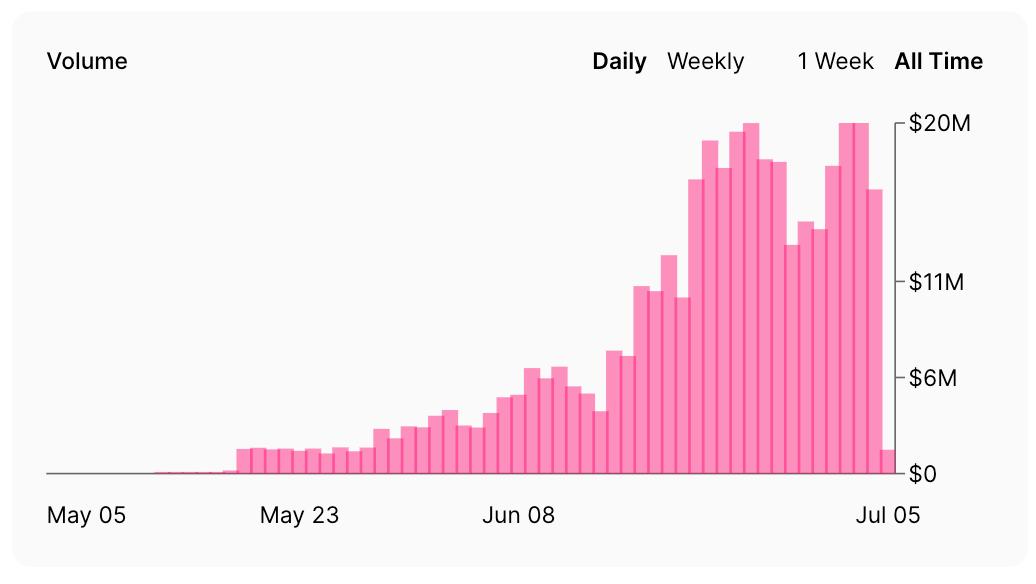
Uniswap has taken DeFi by storm with a simple 300 lines of code, providing services to anyone without permission and without any predictor. Uniswap has also been followed by a number of distinctive descendants, each with their own distinct strengths.
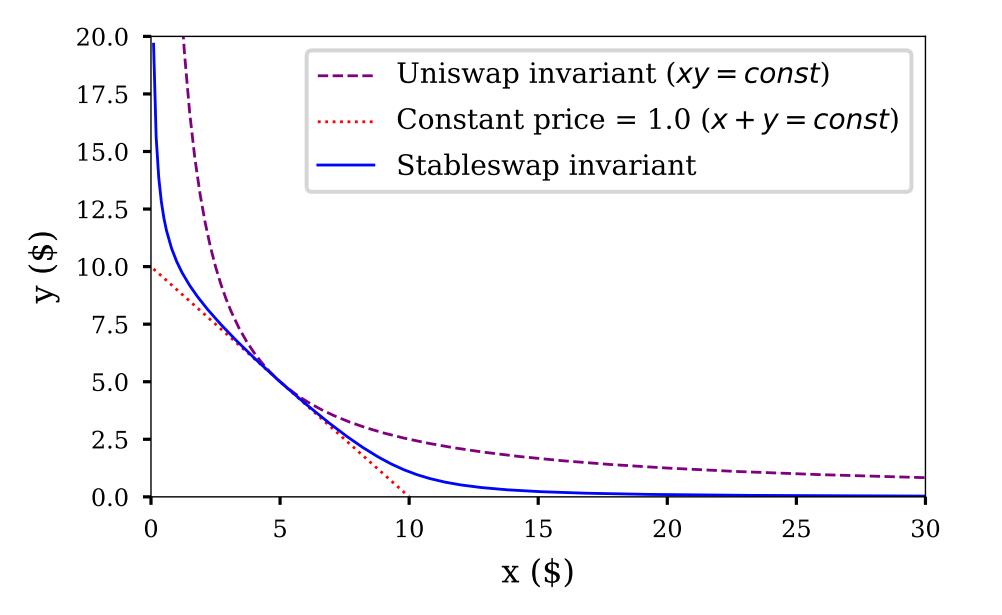
Haseeb believes Uniswap beat the order book for four reasons: simplicity, little regulation, ease of providing liquidity, and ease of creating incentives. Still, he thinks Uniswap's success won't last forever, and that AMM and CFMM are likely to be just a technical transition, a temporary stepping stone.
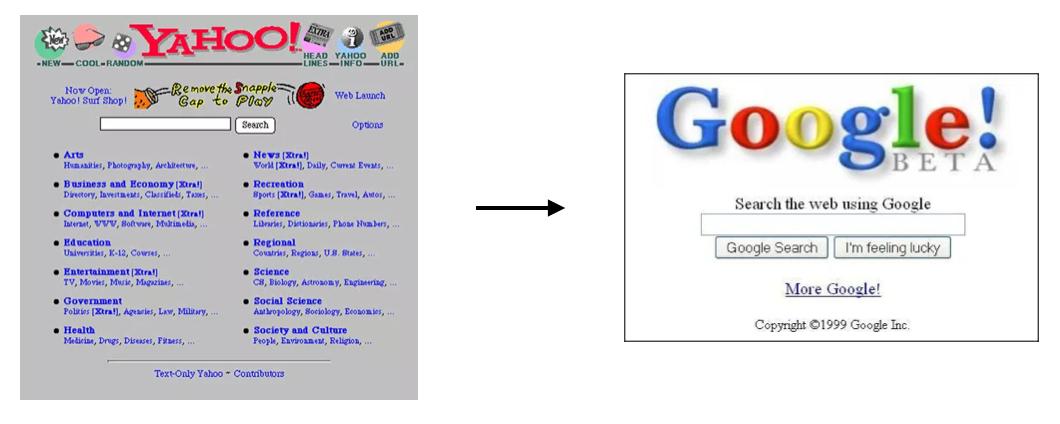
Ethereum is a Dark Forest -- Dan Robinson and Georgios Konstantopoulos;
One-liner: Ethereum's MEVs are terrible predators.
Ethereum is an eerie dark forest of apex predators. These predators use arbitrage robots to make money, and that's how the term MEV was coined.
Someone accidentally sent Uniswap liquidity to the contract address, and since these top predators are eyeing transactions in the memory pool, it's not easy to get liquidity out of the contract. The author and some contract engineers made a confounding plan to write a smart contract, but the rescue failed.
Ultimately, they learned that the monsters in the dark forest were real, that on-chain operations could not be undone, that normal infrastructure could not be relied upon, and that the future of Ethereum was much scarier. But this future can be improved with VDF and a revamped MEV.
A lot of things happened in 2020, such as the global outbreak of the epidemic, the crazy release of water by central banks of various countries to save the economy, and a lot of hot money slowly flowed into the Crypto field. At the end of this year, cattle came. Countless new blood, not only money, but also passionate young people, flowed into the Crypto circle. Blockchain's NFT and DeFi infrastructure is in place, buckle up and take off to the moon.
2021: Believe in Crypto
There are a lot of great articles to be written in 2021, but due to space limitations, this article will only extract the best of the best.
Surviving Crypto Cycles - Fred Ehrsam
One-liner: How to survive a Taur-Bear transition.
Fred Ehrsam teaches you how to survive a Bull bear transition. We need to lead by example by focusing on the mission, getting the main things right, stress testing, thinking about fundraising, careful team expansion, confirming the news through multiple channels and getting ready for the marathon.
After each cycle, the overall market is stronger, and in bear markets, you need to be ready to seize opportunities.
The Value Chain of the Open Metaverse -- Packy McCormick, Not Boring founder
One-liner: The value of the open meta-universe is infinite.
Packy McCormick talks from Web3 about the value chain in the open meta-universe.
Web3 is the next form of the Internet. It uses Crypto to reach consensus and standards, establishes decentralized interoperability networks through community governance, and endows users with self-sovereign identity.
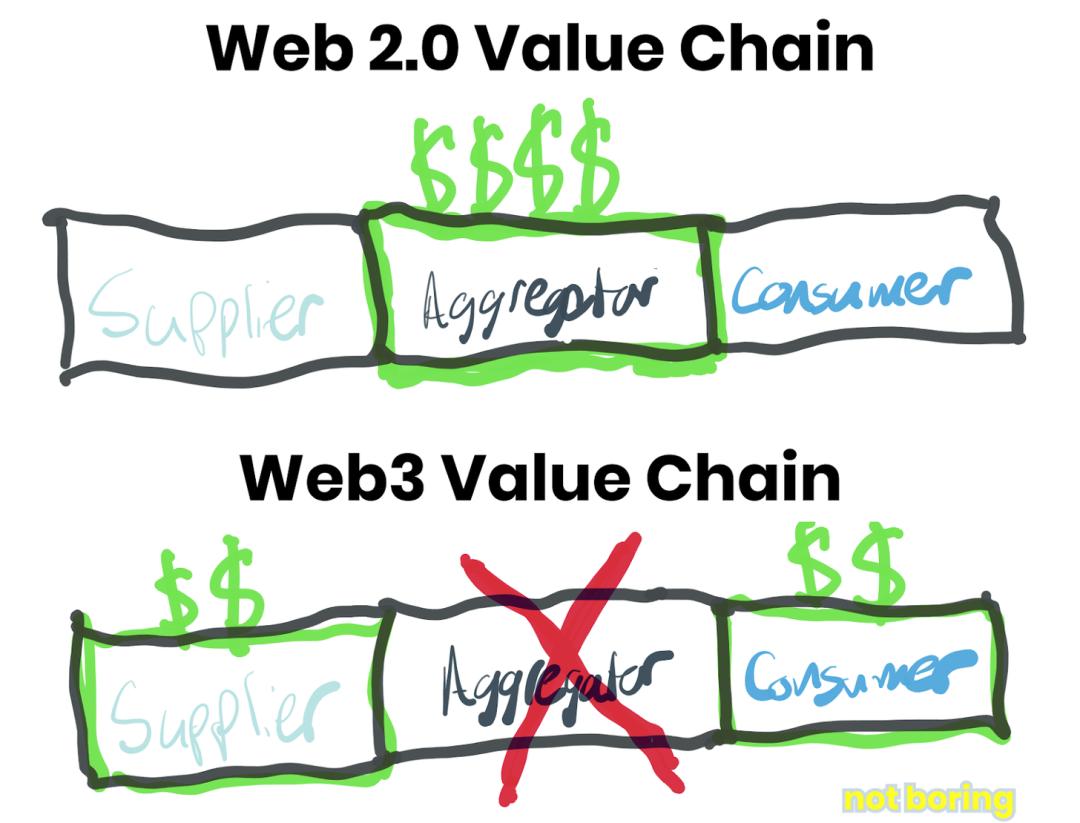
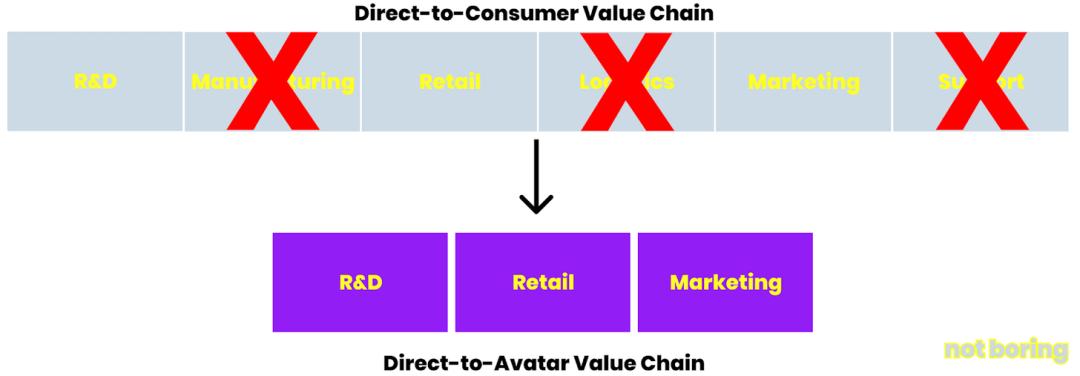
The value chain of the open meta-universe will be direct r&d, retail, and marketing, cutting out a lot of the middlemen. The games of the open metaverse are capitalist and idealistic.
MEV and Me - Charlie Noyes
One-liner: Principles and influences of MEV.
Charlie Noyes explores the concept of MEV in detail. MEV stands for Miner Extractable Value, which measures the profits miners can earn by collating transactions within the block, such as copying arbitraggers' trades for their own profit, which may lead to bids from other robots.
MEV is bad for Ethereum and the average user. The figure below shows the realized MEV benefits, but the actual MEV behavior is actually higher.
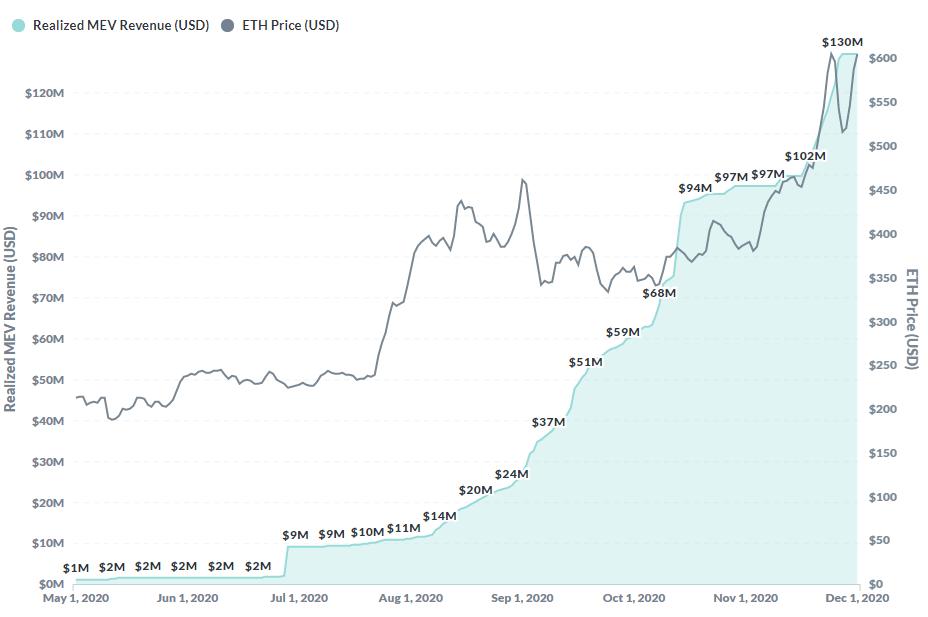
The generation of MEV is a common problem caused by the complexity and state of blockchain. An ideal solution would be better design at the application level, or to mitigate MEV by improving safety incentives (EIP-1559). MEV is a path well worth exploring.
NFTs make the internet ownable - Jesse Walden
One-liner: NFT is a file system that cannot be copied on the blockchain.
Jesse Walden argues that an easy way to think of NFT is as an unreplicable file on a blockchain.
NFT makes it possible to own digital media assets, just like owning digital currency assets such as Bitcoin. NFT will allow creators, audiences, and developers to make more money in the digital ownership market.
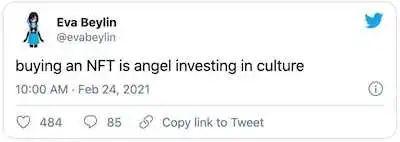
A common criticism of NFT is that NFT works are replicable. But the more documents are copied and viewed, the greater the cultural value.
NFT is worth the same as Bitcoin, and the more people who believe in it, the more it is worth. In the long run, DeFi is Financial Lego and NFT is media Lego. The development of NFT is just beginning.
NFTs and A Thousand True Fans - Chris Dixon
One-liner: NFT has huge fan economy potential.
Chris Dixon cites 1,000 examples of true fans, demonstrating the potential of NFT. NFT can accelerate the trend for creators to earn revenue directly from fans, provide better economics for creators, remove intermediaries, enable granular price stratification, and allow users to truly own NFT.
A beginner's guide to DAOs - Linda Xie
One-liner: Introduction to DAO.
Linda Xie's introductory tutorials are excellent, this time she introduces DAO concepts, applications, tools, future, and potential problems.
The Most Important Scarce Resource is Legitimacy - Vitalik Buterin
One-liner: The risks and potential of acceptance.
Vitalik Buterin discussed the relationship between blockchain and Legitimacy and how to capitalise on it.
The spending patterns of bitcoin and Ethereum networks are serious resource mismatches. The benefits to miners far outweigh the costs of research and development. While bitcoin and the Ethereum ecosystem can raise billions of dollars, it is very strange and difficult to understand how the money is used.
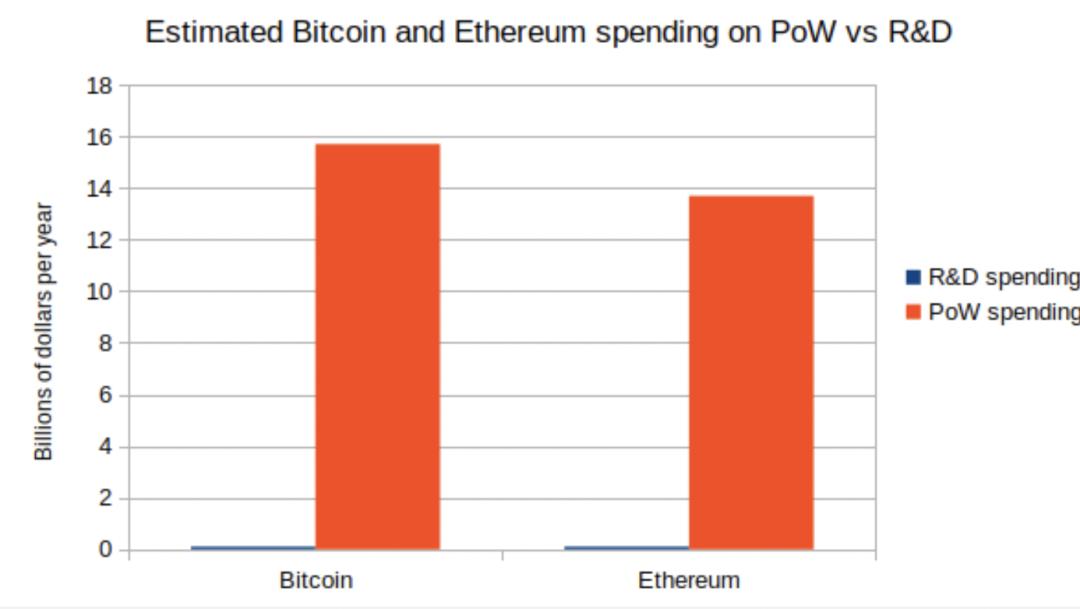
We can use the concept of legitimacy to support the funding of public facilities and public goods. NFT, for example, is a great example, a great boon for an artist or an organization.
The Great Online Game - Packy McCormick
One-liner: Crypto is a fun game.
Packy McCormick discusses games on blockchain in this article. Crypto is a fun game, played by billions of people online. Social media is a clear manifestation of the game.

Crypto is money in Internet games. The more you care about your identity, the more you open up new possibilities and the more attracted you are to NFT.
For this game, don't take it too seriously, don't wait for the perfect time to jump in, but slowly learn, slowly accumulate.
India & Crypto series - Balaji Srinivasan
One-liner: India and Crypto are both very promising markets.
In this series of three articles, Balaji Srinivasan focuses on India's relationship with Crypto and the great Crypto potential of India in the future.
Own the Internet - & have spent by Packy McCormick
One-liner: The full value of Ethereum.
Not Boring takes an in-depth look at the value of Ethereum.
Ethereum is a decentralized world computer that is the backbone of Web3. It is also the Internet currency, the ownership of the Ethereum network, the currency used in Crypto, the great online game, yield-generating, store of value, wager on Web3.

Why web3 matters - Chris Dixon
One-liner: Definition of Web3.
Chris Dixon 完整定义了 Web3. Web3 是一个可以被开发者和用户以 Token 形式所拥有的互联网.
为什么 Web3 重要? 因为去中心化重要 (可以回过头来看他 2018 年写的那篇文章). 在 Web3 中, 所有权和控制都是去中心化的, 人们可以通过拥有 Token 来拥有服务 (NFT 和 FT).
Web3 is an amalgam of the advantages of the Web before it. We were early participants.
Composability is Innovation - Linda Xie
One-liner: The title sums it up pretty well.
Linda Xie discusses the biggest innovation: composability.
The DeFi example illustrates the composability of currency Lego. Through the use of smart contracts, tokens can be used across applications, from loans to derivatives. For developers, composability allows them to build on top of other projects, such as adding DeFi components to games and adding games to DeFi. The financialization of NFT also provides unlimited composability and capital utilization. Mirror and Zora work together to the advantage of each other's ecology.
Composability, like the Internet, has fundamentally changed the industry, opening up a whole new world of possibilities. Just leave it to the ideas.
The Strongest Crypto Gaming Thesis - gubsheep
One-liner: Crypto-native game.
Crypto is not an incremental innovation, but opens the door to a new world. Games are a leading indicator of emerging technologies, an area where the future can be explored with relatively low risk, allowing for faster iterative cycles.
True Crypto-native games use blockchain as storage, smart contracts to implement game logic, and are developed according to open ecological principles, including digital assets.
Endgame - Vitalik Buterin
One-liner: The endgame for Ethereum expansion.
Vitalik explains the endgame of ethereum expansion.
Rollup is an inevitable trend for Ethereum, but there will be a gradual centralization of blocks. One possibility is that a Rollup dominates the Layer2 ecosystem, as is the case with blockchains such as BSC. Another possibility is that a hundred flowers are blooming and the rollups are all competing and cooperating, which will result in miners making multiple rollups for MEV, and the more skilled ones will gradually monopolise the task of being the Rollup nodes.
All of these routes lead to the same outcome: block production is centralized, but verification is distrusted, decentralized, and censoring resistant.
Trading the metagame - Cobie
One-liner: Crypto's investment logic.
Cobie makes a similar point to Packy, saying that investing in Crypto is like playing a video game.
The games Crypto invests in mainly consist of the following two fun meta-games: Ethereum and Ethereum Killer games and NFT project games. These are the two big trends for investment in 2021. The biggest winners are those who understand both metagames and the principles behind them.
The metagame for 2020 was DeFi Summer, which turned into BTC by the end of the year, and then turned into DeFi revival, Shit Coin, Alt L1, and Retro NFT. When a player fails to identify the correct metagame, they lose. A metagame starts with long-term investment, becomes popular, and ends with imitators.
It is also important to understand the principles behind metagame. Nocturne is strong for a time in LOL, for example. You can use the hero until he is no longer strong. It is important to understand the DeFi difference between Avax and Sol. There is no major difference between Sol and Avax, but Avax's ecology is more community-oriented, so that the owners reap the benefits.
Learning from successful people is an important part of winning games. Also, observe the community. As well as some skills outside the field of Crypto: new online assets are likely to rise, chain analysis, whale wallet observation......
Cobie also recommends a few tips for winning the game:
Identify metagame early and increase holdings over time.
After a temporary failure, take a break and refocus your mind on something new.
Traders can use metagame to exit or rebalance long-term positions.
Metagame can help determine which assets are suitable for derivatives trading.
We need to think independently to identify biases in our thinking, which is likely to take a long time.
By the time metagame is the consensus of all participants, it is already too late.
The Mirrortable - Balaji Srinivasan
One-liner: Crypto venture capital.
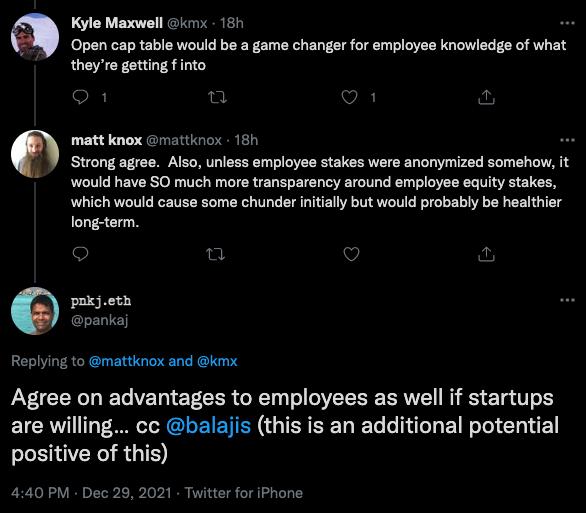
The Mirrortable concept is mainly crypto-cap Table.
There are a lot of Web2 tools involved in angel investing (Docusign, etc.), and there are more mature and stronger tools in Web3. Current PDFS, emails, and forms are outdated and confusing, and very expensive for individuals to maintain. The ideal investment process of Web3 can link up each investment and integrate the components on and off the chain.
2021 is a year of excitement, with the currency going up and down many times and people losing their sensitivity after Edging so many times. But this is the year that Crypto came into broad view. Bitcoin vending machines can be seen everywhere in the streets, big exchanges offer lavish sponsorship to sports teams, and numerous bans and regulations are also thrown at Crypto. The narration of "Web3" gives Crypto A positive view. Everyone feels like they're being righteous against the "Web2" oligarchy (though admittedly most are just in it to make a quick profit), crypto investors are convinced by a myriad of grand narratives, and ecosystems (not just Bitcoin and Ethereum) are gaining adherents.
2022: An unpredictable world
The year is not over yet, it happened yesterday, so I recommend reading these articles directly to keep up with the latest developments in Crypto.
2021 NFT Year in Review - 1 confirmation
One-liner: The title sums it up pretty well.
I won't go into the details in this article. But this roundup of 2021's NFT, at 32 pages, is proof enough of how hot NFT is in 2021.
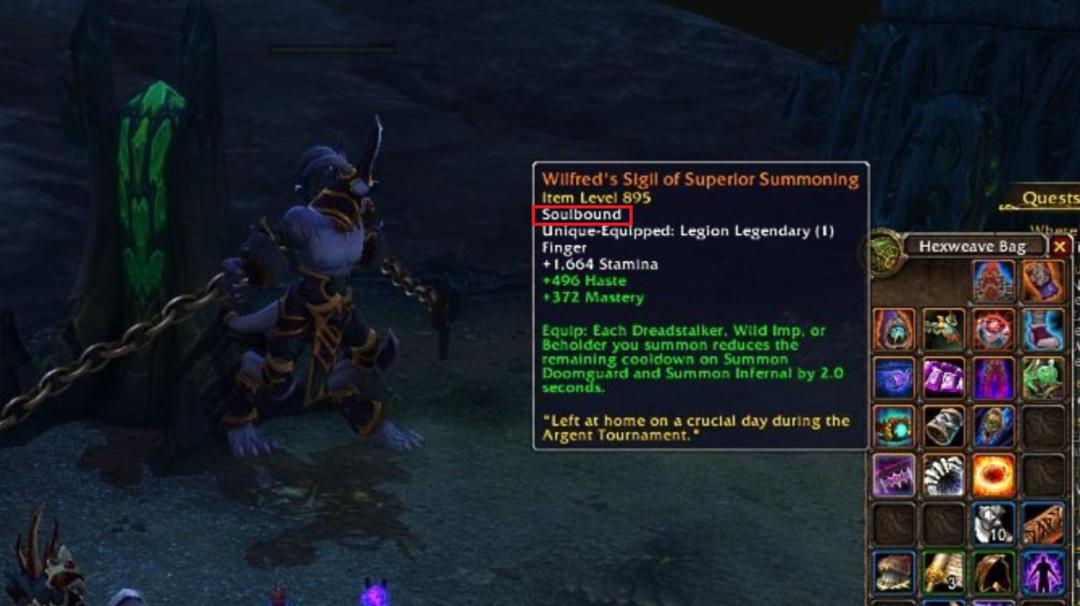
Soulbound - Vitalik Buterin
One-liner: Soulbound NFT.
As a veteran of World of Warcraft, Vitalik discusses decentralized identity through the concept of soul binding.
Hyperstructures -- Jacob Horne, Founder of Zora
One-liner: The title sums it up pretty well.
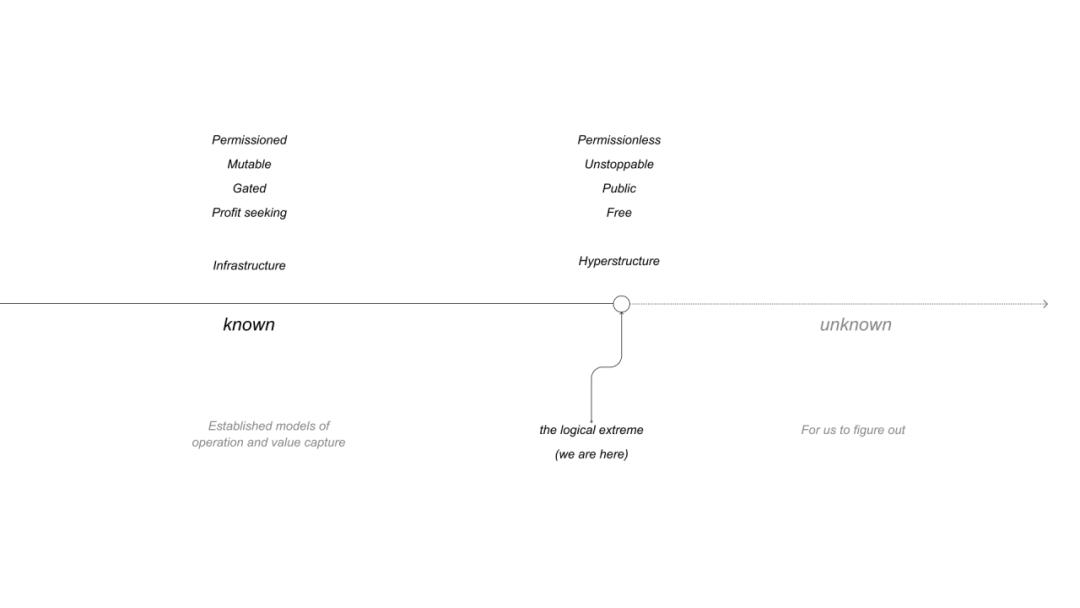
Jacob Horne proposed a new concept, Hyperstructure, which would be Crypto's new mental model.
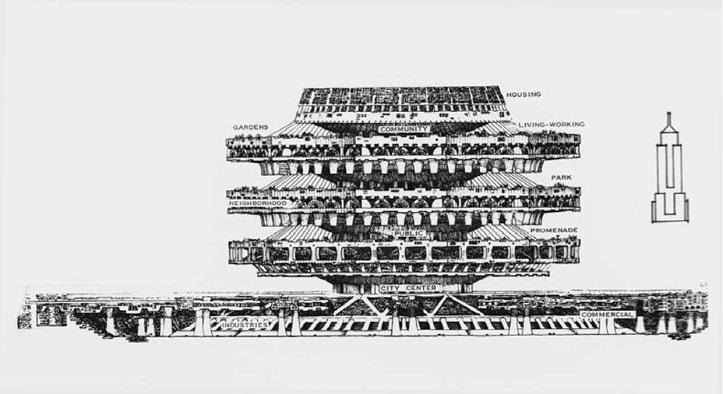
Hyperstructure will serve millions of interfaces, and the value of the Hyperstructure can be returned to the ecosystem. The construction protocol has priority, high mobility, and the ownership and governance rights of participants are granted. The construction cycle is long.
Jacob likens Hyperstructure to social infrastructure, believing it will be a beautiful foundation created by the Internet age for the benefit of future generations. We are entering new territory, and we should embrace this unknown change.
Sufficient Decentralization for Social Networks - Varun Srinivasan
One-liner: The next generation social network.
Varun discusses the full decentralization of the next generation of social networks, the decentralization of networks, the decentralization of name registrations, and effective incentives for early members of projects.
2022 is just getting started, but my exploding Twitter follow list makes me feel like it's all moving too fast. In a bear market, powerpoint projects can raise millions of dollars. Different new topics emerge, ZK, NFT, infrastructure, Alt-EVM, DeFi, regulation...... Politics, economic situation, humanities...... It's all crazy, but I'm sure it's only gonna get crazier.
conclusion
From 1997 to 2022, Crypto has a more and more diverse community, each point of view began to surface, affecting the field from the bitcoin field, more and more widely, expanded to the humanities, economy, politics..... Crypto spirals up in a cycle of collapse, fusion and rebirth.
By observing the views of the winners of the Crypto game, we find that there are actually countless codes of wealth in these long-term Foresight. It takes two or three years after their articles and tweets for us to say, "Oh, that's it." The wonderful ideas that we came up with, we talked about a lot three or four years ago.
But it doesn't really matter, all we have to do is learn and think. The more you learn, the more you earn; the more you know, the more you grow. The sermon is heard in no order.
Thanks to Dan Romero for creating the Crypto Readings reading list. This article is based on the reading list.
Links:
1997:
https://book.douban.com/review/13489362/
https://bitcoinmagazine.com/culture/bitcoin-and-the-sovereign-individual-thesis
2008:
https://cointelegraphcn.com/news/bitcoin-white-paper-turns-13-years-old-the-journey-so-far
https://www.sohu.com/a/457337744_120340030
2021:https://www.sohu.com/a/507780263_121118710
The original link
Welcome to join the official BlockBeats community:
Telegram Subscription Group: https://t.me/theblockbeats
Telegram Discussion Group: https://t.me/BlockBeats_App
Official Twitter Account: https://twitter.com/BlockBeatsAsia

 Related Articles