Explain the working principle and usage of Cosmos Gravity Bridge
Everything You Need to Know About the Gravity Bridge Chain
Source: Cosmos blog
Hu Tao, Chain Catcher
Gravity is the fundamental force of the universe that aligns all the planets in their orbits in the combinable universe. Like Gravity, the Gravity Bridge aims to funnel the liquidity of the Ethereum ecosystem into the Cosmos ecosystem through a simple no-trust and interoperable design.
Interoperability and authenticity are the spirit of Cosmos and blockchain Internet and it is these very core value propositions that will propel the ecosystem into the Cosmos DeFi era with Gravity Bridge!
Gravity Bridge Milestones to date
Gravity Bridge recently announced several exciting milestones:
▪️ Within weeks of enabling Cross-Blockchain Communication (IBC) (Cosmos Interoperability standard), Gravity Bridge entered the first 15 Cosmos Chain blockchains open on mapofZones.com
▪️ Cosmos NFT platform Stargaze is working with Gravity Bridge, The initial airdrop to send NFT from Ethereum to CosmosATOM pledgee and OSMO community pool helped start distributing GRAV (Gravity Bridge's native token) to the community
Forced the ️ & have spentGravity GrantsProposed governance to distribute GRAV tokens to teams building bridge tools and other infrastructure that benefit the Cosmos ecosystem.
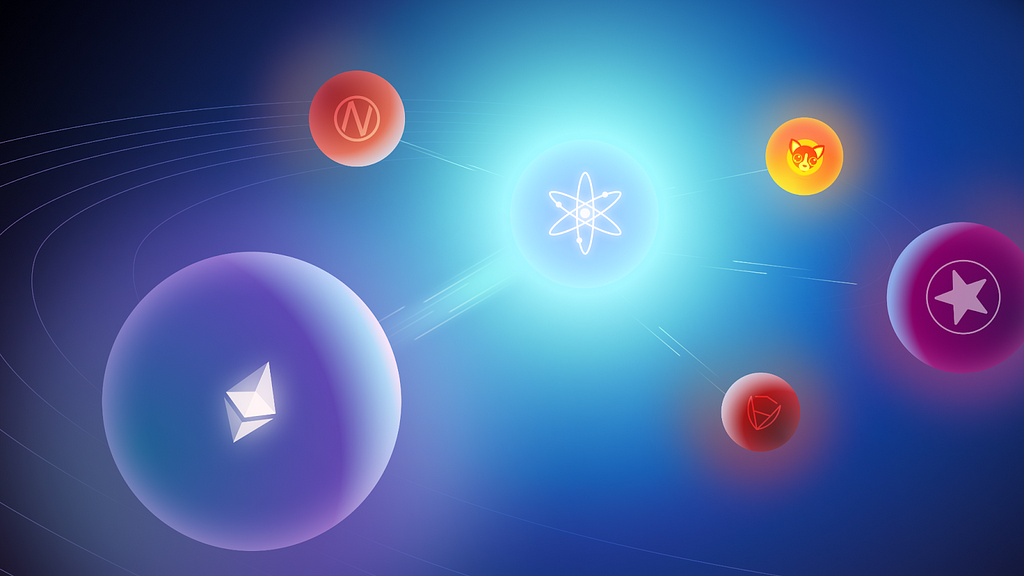
▪️ Cosmos Hub and several other Cosmos chains (Stargaze, Nym, Comdex, CertiK and Chihuahua) connect to the Ethereum ecosystem
▪️ You can now use ATOM with Ethereum DeFi
What is a Gravity Bridge?
The neutrality of the Gravity Bridge block here means that the entire focus of the Gravity community is on providing Bridges as efficient and safe as possible, rather than DeFi apps on the local chain. This neutrality aggregates transactions from multiple blockchains and sources, improving efficiency and reducing costs. All control of the Bridge is handled entirely by the Gravity Bridge validator set.
Best features:
▪️ Gravity Bridge protocol is an extremely simple cross-chain Bridge design that focuses on providing better security by eliminating design complexity.
▪️ highly decentralized: All funds are directly controlled by verifiers (currently 140) secure and censor resistant: Advanced forfeiture ensures that verifiers cannot sign or submit bridge messages without consensus consent.
▪️ built for Cosmos: Built specifically for the Cosmos ecosystem as a neutral platform with a permissionless front end.
▪️ Gas efficiency: Rollup bulk transactions can reduce Gas costs for individual users by up to 96%.
▪️ Fast and Reliable: A strong relay reward system combined with reduced gas costs creates extremely fast and reliable transmission through a decentralized, self-funded relay community.
Gravity Bridge how it works
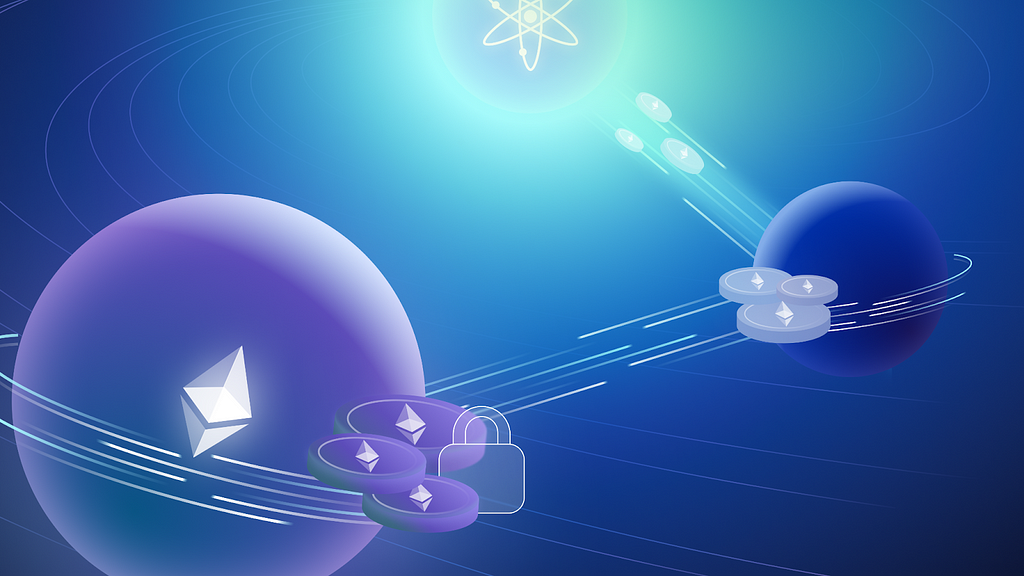
Unlike IBC, which is used with the final Cosmos chain, Gravity Bridge transfers assets between EVM blockchains such as Ethereum and ERC-20S, Polygon, etc. Gravity Bridge has two components defined:
1) Solidity contracts on Ethereum
2) Gravity BridgeGravity Bridge works in a similar way to all cross-chain Bridges: lock the local token on one side of the Bridge and mint a wrapper token for that token on the other side. The user then uses this wrapper token, which is then returned to the bridge and exchanged for a local asset on another chain.
The most critical component for bridging ethereum to and from is the Solidity contract. It holds local assets that are sent over the bridge.
Gravity.solSolidity contract developed by the Althea team to hold funding for Gravity Bridge on Ethereum. Compared to other bridge design trends, with just 580 lines of code, Gravity. Sol is compact and easy to view. It has gone through three independent teams (Informal,Least AuthorityandCode4rena) and is non-upgradable, meaning that auditors find it cannot be tampered with by any malicious actors and does not contain any type of trusted party.
Deposit:
Depositing assets from Ethereum into Gravity Bridge is permit-free and uncensored. Each validator proves every deposit event that occurs on Ethereum. Packaged tokens are minted when an event is proved by more than two-thirds of the verifier set. The verifier must submit all proofs in order.
Draft:
Gravity Bridge batch pulls transactions, placing multiple SendToEth messages in a single batch. This is like Rollup on Ethereum: performing many transactions in a single shared context is much more efficient than performing them individually.
This process provided significant efficiency gains, reducing gas costs by 96%.
For example, if the ERC20 transaction costs $20 to send, then transferring tokens from Gravity Bridge to Ethereum in a batch transaction costs only $4, which will be spread across all individual transactions in the batch, with the user paying less than $1.
The second advantage of batch processing is censorship resistance, since the Gravity Bridge protocol itself defines the transaction for each batch and then requires the verifier to generate a valid signature. It is impossible for the verifier to avoid signing a particular transaction or for the repeater to avoid relaying it.
Fines and Security:
To ensure Gravity Bridge the protocol generates which messages the verifier should sign next after submitting the signature, they are validated as part of the consensus, if the verifier does not sign the correct message, it will be rejected if the verifier does not generate the correct signature during the penalty period, They will be forfeited and kicked out of the Gravity Bridge validator set (they will also be removed from the Ethereum side of the Bridge) and anyone can whittle down the validators by submitting evidence of signatures in non-protocol messages
Gravity Bridge's signature evidence-based penalty makes it difficult for verifiers to collude to steal funds from the Bridge. In doing so, they risk any defector being fined while trying to collect the required signatures.
How do I use the Gravity Bridge
Gravity Bridge has a permissionless front end, and multiple teams have built user interfaces for sending assets to Cosmos or Cosmos assets to Ethereum. You can currently use the bridge to send between Cosmos and the EVM ecosystem:
If you want to get started with Gravity, the easy-to-use instructions can be found here:
Send Gravity Bridge tokens to Osmosis via IBC (Gravitons)
Tutorial documentation: Bridging tokens and using the Gravity Bridge
Proposals are in progress to support as many assets as possible and Cosmos Gravity Bridge already has some great project integrations including:
ATOM
HUAHUA
NYM
PERSISTENCE
STARS
COMDEX
The team behind Gravity Bridge
Contrary to popular belief, Gravity Bridge was not funded from the Cosmos Hub proposal, but was built and primarily funded by the Althea team with support from the Interchain Foundation, Peggy JV, and others, But there is a long history of being part of the Cosmos community and this is reflected in the allocation of 9% of initial tokens to the Cosmos core entity:
Core ecosystem & NBSP;
A total of 9.000%
Interchain Foundation & Cosmos Hub community pool 154,000,000 7.000%
Peggy JV. 22000000 1.000%
Ignite (formerly Tendermint) 22,000,000 1.000%
GRAV token allocation
The initial Genesis release illustrates the bridge's multiple sources of funding and development (development support and teams), including Althea contributions in order of value, Peggy JV and crowdsourcing funding, as well as grants from the Cross-Chain Foundation (ICF). Genesis also supports a strong development team and ecosystem consistency. The early Althea supporters and team allotment represented nearly 50 different entities and individuals who shared the blood, sweat, and tears of years of building the talent and code needed to bring the bridge to life and who will support it in the future.
Gravity Bridge also exists as an open source module that has benefited and will continue to benefit many other Cosmos chains in the ecosystem.
GRAV was minted and awarded by the Gravity Foundation without any previous GRAV token sales or contributions from the ATOM community pool. 7% of the tokens were allocated to the Cross-chain Foundation to fund and coordinate part of the development of Gravity Bridge technology. ICF dedicated 110 million Grav tokens (5% of total creation) to the Cosmos Hub community pool.
Before the cross-chain accounts are started and sent to the Cosmos Hub community pool, ICF delegates the tokens to a validator of the Cosmos Hub running on the Gravity chain. This will help ensure that atom-aligned Gravity chains continue to invite Cosmos Hub validators to further participate in the path towards adopting cross-chain secure Gravity Bridges. If you are an ATOM holder who wants the Gravity Bridge Chain to be cross-chain secure, consider delegating to the Cosmos Hub validator.
With the exception of the validators, all Creatives use a 4-year lock-in schedule: they are locked in for one year and released increments for the remaining 3 years.
Gravity sustainability and Cosmos growth
Unlike a dApp or DEX chain, Gravity is infrastructure. Like aqueducts, sewers, roads or Bridges, they must last for years and reliably provide "working" service. Therefore, when considering distribution, stakeholders should align with this use over time, not just "once and for all" airdrops. Gravity Bridge starts with the initial seed drop and suggests distributing GRAV to users and teams building and maintaining Bridges over time.
To this end, the other 50% of the Chuangsi coins were allocated to the Trands Community Pool to be distributed over the next few years to spur growth and support the maintenance and health of this critical infrastructure.
Once the community pool is distributed, the stakeholders of the bridge will be a dispersed pool of developers and bridge maintainers, ATOM and other Cosmos ecosystem holders, Cosmos core entities, and users of the bridge.
What's next?
Initial seed drop: Completed
Beta NFT support is complete
Initial Gravity grant proposal: early March 2022 & NBSP;
Gravity growth formation: early March 2022 & NBSP;
Mercury Updated March 2022
Mobility mining bonus for other DEX (TBD)
Additional EVM Chain Integration (TBA)
The staboins and liquidity flowing into the Cosmos ecosystem will fuel the Cosmos DeFi fire. Open interoperability and new sources of mobility will bring new participation to both decentralized applications and DeFi's thriving Cosmos ecosystem. The Cosmos DeFi era has arrived!
The original link
Welcome to join the official BlockBeats community:
Telegram Subscription Group: https://t.me/theblockbeats
Telegram Discussion Group: https://t.me/BlockBeats_App
Official Twitter Account: https://twitter.com/BlockBeatsAsia

 Related Articles