SEC Chairman's latest speech: Bitcoin, DeFi, and Regulation
原文标题:《 SEC 新掌门:大多数 crypto 是「未经注册的证券」,DeFi 平台或将受到监管 》
Source: Robert Schmidt & Amp; Benjamin Bain, Bloomberg
South Wind, Unitimes

In Washington, Wall Street and Silicon Valley, make sense of the SEC. Chairman Gary Gensler's position on cryptocurrencies has become something of a guessing game. Crypto lobbyists tuned in for his testimony before Congress. The lawyers analyzed his speech.Goldman sachs group inc.In a recent research note, wealth advisors at MIT boasted that they had attended 29 hours of public lectures by Gary Gensler in 2018 on Blockchain and Money. It's laborious work, but perhaps not all that surprising, since Gensler's videos of these courses have garnered millions of views online, surprising even Gensler himself.
In his first interview on the cryptocurrency craze, Gensler signaled to the crypto industry that his strong interest in the subject doesn't mean he agrees with the hands-off approach to regulation that many crypto enthusiasts want to see. Policymakers have been grappling with a nearly unregulated crypto market worth more than $1.6 trillion, which has seen explosive growth and wild price swings.
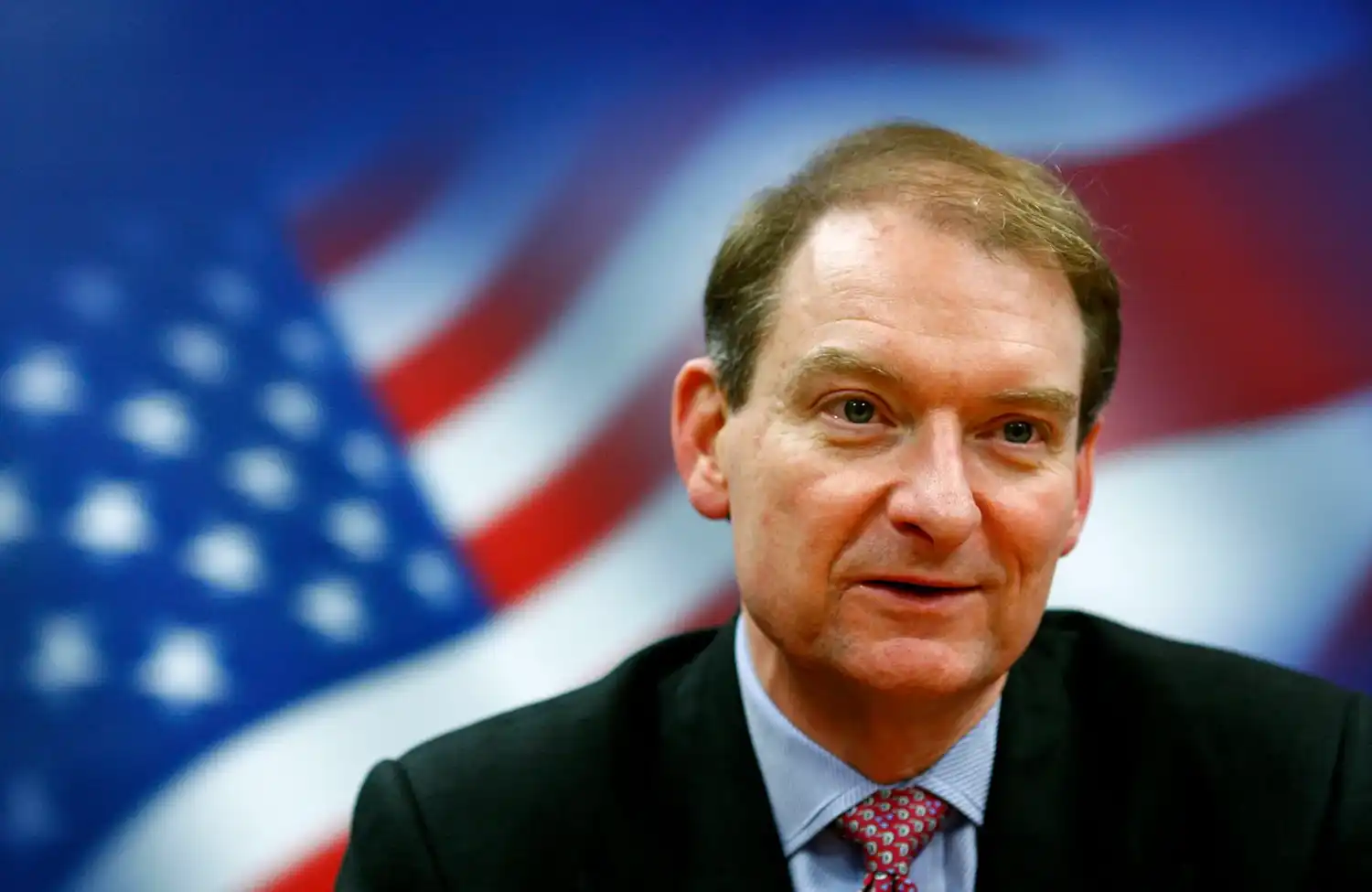
Gensler is considering a strong oversight regime that, at its core, will build safeguards for the millions of investors who hold cryptocurrencies in their portfolios. Gensler On Tuesday at the Aspen Security Forum. (Aspen Security Forum) to speak about cryptocurrencies. "While I'm neutral about the technology and even interested in it -- I spent three years teaching it [at the university] and getting into it -- I'm not neutral about investor protection," he says. "If someone wants to speculate, that's their choice, but we have a responsibility as a country to protect these investors from fraud."
Gensler has asked the U.S. Congress to pass a law giving the agency legal authority to regulate cryptocurrency exchanges, but he said the SEC's powers are already broad. For years, there has been debate about what types of digital assets fall under the SEC's purview. Some "currency-like" digital assets such as Bitcoin are considered "commodities" rather than "securities" by the SEC, but there are thousands of other cryptocurrencies, most of which Gensler believes are unregistered securities that must comply with SEC rules.
In general, Gensler noted that technology has driven economic progress throughout human history, and he sees a similar boost from digital assets, but this may only be possible with strong and thoughtful regulation. Using an analogy, he says the car industry did not fully develop until the government set driving rules; Speed limits and traffic lights have not only kept the public safe, they have also pushed cars into the mainstream. Gensler said, "A technology has only a chance of being adopted more widely if it is integrated into our public policy goals."

Gary Gensler says regulation can drive the development of new technologies.
Hester Peirce, a Republican commissioner at the SEC who is known for advocating light-touch regulation of digital assets, said she was eager to work with Gensler. "A lot of people just want more clarity on regulation," she said. "My view is that people should have the maximum freedom to voluntarily engage in the transactions they want. Society needs to debate what the right regulatory shelf is."
Gensler No timetable was given for the SEC's action.He has a to-do list that includes 49 non-crypto policy-related reviews that could slow progress on cryptocurrency regulation. Much of it involves high-profile, time-consuming tasks, such as dealing with & NBSP;GameStopThe deal frenzy and & NBSP; Archegos The closure of family offices. The SEC is also working to implement new rules requiring U.S. companies to disclose carbon emissions and other environmental risks, a priority for the Biden administration.
Gensler was reluctant to approve itThe currency etfs On the possibility of (ETFs). Many in the cryptocurrency space are eagerly awaiting the decision, as it will provide an easy entry point for investors. The Bitcoin ETF will invest in the cryptocurrency and then trade its shares on the stock market.So far, the SEC has refused to approve such funds, citing concerns about the risk of fraud and manipulation in the bitcoin market.Gensler made a positive statement about bitcoin ETFs while teaching at MIT, convincing supporters that he was a proponent of bitcoin ETFs. The SEC commissioner Hester Peirce even said it's "time" for the SEC to approve cryptocurrency ETFs.
Behind the scenes, Gensler has urged the agency's staff to consider a range of potential policy changes. He said there are at least seven SEC actions currently looking at different cryptocurrency issues: ICOs (initial coin offerings), trading venues, lending platforms, DeFi, stablecoins, crypto asset custody, ETFs and other crypto funds. Gensler said."I have asked SEC staff to use all of our authority wherever possible."
Gensler said he thinks regulating cryptocurrency exchanges could be the easiest way for governments to quickly master the trading of digital assets. But he is also worriedNew ways for people to enter the crypto space, such as in the so-called & NBSP; Peer-to-peer lending on the DeFi platform.Gensler said,These loans could be subject to SEC regulation if companies advertise a specific rate of return for a crypto asset. Platforms that aggregate digital assets could be considered similar to mutual funds, potentially allowing the SEC to regulate them.
Gensler As chairman of the Commodity Futures Trading Commission (CFTC) during the Obama administration, he was responsible for federal oversight of the vast derivatives swaps market after the financial crisis. Patrick McCarty, who teaches cryptocurrency at Georgetown University's law school, said Gensler's understanding of digital assets means he will give the industry a "fair hearing," though he may disappoint many supporters. "When crypto enthusiasts say they want clarity, they don't mean it. They want unregulation," McCarty said.
Christine Trent Parker, a law partner specializing in crypto assets at Reed Smith, a New York law firm, said that while the SEC's new rules will bring more certainty to the industry, But they are also likely to draw a clearer line between market regulation, with the CFTC focusing on markets related to virtual currencies such as Bitcoin and the SEC taking care of most other matters. "Right now, those lines are blurred because we don't have clear regulation," Parker said. "If the SEC had a broad framework that would encompass all other digital assets, you would have this bifurcated market." Others argue that new crypto asset developers need some regulatory flexibility to encourage innovation.
Gensler is also a member of the TREASURy-led FSOC (Financial Stability Oversight Council) and the President's Working Group on Financial Markets, which recently metA meeting on the effects of stablecoins. Regulators are worried if they prop up someStable currencyWhat happens when the value of the dollar assets issued does not reach the expected level. That could trigger a run on a bank or money market fund, sending investors fleeing in droes.Gensler's views on the panel carry weight, as they did with U.S. Treasury Secretary Janet Yellen. Or Jerome Powell, chairman of the Federal Reserve. Unlike others, Gensler has real credibility when it comes to cryptocurrency regulation.
Much of Gensler's understanding of blockchain and digital assets comes from his years at MIT. In addition to creating cryptocurrency courses, he regularly attends industry conferences (sometimes giving 30 to 50 presentations a year) and interacts with thoughtful thinkers and entrepreneurs. He can quote from memory the work of Satoshi Nakamoto, bitcoin's anonymous creator, and knows some of its core developers.
The 63-year-old former Goldman Sachs partner has taken the unlikely path of becoming one of the U.S. government's foremost experts on cryptocurrencies. It all started in 2017 when, as chief financial officer of Hillary Clinton's failed presidential campaign, he was left alone with the task of closing offices, paying final bills and deciding what to do with discarded computers and office supplies. Like many of his bewildered former colleagues, Gensler was looking for something to do.
The answer came from Simon Johnson, an ECONOMIST and professor at MIT, who encouraged Gensler to teach at MIT in Cambridge, Massachusetts. Gensler, hoping to build on his longstanding interest in the intersection of technology and finance, jumped at the chance.
Though he didn't know much about Digital tokens at the time, he connected with members of the university's burgeoning Digital Currency Initiative and even sat in on a crypto programming course. When he suggested that MIT teach more about finance and digital currency, he was given the job. Little did he know that in a few years he would have the opportunity to apply his academic research to real life.
"Sometimes life just happens a little bit," he said.
The original link
Welcome to join the official BlockBeats community:
Telegram Subscription Group: https://t.me/theblockbeats
Telegram Discussion Group: https://t.me/BlockBeats_App
Official Twitter Account: https://twitter.com/BlockBeatsAsia
 Related Articles