Rarity. Tools: Do you know how rare your NFT is? | project introduction
Comment: 0x13, beat BlockBeats
After a brief lull, NFT is hot again. According to data from Dune Analystic, after the first NFT boom in March 2021, OpenSea, the world's largest NFT trading platform, saw its monthly trading volume drop by nearly 36%, then gradually recovered and reversed its decline in June to trade nearly $150 million a month. At a record high, NFT volume nearly tripled compared to May.

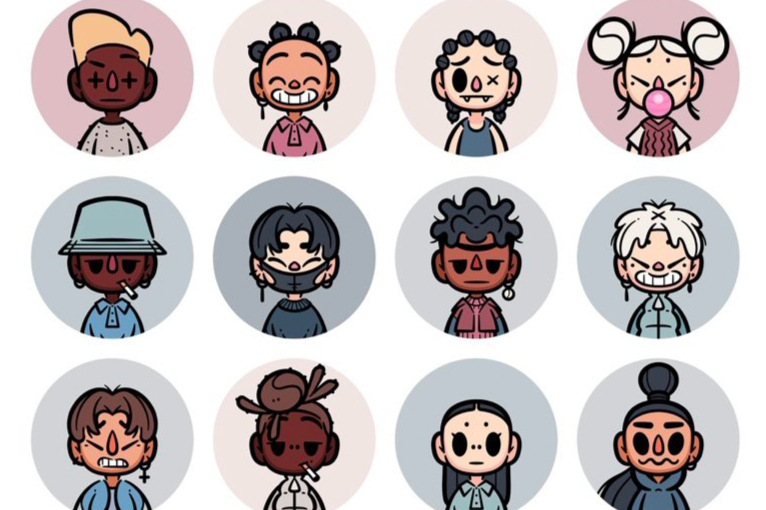
However, unlike March, when crypto artists such as Beeple brought NFT into the mainstream with their art, this time the monthly spike is due to the NFT craze. Many people are used to calling such NFTs "collectibles", but different from "art collectibles", these NFTs are of low artistic quality and will attract wide attention and set off trends on social networks through mass distribution. They are more similar to fashion toys in the physical world, so this paper collectively calls these NFTs "fashion play".
When you look at OpenSea's NFT project rankings, the top five NFT projects are all in the "fad" category.

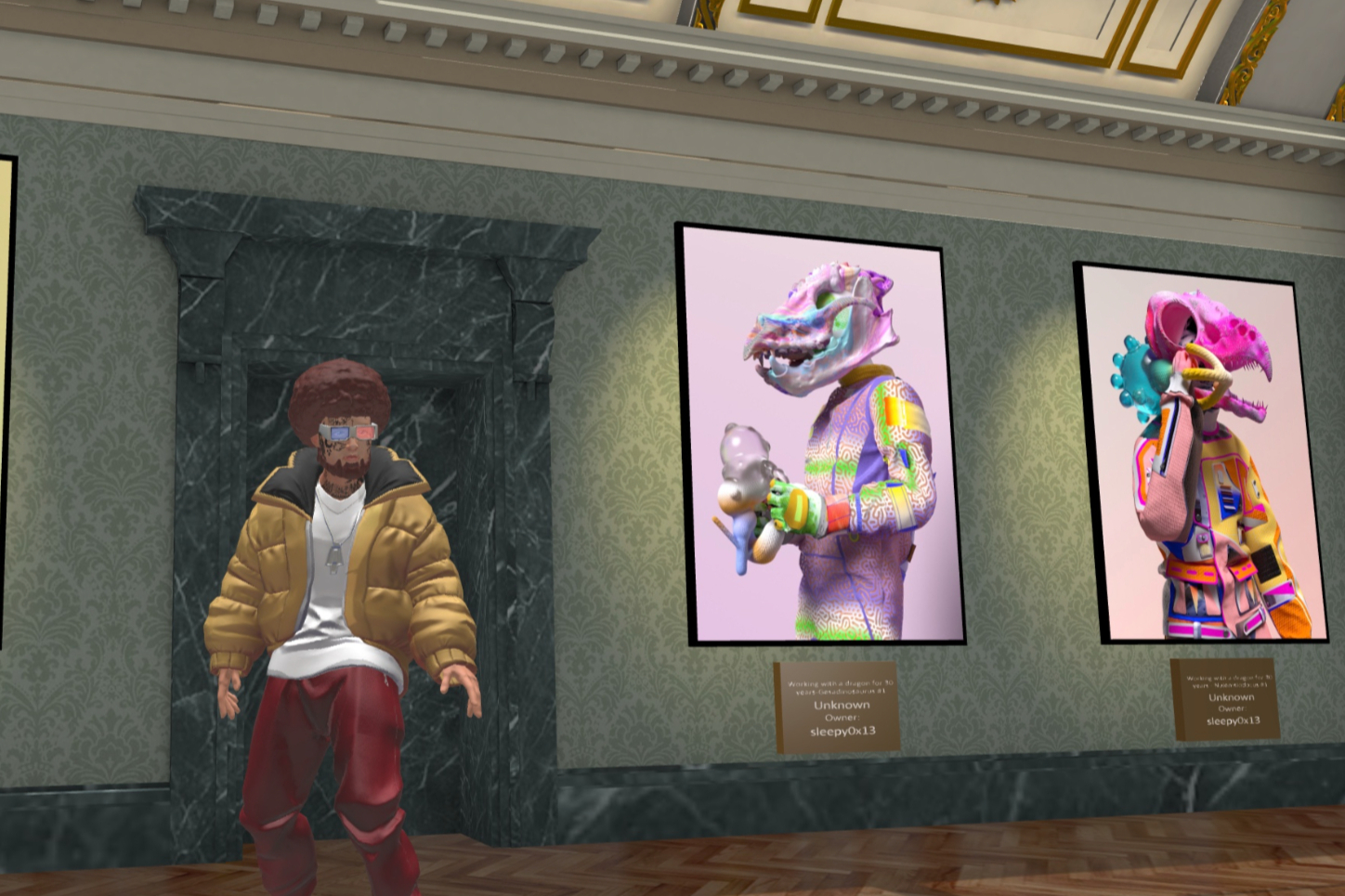
We usually think that art NFT is difficult to price, because everyone has a different aesthetic, each artist's works are unique, even if the price of two works of the same artist may be due to collectors' aesthetic preferences will produce a great deviation.
However, the NFT is much easier to price for. Compared with works of art, they are in large quantities and in series. They have the same template as NFT in the series, but the only difference is the elements carried in the template. The rarer these elements are, the more they are sought after by people.
The rarity of these elements is usually disclosed on the project website. However, as the number of elements in the project increases, it is difficult to rank the rarity of each element combination subjectively, which means it is difficult to tell which NFT is truly rare by browsing OpenSea.
In this article, we introduce rarity. Tools, a tool that allows you to rank NFT by rarity. For experienced NFT players, it is an indispensable "artifact"; For new NFT players, it will be a great help on your collection journey.
Rarity. The introduction of tools & have spent
Rarity. Tools is a tool that allows you to rank, score, and retrieve information based on the rarity of NFT. The website updates quickly, and in addition to popular projects such as Cryptopunks and Bored Apes, users can also query numerous new ones that were recently born, covering a wide range of fields. Users will also be able to check out upcoming new projects on the site.

After selecting a collection of NFT collectibles, the user can choose to rank them by rarity, and rarity. Tools will score all of the features in the collection, then add up the scores based on the number of features a particular NFT has.

Users can query the NFT's collector, number, feature, rarity score, etc., and the floor price of each feature is clear at a glance.
In addition, rarity. Tools collects comments from various NFT communities and adds certain "hidden features" to rarity references based on different communities' aesthetic preferences, such as the CryptoPunks, Bayc's "feature counts," Waifusion, Chubbies "top and bottom matching" and so on.

In addition, the user can also screen the NFT according to the specific sequence number, price range, rarity ranking range and so on, so as to select the more desirable NFT.

Rarity. Tools also ranked these NFT items according to the volume of transactions over the past seven days, the total volume of transactions, the average price over the past seven days, and the total number of users.

Rarity scoring mechanism
For a single feature, it is easy to rank them by dividing the total number of NFTs for a particular feature by the total number of NFTs for that series, and the lower the number, the rarer it becomes. But if an NFT is composed of many features, how do we rank their rarity?
At present, there are three common methods.
1. Rank of feature rarity: Rank according to the rarest feature of a certain NFT. This approach is relatively simple, but it has a significant drawback because it only considers the rarest features of each NFT, and does not consider whether other features are common or rare, and the rarity of other features also affects the overall rarity of the NFT.
2. Average rarity ranking of features: take the average rarity of all features of a certain NFT. This is a bit more complicated than the previous method, but it's still a bit crude because it dilutes the rarity of rare features.
3. Rarity statistical ranking: Multiply the rarity of a certain NFT. Due to the complexity of the calculation, the community usually completes the calculation and makes it public.
Rarity calculation of NFT is subject to a certain degree of subjective bias, but rarity. Tools tries to get rid of people's subjective perception as much as possible.
The rarity. Tools use a different set of calculations.
The rarity score for rarity. Tools is calculated as follows:
Trait rarity score =1/ ([total number of NFTs with that trait]/[total number of NFTs in the series])
The total rarity score is the sum of the rarity scores of all properties.
For example, if A series has 100 NFTs and the number of NFTs with feature A is 10, then the rarity score for feature A is 1/ (10/100) =10
Let's use an example to get a sense of how rarity. Tools differs from other approaches.

The figure above is a series of NFT, if their properties are converted to percentages and calculated statistically:

In the end, NFTs numbered 7-10 are scarcer than NFTs numbered 1, but in the eyes of many people, feature 1 is the scarcest, so they would prefer to buy NFTs numbered 1 at a higher price than NFTs numbered 7-10.
So what do we do using rarity. Tools?
Calculate and sum the rarity scores for each feature, and we get the following result:

NFT # 1 is the rarest, followed by NFT # 7-10, and NFT # 2-6 is the lowest. This is a combination of objective data and subjective judgments, and for now at least, it's the best way to calculate things.
What about other than rarity?
But must be clear, as with tide play attributes of NFT collection, and we, as a carbon-based life, with a sense of subjective rarity Numbers instead of what we really should not be left in the be fond of, and it is also home to many Tibet has warned the couple things, to collect the primary cause of NFT should really like is you, rather than how much money it earns.
So rarity. Tools is not a pricing tool, it's a rarity reference for NFT players to get a better understanding of a collection. It's a fast track for rarity collectors, but it's not an investment recommendation, rarity isn't everything. The value of NFT is also determined by a series of factors such as aesthetics and story.
Speculation and bubbles exist in a healthy market, but they should not be allowed to dominate the market. Nowadays, the blind box collectibles are everywhere in the NFT world, so we should put our attitude right and avoid getting caught in the whirlpool of over-hype. We can use rarity. Tools and combine our own interests to buy our favorite NFT collectibles with good value.
Reference:Ranking Rarity: Understanding Rarity Calculation Methods- a rarity. The tools
Welcome to join the official BlockBeats community:
Telegram Subscription Group: https://t.me/theblockbeats
Telegram Discussion Group: https://t.me/BlockBeats_App
Official Twitter Account: https://twitter.com/BlockBeatsAsia
 Related Articles